Itinerary
Poland in 10 Days: The Classic Route
A practical ten-day route across the country, pairing Krakow, Warsaw, Gdansk and Wroclaw with the day trips that make each stop worthwhile.
Ten days is enough to see the four cities that anchor a first trip to Poland, with time for the essential day trips in between. This route runs south to north and back, following the fast intercity rail lines so you spend your days in the cities rather than getting to them. The trains between the main cities are frequent, comfortable and affordable, and booking seats online ahead keeps fares low. Below is a day-by-day plan with the travel legs and what to prioritise at each stop.
Days 1 to 3: Krakow
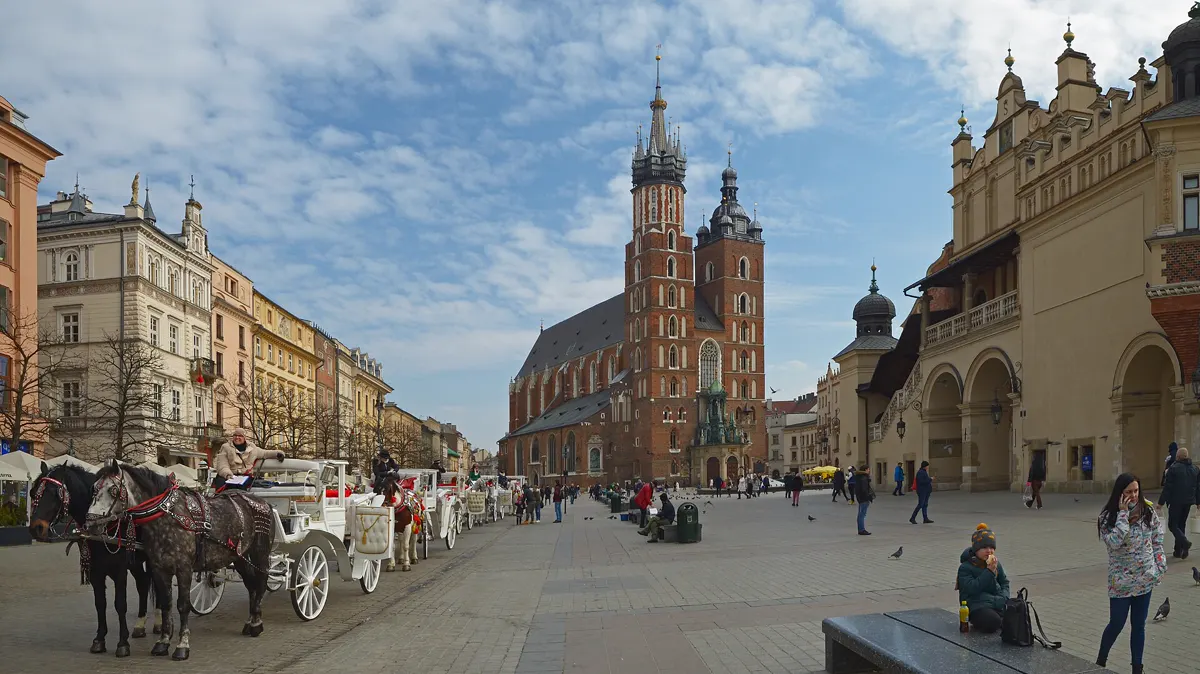
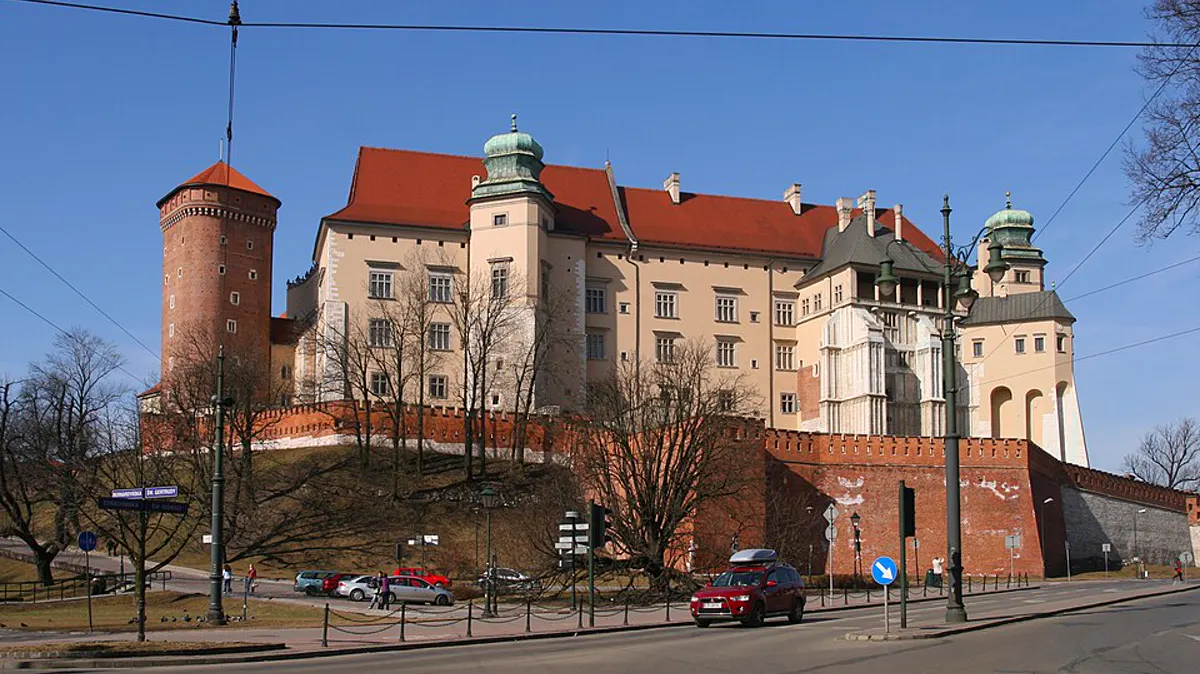
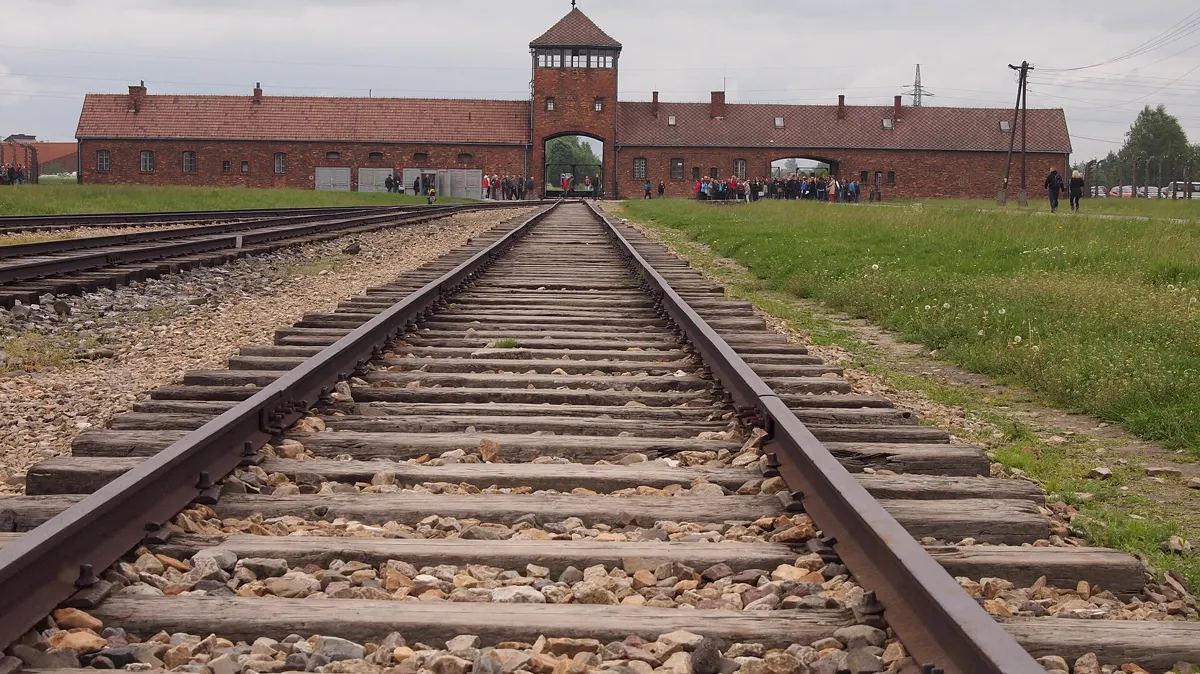
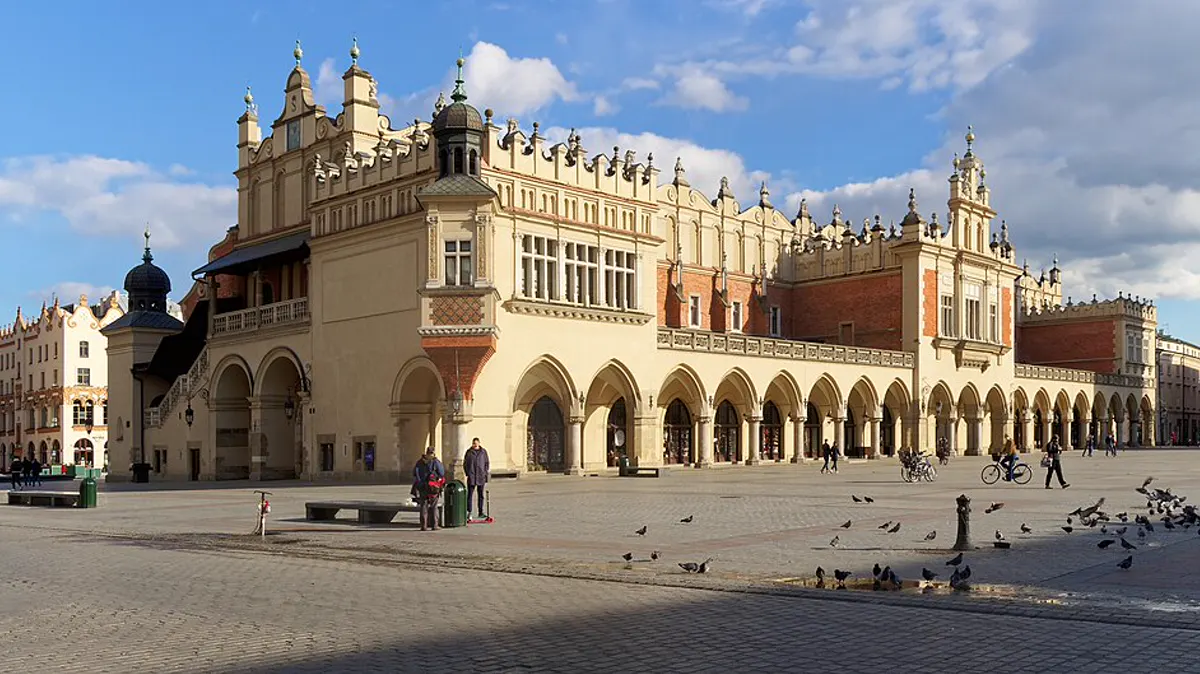
Start in Krakow, the best-preserved historic city in the country. Give the first two days to the Old Town, Wawel Castle and the former Jewish quarter of Kazimierz, with an afternoon across the river in Podgorze for the history of the city under occupation. Use the third day for one trip out: the Wieliczka Salt Mine, an easy half-day by train, or the Auschwitz-Birkenau Memorial for those who wish to pay their respects. Both use timed entry and should be booked before you arrive. For a fuller breakdown, see the Krakow guide.
Days 4 to 5: Warsaw
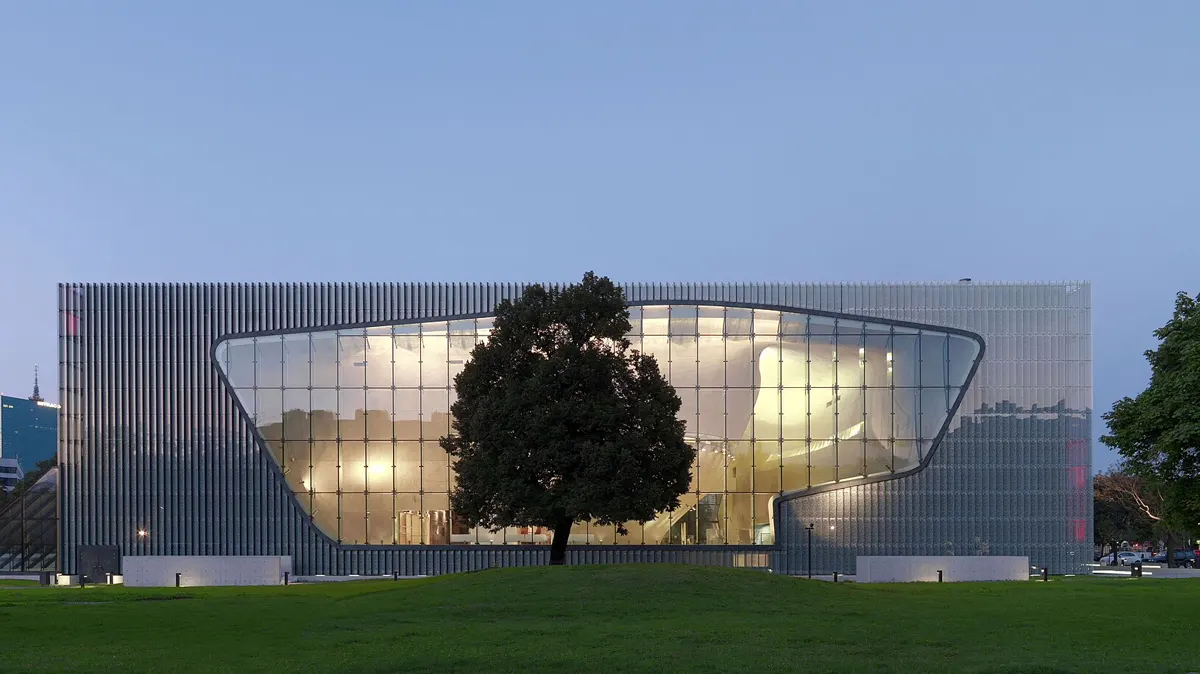
Take a morning train north to Warsaw, around two and a half hours away on the fast service. Spend the time on the rebuilt Old Town and the Royal Castle, both raised from rubble after the war, then walk the Royal Route, Krakowskie Przedmiescie, down toward the palace-park at Lazienki. Give the second day to the two great history museums, POLIN on the thousand-year story of Polish Jews and the Warsaw Rising Museum, which between them explain the twentieth century that shaped the city.
Days 6 to 8: Gdansk and the coast
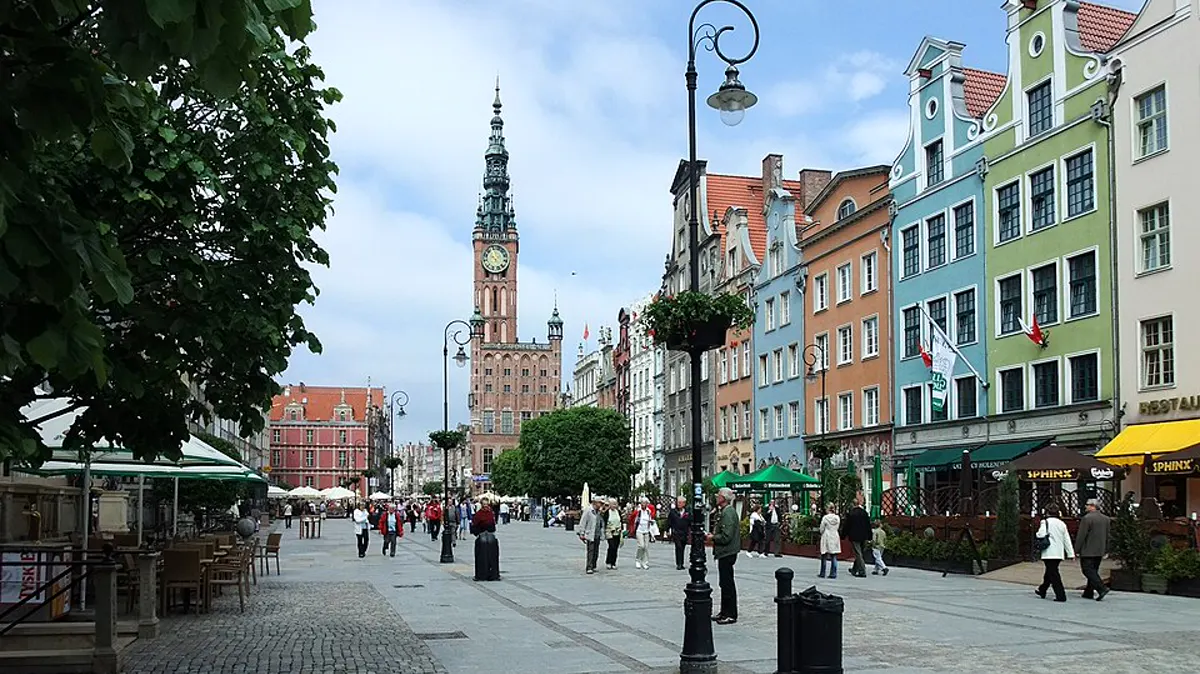
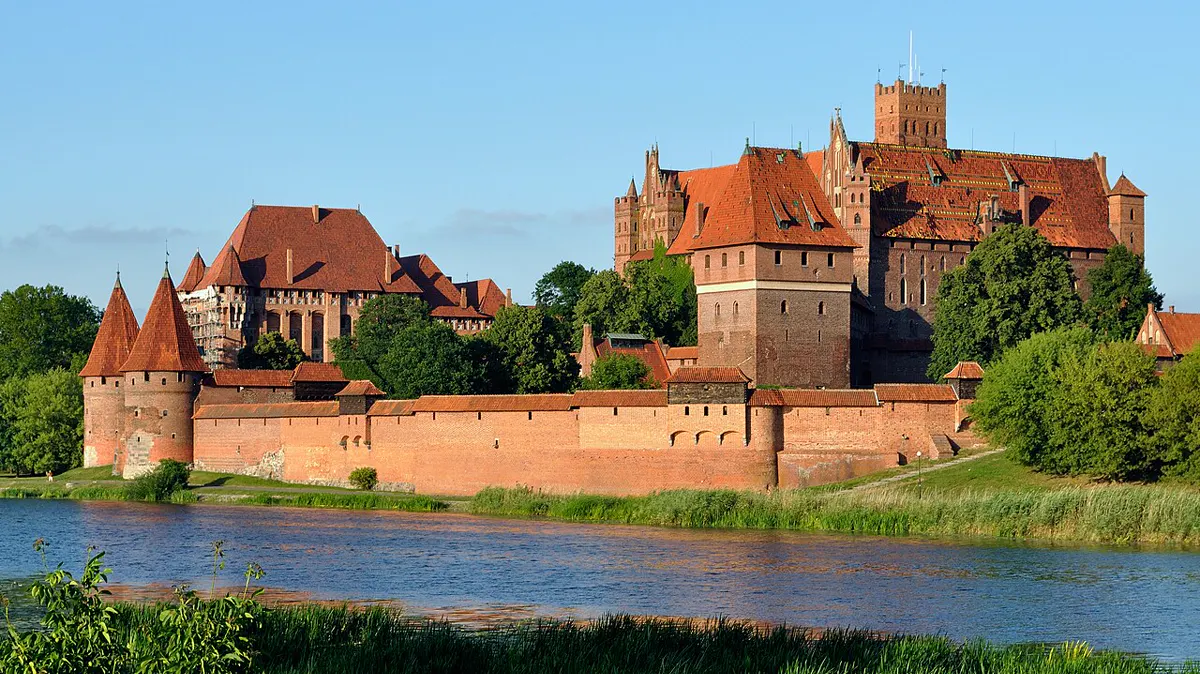
Continue north to Gdansk on the Baltic, again about two and a half hours by fast train. Two days cover the brick-Gothic main town along Dlugi Targ and the Long Street, the European Solidarity Centre at the old shipyard where the movement that helped end communism began, and the Museum of the Second World War. Set aside half a day for Malbork Castle, the largest castle in the world by land area and the former seat of the Teutonic Knights, a short train ride inland.
With the third day, ride the frequent commuter train up the coast to the resort town of Sopot for its long wooden pier and beach, or take the tram out to the quiet monastery quarter of Oliwa with its cathedral organ. In summer the Baltic makes a relaxed counterpoint to the inland cities.
Days 9 to 10: Wroclaw on the way back
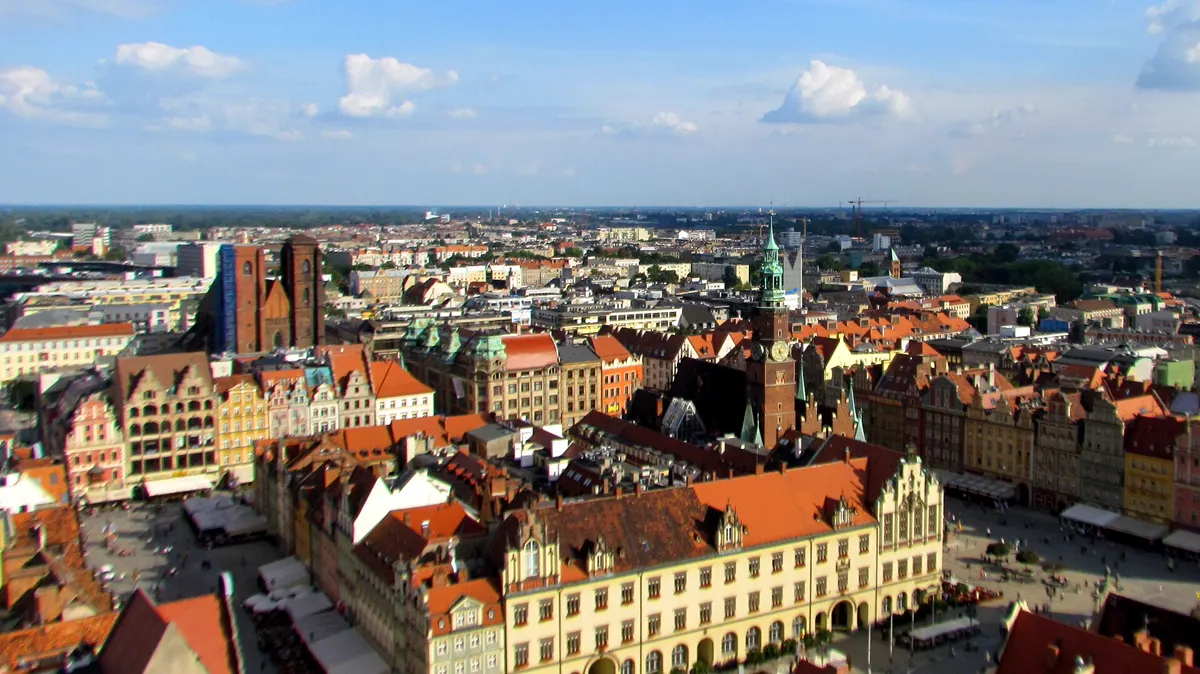
Break the journey south in Wroclaw, a city of islands and bridges with one of the finest market squares in Poland. Spend a day on the market square and the streets around it, hunting the small bronze dwarf figures dotted across the pavements, and the huge circular painting at the Panorama Raclawicka. Give part of the second day to Cathedral Island, the old religious quarter across the river, and to the UNESCO-listed Centennial Hall. From Wroclaw, Krakow and the airports of the south are within a few hours by train for the trip home.
Book the anchors first
Reserve your Wawel tickets, the Auschwitz-Birkenau Memorial or Wieliczka slot, and your intercity train seats as soon as your dates are set. Fast-train fares are cheapest bought well ahead, and building the rest of the trip around these fixed points keeps it smooth.
How to adapt the route
The plan is a frame, not a fixed schedule. A few ways to change it:
- With a fortnight rather than ten days, add Torun, the Gothic riverside town and birthplace of Copernicus, on the Warsaw to Gdansk leg.
- For the mountains, extend south from Krakow to Zakopane and the Tatra National Park, about two hours from the city.
- If you prefer a slower pace, drop Wroclaw and fly home from Warsaw or Gdansk, giving each city an extra day.
- Reverse the whole route if your cheapest flights land in Gdansk or Warsaw rather than Krakow.
Published 29 June 2026. Last updated 29 June 2026.