Museum in Gdańsk
European Solidarity Centre
A museum beside the Gdansk shipyard charting the rise of the Solidarity movement and the fall of communism in Europe.
Reviewed and updated July 2026
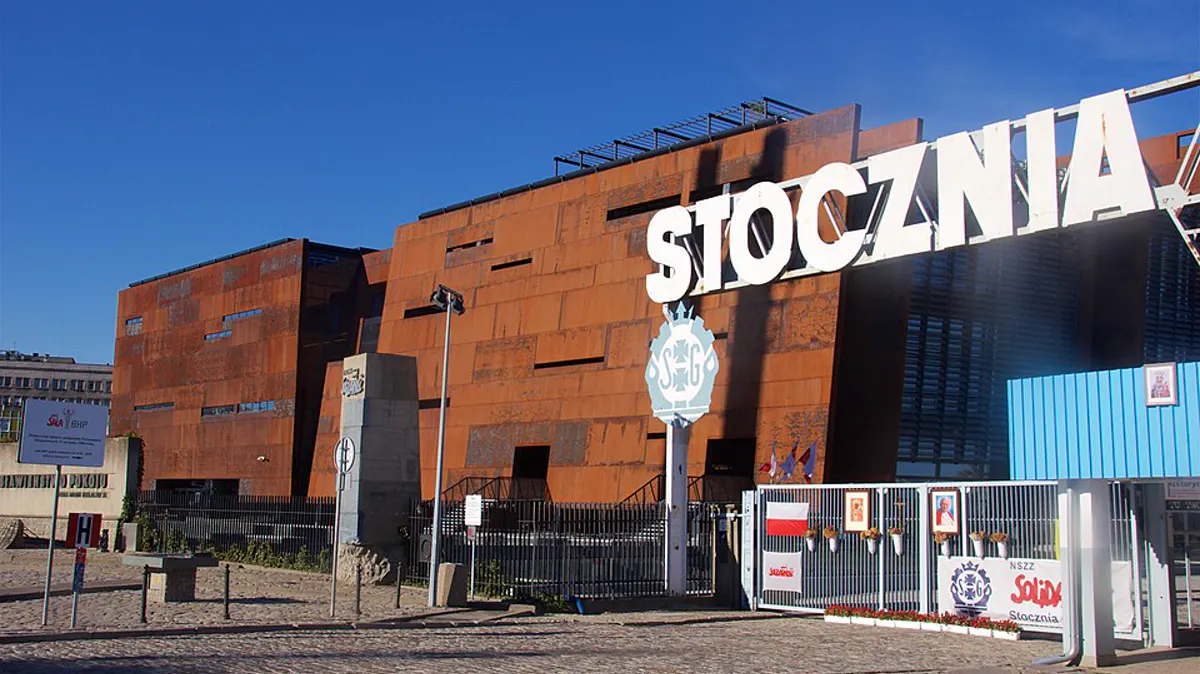
The European Solidarity Centre stands at Gate No. 2 of the Gdansk Shipyard, where in August 1980 a strike led by Lech Walesa gave rise to Solidarity, the first independent trade union in the Soviet bloc. The building, clad in weathered steel that rusts to the colour of a ship's hull, opened in 2014 on the anniversary of the agreement that ended the strike.
Why visit the Solidarity Centre
Few museums carry a subject of this weight. Solidarity began with shipyard workers and helped bring down communism across the region. The permanent exhibition tells that story on the ground where it happened, using real objects and personal testimony rather than abstraction. The centre is also an archive, library and meeting place, not only a display.
Inside the exhibition
The permanent exhibition runs through seven halls:
- The original boards carrying the workers' twenty-one demands, listed in the UNESCO Memory of the World register.
- The story of the August 1980 strike and the sixteen months when Solidarity operated legally.
- The imposition of martial law in December 1981, the underground years, and the negotiated end of communism in 1989.
- A rooftop terrace, free to visit, that looks out over the shipyard cranes.
The rise of Solidarity
Protests at the Gdansk shipyard in December 1970 were put down with loss of life. Ten years later, the 1980 strike produced the Gdansk Agreement and a legal, independent union. Solidarity was suppressed under martial law but survived underground, and returned to force the round-table talks of 1989. The centre opened in 2014 to hold and interpret that history.
How long to spend
Allow around two hours for the permanent exhibition, and more if you use the reading room or spend time on the roof. The exhibition is dense, so it rewards an unhurried visit.
Best time to visit
Weekday mornings are quietest. The rooftop terrace is best in clear weather for the view over the yard. The area around Gate No. 2 draws crowds on the anniversary of the August agreement, which is a striking but busy time to come.
Getting to the Gdansk shipyard
The centre is at Plac Solidarnosci, by the shipyard gate, a walkable distance north of the Main Town or a short tram ride. For orientation and transport, see the Gdansk guide.
Accessibility at the centre
The building is modern and step-free, with lifts to all levels including the roof terrace. Check the centre's access pages for details on wheelchairs and other provisions.
Around the shipyard
The centre sits just outside the old core, close to other major sights:
- The Monument to the Fallen Shipyard Workers of 1970, three tall crosses topped with anchors, directly in front of the gate.
- The Museum of the Second World War, a short walk away.
- The Long Market and Royal Route and the medieval Crane in the Main Town.
Good to know
The permanent exhibition is ticketed, while the rooftop terrace is free to visit. The centre closes on one day of the week, so check the official ECS site for current hours and prices.
Common questions
What is Solidarity?
Solidarity was the first independent, self-governing trade union in the Soviet bloc, founded at the Gdansk shipyard in 1980. It grew into a mass movement that helped end communist rule in Poland.
What are the twenty-one demands?
They were the strikers' written demands in August 1980, posted on the shipyard gate. The original boards are held here and listed in the UNESCO Memory of the World register.
Is the rooftop free?
Yes. The rooftop terrace, with its view over the shipyard, can be visited free of charge, separately from the ticketed exhibition.
Frequently asked questions
More to explore in Gdańsk

Restaurant
Eliksir
A refined tasting-menu restaurant in the Garnizon district of Wrzeszcz, making the most of Baltic ingredients.
Hotel
Hotel Podewils
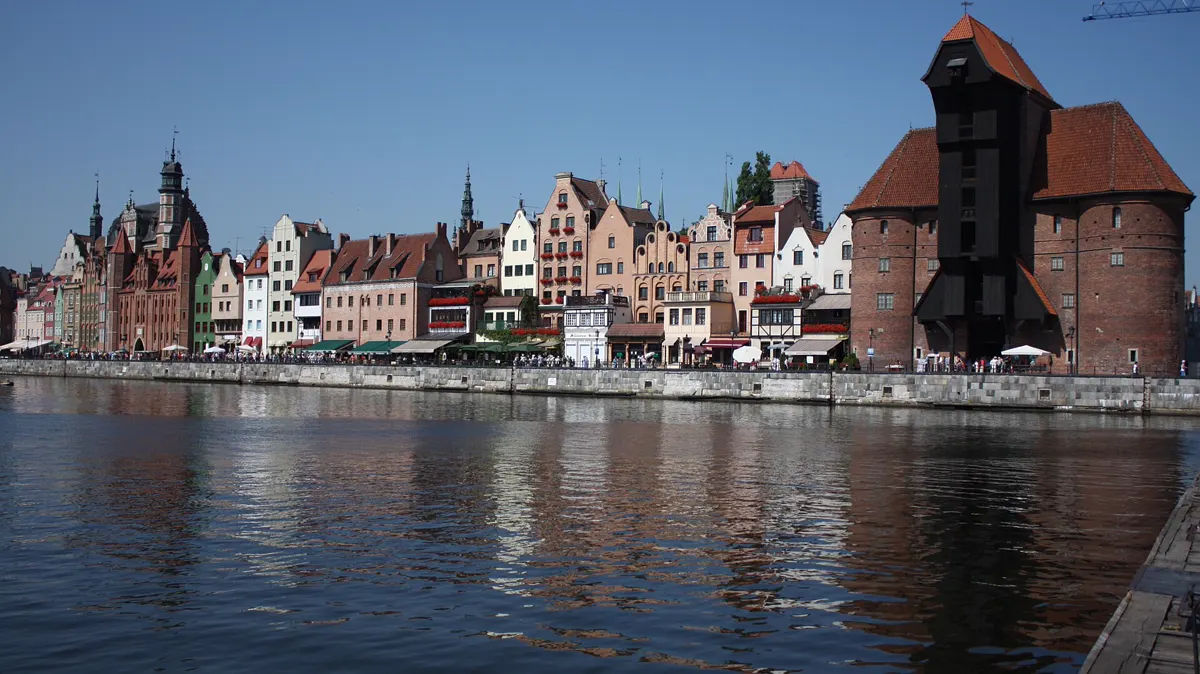
A baroque townhouse hotel right on the marina, facing the old crane across the water.
Nature
Westerplatte
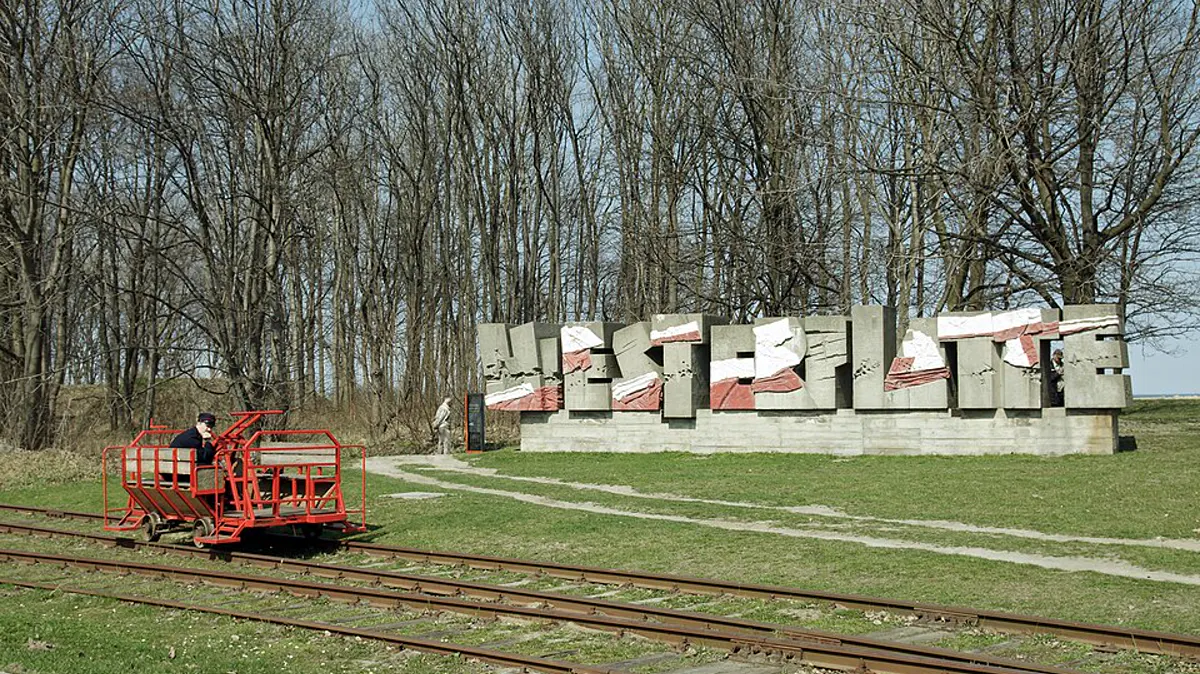
The seaside peninsula where WWII began, now a memorial park reached by a summer river boat.
Attraction
Long Market
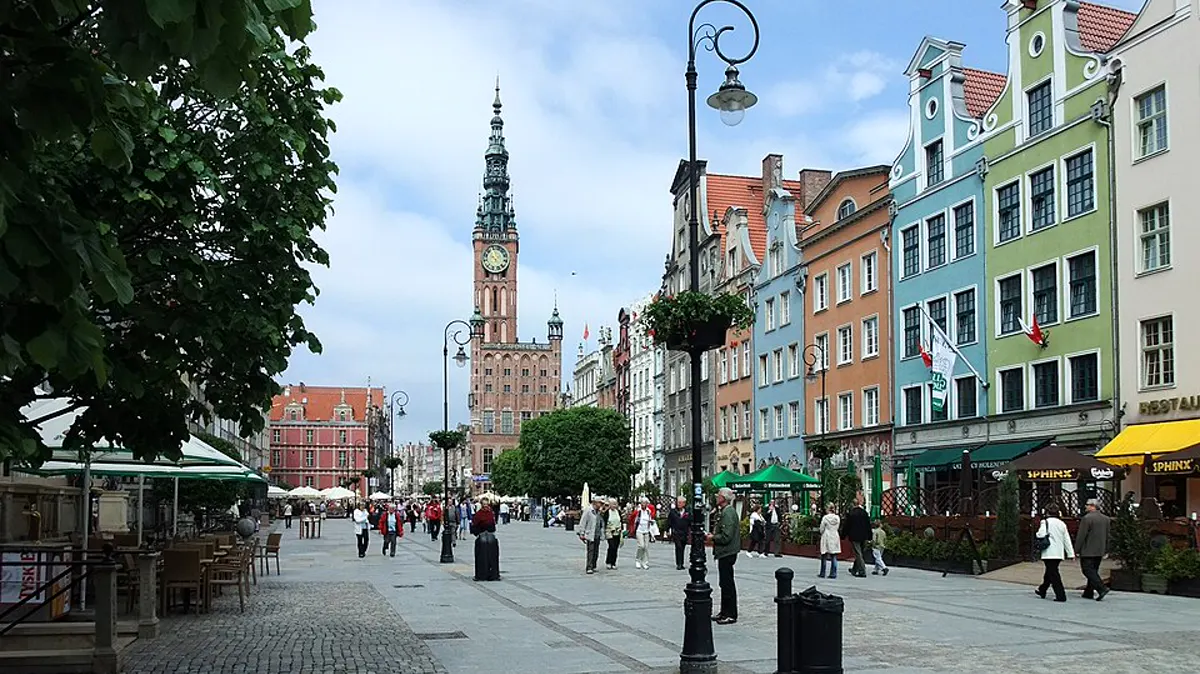
The grand main thoroughfare of Gdansk, a wide promenade of merchant facades running from the Golden Gate to the river.
Attraction
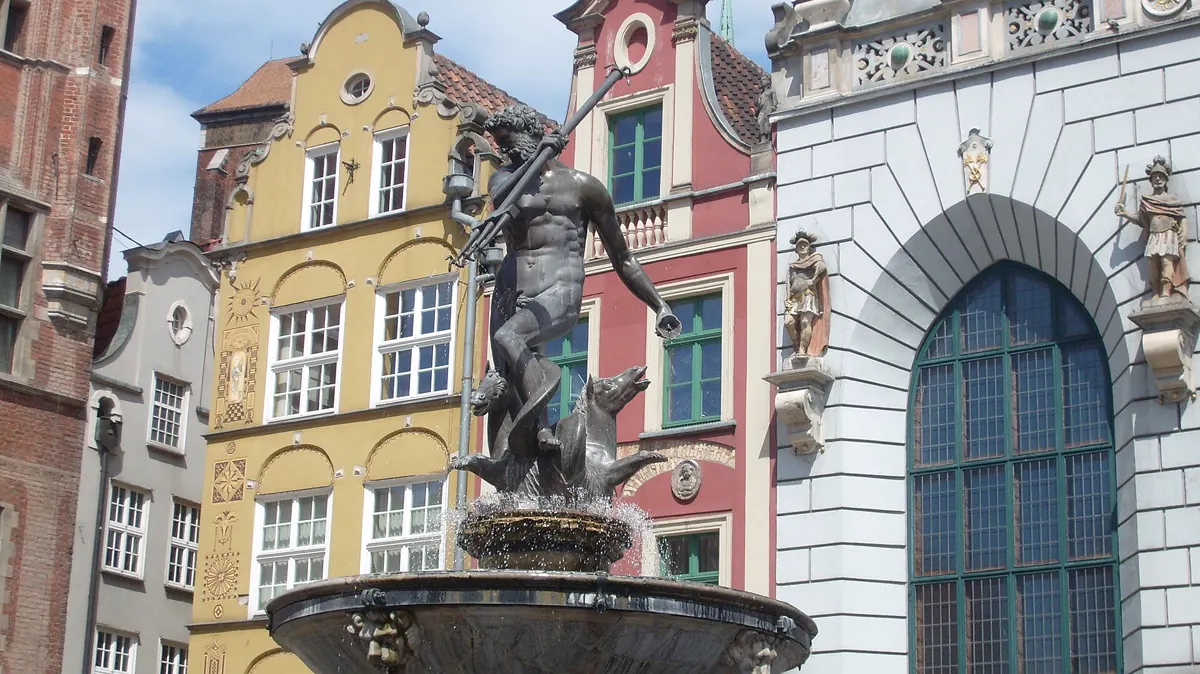
Fontanna Neptuna
The bronze Neptune Fountain, cast in the early 17th century, has stood in front of the Artus Court since 1633 and became the symbol of Gdansk. Local legend claims the god's trident scattered gold flakes into the water, inspiring the herbal liqueur Goldwasser.
Attraction
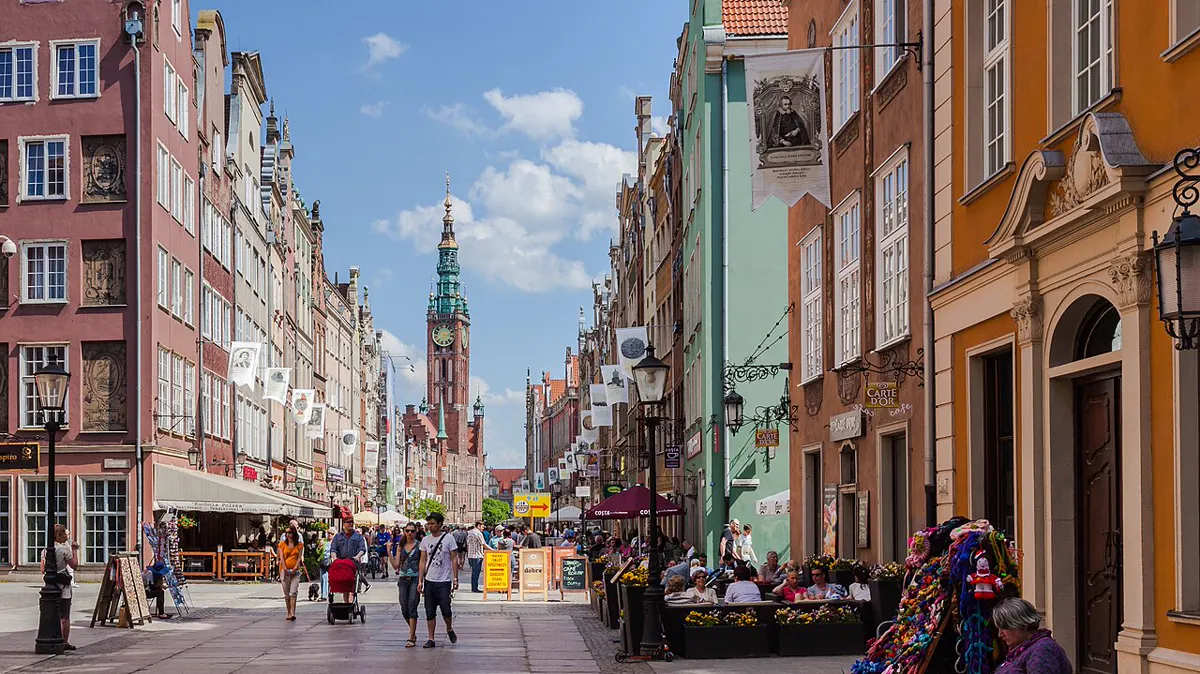
Main Town Hall (Museum of Gdansk)
The Main Town Hall in Gdansk is a Gothic and Renaissance civic building at the corner of Dluga Street and the Long Market, now the main branch of the Museum of Gdansk.