Attraction in Kraków
Wieliczka Salt Mine
A UNESCO-listed salt mine worked for seven centuries, with underground chapels, lakes and chambers carved entirely from rock salt.
Reviewed and updated July 2026
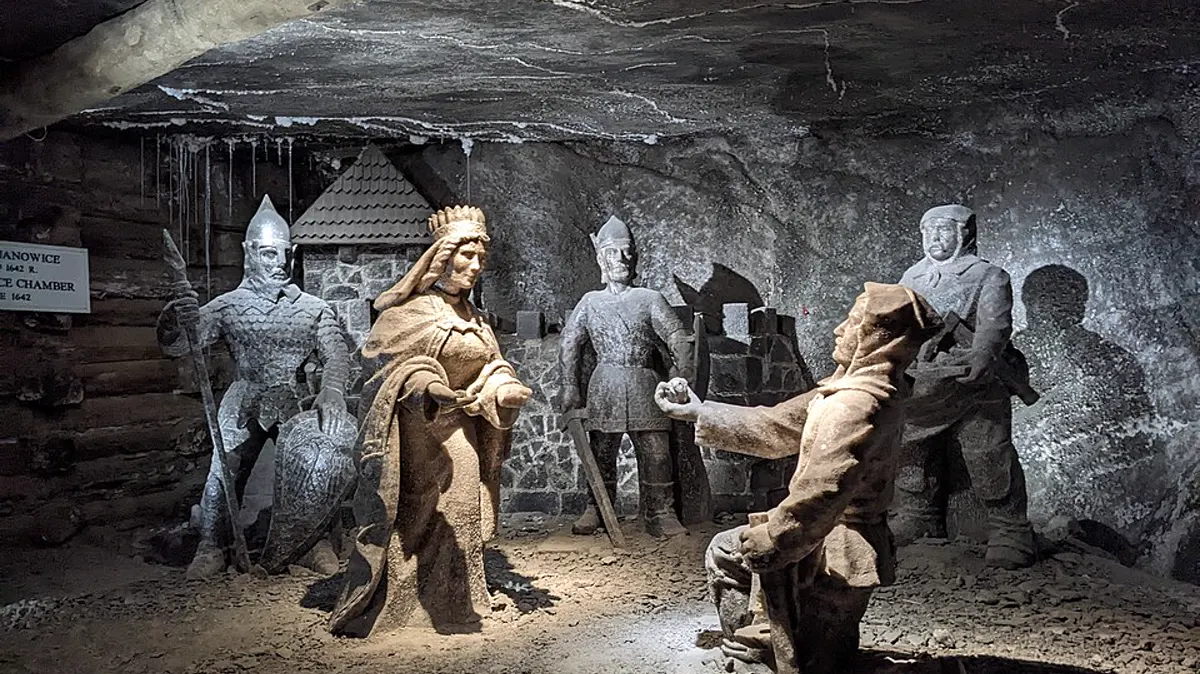
Wieliczka is a working relic. Salt was dug here from the 13th century until commercial mining wound down in the late 20th, and over those seven centuries miners cut a labyrinth of shafts, chambers and chapels out of the rock salt itself. The mine reaches a depth of about 327 metres. It was one of the first sites placed on the UNESCO World Heritage list, in 1978. It lies roughly 15 kilometres south-east of Krakow.
Why visit Wieliczka Salt Mine
You go underground to see rooms carved entirely from salt: statues, reliefs, whole chapels and chandeliers, all worked from the grey-green rock by generations of miners. The scale is the surprise. This is not a natural cave but a hand-cut world, with underground lakes, timber-braced passages and a church large enough to hold services. It is the most visited day trip from Krakow and pairs naturally with a morning in the city and an afternoon at Wawel Castle.
What to see underground
Visits follow the standard Tourist Route, which threads through a long sequence of chambers, sculptures, brine lakes and chapels. The high point is the Chapel of St Kinga, a full church about 100 metres down, with altarpieces, wall reliefs and chandeliers all made from salt. Along the way, exhibits and reconstructions explain how the salt was cut, hauled and hoisted to the surface, and how mining shaped the town above.
Seven centuries of salt mining
Rock salt has been mined at Wieliczka since the Middle Ages, and the trade made it one of the most valuable enterprises in the old Polish kingdom, funding the crown and the growth of Krakow. The chapels were carved by miners who worked and worshipped underground for long shifts. Mining of salt for sale ended in the 20th century, and the site now works as a museum and monument rather than a mine.
How long to spend
The standard Tourist Route takes roughly two to three hours underground, guide included. With travel from Krakow and time to reach the shaft, plan on about half a day for the whole outing. You can pair it with a relaxed afternoon back in the Old Town.
Best time to visit Wieliczka
The mine is busiest in July and August and over public holidays, when tour groups fill the timed slots. Book online ahead in the peak months, or come early or late in the day for a quieter route. The temperature underground stays cool all year, so bring a layer whatever the weather above ground.
Getting to Wieliczka from Krakow
Wieliczka sits on the south-eastern edge of the Krakow conurbation. Regular trains and minibuses run from the centre of Krakow and take around half an hour. If you drive, there is parking near the mine, though it fills in summer. Many visitors go on an organised transfer, which handles both the travel and the timed entry.
Accessibility in the mine
The standard Tourist Route is physically demanding. It begins with a long wooden staircase down the entry shaft, around 380 steps, and covers roughly 800 stairs in total before a lift brings you back to the surface. The route is not suitable for wheelchairs or for anyone who cannot manage stairs. The mine runs a separate route adapted for visitors with limited mobility, so check its official access information and book that option in advance.
Around Wieliczka
Almost everything else you would see is back in Krakow, a short train ride away:
- The Main Market Square, the medieval heart of the Old Town.
- St Mary's Basilica, with its unequal towers and the Veit Stoss altarpiece.
- Wawel Castle and cathedral on the hill above the Vistula.
Good to know
You can only visit on a guided tour, and entry is timed, so book ahead in summer. Bring a warm layer for the cool air underground and wear comfortable shoes for the stairs. Check the mine's official site for current hours and ticket types before you travel.
Common Wieliczka questions
Can you visit the salt mine without a guide?
No. The Tourist Route is walked in a group with a guide, and entry is by timed slot. Booking online ahead of time is sensible in the busy months.
How many steps are there?
The standard route starts with about 380 steps down the entry shaft and takes in roughly 800 stairs overall. A lift carries you back up at the end, so you do not climb out.
How long does the tour take?
The underground route runs about two to three hours. With travel from Krakow, set aside roughly half a day for the whole trip.
Frequently asked questions
More attractions in Kraków
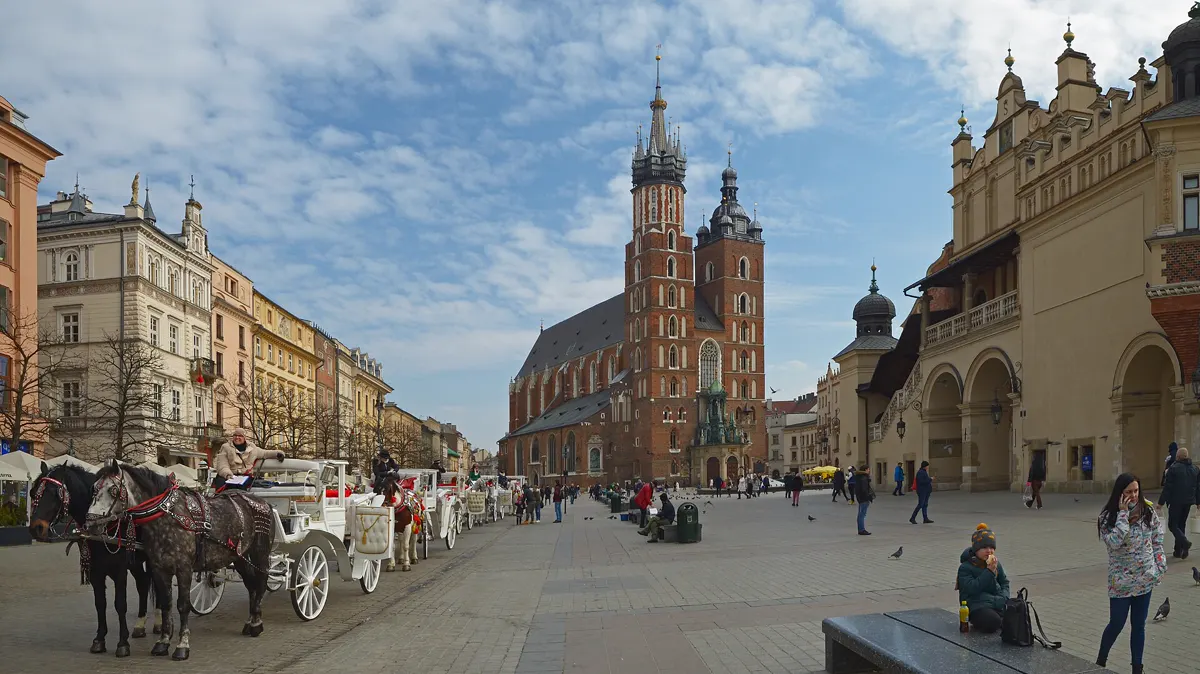
Main Market Square
Europe's largest medieval market square, the social centre of Krakow, with the Cloth Hall running down its middle.
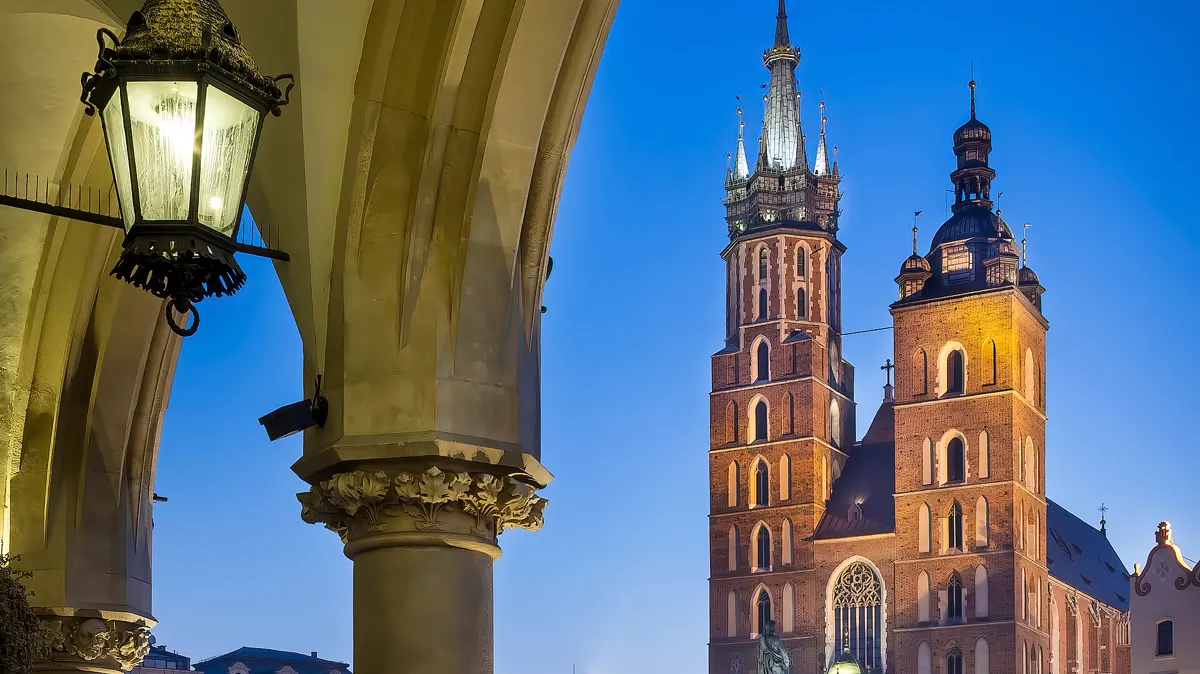
St Mary's Basilica
The brick Gothic church on the main square, famous for its mismatched towers and a carved wooden altarpiece by Veit Stoss.
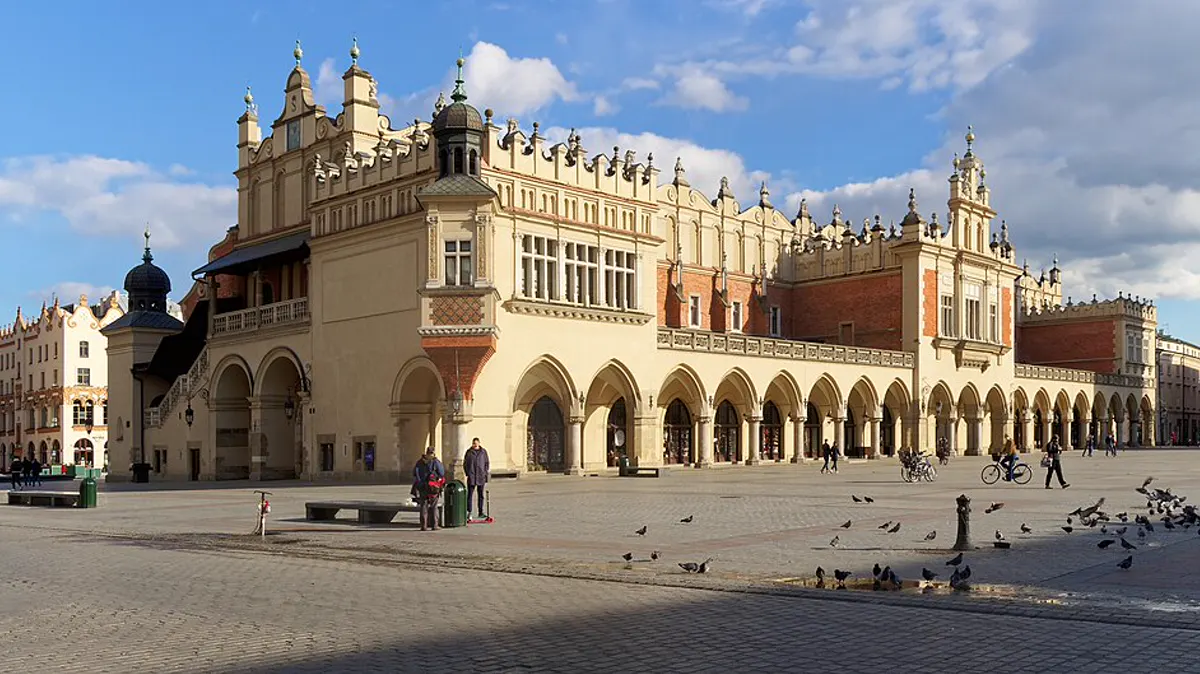
Sukiennice
The Renaissance Cloth Hall running down the centre of Rynek Glowny, once a hub of international cloth trade. Today its arcaded ground floor is lined with market stalls, while the upper floor houses a gallery of 19th-century Polish painting.
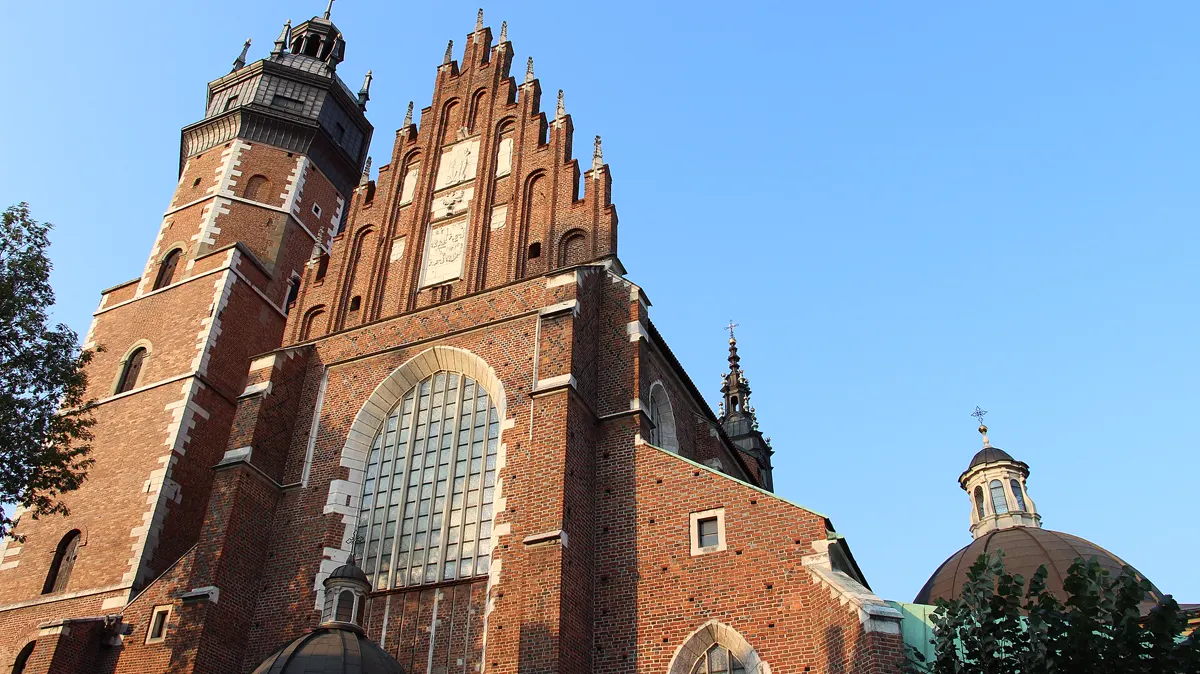
Corpus Christi Basilica
A towering Gothic basilica in Kraków's Kazimierz district, founded by King Casimir III the Great in 1335 and known for its 70-metre tower, five historic bells and a rare boat-shaped Baroque pulpit.
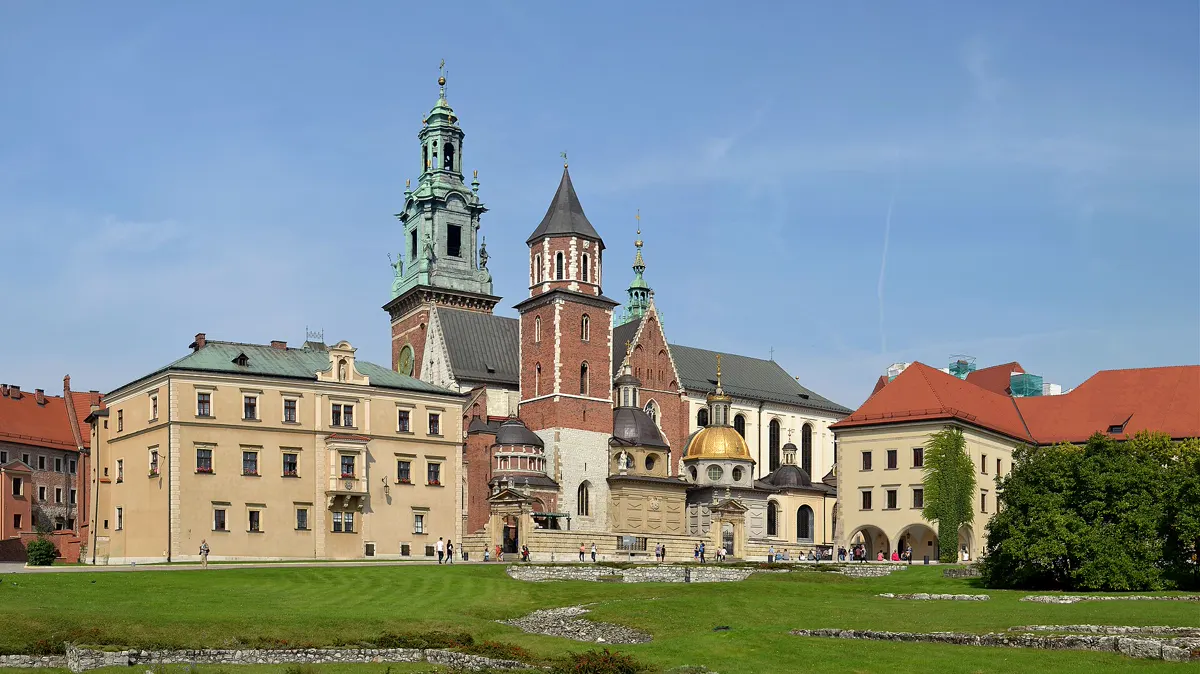
Wawel Cathedral
The coronation and burial church of Polish kings on Wawel Hill, holding royal tombs, national heroes and the famous Sigismund Bell.
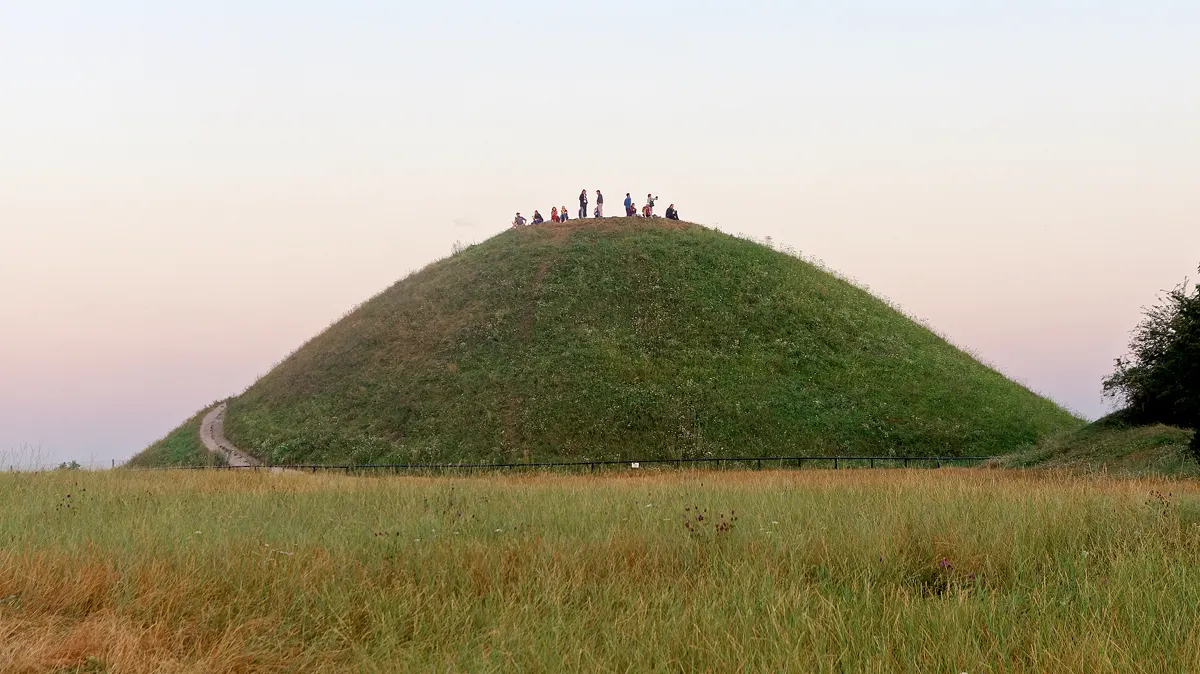
Krakus Mound (Kopiec Krakusa)
A prehistoric earthen mound on Lasota Hill in Podgorze, tied to Kraków's legendary founder and one of the best free viewpoints over the city.
Featured in
More to explore in Kraków
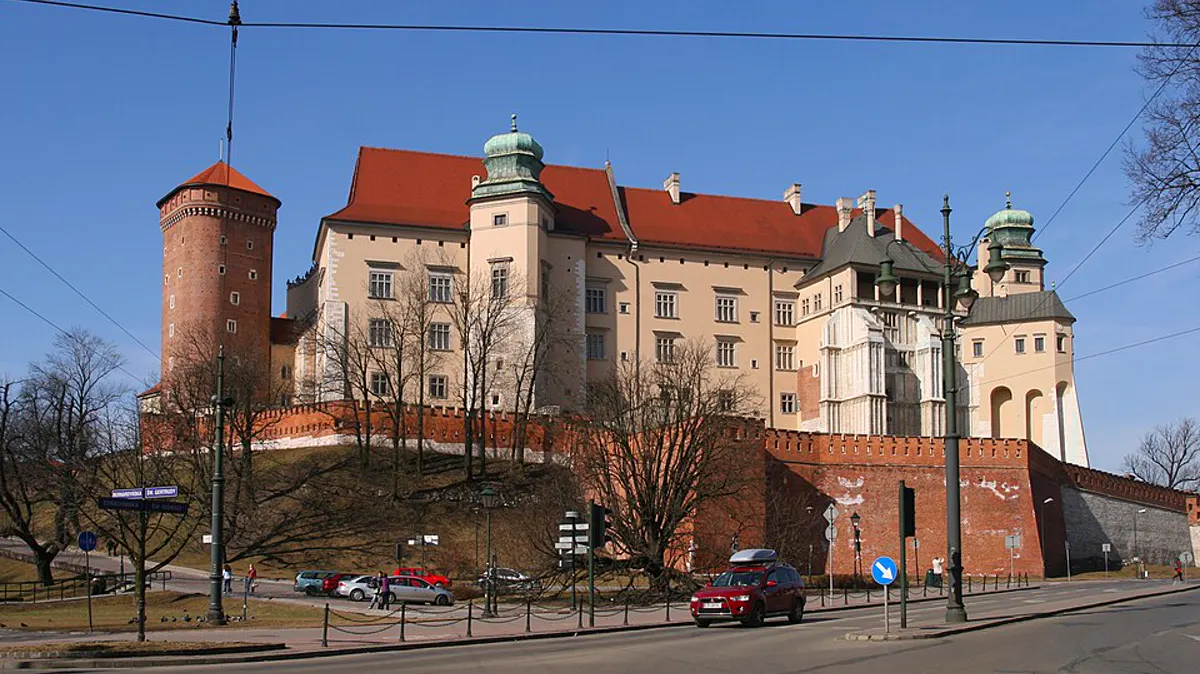
Castle
Wawel Castle
The royal castle and cathedral on the hill above the Vistula, the symbolic heart of the Polish nation for a thousand years.

Restaurant
Bottiglieria 1881
Krakow's Michelin-starred tasting-menu room, a modern Polish kitchen paired with a deep wine cellar.
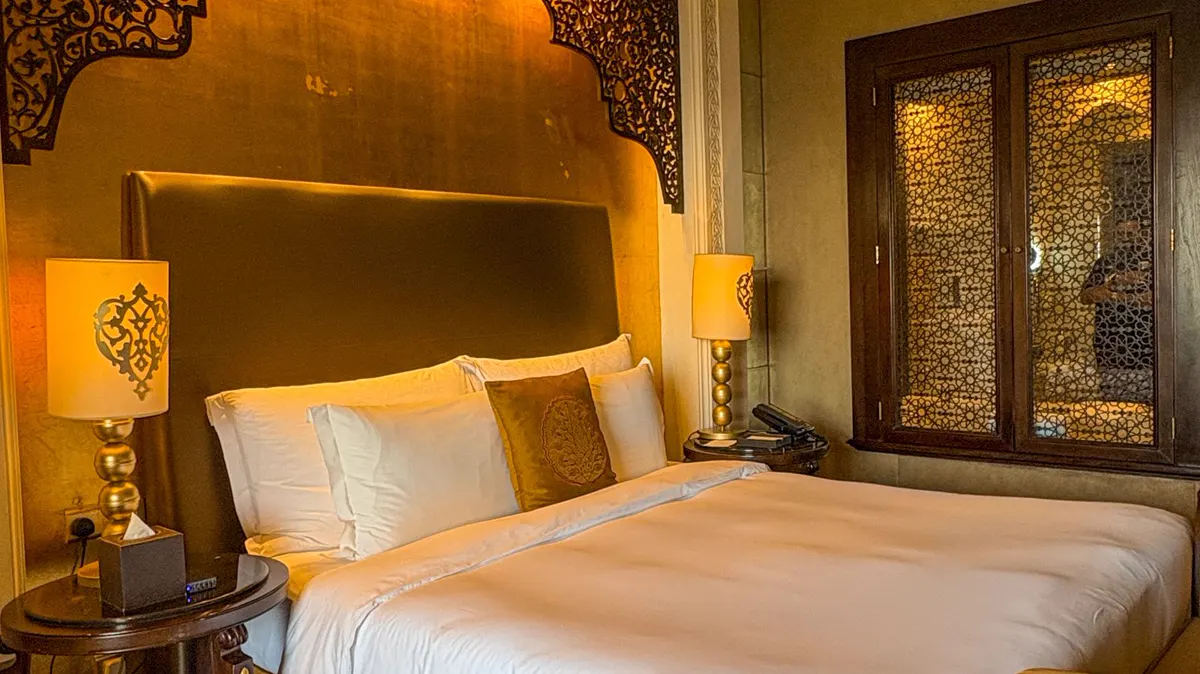
Hotel
Hotel Copernicus
A Relais & Châteaux townhouse on the oldest street in the city, with a rooftop terrace facing Wawel.
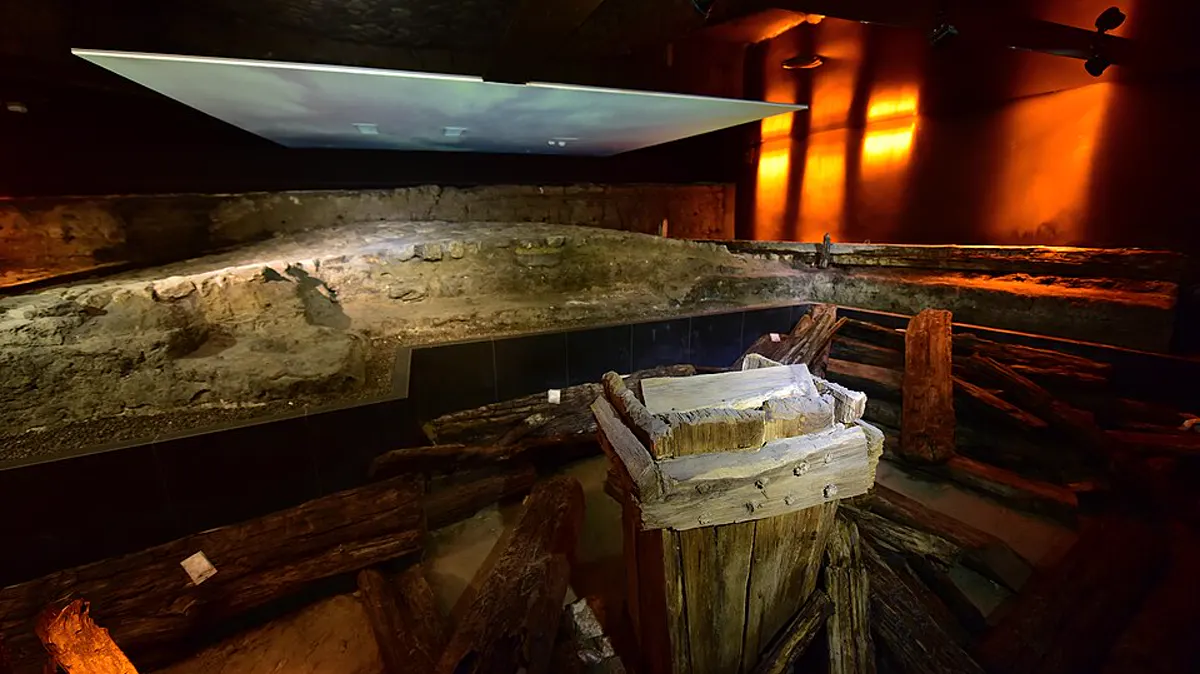
Museum
Rynek Underground
An atmospheric archaeology museum beneath the Main Square, walking you through the medieval market on its original cobbles.

Restaurant
Bar Mleczny Pod Temida
A classic milk bar on Grodzka: pierogi, soups and cutlets at prices that have barely moved in decades.
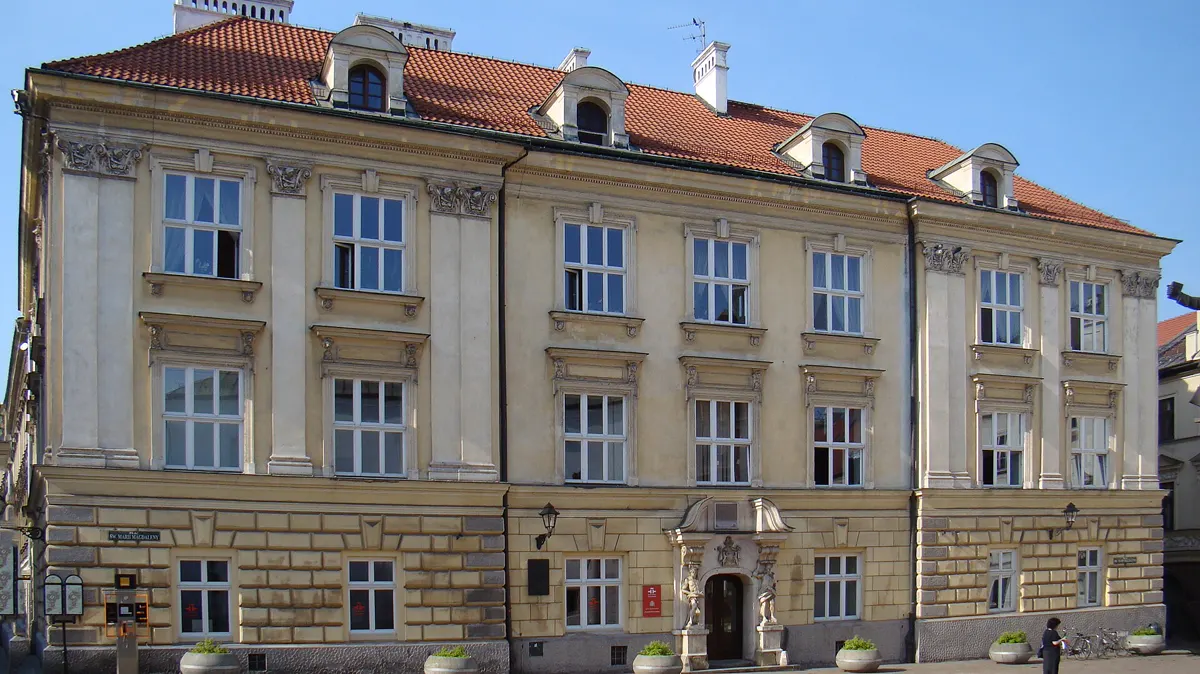
Hotel
Hotel Stary
A restored 15th-century palace steps from the Square, with a spa dug into its stone cellars.