Attraction in Warsaw
Stare Miasto (Warsaw)
Warsaw's Old Town was rebuilt from rubble after World War II so faithfully that UNESCO added it to the World Heritage list. Its Market Square is lined with pastel merchant houses and centred on the bronze Mermaid statue, the city's symbol.
Reviewed and updated July 2026
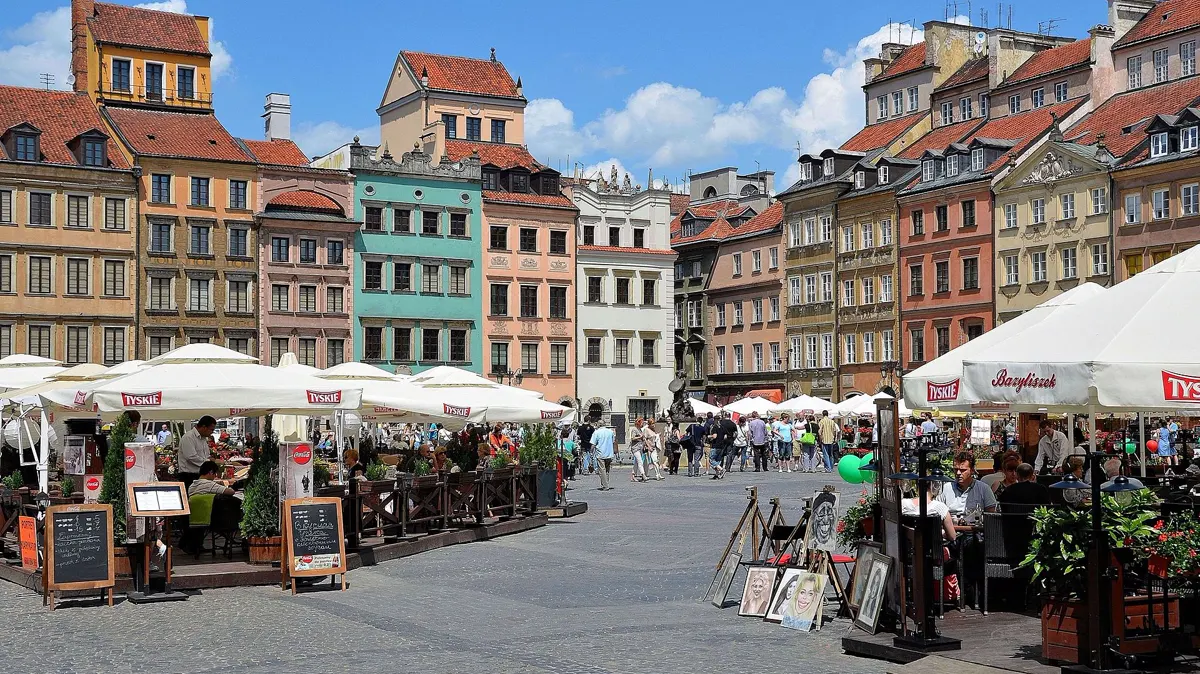
Warsaw's Old Town (Stare Miasto) is the historic core of the city, and its story is unusual. Most of it was destroyed in the Second World War, then rebuilt from paintings, drawings and surviving fragments so carefully that UNESCO added it to the World Heritage list in 1980. The result is a compact quarter of pastel merchant houses, churches and squares that reads as centuries old.
Why visit Warsaw's Old Town
This is where a visit to Warsaw usually begins. The streets are pedestrian, free to wander and open at all hours, and they gather the Royal Castle, the Market Square, the city walls and a run of cafes and restaurants in a small area. The reconstruction story gives the place its meaning: what looks medieval was raised again from rubble within living memory.
What to see on the Market Square
The quarter is small enough to cover on foot:
- The Old Town Market Square, ringed by tall painted houses and centred on the bronze Mermaid, the symbol of Warsaw.
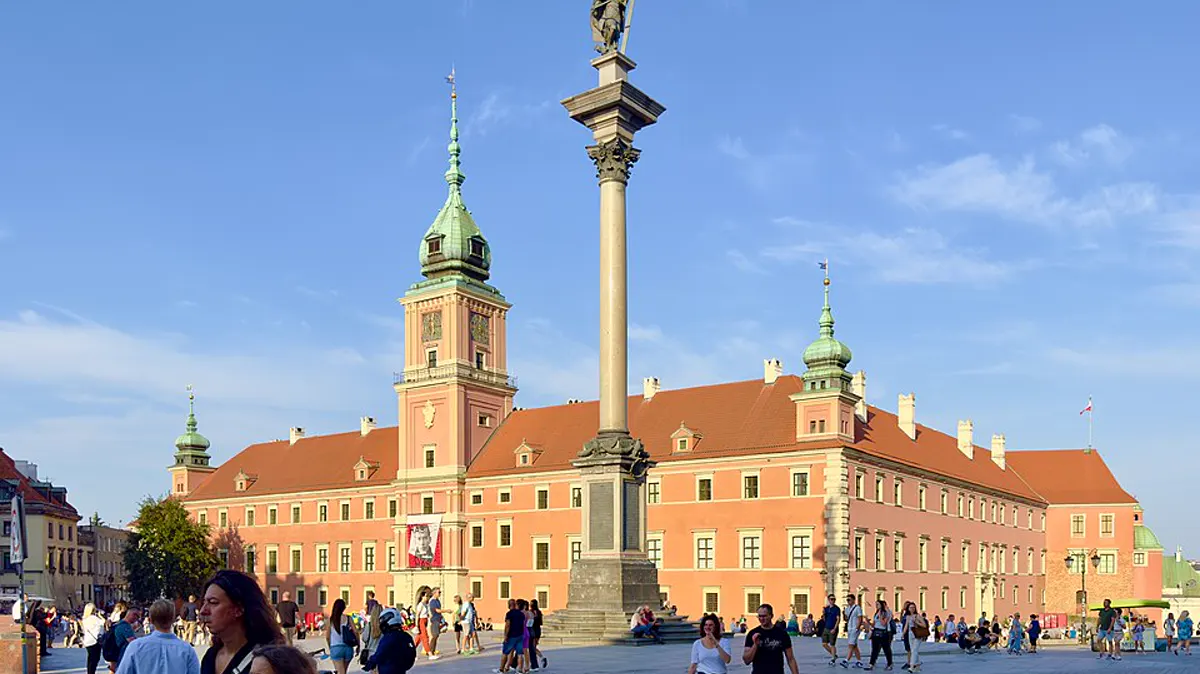
- The Royal Castle and Plac Zamkowy, with the Sigismund's Column at the entrance to the quarter.
- The Barbican and the surviving stretch of red-brick city walls.
- St John's Archcathedral and the narrow lanes around it.
Rebuilt from wartime rubble
The Old Town dates back to the thirteenth century. After the Warsaw Uprising in 1944 the Germans systematically destroyed most of it. In the years after the war it was reconstructed, reusing original bricks where possible and following historic images, including the eighteenth-century city views by Bernardo Bellotto, known as Canaletto. UNESCO listed it in 1980 as an example of near-total reconstruction.
How long to spend
An unhurried walk takes about an hour. Add the Royal Castle interiors and a meal on the square and it grows to half a day.
Best time to visit
Early morning is the quietest, before the tour groups arrive. Evenings are good, when the square is lit and the tables fill. Summer is the busiest season; December brings a Christmas market to the square.
Getting to the Old Town
The Old Town is closed to through traffic. It is a short walk north from the central Royal Route, and the nearest metro is Ratusz-Arsenal on the M1 line, a few minutes away; many buses and trams stop around the edge. For getting around the city, see the Warsaw guide.
Accessibility
The streets are flat but cobbled, which is uneven for wheelchairs and prams. The castle and other buildings have their own access arrangements, so check ahead if steps are a concern.
What's nearby
The Old Town connects straight to the rest of central Warsaw:
- The Krakowskie Przedmiescie boulevard, running south from Plac Zamkowy.
- The New Town (Nowe Miasto), just beyond the Barbican.
- The Vistula Boulevards, down the slope to the river.
Good to know
The Old Town is free and open at all hours; museums and the Royal Castle charge and keep their own times. Restaurants directly on the Market Square charge for the location, so check prices before you sit.
Common questions
Is Warsaw's Old Town original?
Mostly rebuilt. It was destroyed in the war and reconstructed afterwards from historic images and surviving material. UNESCO listed it in 1980 precisely for the quality of that reconstruction.
What is the Mermaid?
The Syrenka, or Mermaid, is the symbol of Warsaw and appears on the city's coat of arms. A bronze Mermaid statue stands at the centre of the Old Town Market Square.
Frequently asked questions
More attractions in Warsaw
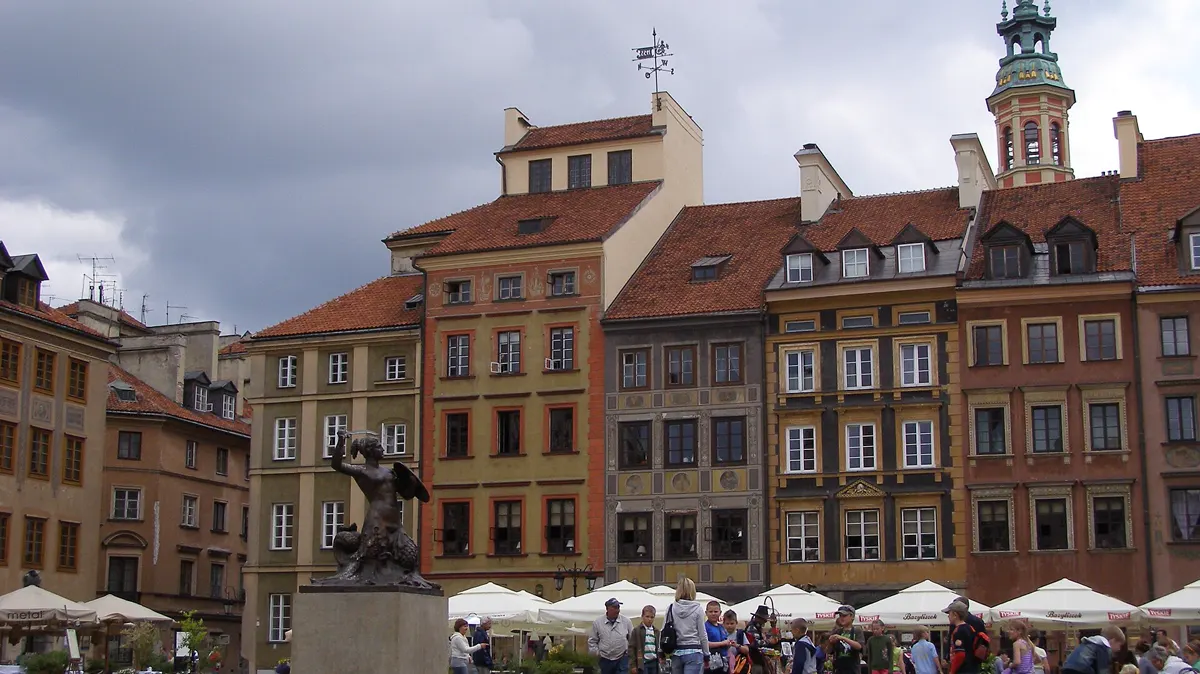
Old Town Market Square
The reconstructed heart of Warsaw Old Town, a UNESCO-listed feat of post-war rebuilding ringed by colourful townhouses.
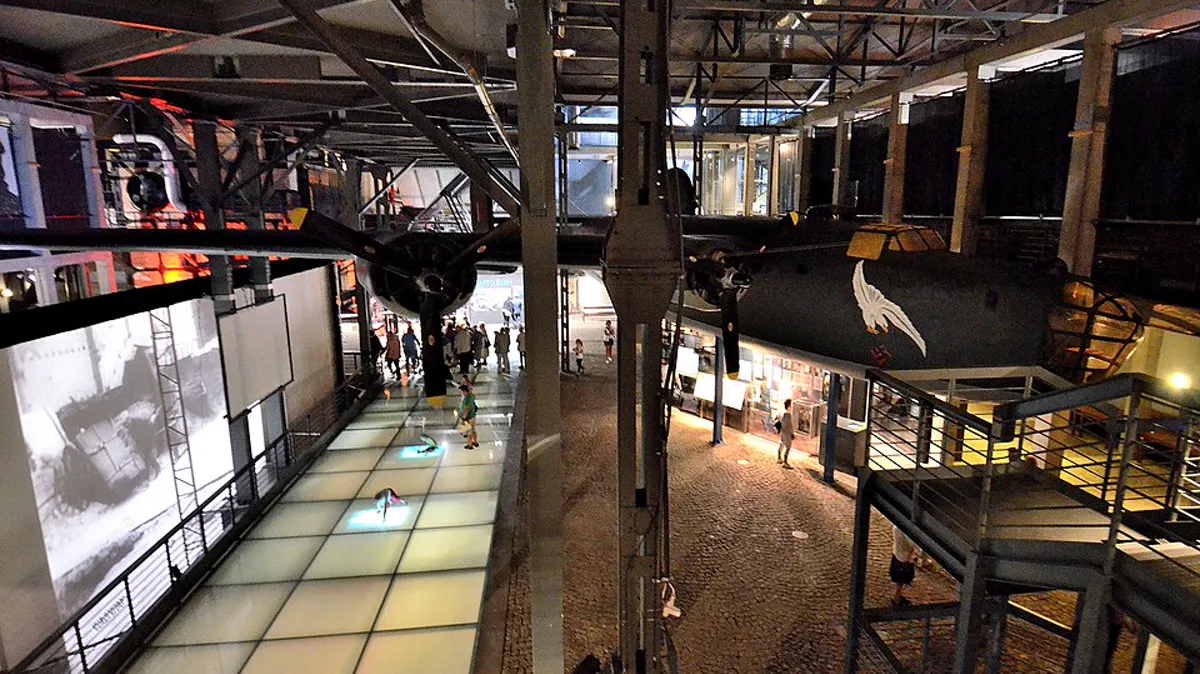
Muzeum Powstania Warszawskiego
The Warsaw Uprising Museum documents the 63-day insurrection of 1944 through survivor recordings, a replica Liberator bomber, and a beating-heart sound installation. It sits in a former tram power station in the Wola district.
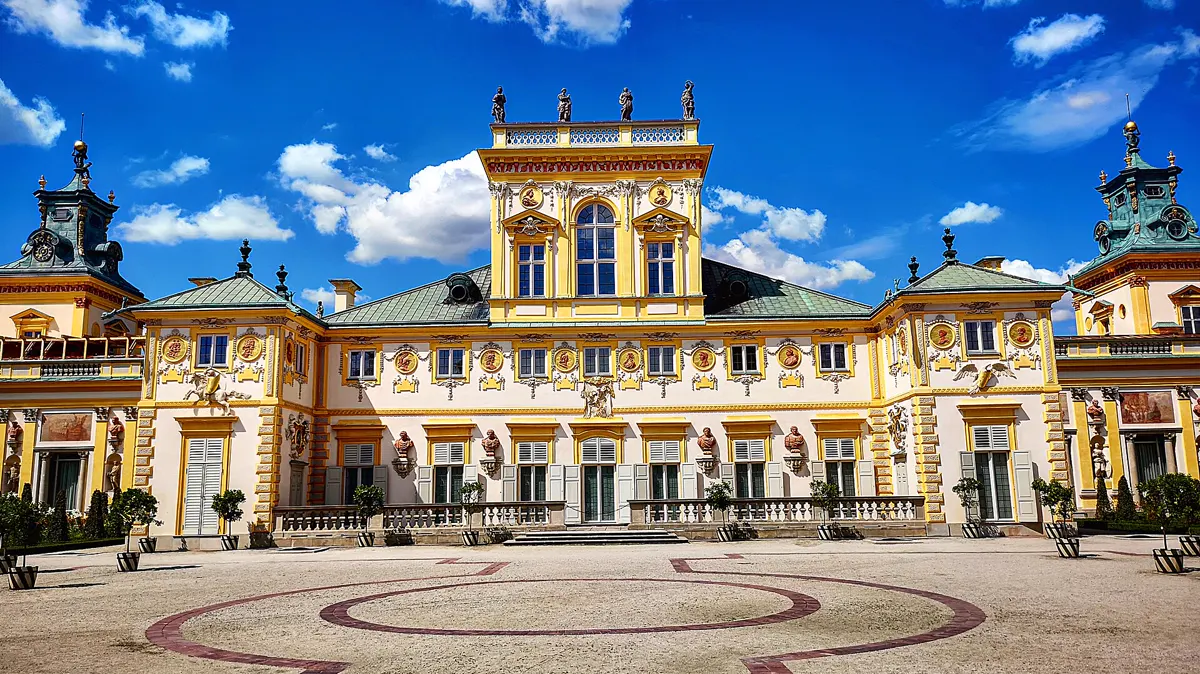
Palac w Wilanowie
Wilanow Palace was the baroque summer residence of King Jan III Sobieski and survived the war intact, earning it the nickname the Polish Versailles. Its formal gardens and gilded interiors draw crowds year round.
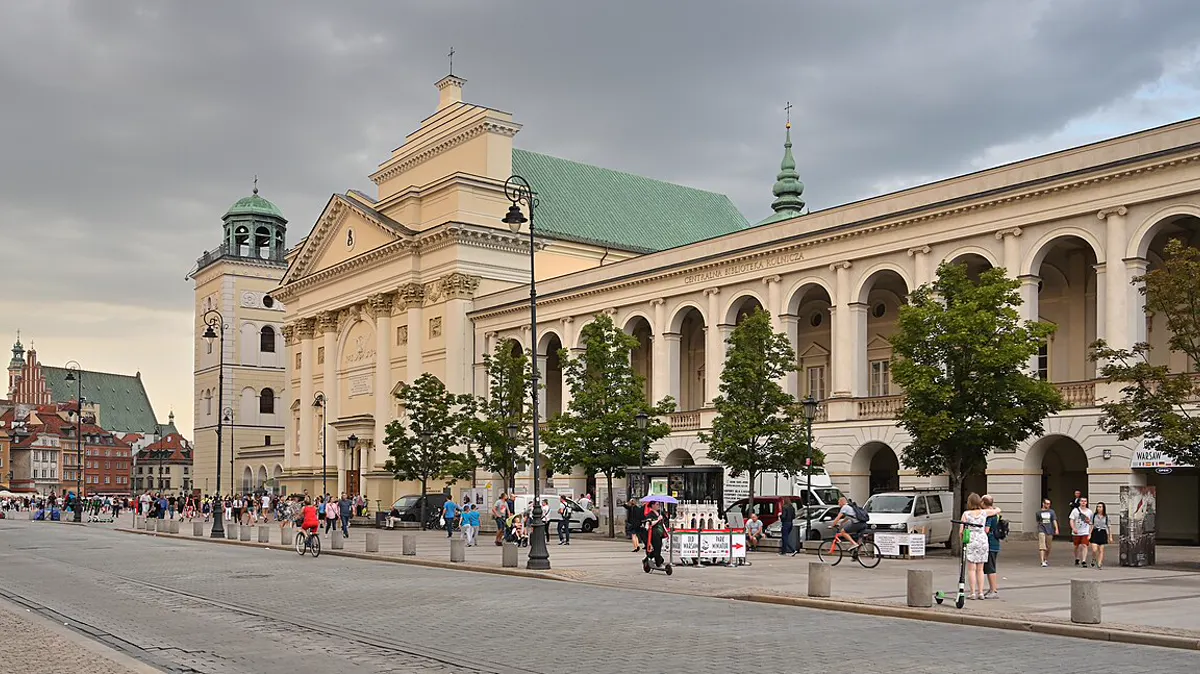
St. Anne's Church
One of Warsaw's finest Baroque churches, set beside Castle Square, with a richly decorated interior and a bell tower you can climb for wide views over the Old Town.
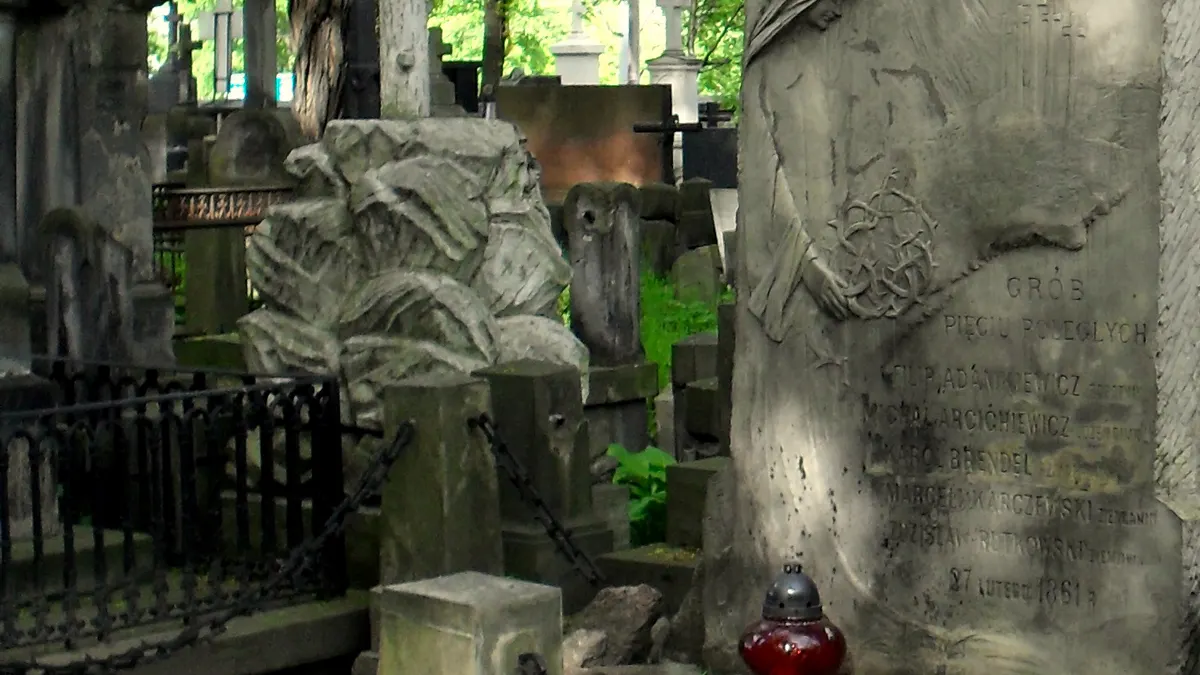
Powazki Cemetery
Founded in 1790, Powazki is Warsaw's oldest and most famous cemetery, an open-air gallery of funerary sculpture spread across roughly 43 hectares in the Wola district.
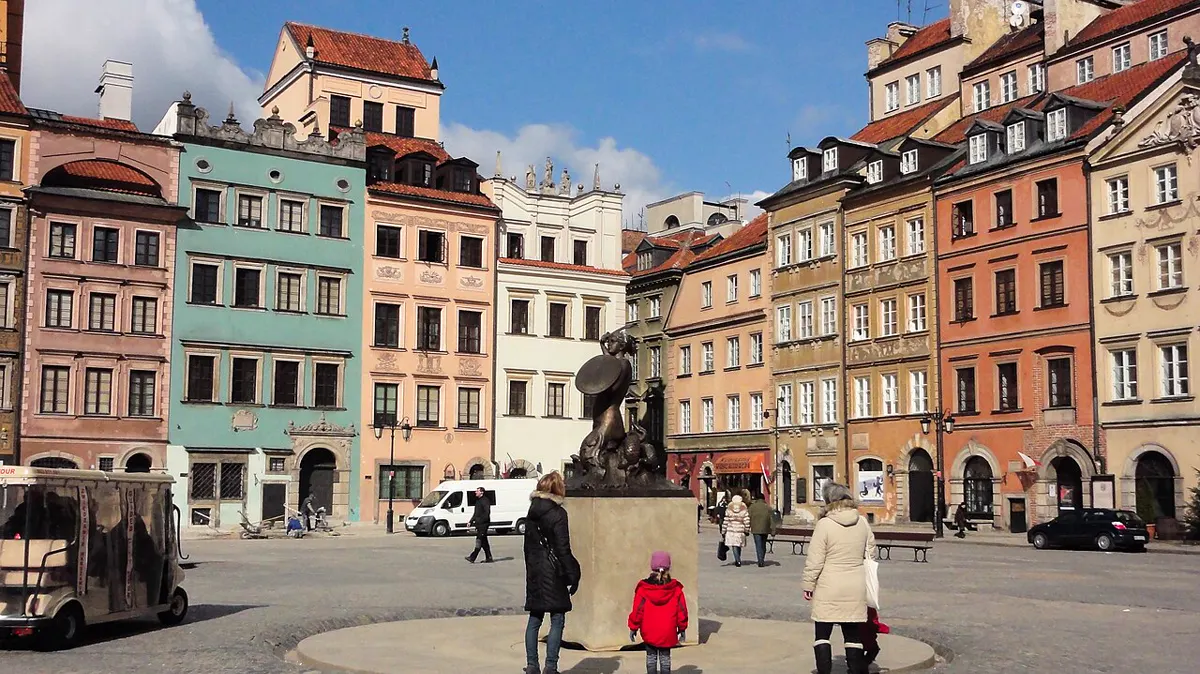
Warsaw Mermaid Statue (Pomnik Syrenki)
The bronze mermaid at the centre of Warsaw's Old Town Market Square is the city's emblem and legendary guardian, shown raising a sword and shield.
More to explore in Warsaw

Restaurant
Nolita
A Michelin Guide-listed kitchen turning Polish produce into precise modern tasting menus.
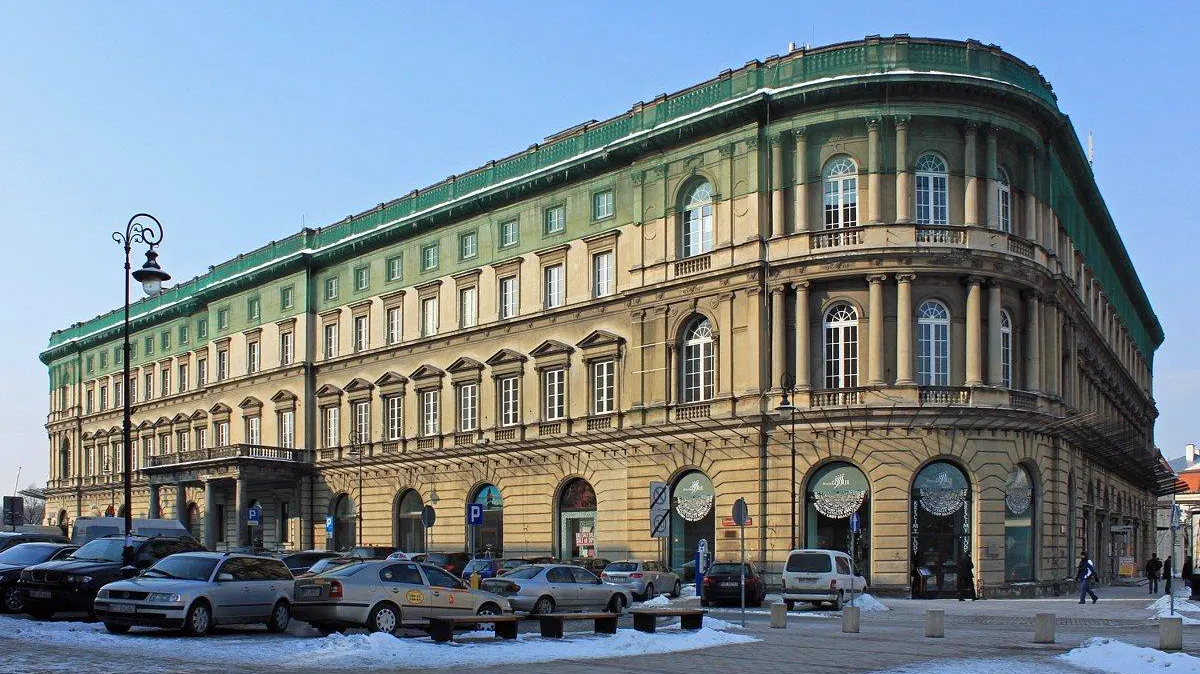
Hotel
Raffles Europejski Warsaw
A landmark 19th-century hotel on the Royal Route, reborn with a serious art collection.
Castle
Royal Castle
The reconstructed seat of Polish kings and parliament on Castle Square, rebuilt from rubble after wartime destruction.
Museum
POLIN Museum of the History of Polish Jews
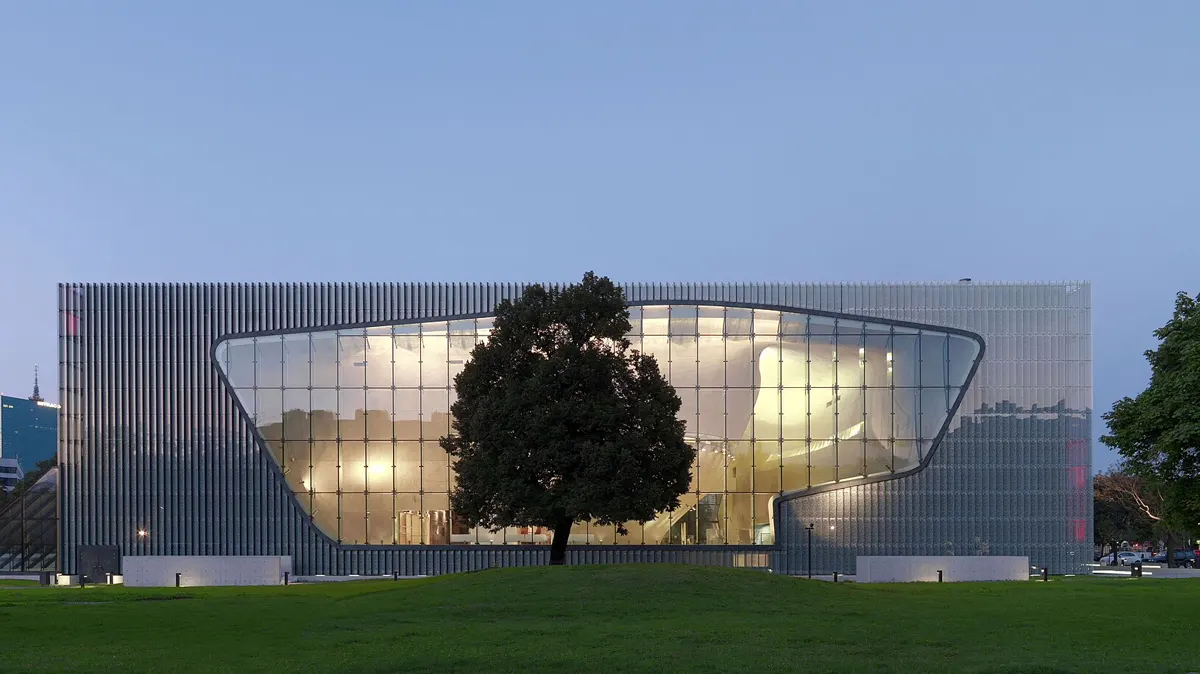
An award-winning museum tracing a thousand years of Jewish life in Poland, on the site of the former Warsaw Ghetto.
Hotel
Hotel Bristol
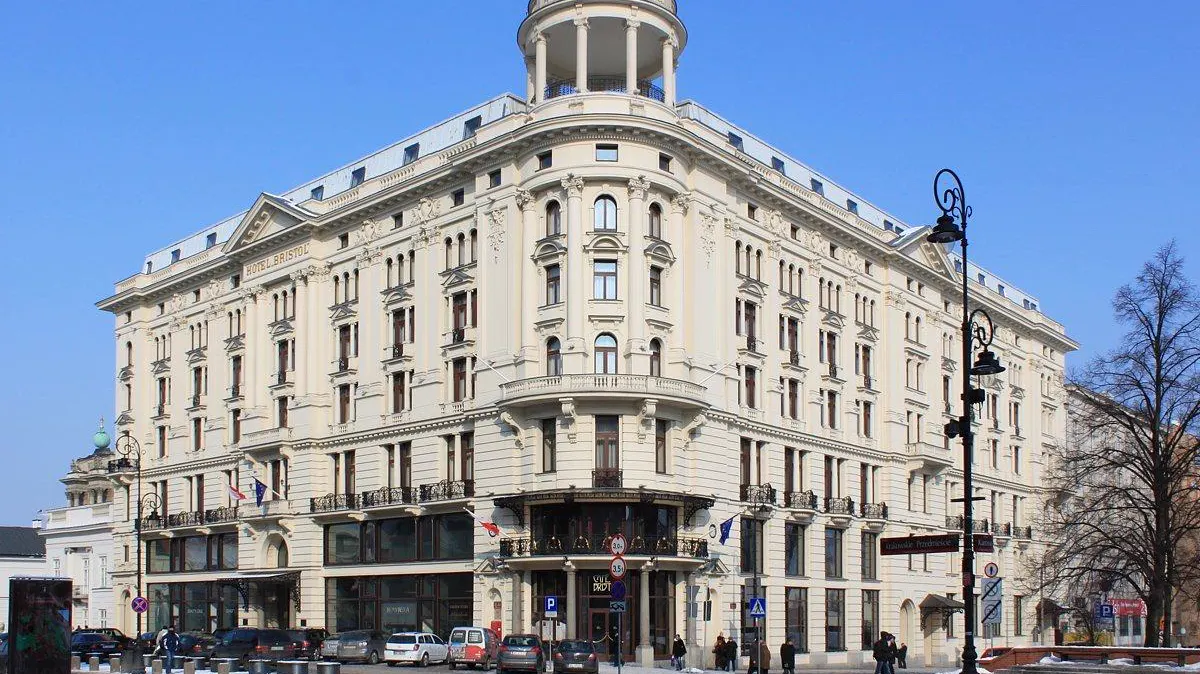
The city's grande dame, a grand turn-of-the-century institution next to the Presidential Palace.
Restaurant
Hala Koszyki
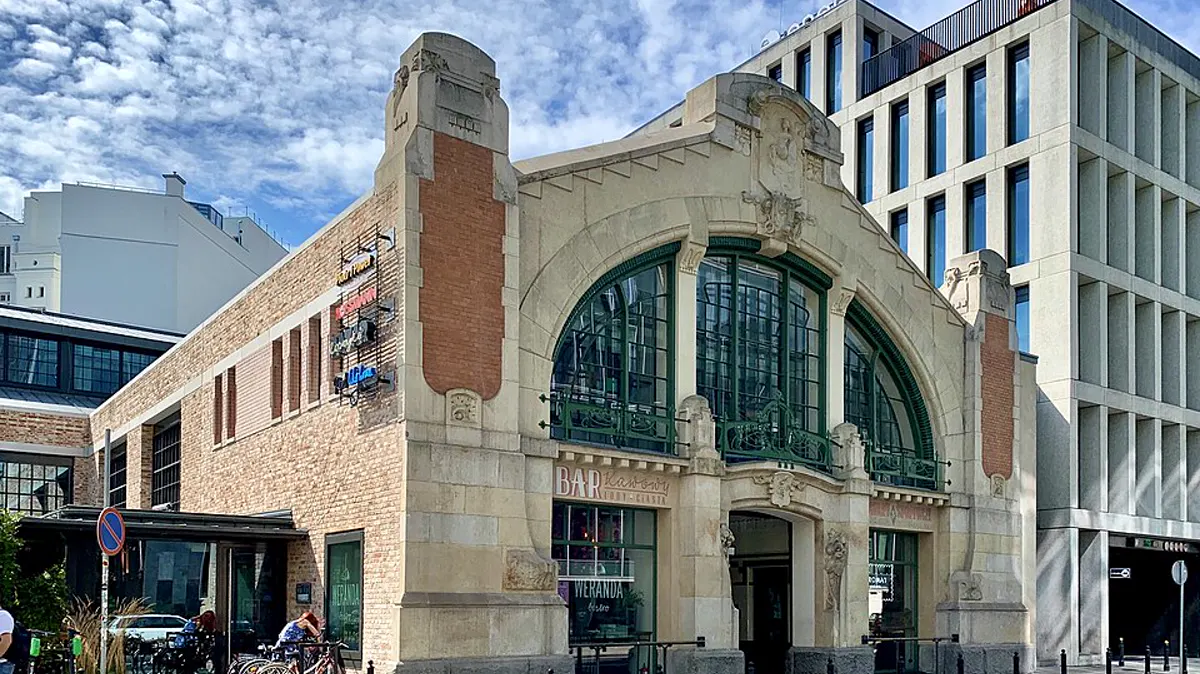
A restored 1909 market hall turned food hall with stalls covering ramen, tacos, Polish grill, and craft beer under one glass roof. Good for groups who cannot agree.