Attraction in Gdańsk
Muzeum II Wojny Swiatowej
One of the largest museums devoted to the Second World War, housed in a dramatic leaning tower of glass and concrete. Its main exhibition spreads across some 5,000 square metres of underground galleries.
Reviewed and updated July 2026
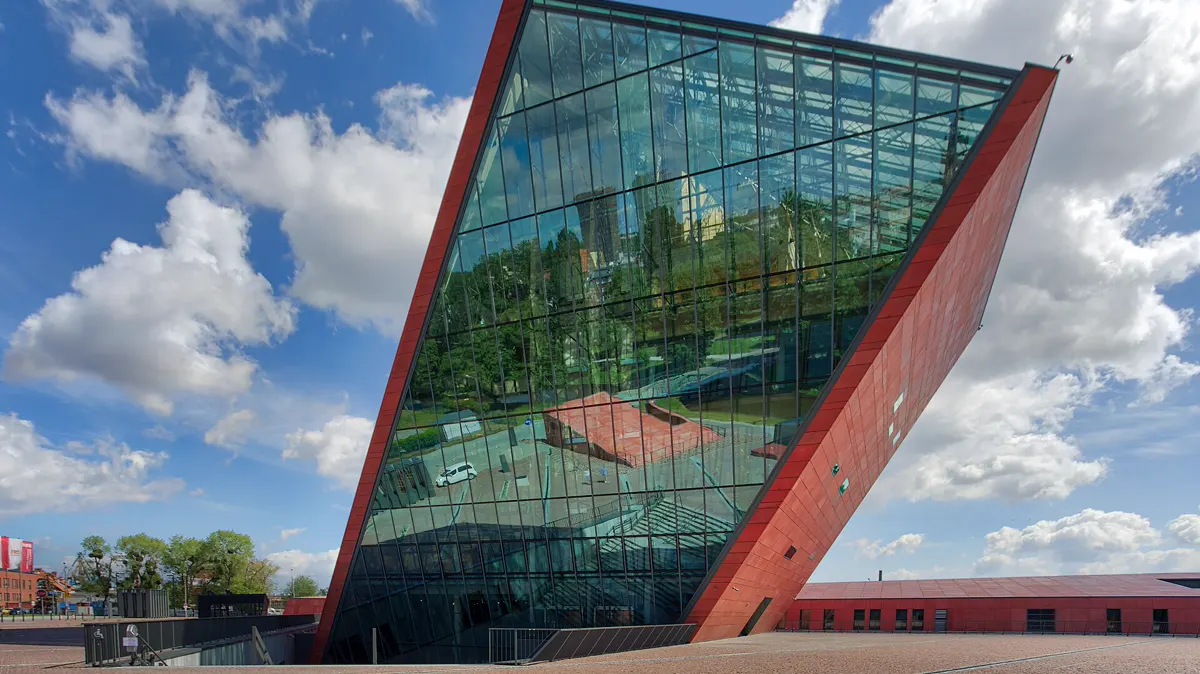
The Museum of the Second World War, Muzeum II Wojny Swiatowej, is one of the largest museums anywhere devoted to the war. It opened in 2017 in a striking modern building near the Motlawa, a leaning tower of glass and concrete that tilts over an open square. The main exhibition is not in the tower but underground, spread across roughly 5,000 square metres of galleries.
Why visit the WWII museum
Gdansk is where the war began, at nearby Westerplatte, which makes it a fitting home for a museum on this scale. The exhibition sets out to tell the whole story of the conflict, not just the military campaigns but the experience of civilians and the long aftermath. It is thorough, sober and takes several hours to do properly. Pair it with the European Solidarity Centre for a full day on the city's 20th-century history.
What to see in the exhibition
The permanent exhibition runs in a long sequence through the causes of the war, the fighting and occupation, and the world that followed. It leans hard on personal stories, objects and reconstructed settings rather than dry timelines, including a street scene and a large military exhibit near the end. It is dense with material, so pace yourself and use the cloakroom before you start. The building's tilted tower holds an observation level with a view over the city.
How long to spend
Allow at least two to three hours for the main exhibition, and more if you read closely. It is a lot to absorb, so many people find one visit is enough for a single day. An audio guide helps you move at your own pace.
Quieter times to visit
Go early or later in the afternoon to avoid the midday school and tour groups. Some museums in Poland offer a free-entry day each week with timed tickets, which can be busy, so book ahead if you can. The subject matter is heavy, so it is not the best choice for young children.
Getting to the museum
The museum is on the edge of the old town by the river, a short walk north from the main sights. From the Motlawa waterfront it is about ten minutes on foot. For transport across the city, see the Gdansk guide.
Accessibility at the museum
The building is modern and step-free, with lifts down to the underground galleries, so it works well for wheelchairs and prams. Check the museum's official channels for details on assistance and audio guides.
Nearby in central Gdansk
The museum sits between the old town and the shipyards:
- The Crane (Zuraw) and the Motlawa waterfront, a few minutes south.
- The European Solidarity Centre, on the site of the Gdansk shipyard.
- The Main Town and its market streets, a short walk away.
Good to know
Opening times, ticket prices and any free-entry day change, so check the museum's official channels before you go. Book online in peak season to skip the queue, and allow time to leave bags in the cloakroom.
Common questions about the museum
How long does a visit take?
Plan for two to three hours for the main exhibition. It is large and detailed, and rushing it defeats the point.
Is it suitable for children?
The subject is difficult and some content is distressing, so it suits older children and adults more than young ones. Use your judgement.
Frequently asked questions
More attractions in Gdańsk
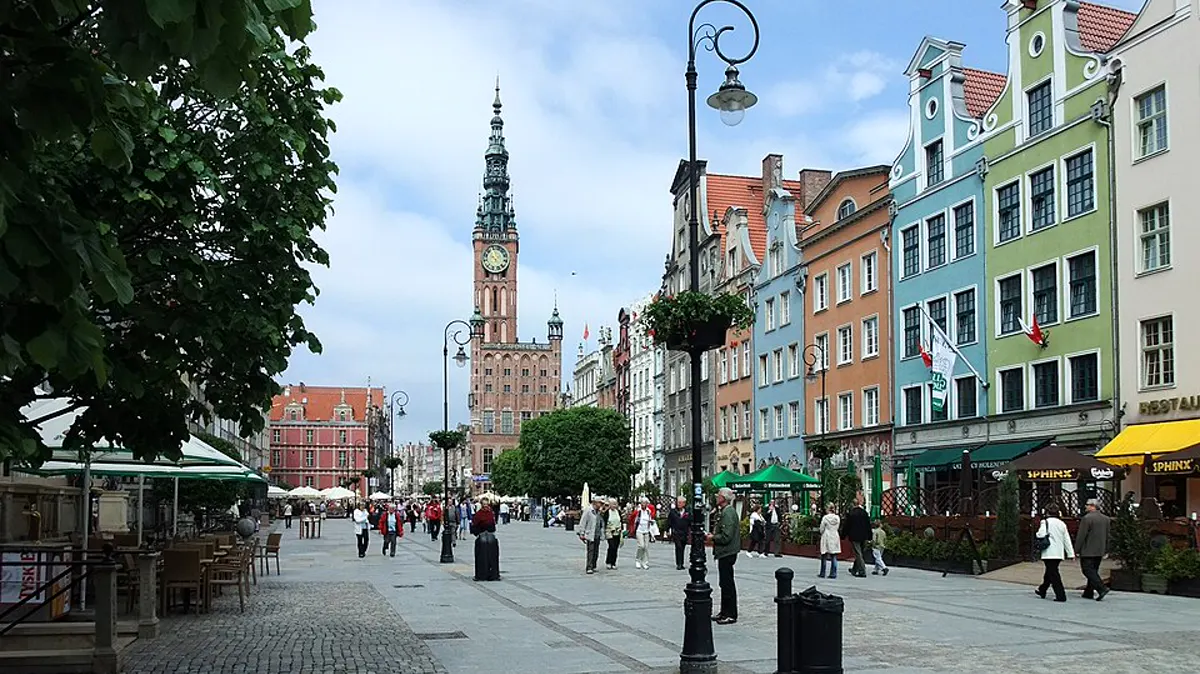
Long Market
The grand main thoroughfare of Gdansk, a wide promenade of merchant facades running from the Golden Gate to the river.
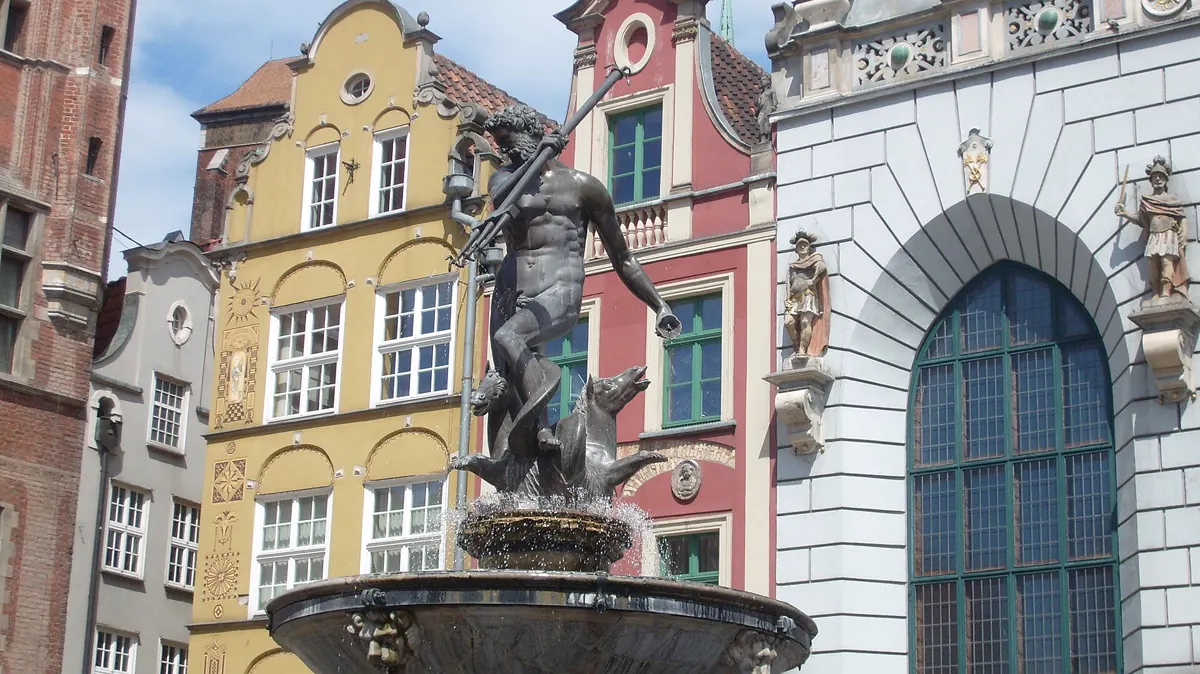
Fontanna Neptuna
The bronze Neptune Fountain, cast in the early 17th century, has stood in front of the Artus Court since 1633 and became the symbol of Gdansk. Local legend claims the god's trident scattered gold flakes into the water, inspiring the herbal liqueur Goldwasser.
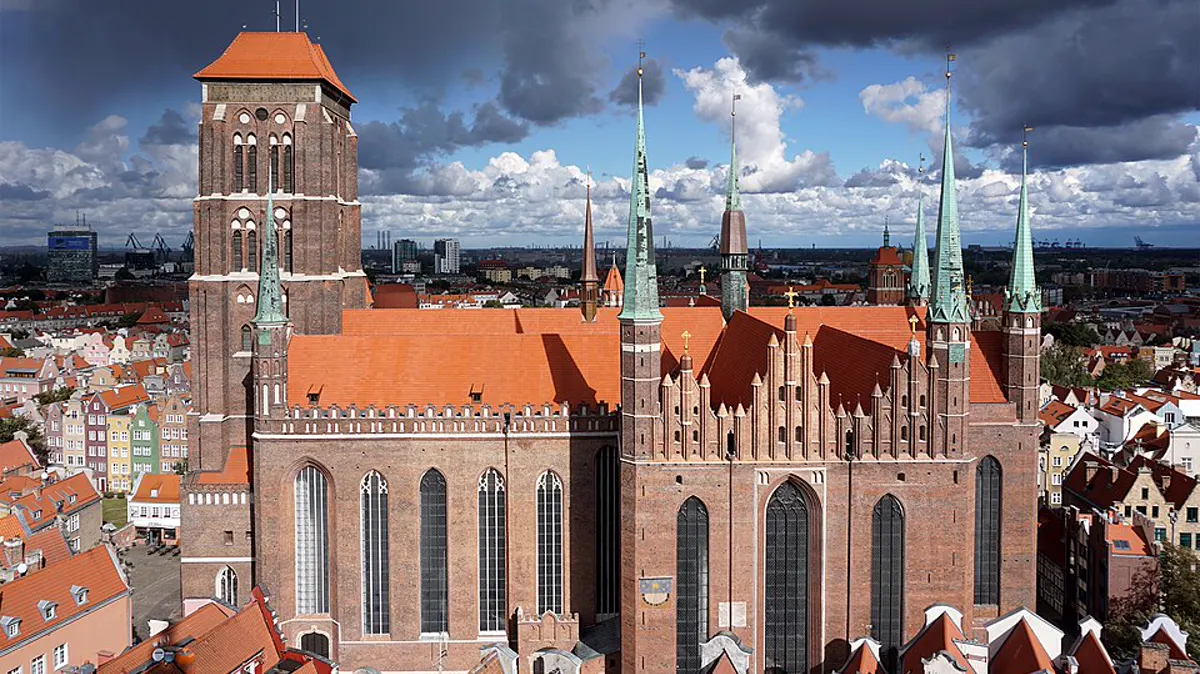
Bazylika Mariacka
One of the largest brick churches in the world, this vast Gothic basilica can hold up to 25,000 people. Climb its 405 steps to a viewing terrace for a sweeping panorama over the red rooftops of the old town.
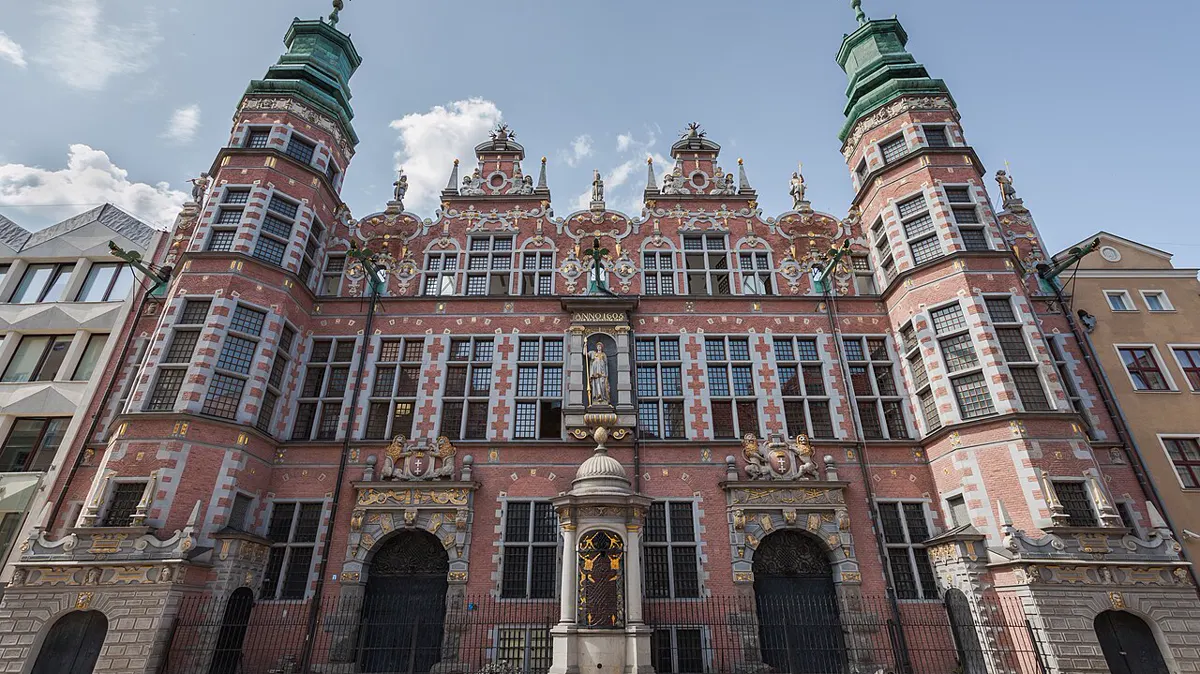
Great Armoury (Wielka Zbrojownia)
The Great Armoury is an ornate former arsenal in Gdansk's Main Town, widely regarded as one of the finest examples of Dutch Mannerist architecture in the city. Its richly decorated facades now front the Academy of Fine Arts and a shopping arcade.
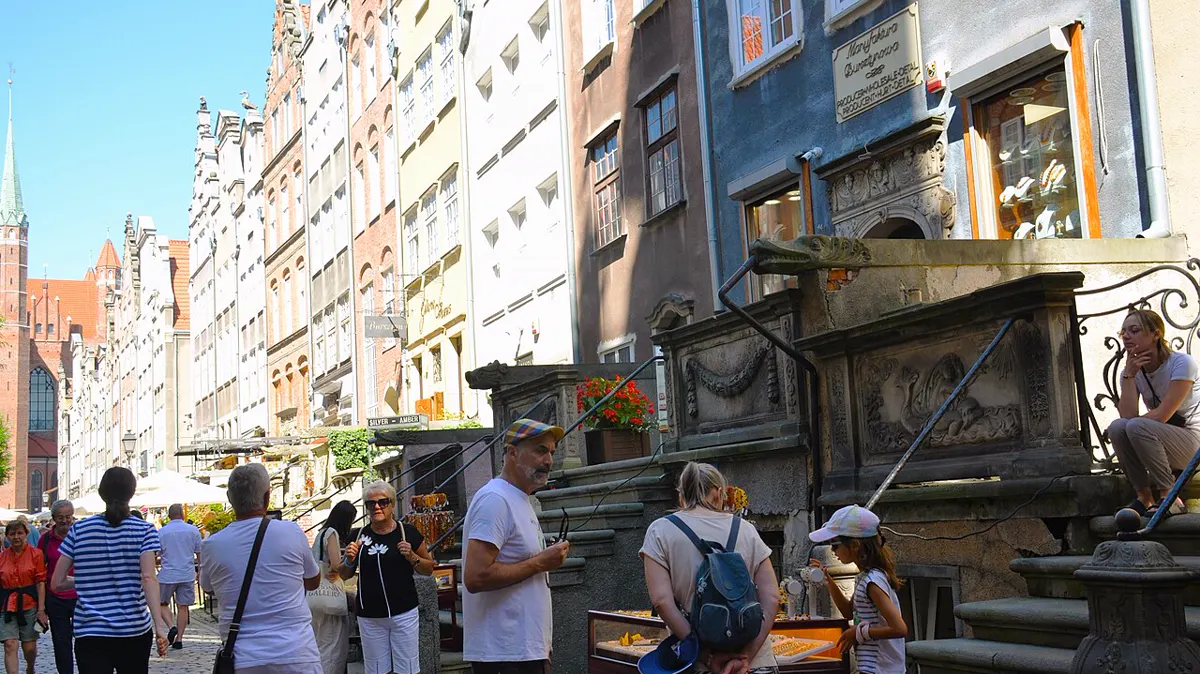
Mariacka Street (ulica Mariacka)
A short cobbled lane in Gdansk running between St. Mary's Basilica and the Motlawa waterfront, lined with reconstructed patrician houses and amber shops. It is widely called the most photogenic street in the city.
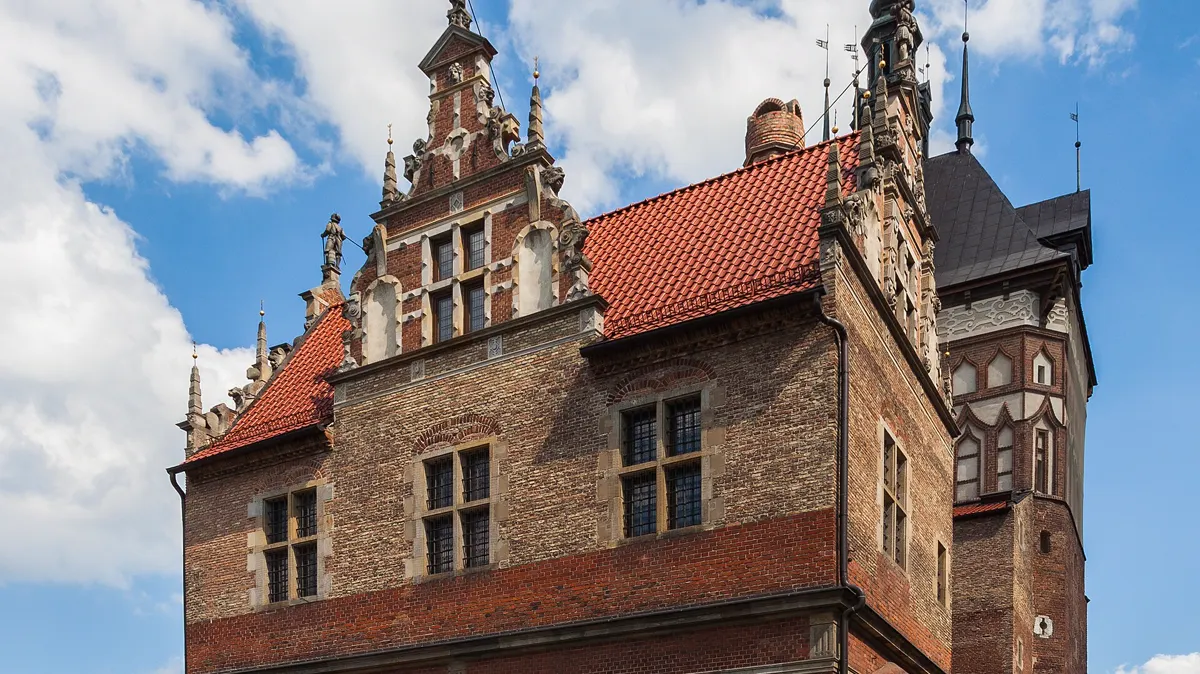
Prison Tower and Torture Chamber
A 16th-century fortified complex in Gdansk's Main Town that once held prisoners and carried out interrogations, now marking the start of the Royal Route.
More to explore in Gdańsk

Restaurant
Eliksir
A refined tasting-menu restaurant in the Garnizon district of Wrzeszcz, making the most of Baltic ingredients.
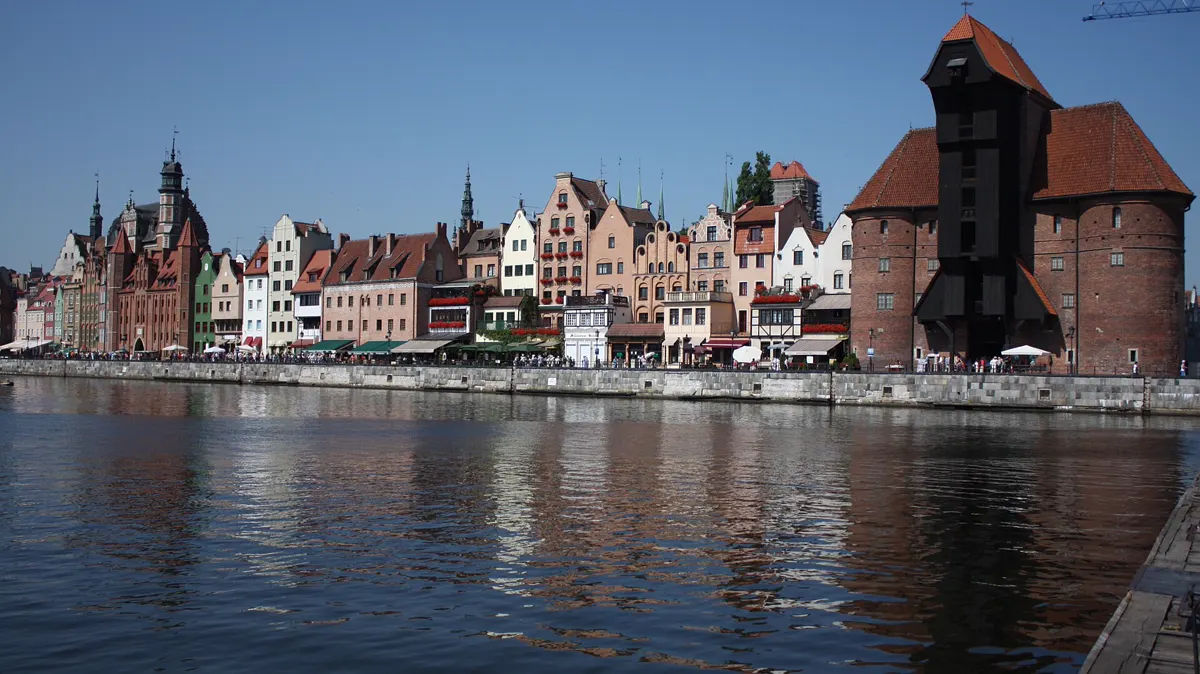
Hotel
Hotel Podewils
A baroque townhouse hotel right on the marina, facing the old crane across the water.
Nature
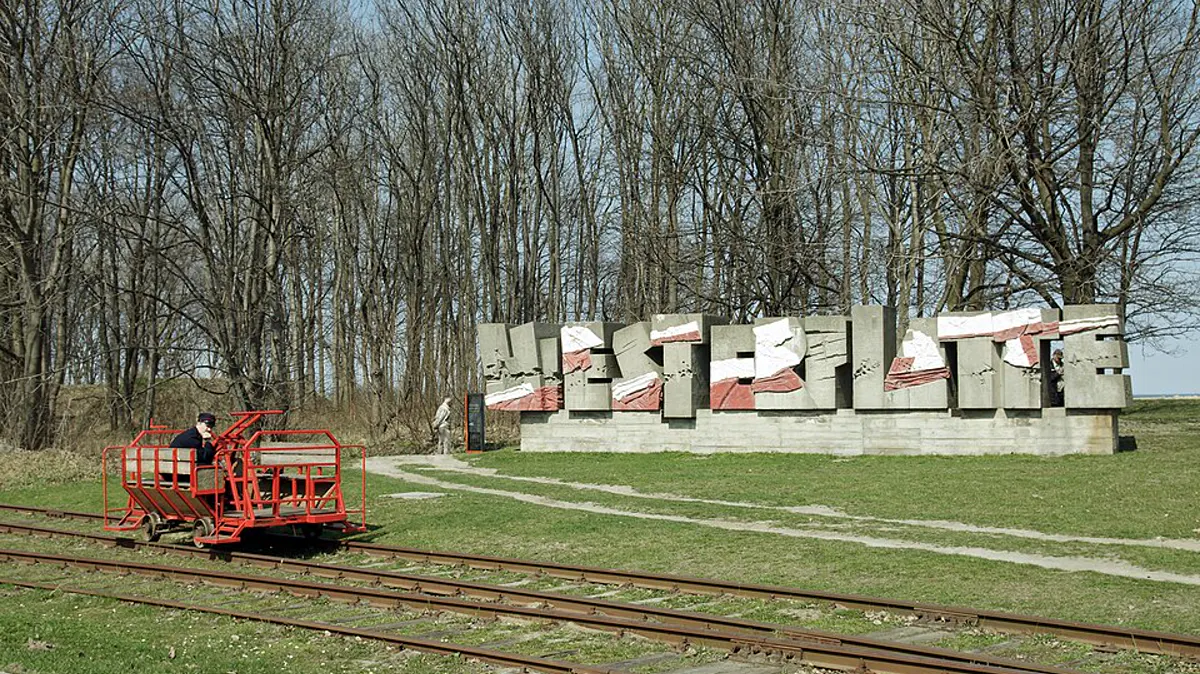
Westerplatte
The seaside peninsula where WWII began, now a memorial park reached by a summer river boat.
Castle
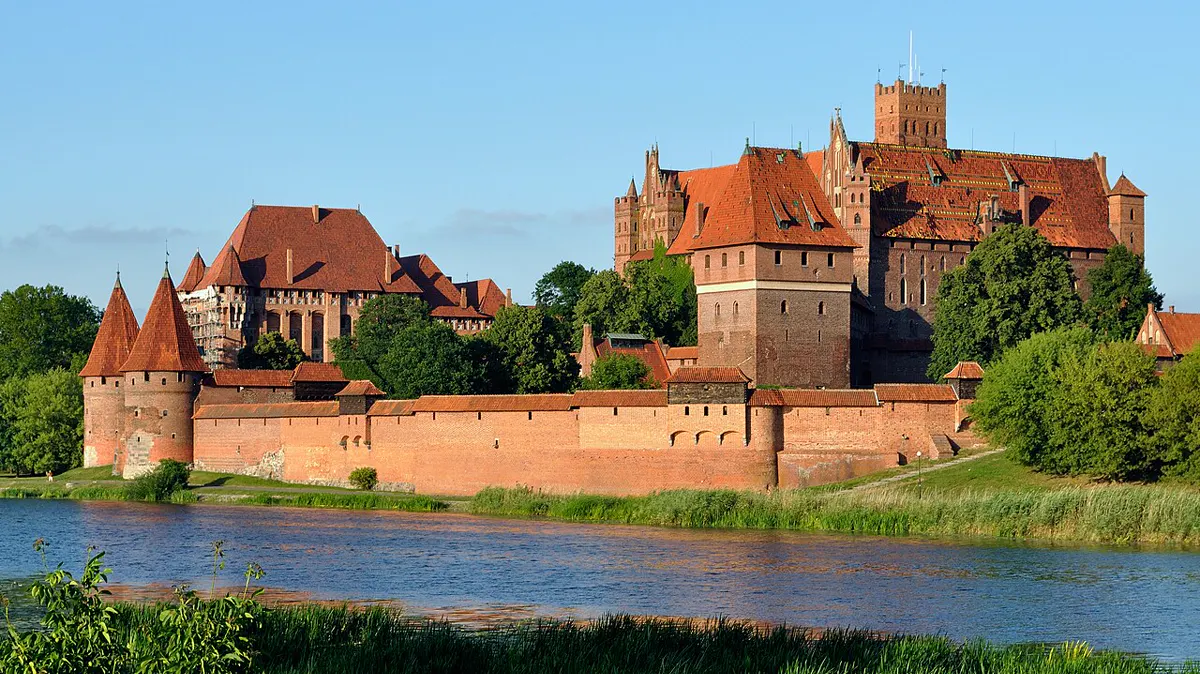
Malbork Castle
The largest castle in the world by land area, a vast red-brick fortress built by the Teutonic Knights on the Nogat river.

Restaurant
Targ Rybny area stalls and fish spots
The old fish market quarter by the Motlawa has casual fried-fish and seafood counters near the water. Baltic cod and herring served fast and simple.
Restaurant
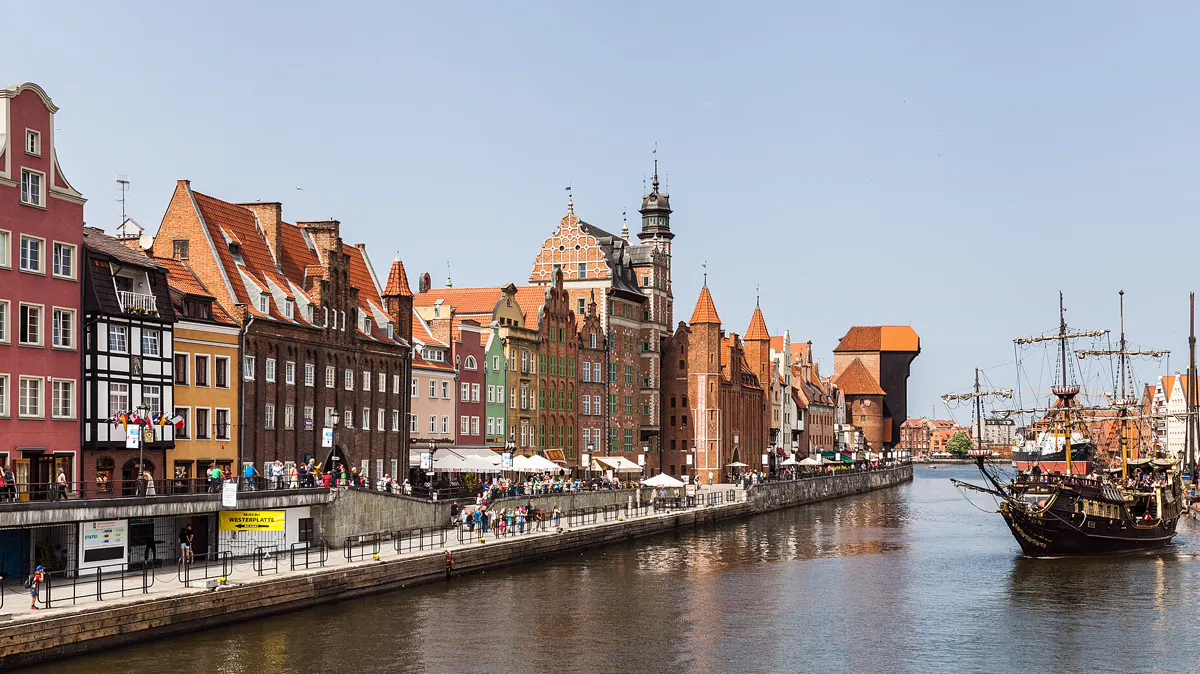
Gdanski Bowke
A riverside tavern on the Motlawa serving Pomeranian classics and its own beer.