Attraction in Wrocław
Centennial Hall
A pioneering reinforced-concrete dome from 1913, listed by UNESCO, set in a park with a large multimedia fountain.
Reviewed and updated June 2026
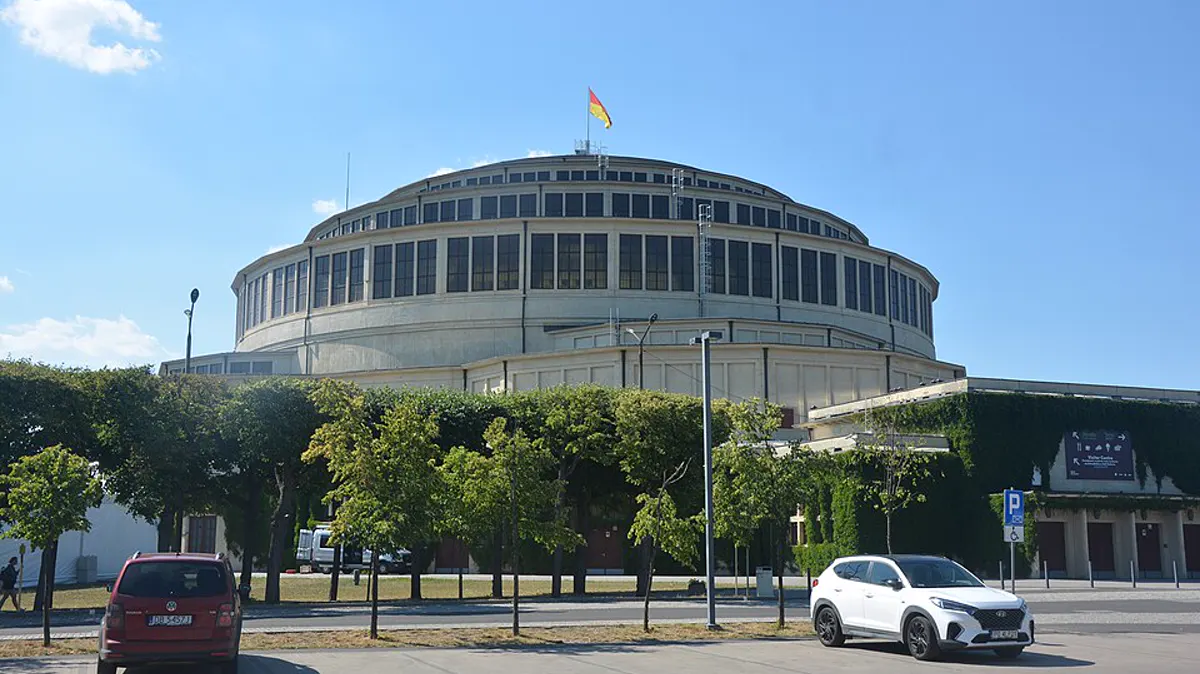
The Centennial Hall (Hala Stulecia) was built in 1913 to the design of Max Berg, and it was a breakthrough in engineering. A vast public hall sits under a ribbed reinforced-concrete dome about 65 metres across, the widest of its kind anywhere when it was finished. UNESCO added it to the World Heritage list in 2006 as a landmark in the history of modern architecture.
Why visit Centennial Hall
This is the most important modern building in Wroclaw and the anchor of a large exhibition park east of the centre. The hall still works for its original purpose, hosting concerts, fairs and sporting events, and when nothing is on you can look inside the great domed space. The grounds around it hold a pergola, a Japanese garden and a big multimedia fountain, so it makes an easy half-day out of the old town.
What to see at Centennial Hall
Inside the hall and its dome
Berg roofed the hall with a dome of ribbed reinforced concrete rising to about 42 metres inside, a scale that had not been built in the material before. The design influenced concrete architecture across the twentieth century. A visitor route and an exhibition explain how it was built and how it has been used since. Check the events calendar, because access to the interior depends on what is booked that day.
The park, pergola and fountain
Around the hall spreads a park laid out at the same time, with a curved pergola, a Japanese garden and a large multimedia fountain that runs choreographed water-and-light shows in the warm months. The nearby Szczytnicki Park and the city zoo round out an afternoon here.
History of Centennial Hall
The hall was raised to mark the centenary of the 1813 wars against Napoleon, when the city was part of Prussia and known as Breslau. It survived the Second World War largely intact, and its engineering has kept it in use ever since. A steel-and-glass lantern sits on top of the concrete shell, adding height above the dome.
How long to spend here
Allow about half an hour to an hour for the hall and its exhibition, and a couple of hours more if you add the park, the Japanese garden and, in season, an evening fountain show.
Best time to visit Wroclaw
The warm months are best, because the multimedia fountain only runs from spring to autumn and the shows are set to music after dark. Check what is on at the hall, since large events can close the interior to casual visitors. Weekends draw families to the park and fountain.
Getting to Centennial Hall
The complex is a short tram ride east of the centre, and several lines stop right outside. Driving is straightforward, with parking nearby. For planning the rest of your stay, see the Wroclaw guide.
Accessibility at the hall
The park and the ground level of the hall are broadly step-friendly, with wide paved paths around the grounds and the fountain. Some parts of the historic interior involve stairs, so check the venue's access information if you need step-free routes throughout.
What's nearby in Wroclaw
The hall sits in a cluster of attractions in the eastern parks:
- The Japanese Garden in Szczytnicki Park, a few minutes' walk.
- Wroclaw Zoo and its Afrykarium, across the road.
- The market square and Old Town, a short tram ride back west.
- The Panorama of Raclawice, between the hall and the old town.
Good to know
The hall is a working venue, so the interior is not always open to walk-in visitors. Check the events calendar and the fountain show times before you travel out, and bring a layer for evening shows in the park.
Common questions about Centennial Hall
Why is Centennial Hall a UNESCO site?
It was one of the first large buildings roofed by a reinforced-concrete dome on this scale, and it shaped how the material was used in the twentieth century. UNESCO listed it in 2006 as a milestone in modern architecture and engineering.
Can you go inside the hall?
Yes, when no event is booked. There is a visitor route and an exhibition on its history. Access to the main domed space depends on the day's programme, so check the calendar first.
When does the fountain run?
The multimedia fountain operates in the warm months, roughly spring to autumn, with water-and-light shows set to music after dark. It is switched off over winter.
Frequently asked questions
More attractions in Wrocław
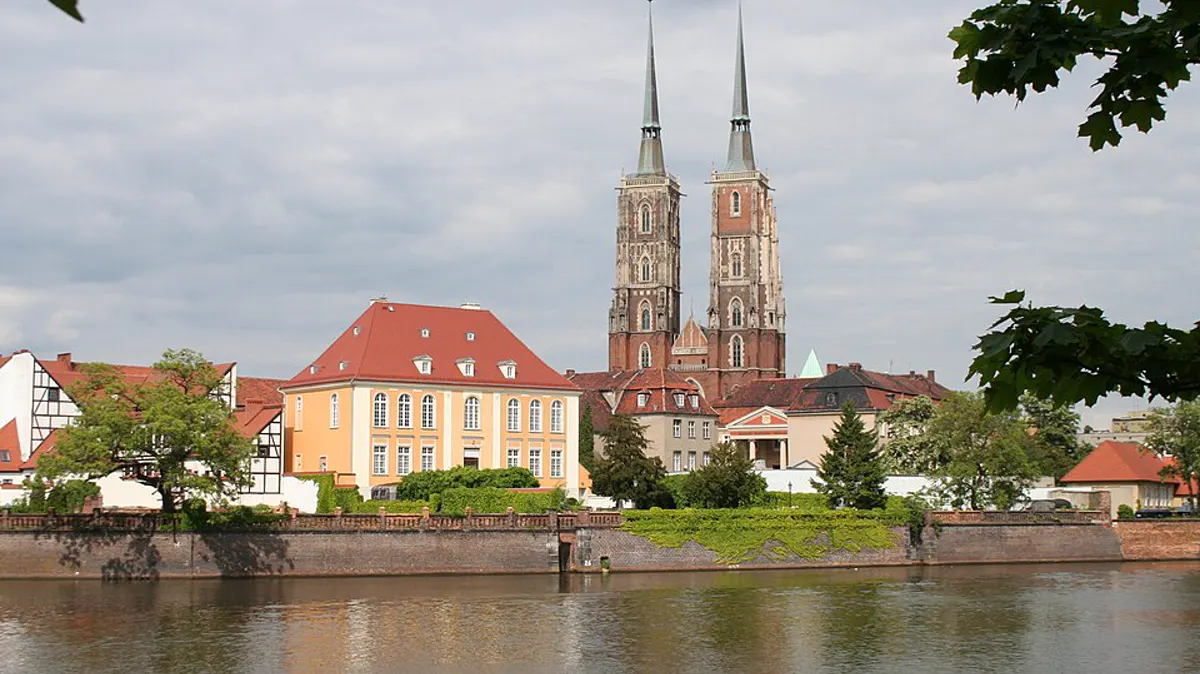
Cathedral Island, Wroclaw
The oldest part of Wroclaw, a cluster of churches on an island in the Oder reached across a romantic iron bridge.
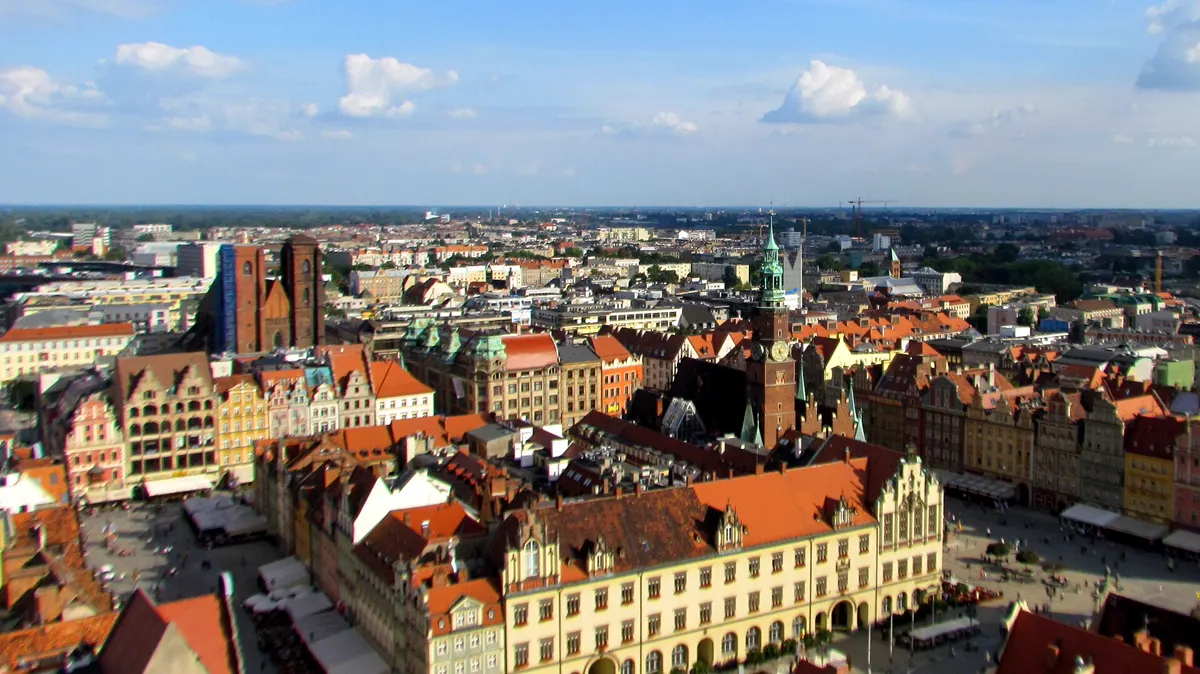
Market Square
One of the largest medieval squares in Poland, ringed by colourful townhouses and centred on an ornate Gothic town hall.
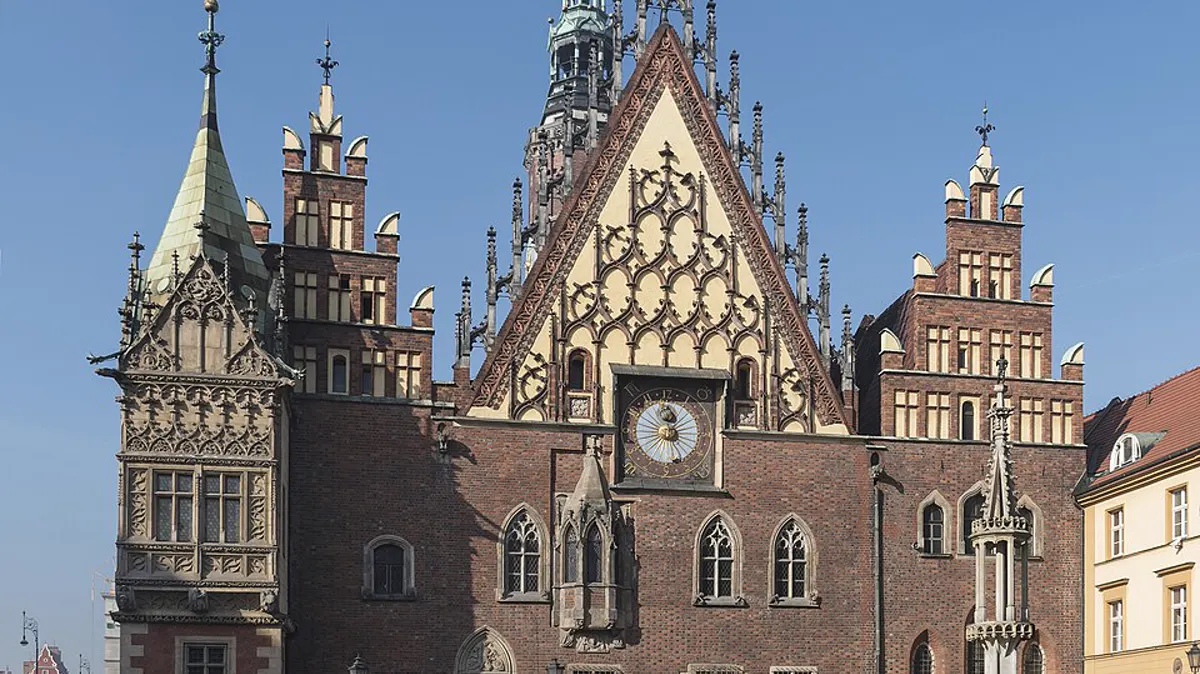
Ratusz (Old Town Hall)
A late-Gothic town hall built over roughly 250 years, famed for its richly carved south facade and astronomical clock from 1580. It houses the Museum of Burgher Art and the historic Piwnica Swidnicka beer cellar below.
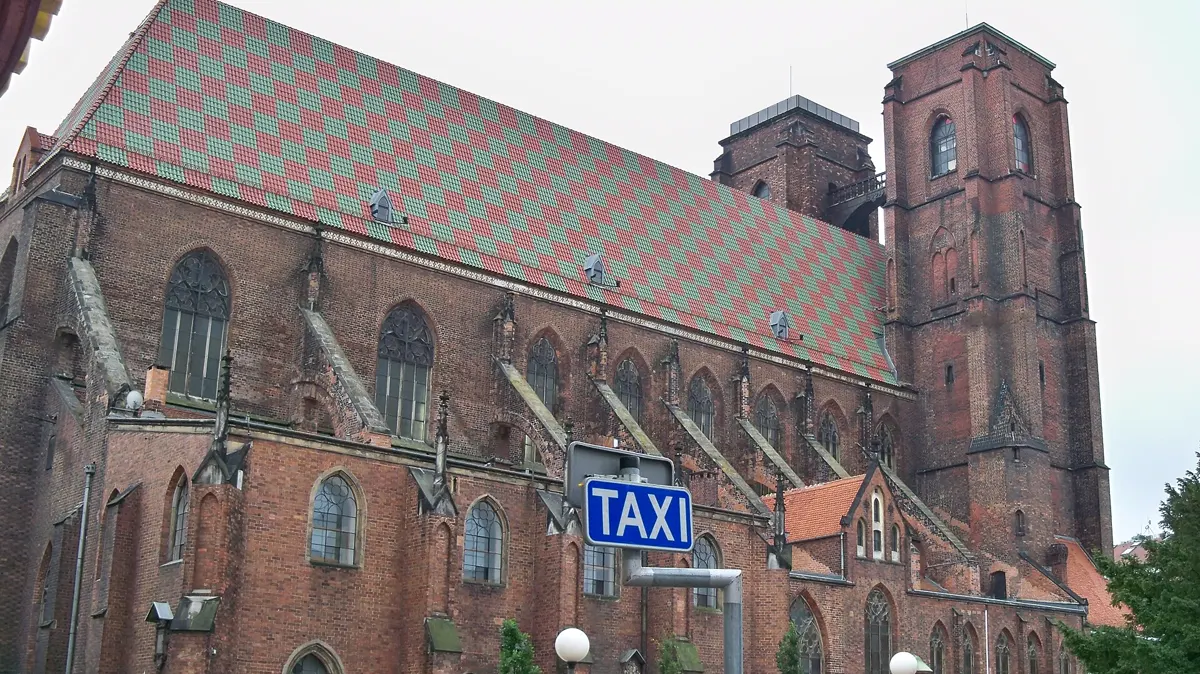
St. Mary Magdalene Church and the Penitents' Bridge
A Gothic brick church east of Wroclaw's Market Square whose twin towers are linked near the top by an open-air footbridge, reached by climbing to a viewpoint about 45 metres up.
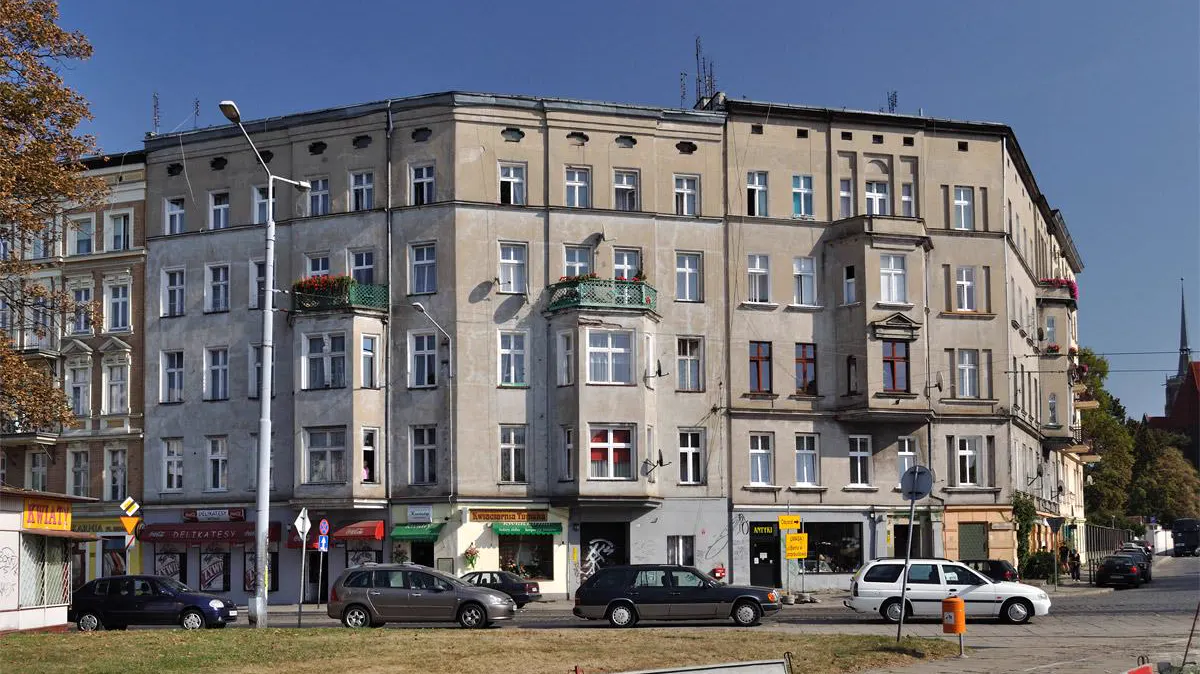
Nadodrze District
Nadodrze is a 19th-century tenement quarter north of the Oder in Wrocław, revitalised into an arts and crafts district known for courtyard murals, artisan workshops and self-guided walks.
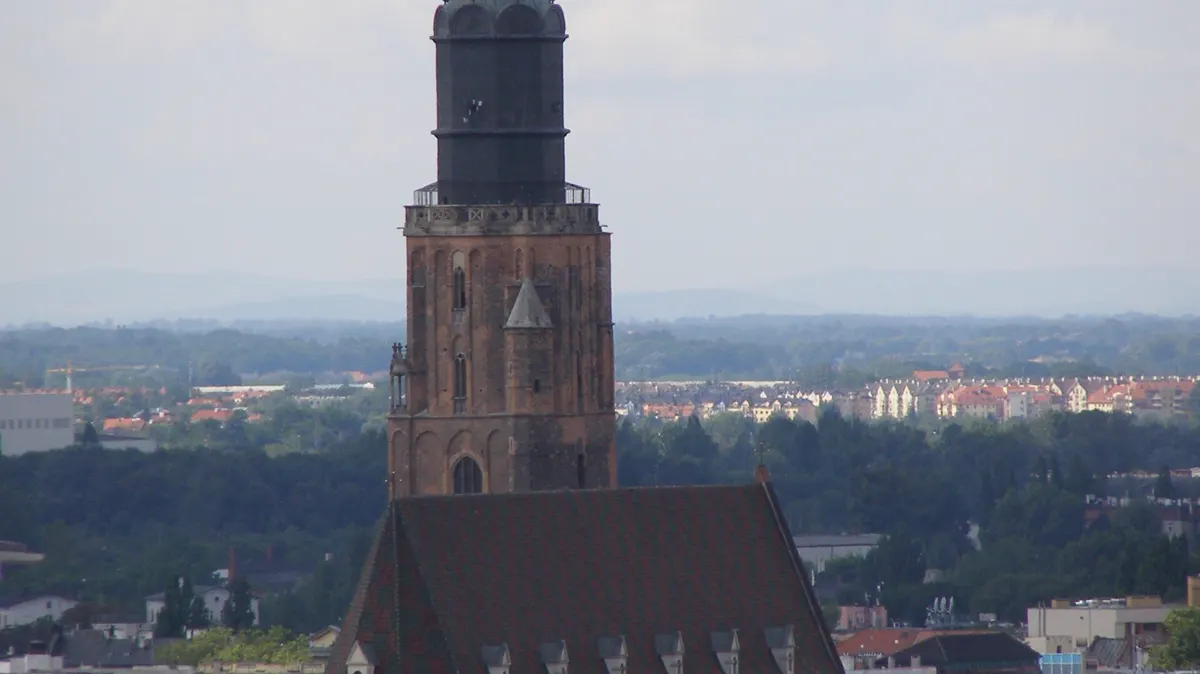
St. Elizabeth's Church (Garrison Church)
A Gothic red-brick church at the northwest corner of Wrocław's Market Square, with a tower of about 91.5 metres and a viewing gallery reached by climbing over 300 steps.
More to explore in Wrocław

Restaurant
Jadka
An elegant fine-dining room under gothic vaults just off the Rynek, a special-occasion staple.
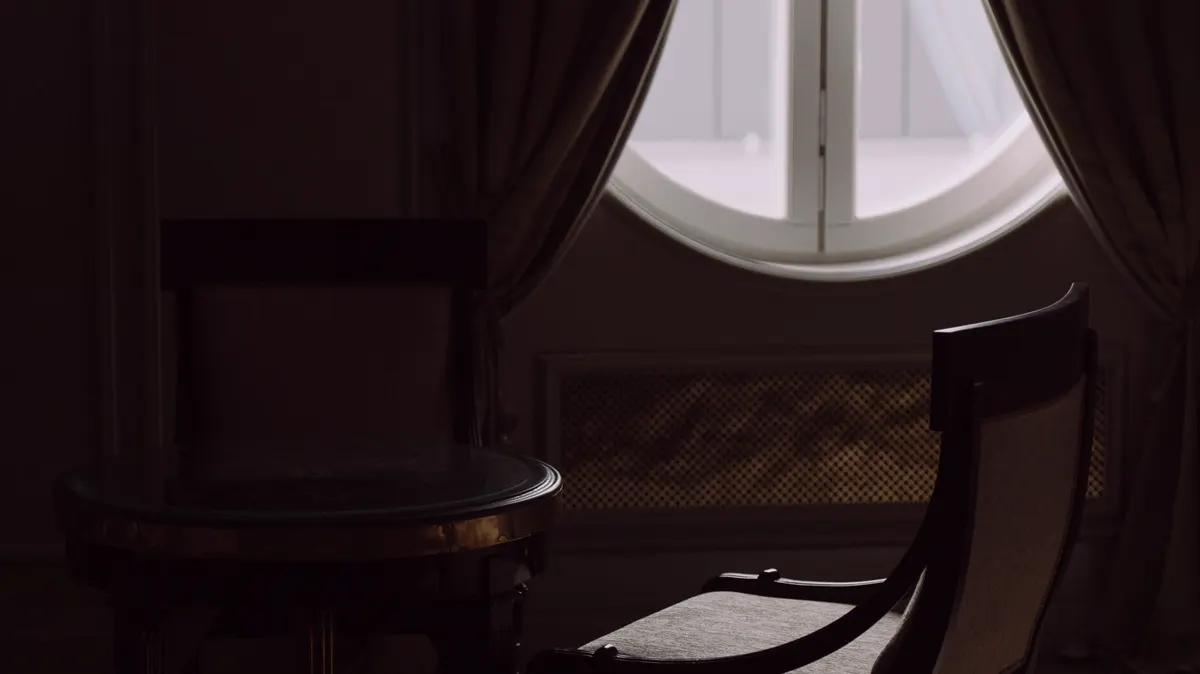
Hotel
Hotel Monopol
A grand Art Nouveau hotel by the opera with a rooftop terrace over the old town and a spa pool.
Restaurant
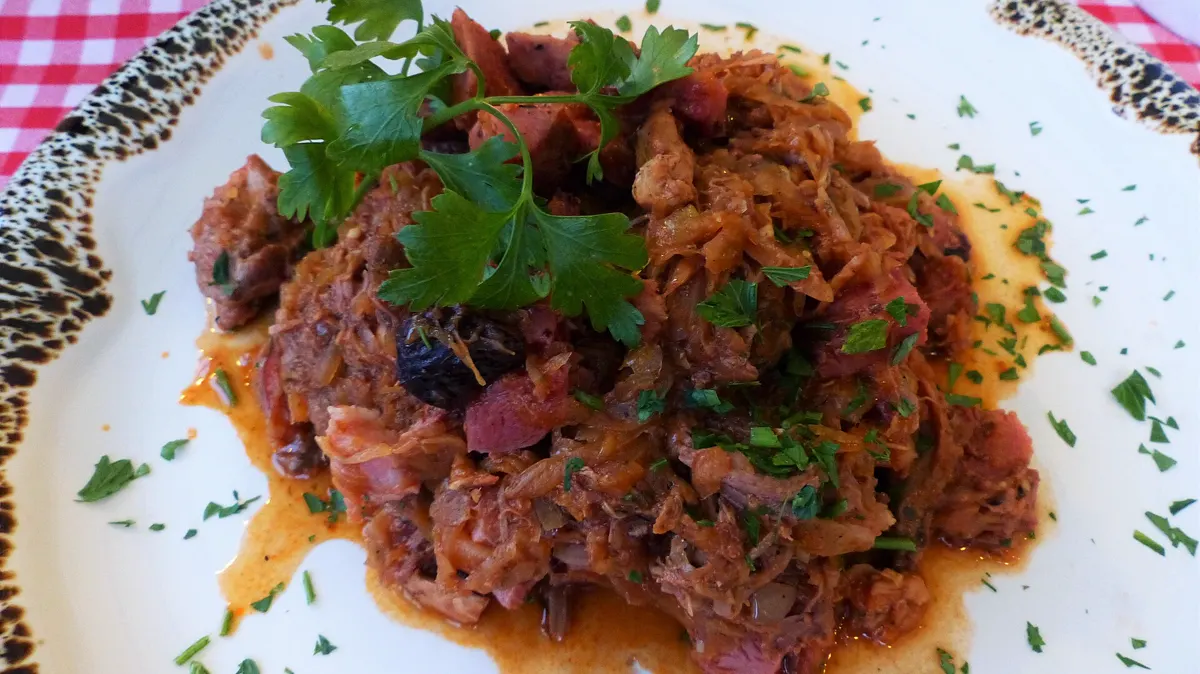
Konspira
A themed restaurant on Solny Square recalling the Solidarity underground, with solid Polish home cooking.
Restaurant
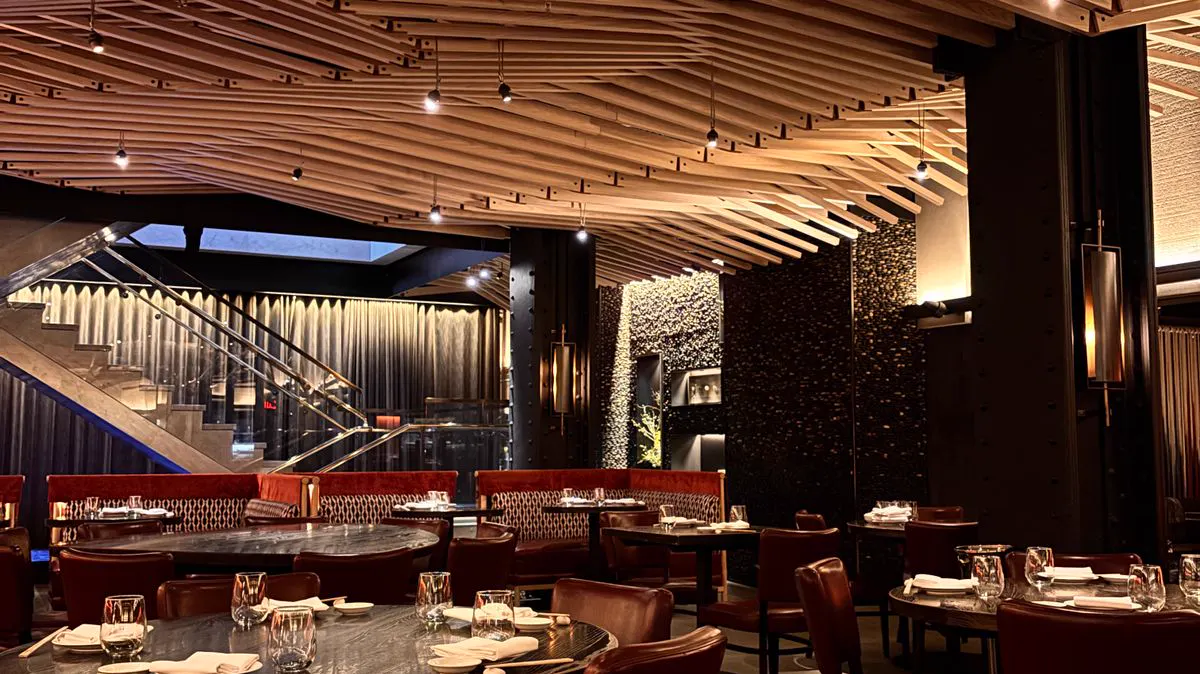
Kurna Chata
A rustic timber room near the Market Square doing filling regional dishes.
Restaurant
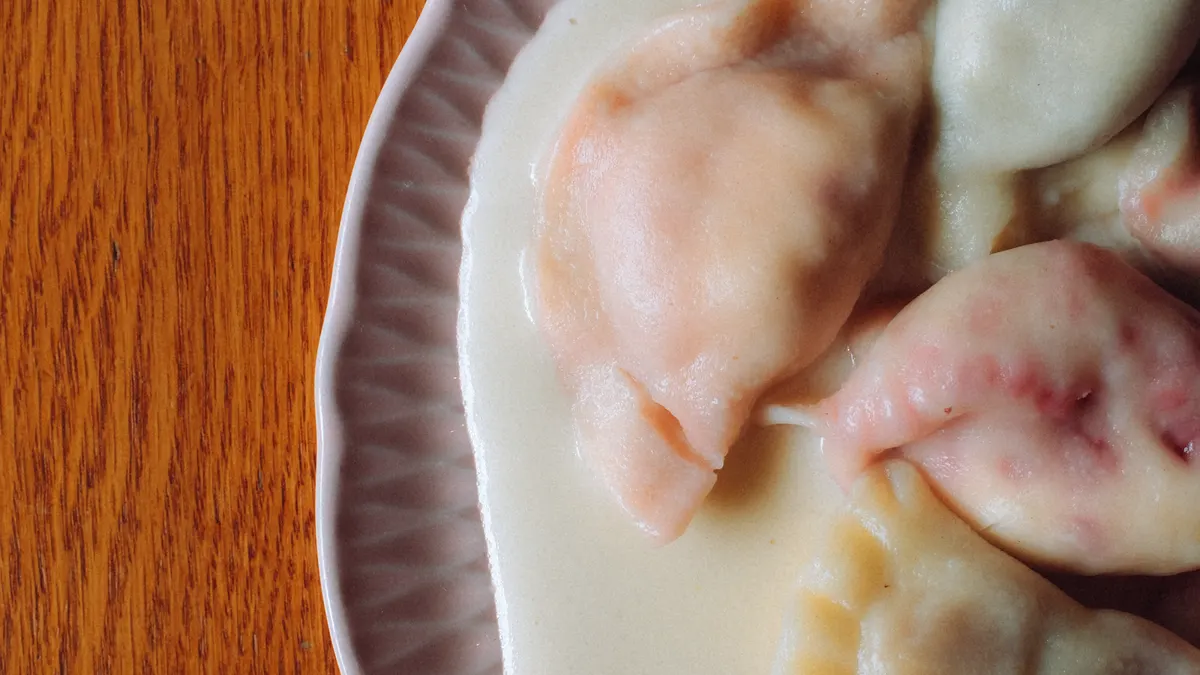
Bar Mis
A classic milk bar (bar mleczny) serving cafeteria-style Polish staples such as pierogi, nalesniki, and soups at very low prices. Cash-friendly and popular with students and locals.
Hotel
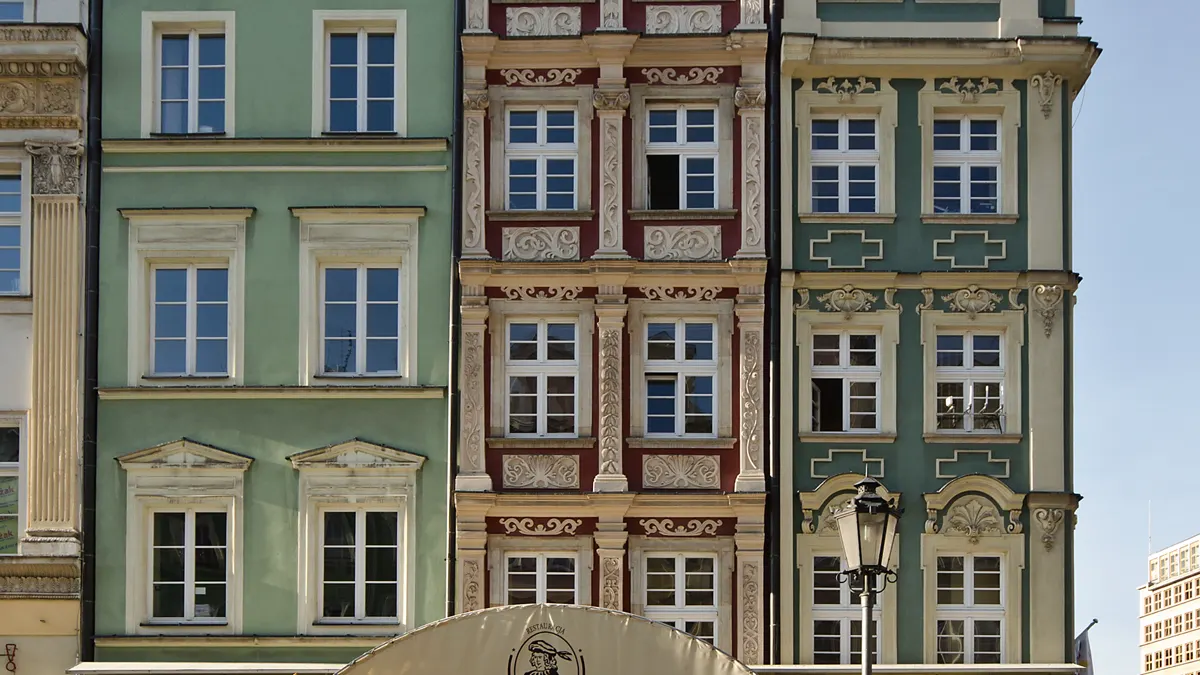
PURO Wroclaw Stare Miasto
A design hotel steps from the Market Square with a buzzy ground-floor bar.