Attraction in Gdańsk
Oliwa
A leafy district north of the centre known for its Oliwa Cathedral and famous 18th-century organ, whose animated figures move during daily recitals. The adjoining Oliwa Park is a tranquil landscape garden with a palm house.
Reviewed and updated July 2026
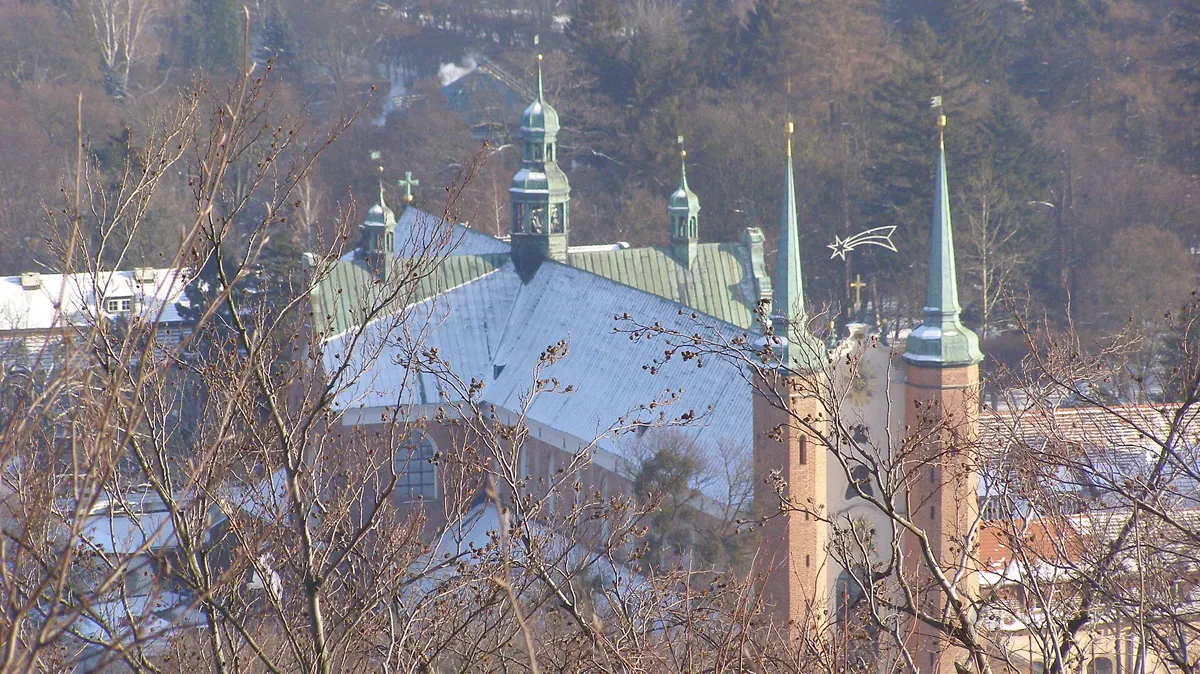
Oliwa is a green, low-key district in the north of Gdansk, a tram or train ride from the Main Town. It grew up around a medieval Cistercian abbey, and two things still draw visitors: the abbey church, now Oliwa Cathedral, with its famous organ, and the landscape park beside it. It is the easiest half-day escape from the old town.
Why visit Oliwa
Oliwa gives you a different side of the city: quiet, leafy and unhurried, built around a cathedral and gardens rather than merchant streets. The main event is the organ, one of the best known in Poland, heard in short recitals through the day. Around it, the park makes an easy walk with a glasshouse and formal gardens. It pairs naturally with Oliwa Park, which shares the same grounds.
The cathedral and its organ
Oliwa Cathedral is a long, narrow Brick Gothic church, the former abbey church of the Cistercians. Its draw is the great Rococo organ, built in the second half of the 18th century, with an elaborately carved case. During recitals the case comes alive: carved angels and figures move, sounding trumpets and ringing bells while the organ plays. The recitals are short, around twenty minutes, and are given several times a day in the busy season and less often out of it.
The park and palm house
Next to the cathedral, the old abbey grounds are now a public park with ponds, tree-lined walks, a formal French-style garden and a palm house of exotic plants under glass. It is free to wander and makes a calm counterpoint to the organ. Full details are on the Oliwa Park page.
How long to spend in Oliwa
Half a day covers it comfortably. Give the cathedral and a recital about forty-five minutes, and the park an hour or more. With the tram or train ride each way, it fills a relaxed morning or afternoon.
Getting to Oliwa
Oliwa is north of the centre, on the way towards Sopot. The quickest way is the local SKM train to Gdansk Oliwa station, followed by a short walk, or a tram from the centre. The trip takes roughly twenty to thirty minutes. For tickets and lines, see the Gdansk guide.
Nearby in northern Gdansk
Oliwa works well combined with:
- Oliwa Park, right beside the cathedral.
- Sopot, the seaside resort a few stops further north on the same train line.
- The Main Town and St Mary's Basilica, back towards the centre.
Good to know
Organ recital times change with the season and are cut back on major feast days, so check the cathedral's schedule before you travel out. The cathedral is a working church, so dress modestly and keep quiet during services.
Common questions about Oliwa
What makes the Oliwa organ special?
It is an 18th-century instrument with a large carved case whose figures move during recitals, sounding trumpets and ringing bells as the organ plays. It is one of the best known organs in Poland.
Is it worth the trip from the centre?
If you have a spare half-day, yes. The cathedral, the organ recital and the park together make an easy, calm outing, and the train ride is short.
Frequently asked questions
More attractions in Gdańsk
Long Market
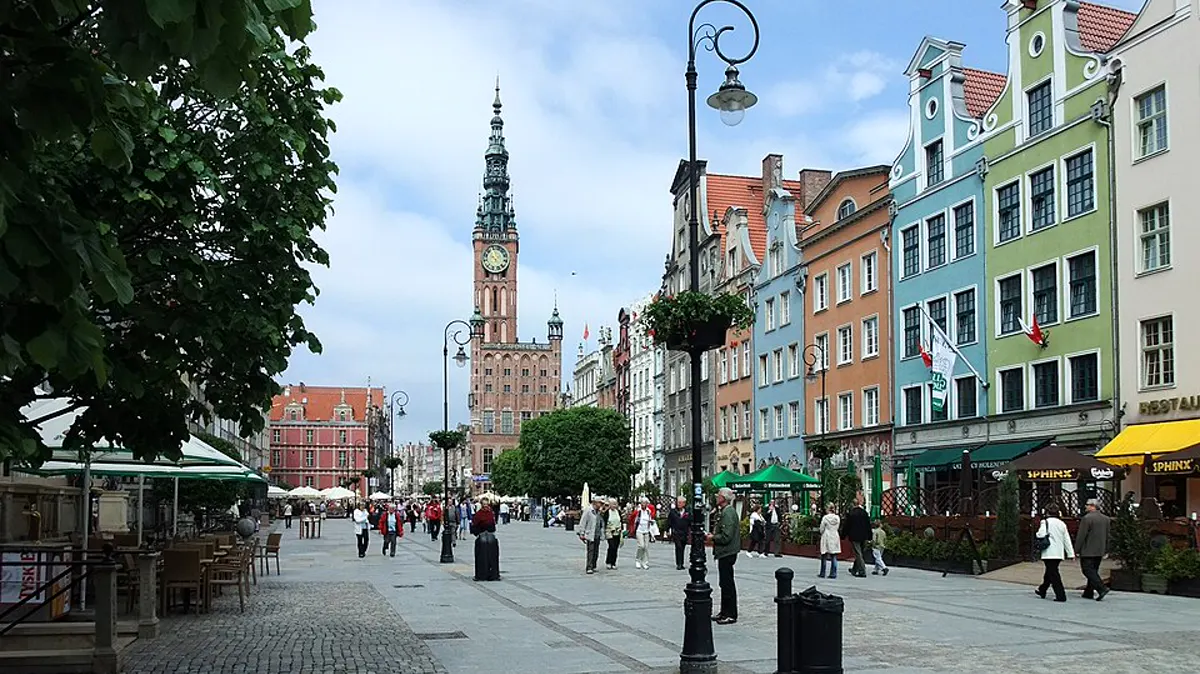
The grand main thoroughfare of Gdansk, a wide promenade of merchant facades running from the Golden Gate to the river.
Fontanna Neptuna
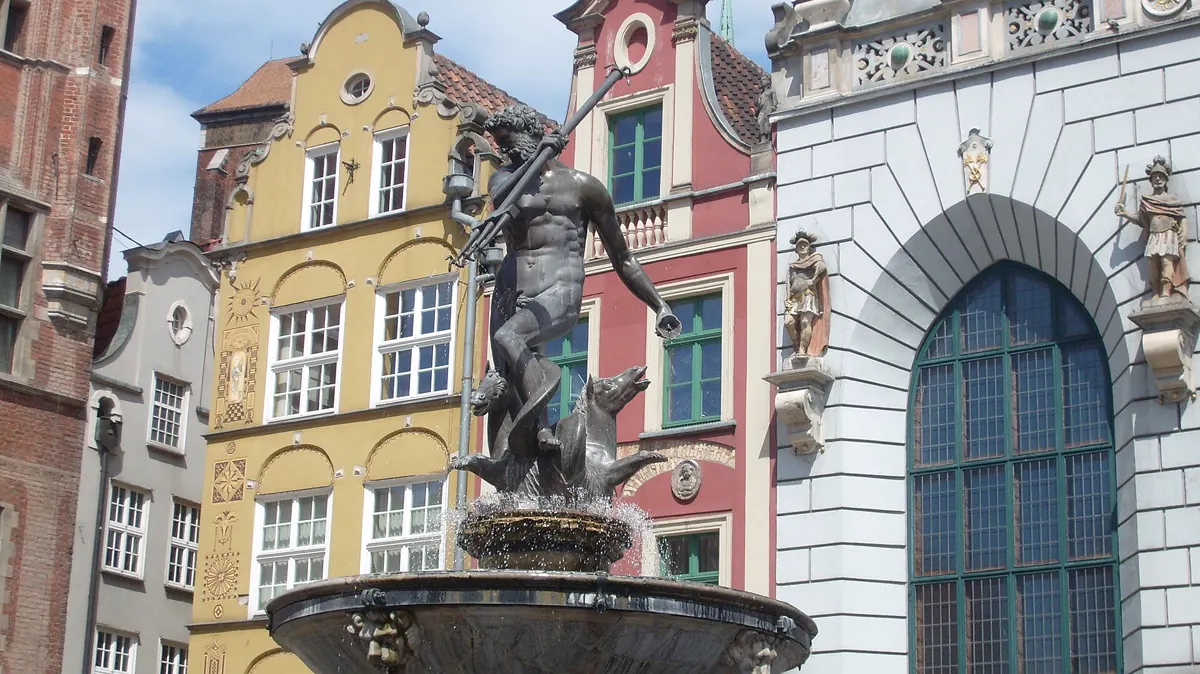
The bronze Neptune Fountain, cast in the early 17th century, has stood in front of the Artus Court since 1633 and became the symbol of Gdansk. Local legend claims the god's trident scattered gold flakes into the water, inspiring the herbal liqueur Goldwasser.
Bazylika Mariacka
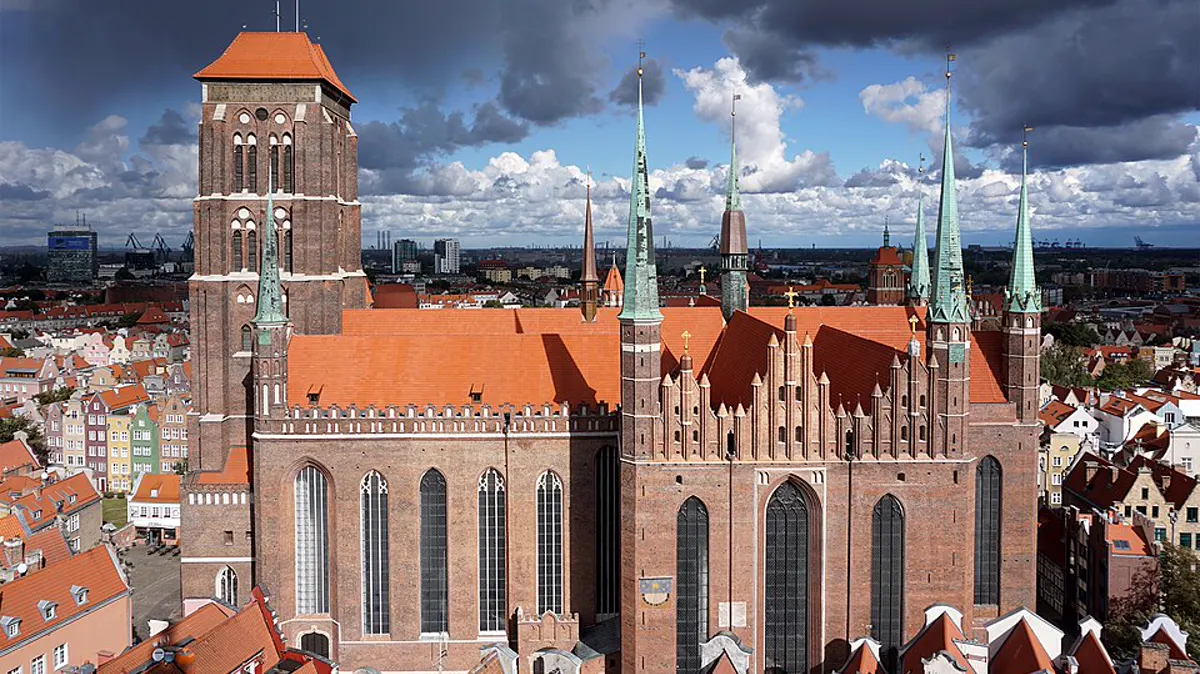
One of the largest brick churches in the world, this vast Gothic basilica can hold up to 25,000 people. Climb its 405 steps to a viewing terrace for a sweeping panorama over the red rooftops of the old town.
Upland Gate (Brama Wyzynna)
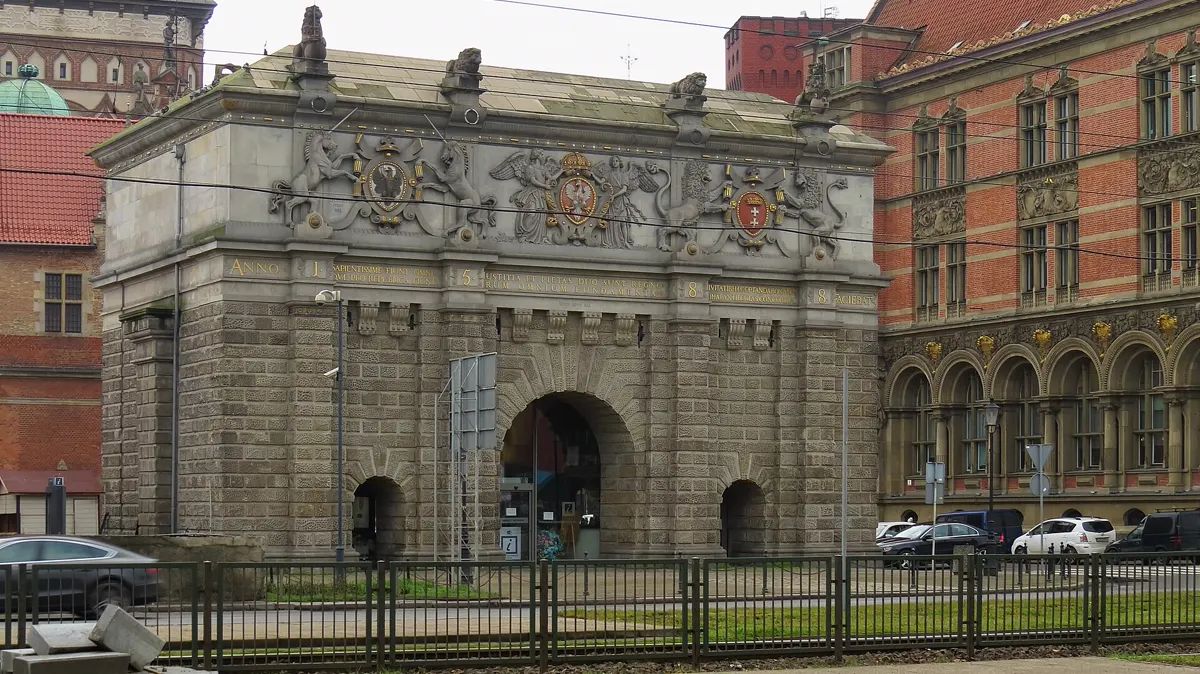
A Renaissance gate from the late 16th century that marks the ceremonial start of Gdansk's Royal Route into the Main Town, carrying the carved coats of arms of Poland, Prussia and Gdansk.
Great Armoury (Wielka Zbrojownia)
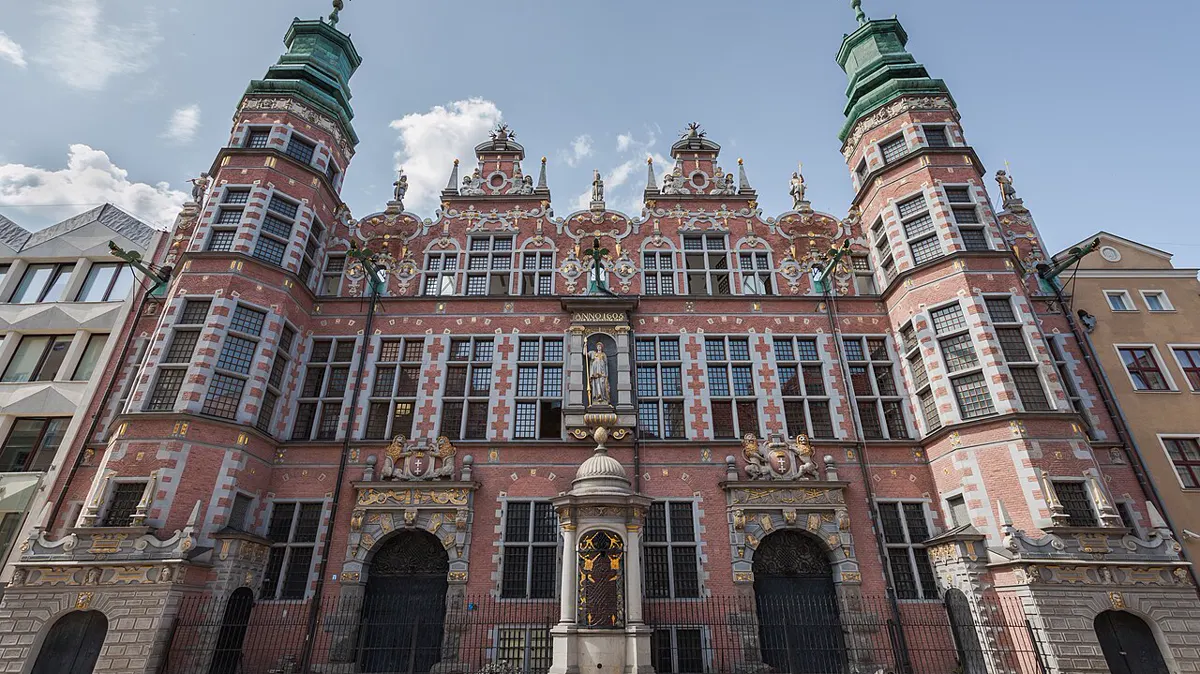
The Great Armoury is an ornate former arsenal in Gdansk's Main Town, widely regarded as one of the finest examples of Dutch Mannerist architecture in the city. Its richly decorated facades now front the Academy of Fine Arts and a shopping arcade.
Mariacka Street (ulica Mariacka)
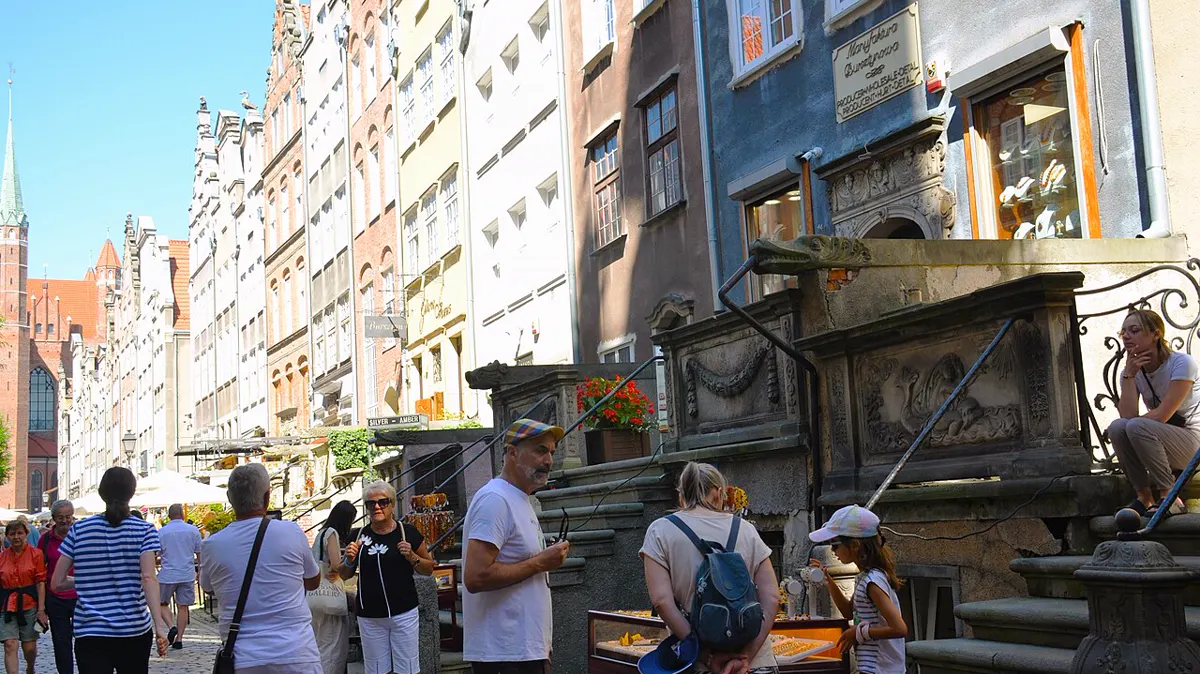
A short cobbled lane in Gdansk running between St. Mary's Basilica and the Motlawa waterfront, lined with reconstructed patrician houses and amber shops. It is widely called the most photogenic street in the city.
More to explore in Gdańsk

Restaurant
Eliksir
A refined tasting-menu restaurant in the Garnizon district of Wrzeszcz, making the most of Baltic ingredients.
Hotel
Hotel Podewils
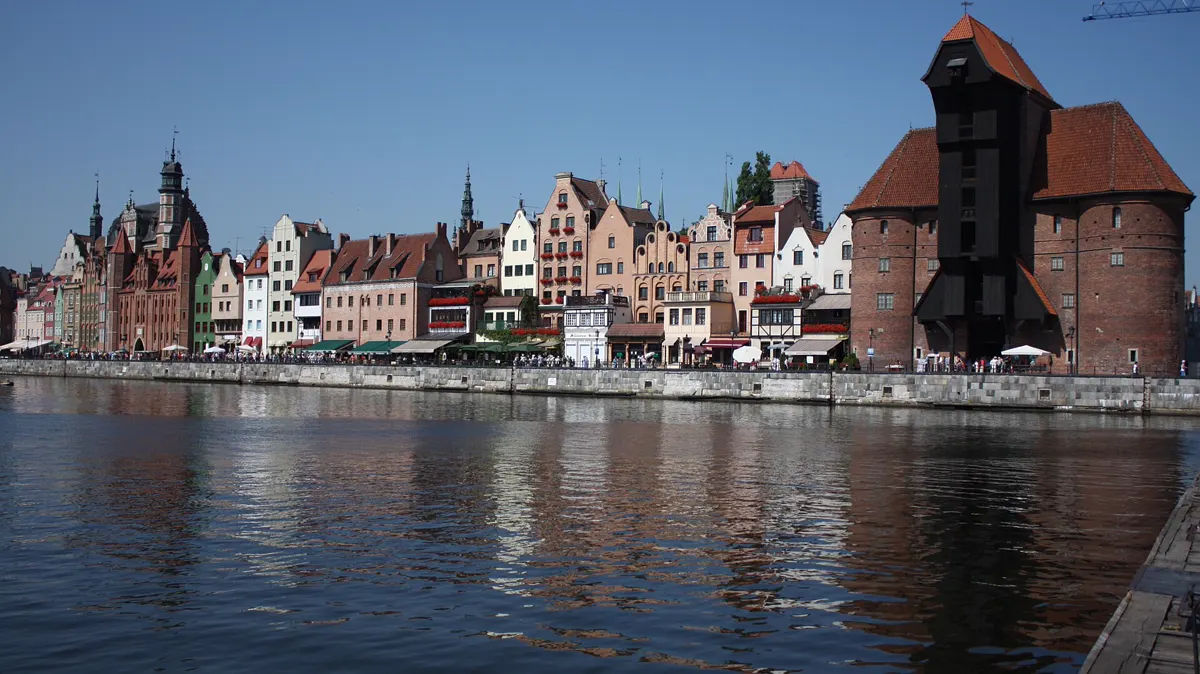
A baroque townhouse hotel right on the marina, facing the old crane across the water.
Nature
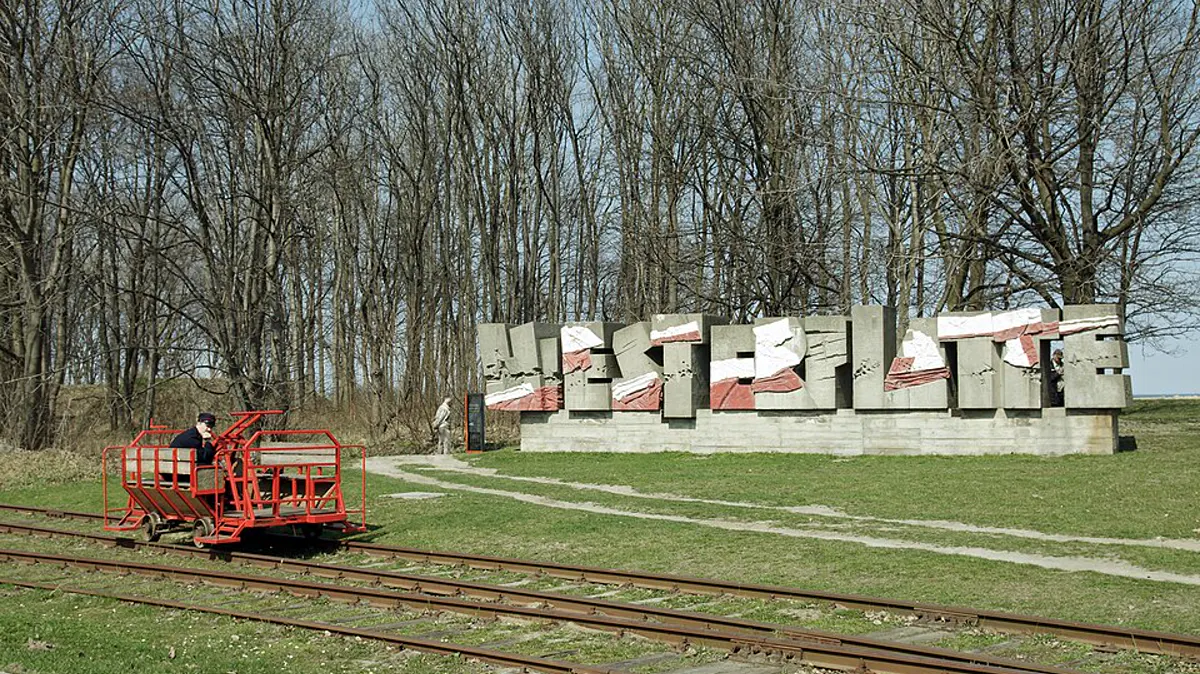
Westerplatte
The seaside peninsula where WWII began, now a memorial park reached by a summer river boat.
Castle
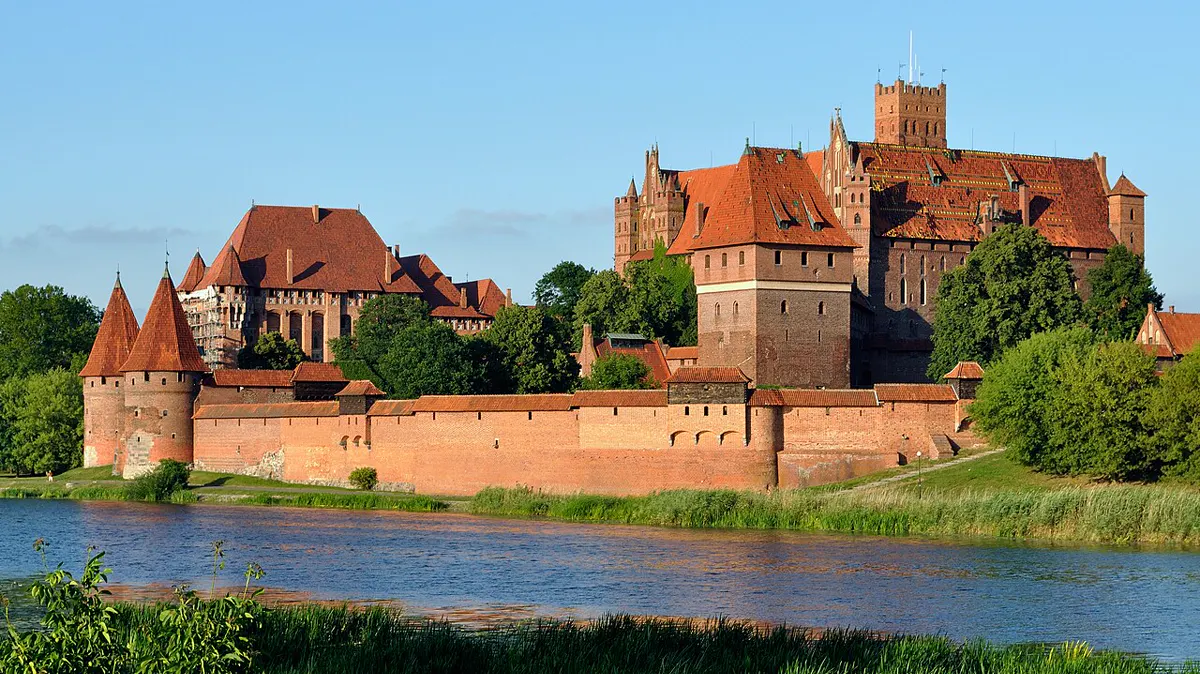
Malbork Castle
The largest castle in the world by land area, a vast red-brick fortress built by the Teutonic Knights on the Nogat river.

Restaurant
Bar Mleczny Neptun
A classic milk bar on Dluga serving pierogi, soups and cutlets at low prices in a self-service canteen setting. The cheapest honest Polish food in the old town.

Restaurant
Pierogarnia Mandu
A much-loved dumpling house handmaking both Polish pierogi and Georgian khinkali.