Museum in Kraków
Auschwitz-Birkenau Memorial
The preserved site of the largest German Nazi concentration and extermination camp, now a memorial and museum to its victims, west of Krakow.
Reviewed and updated June 2026
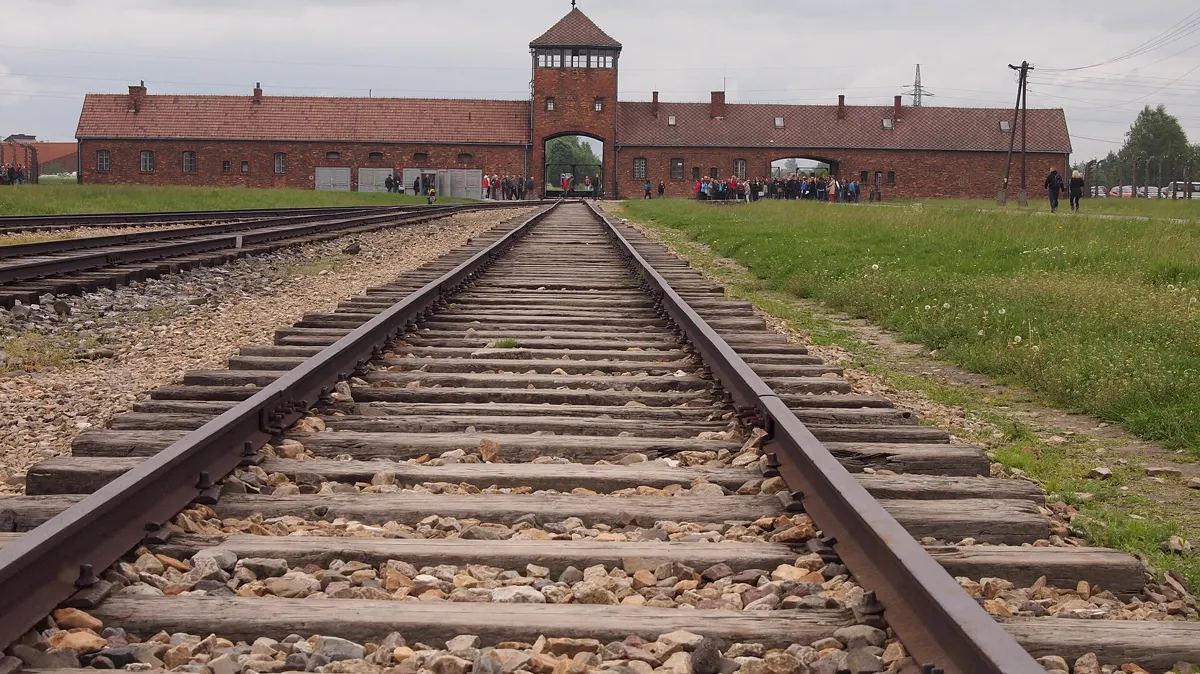
The Auschwitz-Birkenau Memorial and Museum stands on the preserved grounds of the largest concentration and extermination camp built by Nazi Germany, near the town of Oswiecim, about 70 kilometres west of Krakow. Between 1940 and 1945, more than a million people were murdered here, the overwhelming majority of them Jews, alongside Poles, Roma and Sinti, Soviet prisoners of war and others. The site is kept as a memorial to the victims and a place of remembrance and study. It was inscribed on the UNESCO World Heritage list in 1979.
The two Auschwitz sites
A visit covers two parts of the former camp, about three kilometres apart. A shuttle bus provided by the Memorial links them.
- Auschwitz I is the original camp. It keeps its brick barracks, the entrance gate and permanent exhibitions documenting the history of the camp and the people held and killed there.
- Auschwitz II-Birkenau is the far larger extermination camp. The railway line, the ruins of the gas chambers and crematoria, and the surviving barracks convey the scale of what happened in a way the first site cannot.
History of the camp
The Germans established the camp in occupied Poland in 1940, first for Polish prisoners, then expanded it into the centre of the mass murder of European Jews. Birkenau was built from 1941 as the main site of extermination. The camp was liberated by Soviet forces on 27 January 1945. In 1947 the Polish parliament established the State Museum on the grounds of the two preserved sites, and it has since served as a memorial, an archive and a centre of research and education.
Visiting Auschwitz-Birkenau
Admission to the grounds is free. An entry card must be reserved in advance through the official Memorial booking site, as cards are not sold at the entrance. Individual visitors may tour the site on their own at certain times, or join a tour led by a guide-educator, for which a fee is charged; organised groups are required to visit with a guide. Hours vary by season, and booking, timing and current conditions should be checked on the official Memorial website before you travel.
How long to spend at Auschwitz
A visit that takes in both Auschwitz I and Birkenau, including the transfer between them, occupies the better part of a day. A guided visit typically runs several hours. Allow more time for travel from Krakow at each end, and do not schedule anything light-hearted immediately afterwards.
Getting to Auschwitz-Birkenau
Most visitors travel from Krakow, about an hour and a half by road. Organised transfers run from the city, and there are also trains and buses to Oswiecim, from where the Memorial is a short distance. Driving is possible, with parking near Auschwitz I. Whichever way you come, arrive in good time for your booked entry.
Accessibility at the Memorial
The grounds are extensive and largely outdoors, with gravel paths, grass and some steps and narrow passages inside the surviving buildings. Birkenau in particular involves long distances on uneven ground. The Memorial publishes information for visitors with reduced mobility and other specific needs; consult it in advance and contact the Memorial if you require assistance.
Nearby and planning your visit
This is a place of remembrance, not a stop to combine with sightseeing on the same afternoon. Most visitors are based in Krakow and return there afterwards. For those wanting to understand the same period more fully, the Museum of Krakow's exhibition at Oskar Schindler's Factory covers the city under German occupation, and the wider history of the region can be explored across a separate day that also takes in the medieval centre around the Main Market Square.
Good to know
Entry is free but an entry card must be reserved in advance on the official Memorial site. The Memorial advises that the visit is not suitable for children under 14. Dress and behave with the solemnity the place asks for. Check the official website for hours and booking.
Common questions about Auschwitz
Is entry free, and do I need to book?
Admission is free, but an entry card must be reserved in advance through the official Memorial booking site. Cards are not available at the entrance. A fee applies only if you engage a guide-educator.
Do I have to take a guided tour?
Individual visitors may tour the site on their own at certain times, or join a tour with a guide-educator. Organised groups are required to visit with a guide. A guided visit is recommended for a fuller understanding of the history.
How are the two sites connected?
Auschwitz I and Auschwitz II-Birkenau are about three kilometres apart. A shuttle bus provided by the Memorial runs between them, and a full visit takes in both.
Frequently asked questions
More museums in Kraków
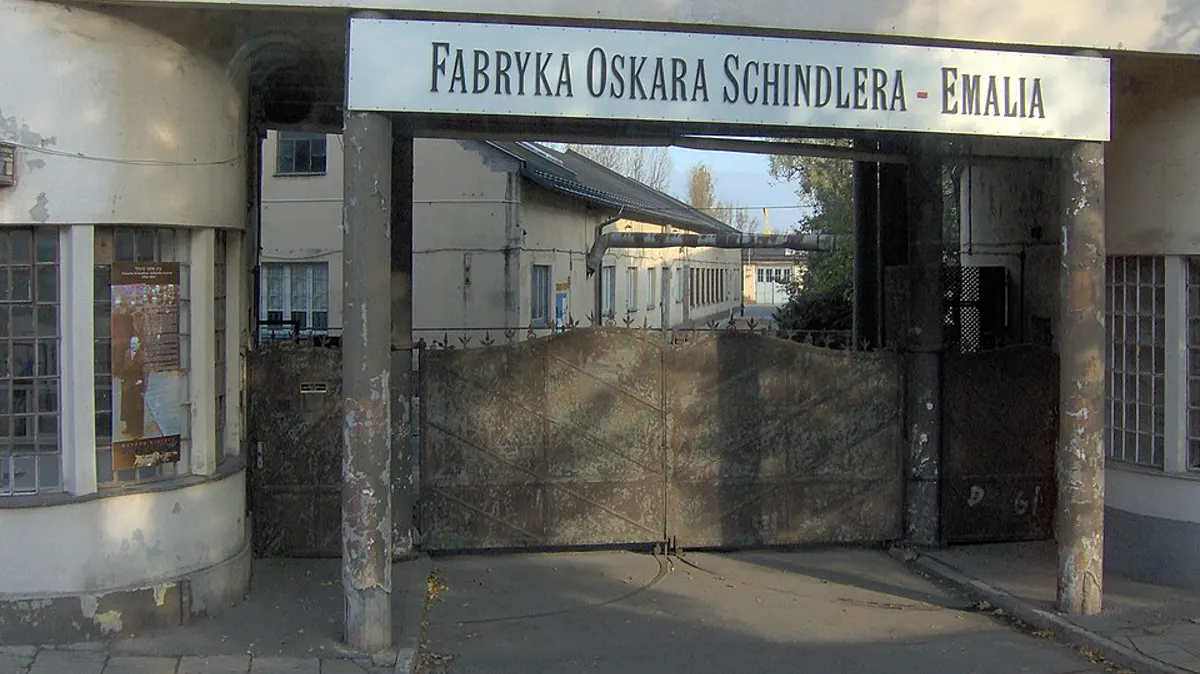
Oskar Schindler's Enamel Factory
The wartime enamelware factory, now a museum about Krakow under German occupation from 1939 to 1945.
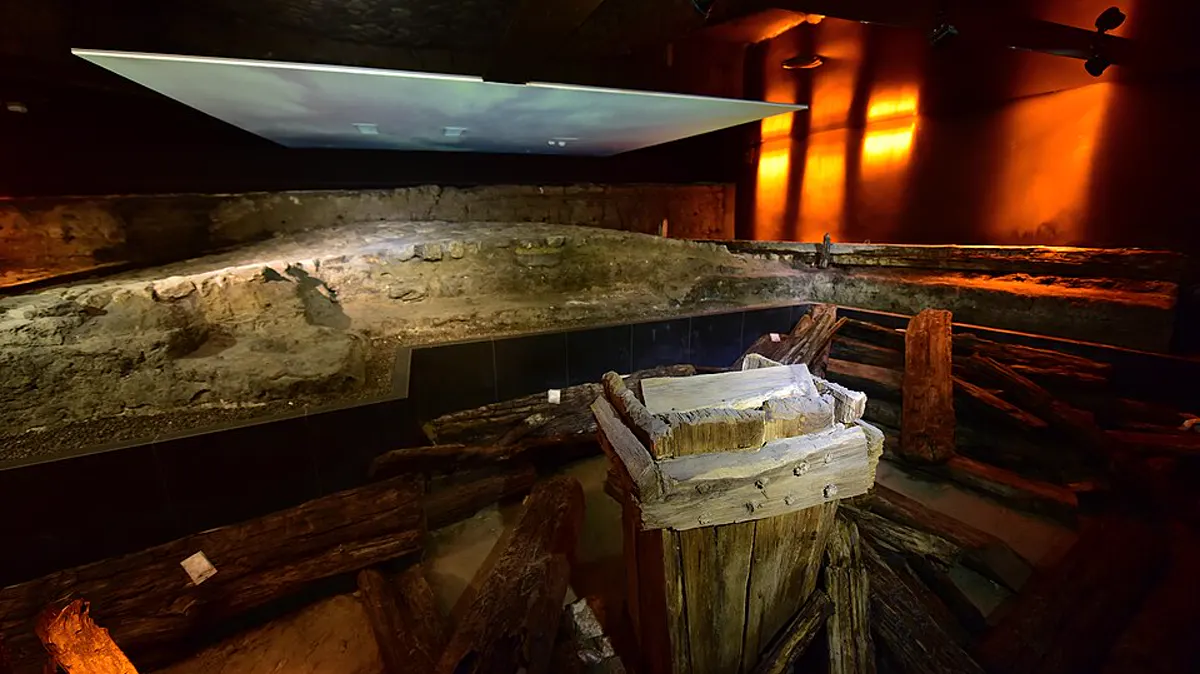
Rynek Underground
An atmospheric archaeology museum beneath the Main Square, walking you through the medieval market on its original cobbles.
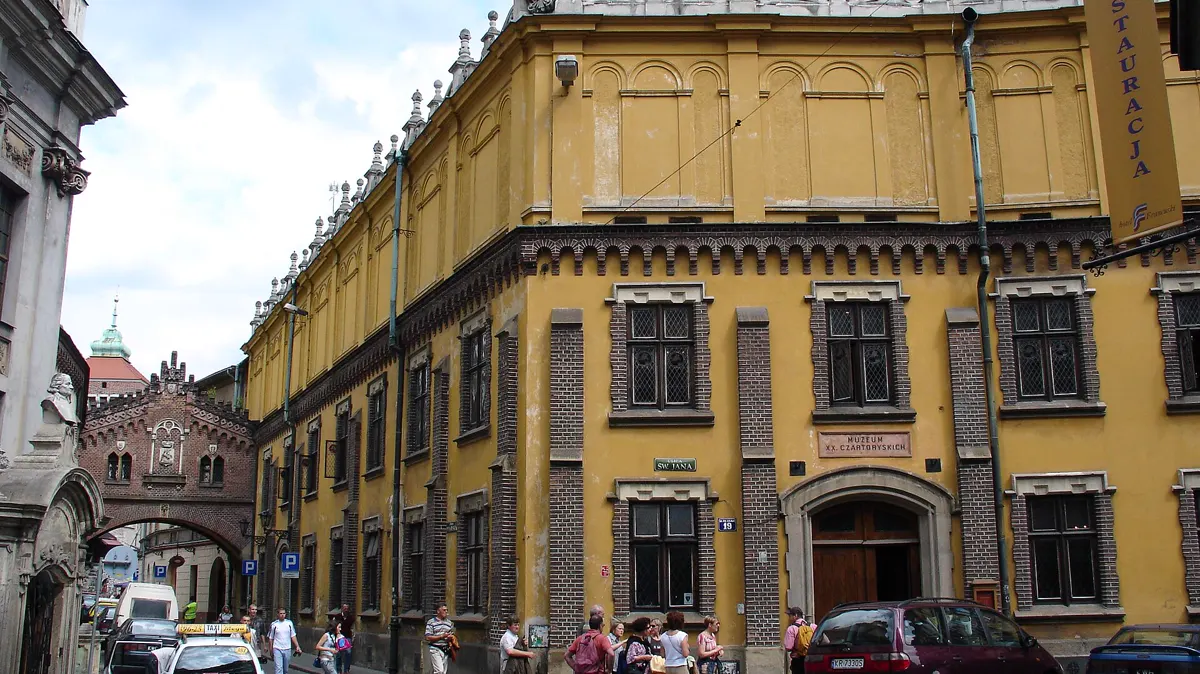
Czartoryski Museum
Home to Leonardo da Vinci's "Lady with an Ermine", the star of Poland's oldest museum collection.
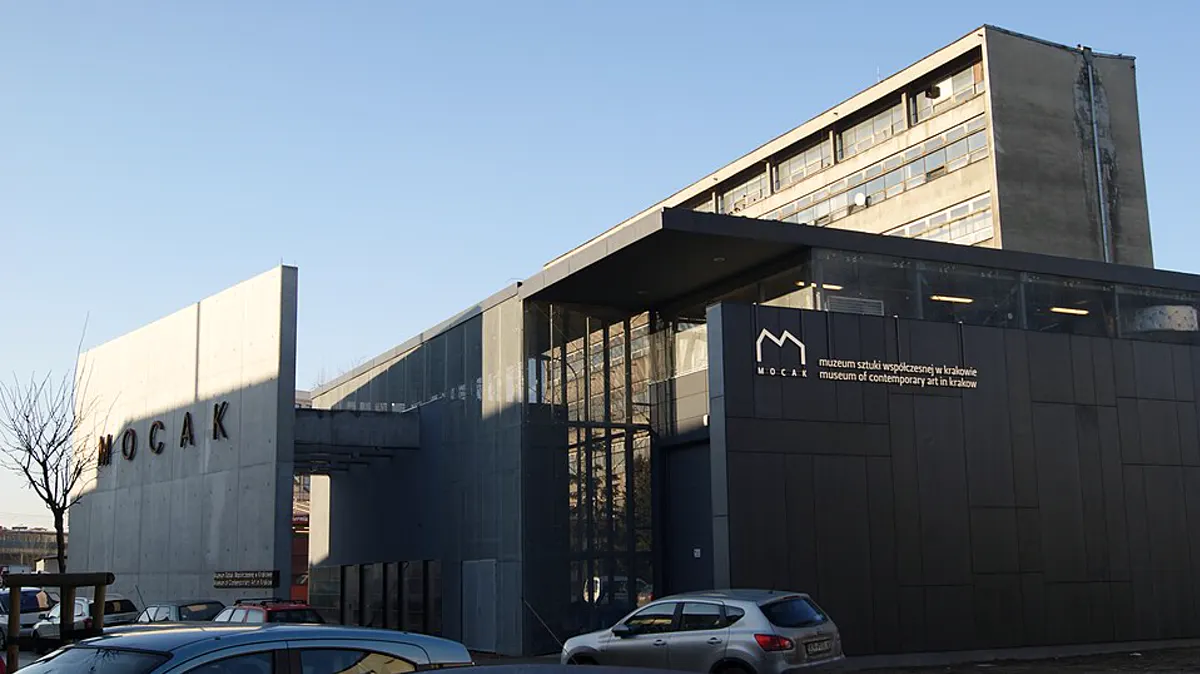
MOCAK Museum of Contemporary Art
Poland's leading contemporary-art museum, built beside the Schindler factory in Podgorze.
Featured in
More to explore in Kraków
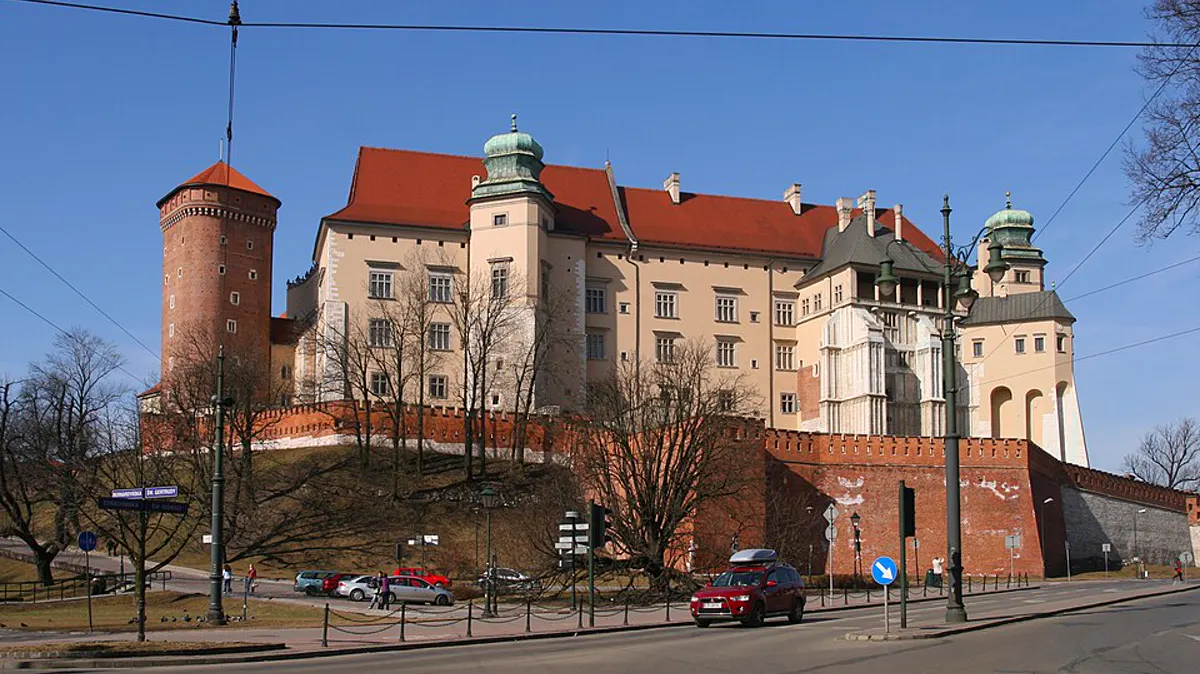
Castle
Wawel Castle
The royal castle and cathedral on the hill above the Vistula, the symbolic heart of the Polish nation for a thousand years.
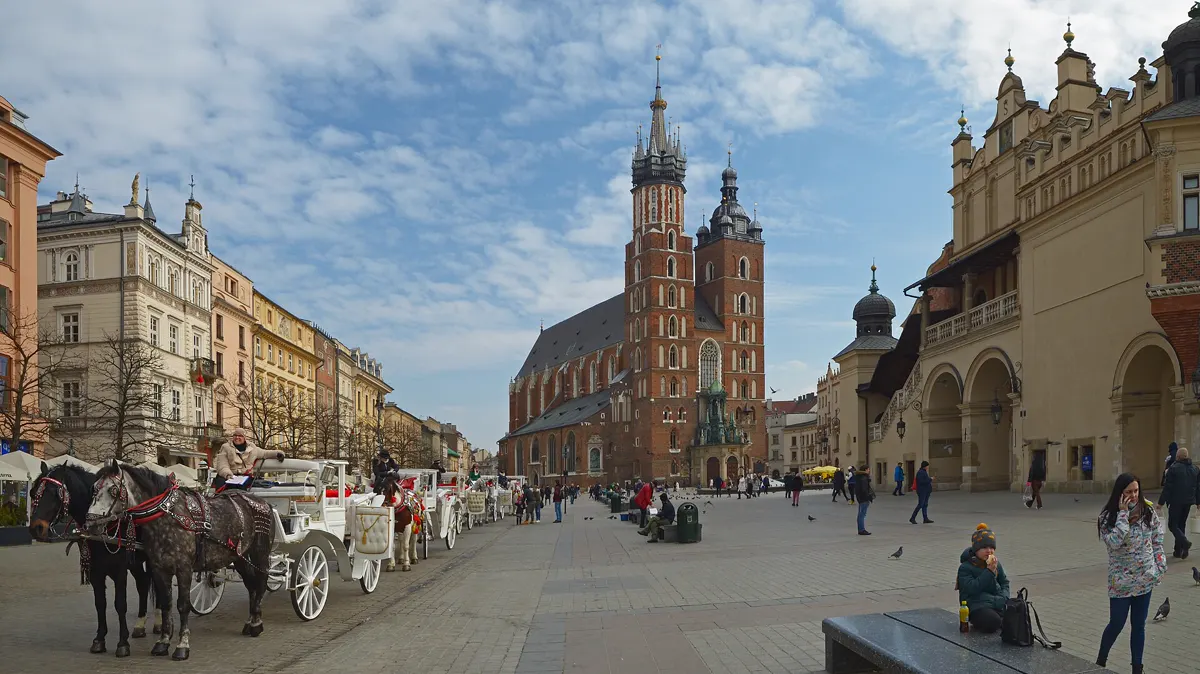
Attraction
Main Market Square
Europe's largest medieval market square, the social centre of Krakow, with the Cloth Hall running down its middle.
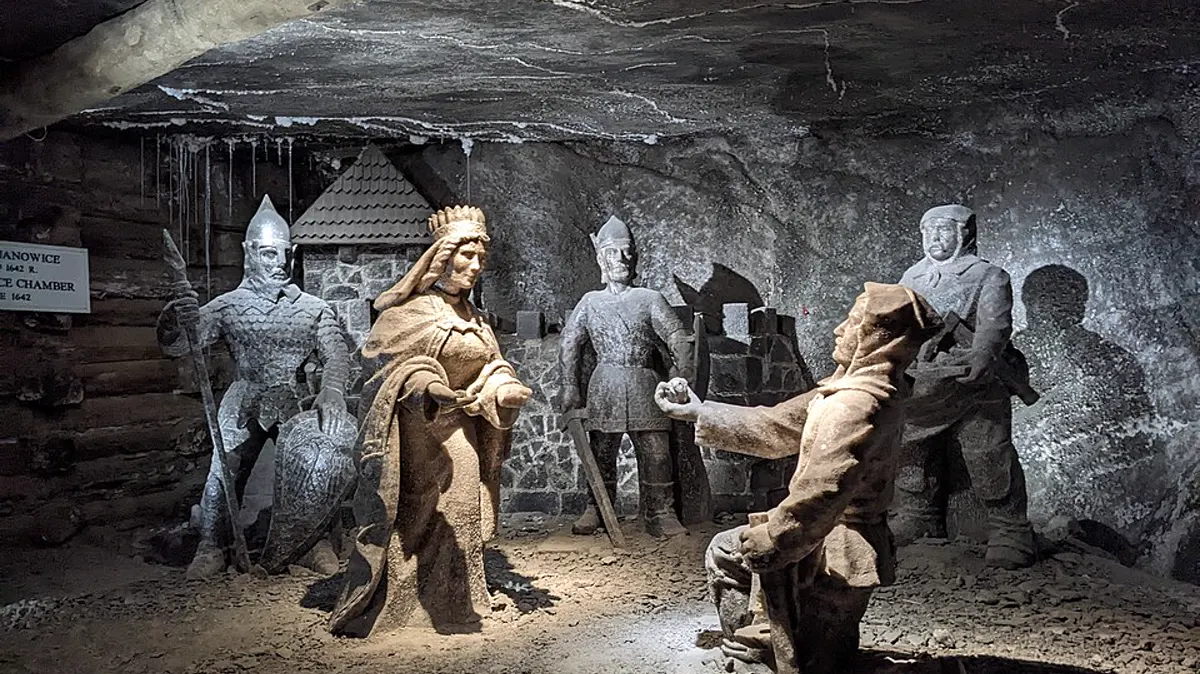
Attraction
Wieliczka Salt Mine
A UNESCO-listed salt mine worked for seven centuries, with underground chapels, lakes and chambers carved entirely from rock salt.
Restaurant
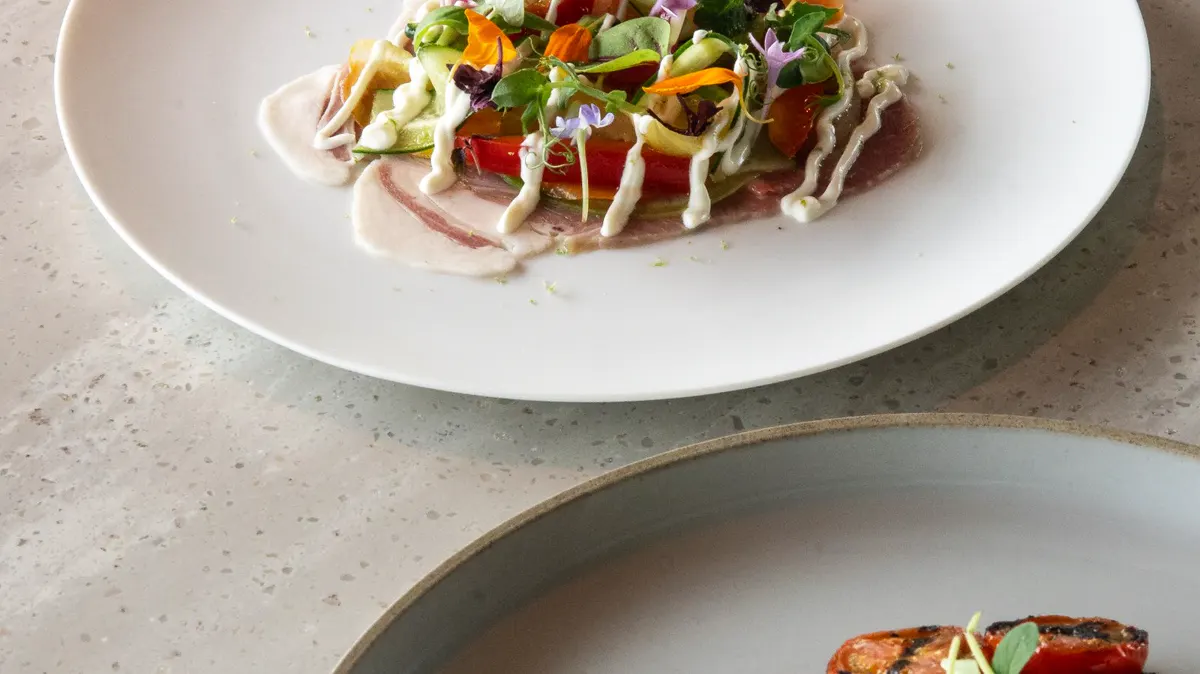
Bottiglieria 1881
Krakow's Michelin-starred tasting-menu room, a modern Polish kitchen paired with a deep wine cellar.
Hotel
Hotel Wawel
A friendly, art-filled mid-range choice on Poselska, tucked inside the Planty ring.

Restaurant
Karma Coffee
A small speciality roaster pouring some of the Old Town's best flat whites.