Castle in Gdańsk
Malbork Castle
The largest castle in the world by land area, a vast red-brick fortress built by the Teutonic Knights on the Nogat river.
Reviewed and updated July 2026
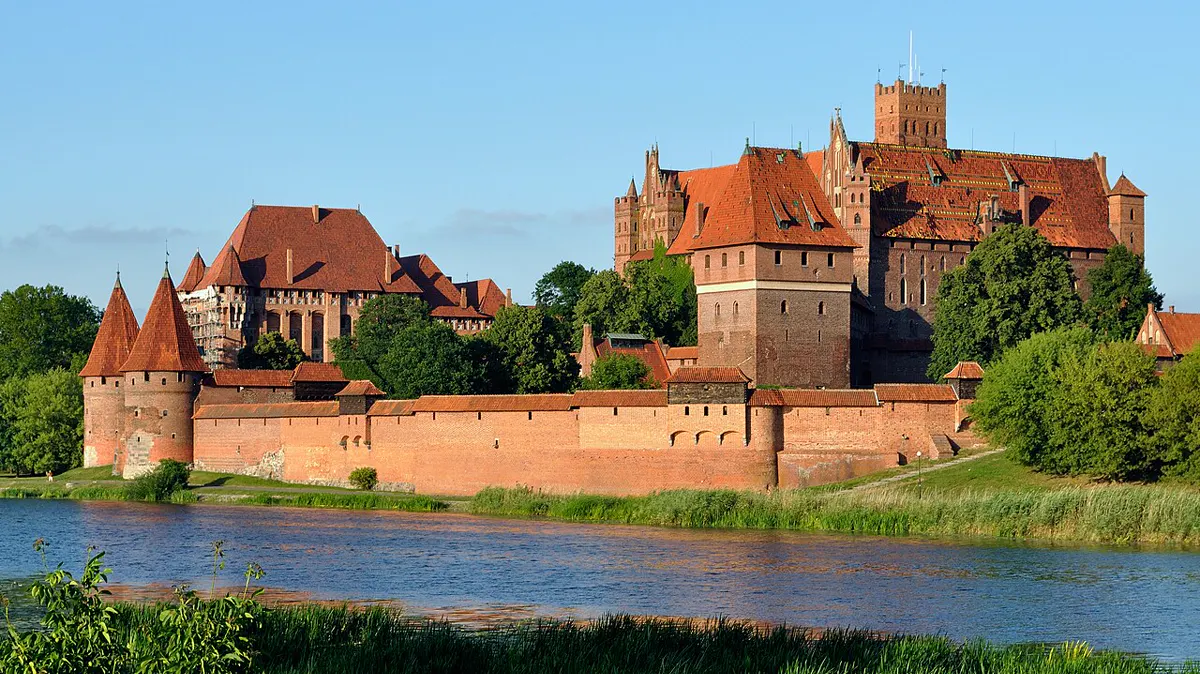
Malbork stands on the Nogat river about 60 kilometres south-east of Gdansk. It is the largest castle in the world by land area and the largest brick castle anywhere, a vast red-brick fortress built by the Teutonic Knights. The order began work in the thirteenth century and made Malbork the capital of its monastic state, expanding it into three linked castles behind a ring of walls and moats.
Why visit Malbork Castle
It is the standout day trip from Gdansk and one of the most complete medieval fortresses in Europe. The scale is the point: courtyards, gates, defensive walls and grand ceremonial rooms follow one after another. An included audio guide leads a route that takes the best part of an afternoon.
What to see at Malbork
The complex divides into three parts:
- The High Castle, the oldest core, arranged around a cloistered courtyard with the main church and chapter house.
- The Middle Castle, with the Grand Refectory, a great hall roofed by slender palm vaulting.
- The Grand Masters' Palace, among the finest secular Gothic interiors of its time.
Between them run courtyards, cellars and long stretches of wall and moat.
The Teutonic Knights' fortress
The Teutonic Knights, a crusading military order, built Malbork from the late thirteenth century. In 1309 the Grand Master moved his seat here from Venice, and the castle became the headquarters of the order's Baltic state. It later passed to Poland and served various rulers, and was badly damaged in the Second World War before a long restoration. It was added to the UNESCO World Heritage list in 1997.
How long to spend
Allow three to four hours for the castle itself with the audio guide, and a full day including travel from Gdansk. There is a great deal of ground to cover, much of it on foot over uneven surfaces.
Best time to visit
Late spring to early autumn gives the longest opening hours and the best light on the brick. Summer is the busiest, so start early. The view of the whole fortress from across the Nogat is the one to photograph, best in the afternoon when the light is on the western walls.
Getting to Malbork from Gdansk
Frequent trains link Gdansk to Malbork in under an hour, and the castle is a short walk from the station. Drivers will find car parks near the river. For planning the trip, see the Gdansk guide.
Accessibility at the castle
The castle is large and mostly floored with cobbles, stairs and thresholds, which makes parts of it hard going for wheelchairs and limited mobility. Some areas are step-free, so check the castle's access information before visiting to plan a route.
Around Malbork
Malbork works as a day trip from Gdansk, where the main sights sit close together:
- The Long Market and Royal Route through the Main Town.
- The medieval Crane (Zuraw) on the Motlawa waterfront.
- The Museum of the Second World War.
Good to know
Entry is by ticket, usually with a set route and an audio guide, and timed in high season. Book ahead in summer and check the official Malbork castle museum site for current hours and prices.
Common questions
Is Malbork the largest castle in the world?
Yes, by land area. It is also the largest brick castle in the world, built by the Teutonic Knights on the Nogat river.
How do I get there from Gdansk?
Frequent trains run from Gdansk to Malbork in under an hour, and the castle is a short walk from the station.
How long does a visit take?
Around three to four hours for the castle with the audio guide, or a full day with travel from Gdansk.
Frequently asked questions
Featured in
More to explore in Gdańsk

Restaurant
Eliksir
A refined tasting-menu restaurant in the Garnizon district of Wrzeszcz, making the most of Baltic ingredients.
Hotel
Hotel Podewils
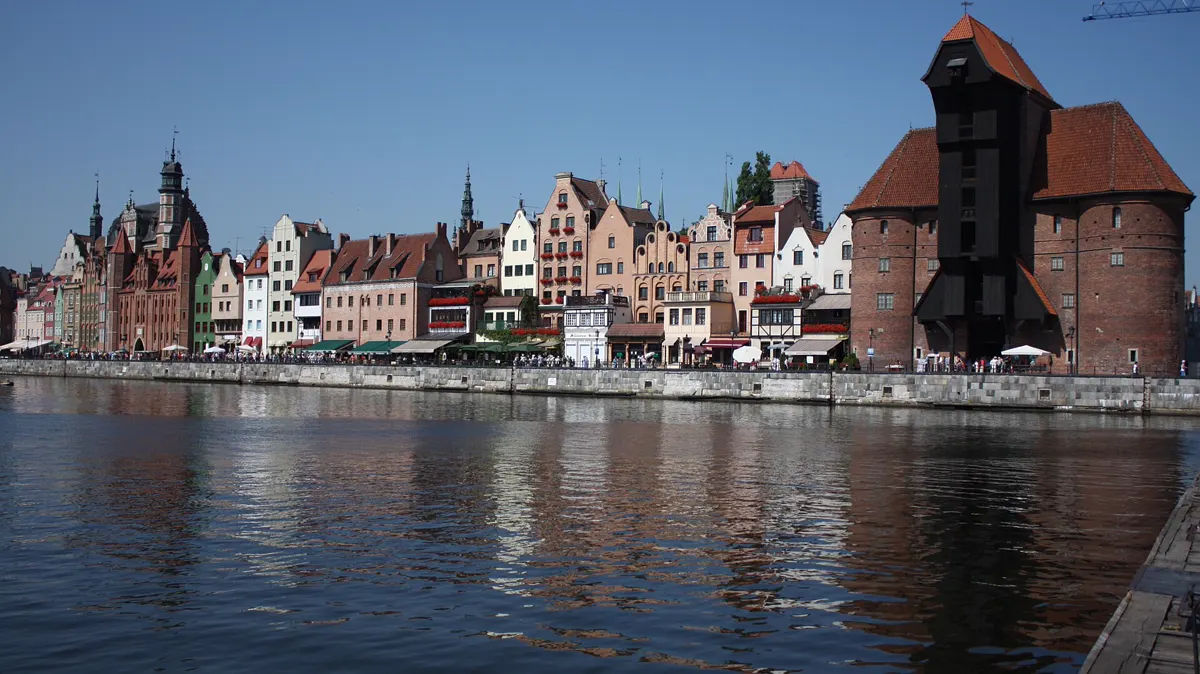
A baroque townhouse hotel right on the marina, facing the old crane across the water.
Nature
Westerplatte
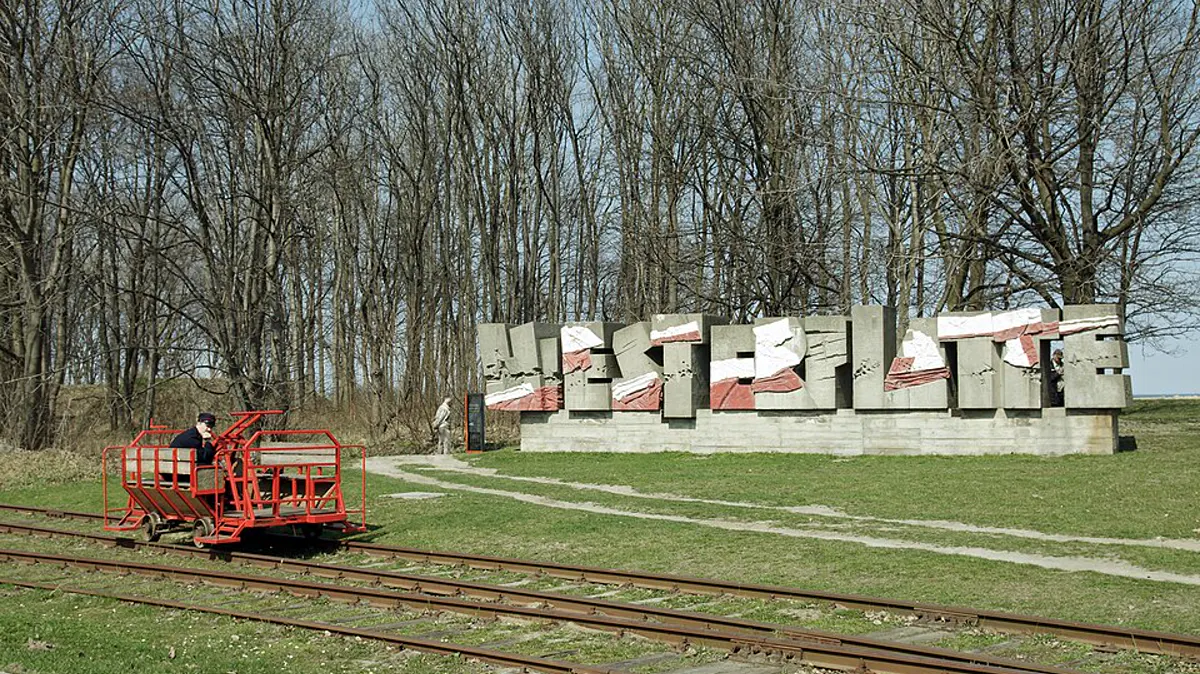
The seaside peninsula where WWII began, now a memorial park reached by a summer river boat.
Attraction
Long Market
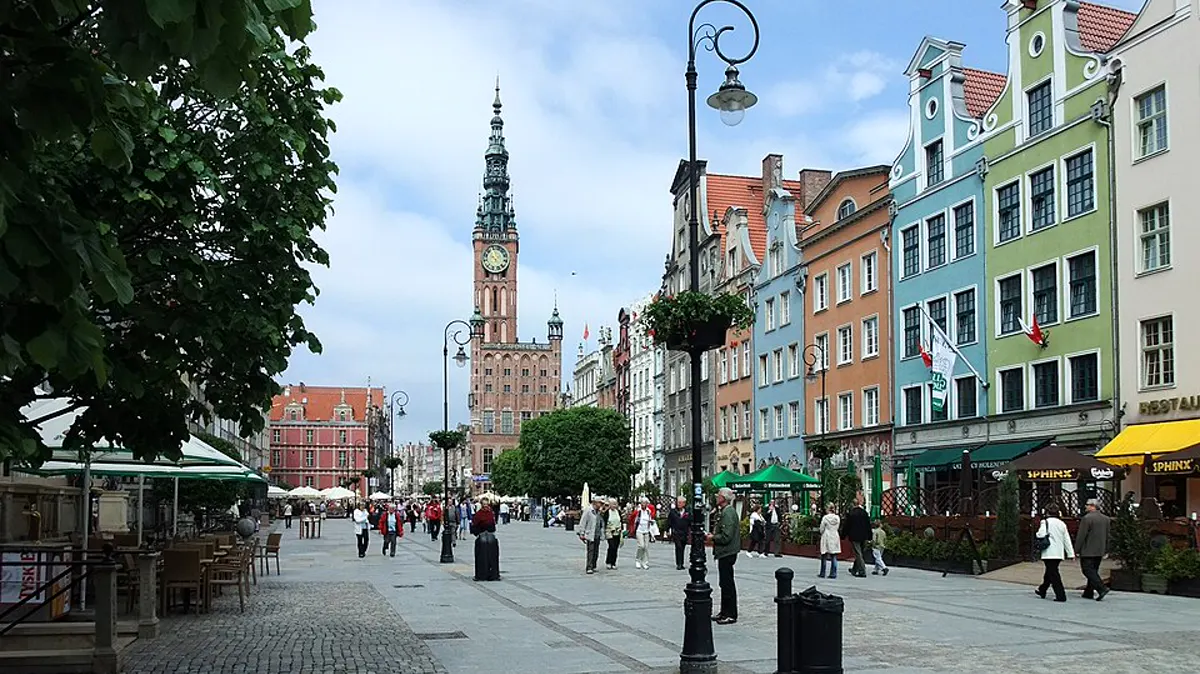
The grand main thoroughfare of Gdansk, a wide promenade of merchant facades running from the Golden Gate to the river.
Attraction
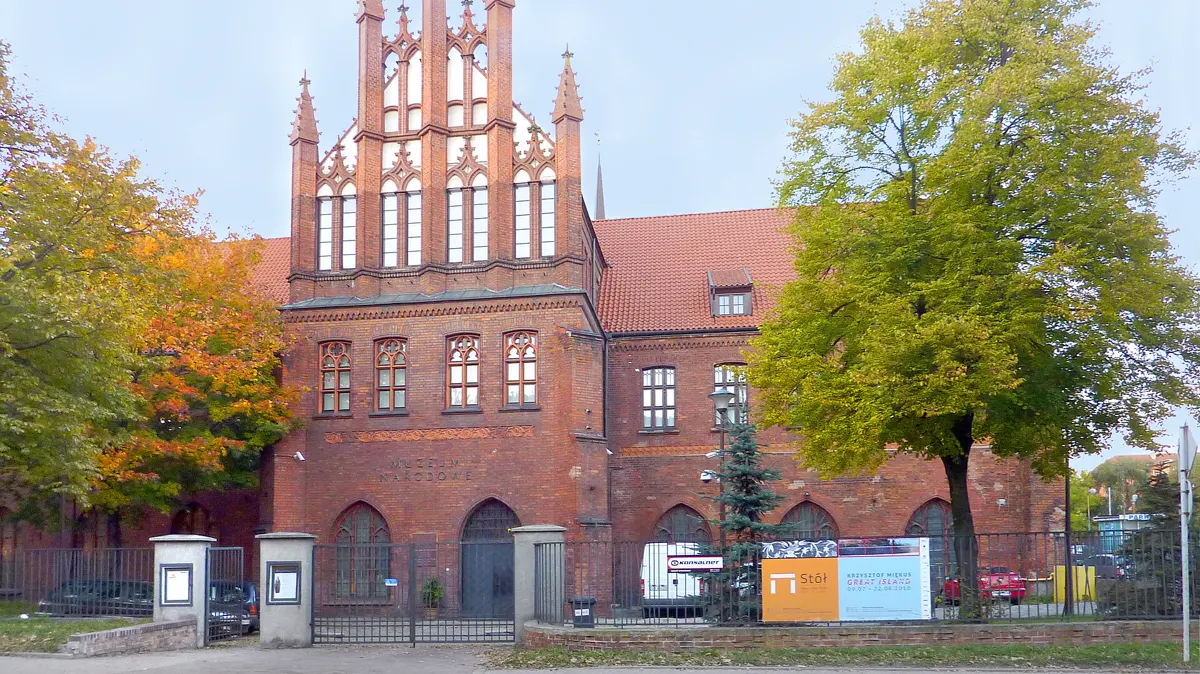
National Museum in Gdańsk (Memling's Last Judgment)
Gdańsk's National Museum, set in a former Franciscan monastery, holds Hans Memling's triptych The Last Judgment, one of the most valuable paintings in any Polish collection.
Restaurant
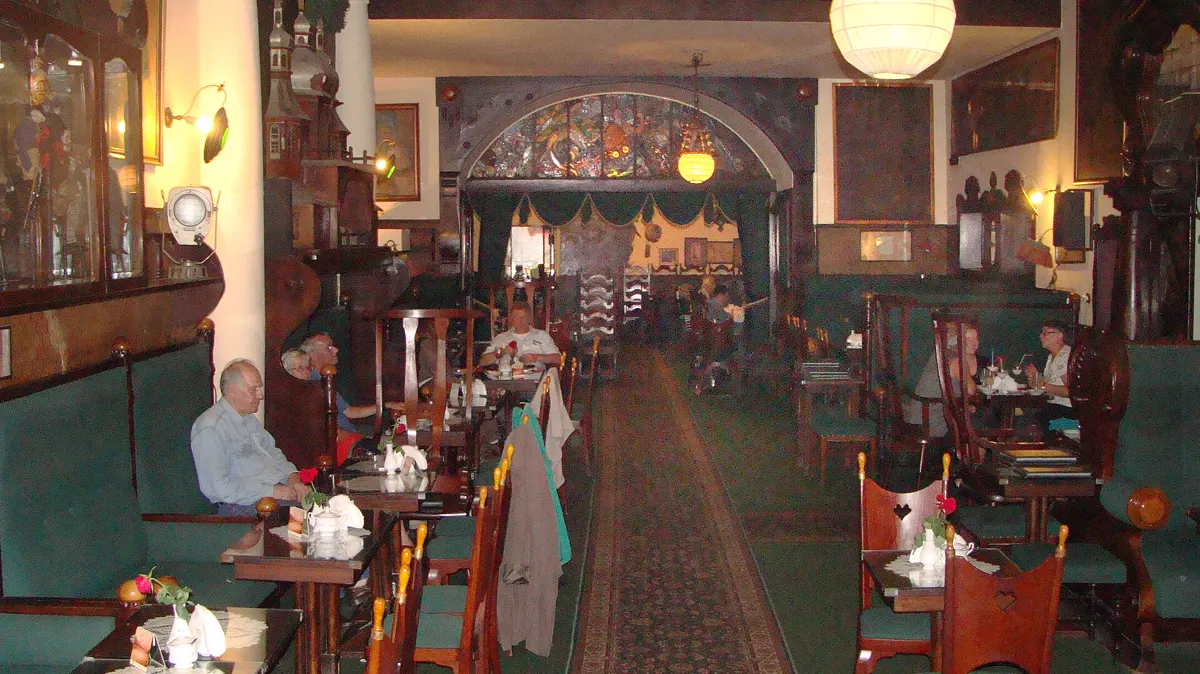
Sztuka Wyboru
A bar, bookshop and cafe hybrid in Garnizon Kultury in Gdansk's Wrzeszcz district, drawing a creative crowd for coffee, cocktails and a changing run of events.