National Park in Zakopane
Tatra National Park
Poland's highest mountains, protected as a national park, with alpine peaks, glacial lakes and the country's most demanding trails.
Reviewed and updated July 2026
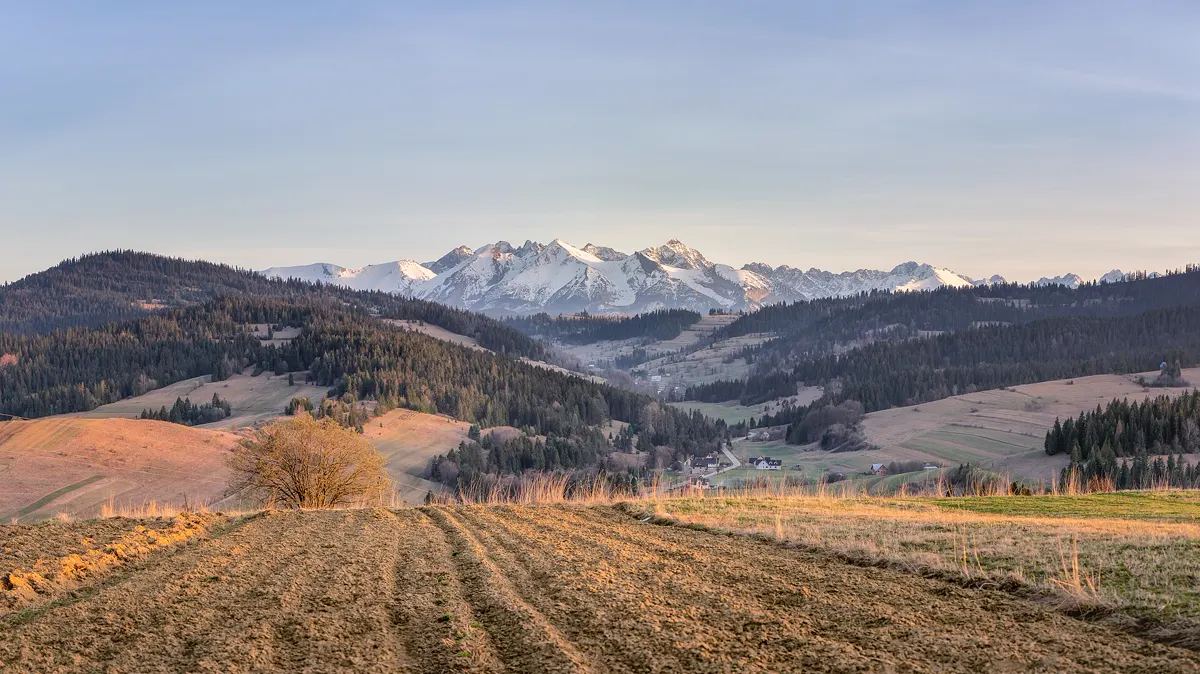
The Tatra National Park protects the Polish side of the Tatra Mountains, the only range in the country to reach a genuine alpine scale. Rysy, on the border with Slovakia, is the highest point in Poland at 2,499 metres. The park is small but packed with dramatic terrain, from forested valleys to bare rock ridges.
Why visit the Tatra National Park
This is the high-mountain heart of Poland, and the range behind almost every trip to Zakopane. Within a compact area you can walk an easy valley in trainers or take on some of the hardest marked routes in the country. Trails are well signed and busy in season, so it suits both first-time walkers and experienced hikers, as long as you match the route to your fitness.
Walking the Tatra trails
Trails range from easy valley walks, such as the road to Morskie Oko and the paths through Dolina Koscieliska, to high routes that demand fitness and a head for heights. The Eagle's Path, Orla Perc, is the most notorious, a chained and exposed ridge for experienced hikers only. Waterfalls, caves and glacial lakes fill the ground between.
The cable car and viewpoints
A cable car from Kuznice climbs to Kasprowy Wierch on the main ridge, the easiest way to reach high ground without a long climb. The peak of Giewont rises over Zakopane to the south, and the Gubalowka ridge across the valley gives a long view of the whole range.
Wildlife and park rules
The park is home to chamois, marmots and brown bears, and much of it is strictly protected. You must keep to the marked trails, camping and fires are banned, and an entry fee applies at the main trailheads. Some routes are one-way in busy periods to manage the crowds.
History of the park
The Tatra National Park was established in 1954 to protect the Polish High Tatras, and it forms a pair with a matching park on the Slovak side of the border. Together they guard the whole of this small alpine range.
How long to spend
Give the park at least a full day, and more if you can. Easy valley walks take a few hours, the Morskie Oko return is most of a day, and the high ridges are long, serious outings that need an early start.
Best time to visit the Tatras
Summer and early autumn are the main walking season, with the high trails clear of snow from roughly late June to September. Weather changes fast at altitude and afternoon storms are common, so start early and carry warm and waterproof layers even on a hot morning. Winter turns the mountains into serious alpine terrain for equipped visitors only.
Getting to the park from Zakopane
Zakopane sits just outside the park boundary and is the base for almost every trip in. Buses and minibuses run from the town to the main trailheads at Kuznice, Kiry and Palenica Bialczanska. For the town and its services, see the Zakopane guide, and for the resort's main street, Krupowki.
Accessibility in the mountains
This is mountain country, and most of the park is reached only on foot over rough ground. The Kasprowy Wierch cable car and the paved lower road toward Morskie Oko are the most manageable options for those who cannot tackle steep trails. Conditions can change quickly, so come prepared whatever route you choose.
Around Zakopane
The park's highlights and its base town connect easily:
- Morskie Oko, the largest lake in the range and its most visited spot.
- Kasprowy Wierch, the cable-car summit on the main ridge.
- Gubalowka, the viewpoint ridge above Zakopane.
- Krupowki, the resort's main street for food and supplies.
Good to know
Keep to the marked trails as park rules require, and pay the entry fee at the trailhead. Check the mountain forecast before you set out, start early, and carry warm and waterproof layers even in summer.
Common questions
What is the highest mountain in the Tatra National Park?
Rysy, at 2,499 metres on the Polish side, is the highest point in both the park and Poland. It sits on the border with Slovakia and is a demanding full-day climb.
Do you need a guide for the Tatras?
Not for the marked trails, which are well signed and can be walked independently. The hardest routes, such as Orla Perc, and any winter outings call for experience and proper equipment, and a guide is wise if you lack them.
How do I reach the park?
Zakopane is the base. Buses and minibuses run from the town to the main trailheads at Kuznice, Kiry and Palenica Bialczanska, and a cable car climbs from Kuznice to Kasprowy Wierch.
Frequently asked questions
Featured in
More to explore in Zakopane

Restaurant
Bakowo Zohylina
A proper highlander karczma with open-fire grilling, live folk music and oscypek cheese.
Hotel
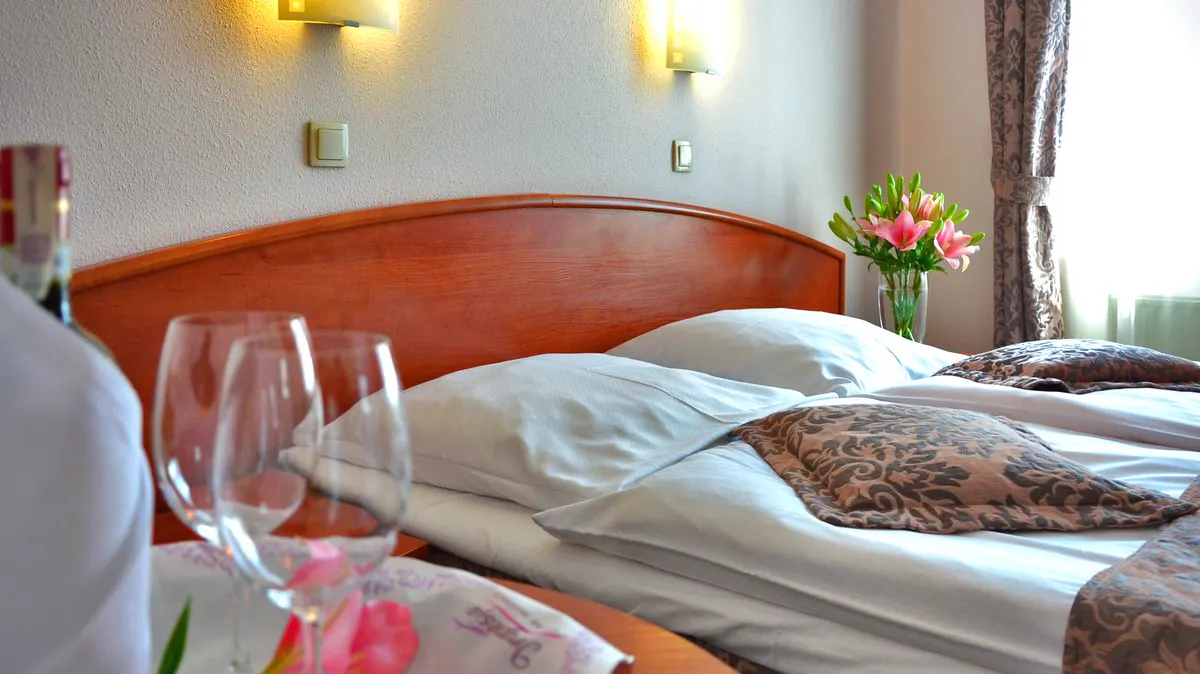
Aries Hotel & Spa
A large alpine-luxe hotel with an extensive spa, near the bottom of the Krupowki.

Restaurant
Karczma Zapiecek
A cosy timber inn on Krupowki serving mountain classics after a day on the trails.

Hotel
Nosalowy Dwor Resort & Spa
A mountain resort in timber and stone at the foot of Nosal, with pools and spa.
Attraction
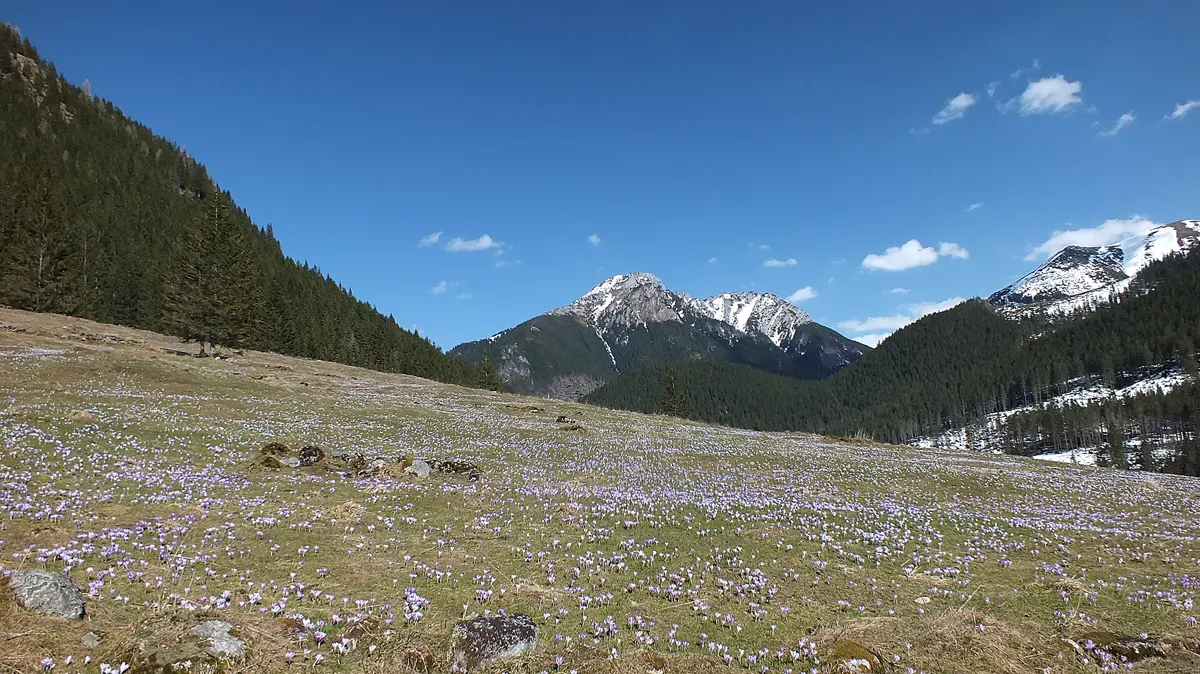
Chochołowska Valley (Dolina Chochołowska)
Chochołowska Valley is the longest and largest valley in the Polish Tatras, best known for the roughly 14 million crocuses that bloom across its meadows each spring.
Attraction
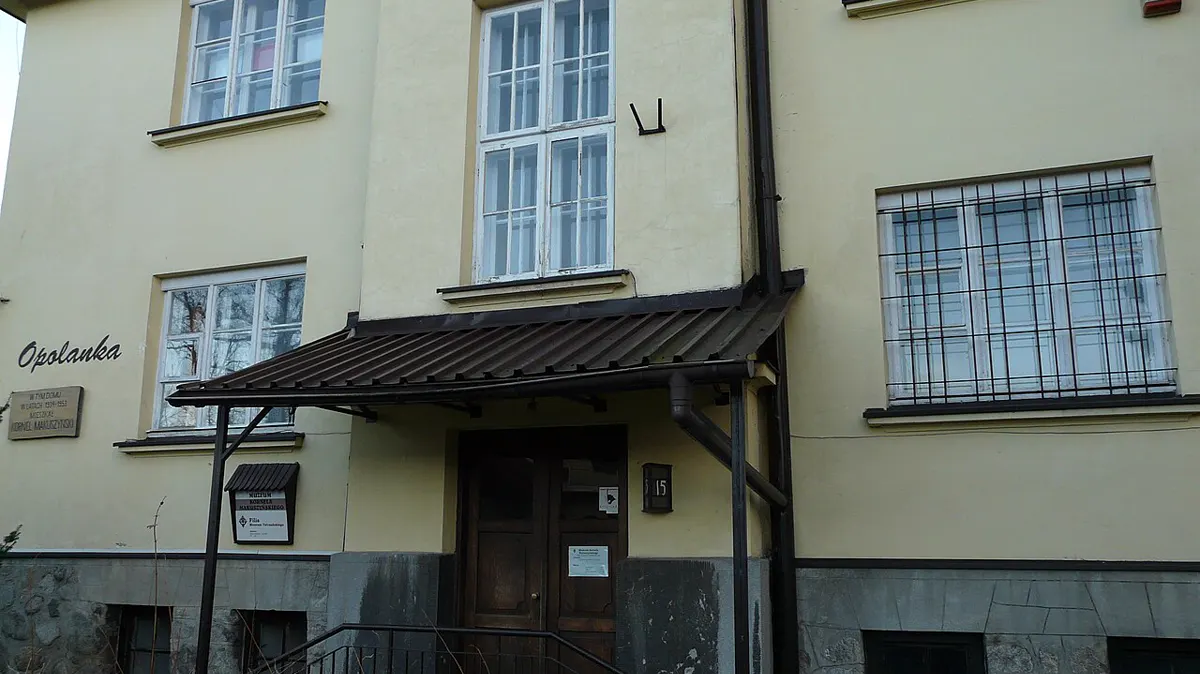
Kornel Makuszynski Museum
A biographical and literary museum in Zakopane devoted to Kornel Makuszynski, the children's author who created the goat character Koziolek Matolek. It occupies the Villa Opolanka, where the writer lived and worked.