Castles
Castles in Poland
Royal seats, border fortresses and romantic ruins.
Poland's castles include the largest brick fortress in the world at Malbork, the royal seat on Wawel Hill in Krakow and the ruined Eagles' Nests strung along the Jura. Each page covers the history, the highlights and how to visit.
All Castles in Poland
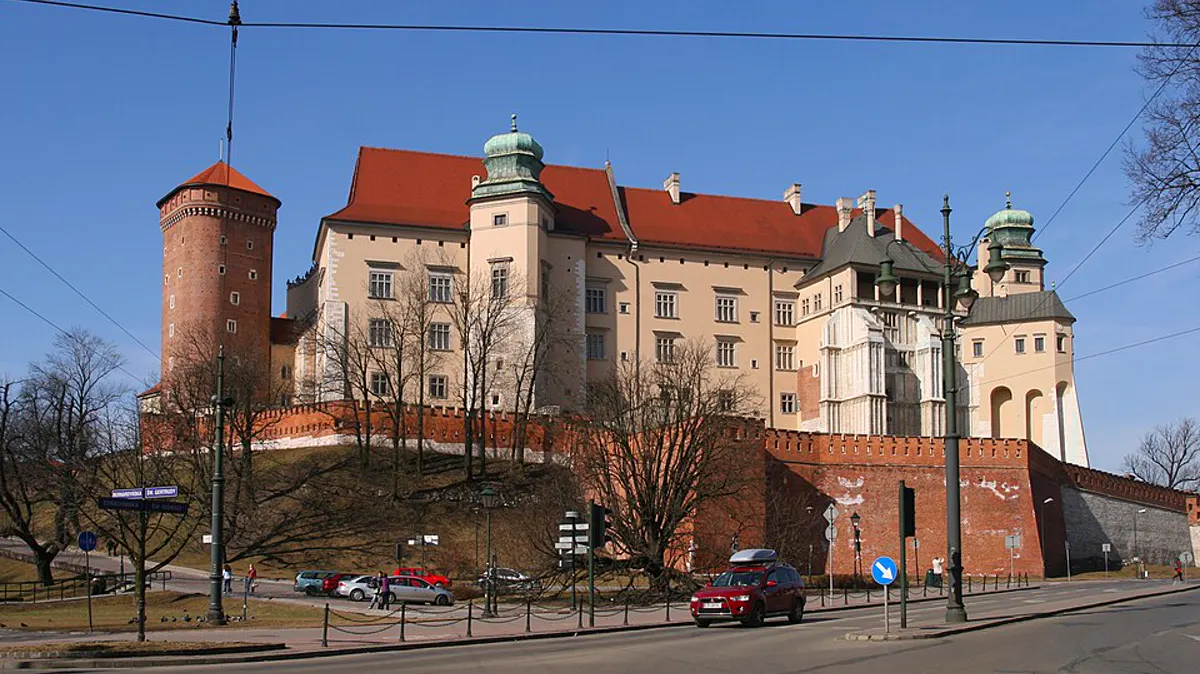
Kraków
Wawel Castle
The royal castle and cathedral on the hill above the Vistula, the symbolic heart of the Polish nation for a thousand years.
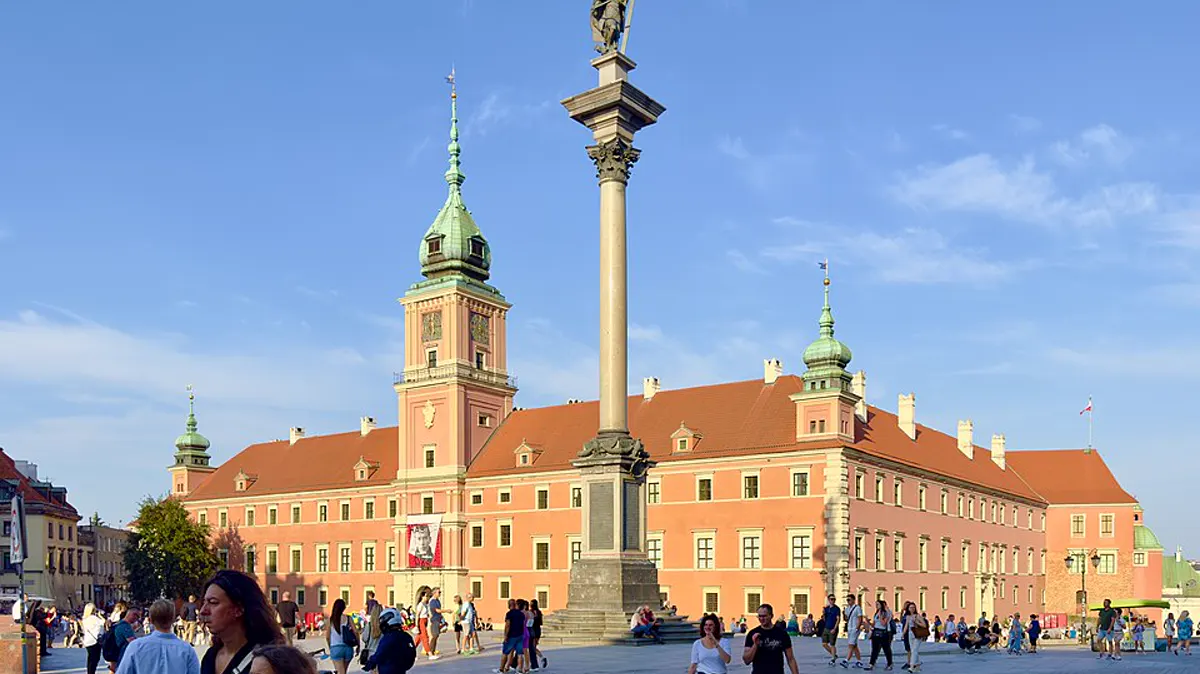
Warsaw
Royal Castle
The reconstructed seat of Polish kings and parliament on Castle Square, rebuilt from rubble after wartime destruction.
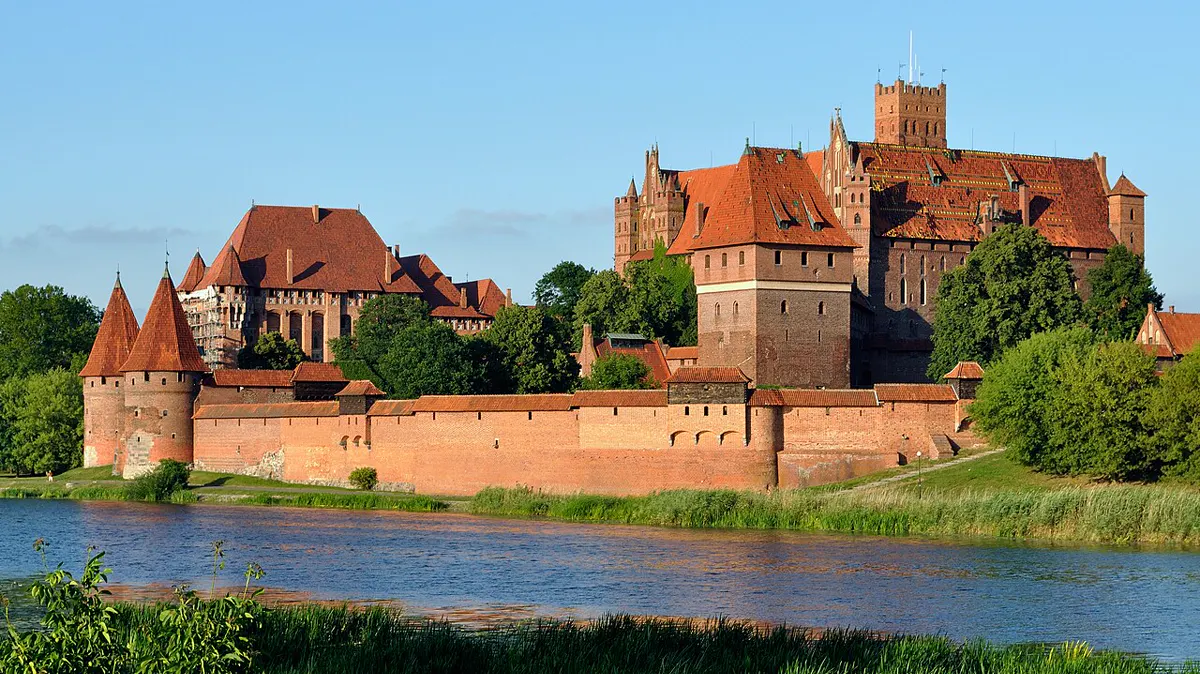
Gdańsk
Malbork Castle
The largest castle in the world by land area, a vast red-brick fortress built by the Teutonic Knights on the Nogat river.
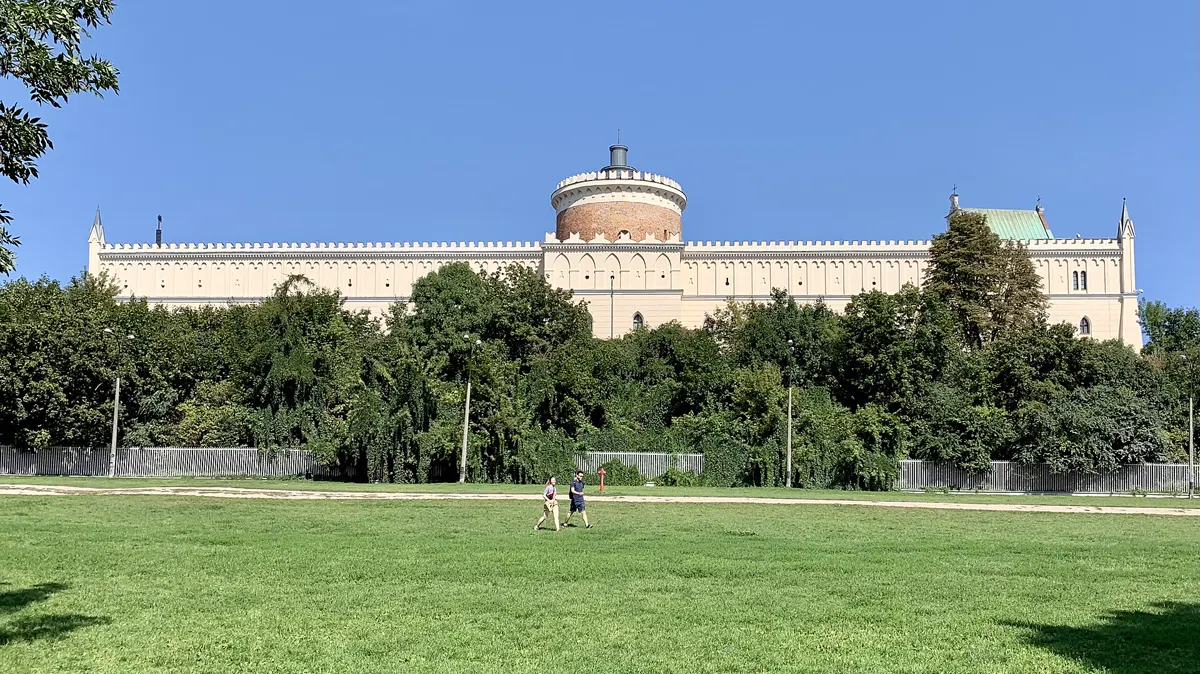
Lublin
Lublin Castle
A hilltop castle whose Gothic chapel holds a rare cycle of Byzantine-style frescoes from 1418, the finest sight in the city.
Częstochowa
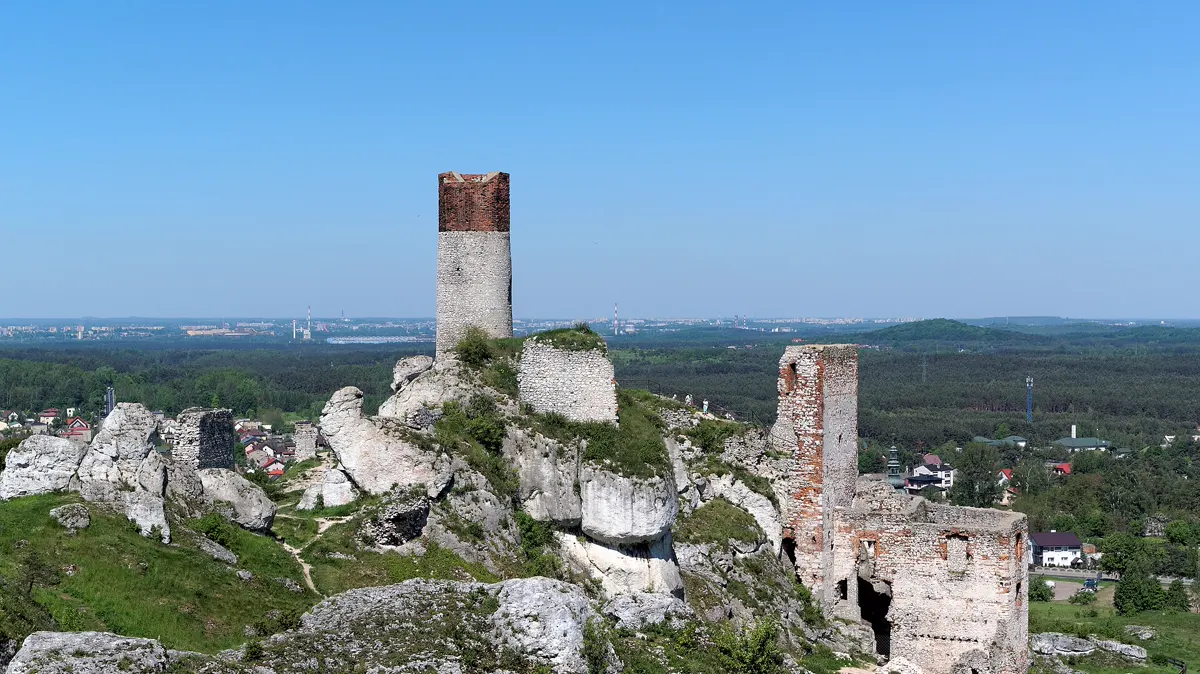
Olsztyn Castle (Zamek w Olsztynie)
The white-limestone ruins of Olsztyn Castle, about 15 km from Częstochowa, are a landmark of the Eagles' Nests Trail on the Jura.
Olsztyn
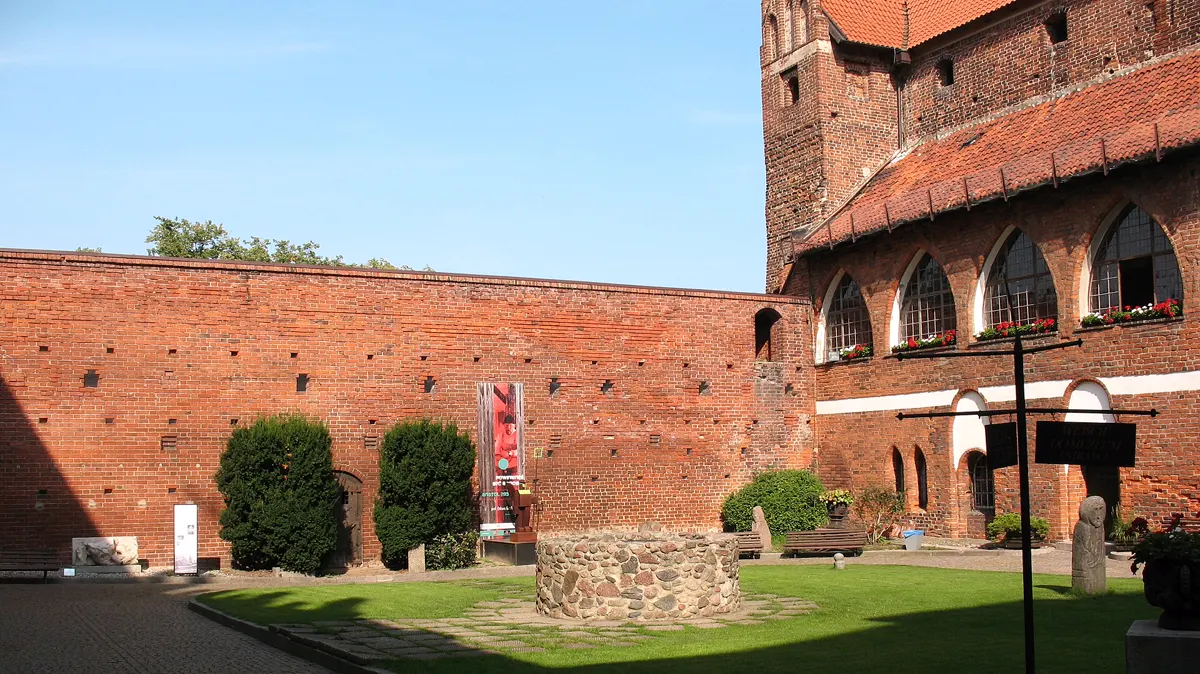
Olsztyn Castle (Castle of the Warmian Cathedral Chapter)
The 14th-century Gothic castle where Nicolaus Copernicus lived, worked and left behind the only astronomical instrument of his that survives.
Kazimierz Dolny
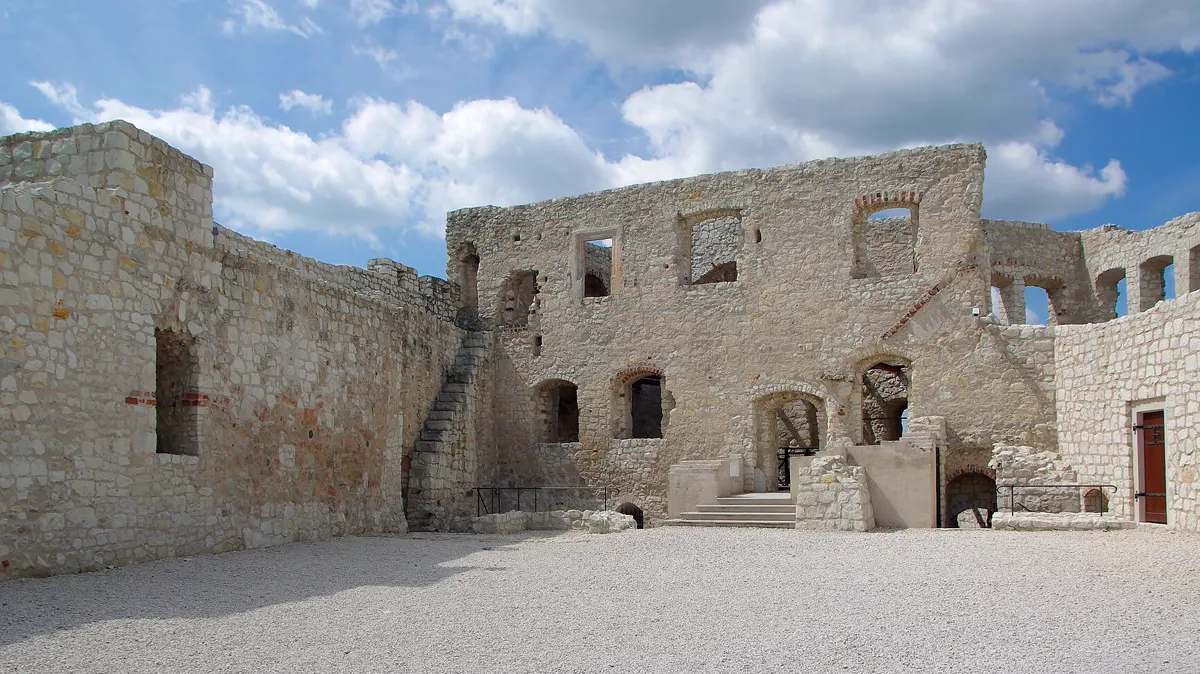
Kazimierz Dolny Castle and Tower
The limestone ruins of a 14th-century royal castle and an older hilltop tower that once watched over the Vistula ferry crossing.
Poland's castles run from the world's largest brick fortress to royal residences and rock-top ruins. They tell the country's story: the Teutonic Order in the north, the royal court in Krakow and Warsaw, and the border defences strung across the south. Most sit within easy reach of a city you would visit anyway.
Best castles in Poland
Malbork, the Teutonic Order's red-brick stronghold on the Nogat, is the largest castle in the world by land area and a UNESCO World Heritage Site, reached in under an hour from Gdansk. Wawel in Krakow was the seat of Polish kings for centuries, and the Royal Castle in Warsaw was rebuilt from wartime rubble to house its coronation rooms again. For a fuller list, see our best castles in Poland.
Castle ruins and the Trail of the Eagles' Nests
For romantic ruins, follow the Trail of the Eagles' Nests, a marked route of around 25 medieval castles perched on limestone crags along the Jura between Krakow and Czestochowa, with Ogrodzieniec the best known. Ksiaz near Walbrzych, often called Poland's third-largest castle, adds a grand hilltop pile in Lower Silesia.
How to visit Poland's castles
The big castles are half or full-day visits and reward booking a timed entry in high season. Many pair naturally with a city base or a day trip, and our castle guide lays out the routes.
Travel guides
Krakow Golf Cart Tours: The Four Routes, Compared
Four electric cart routes cover the Old Town, Kazimierz, the ghetto in Podgorze and Schind...
Best Castles in Poland
From the Teutonic fortress at Malbork to the royal seats at Wawel and Warsaw, the Polish c...
3 Days in Krakow
A practical three-day plan for Krakow, pairing the Old Town and Wawel with Kazimierz and o...
Things to Do in Krakow
The sights, neighbourhoods and day trips that make Krakow worth several days, ranked by ho...