Museum in Warsaw
POLIN Museum of the History of Polish Jews
An award-winning museum tracing a thousand years of Jewish life in Poland, on the site of the former Warsaw Ghetto.
Reviewed and updated July 2026
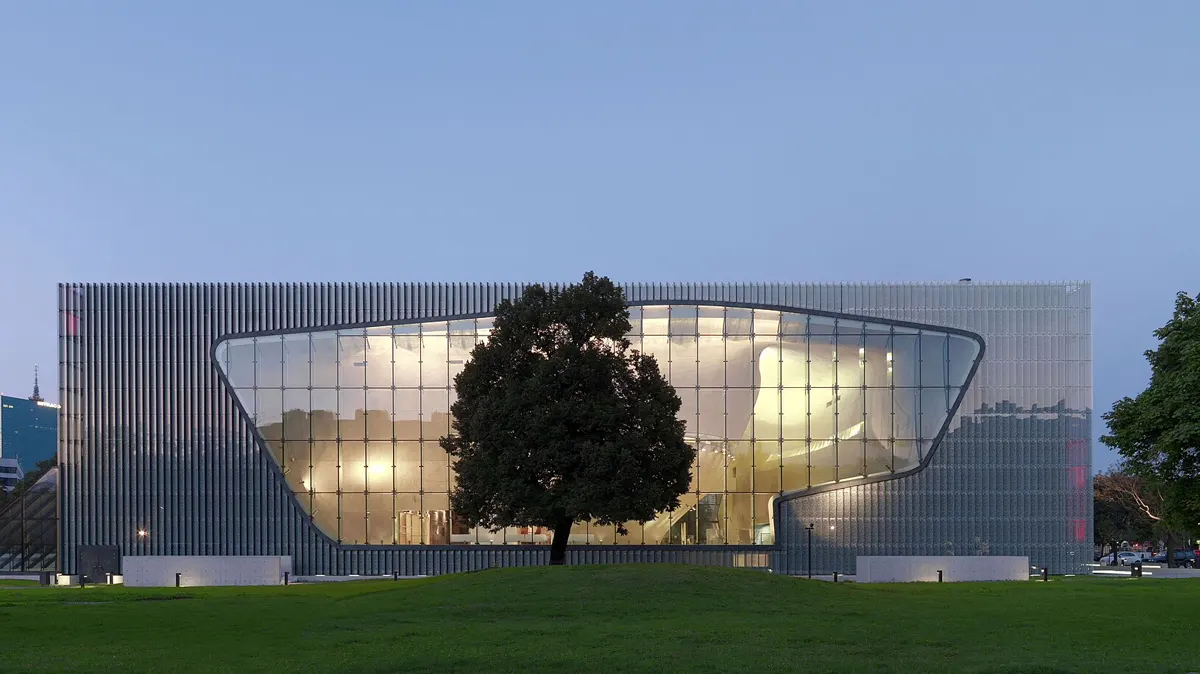
POLIN, the Museum of the History of Polish Jews, stands in Muranow, the district that was walled off as the Warsaw Ghetto during the Second World War. It faces the Monument to the Ghetto Heroes across an open square. Rather than telling the story of the Holocaust alone, its core exhibition sets out a thousand years of Jewish life in Poland, once home to the largest Jewish community in the world. The museum opened in 2013, and the core exhibition followed in 2014.
Why visit POLIN
This is one of the most substantial museums in Warsaw and a leading account of Polish Jewish history anywhere. The building is a work of architecture in its own right, designed by the Finnish architect Rainer Mahlamaki, with a curved canyon cut through its centre. In 2016 it was named European Museum of the Year. The approach is immersive, built from reconstructions, documents and film rather than rows of glass cases.
Inside the core exhibition
The core exhibition is the reason to visit. Eight galleries run in chronological order, from the first Jewish merchants in medieval Poland to the decades after 1945. Look for:
- The reconstructed painted ceiling and roof of the wooden synagogue from Gwozdziec, rebuilt by hand as the centrepiece.
- A recreated street from a pre-war Jewish town.
- Galleries on medieval settlement, the Polish-Lithuanian Commonwealth, the nineteenth century, the interwar years, the Holocaust and the post-war period.
Temporary exhibitions and a resource centre sit alongside the permanent display.
A thousand years of Polish Jewish life
The museum sits on ground that was the heart of Jewish Warsaw before the war and then part of the Ghetto. The idea for a museum here took shape over many years, and the institution opened its doors in 2013. The core exhibition, the result of an international scholarly effort, opened the following year.
How long to spend
Allow at least two hours for the core exhibition, and closer to three if you read the panels and use the audioguide. It covers a great deal, so it helps to pace the visit.
Best time to visit POLIN
Weekday mornings are quietest. Weekends and school groups make the middle of the day busier. The museum closes on one weekday, so check the schedule before you go. Booking a timed ticket online helps at peak periods.
Getting to the museum in Muranow
POLIN is at Anielewicza 6 in Muranow, north-west of the Old Town. Trams and buses stop close by, and it is a walkable distance from the northern edge of the centre. For getting around the city, see the Warsaw guide.
Accessibility at the museum
The building is modern and step-free, with lifts between levels and accessible facilities. Check the museum's access pages for details on wheelchairs, tactile aids and quieter times.
Around the former Ghetto
The museum stands within the memorial landscape of the former Ghetto:
- The Monument to the Ghetto Heroes, directly opposite.
- The Warsaw Uprising Museum, another key wartime site a short ride away.
- Warsaw's Old Town, to the south-east.
Good to know
The permanent core exhibition and temporary shows can be ticketed separately, and the museum closes one day a week. Check the official POLIN site for current hours, prices and any free-entry day.
Common questions about POLIN
Is POLIN a Holocaust museum?
No. It covers the whole thousand-year history of Jews in Poland. The Holocaust is one part of a much longer story of settlement, culture and daily life.
How long does the core exhibition take?
Most visitors need two to three hours. It is detailed, and rushing it does the subject a disservice.
Is it suitable for children?
Older children and teenagers get the most from it. Some sections deal with the Holocaust and are difficult, so use judgement with younger visitors.
Frequently asked questions
More to explore in Warsaw

Restaurant
Nolita
A Michelin Guide-listed kitchen turning Polish produce into precise modern tasting menus.
Hotel
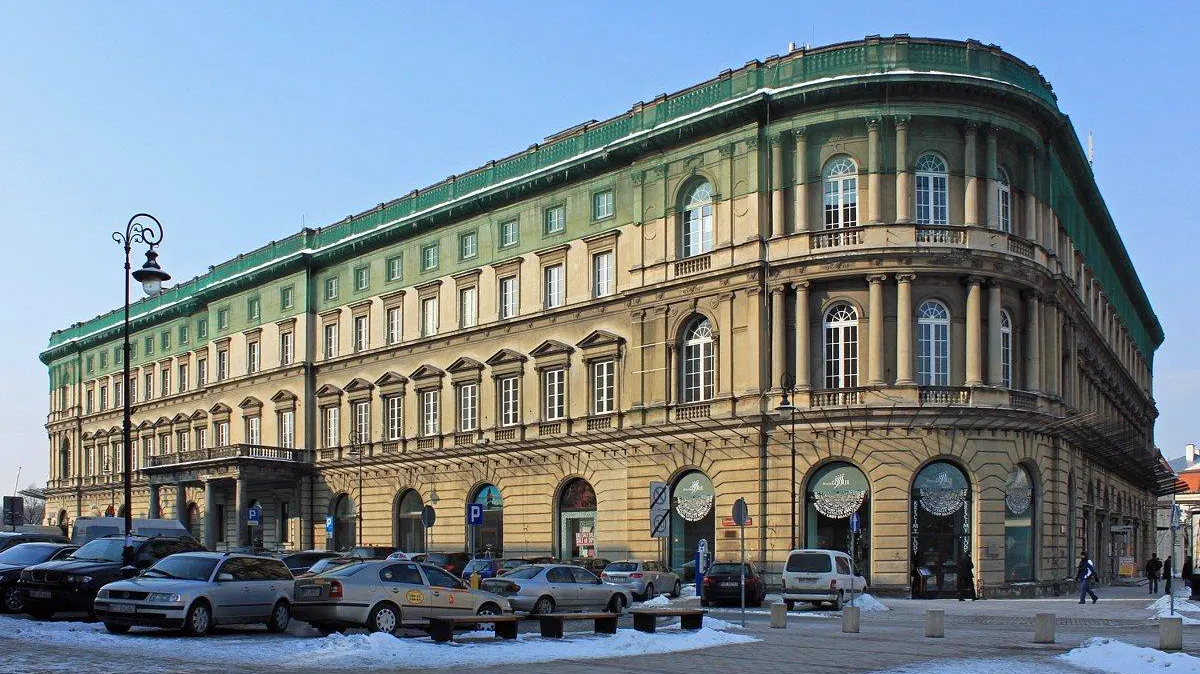
Raffles Europejski Warsaw
A landmark 19th-century hotel on the Royal Route, reborn with a serious art collection.
Castle
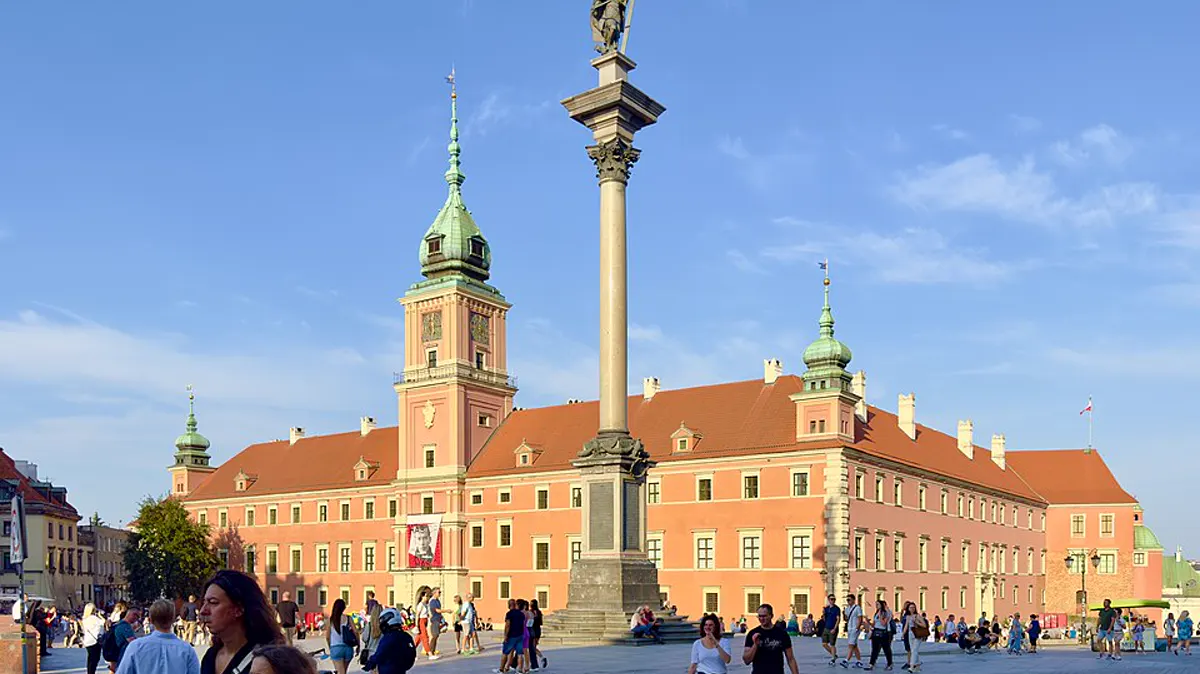
Royal Castle
The reconstructed seat of Polish kings and parliament on Castle Square, rebuilt from rubble after wartime destruction.
Attraction
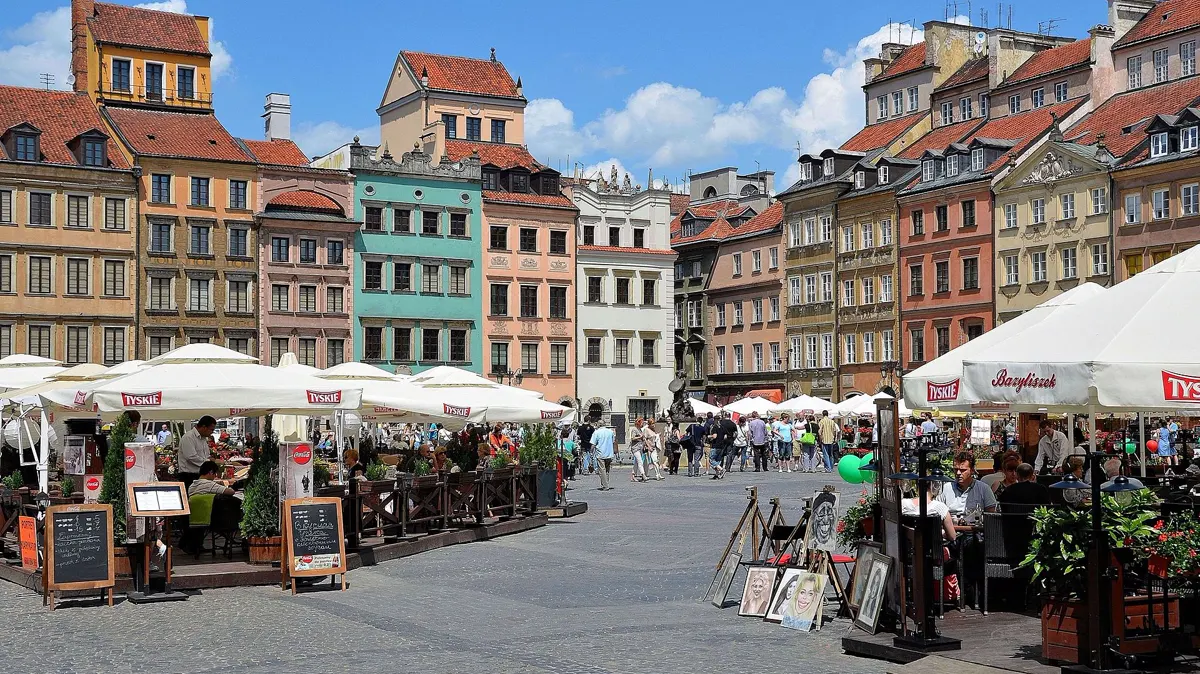
Stare Miasto (Warsaw)
Warsaw's Old Town was rebuilt from rubble after World War II so faithfully that UNESCO added it to the World Heritage list. Its Market Square is lined with pastel merchant houses and centred on the bronze Mermaid statue, the city's symbol.
Attraction
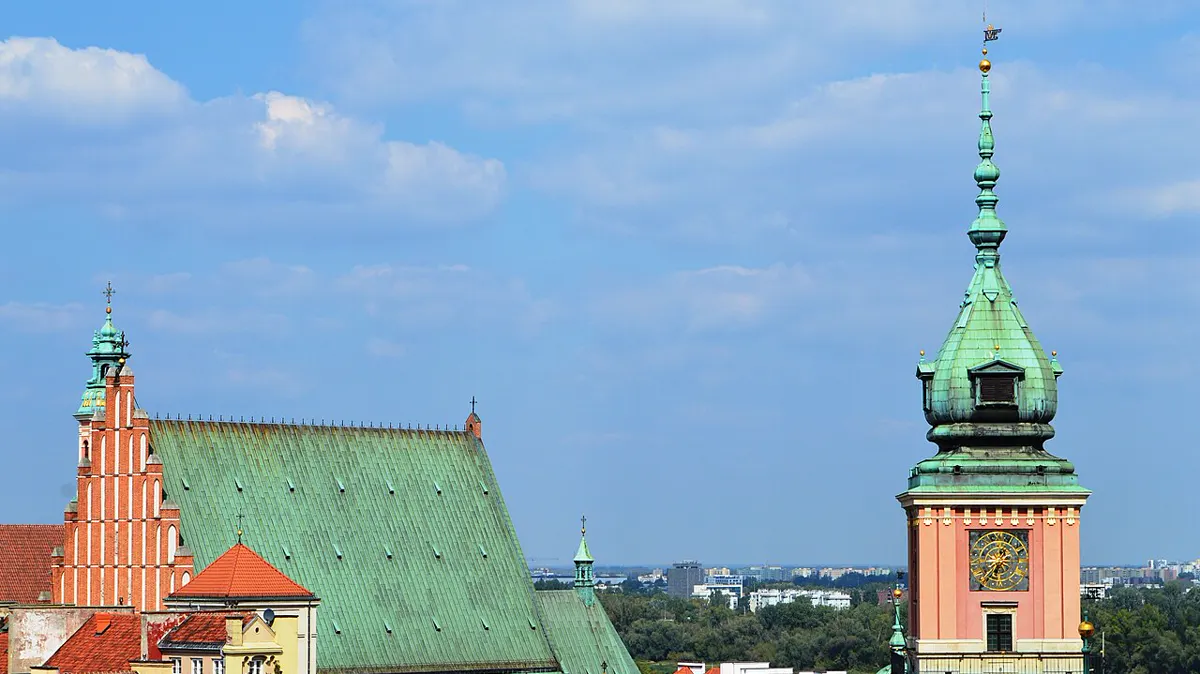
St. John's Archcathedral
St. John's Archcathedral is Warsaw's oldest church, a Masovian Gothic cathedral in the Old Town where Poland's 1791 constitution was sworn and Masovian dukes were crowned and buried.
Attraction
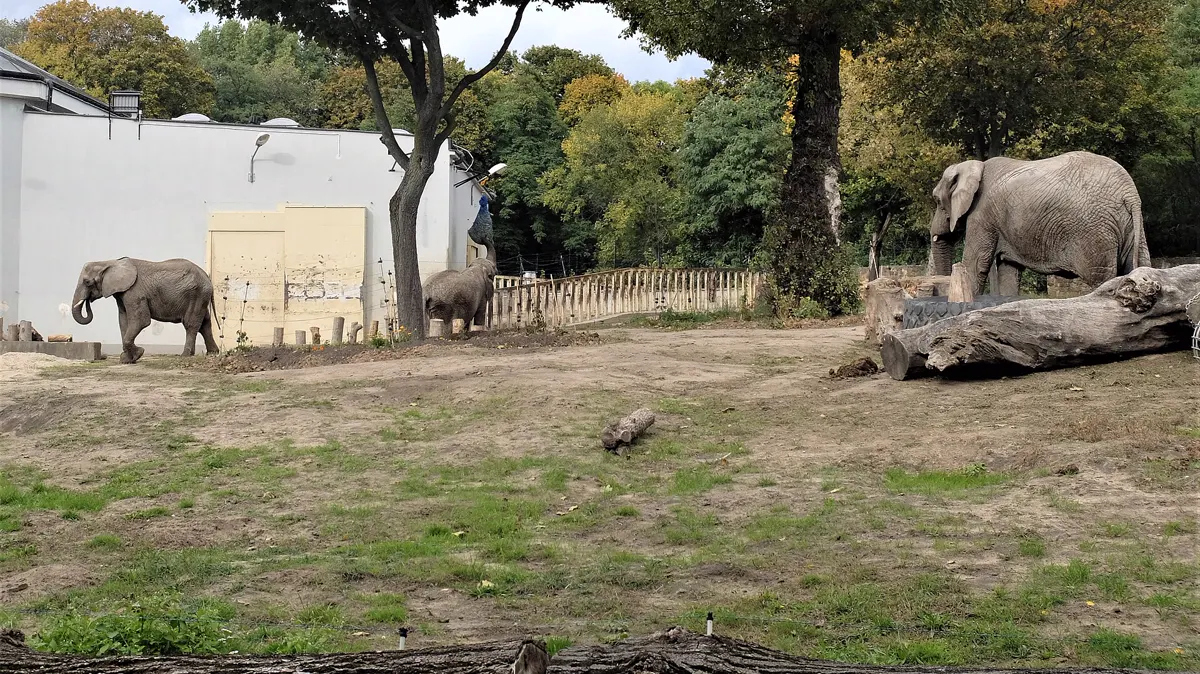
Warsaw Zoo
Warsaw's municipal zoo sits on the Praga bank of the Vistula and is known both for its thousands of animals and for the wartime rescue story behind 'The Zookeeper's Wife'.