Castle in Warsaw
Royal Castle
The reconstructed seat of Polish kings and parliament on Castle Square, rebuilt from rubble after wartime destruction.
Reviewed and updated July 2026
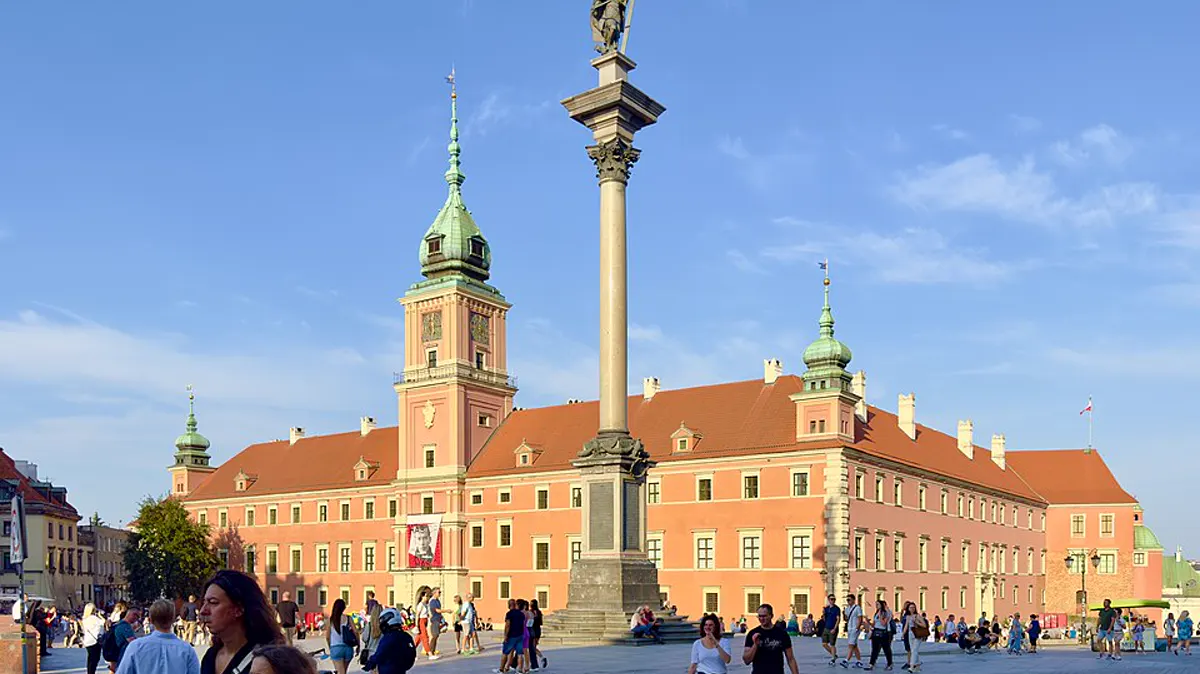
The Royal Castle stands at the entrance to the Old Town on Castle Square, beside the tall column of King Sigismund III. For centuries it was the residence of Polish monarchs and the seat of the parliament, and in 1791 the halls here saw the adoption of the Constitution of 3 May, the first codified national constitution in Europe and the second in the world after that of the United States.
Why visit the Royal Castle
The castle is both a royal palace and a symbol of the city's survival. Its state rooms have been returned to their eighteenth-century appearance, and the collection includes paintings, furniture and decorative art gathered or recovered over decades. It anchors the Old Town and pairs naturally with a walk through the reconstructed streets around it.
What to see inside
The visitor route runs through the grand interiors and a picture gallery. Points to look for:
- The state apartments and the throne room, restored to the era of King Stanislaw August.
- The Great Assembly Hall and the Senators' Hall, where the 3 May Constitution was passed.
- The Canaletto Room, hung with views of eighteenth-century Warsaw painted by Bernardo Bellotto, known in Poland as Canaletto. These pictures were used as a reference when the city was rebuilt.
- Paintings by Rembrandt from the Lanckoronski collection.
The castle's destruction and rebuilding
German forces blew up the castle after the collapse of the 1944 Warsaw Uprising, leaving only fragments standing. The building you see was reconstructed between 1971 and 1984, funded largely by public donations from Poles at home and abroad. Many original furnishings and artworks, hidden or removed during the war, were returned to the restored rooms. The castle forms part of the Historic Centre of Warsaw, listed by UNESCO.
How long to spend
Allow between one and a half and two hours for the main route. Add more if you take in temporary exhibitions or the gardens below the castle on the river side.
Best time to visit
The main exhibition route is free one day each week, which makes it the busiest day, so arrive early if you go then. On other days entry is ticketed and timed. Weekday mornings are generally calmer than weekends.
Getting to Castle Square
The castle sits on Castle Square at the southern entrance to the Old Town, a short walk from the Royal Route. The area is pedestrianised, and trams and buses stop nearby. For orientation and transport, see the Warsaw guide.
Accessibility at the castle
The castle has lifts and step-free routes through much of the exhibition, though some historic sections have thresholds and stairs. Check the castle's access information before visiting for current arrangements.
Around Warsaw's Old Town
The castle stands at the centre of historic Warsaw:
- The Old Town Market Square, a few minutes north through the lanes.
- Warsaw's Old Town and the city walls that surround it.
- Krakowskie Przedmiescie, the start of the Royal Route running south.
Good to know
Entry is by timed ticket on most days, with one free day each week for the main route. Check the official Royal Castle site for current hours, the free day and any closures.
Royal Castle questions
Why was the Royal Castle rebuilt?
German forces destroyed it during the war, and post-war Poland chose to reconstruct it rather than lose it. The work ran from 1971 to 1984, paid for largely by public donations.
What is the Constitution of 3 May?
It was a reforming constitution adopted at the castle in 1791, the first codified national constitution in Europe. It is marked today by a Polish national holiday.
Is the castle free to enter?
The main exhibition route is free one day a week. On other days it is ticketed and timed, so booking ahead helps in high season.
Frequently asked questions
Featured in
More to explore in Warsaw

Restaurant
Nolita
A Michelin Guide-listed kitchen turning Polish produce into precise modern tasting menus.
Hotel
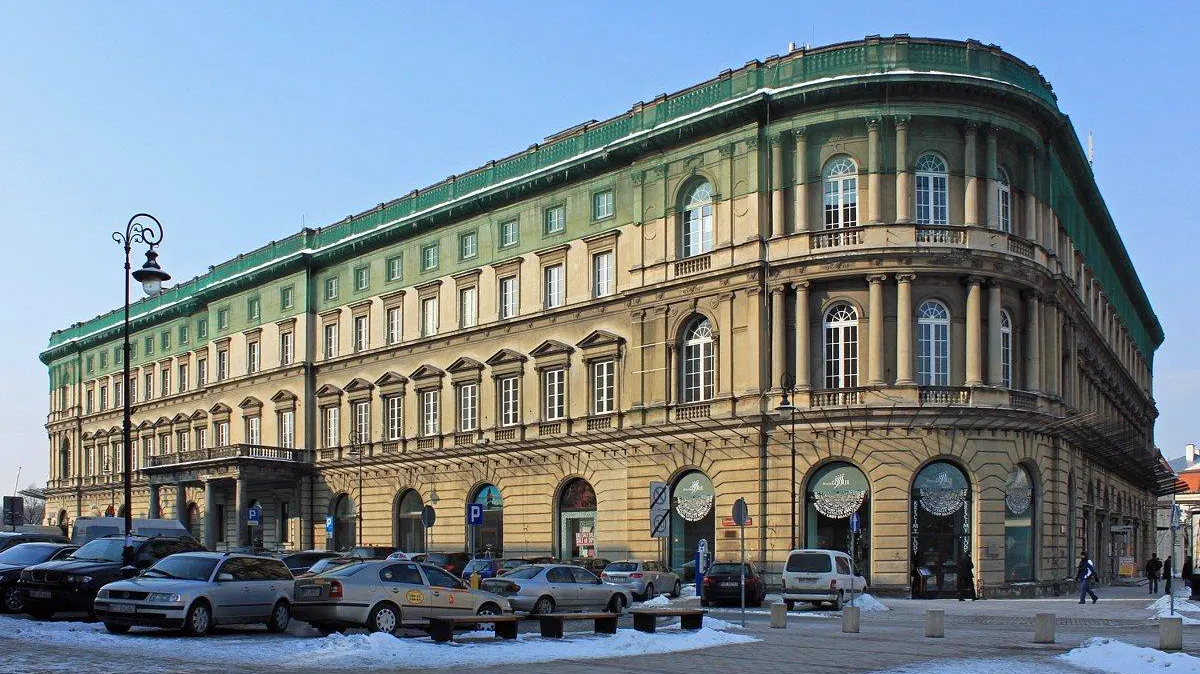
Raffles Europejski Warsaw
A landmark 19th-century hotel on the Royal Route, reborn with a serious art collection.
Museum
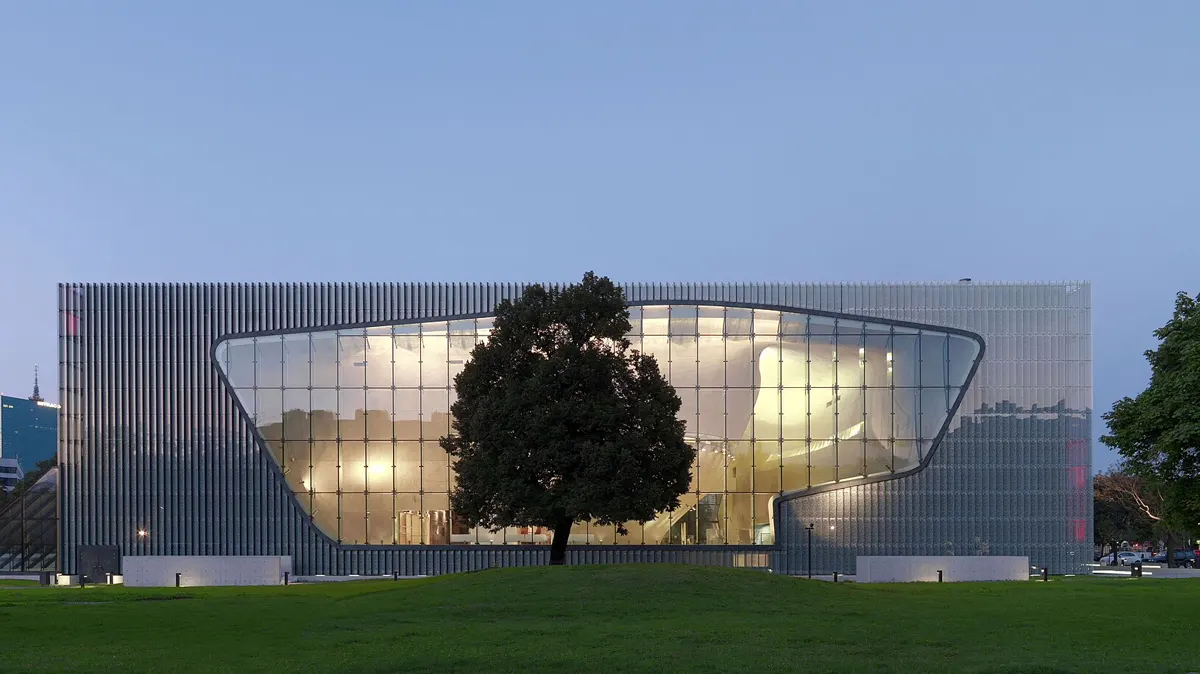
POLIN Museum of the History of Polish Jews
An award-winning museum tracing a thousand years of Jewish life in Poland, on the site of the former Warsaw Ghetto.
Attraction
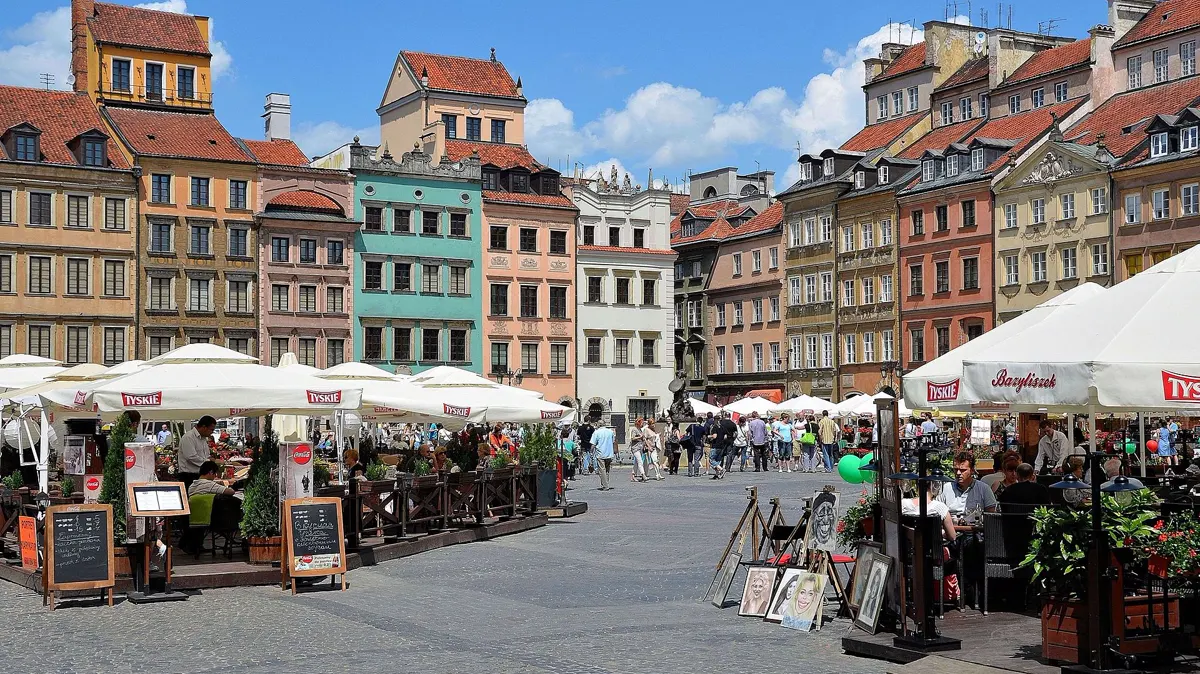
Stare Miasto (Warsaw)
Warsaw's Old Town was rebuilt from rubble after World War II so faithfully that UNESCO added it to the World Heritage list. Its Market Square is lined with pastel merchant houses and centred on the bronze Mermaid statue, the city's symbol.
Attraction
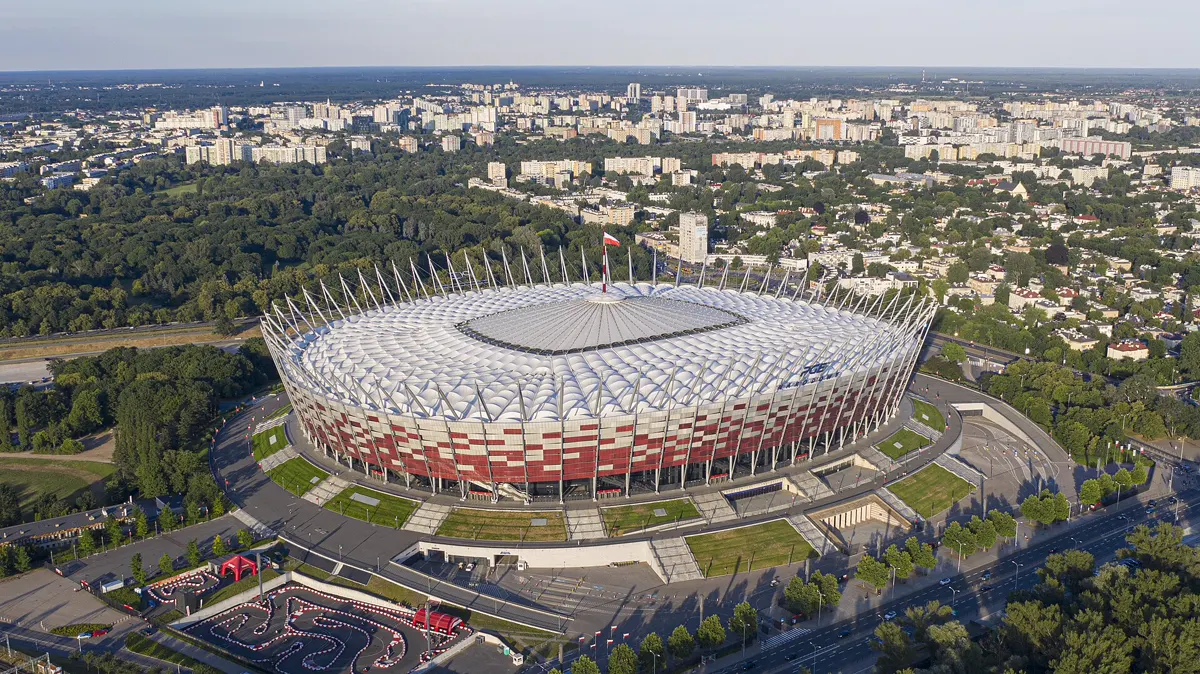
PGE Narodowy (National Stadium)
Warsaw's national stadium is Poland's largest football arena, built for Euro 2012 and known for its red-and-white latticework facade and retractable roof.
Nature
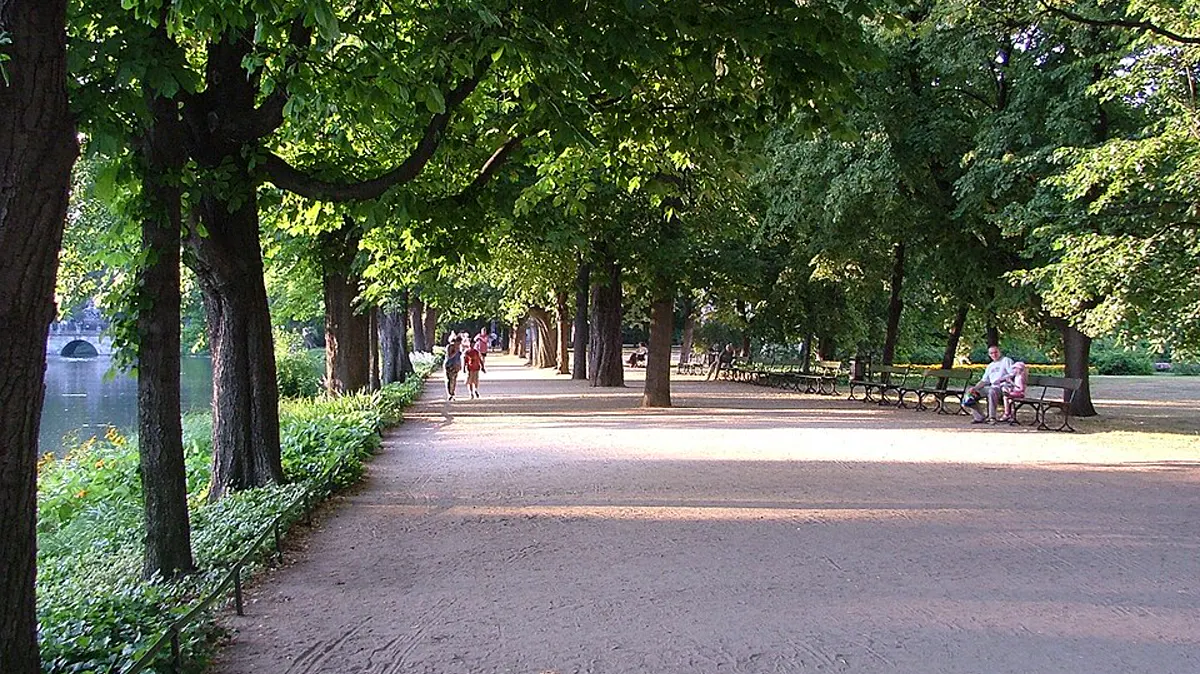
Lazienki Park
Warsaw's largest park, a landscaped royal garden with a palace on an island, peacocks and free Chopin concerts in summer.