Attraction in Wrocław
Market Square
One of the largest medieval squares in Poland, ringed by colourful townhouses and centred on an ornate Gothic town hall.
Reviewed and updated July 2026
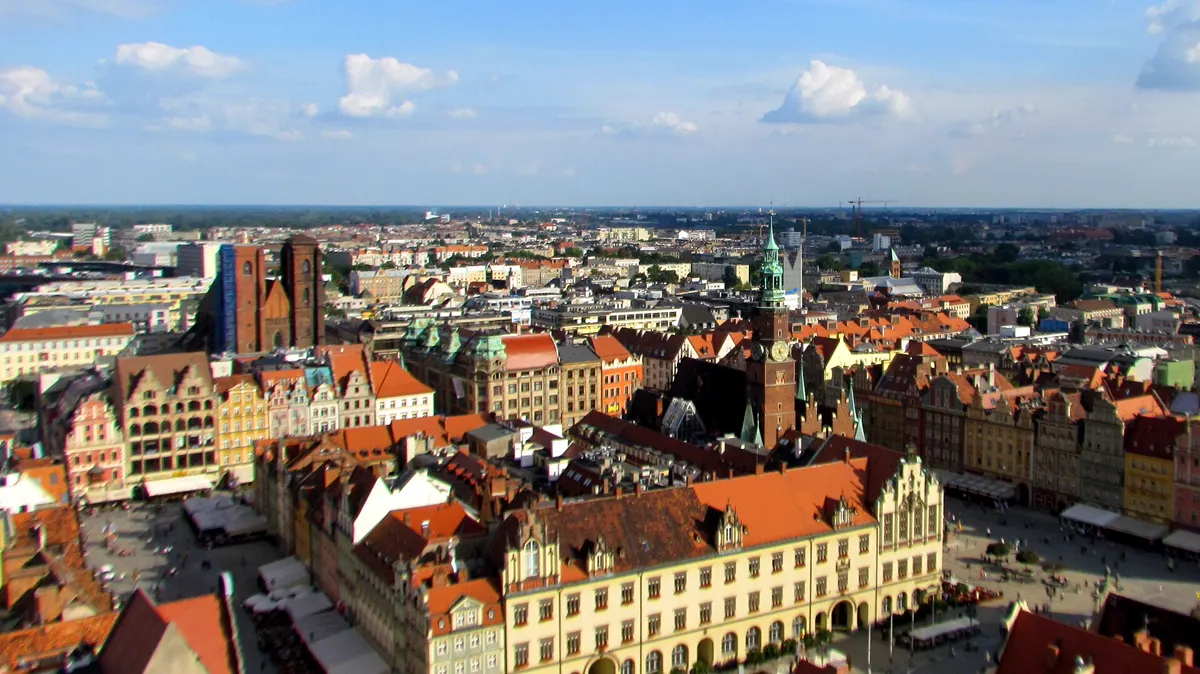
The Rynek is the centre of Wroclaw and one of the largest medieval market squares in Poland. Painted merchant houses line all four sides, and the paving stays busy with cafe terraces, markets and street performers well into the night. The square was laid out in the thirteenth century, when the city grew rich on trade along the Oder, and it has been the meeting point of Wroclaw ever since.
Why visit Wroclaw's Market Square
Everything in the old centre starts here. The square puts the ornate town hall, a ring of colourful facades and several of the city's best-known sights within a few steps of each other. It is free and open at all hours, so you can cross it in a couple of minutes or spend a whole evening around its edges. The nearby lanes hide churches, courtyards and the bronze dwarfs that have become a game for children and adults to spot.
What stands on the square
The Old Town Hall
The Old Town Hall stands in the middle of the square and took roughly two centuries to build, which is why it mixes Gothic and Renaissance work. The eastern facade carries dense carved detail and an astronomical clock, and inside is a museum of the city's history. The cellar below holds Piwnica Swidnicka, a beer hall with roots in the medieval period and one of the oldest eating and drinking houses in Europe.
Around the Rynek
Behind one corner stand the linked houses known as Hansel and Gretel (Jas i Malgosia), joined by a small archway, and beside them rises the brick church of St Elizabeth, whose tower you can climb for a view over the rooftops. The smaller Salt Square (Plac Solny) next door keeps a flower market that trades day and night. Look down as you walk, because small bronze dwarf figures are dotted across the square and the streets around it, part of a trail that runs right across the city.
History of the Market Square
Wroclaw sits on the Oder and changed hands many times, passing through Polish, Bohemian, Austrian and Prussian rule before returning to Poland in 1945. The square was heavily damaged in the fighting of that year and rebuilt afterwards, which is why the facades read as a record of many periods rather than a single one. For the wider story of the region, the Panorama of Raclawice nearby is a good next stop.
How long to spend
Give the square itself fifteen to twenty minutes on a first pass. Add an hour if you want to climb St Elizabeth's tower and look inside the town hall museum, and longer if you settle in for a meal or a drink under the arcades.
Best time to visit
Early morning is the square at its calmest, before the day-trippers arrive. Evenings are the other good window, when the facades are lit and the terraces fill. In December the Rynek holds Wroclaw's Christmas market, with wooden stalls and mulled wine; it is worth seeing but crowded.
Getting to the Market Square
The square sits at the centre of the Old Town and is closed to cars. From Wroclaw Glowny, the main station, it is about a twenty-minute walk north, or a short tram ride to stops around the edge of the centre. Everything within the old core is walkable from here. For getting around the rest of the city, see the Wroclaw guide.
Accessibility on the square
The square is flat but paved with cobbles and setts that are uneven underfoot and can be hard going for wheelchairs and prams. The tower of St Elizabeth's is reached by stairs only. Most cafes and the ground floor of the town hall museum are step-accessible, but check ahead if this matters.
Around Wroclaw's Old Town
The Rynek is the hub of the Old Town, so much of central Wroclaw is a short walk away:
- Cathedral Island, the oldest part of the city, about fifteen minutes east across the Oder.
- The Panorama of Raclawice, a huge circular battle painting, a few minutes on foot.
- The bronze dwarfs, scattered along the surrounding streets.
Good to know
Entry to the square is free and it is open at all hours. The cafes under the arcades charge for the setting, so check prices before you sit down. Climbing St Elizabeth's tower and the town hall museum are ticketed separately.
Common questions
Is Wroclaw Market Square free to visit?
Yes. The square is a public space, open day and night at no charge. You only pay to go inside the town hall museum, to climb St Elizabeth's tower, or to eat and drink at the cafes and Piwnica Swidnicka.
What are the Wroclaw dwarfs?
They are small bronze figures set into the pavement and fixed to walls around the square and across the city. There are hundreds of them, and finding them has become a favourite way for families to explore the centre.
How long do I need at the square?
About fifteen to twenty minutes to take in the square itself, or half a day if you add the town hall museum, St Elizabeth's tower and the sights nearby.
Frequently asked questions
More attractions in Wrocław
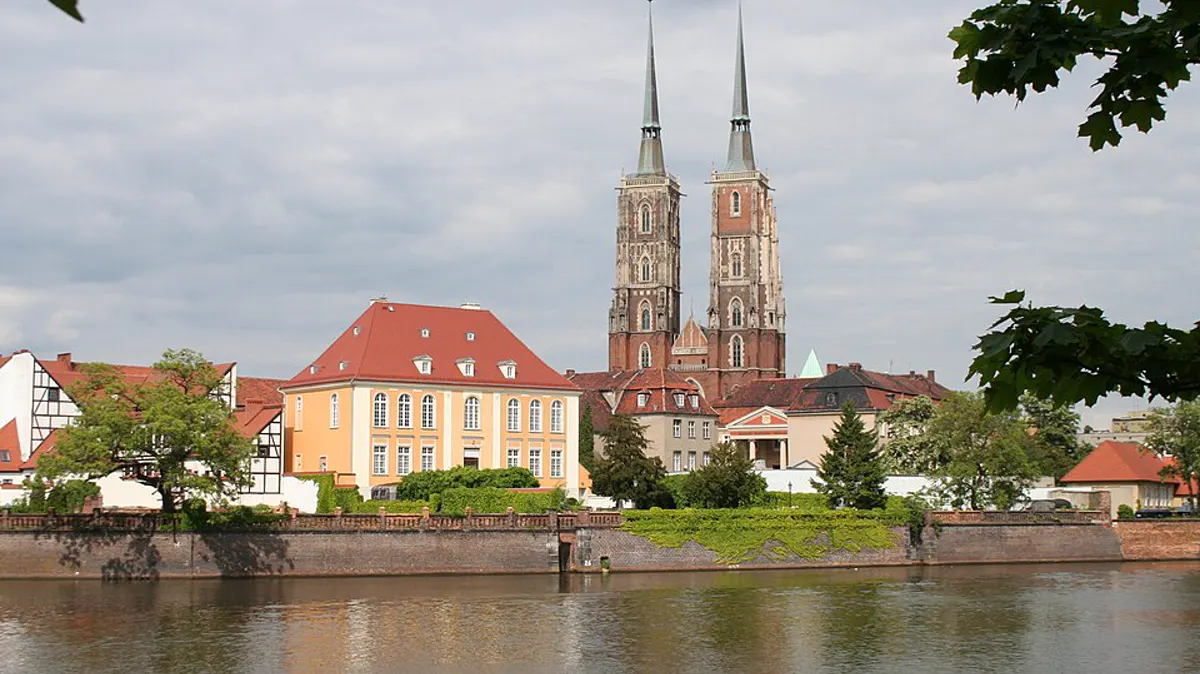
Cathedral Island, Wroclaw
The oldest part of Wroclaw, a cluster of churches on an island in the Oder reached across a romantic iron bridge.
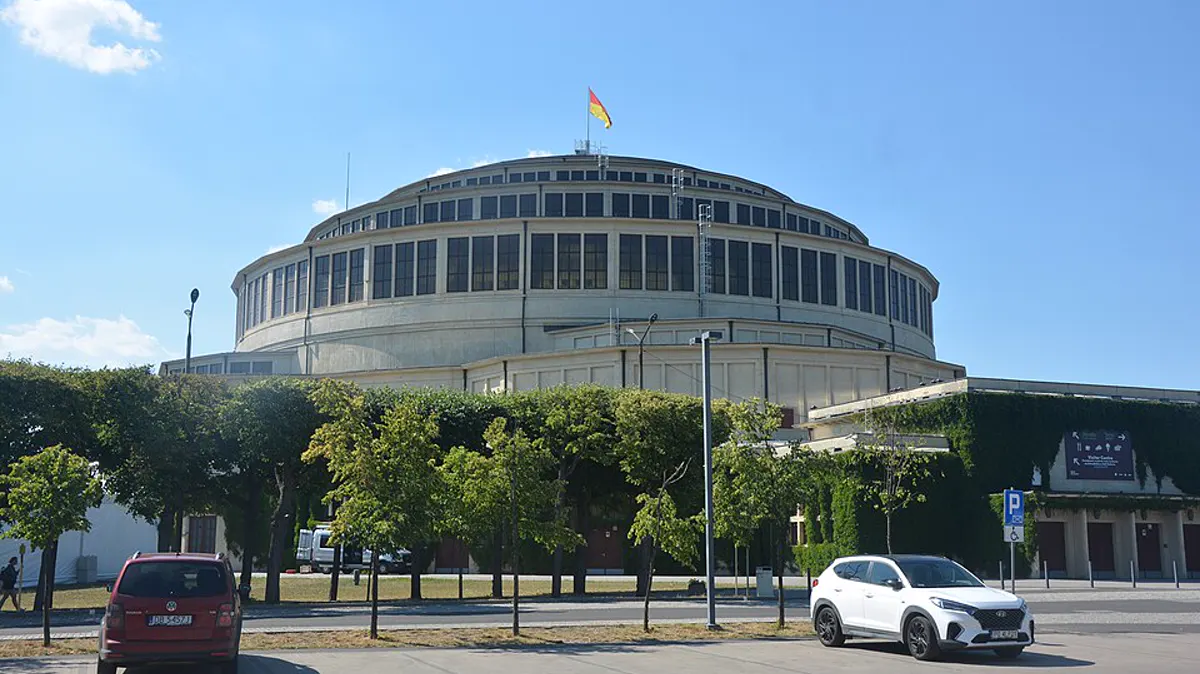
Centennial Hall
A pioneering reinforced-concrete dome from 1913, listed by UNESCO, set in a park with a large multimedia fountain.
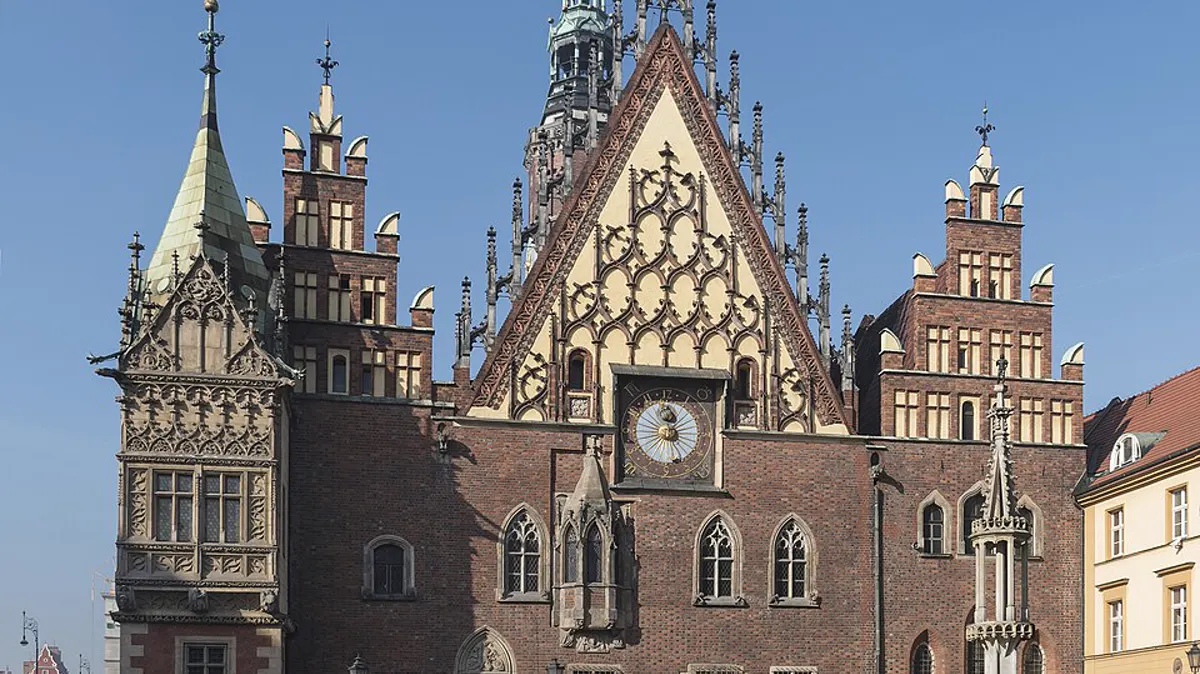
Ratusz (Old Town Hall)
A late-Gothic town hall built over roughly 250 years, famed for its richly carved south facade and astronomical clock from 1580. It houses the Museum of Burgher Art and the historic Piwnica Swidnicka beer cellar below.
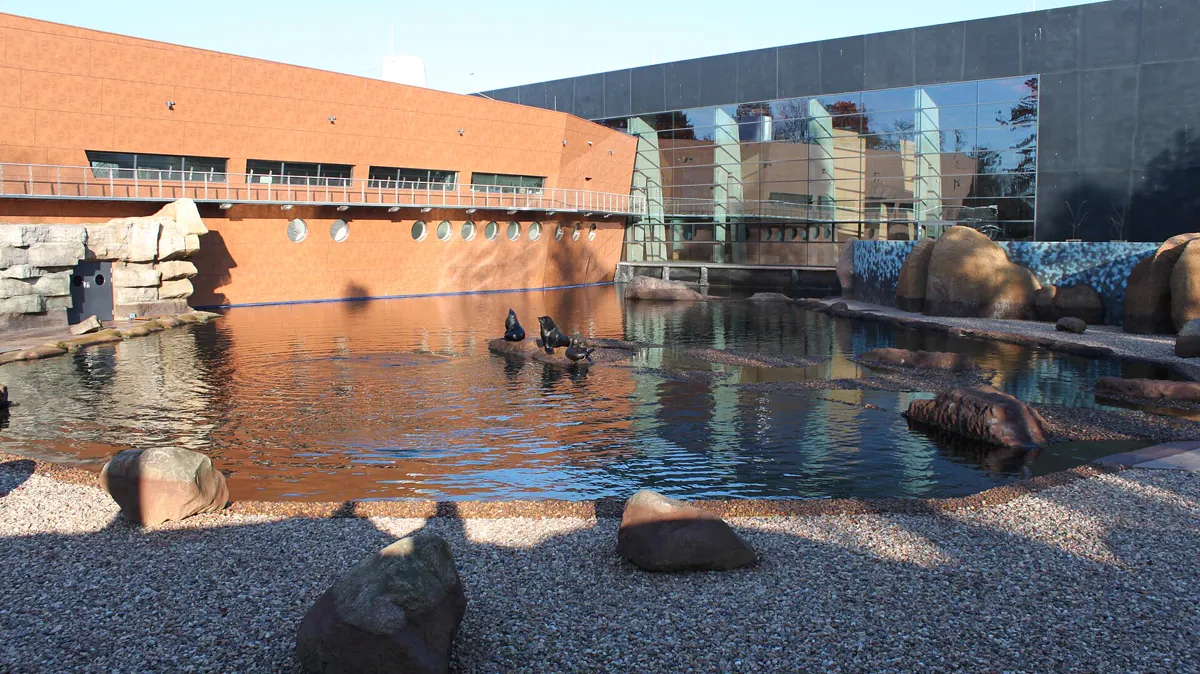
Wrocław Zoo and Afrykarium
Poland's oldest zoo, home to more than 10,000 animals, paired with the Afrykarium, the world's only oceanarium devoted entirely to Africa's aquatic life.
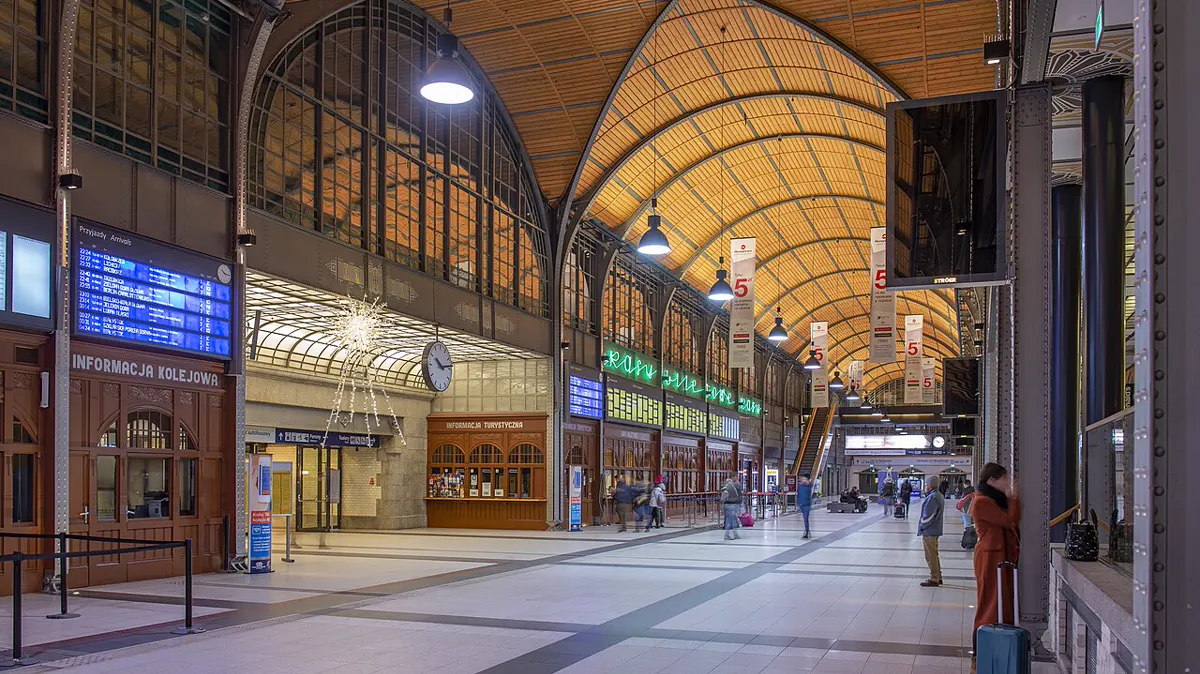
Wrocław Main Railway Station (Wrocław Główny)
Wrocław's main railway station is a castle-like Tudor neo-Gothic terminus from 1857, and for many arriving travellers it is the first thing they see of the city.
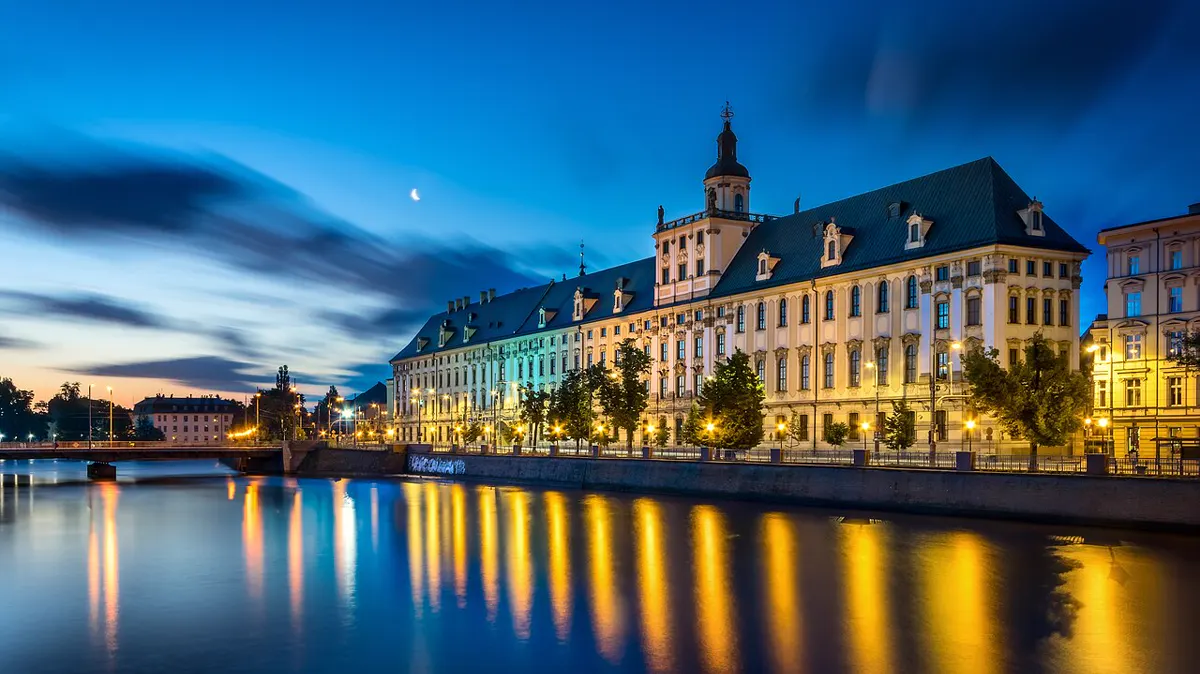
University of Wrocław Main Building (Aula Leopoldina and Mathematical Tower)
The main building of the University of Wrocław holds the Aula Leopoldina, a lavish Baroque ceremonial hall, along with the Oratorium Marianum concert room and a climbable observatory tower overlooking the Old Town.
More to explore in Wrocław

Restaurant
Jadka
An elegant fine-dining room under gothic vaults just off the Rynek, a special-occasion staple.
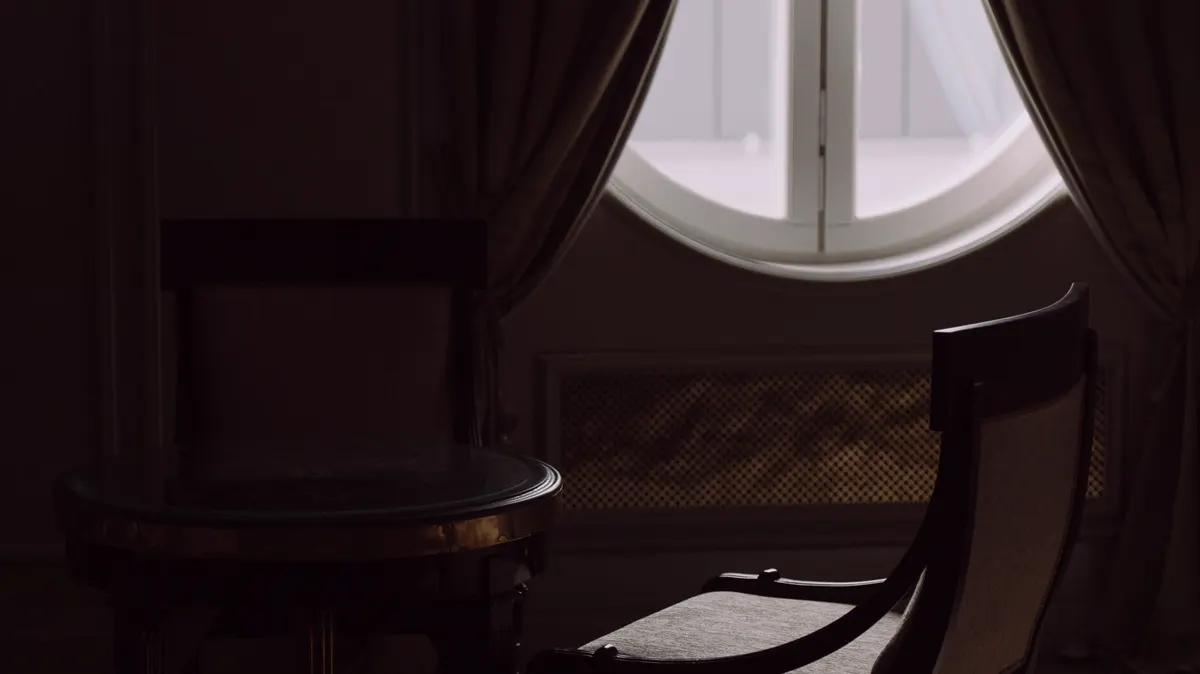
Hotel
Hotel Monopol
A grand Art Nouveau hotel by the opera with a rooftop terrace over the old town and a spa pool.
Restaurant
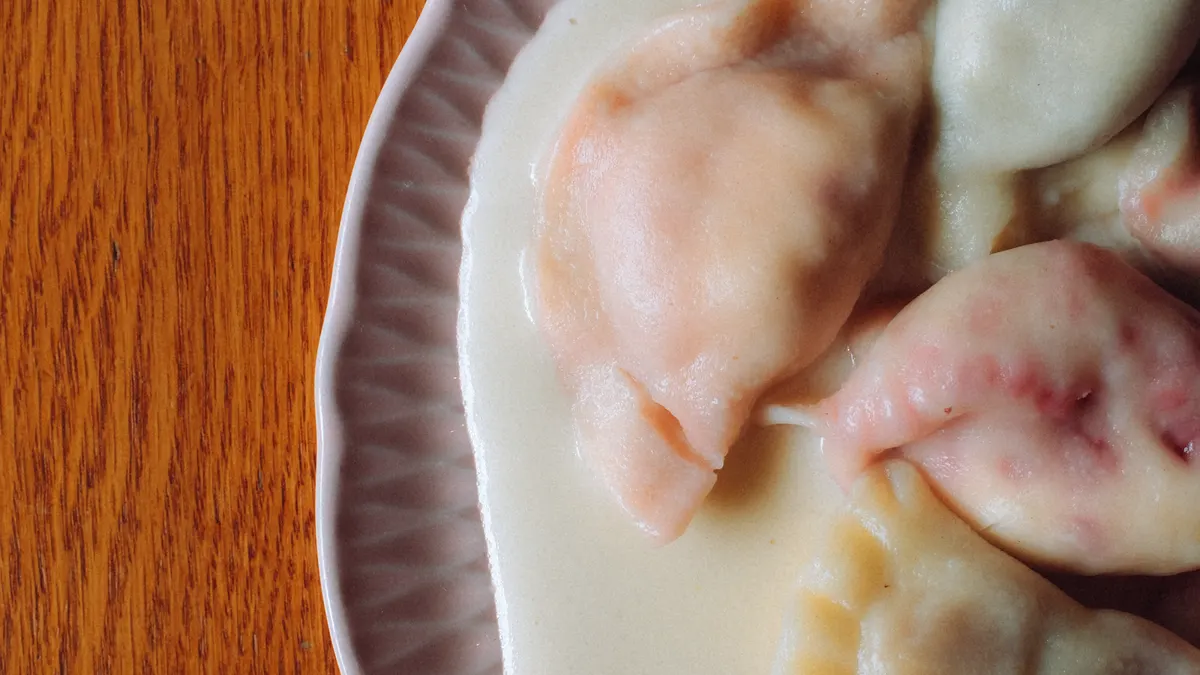
Konspira
A themed restaurant on Solny Square recalling the Solidarity underground, with solid Polish home cooking.
Restaurant
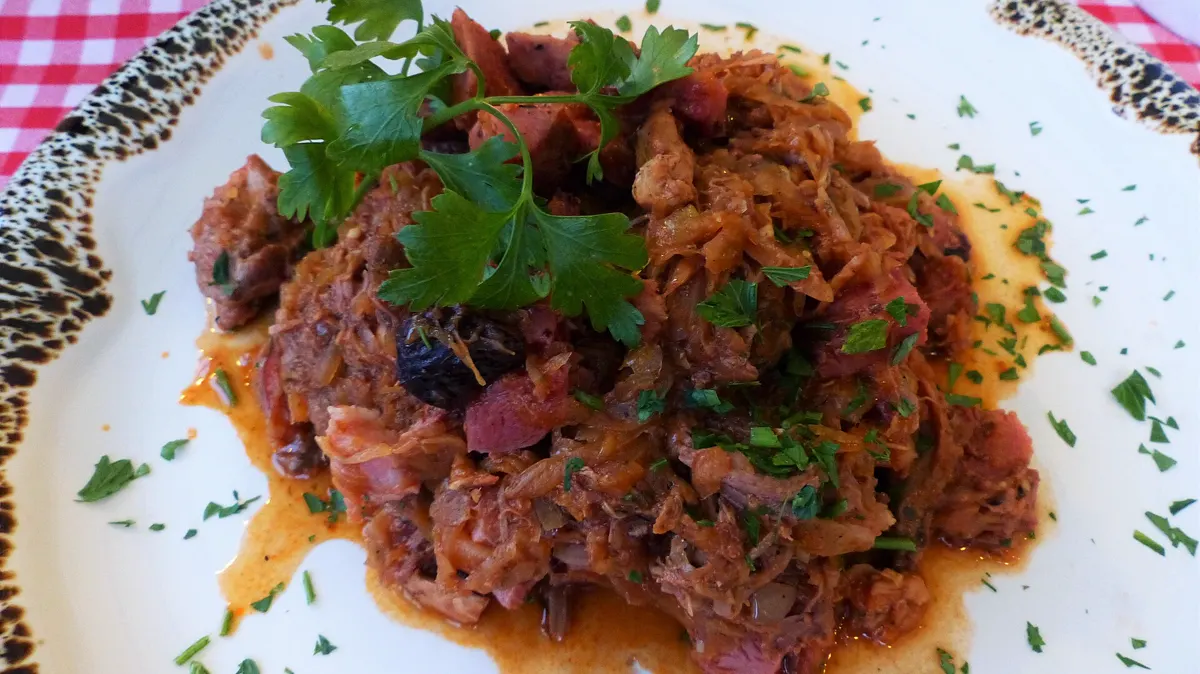
Kurna Chata
A rustic timber room near the Market Square doing filling regional dishes.

Restaurant
Vega
A long-running vegetarian bistro on the Rynek offering meat-free Polish and international dishes at modest prices. A handy central option for plant-based eaters.
Nature
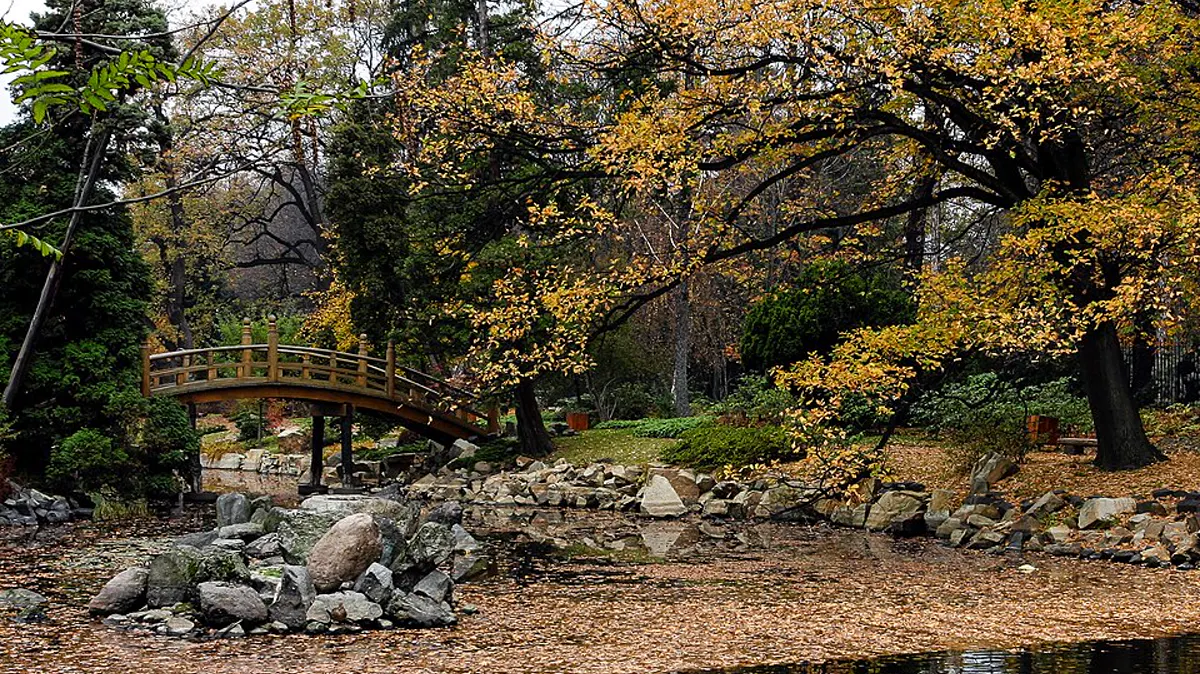
Szczytnicki Park & Japanese Garden
A large landscape park beside the Centennial Hall, home to a jewel-like Japanese garden.