Attraction in Wrocław
Wroclawskie krasnale
Hundreds of small bronze dwarf figurines scattered across the city, each with its own character and pose. They trace back to the 1980s Orange Alternative anti-communist protest movement.
Reviewed and updated July 2026
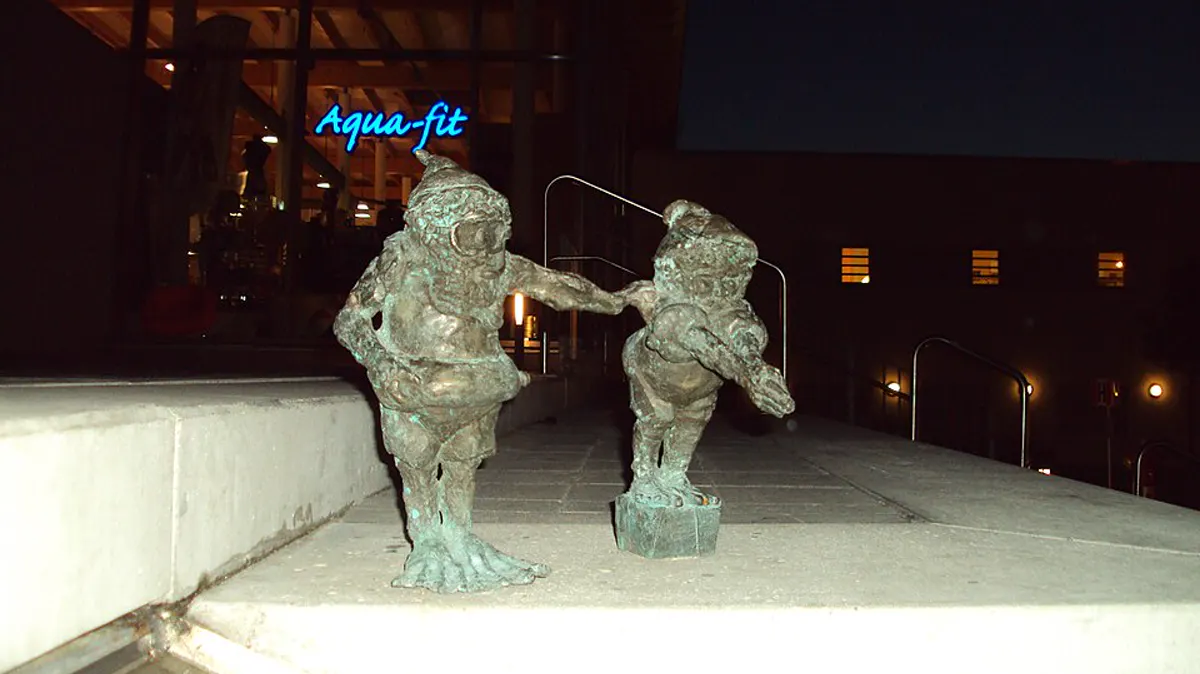
The Wroclaw dwarfs (krasnale) are small bronze figures scattered across the city, each in its own pose, often busy with a tiny prop or trade. They trace back to the Orange Alternative, an anti-communist protest movement active in Wroclaw in the 1980s. Finding them has become one of the city's favourite pastimes. See the Wroclaw guide for the wider city.
Why hunt Wroclaw's dwarfs
The dwarfs turn a walk around the centre into a hunt. They are small, usually knee-high or lower, and tucked at doorways, on windowsills and beside lamp posts. Spotting them appeals to children, and the story behind them gives adults a real slice of the city's recent history. It costs nothing and works alongside the main sights.
Dwarfs and the Orange Alternative
The Orange Alternative used a cartoon dwarf as its symbol in the 1980s, painting the figure over official slogans and staging absurd street happenings to mock the communist authorities. A monument to the movement, known as Papa Krasnal, was put up on Swidnicka Street in 2001. From the mid-2000s the city began adding small bronze dwarfs around the streets, and the collection has kept growing into the hundreds and beyond.
Finding the bronze dwarfs
Most of the best-known dwarfs cluster in and around the Market Square and the Old Town. They are small and easy to miss, so look low, at kerb level and by shop entrances. Maps and apps that plot the figures are widely available if you want to tick off a set route.
How long to spend dwarf-spotting
There is no fixed visit. Many people simply notice them while sightseeing. Give it an hour or two if you want to make a deliberate hunt around the centre with children.
Best time to explore
Daylight is easiest for spotting the small figures. The Old Town is quietest in the early morning, which makes photographing them without crowds simpler.
Where to start in the Rynek
The densest cluster is in the pedestrian Old Town around the Market Square, reachable on foot or by tram to the edge of the centre.
Accessibility on the hunt
The dwarfs sit at ground level along the same cobbled Old Town streets as the main sights, which are uneven in places. There is nothing to enter or climb.
Nearby in the Old Town
The hunt centres on the Market Square. From there the river and Tumski Bridge lead toward Cathedral Island, where you can carry on spotting figures along the way.
Good to know
The dwarfs are free to find and out in public at all hours. The count keeps rising as new ones are added, so no single map stays fully complete for long.
Common questions about the dwarfs
Why does Wroclaw have dwarfs?
They grew out of the Orange Alternative, a 1980s protest movement that used a dwarf as its symbol against the communist authorities. The bronze figures now honour that history while drawing visitors around the city.
How many dwarfs are there?
There are many hundreds, and the number keeps growing as new figures are added, so any exact count is out of date quickly.
Frequently asked questions
More attractions in Wrocław
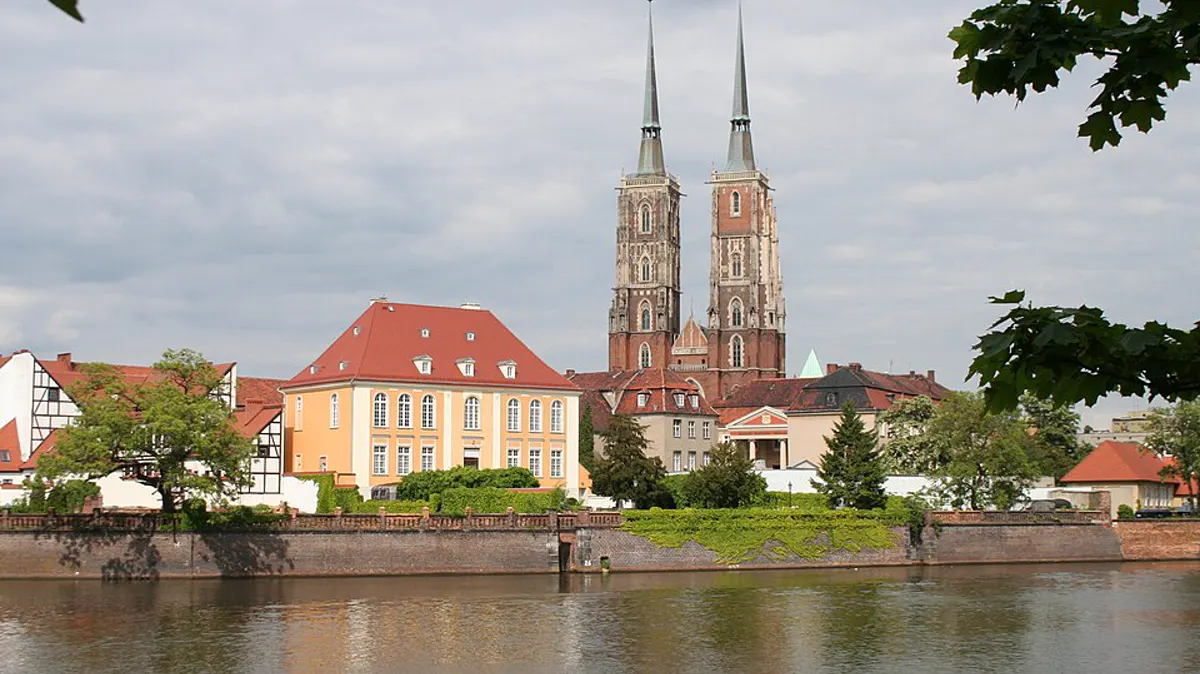
Cathedral Island, Wroclaw
The oldest part of Wroclaw, a cluster of churches on an island in the Oder reached across a romantic iron bridge.
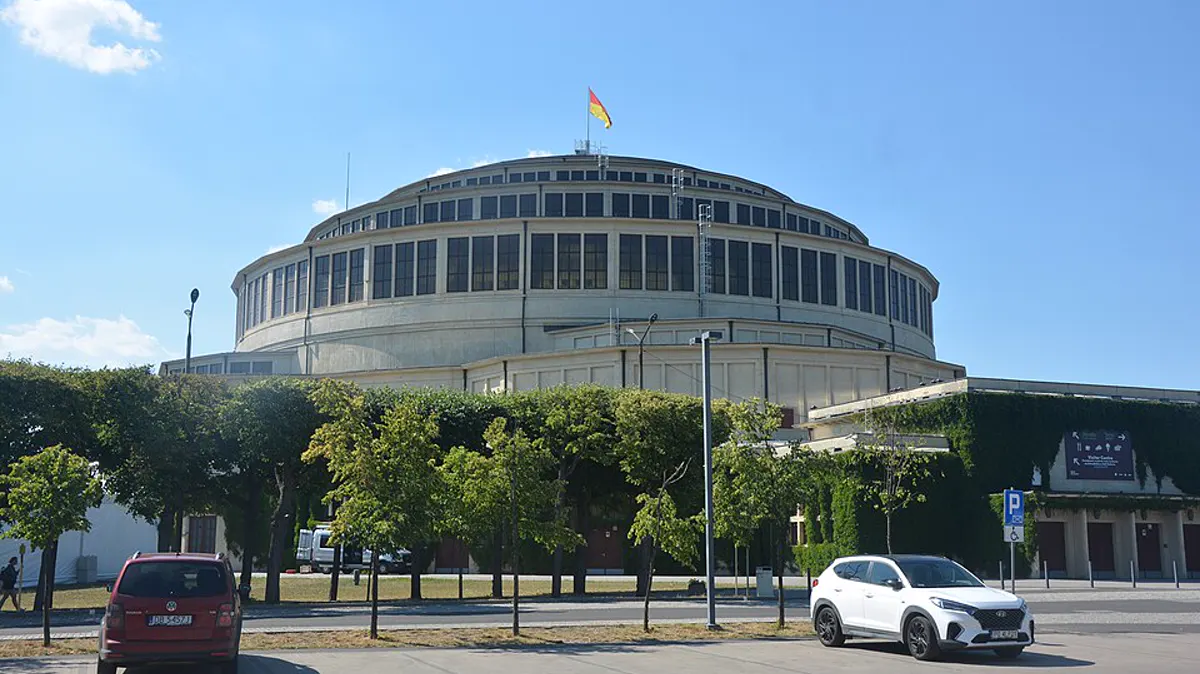
Centennial Hall
A pioneering reinforced-concrete dome from 1913, listed by UNESCO, set in a park with a large multimedia fountain.
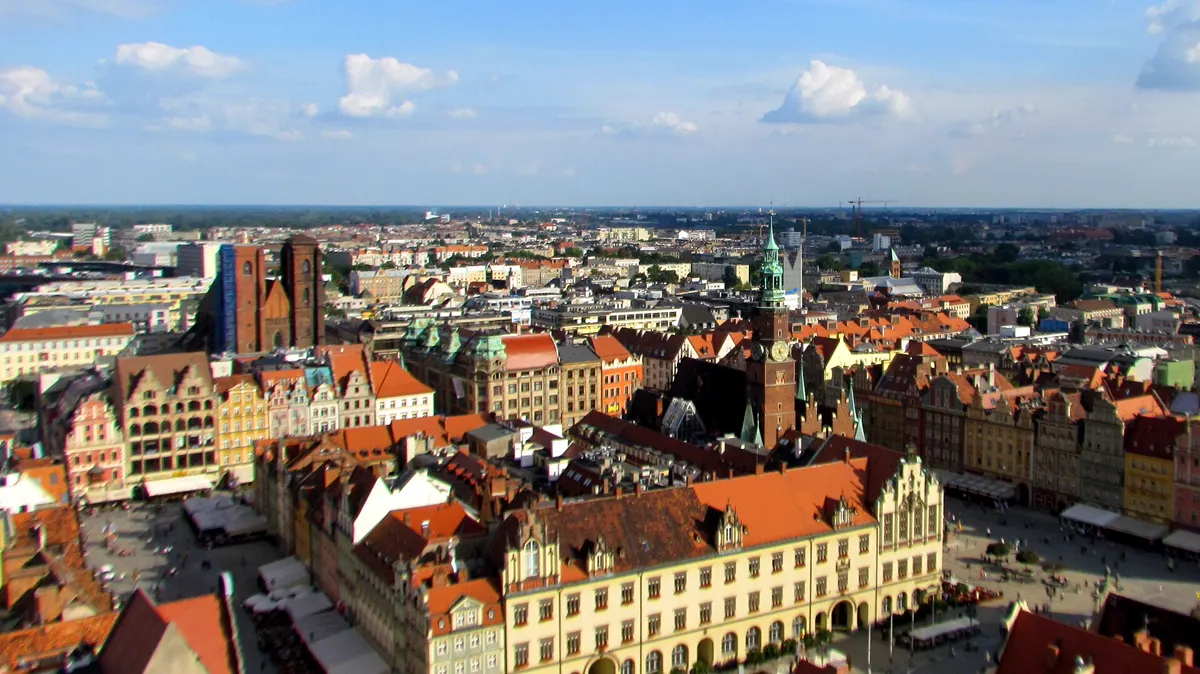
Market Square
One of the largest medieval squares in Poland, ringed by colourful townhouses and centred on an ornate Gothic town hall.
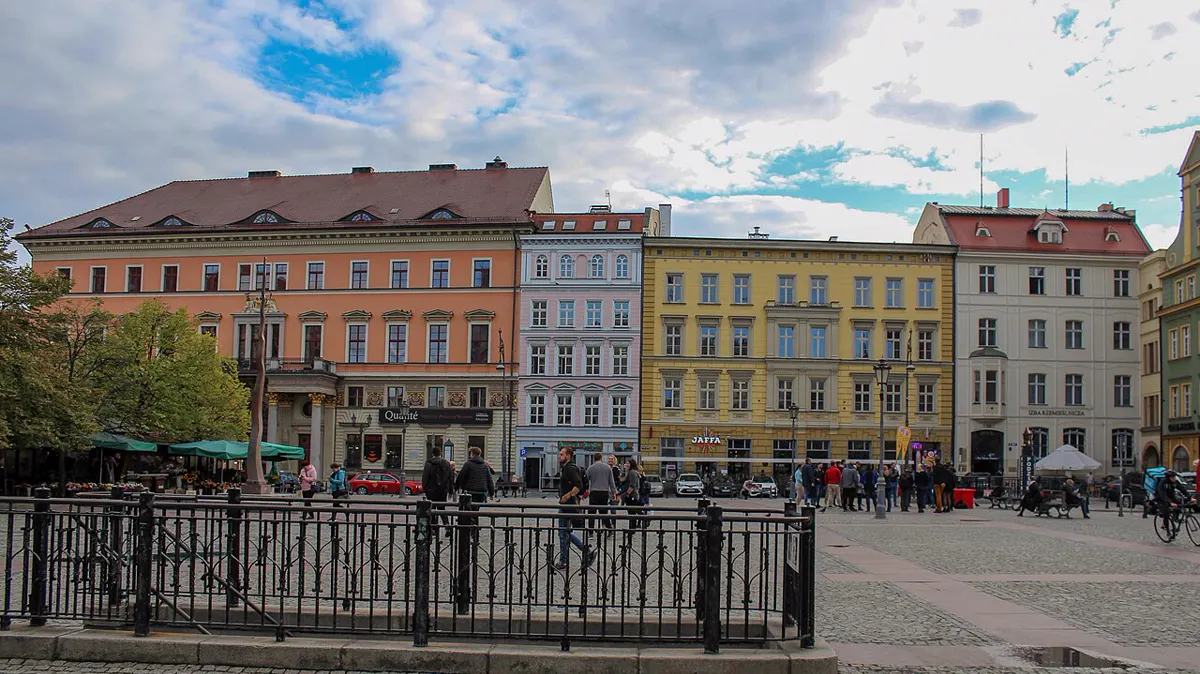
Salt Square (Plac Solny)
Salt Square is a medieval market square beside Wrocław's Market Square, known today for flower stalls that trade around the clock.
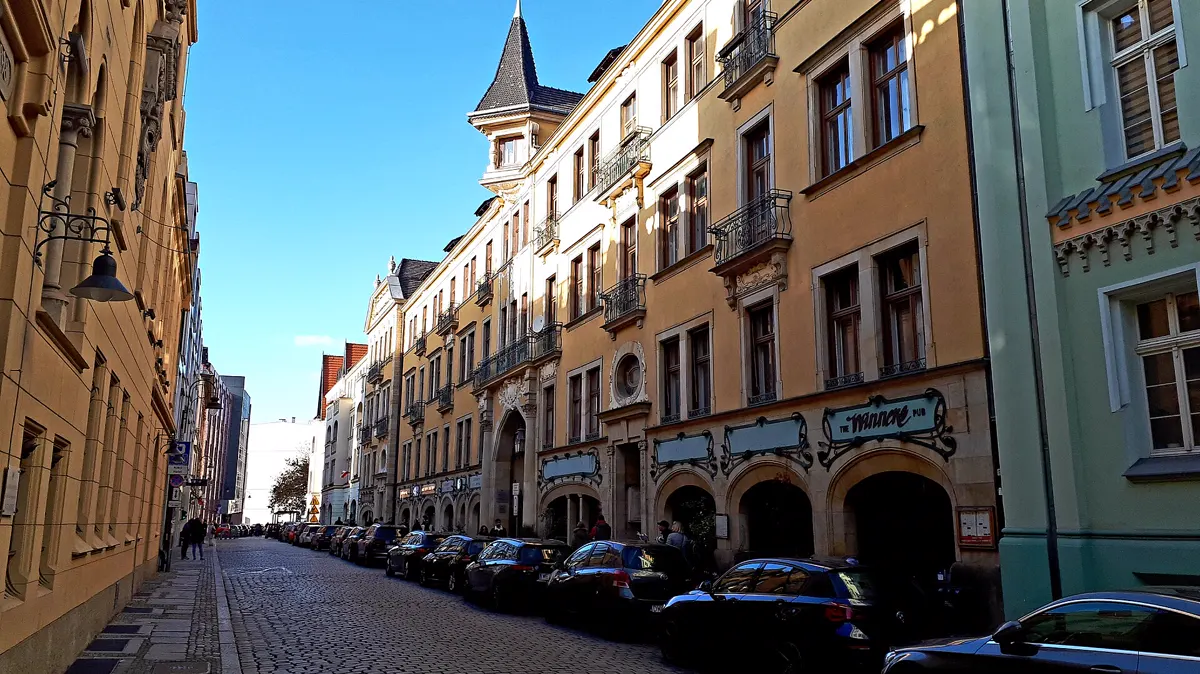
District of Four Denominations
A compact quarter of Wrocław's Old Town where a Catholic church, a Lutheran church, an Orthodox cathedral and a synagogue stand within a few minutes' walk of each other, alongside bars, cafes and courtyards.
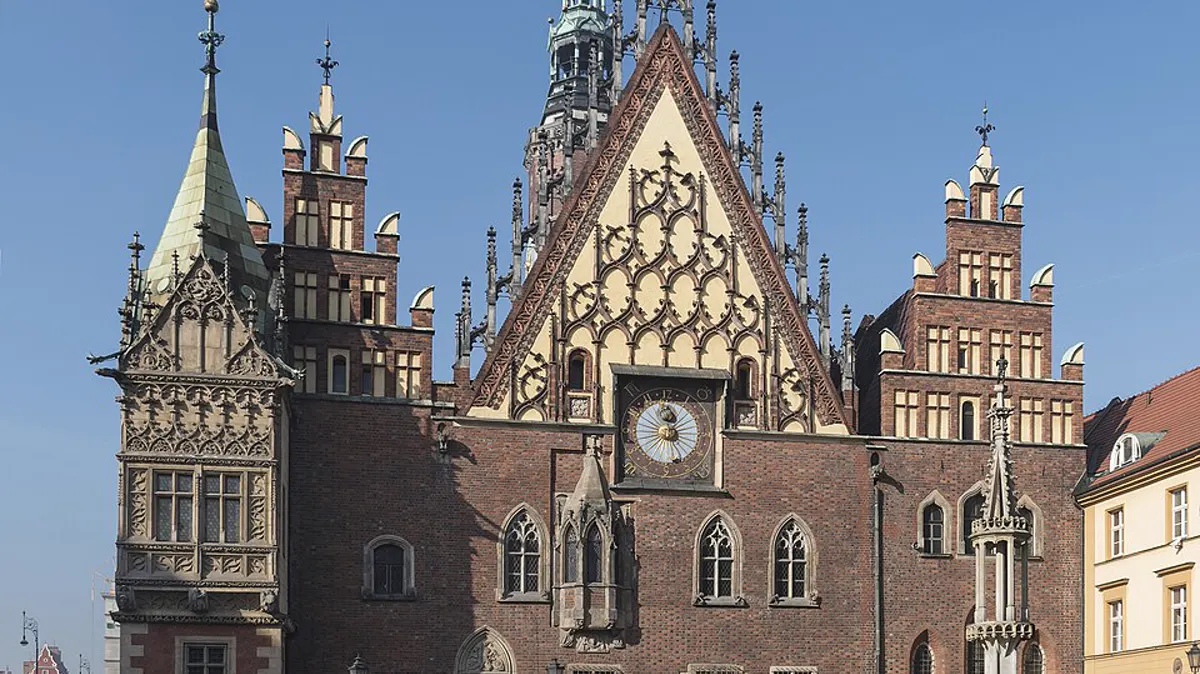
Ratusz (Old Town Hall)
A late-Gothic town hall built over roughly 250 years, famed for its richly carved south facade and astronomical clock from 1580. It houses the Museum of Burgher Art and the historic Piwnica Swidnicka beer cellar below.
Featured in
More to explore in Wrocław
Restaurant
Jadka
An elegant fine-dining room under gothic vaults just off the Rynek, a special-occasion staple.
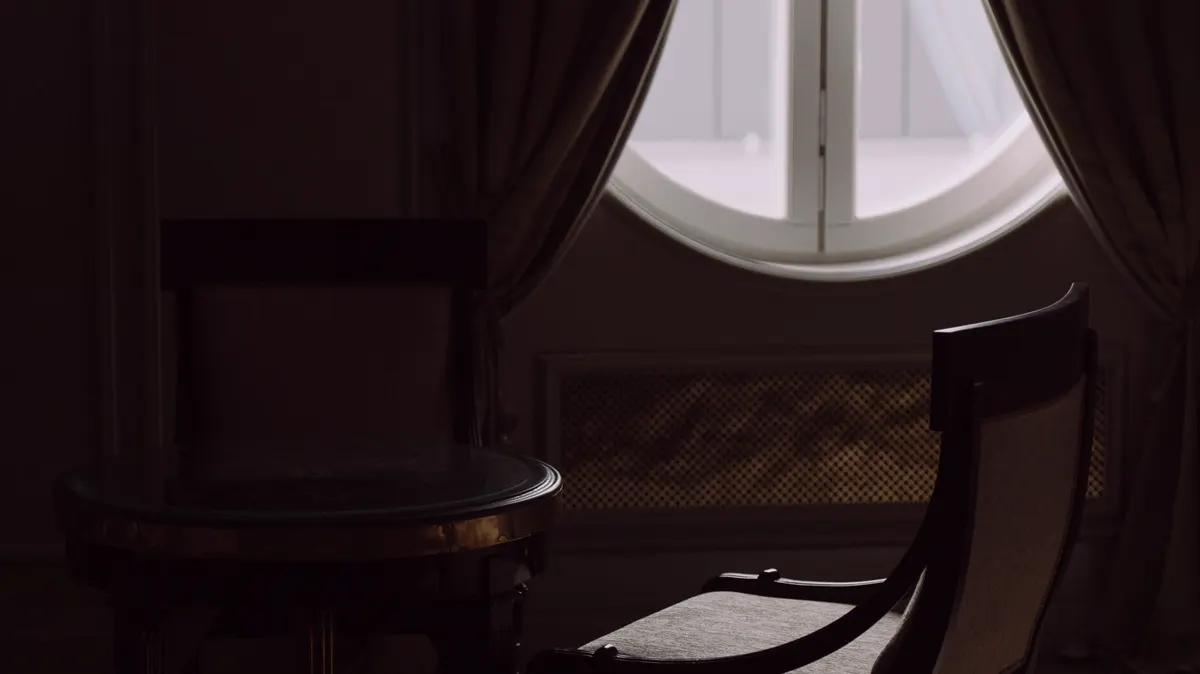
Hotel
Hotel Monopol
A grand Art Nouveau hotel by the opera with a rooftop terrace over the old town and a spa pool.
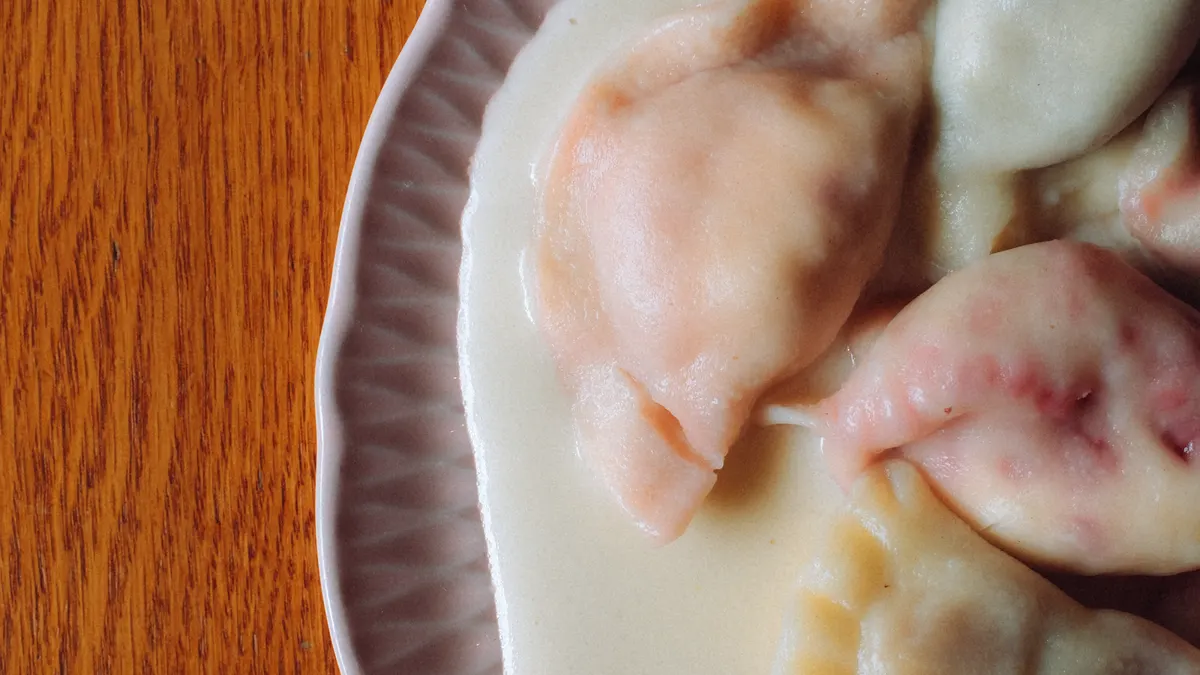
Restaurant
Konspira
A themed restaurant on Solny Square recalling the Solidarity underground, with solid Polish home cooking.
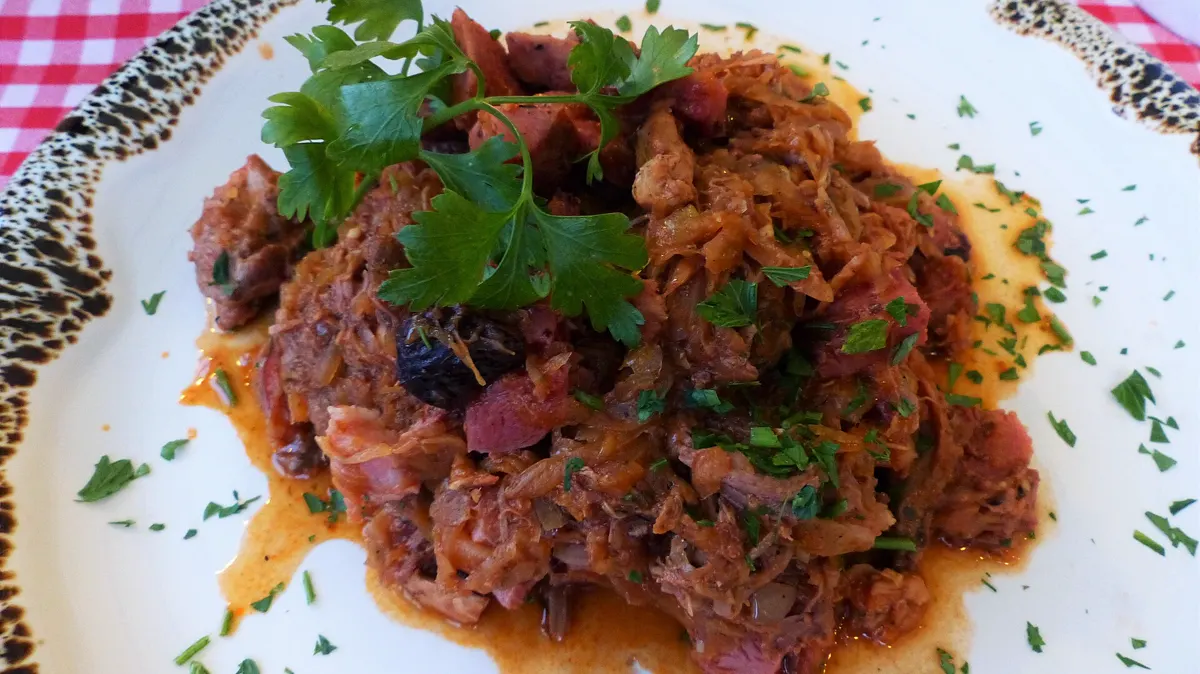
Restaurant
Kurna Chata
A rustic timber room near the Market Square doing filling regional dishes.

Restaurant
Kawiarnia Barbara
A bright city-run cafe and cultural space on Swidnicka serving speciality coffee, cakes, and light lunches. A calm break just off the main shopping street.
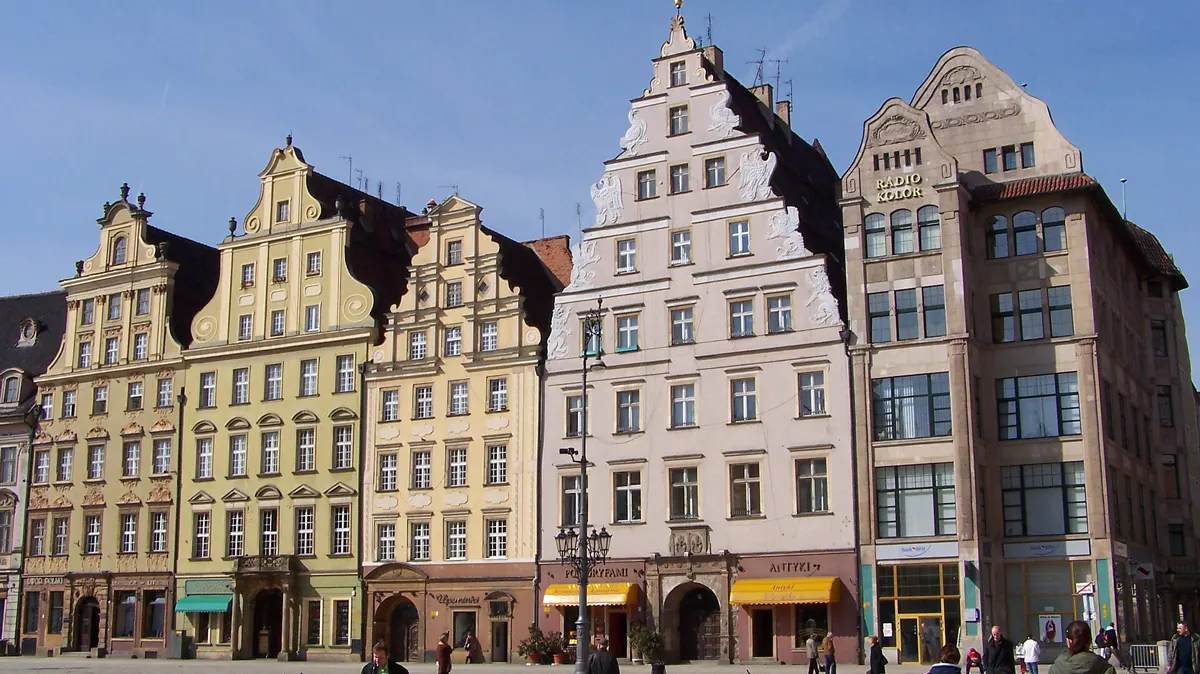
Restaurant
Restauracja Pod Fredra
An elegant restaurant on the Rynek serving contemporary Polish and international dishes with square views. Good for a special occasion.