Attraction in Warsaw
Muzeum Powstania Warszawskiego
The Warsaw Uprising Museum documents the 63-day insurrection of 1944 through survivor recordings, a replica Liberator bomber, and a beating-heart sound installation. It sits in a former tram power station in the Wola district.
Reviewed and updated July 2026
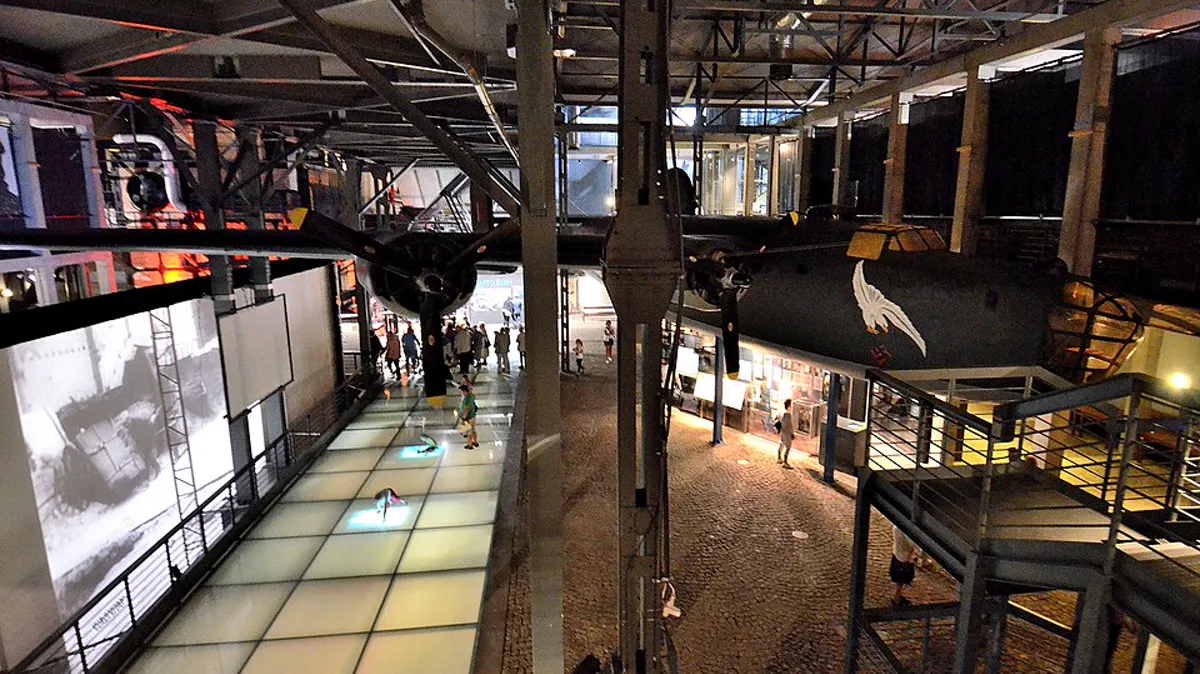
The Warsaw Uprising Museum (Muzeum Powstania Warszawskiego) records the 63-day rising against the German occupation in 1944. It fills a former tram power station in the Wola district, west of the centre, and uses survivor recordings, film, weapons and reconstructions to follow the fighting street by street. It opened in 2004, on the sixtieth anniversary of the Uprising.
Why visit the Uprising Museum
To understand modern Warsaw you need this story, and the museum tells it well. The Uprising and its aftermath explain why so much of the city is rebuilt. The displays are dense and immersive, mixing personal accounts with hard fact, and they hold the attention of adults and older children alike.
What to see inside
The route runs across several floors of the old power station. Look for:
- A full-size replica of a Liberator B-24 bomber, the type flown on Allied supply drops to the fighters.
- The tall steel monument that rises through the floors, carrying the sound of a beating heart to stand for the life of the city in 1944.
- Recordings and testimony from people who lived through the rising.
- A recreated sewer passage, echoing the routes insurgents used to move under the city.
The 1944 Warsaw Uprising
The Warsaw Uprising began on 1 August 1944, when the Polish Home Army rose against the German occupiers. It held out for 63 days before it was crushed. In reprisal, the Germans destroyed much of what remained of the city. The museum was created to preserve the memory of that fight and the people who took part.
How long to spend
Allow at least two hours. The exhibition is detailed and can be crowded, so give yourself more time if you want to watch the films and listen to the testimony.
Best time to visit
Weekday mornings are quietest. The museum gets very busy around the 1 August anniversary, when the whole city marks the rising. It closes one day a week, so check before you go.
Getting to the museum
The museum is at Grzybowska 79 in Wola, reached by tram and bus from the centre in a few minutes. It is walkable from the western side of the city centre. For wider transport, see the Warsaw guide.
What's nearby
The museum pairs well with other central sights:
- The POLIN Museum, on the site of the former Ghetto, for the wider wartime story.
- The Palace of Culture and Science, a walk east towards the centre.
- Wola's other memorial sites, within the district.
Good to know
The museum closes one day a week and can sell out at busy times, so book online where possible. The material is intense in places. Check the official site for current hours, prices and any free-entry day.
Common questions
Is this the same as the Ghetto Uprising?
No. This museum is about the 1944 Warsaw Uprising by the Home Army. The 1943 Ghetto Uprising was a separate event; that story is told at the POLIN Museum and at the Ghetto memorials.
Is it suitable for children?
Older children and teenagers can follow it, and the reconstructions hold their interest. Some content is distressing, so judge younger visitors accordingly.
Frequently asked questions
More attractions in Warsaw
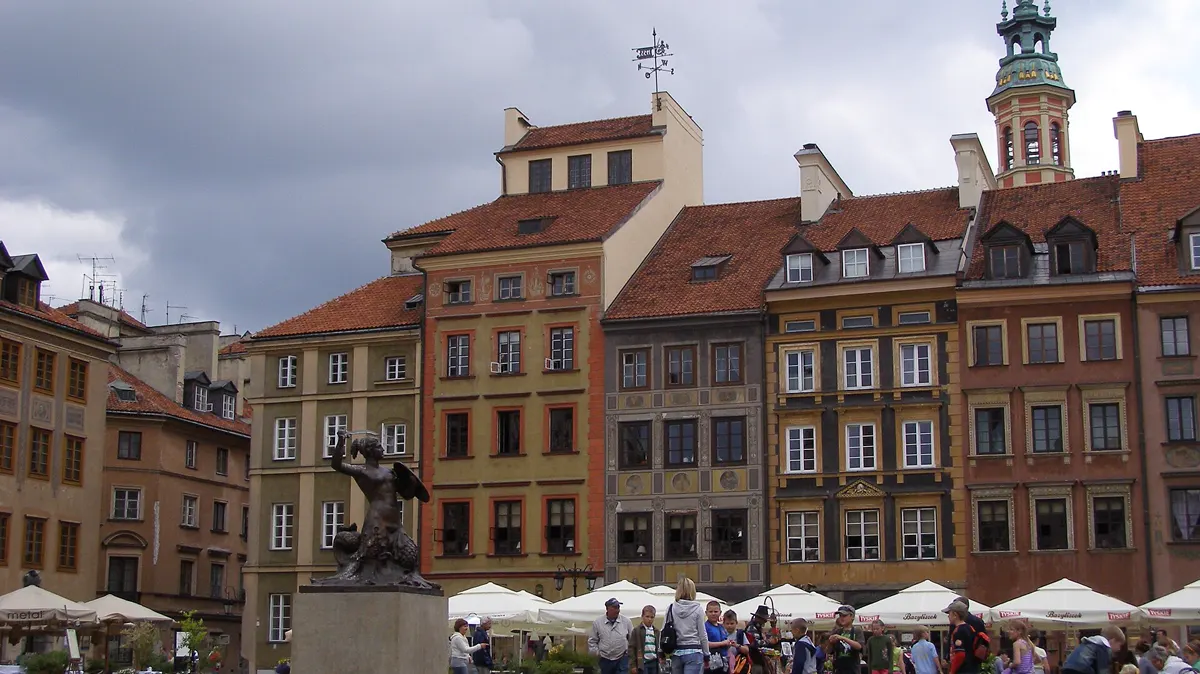
Old Town Market Square
The reconstructed heart of Warsaw Old Town, a UNESCO-listed feat of post-war rebuilding ringed by colourful townhouses.
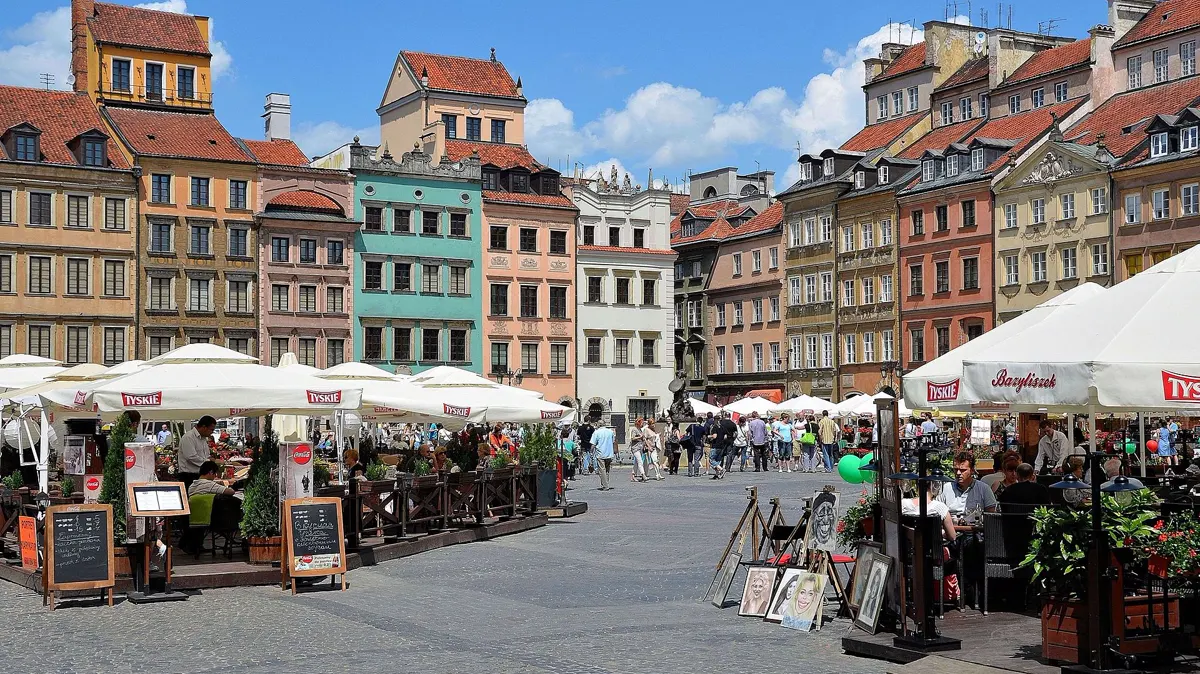
Stare Miasto (Warsaw)
Warsaw's Old Town was rebuilt from rubble after World War II so faithfully that UNESCO added it to the World Heritage list. Its Market Square is lined with pastel merchant houses and centred on the bronze Mermaid statue, the city's symbol.
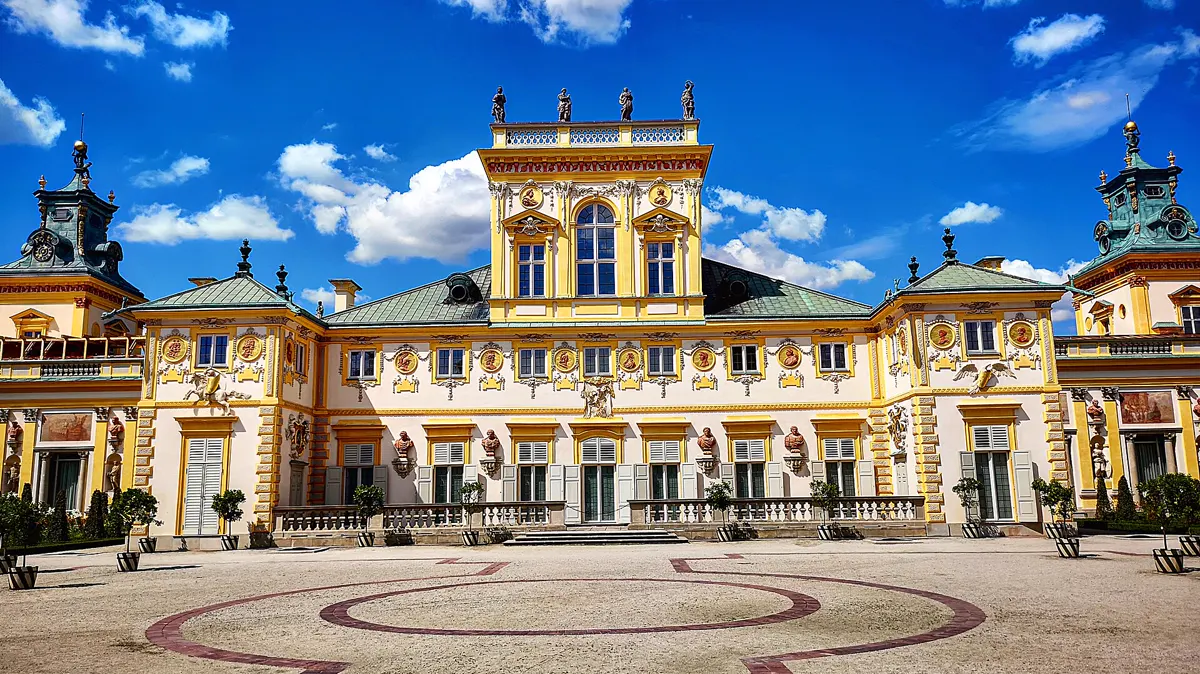
Palac w Wilanowie
Wilanow Palace was the baroque summer residence of King Jan III Sobieski and survived the war intact, earning it the nickname the Polish Versailles. Its formal gardens and gilded interiors draw crowds year round.
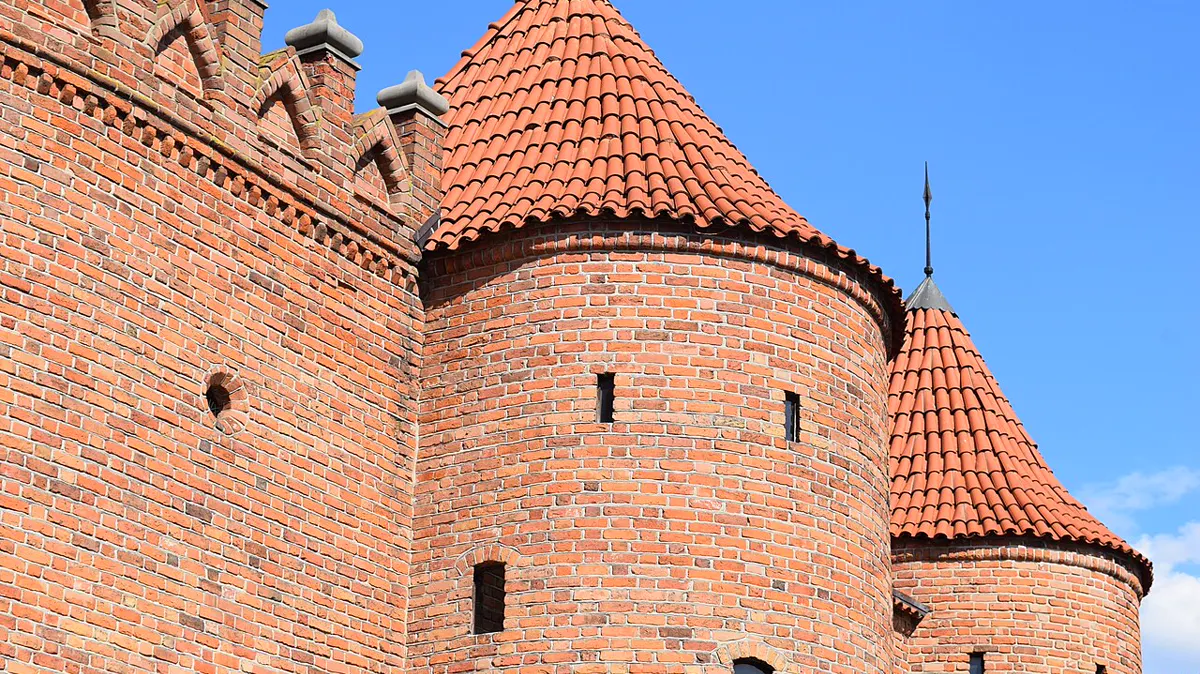
Warsaw Barbican (Barbakan)
The Warsaw Barbican is a semicircular brick fortress gate from around 1540 and one of the last surviving pieces of the city's medieval walls. It stands between the Old and New Towns, where street artists and vendors gather.
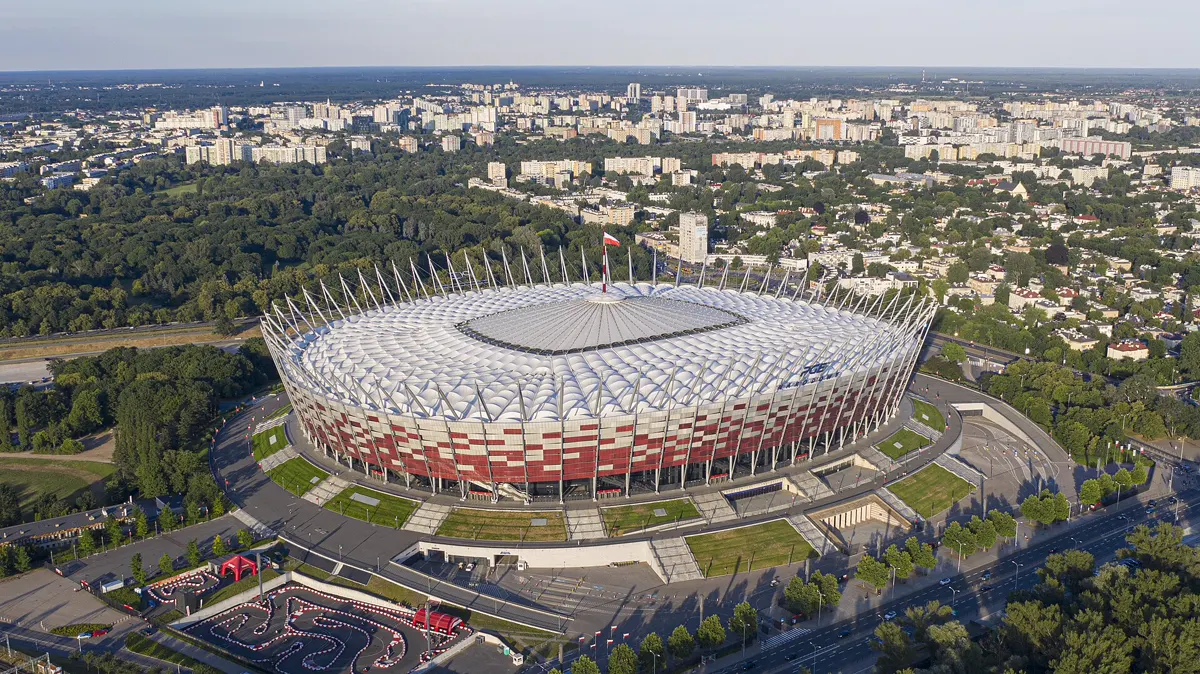
PGE Narodowy (National Stadium)
Warsaw's national stadium is Poland's largest football arena, built for Euro 2012 and known for its red-and-white latticework facade and retractable roof.
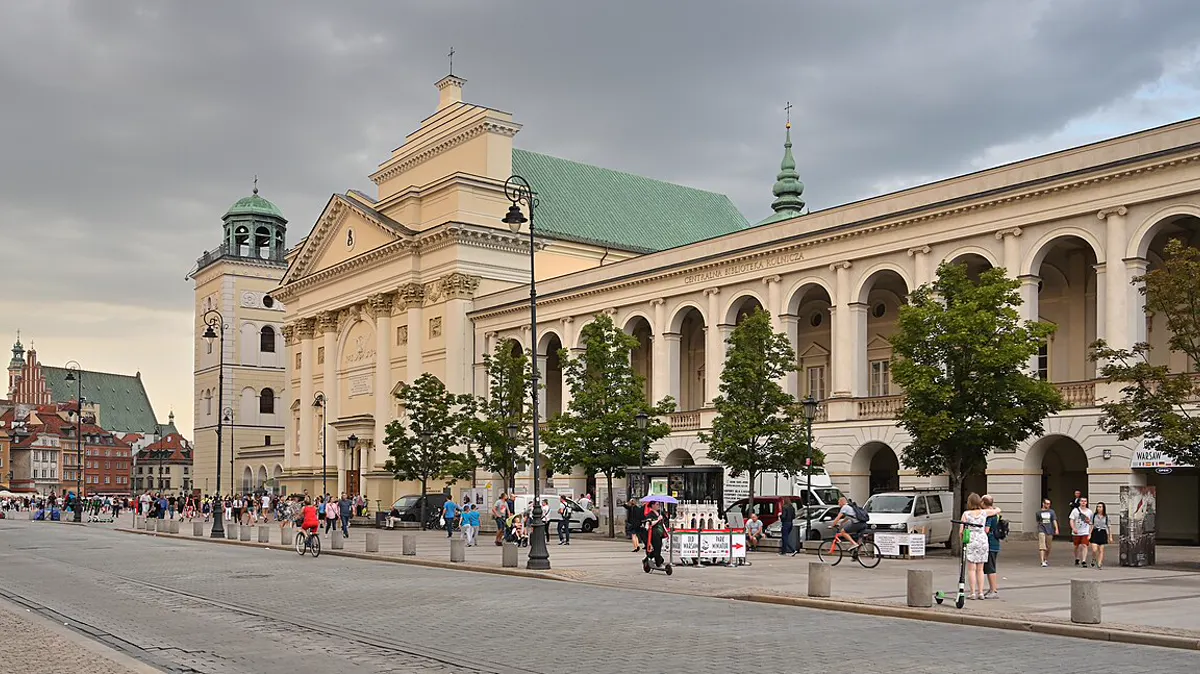
St. Anne's Church
One of Warsaw's finest Baroque churches, set beside Castle Square, with a richly decorated interior and a bell tower you can climb for wide views over the Old Town.
More to explore in Warsaw

Restaurant
Nolita
A Michelin Guide-listed kitchen turning Polish produce into precise modern tasting menus.
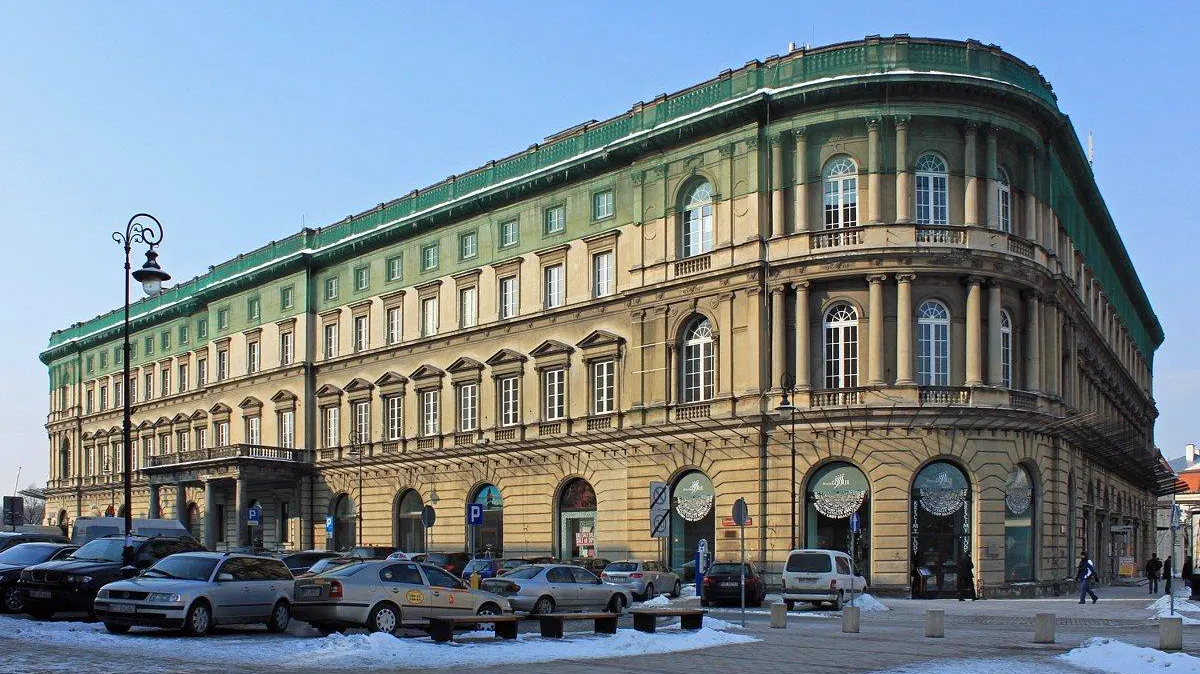
Hotel
Raffles Europejski Warsaw
A landmark 19th-century hotel on the Royal Route, reborn with a serious art collection.
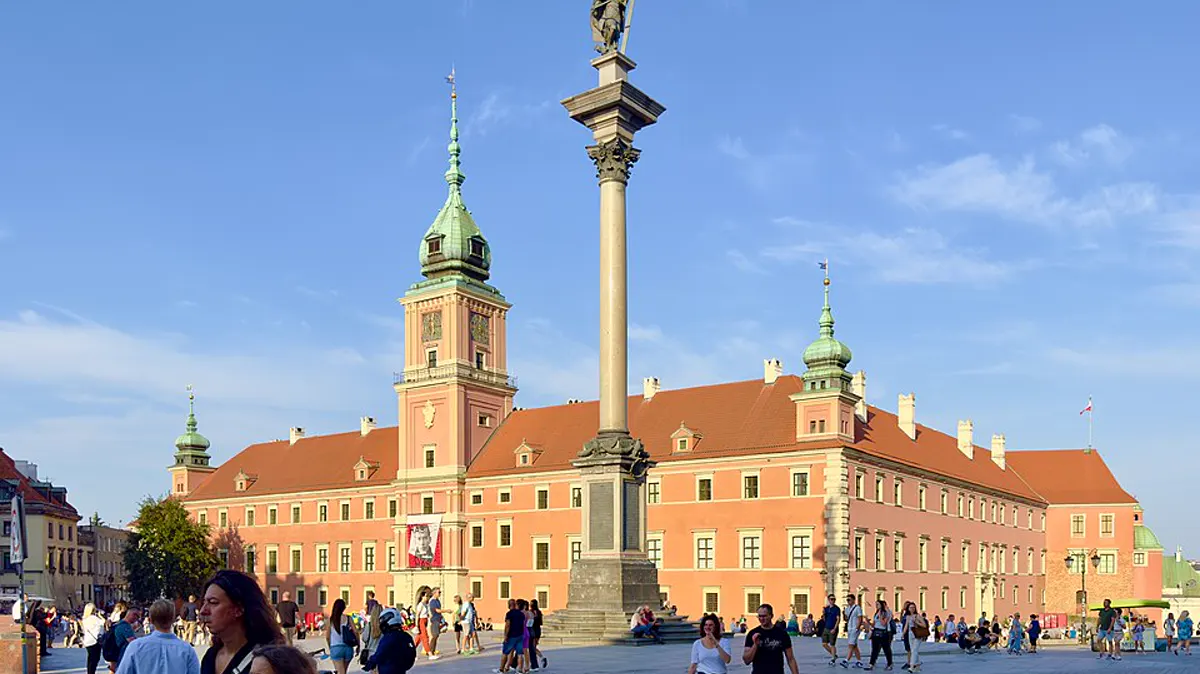
Castle
Royal Castle
The reconstructed seat of Polish kings and parliament on Castle Square, rebuilt from rubble after wartime destruction.
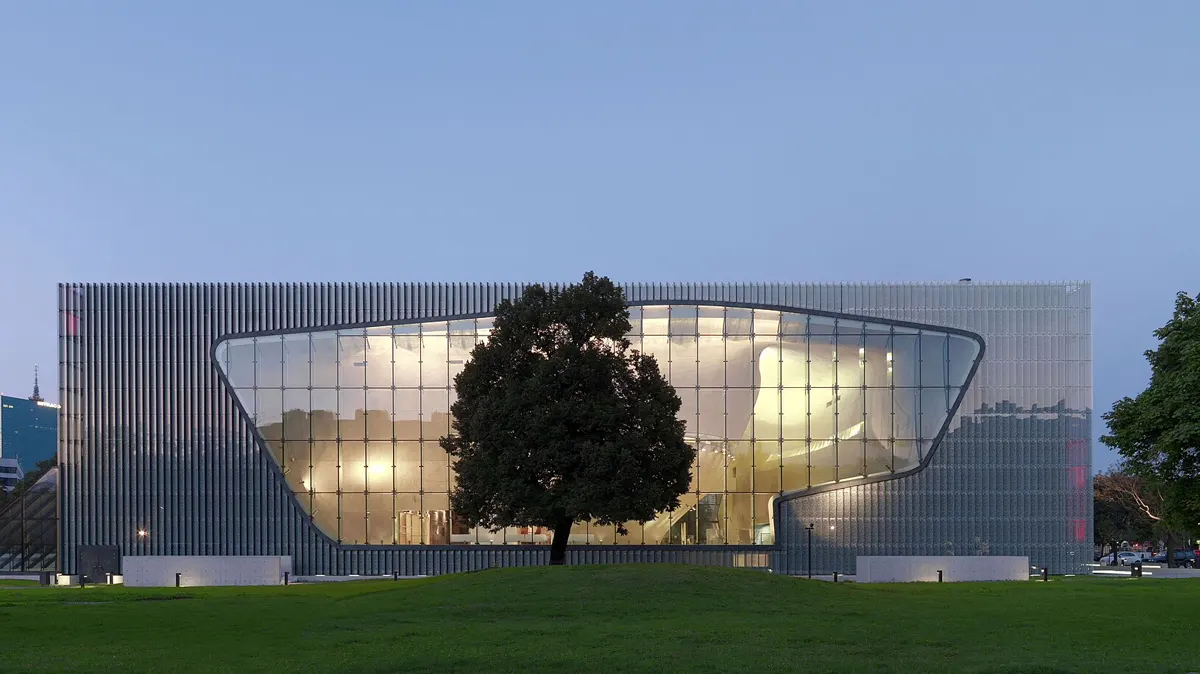
Museum
POLIN Museum of the History of Polish Jews
An award-winning museum tracing a thousand years of Jewish life in Poland, on the site of the former Warsaw Ghetto.

Restaurant
Epoka
A two-Michelin-star restaurant beside the Hotel Europejski, rebuilding historic Polish court recipes from old cookbooks into a modern tasting menu. Reserve well ahead.
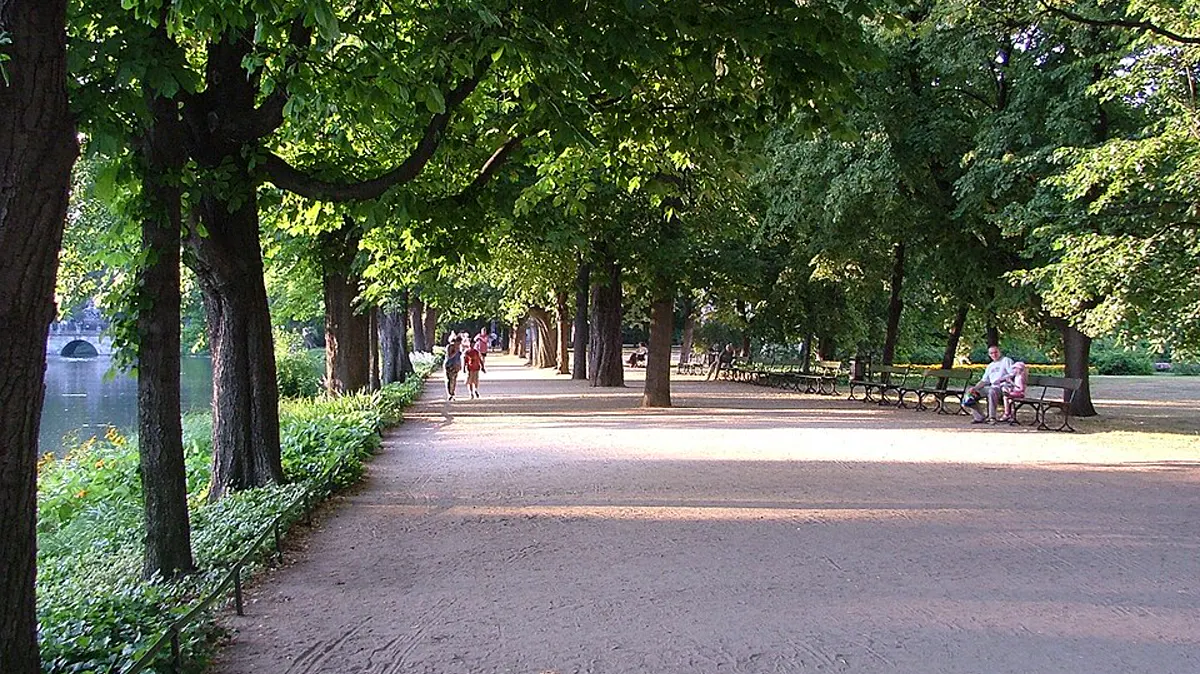
Nature
Lazienki Park
Warsaw's largest park, a landscaped royal garden with a palace on an island, peacocks and free Chopin concerts in summer.