Attraction in Wrocław
Cathedral Island, Wroclaw
The oldest part of Wroclaw, a cluster of churches on an island in the Oder reached across a romantic iron bridge.
Reviewed and updated June 2026
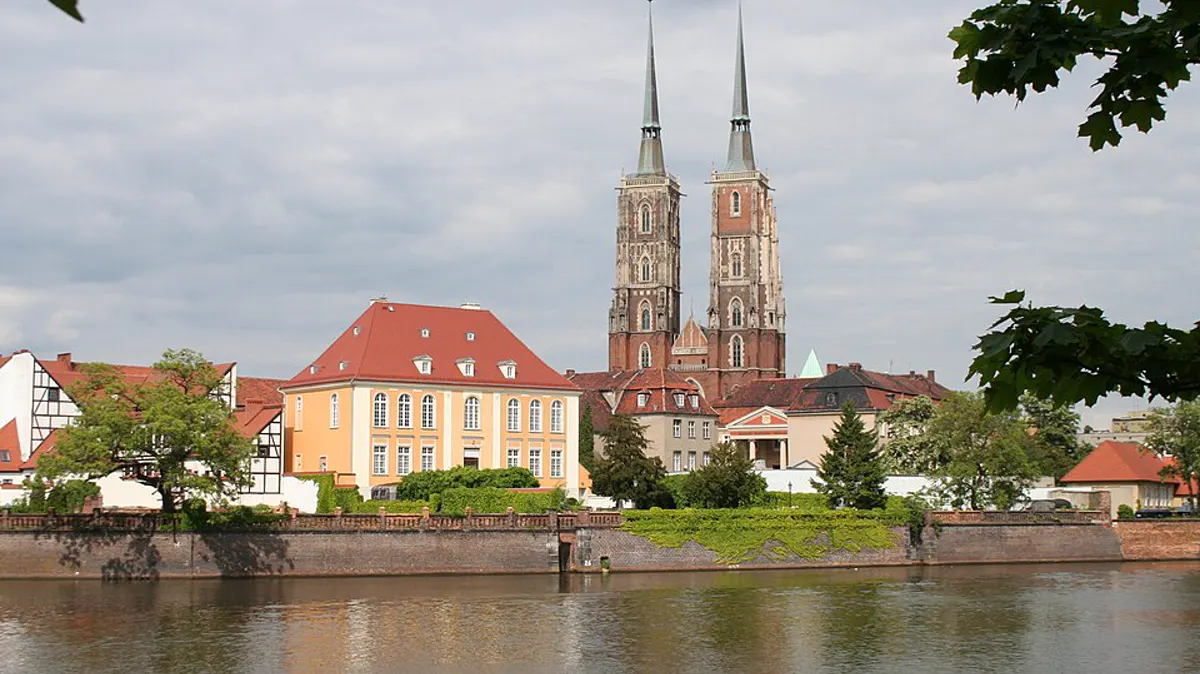
Ostrow Tumski, Cathedral Island, is where Wroclaw began more than a thousand years ago. The river channel that once made it an island was filled in on one side long ago, but the district still feels like a separate, older quarter. It is the quietest and most atmospheric corner of the city, a cluster of churches and clergy houses across the water from the busy centre.
Why visit Cathedral Island
This is the historic root of Wroclaw and a complete change of pace from the market square. The lanes are cobbled and low-key, the buildings are red brick and stone, and in the evening the whole quarter slows right down. It pairs naturally with the market square on a circuit of the old centre, and works best as an unhurried walk rather than a tick-list.
What to see on Cathedral Island
The Tumski Bridge
You reach the island across the Tumski Bridge, an ornate nineteenth-century iron span hung with lovers' padlocks. It links the cathedral quarter to Sand Island (Wyspa Piasek); beyond it, the small island of Wyspa Slodowa fills with students and picnics on warm evenings.
Wroclaw's cathedral
On the far side rises the Cathedral of St John the Baptist, a Gothic church with two tall towers. A lift carries visitors up one tower to a viewing platform for a wide look over the rooftops and the Oder. Around it stand a cluster of older churches, the archbishop's palace and the buildings of the church district, along with the botanical garden a short walk on.
History of Ostrow Tumski
A bishopric was founded here in the year 1000, and for centuries the island was church land, separate from the merchant town that grew on the far bank. That long split is why the two halves of Wroclaw still feel so different. The gas lamps that light the lanes are a survival from the nineteenth century.
The lamplighter's round
A lamplighter still lights the gas lamps of the island by hand at dusk in the cooler months, dressed in a long coat and cap, moving lamp to lamp with a pole. It is a small ritual, and it makes the hour around sunset the best time to cross over.
How long to spend on the island
Allow forty-five minutes to an hour for a walk around the island and its churches. Add time if you climb the cathedral tower or continue to the botanical garden next door.
Best time to visit Wroclaw
Late afternoon into early evening is the loveliest window, especially from autumn to early spring when the lamplighter makes his round at dusk. Sundays and church holidays are busier around service times. The island is worth seeing in any season, but the gas lamps are the reason to come at dusk.
Getting to Cathedral Island
The island is a fifteen-minute walk east of the market square, along the Oder and across the Tumski Bridge. Several tram lines stop close by on the mainland side. For planning the rest of your stay, see the Wroclaw guide.
Accessibility on the island
The lanes are cobbled and uneven, which can be hard going for wheelchairs and prams. The cathedral tower is reached by a lift, but check its running times before you rely on it, as it does not always operate. The bridges and main paths are step-free.
What's nearby in Wroclaw
The island sits between the market square and the eastern parks:
- The market square and Old Town Hall, about fifteen minutes west.
- The Tumski Bridge and Wyspa Slodowa, right beside the island.
- The Centennial Hall and the eastern parks, a short tram ride on.
Good to know
The churches on the island are working places of worship, so keep noise down and dress modestly, especially during services. The cathedral tower lift is ticketed, and the botanical garden charges admission.
Common questions about Cathedral Island
Why is Ostrow Tumski called an island?
It sat on a real island in the Oder for most of its history. One of the river channels was filled in during the nineteenth century, so it is no longer surrounded by water, but the name and the separate feel have stuck.
Can you go up the cathedral tower?
Yes. A lift runs up one of the two towers to a viewing platform over the city and the river. It is ticketed and does not run at all times, so check before you go.
When does the lamplighter appear?
He lights the gas lamps by hand at dusk during the cooler part of the year. Arrive shortly before sunset from autumn to early spring to catch the round.
Frequently asked questions
More attractions in Wrocław
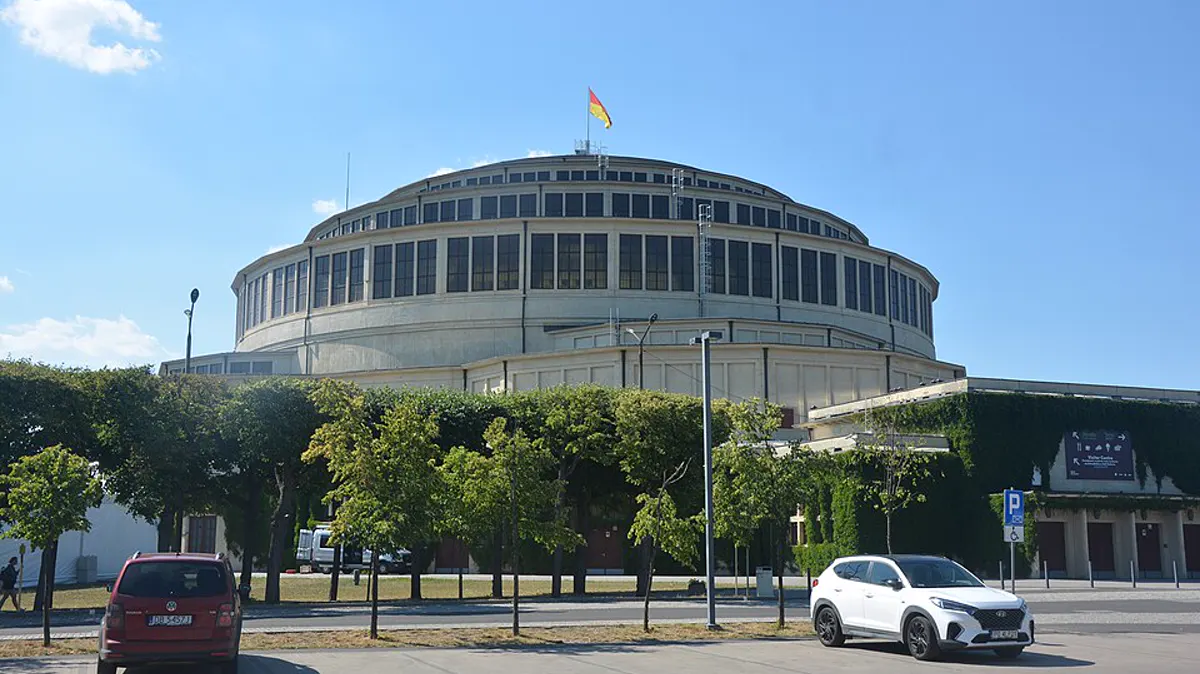
Centennial Hall
A pioneering reinforced-concrete dome from 1913, listed by UNESCO, set in a park with a large multimedia fountain.
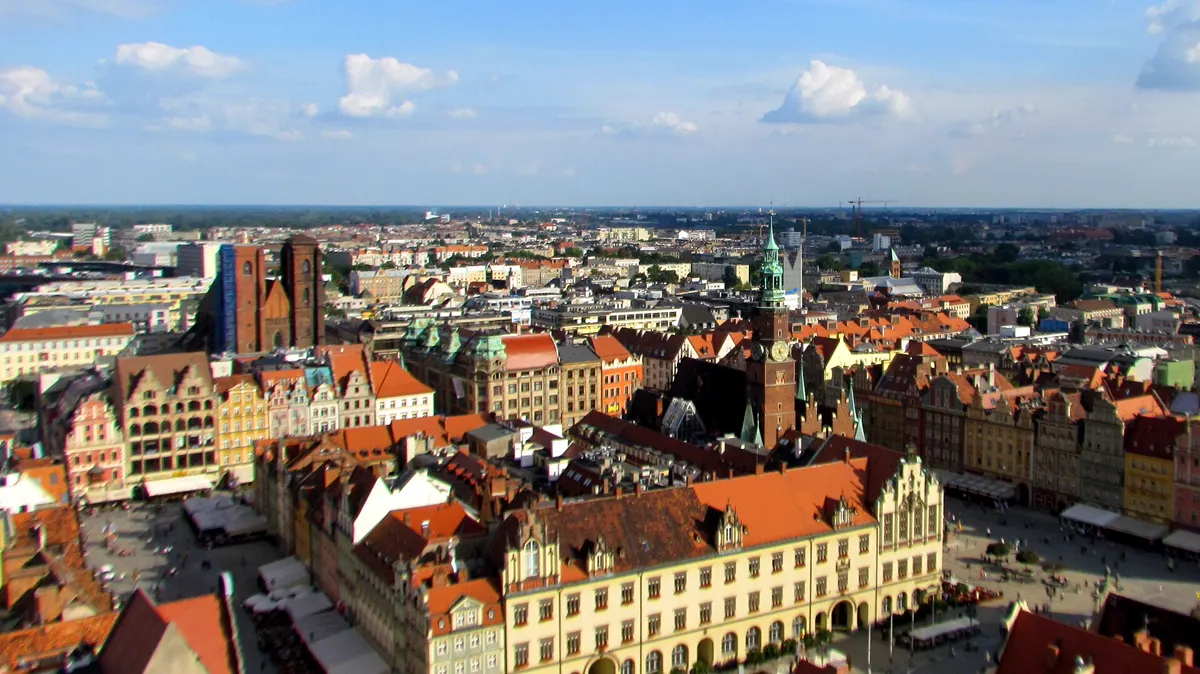
Market Square
One of the largest medieval squares in Poland, ringed by colourful townhouses and centred on an ornate Gothic town hall.
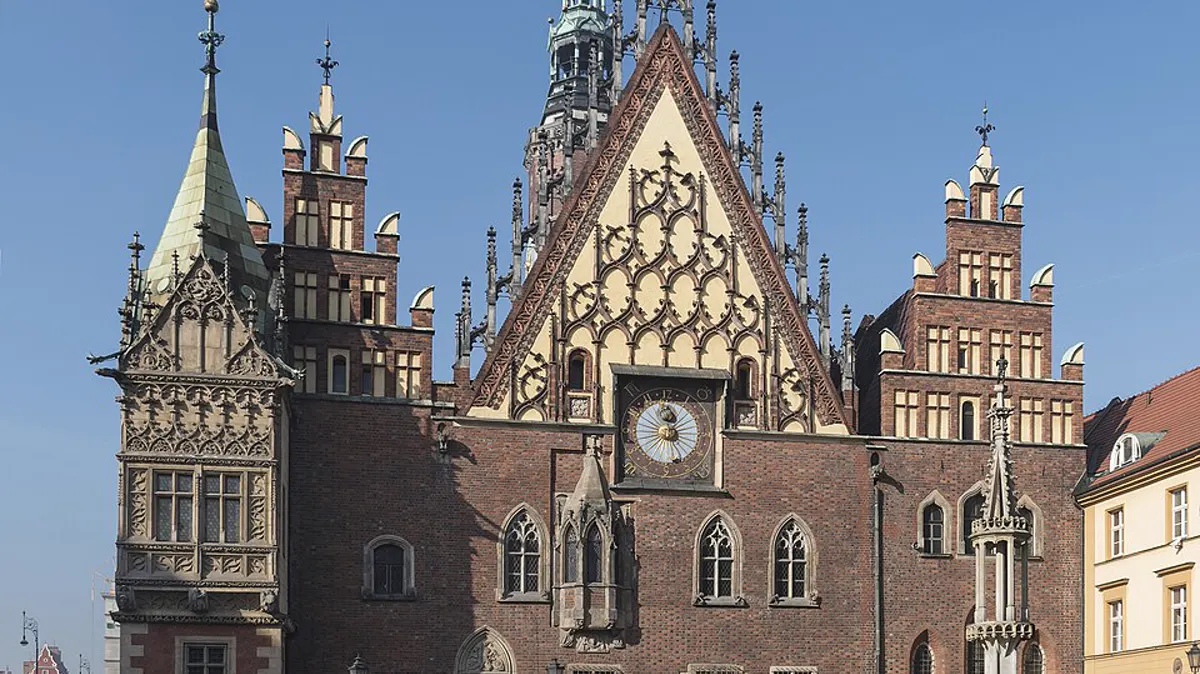
Ratusz (Old Town Hall)
A late-Gothic town hall built over roughly 250 years, famed for its richly carved south facade and astronomical clock from 1580. It houses the Museum of Burgher Art and the historic Piwnica Swidnicka beer cellar below.
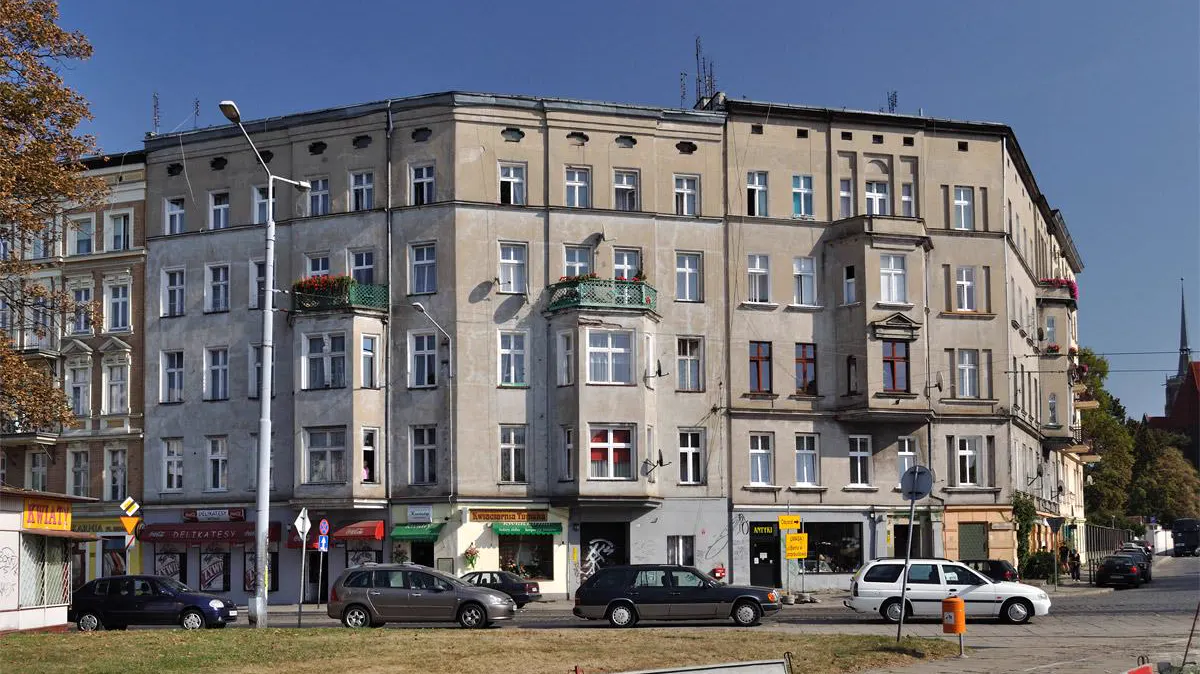
Nadodrze District
Nadodrze is a 19th-century tenement quarter north of the Oder in Wrocław, revitalised into an arts and crafts district known for courtyard murals, artisan workshops and self-guided walks.
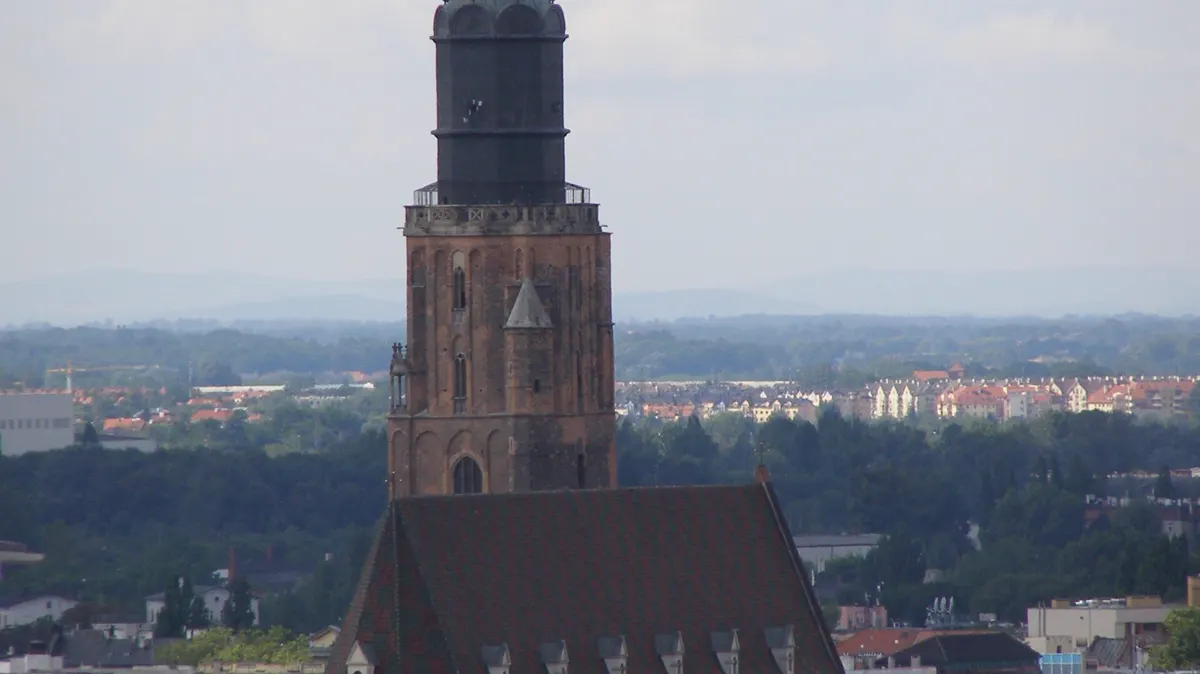
St. Elizabeth's Church (Garrison Church)
A Gothic red-brick church at the northwest corner of Wrocław's Market Square, with a tower of about 91.5 metres and a viewing gallery reached by climbing over 300 steps.
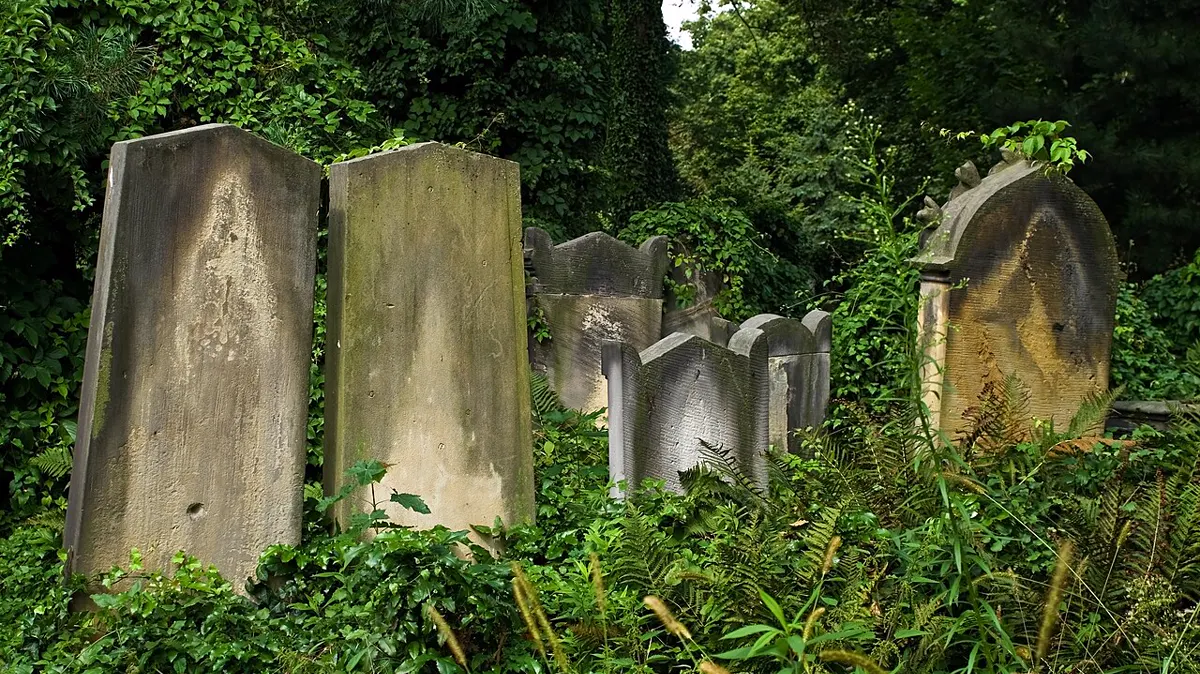
Old Jewish Cemetery, Wrocław
A remarkably well-preserved 19th-century Jewish cemetery on Ślężna street, now a museum branch of the City Museum of Wrocław, where elaborate tombs and carved headstones stand among overgrown greenery.
More to explore in Wrocław

Restaurant
Jadka
An elegant fine-dining room under gothic vaults just off the Rynek, a special-occasion staple.
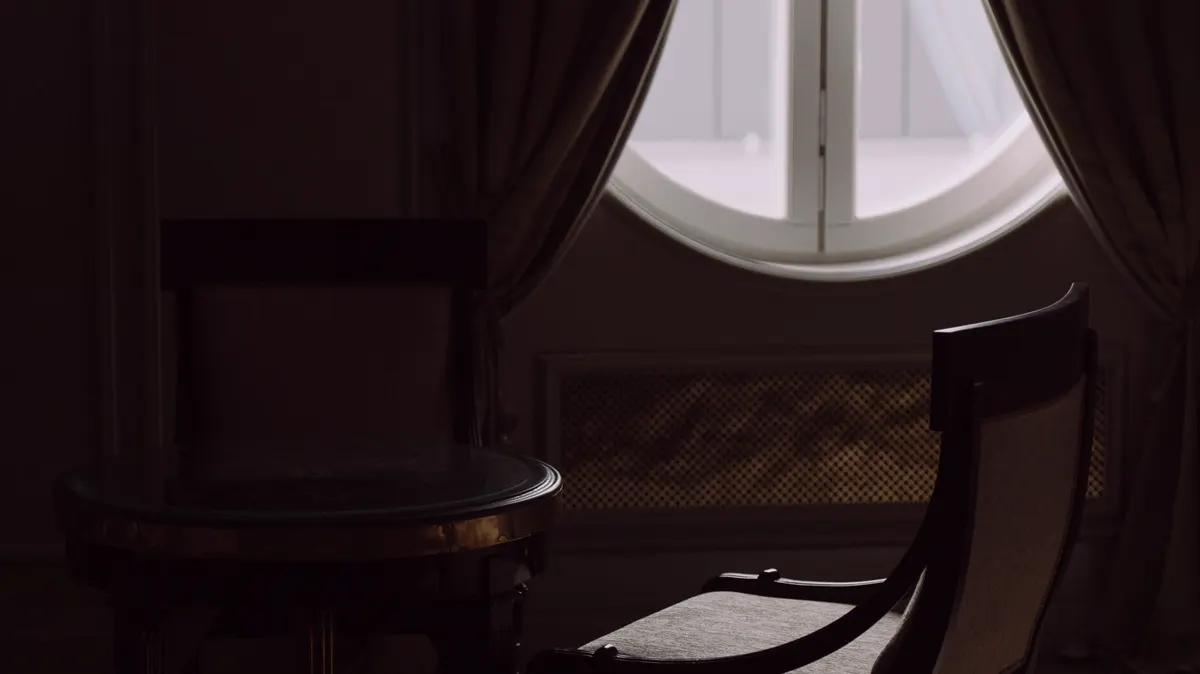
Hotel
Hotel Monopol
A grand Art Nouveau hotel by the opera with a rooftop terrace over the old town and a spa pool.

Restaurant
Konspira
A themed restaurant on Solny Square recalling the Solidarity underground, with solid Polish home cooking.
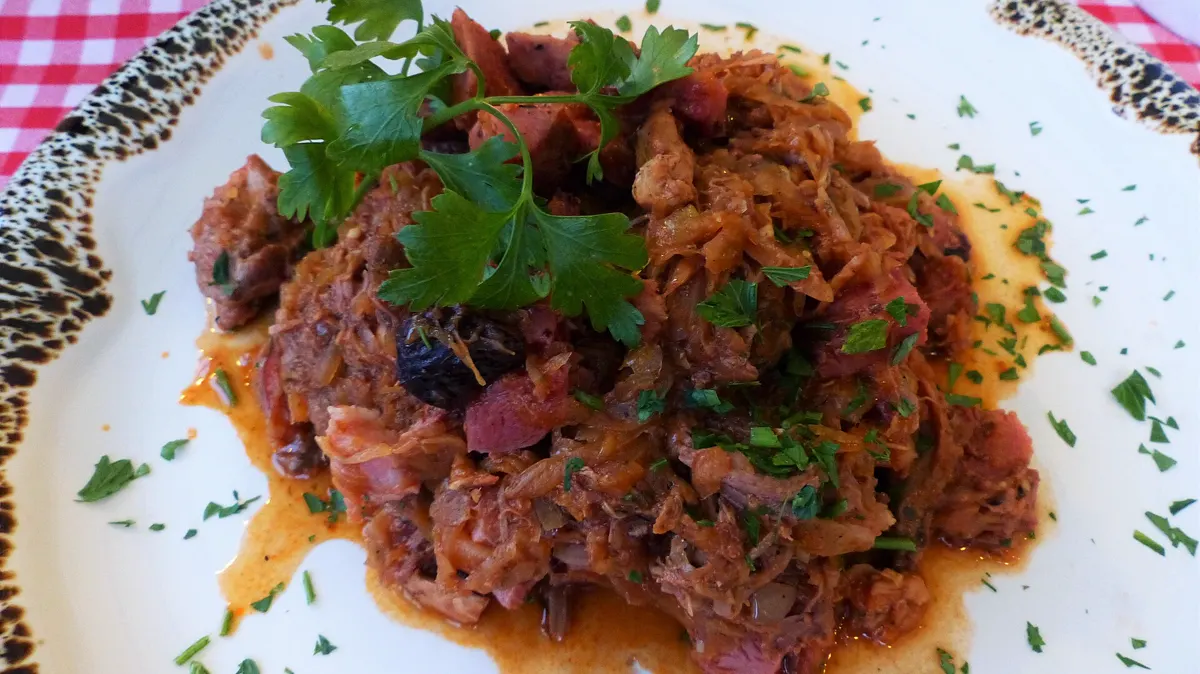
Restaurant
Kurna Chata
A rustic timber room near the Market Square doing filling regional dishes.
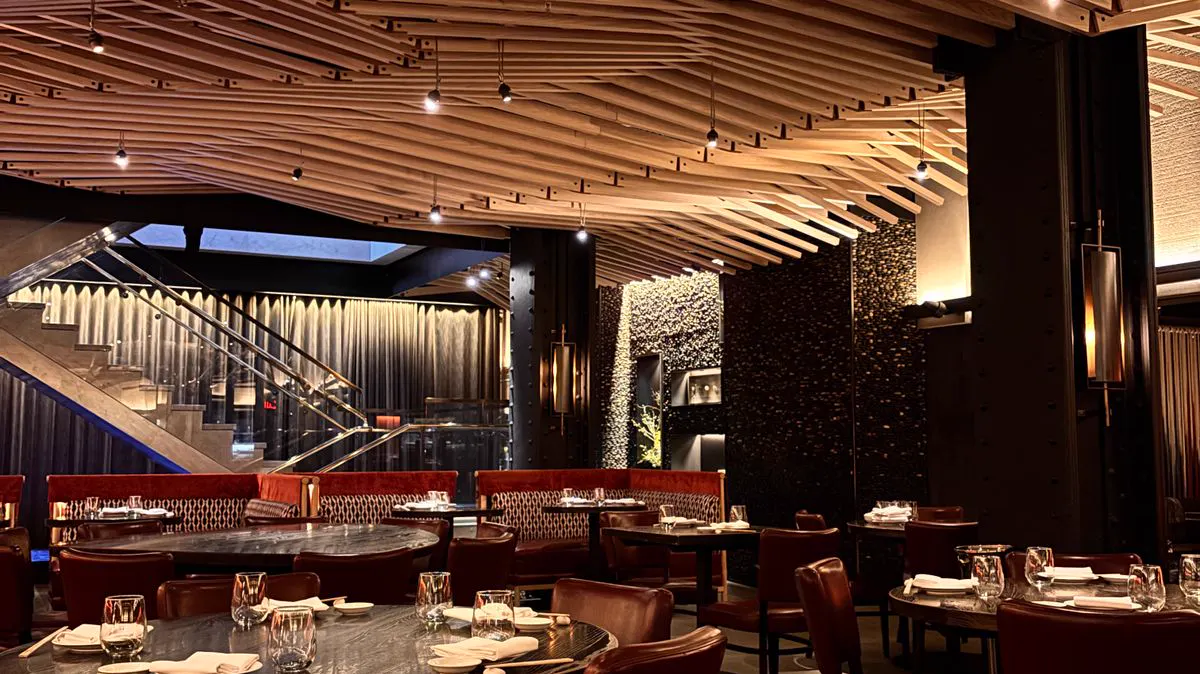
Restaurant
Bar Mis
A classic milk bar (bar mleczny) serving cafeteria-style Polish staples such as pierogi, nalesniki, and soups at very low prices. Cash-friendly and popular with students and locals.
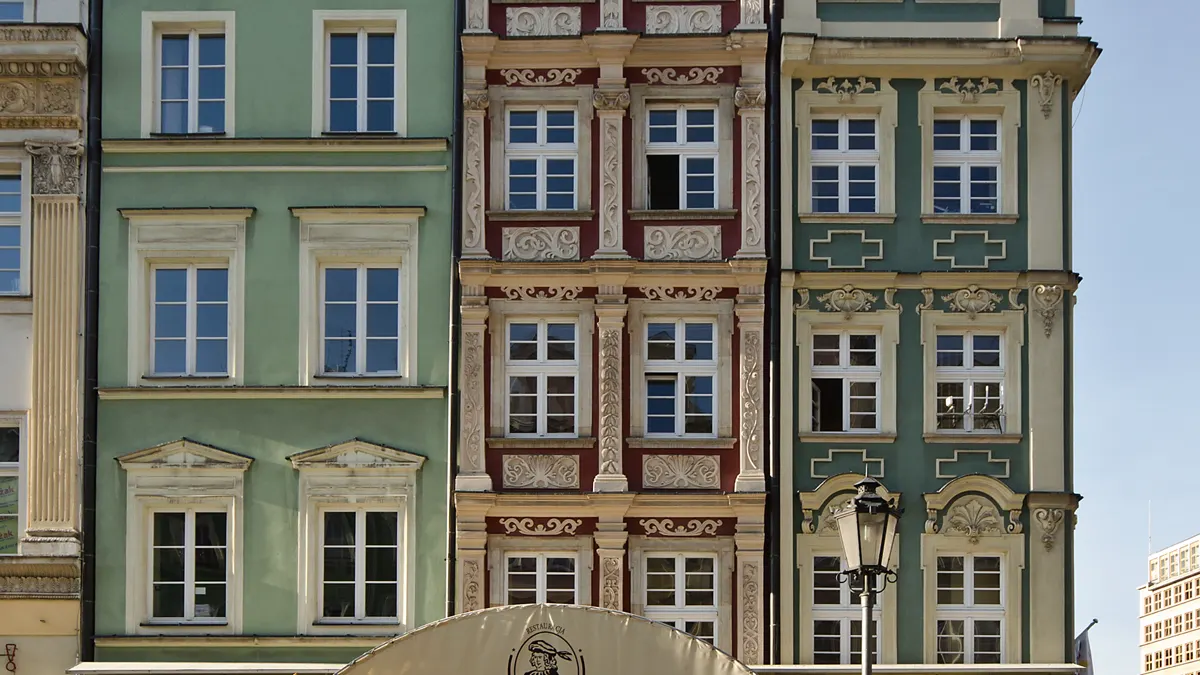
Hotel
PURO Wroclaw Stare Miasto
A design hotel steps from the Market Square with a buzzy ground-floor bar.