Nature in Warsaw
Lazienki Park
Warsaw's largest park, a landscaped royal garden with a palace on an island, peacocks and free Chopin concerts in summer.
Reviewed and updated July 2026
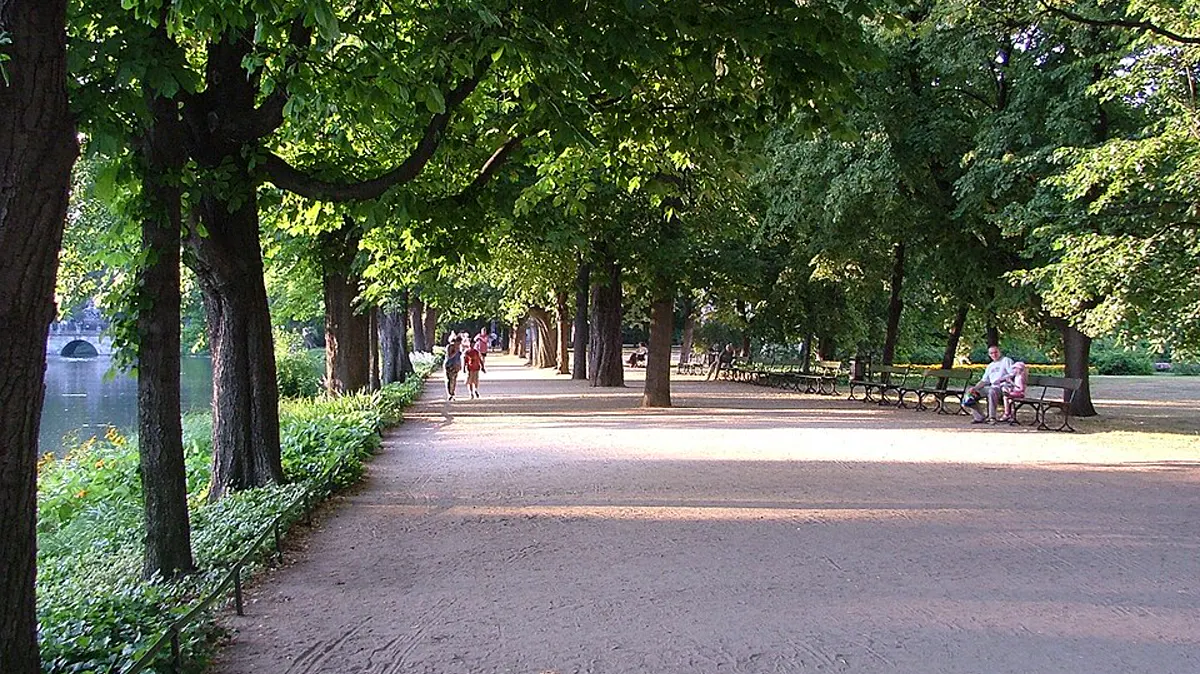
Lazienki, the Royal Baths Park, is the largest park in Warsaw and one of the finest landscaped gardens in the country. It was laid out in the eighteenth century as the summer residence of King Stanislaw August Poniatowski, Poland's last monarch, and it still combines formal gardens, woodland, water and a scatter of pavilions and palaces along the Royal Route.
Why visit Lazienki Park
It is central Warsaw's best place to slow down. The grounds are free and open, the paths are wide, and there is enough to see, from the palace on its lake to peacocks on the lawns, to fill a relaxed couple of hours at no cost. In summer it is also a place to hear live music.
What to see in the park
The set pieces are spread across the park:
- The Palace on the Isle, the neoclassical residence of the last king, set across a narrow lake.
- The Amphitheatre on the water, with a stage modelled on a classical ruin.
- The Old Orangery, which holds an eighteenth-century court theatre.
- The Chopin Monument, an Art Nouveau bronze by Waclaw Szymanowski, under which free piano recitals are held on Sunday afternoons in summer.
Peacocks, red squirrels and waterfowl move freely through the grounds.
The royal garden's history
The land became a royal park under Stanislaw August in the second half of the eighteenth century, when a modest bathing pavilion was rebuilt into the Palace on the Isle and the surrounding gardens were designed as a coherent whole. The park has been open to the public for generations and remains a working royal museum estate.
How long to spend
Give the park at least an hour to walk, and two or three hours if you add the palace interiors and stop for the music in summer. It is easy to spend a half-day here on a fine day.
Best time to visit Lazienki
Late spring to early autumn is the park at its best, when the gardens are in leaf and the Chopin concerts run on Sunday afternoons from May to September. Weekday mornings are quietest. Autumn colour is good, and even in winter the paths and peacocks make a walk worthwhile.
Getting to the park
The park lies along the Royal Route south of the centre, within reach of the Old Town on foot or a short bus or tram ride. Several entrances open off the Ujazdowskie and Agrykola avenues. For transport across the city, see the Warsaw guide.
Accessibility in the park
The main alleys are wide and mostly firm, which makes much of the park manageable with wheels, though some side paths are gravel or uneven. The palace interiors have some steps, so check access details before a visit.
Around Lazienki
Lazienki sits on the line of the Royal Route and pairs with other green and grand sights:
- Wilanow Palace, sometimes called the Polish Versailles, a little further south.
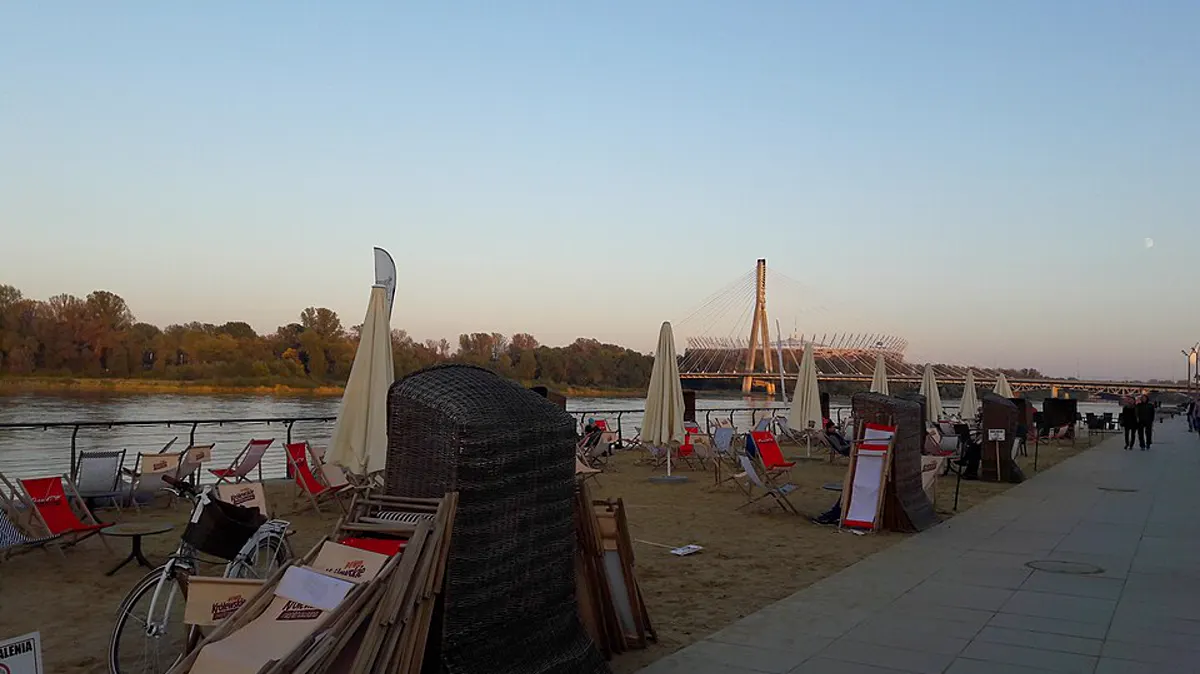
- The Vistula Boulevards, the riverfront promenade to the east.
- Pole Mokotowskie, a large everyday park nearby.
Good to know
The park grounds are free and open from dawn until dusk. Only the palaces and pavilions are ticketed, and the Sunday Chopin concerts in summer are free to attend. Check the official Lazienki site for interior hours and the concert dates.
Common questions
Is Lazienki Park free?
Yes. The park and gardens are free and open daily. You only pay to go inside the palaces and pavilions.
When are the Chopin concerts?
Free piano recitals are held at the Chopin Monument on Sunday afternoons from May to September, usually at midday and again later in the day.
How long should I spend?
An hour for a walk, or a half-day if you visit the palace interiors and stay for the music.
Frequently asked questions
More natures in Warsaw
Featured in
More to explore in Warsaw

Restaurant
Nolita
A Michelin Guide-listed kitchen turning Polish produce into precise modern tasting menus.
Hotel
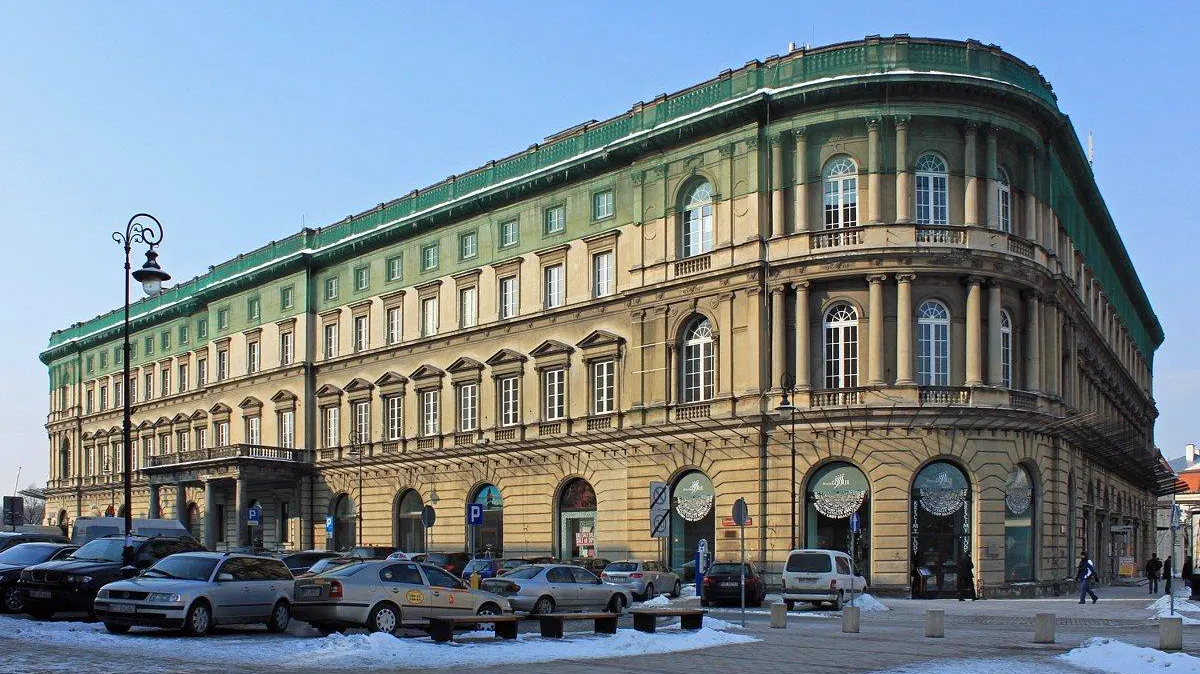
Raffles Europejski Warsaw
A landmark 19th-century hotel on the Royal Route, reborn with a serious art collection.
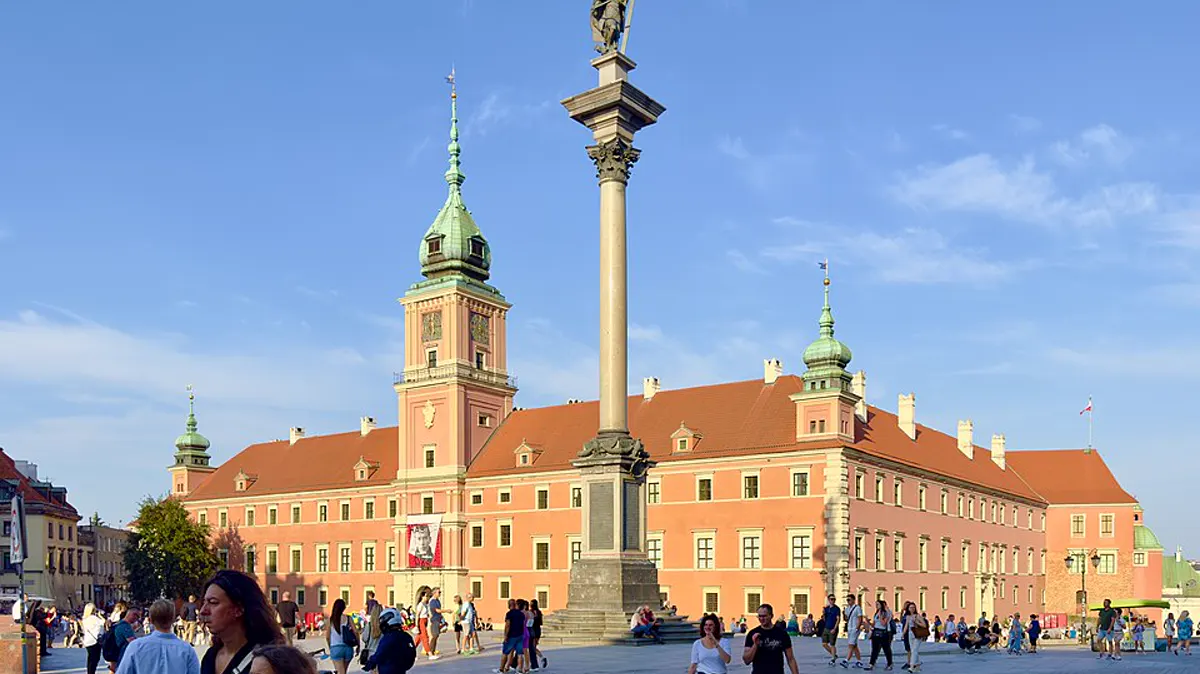
Castle
Royal Castle
The reconstructed seat of Polish kings and parliament on Castle Square, rebuilt from rubble after wartime destruction.
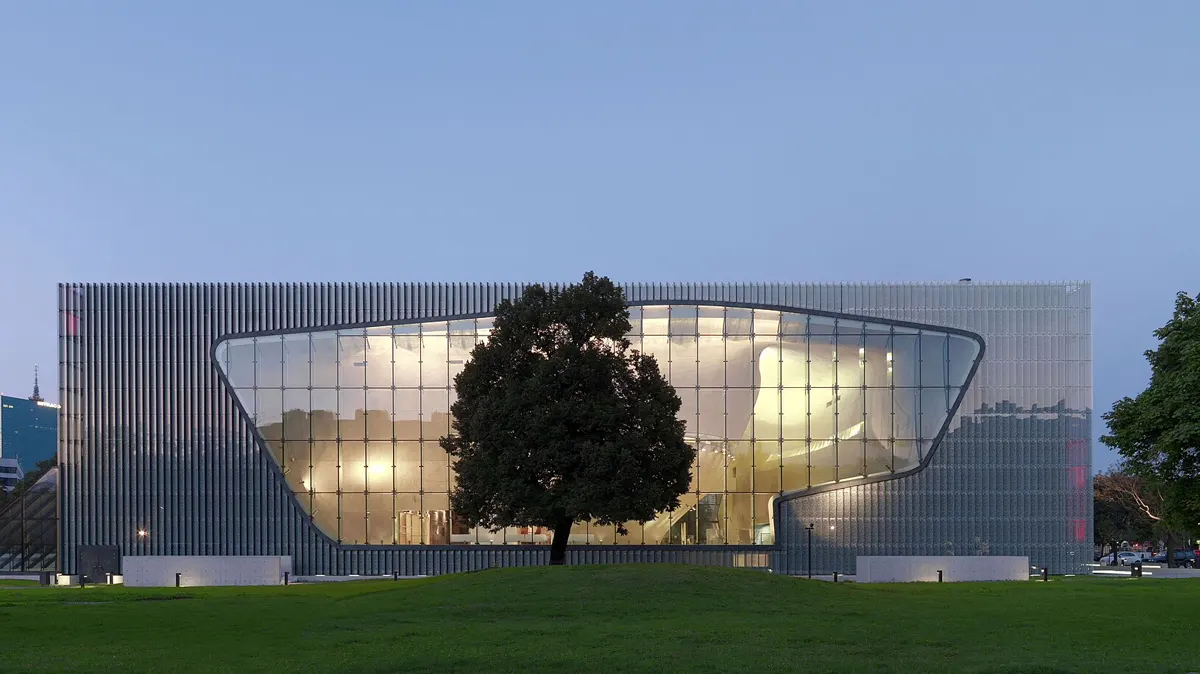
Museum
POLIN Museum of the History of Polish Jews
An award-winning museum tracing a thousand years of Jewish life in Poland, on the site of the former Warsaw Ghetto.
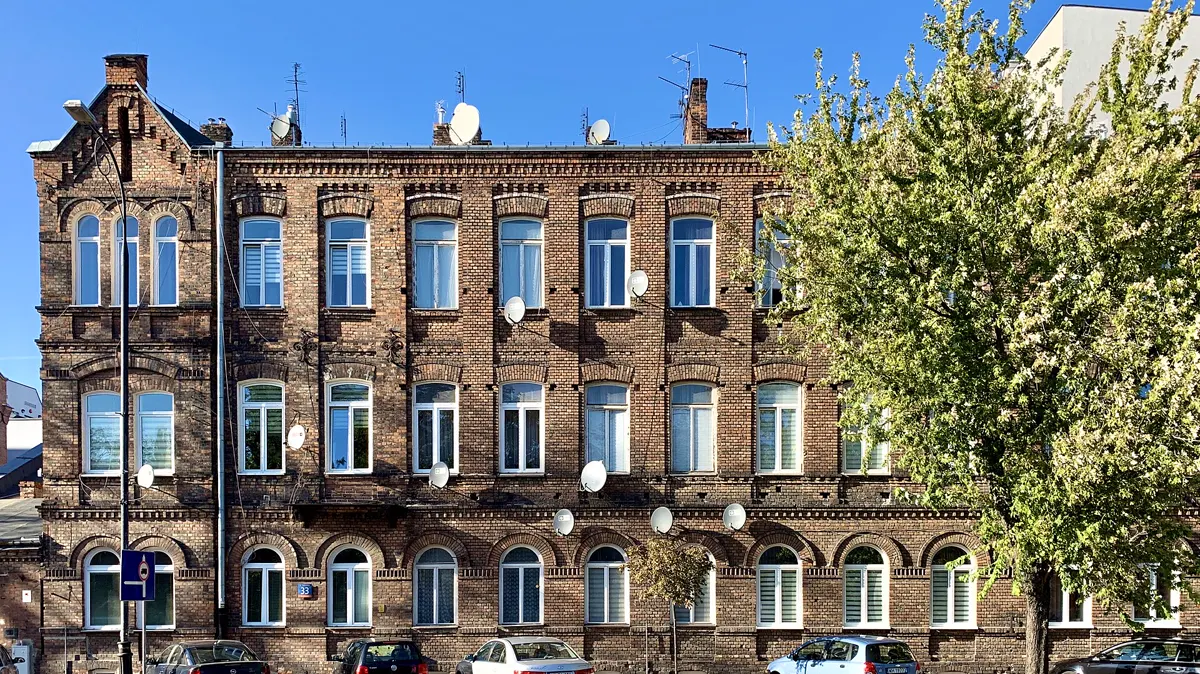
Attraction
Praga District
Praga is Warsaw's district on the eastern bank of the Vistula, one of the few areas to survive the war intact, now a centre for artists, galleries and nightlife set among genuine pre-war tenements.
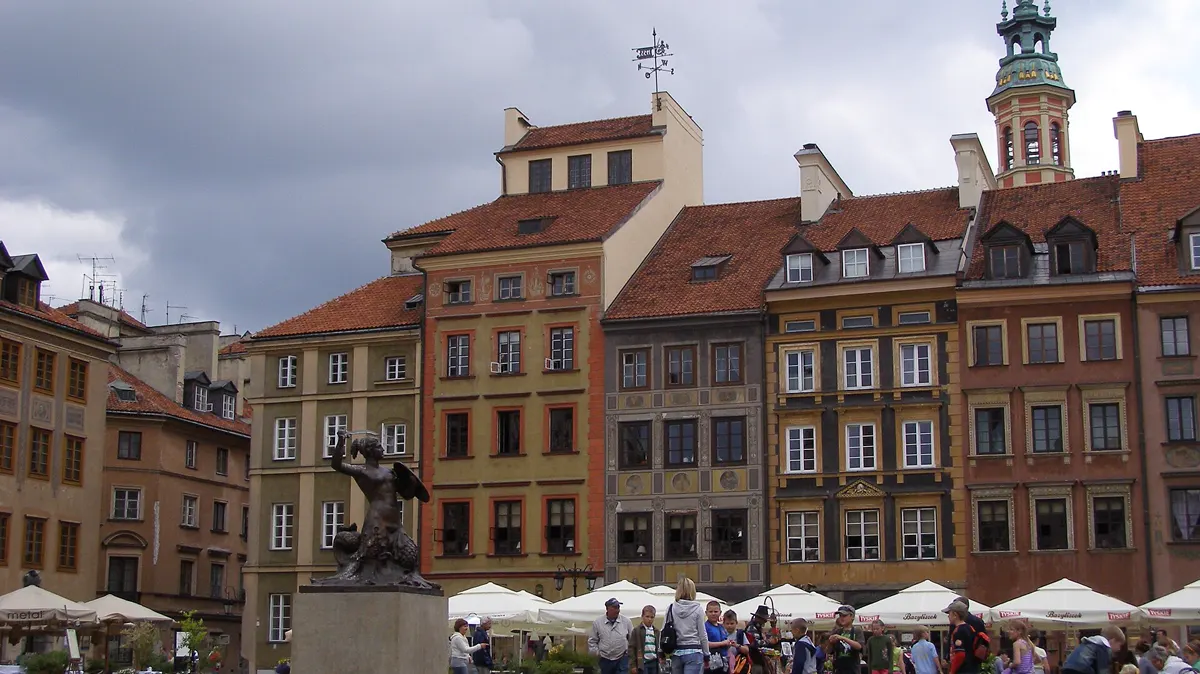
Attraction
Old Town Market Square
The reconstructed heart of Warsaw Old Town, a UNESCO-listed feat of post-war rebuilding ringed by colourful townhouses.