Attractions
Attractions in Poland
The sights worth building a day around.
Poland's attractions run from the medieval market squares of Krakow and Wroclaw to the Wieliczka Salt Mine, the memorial at Auschwitz-Birkenau and the Teutonic castle at Malbork. Each page below covers what the place is, how long to spend and how to get there, grouped by city.
All Attractions in Poland
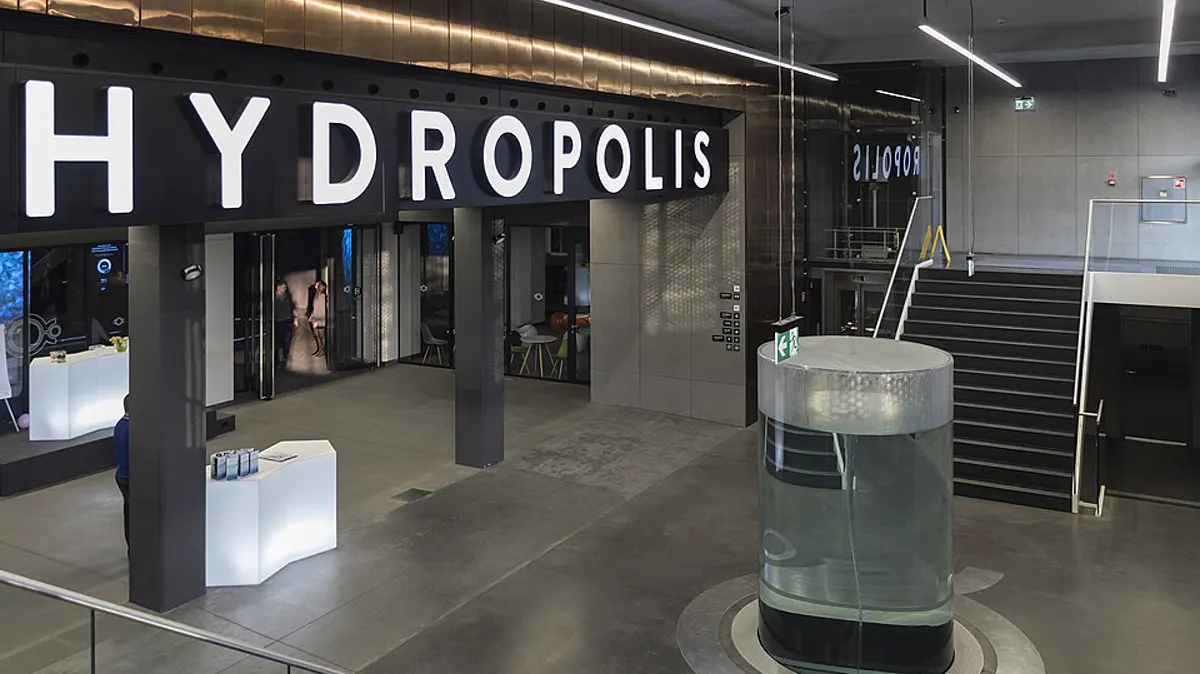
Wrocław
Hydropolis
An interactive science centre devoted entirely to water, set inside a restored 19th-century underground water reservoir. Highlights include a full-scale replica of a deep-sea bathyscaphe.
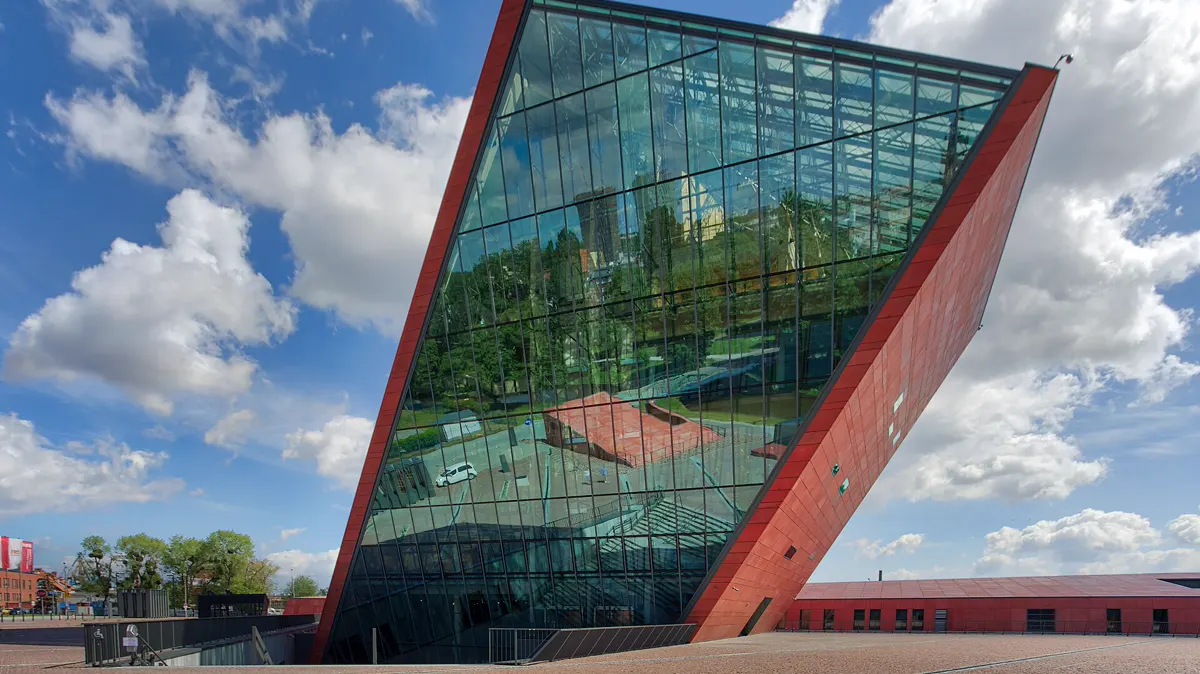
Gdańsk
Muzeum II Wojny Swiatowej
One of the largest museums devoted to the Second World War, housed in a dramatic leaning tower of glass and concrete. Its main exhibition spreads across some 5,000 square metres of underground galleries.
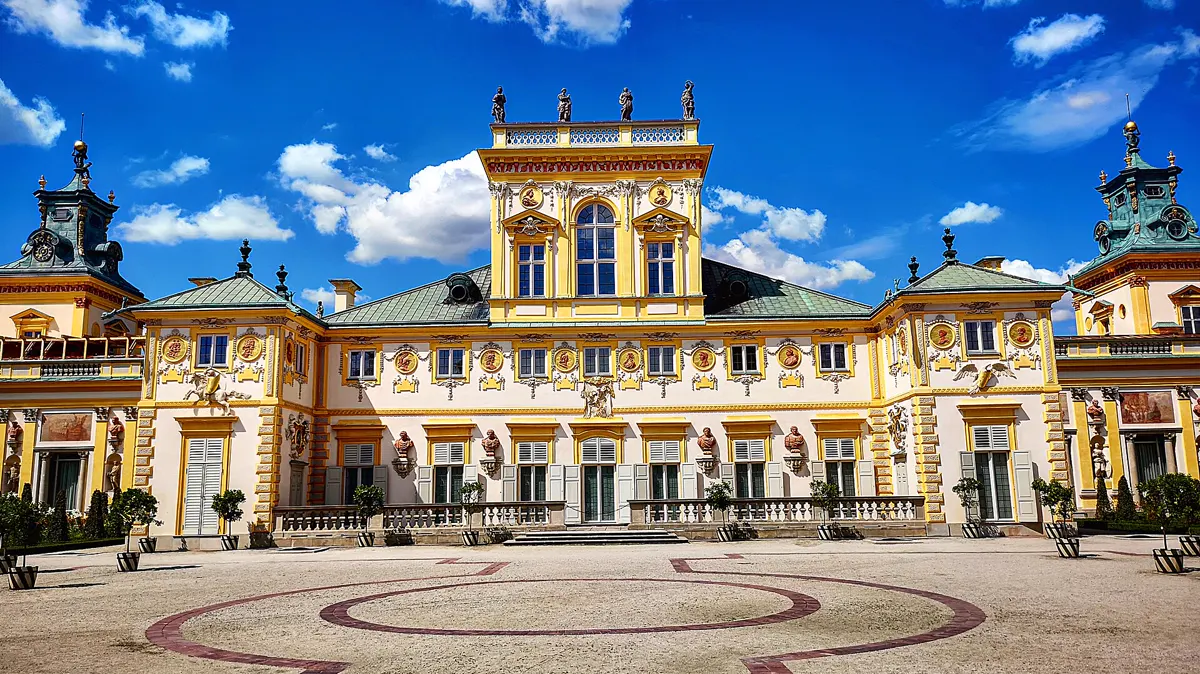
Warsaw
Palac w Wilanowie
Wilanow Palace was the baroque summer residence of King Jan III Sobieski and survived the war intact, earning it the nickname the Polish Versailles. Its formal gardens and gilded interiors draw crowds year round.
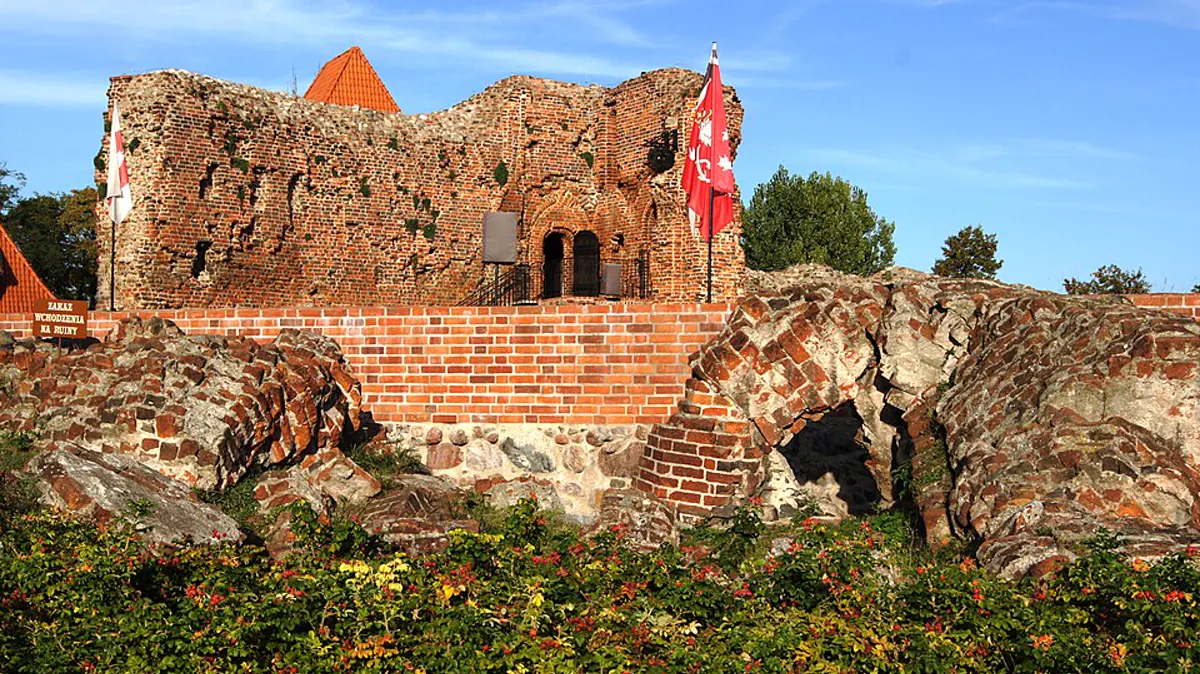
Toruń
Ruiny zamku krzyzackiego
The ruins of the Teutonic Knights' castle, the order's first stronghold in the Chelmno Land, were destroyed by townspeople in a 1454 revolt. The preserved gdanisko tower and cellars can be explored today.
Sopot
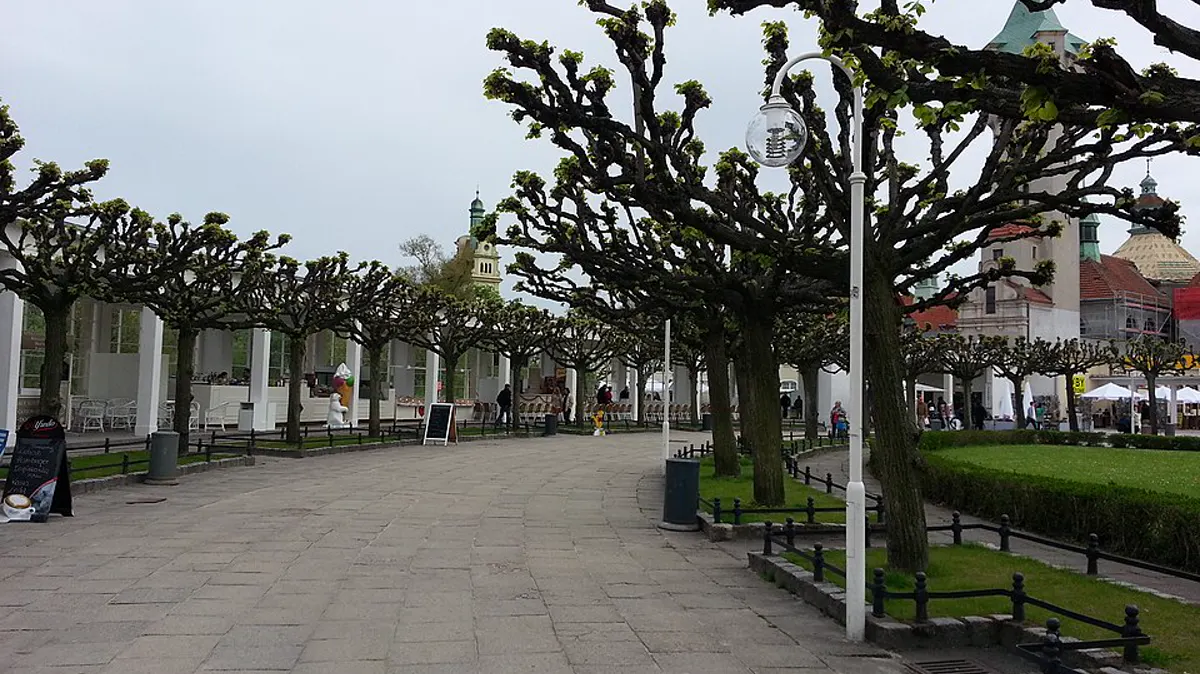
Skwer Kuracyjny
The Spa Square is the landscaped plaza at the foot of the pier, framed by fountains, flowerbeds and the resort's grand buildings. It is the natural meeting point where Monciak, the beach and the molo all converge.
Lublin
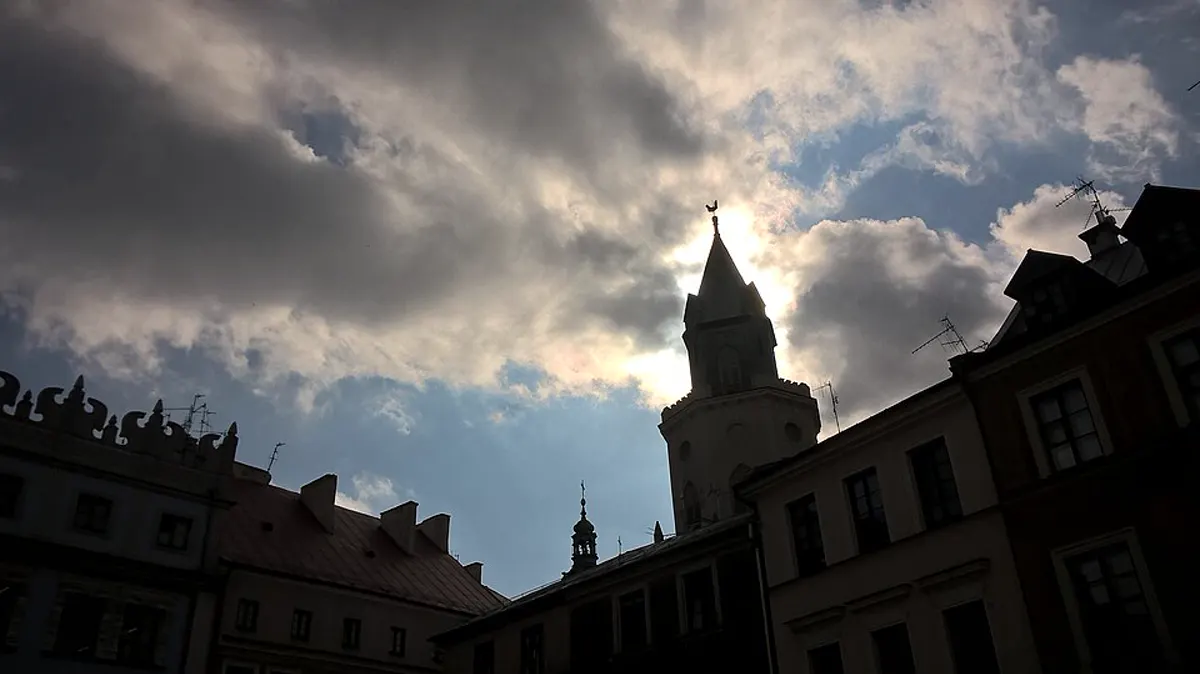
Wieza Trynitarska
The tallest tower in the Old Town, the neo-Gothic Trinitarian Tower offers a viewing gallery with panoramas over the rooftops and houses the Archdiocesan Museum.
Poznań
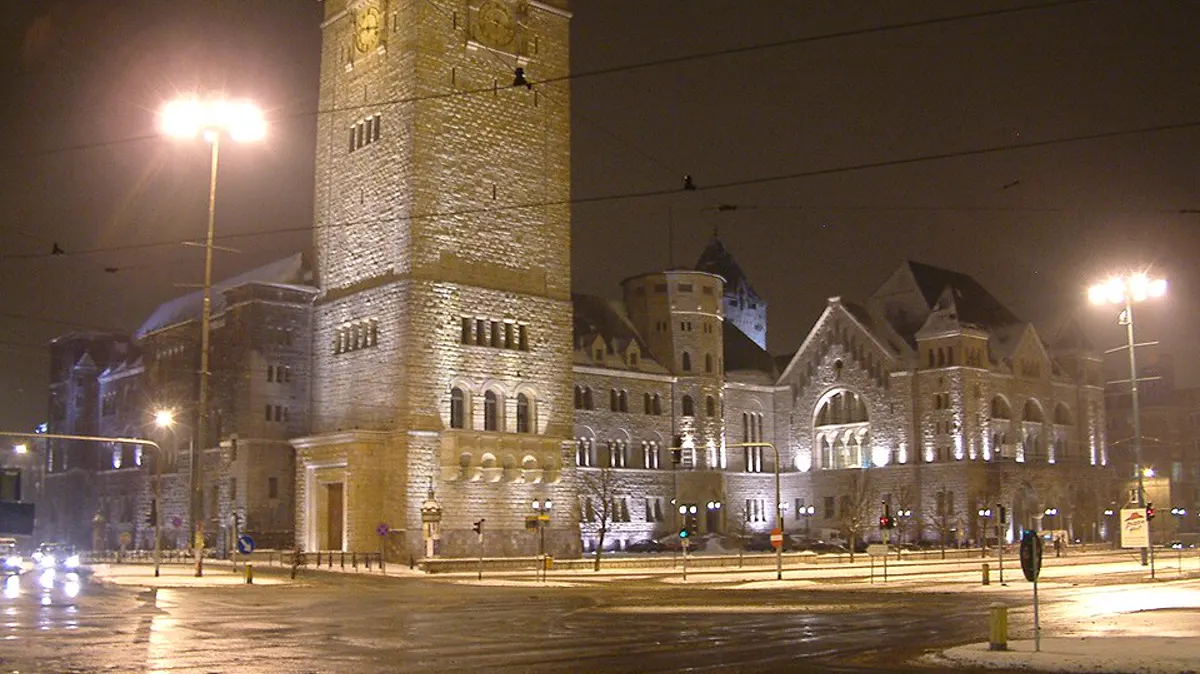
Zamek Cesarski
Built for Kaiser Wilhelm II in the early 20th century, this imperial castle is one of Europe's youngest royal residences. It now serves as a cultural centre and preserves Hitler's unfinished study from the wartime years.
Lublin
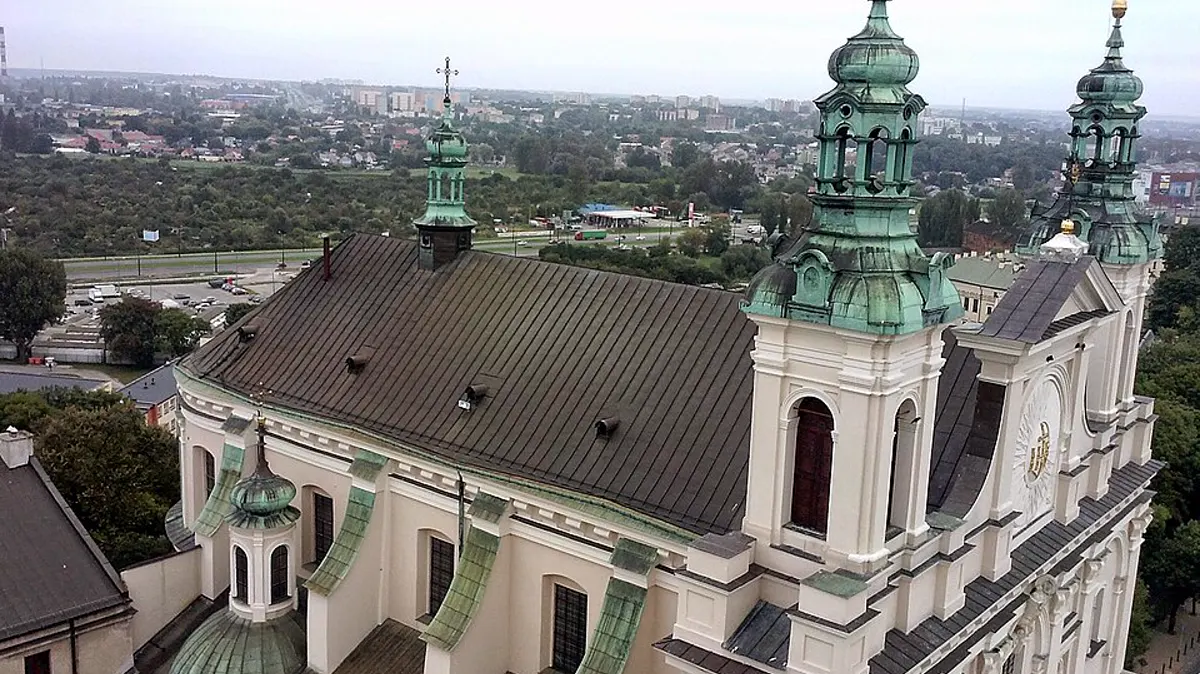
Katedra sw. Jana Chrzciciela
The former Jesuit church is Lublin's cathedral, famous for its Baroque trompe-l'oeil frescoes by Josef Mayer and an acoustic Whispering Sacristy.
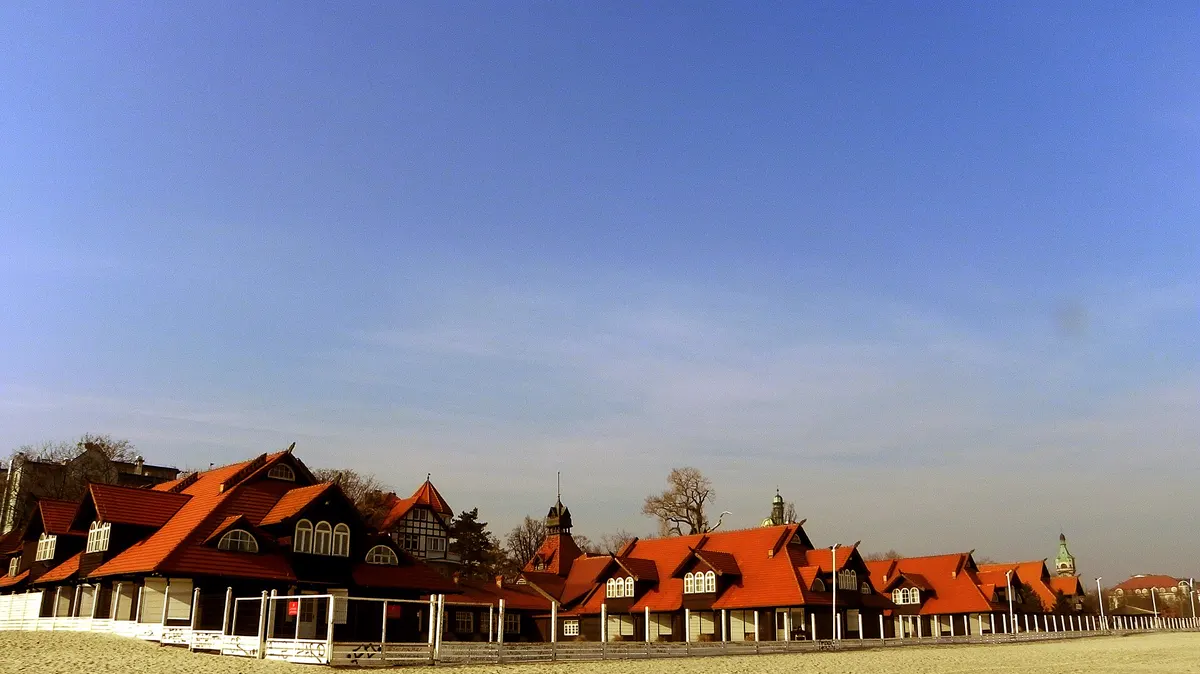
Sopot
Lazienki Poludniowe
These historic Southern Baths house the town's public seaside bathing complex, complete with a heated open-air seawater pool overlooking the beach. The building's wooden bathhouse character recalls Sopot's early spa heritage.
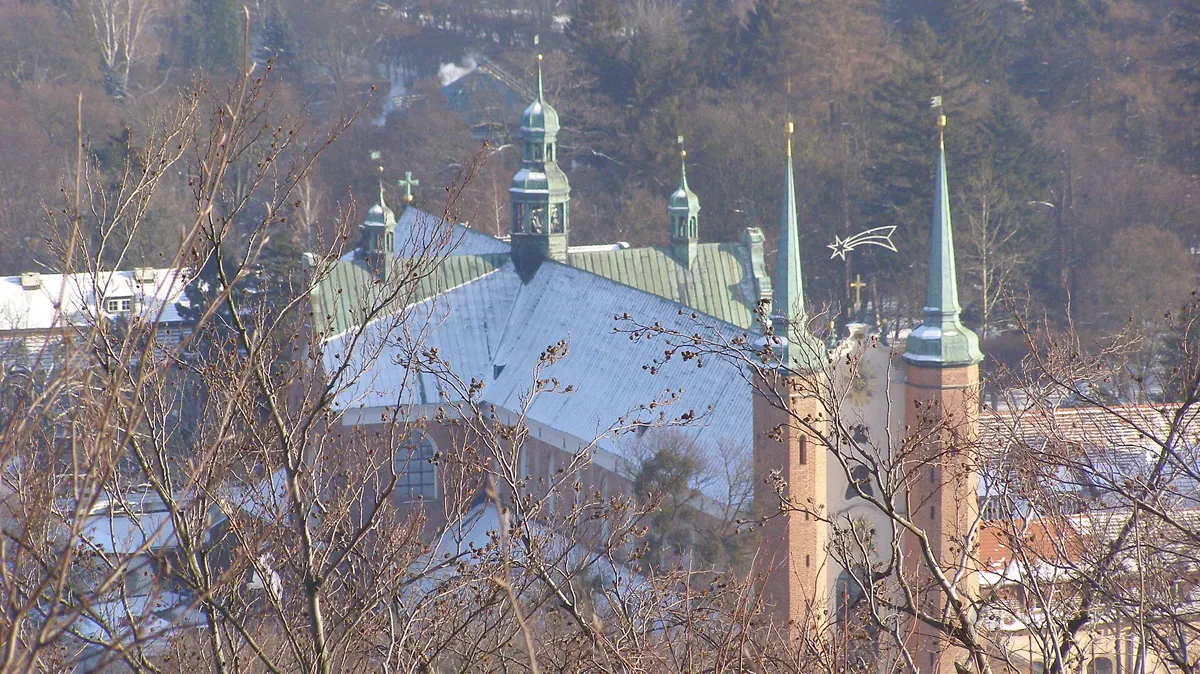
Gdańsk
Oliwa
A leafy district north of the centre known for its Oliwa Cathedral and famous 18th-century organ, whose animated figures move during daily recitals. The adjoining Oliwa Park is a tranquil landscape garden with a palm house.
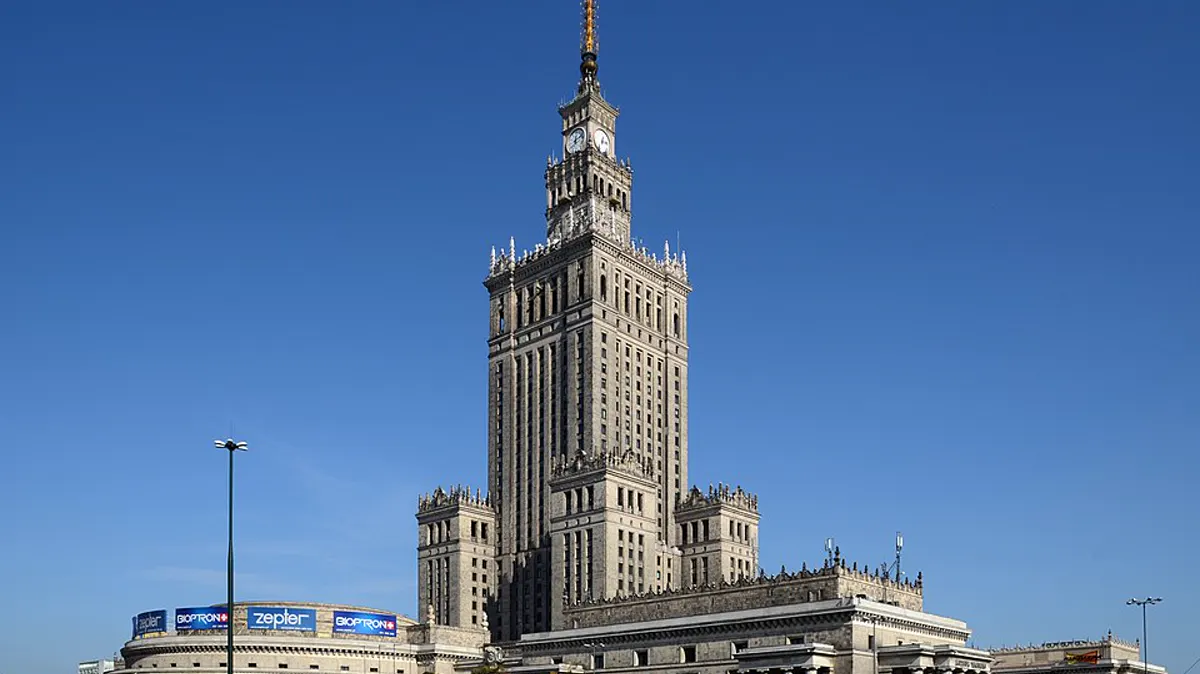
Warsaw
Palac Kultury i Nauki
The Palace of Culture and Science is Poland's tallest building at 237 metres, a Stalinist gift from the Soviet Union completed in 1955. Its 30th-floor terrace offers the best panorama of the modern skyline.
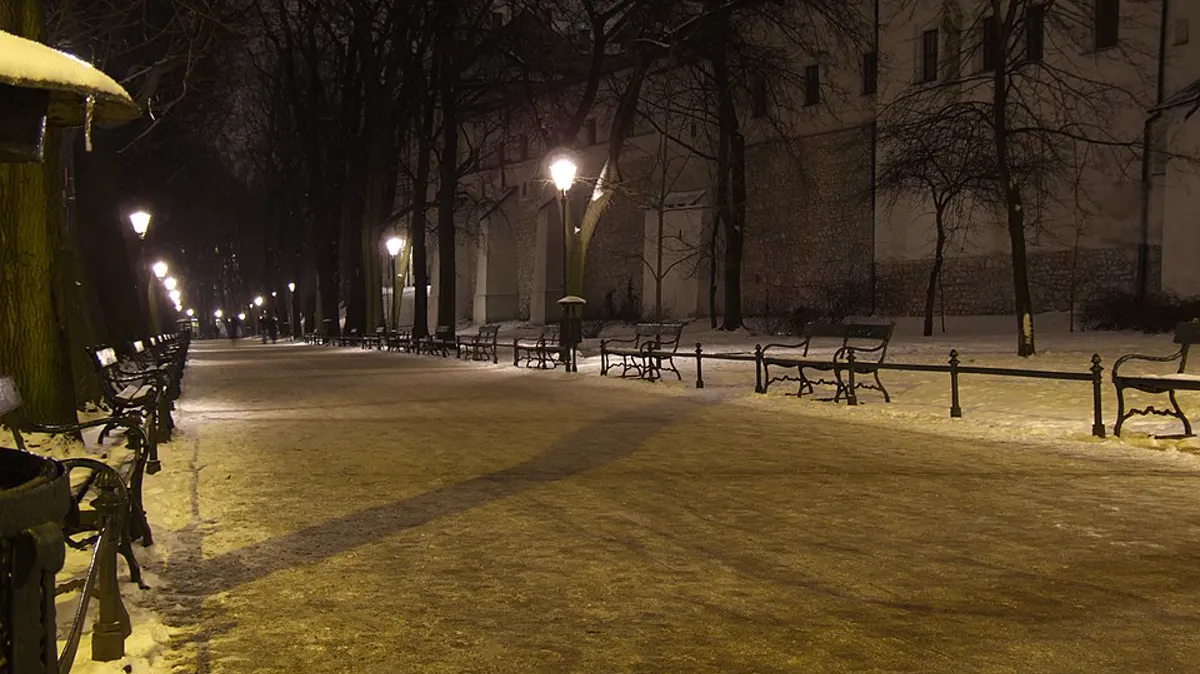
Kraków
Planty
A green ring of parkland encircling the Old Town, laid out in the early 19th century where the medieval city walls once stood. The shaded path of roughly four kilometres links most of the historic sights on an easy walk.
Poland fits a lot into one country: medieval market squares, a salt mine carved into underground chapels, the memorial at Auschwitz-Birkenau, mountain trails and a long Baltic coast. Seventeen places hold UNESCO World Heritage status, and most of the headline attractions cluster around the cities you are likely to base yourself in, so a first trip rarely means long transfers.
Top attractions in Krakow, Warsaw and Gdansk
Krakow has the densest cluster: the Main Market Square, laid out in 1257 and among the largest medieval squares in Europe, the underground Wieliczka Salt Mine, and the Auschwitz-Birkenau Memorial within a day trip. Warsaw rebuilt its Old Town from wartime rubble, Gdansk lines the Motlawa with tall merchant houses, and Wroclaw and Torun keep intact Gothic centres. The mountains around Zakopane and the lakes of Masuria add the outdoor side.
Top places to visit on a first trip
Group attractions by the city you are staying in rather than chasing them across the map. Krakow, Warsaw and Gdansk each reward two or three days and put more sights within an easy day trip. For the classic sights that define the country, see the best viewpoints and our city guides.
Do you need to book tickets in advance
The busiest sites use timed entry, so book Wieliczka and the Auschwitz-Birkenau Memorial ahead, especially in summer. Many state museums have one free day a week. Tickets are good value by European standards; our note on costs in Poland has the typical prices.
Attractions by city
Travel guides
Krakow Golf Cart Tours: The Four Routes, Compared
Four electric cart routes cover the Old Town, Kazimierz, the ghetto in Podgorze and Schind...
Best Castles in Poland
From the Teutonic fortress at Malbork to the royal seats at Wawel and Warsaw, the Polish c...
3 Days in Krakow
A practical three-day plan for Krakow, pairing the Old Town and Wawel with Kazimierz and o...
Things to Do in Krakow
The sights, neighbourhoods and day trips that make Krakow worth several days, ranked by ho...