Attraction in Lublin
Katedra sw. Jana Chrzciciela
The former Jesuit church is Lublin's cathedral, famous for its Baroque trompe-l'oeil frescoes by Josef Mayer and an acoustic Whispering Sacristy.
Reviewed and updated July 2026
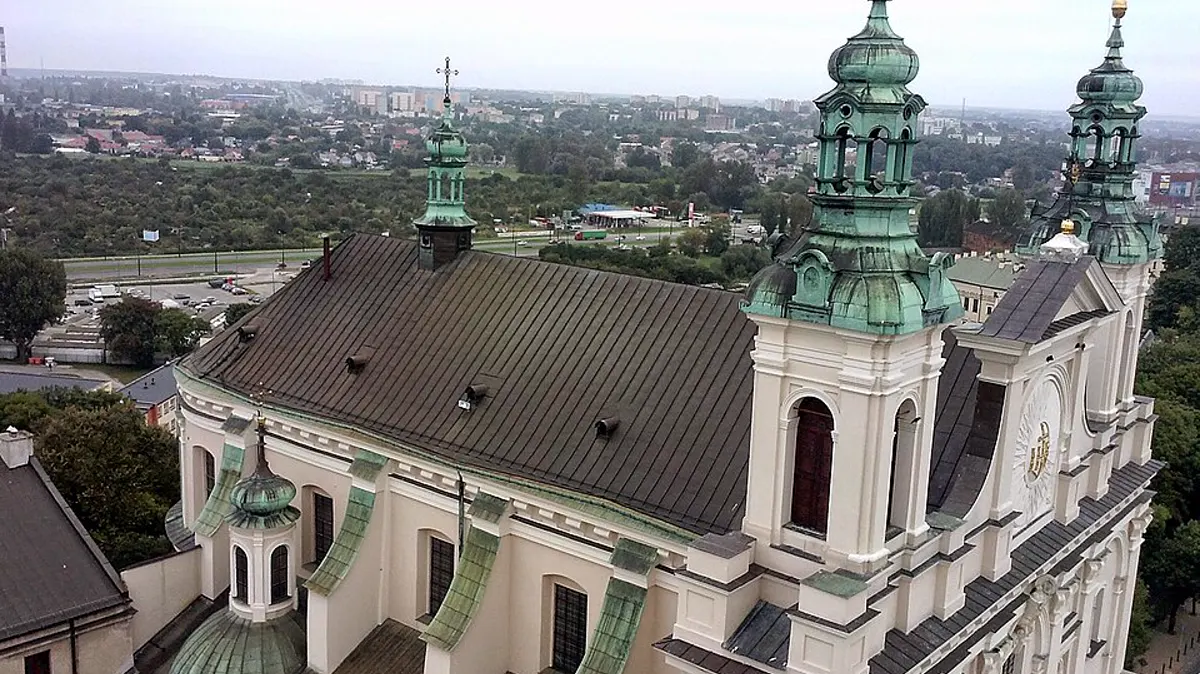
Lublin Cathedral, dedicated to St John the Baptist, was built as a Jesuit church and became the city's cathedral in the 19th century. It is the largest Baroque interior in the city, and its walls and ceiling are painted with illusionistic frescoes that trick the eye into reading flat surfaces as deep architecture. The paintings are the work of Josef Mayer, court painter to Augustus III of Saxony, and were in place by the 1750s.
Why visit Lublin Cathedral
The trompe-l'oeil painting is the reason to come. Mayer covered the nave with fictive columns, cornices and open skies that look three-dimensional from the floor. Beyond the main church, the cathedral has an acoustic sacristy, a small room where a whisper against one wall carries clearly to the far corner. Together they make one of the most rewarding church interiors in eastern Poland.
History of the cathedral
The church was founded by the Jesuits and grew into the grandest religious building in the town. Mayer painted the illusionistic frescoes in the mid-18th century. When the Jesuit order was suppressed in 1773 the church lost its owners, and in the early 19th century, with the creation of the Lublin diocese, it was chosen as the cathedral. The acoustic sacristy dates from the 1750s and was rebuilt after wartime damage with its sound effect preserved.
The Baroque frescoes to see
Stand under the nave first and let the painted architecture resolve. Then find the acoustic sacristy, where the frescoes carry a theme of the Church prevailing over the Reformation, and test the whisper along the wall. The adjoining treasury holds liturgical objects. Times for the sacristy and treasury can be limited, so ask on arrival.
How long to spend
Half an hour covers the main church. Add fifteen minutes or so for the acoustic sacristy and treasury if they are open when you visit.
Getting to the cathedral
The cathedral stands beside the Trinitarian Tower at the edge of the Old Town, a short walk from the Krakow Gate. It is a working church, so services take priority over sightseeing and dress modestly inside. For the wider centre, see the Lublin guide.
Nearby in the Old Town
The cathedral sits next to several other central sights:
- The Trinitarian Tower, right beside the cathedral, with the best viewpoint in the Old Town.
- The Krakow Gate, a couple of minutes away.
- The Old Town, through the gate to the market square.
Good to know
This is an active cathedral. Visiting hours work around services, and the sacristy and treasury may keep shorter times. Dress modestly and keep quiet during Mass.
Common questions
What is the acoustic sacristy?
It is a room off the cathedral where the shape of the walls carries sound in an unusual way, so a whisper in one corner can be heard clearly in another. It is painted with illusionistic frescoes like the main church.
Who painted the frescoes?
Josef Mayer, a court painter working for Augustus III of Saxony, painted the illusionistic Baroque frescoes in the mid-18th century, before the building became a cathedral.
Frequently asked questions
More attractions in Lublin
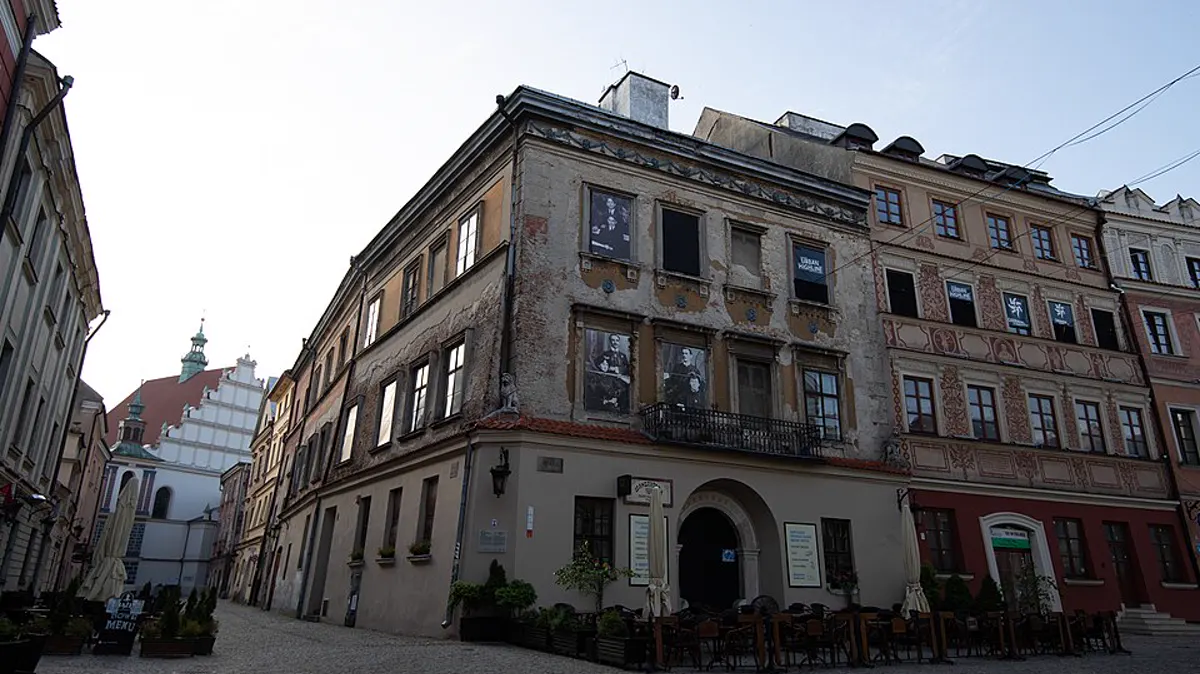
Stare Miasto (Lublin)
Lublin's medieval Old Town winds through narrow lanes and hidden courtyards, with painted Renaissance facades and Rynek square framing the old Trybunal (Crown Tribunal) at its centre.
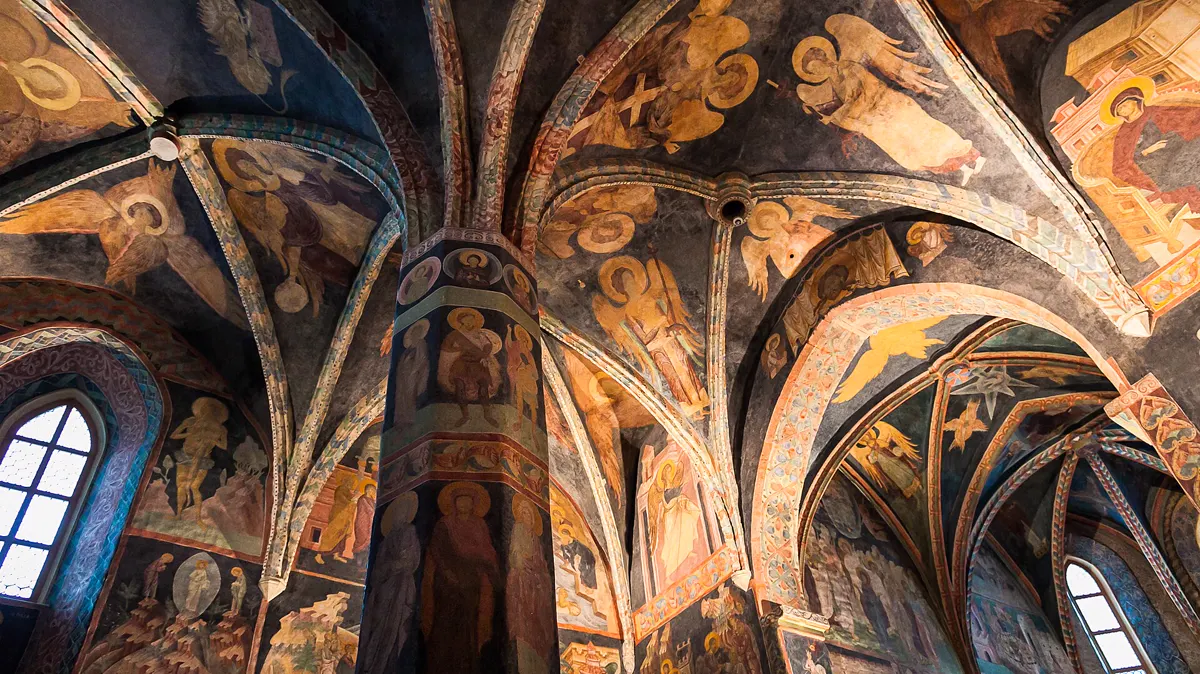
Kaplica Trojcy Swietej
Inside the castle, the Holy Trinity Chapel is covered floor to ceiling with rare Ruthenian-Byzantine frescoes from 1418: Eastern painting under a Western Gothic vault.
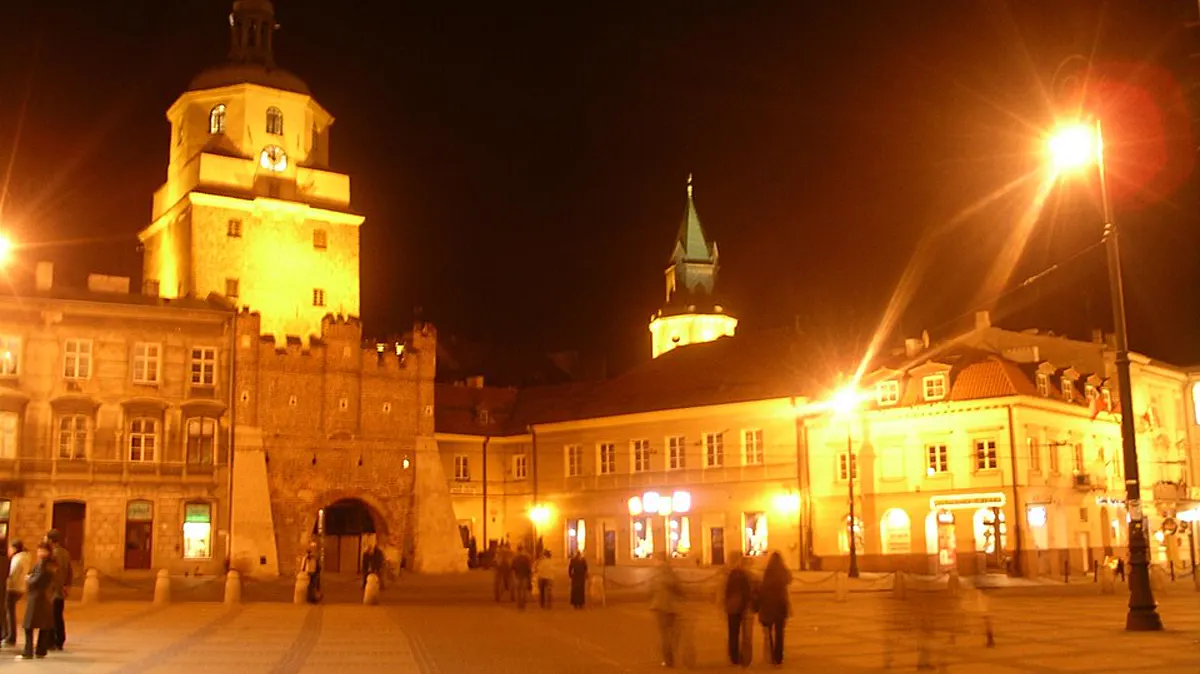
Brama Krakowska
The 14th-century Krakow Gate is Lublin's best-known landmark, a brick tower that guarded the road to Krakow and now houses a small history museum.
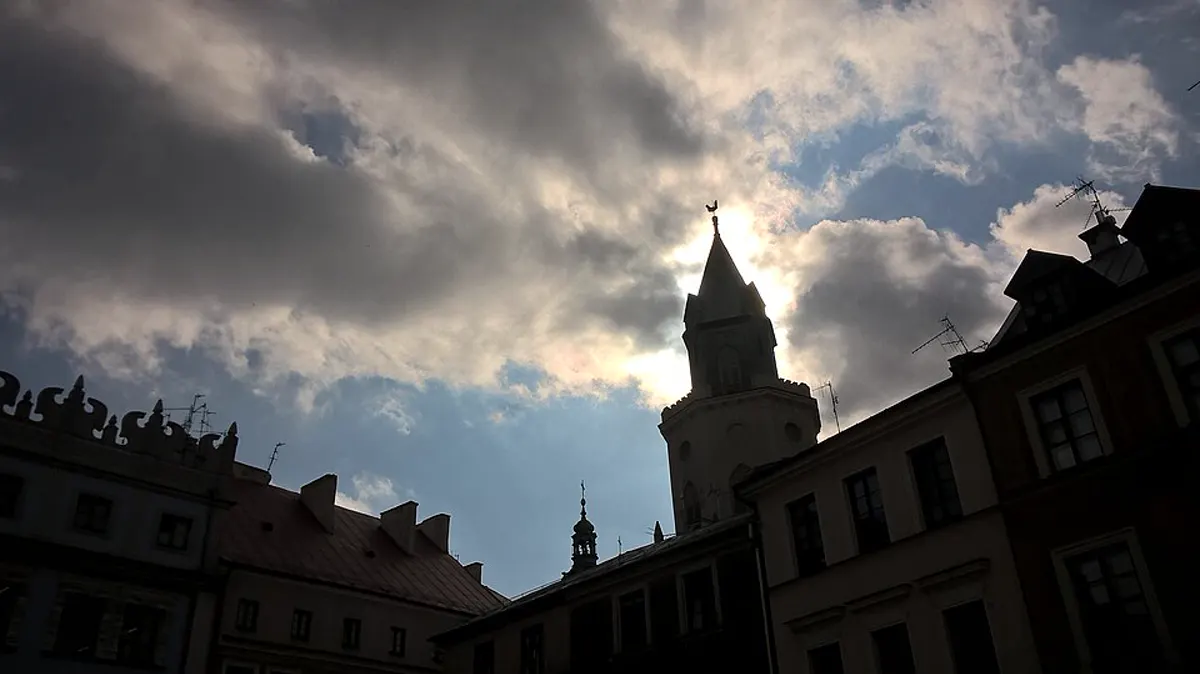
Wieza Trynitarska
The tallest tower in the Old Town, the neo-Gothic Trinitarian Tower offers a viewing gallery with panoramas over the rooftops and houses the Archdiocesan Museum.
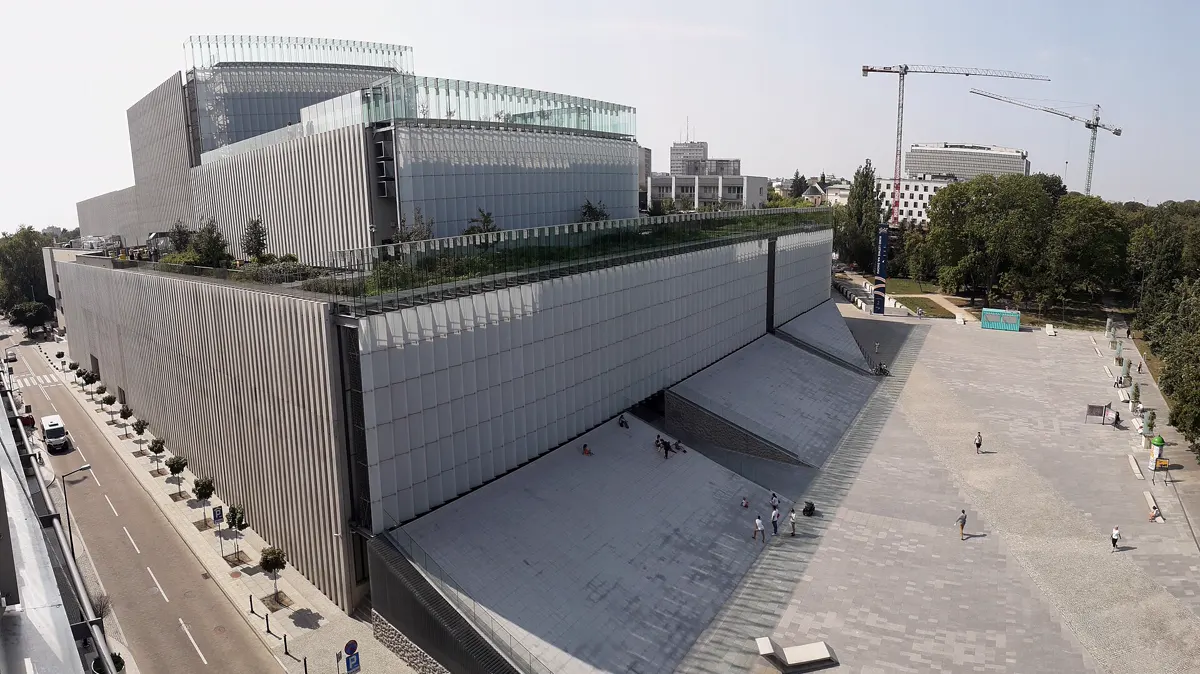
Centre for the Meeting of Cultures
A large modern cultural complex on Theatre Square in Lublin, home to the Musical Theatre, the Lublin Philharmonic and the Hans Christian Andersen Theatre, with a free terraced rooftop garden open to the public.
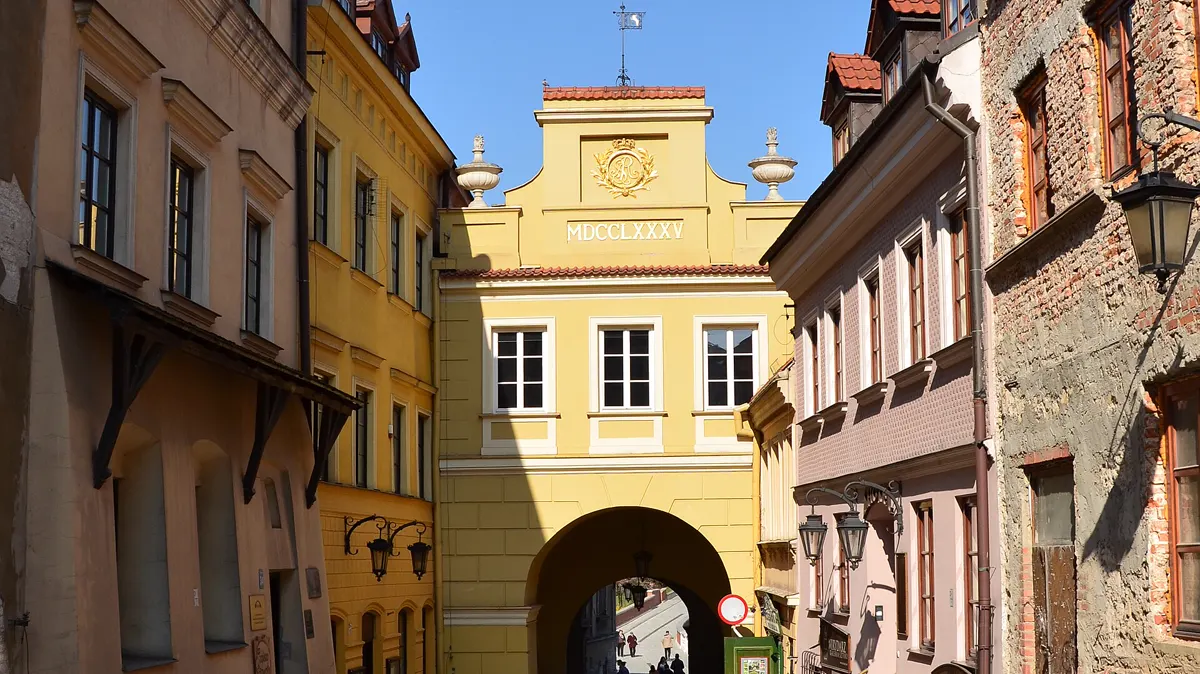
Grodzka Gate, NN Theatre Centre
A municipal cultural institution inside Lublin's 14th-century Grodzka Gate, dedicated to preserving the memory of the city's vanished Jewish community through exhibitions and one of Poland's largest oral-history archives.
Featured in
More to explore in Lublin

Restaurant
Mandragora
A candlelit restaurant on the Old Town market recreating Lublin's pre-war Jewish and Polish cooking.
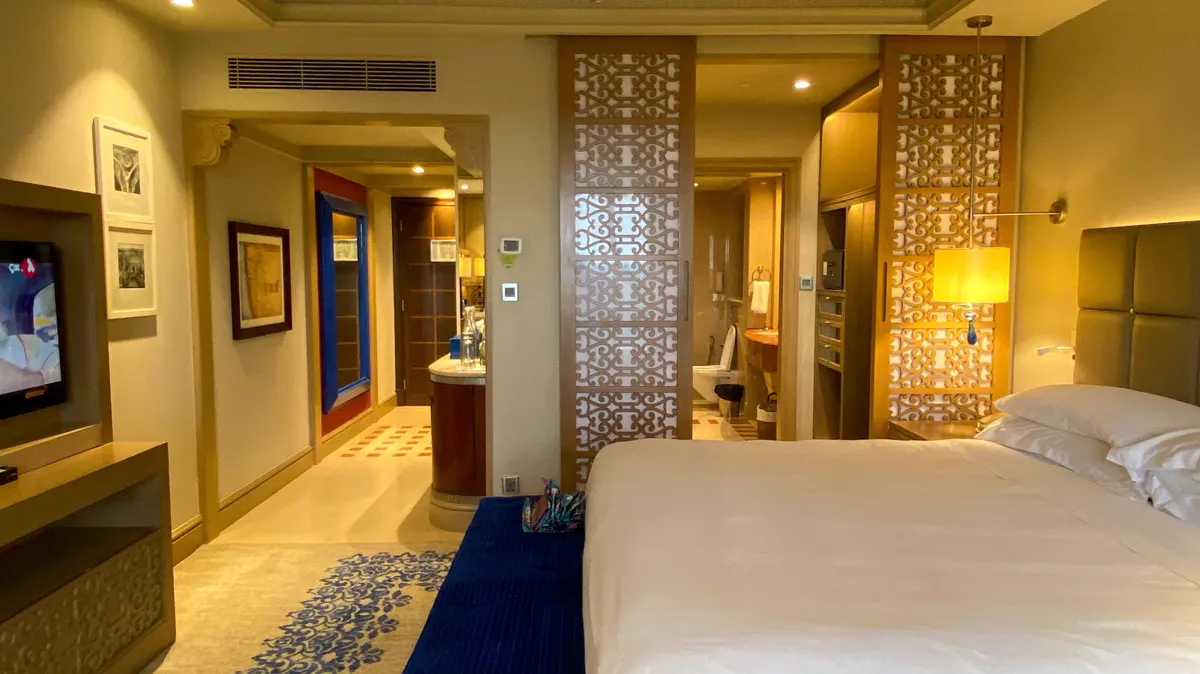
Hotel
Grand Hotel Lublinianka
A restored early-20th-century hotel on the main promenade with a spa in its cellars.
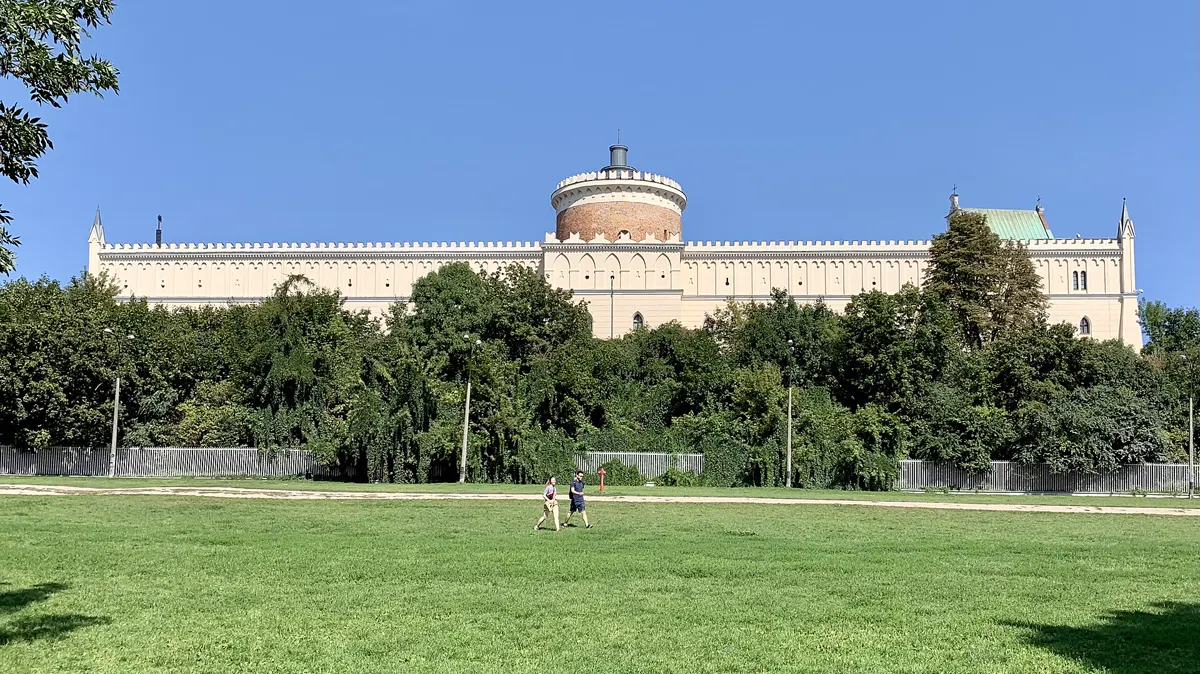
Castle
Lublin Castle
A hilltop castle whose Gothic chapel holds a rare cycle of Byzantine-style frescoes from 1418, the finest sight in the city.
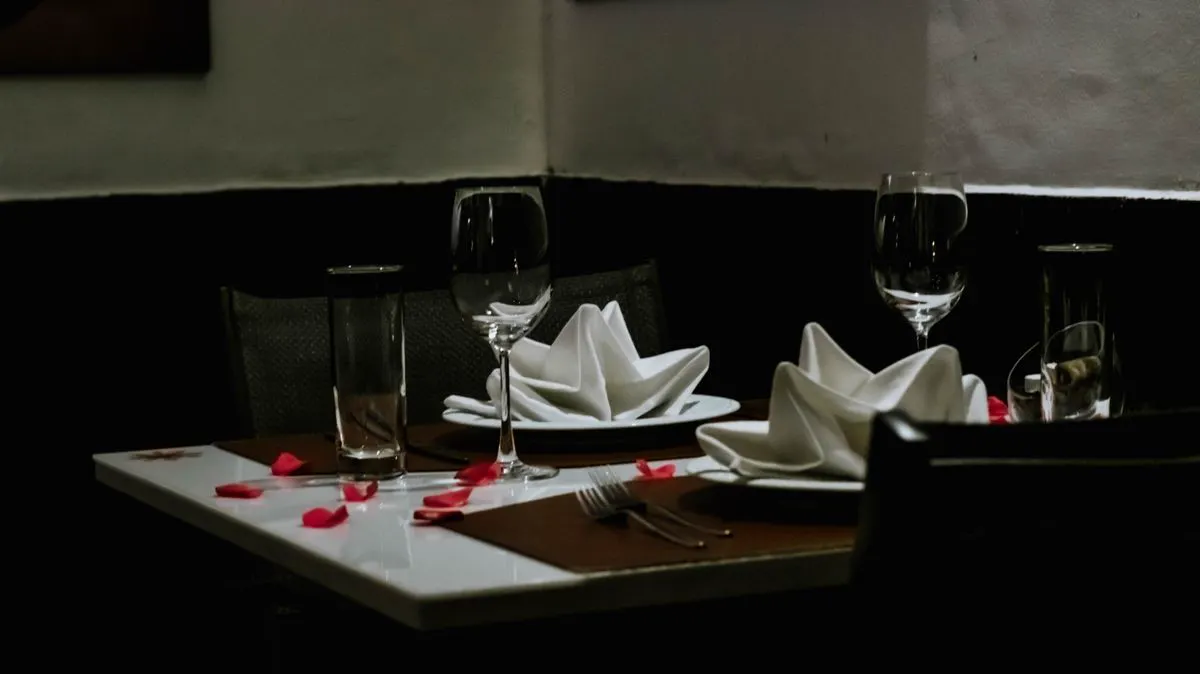
Restaurant
Hades Szeroka
A friendly, good-value spot for Polish plates near the castle.
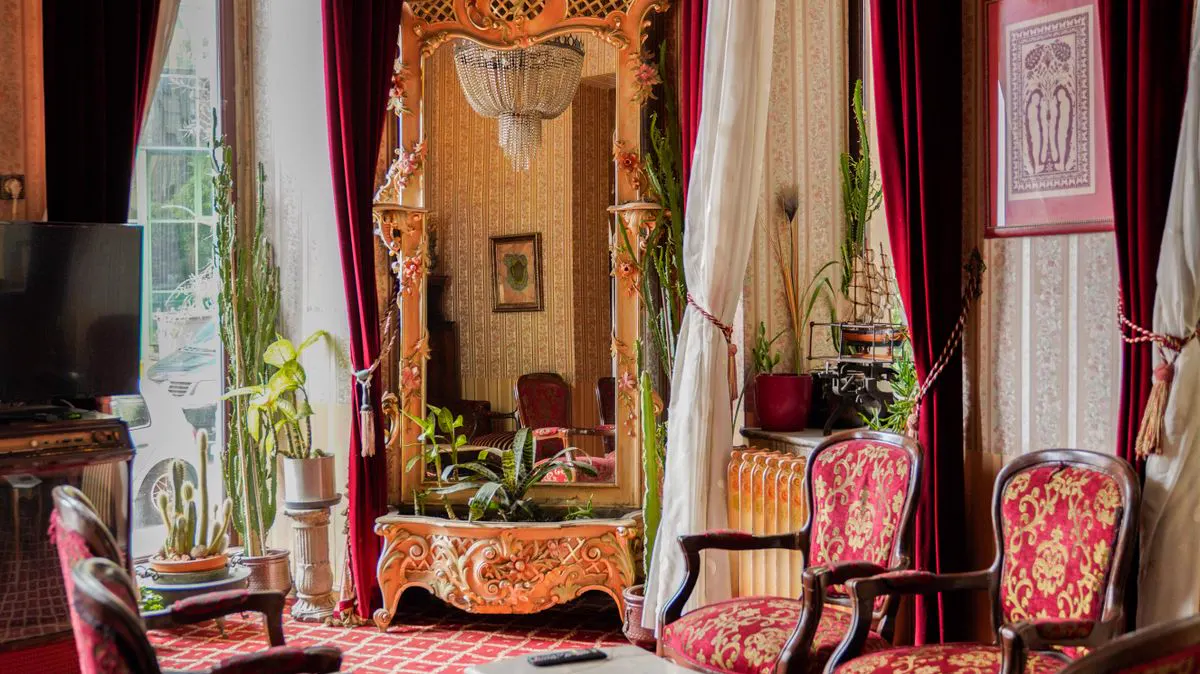
Hotel
Hotel Alter
A design-led five-star in a converted 16th-century tenement on the edge of the Old Town, with exposed brick, a rooftop and a well-regarded restaurant. The most stylish stay in the centre.
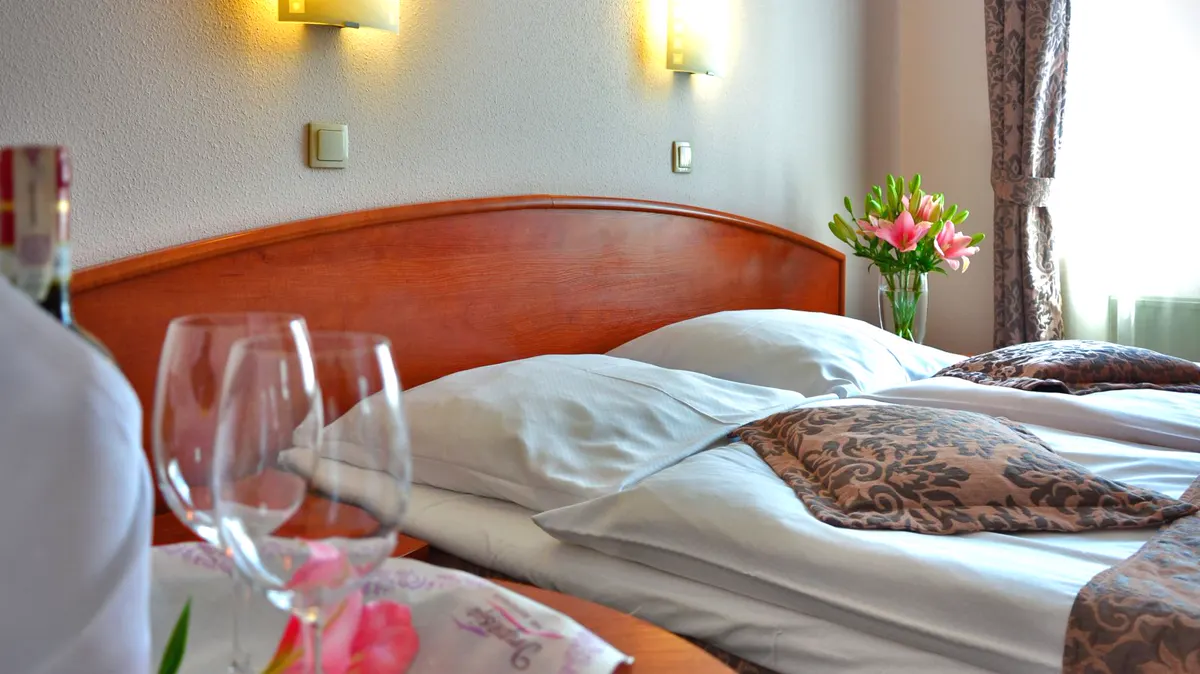
Hotel
Hotel Vanilla
A colourful boutique hotel a step off the Old Town with a well-liked restaurant.