Attraction in Poznań
Zamek Cesarski
Built for Kaiser Wilhelm II in the early 20th century, this imperial castle is one of Europe's youngest royal residences. It now serves as a cultural centre and preserves Hitler's unfinished study from the wartime years.
Reviewed and updated July 2026
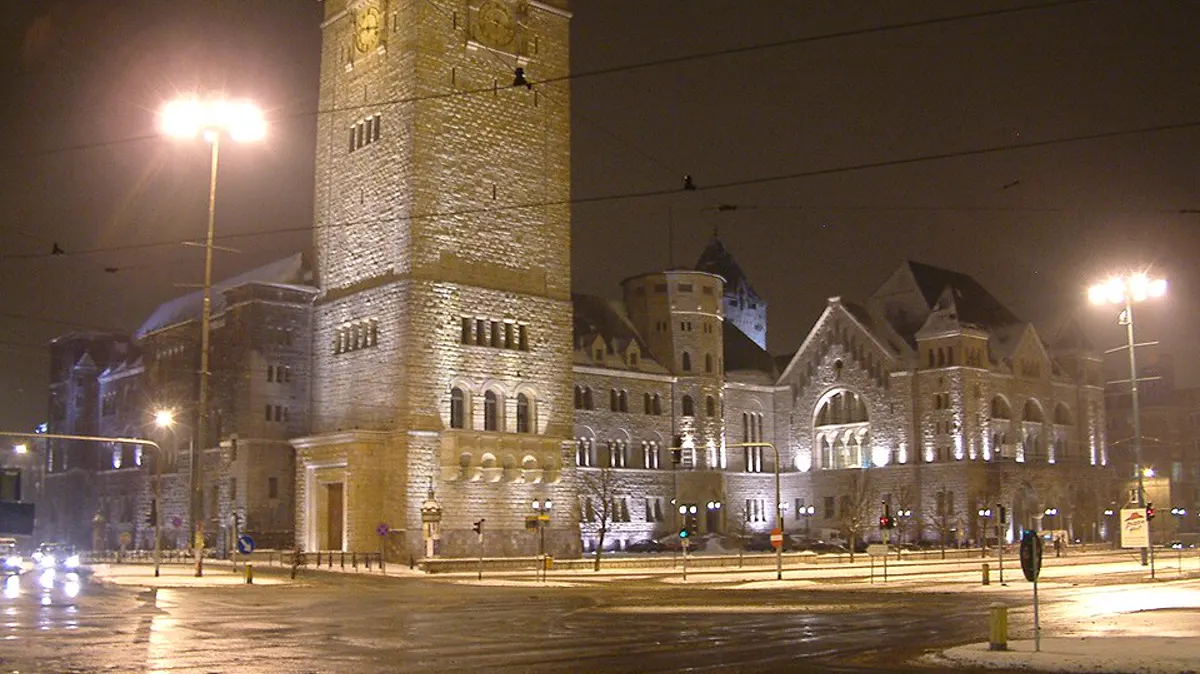
The Imperial Castle is one of the youngest palaces in Europe. It was built between 1905 and 1910 for Kaiser Wilhelm II, when Poznan was under Prussian rule, to the design of the German architect Franz Schwechten. The heavy Neo-Romanesque style was chosen to look Germanic and to project imperial power over the Polish city.
Why visit the Imperial Castle
The castle is the anchor of Poznan's early 20th-century imperial district, a run of grand buildings west of the Old Town. It reads as a piece of history you can walk into: built to overawe, later marked by the Second World War, and now a busy cultural centre. Much of it is open and free to look around, so it is an easy stop between the centre and the university quarter.
Built for Kaiser Wilhelm II
The castle was finished in 1910 and never served long as a royal residence. The Kaiser took a close hand in the design, and the building included a throne room and a courtyard rose garden with a fountain modelled on the Court of the Lions at the Alhambra in Spain. After the invasion of Poland in 1939, the German occupiers set out to turn the castle into a residence for Hitler. Albert Speer prepared the remodel, which reshaped many of the rooms, and an unfinished study from that scheme survives inside as a stark reminder of the period.
Zamek Cesarski today
It now works as Centrum Kultury Zamek, a large cultural centre with exhibitions, cinema, concerts and cafes, so the interior is open and easy to look around. The building also houses the museum of the Poznan June 1956 uprising. The courtyard and the rose garden are pleasant to walk through, and guided tours cover the imperial rooms.
How long to spend
Half an hour is enough to walk the public spaces and the courtyard. Add an hour for an exhibition or a guided tour of the imperial rooms, which is the way to see the throne room and the wartime study.
Finding the castle in the centre
The castle is on Swiety Marcin street, a short walk west of the Old Town. See the Poznan guide for getting around the city.
What is nearby
The castle links the imperial district with the historic core:
- The Old Market Square and the town hall goats, east in the Old Town.
- Stary Browar, the arts and shopping centre to the south.
Good to know
Much of the building is a free, open cultural centre, but the imperial rooms are best seen on a guided tour. Check the Zamek official channels for tour times and any tickets.
Imperial Castle questions
Can you go inside the Imperial Castle?
Yes. It runs as the Zamek cultural centre, so the public areas, courtyard and rose garden are open and largely free. The historic imperial rooms are shown on guided tours.
Why was it built?
It was built between 1905 and 1910 as a residence for Kaiser Wilhelm II, when Poznan was ruled by Prussia, and was designed to assert German power over the Polish city.
Frequently asked questions
More attractions in Poznań
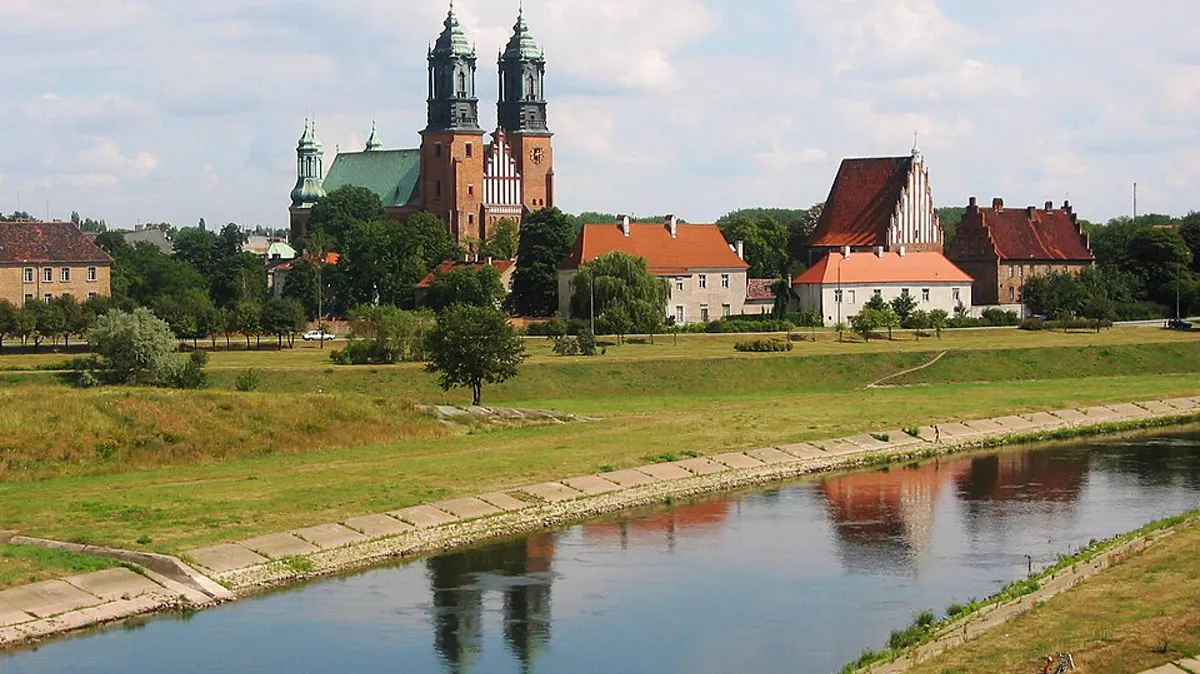
Ostrow Tumski, Poznan
The cathedral island where the Polish state and church were born in the tenth century, a short walk from the market square.
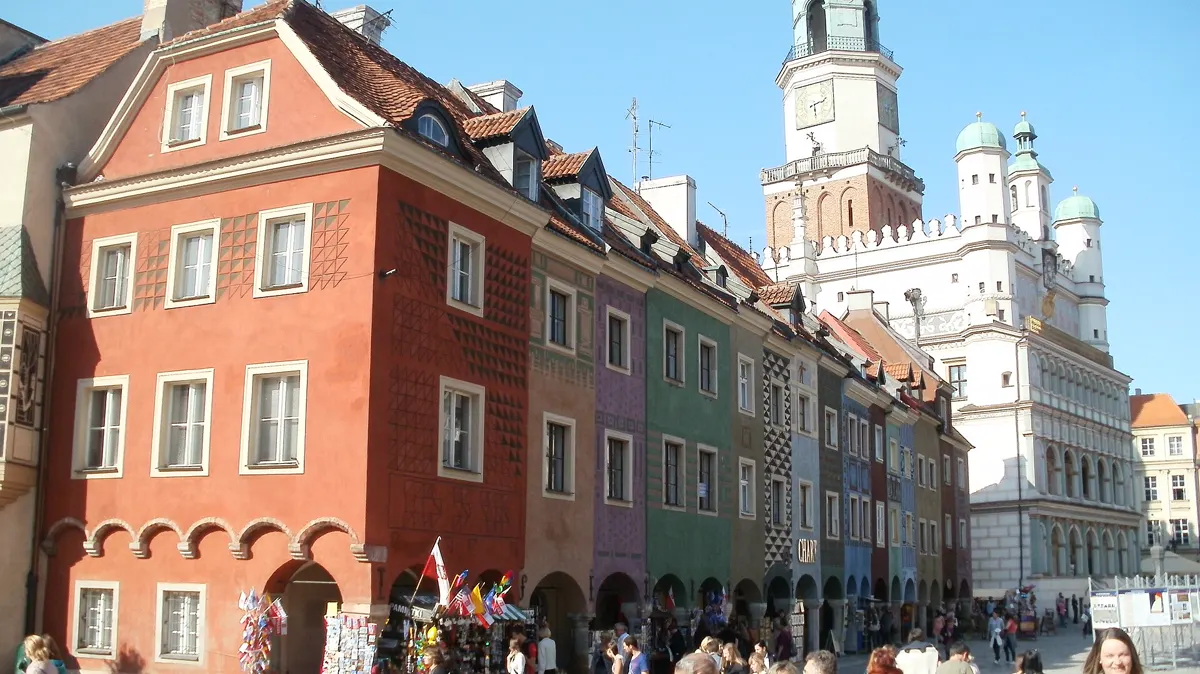
Old Market Square
The Renaissance heart of Poznan, where two mechanical goats butt heads on the town hall clock every day at noon.
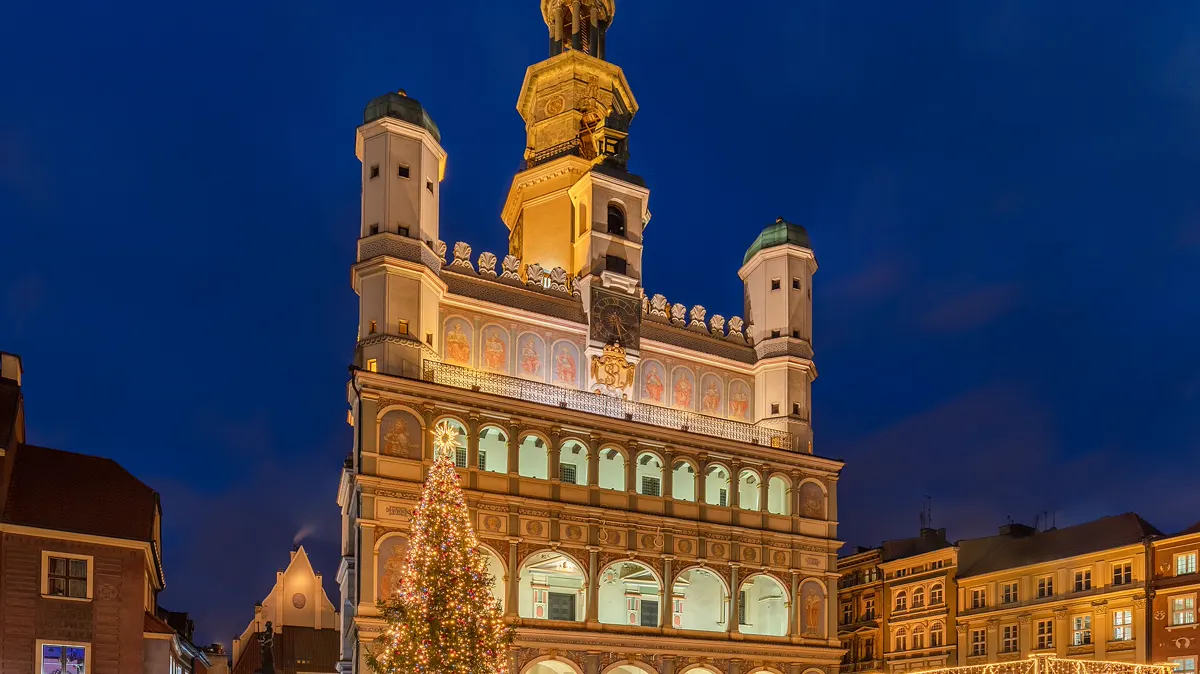
Ratusz i koziolki
At noon two mechanical billy goats emerge above the Ratusz clock and butt heads twelve times, drawing a crowd every single day. The Renaissance town hall, remodelled by Giovanni Battista di Quadro, also houses the city's history museum.
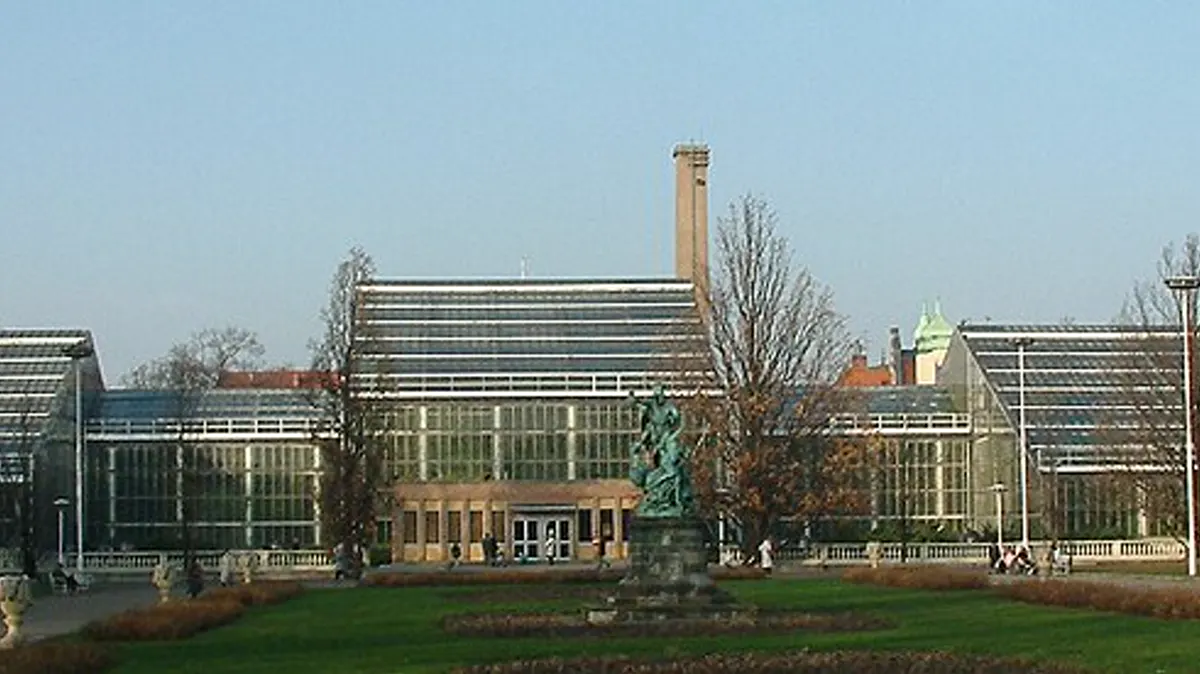
Palmiarnia
One of the largest palm houses in Europe, sheltering thousands of plant species across ten climate pavilions. Towering palms, cacti and a freshwater aquarium fill the glass halls in Wilson Park.
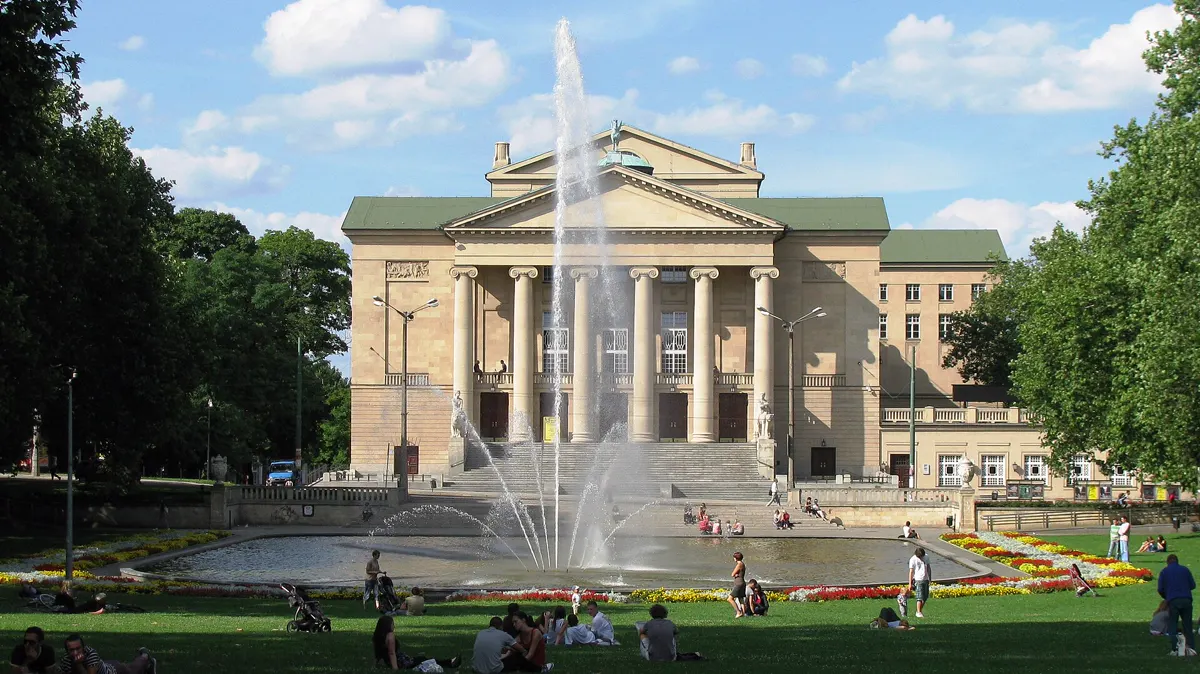
Grand Theatre (Moniuszko Opera House)
Poznań's main opera house, a neoclassical landmark from 1910 topped by a bronze Pegasus, staging opera and ballet in the city centre beside Adam Mickiewicz Park.
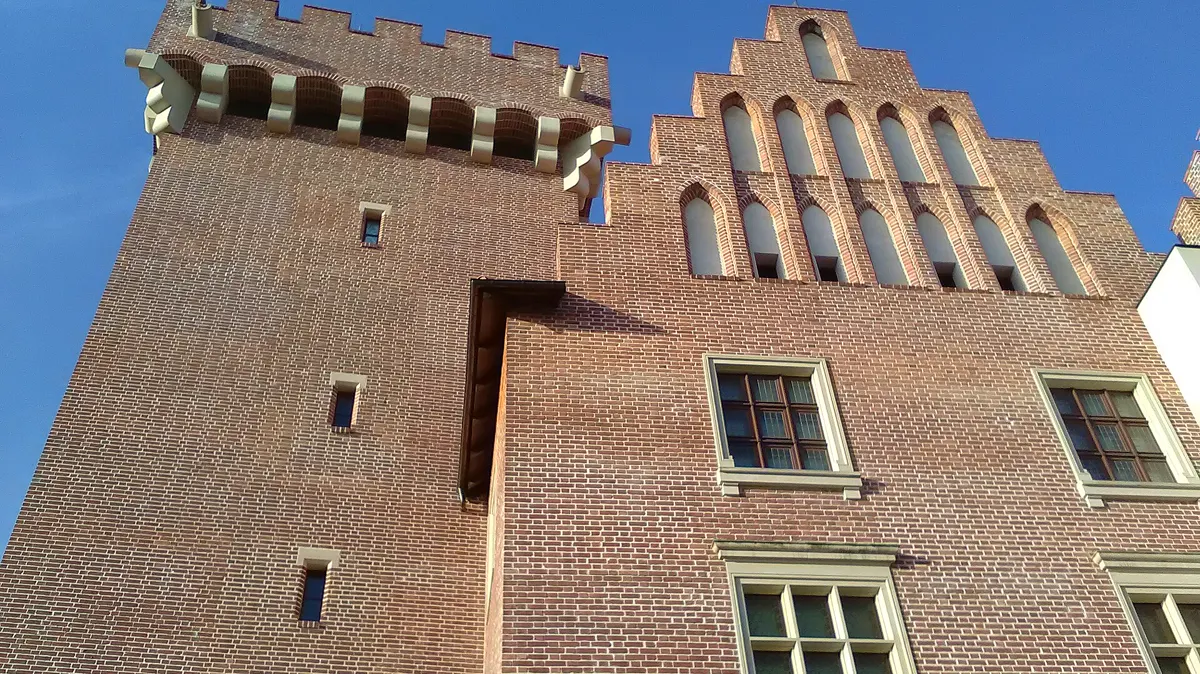
Royal Castle and Museum of Applied Arts
A reconstructed royal castle on Przemysł Hill above Poznań's Old Market Square, now home to the Museum of Applied Arts and a 43-metre view tower.
More to explore in Poznań
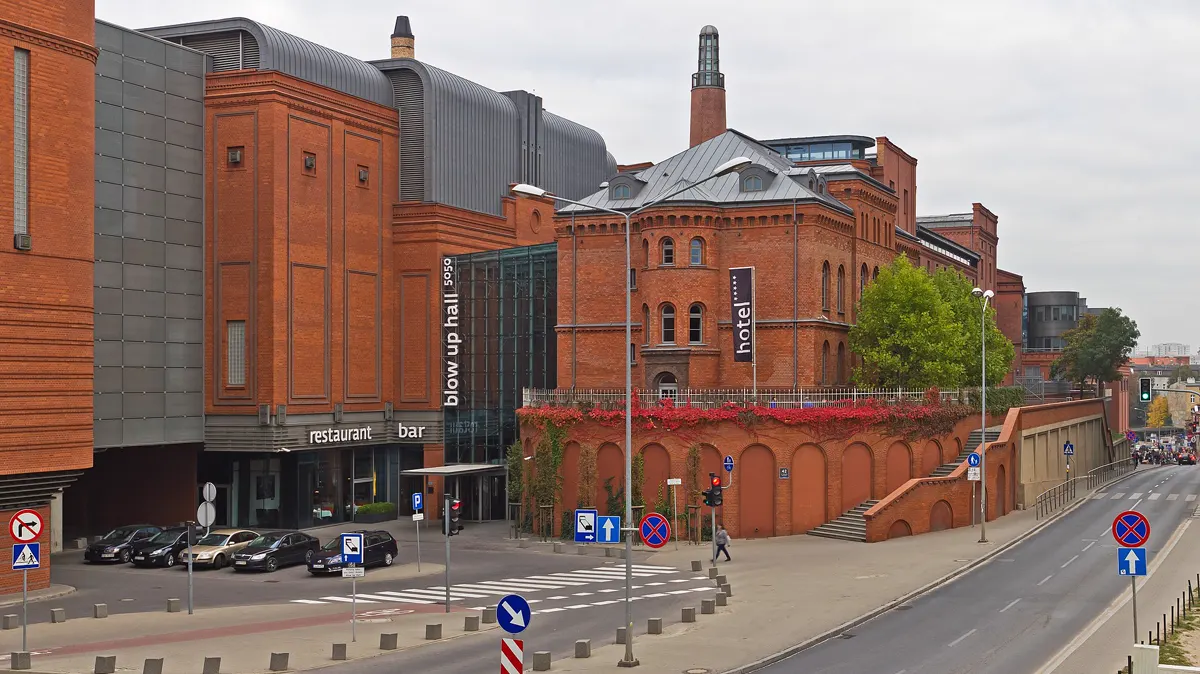
Hotel
Blow Up Hall 5050
A striking art-design hotel inside the Stary Browar complex, with keyless art-app rooms.
Nature
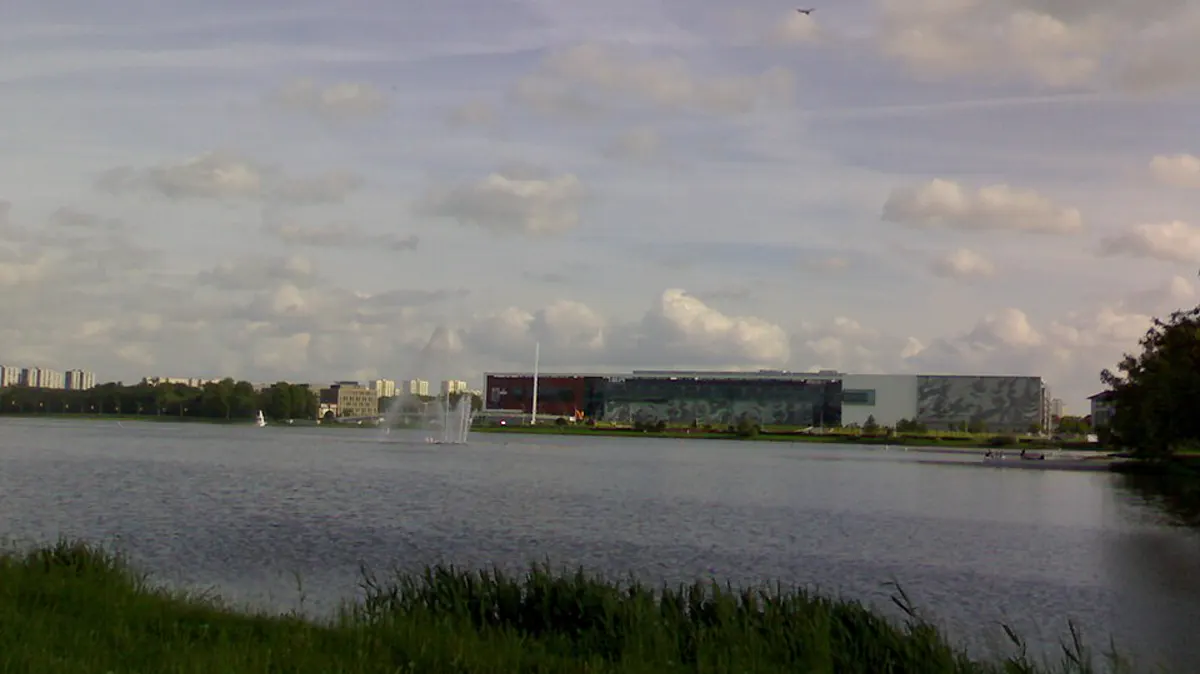
Lake Malta
A long artificial lake close to the centre, lined with trails, a ski slope and a summer resort.

Restaurant
Bamberka
A handsome restaurant right on the Old Market Square serving Greater Poland classics.
Restaurant
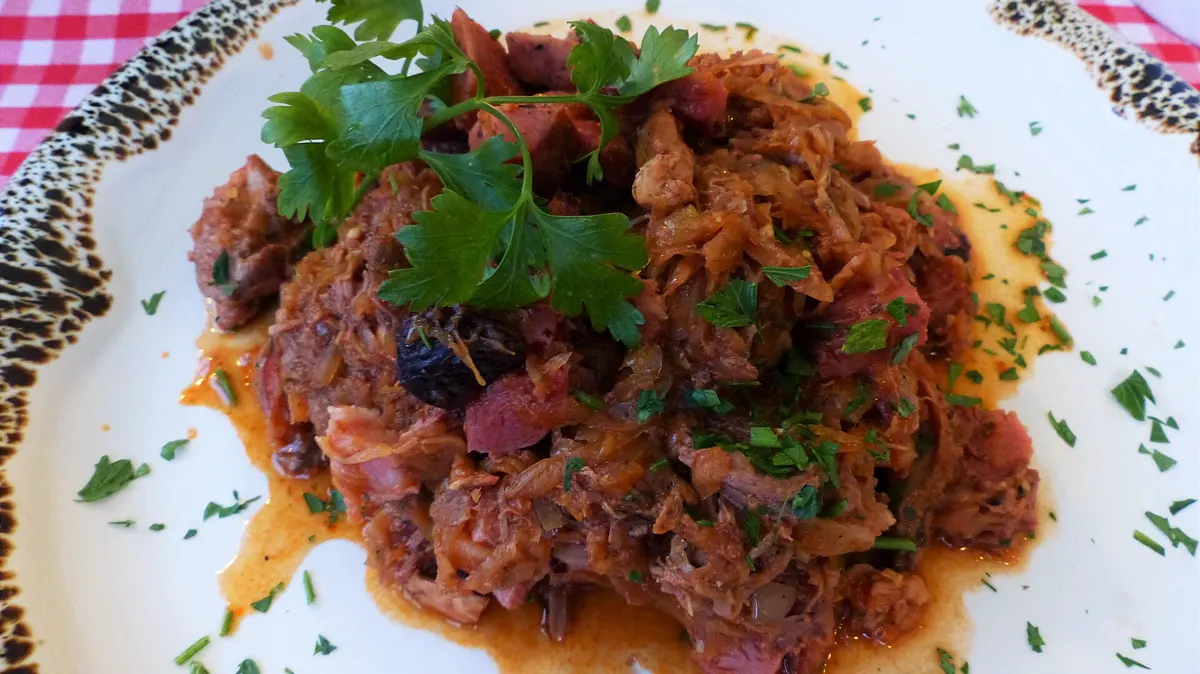
Ratuszova
A vaulted cellar on the square, a long-standing choice for hearty regional plates.
Nature
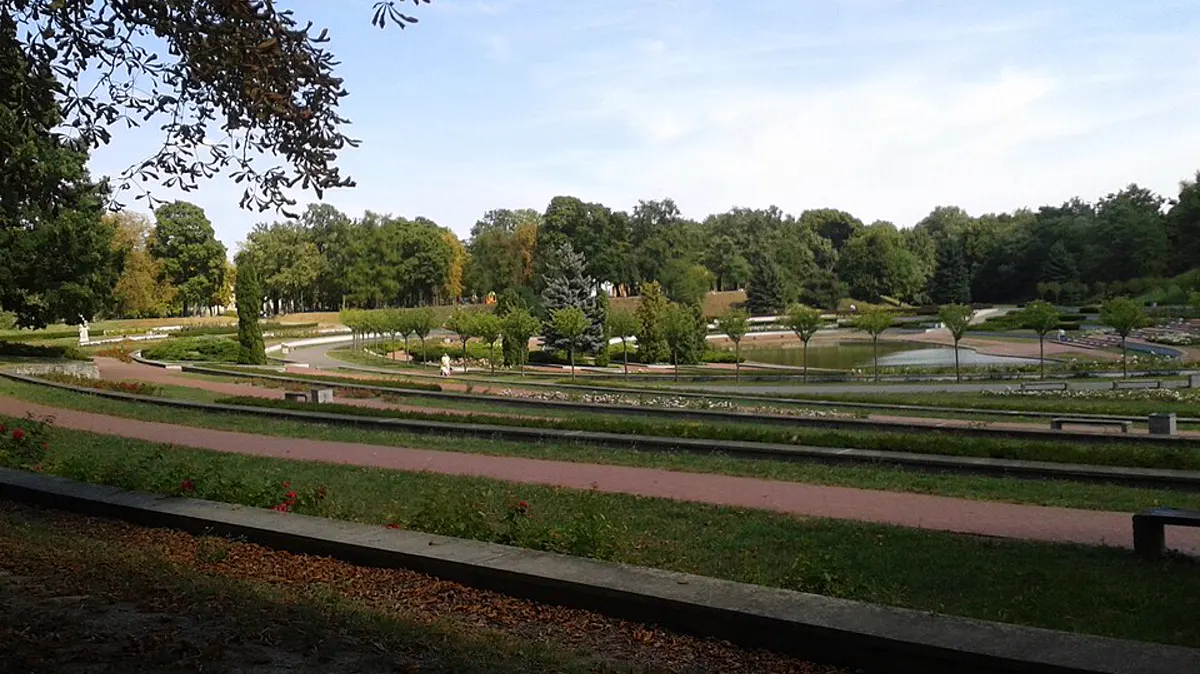
Cytadela Park
The city's largest park on a former fortress hill, dotted with striking open-air sculpture.

Restaurant
Piano Bar Restaurant & Cafe
A central Poznan fine-dining room with a seasonal Polish and European menu and a long wine list. One of the city's steadier upscale addresses.