Things to do in Kraków
Things to Do in Krakow
The sights, neighbourhoods and day trips that make Krakow worth several days, ranked by how essential each one is.
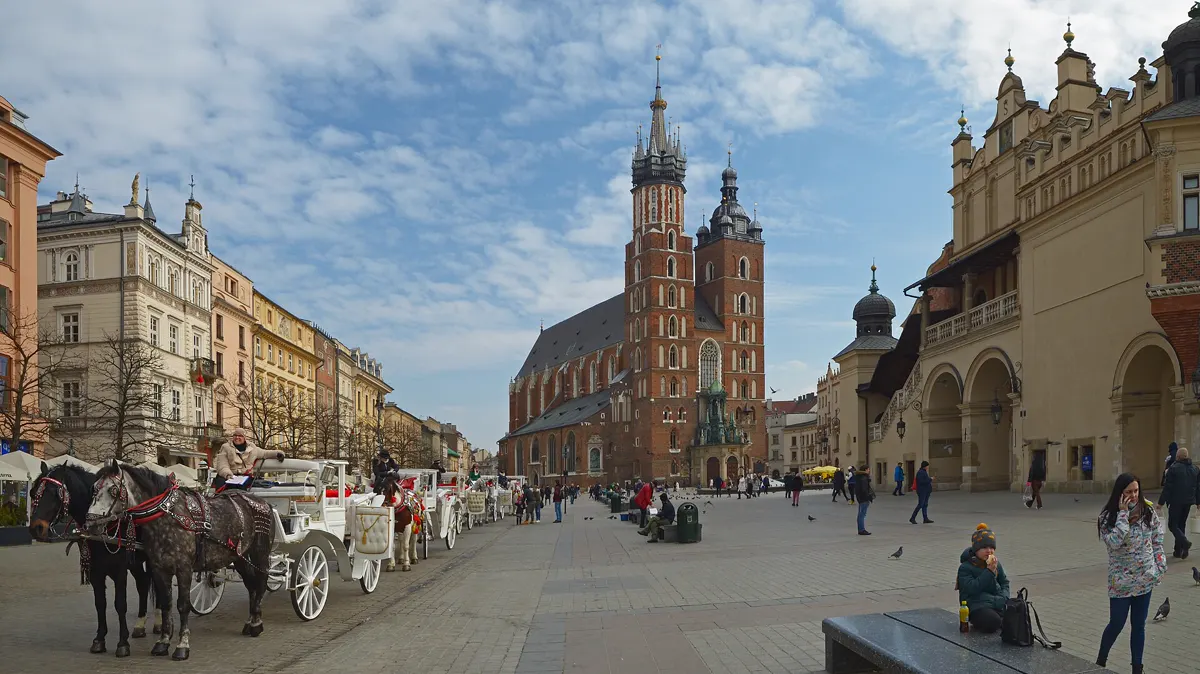
Krakow packs more genuine history into a walkable centre than anywhere else in Poland. A first visit needs at least two full days for the Old Town, Wawel and Kazimierz, and a third if you want a day trip. This list runs roughly in order of priority, so you can build a plan around what matters most and stop when your time runs out. For orientation and getting around, see the Krakow guide.
Start on the Main Market Square
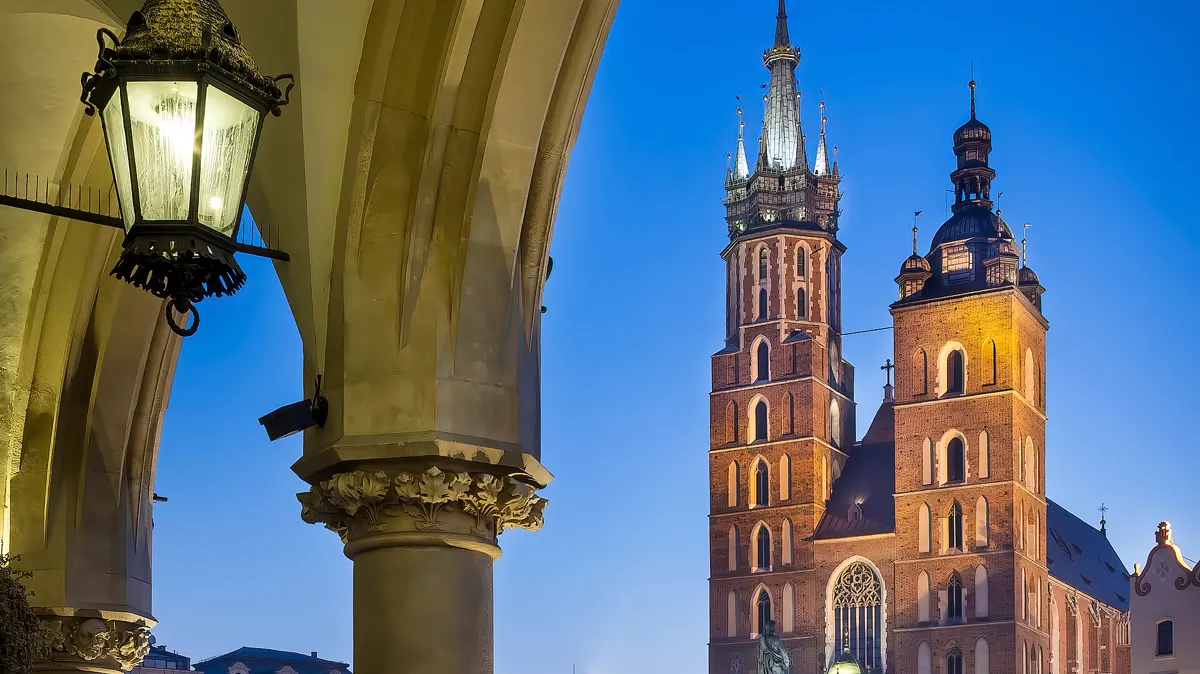
Begin on the Main Market Square, the largest medieval square in Europe, and let it orient you. Step inside St Mary's Basilica for the Veit Stoss altarpiece and listen for the hourly hejnal trumpet from its taller tower. Walk the trading arcade of the Cloth Hall down the centre of the square, where the upper floor holds the national gallery of nineteenth-century Polish art. Below the paving, the Rynek Underground museum walks you through the medieval market on its original cobbles and makes a good wet-weather option.
Climb Wawel Hill
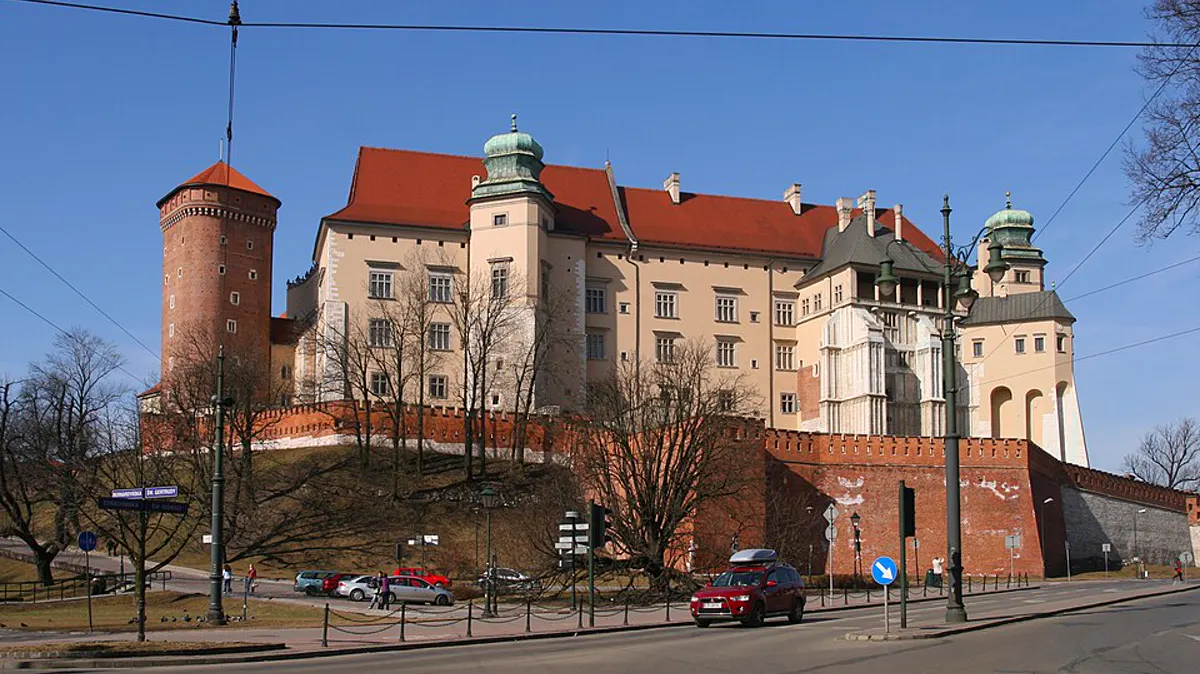
Ten minutes south along Grodzka Street, Wawel Castle and its cathedral were the centre of royal Poland for centuries. The grounds and courtyards are free to walk. The State Rooms, the treasury and the cathedral with the royal tombs are ticketed and worth booking ahead in summer, when numbers are capped. Allow about half a day if you plan to see the main interiors, or an hour if you only want the views over the Vistula.
Spend time in Kazimierz
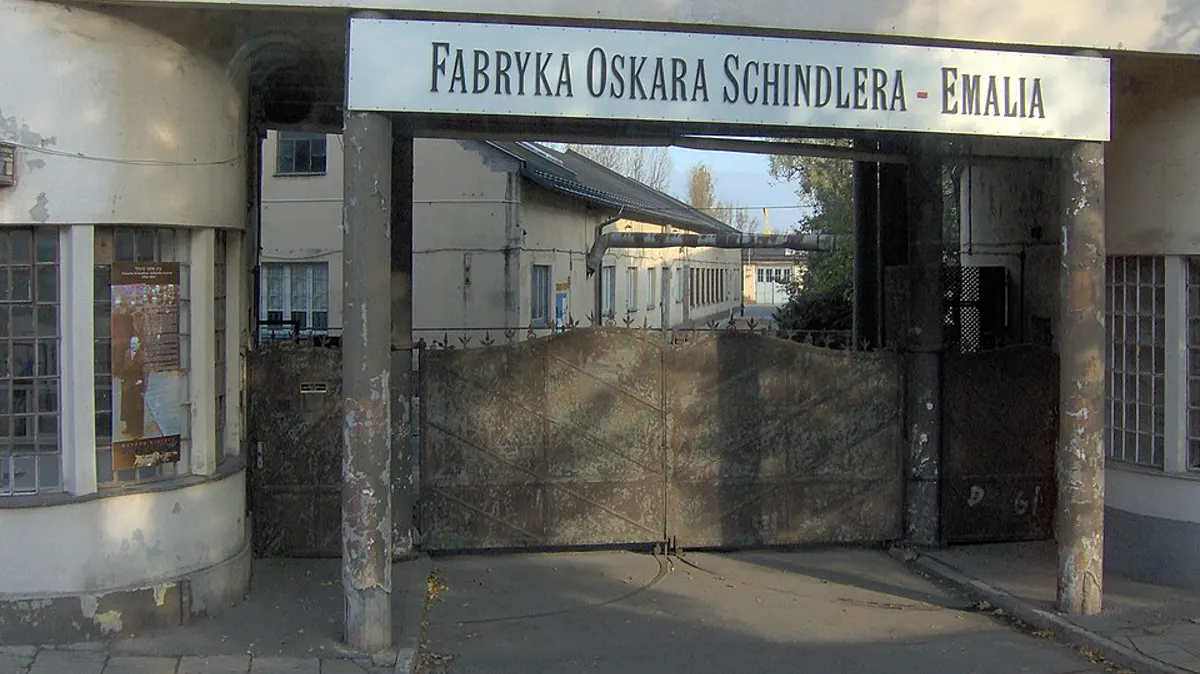
The former Jewish quarter, Kazimierz, is the city's best district for food, bars and evening life, with surviving synagogues and the old cemetery alongside busy squares. Give it an afternoon and an evening. Plac Nowy is the centre of it, and its round pavilion griddles the open-faced zapiekanki the city is known for; Endzior is the classic stall. Across the river in Podgorze, Oskar Schindler's Factory tells the story of Krakow under German occupation and needs a booked, timed ticket. The contemporary-art museum MOCAK sits next door.
Walk the old walls and Florianska
The Old Town is ringed by the Planty, a shaded green belt on the line of the vanished city walls, which makes an easy loop between sights. At its northern edge stand the two surviving pieces of the medieval defences: the round Barbican and the Florian Gate, which open onto Florianska Street, the old royal route running down to the square. This stretch is the natural way to enter the Old Town on foot from the main station.
See a smaller museum
If you have an extra half-day in the centre, the Czartoryski Museum holds Leonardo da Vinci's Lady with an Ermine, the star of Poland's oldest museum collection, a couple of minutes north of the square. It pairs well with a walk down Florianska and needs far less time than the big Wawel interiors.
Get out to the green edges
Krakow has good open space close to the centre if you want a break from the sights. Blonia is a vast flat meadow minutes west of the Old Town, used for picnics and cycling. Beyond it, the trail up to the Kosciuszko Mound gives a wide view over the city and the valley. In summer, Zakrzowek, a flooded former limestone quarry with turquoise water and white cliffs, is the local spot for a swim, now laid out as a bathing park.
Add a day trip
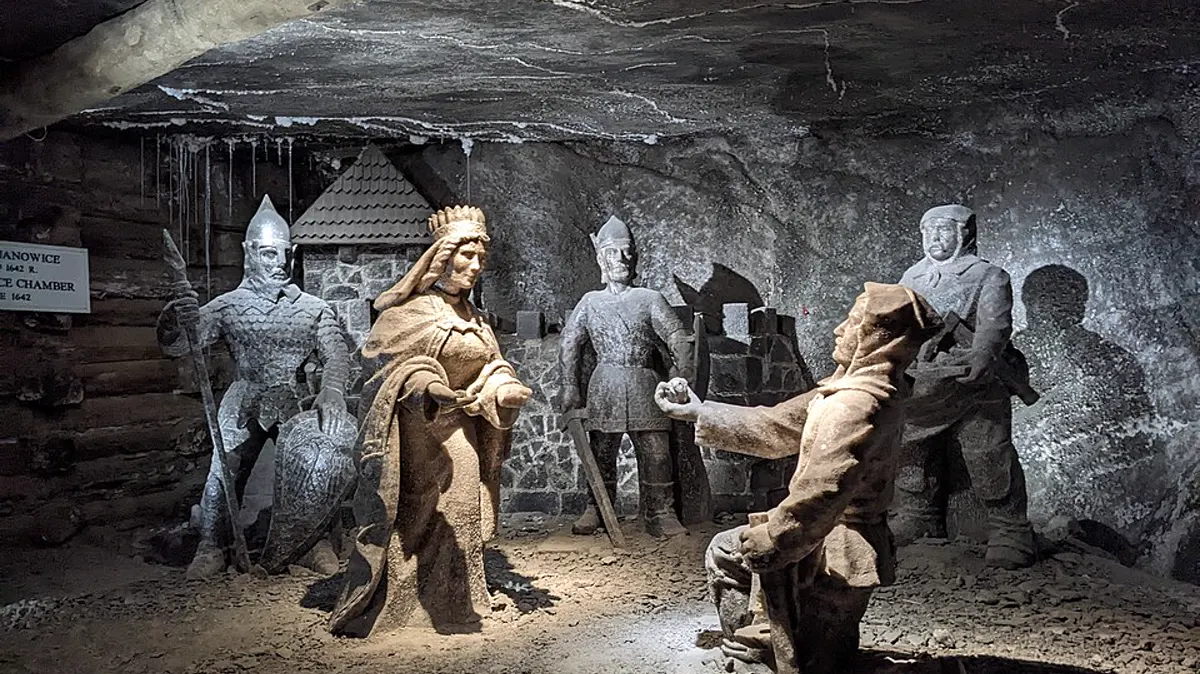
With a third day, take one trip out of the city. The Wieliczka Salt Mine is the easiest half-day escape, about 15 kilometres southeast and reached by direct train in around half an hour, with a guided route through salt-carved chapels and lakes. The Auschwitz-Birkenau Memorial, about 70 kilometres west, is within reach for those who wish to pay their respects; entry is free but needs a booked slot, and it takes most of a day. With more time still, the Tatra National Park around Zakopane is roughly two hours south and turns a city break into a fuller trip.
Where to eat
Eating well in Krakow is part of the visit, and prices remain reasonable across the range:
- For old-Polish plates near Wawel, the folk-painted Miod Malina and the medieval cellar of Pod Aniolami, both on Grodzka.
- For the cheapest honest lunch, the milk bar Bar Pod Temida on Grodzka, with pierogi, soups and cutlets.
- For a fine-dining evening, the tasting menu at Bottiglieria 1881 in Kazimierz.
- For coffee and apple pie, the cluttered rooms of Cafe Camelot near the square.
Good to know
The Old Town is pedestrianised and closed to cars, so plan on walking; most sights sit within a fifteen-minute radius of the square. If walking is the problem, a golf cart tour covers the same ground in under an hour. Book the Wawel State Rooms, Schindler's Factory and any day trip online in advance, especially from June to August.
Written by ViewPoland Editorial for ViewPoland, an independent English-language guide to Poland. Published 28 June 2026. Last updated 1 July 2026.