Attractions
Attractions in Poland
The sights worth building a day around.
Poland's attractions run from the medieval market squares of Krakow and Wroclaw to the Wieliczka Salt Mine, the memorial at Auschwitz-Birkenau and the Teutonic castle at Malbork. Each page below covers what the place is, how long to spend and how to get there, grouped by city.
All Attractions in Poland
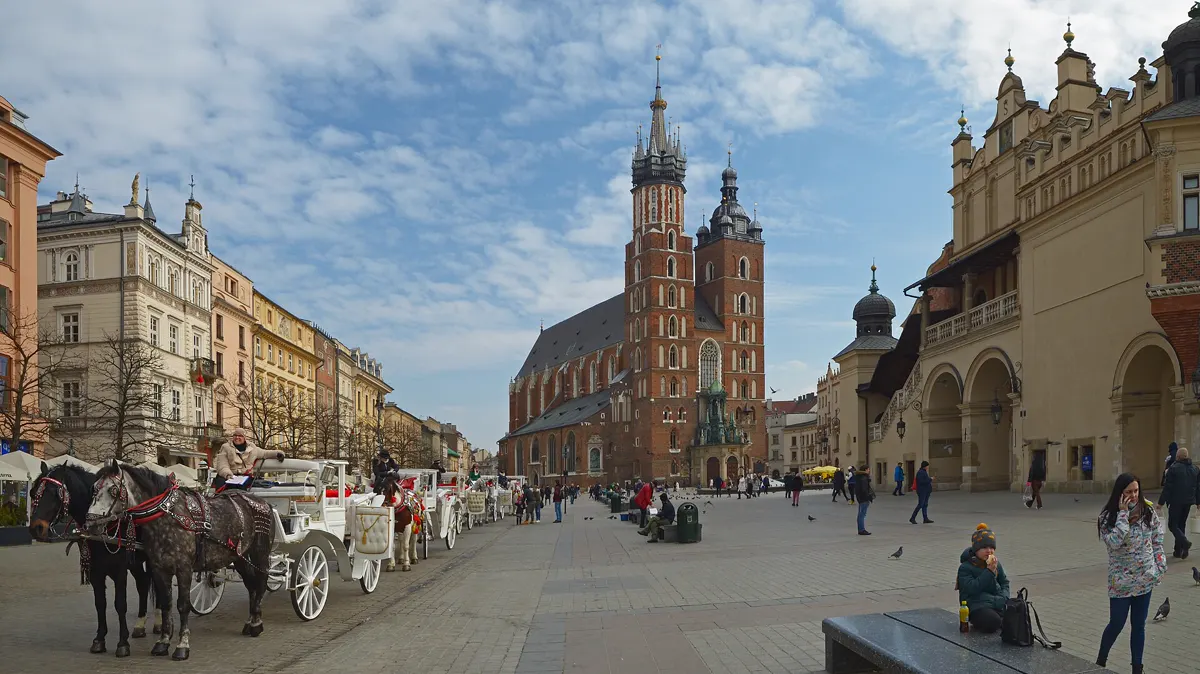
Kraków
Main Market Square
Europe's largest medieval market square, the social centre of Krakow, with the Cloth Hall running down its middle.
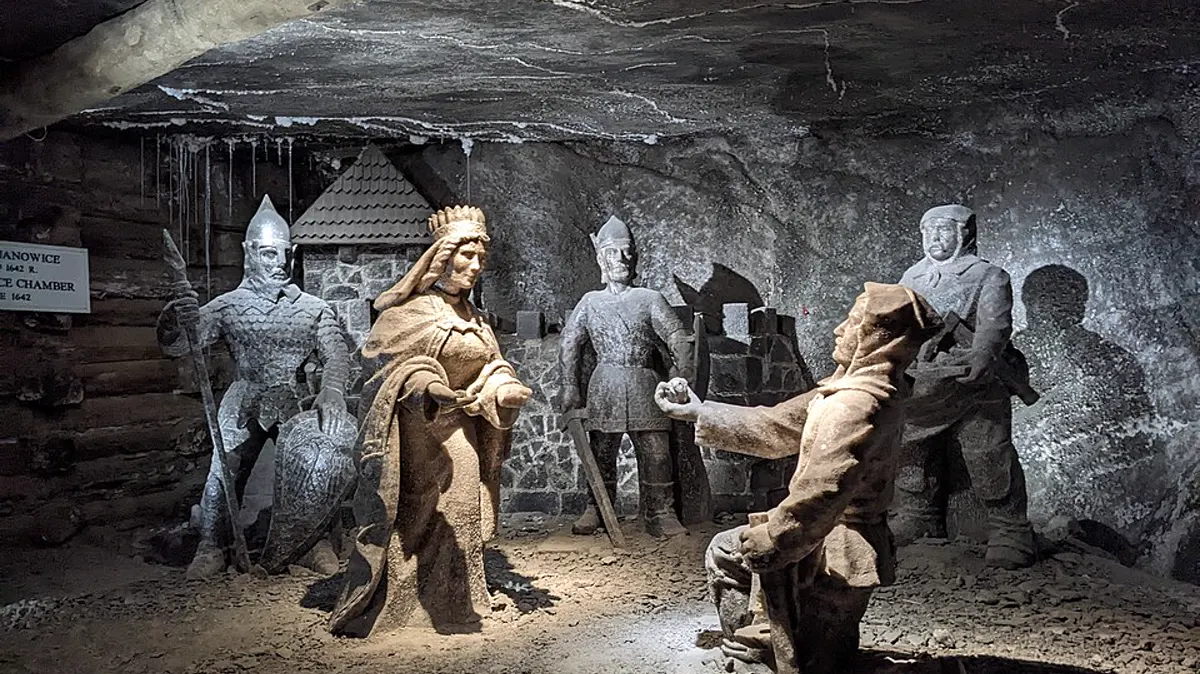
Kraków
Wieliczka Salt Mine
A UNESCO-listed salt mine worked for seven centuries, with underground chapels, lakes and chambers carved entirely from rock salt.
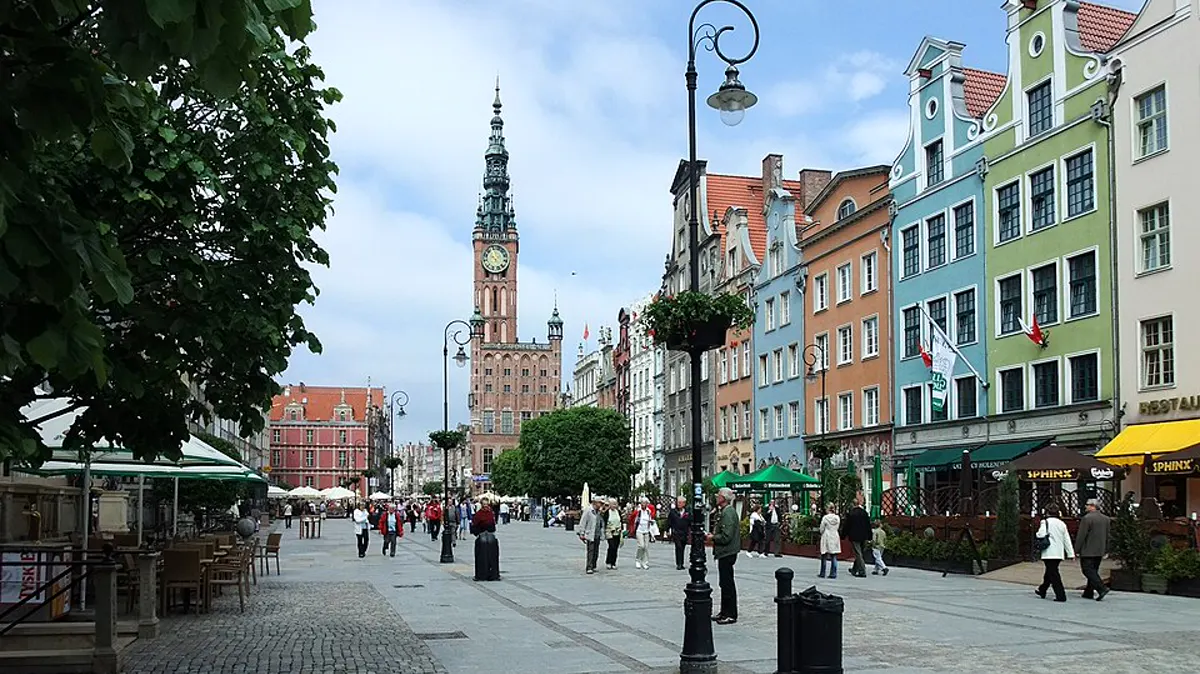
Gdańsk
Long Market
The grand main thoroughfare of Gdansk, a wide promenade of merchant facades running from the Golden Gate to the river.
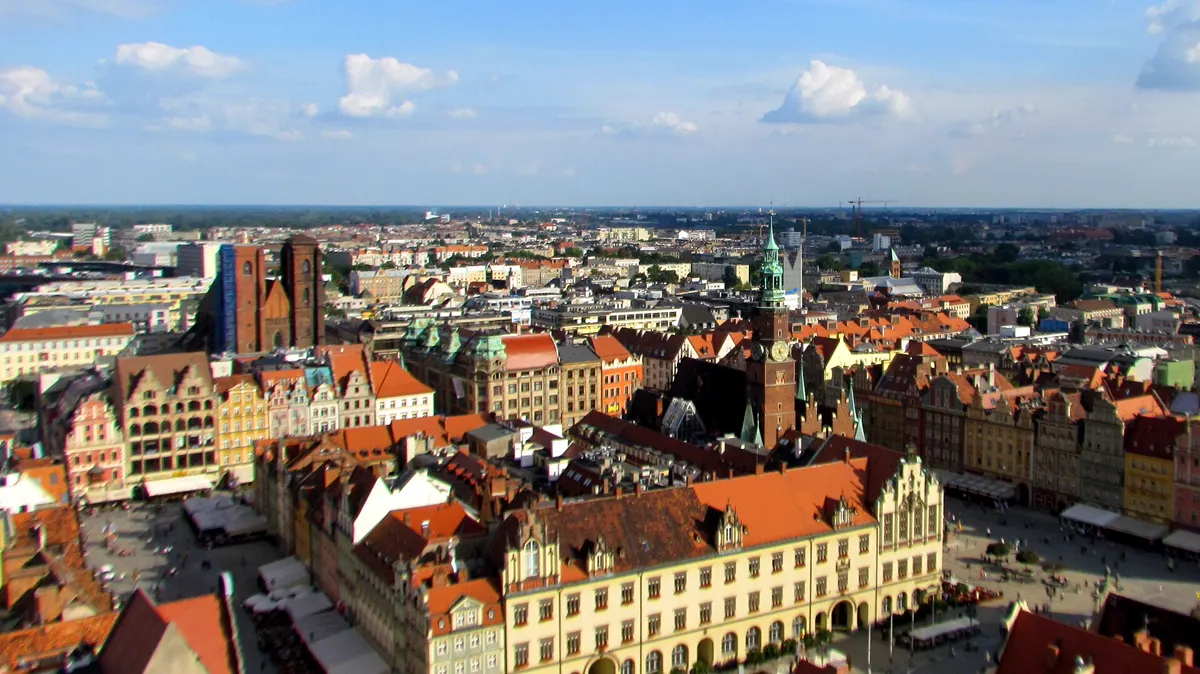
Wrocław
Market Square
One of the largest medieval squares in Poland, ringed by colourful townhouses and centred on an ornate Gothic town hall.
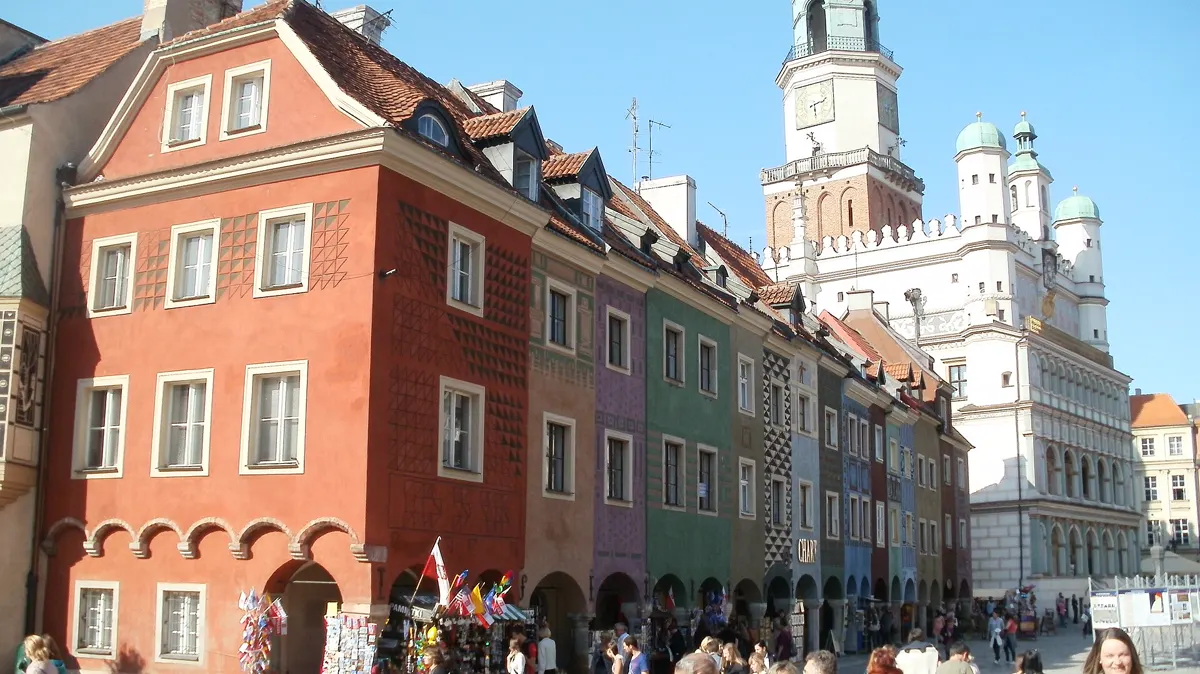
Poznań
Old Market Square
The Renaissance heart of Poznan, where two mechanical goats butt heads on the town hall clock every day at noon.
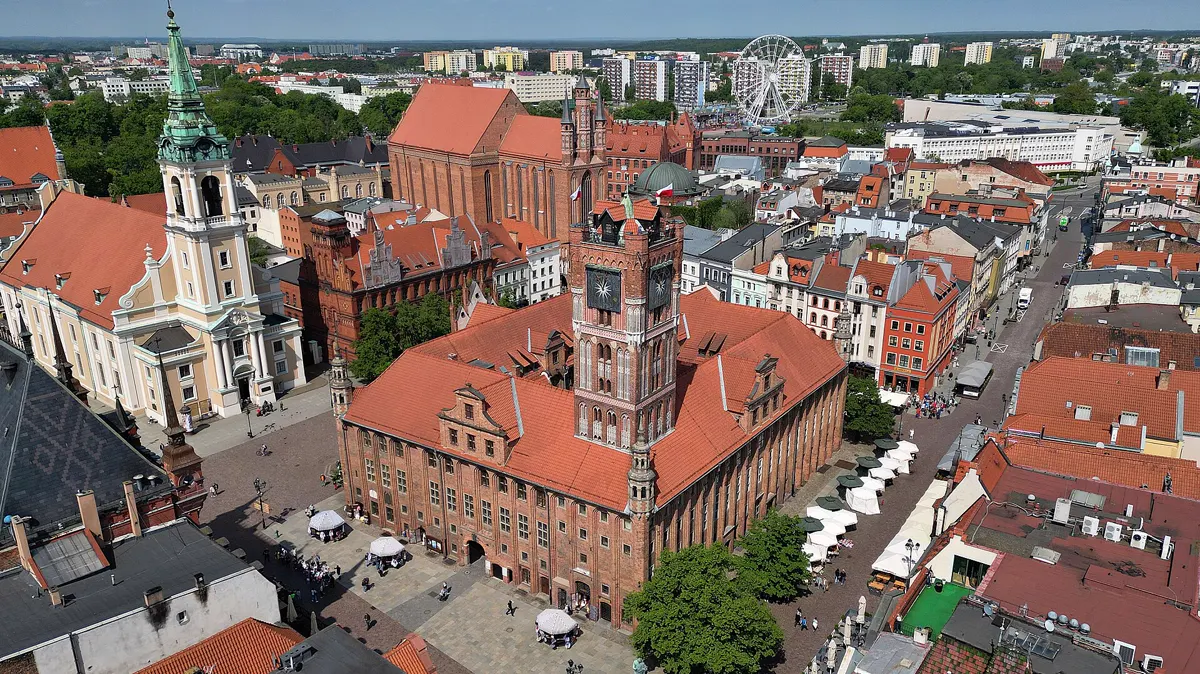
Toruń
Torun Old Town
A genuine, war-survived medieval centre of brick Gothic churches, granaries and gabled houses around the Old Town Market Square.
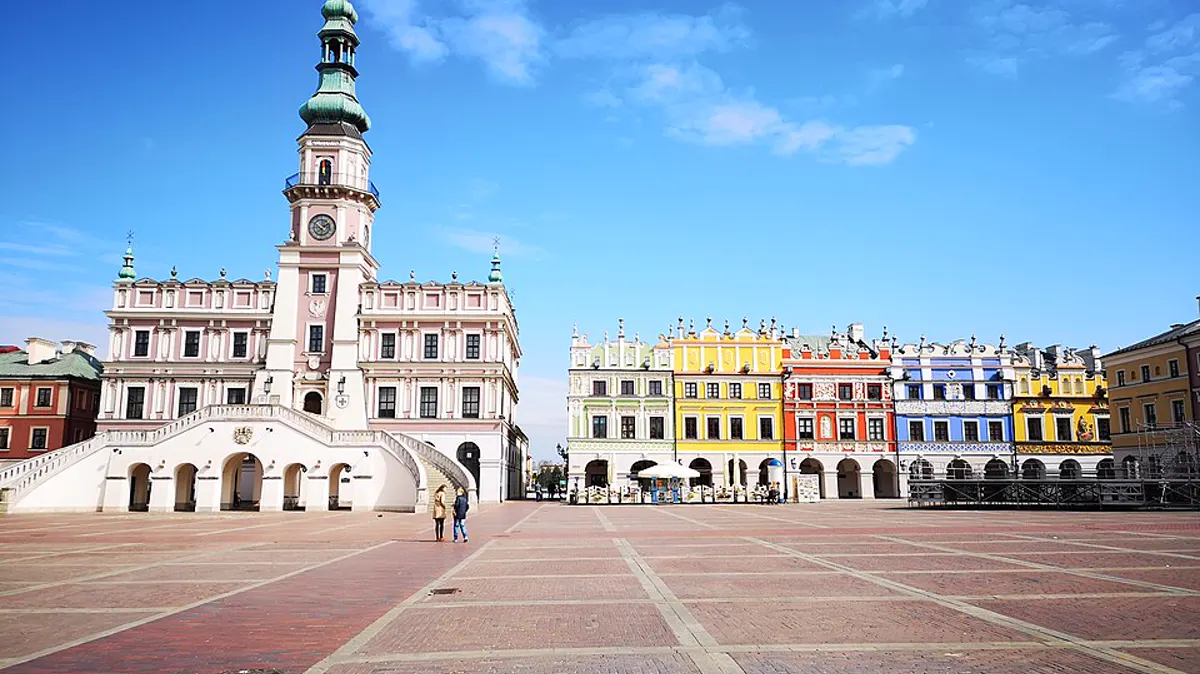
Zamość
Great Market Square, Zamosc
A near-perfect Renaissance square of arcaded, pastel burgher houses, the centrepiece of a sixteenth-century ideal city.
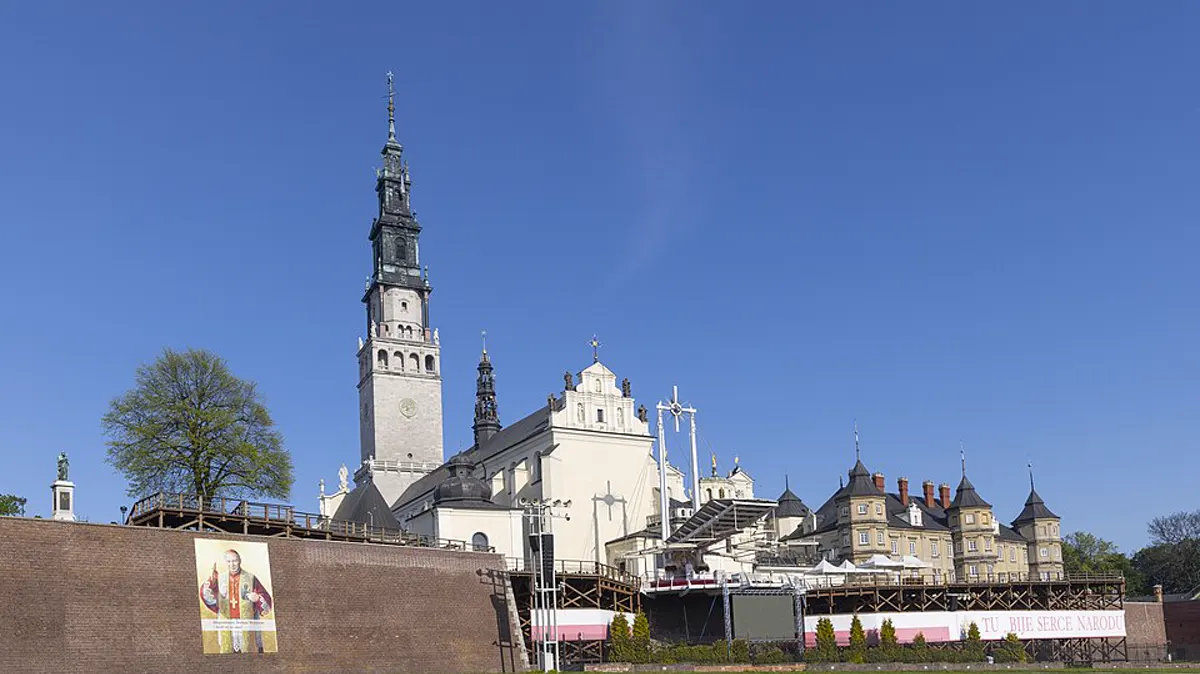
Częstochowa
Jasna Gora Monastery
The fortified hilltop monastery that guards the Black Madonna icon, the most important Catholic pilgrimage site in Poland.
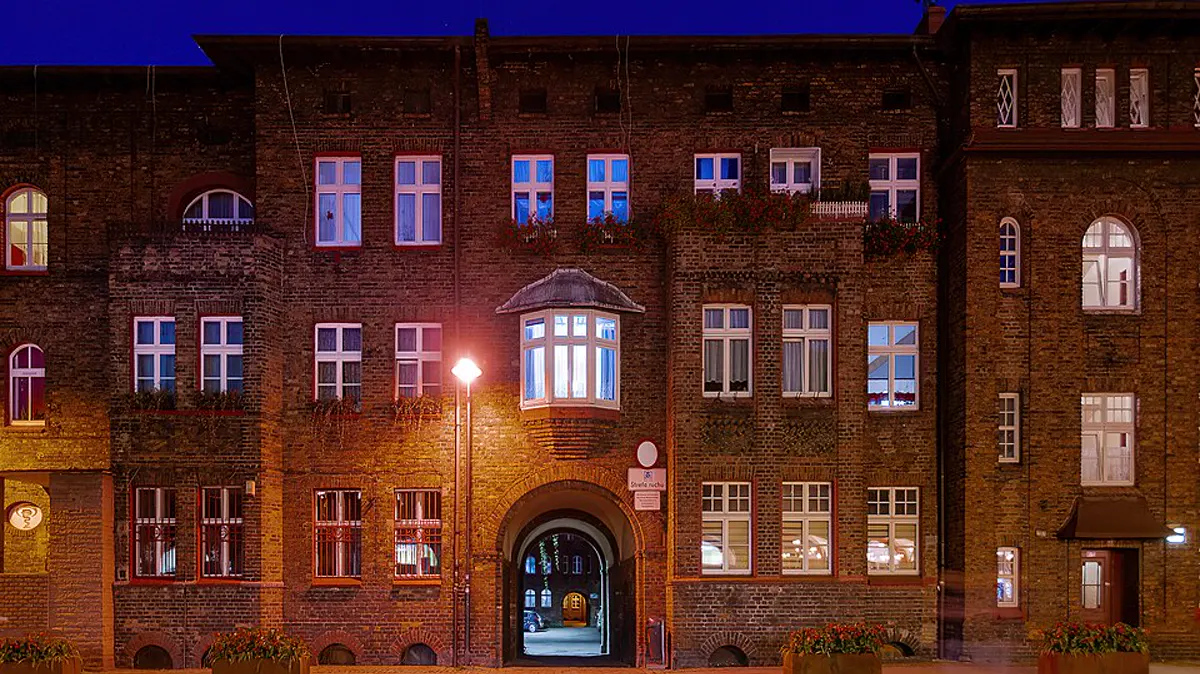
Katowice
Nikiszowiec
A complete early-twentieth-century miners settlement of red-brick courtyards, now a protected monument and the most atmospheric corner of Katowice.
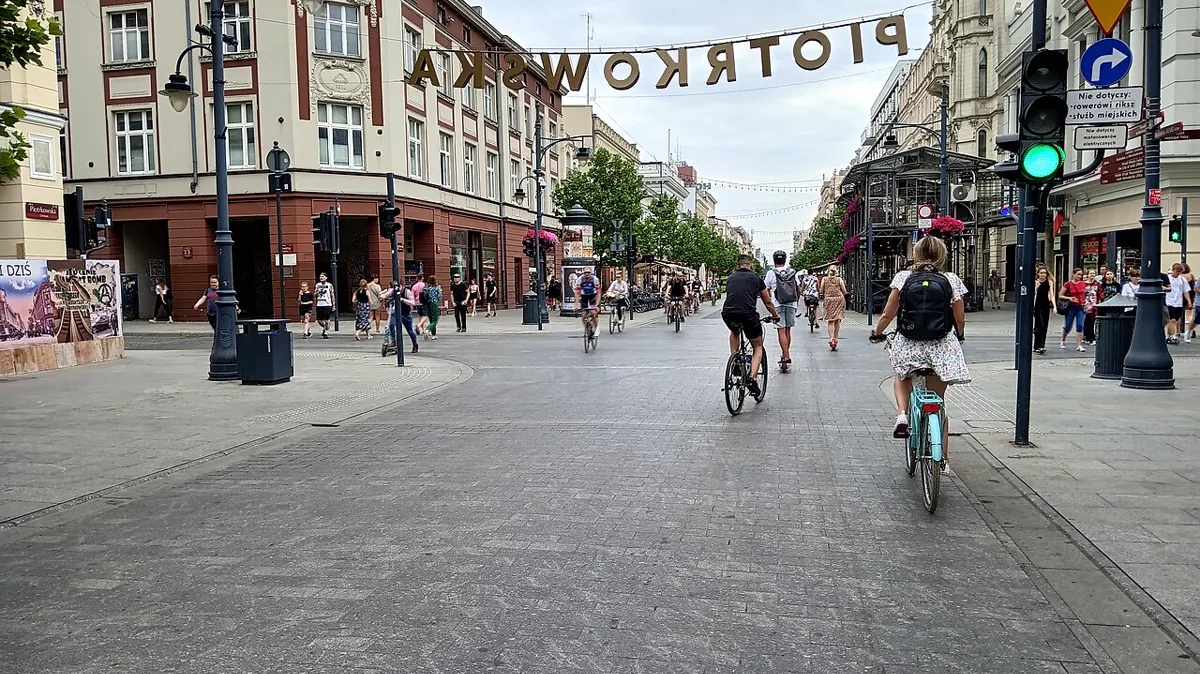
Łódź
Piotrkowska Street
One of the longest commercial streets in Europe, the four-kilometre spine of Łódź, lined with the facades of its textile-era barons.
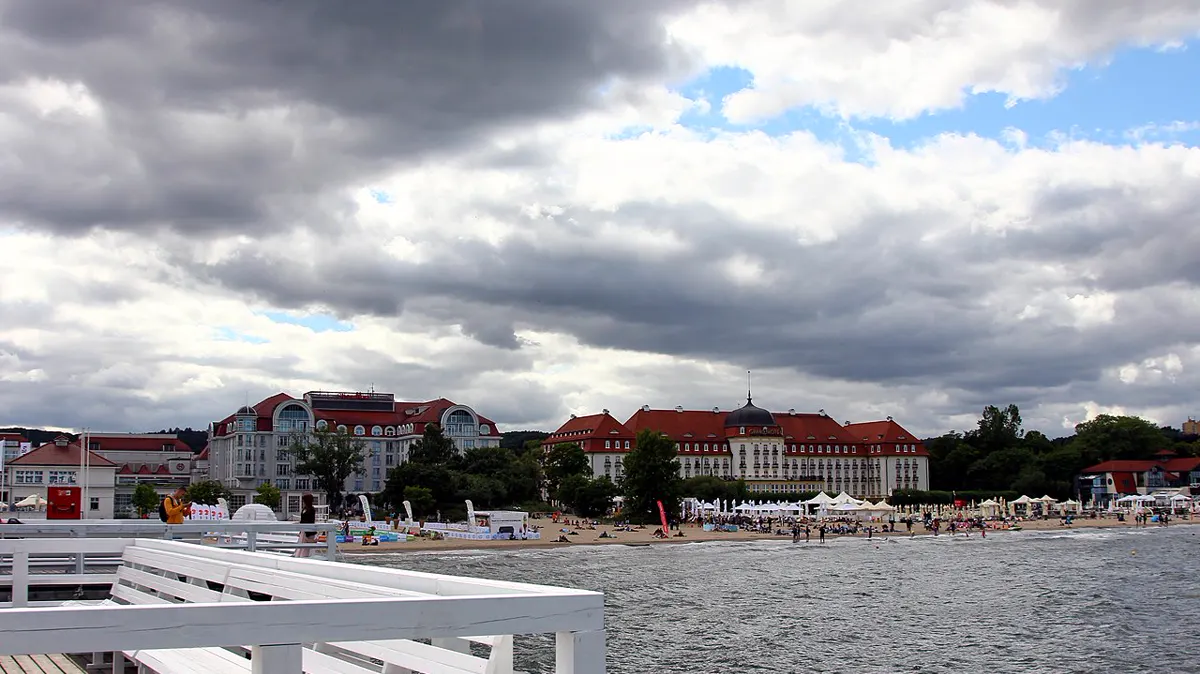
Sopot
Sopot Pier
The longest wooden pier in Europe, reaching more than 500 metres into the Bay of Gdansk from the elegant heart of the resort.
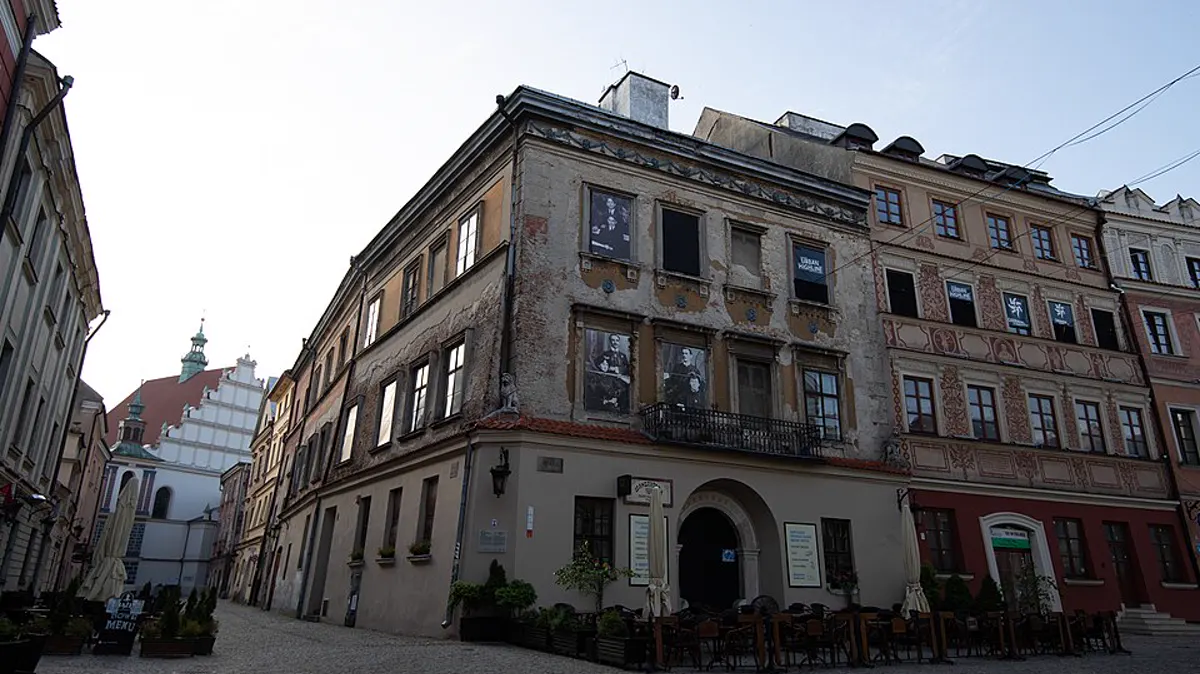
Lublin
Stare Miasto (Lublin)
Lublin's medieval Old Town winds through narrow lanes and hidden courtyards, with painted Renaissance facades and Rynek square framing the old Trybunal (Crown Tribunal) at its centre.
Poland fits a lot into one country: medieval market squares, a salt mine carved into underground chapels, the memorial at Auschwitz-Birkenau, mountain trails and a long Baltic coast. Seventeen places hold UNESCO World Heritage status, and most of the headline attractions cluster around the cities you are likely to base yourself in, so a first trip rarely means long transfers.
Top attractions in Krakow, Warsaw and Gdansk
Krakow has the densest cluster: the Main Market Square, laid out in 1257 and among the largest medieval squares in Europe, the underground Wieliczka Salt Mine, and the Auschwitz-Birkenau Memorial within a day trip. Warsaw rebuilt its Old Town from wartime rubble, Gdansk lines the Motlawa with tall merchant houses, and Wroclaw and Torun keep intact Gothic centres. The mountains around Zakopane and the lakes of Masuria add the outdoor side.
Top places to visit on a first trip
Group attractions by the city you are staying in rather than chasing them across the map. Krakow, Warsaw and Gdansk each reward two or three days and put more sights within an easy day trip. For the classic sights that define the country, see the best viewpoints and our city guides.
Do you need to book tickets in advance
The busiest sites use timed entry, so book Wieliczka and the Auschwitz-Birkenau Memorial ahead, especially in summer. Many state museums have one free day a week. Tickets are good value by European standards; our note on costs in Poland has the typical prices.
Attractions by city
Travel guides
Krakow Golf Cart Tours: The Four Routes, Compared
Four electric cart routes cover the Old Town, Kazimierz, the ghetto in Podgorze and Schind...
Best Castles in Poland
From the Teutonic fortress at Malbork to the royal seats at Wawel and Warsaw, the Polish c...
3 Days in Krakow
A practical three-day plan for Krakow, pairing the Old Town and Wawel with Kazimierz and o...
Things to Do in Krakow
The sights, neighbourhoods and day trips that make Krakow worth several days, ranked by ho...