Attractions
Attractions in Poland
The sights worth building a day around.
Poland's attractions run from the medieval market squares of Krakow and Wroclaw to the Wieliczka Salt Mine, the memorial at Auschwitz-Birkenau and the Teutonic castle at Malbork. Each page below covers what the place is, how long to spend and how to get there, grouped by city.
All Attractions in Poland
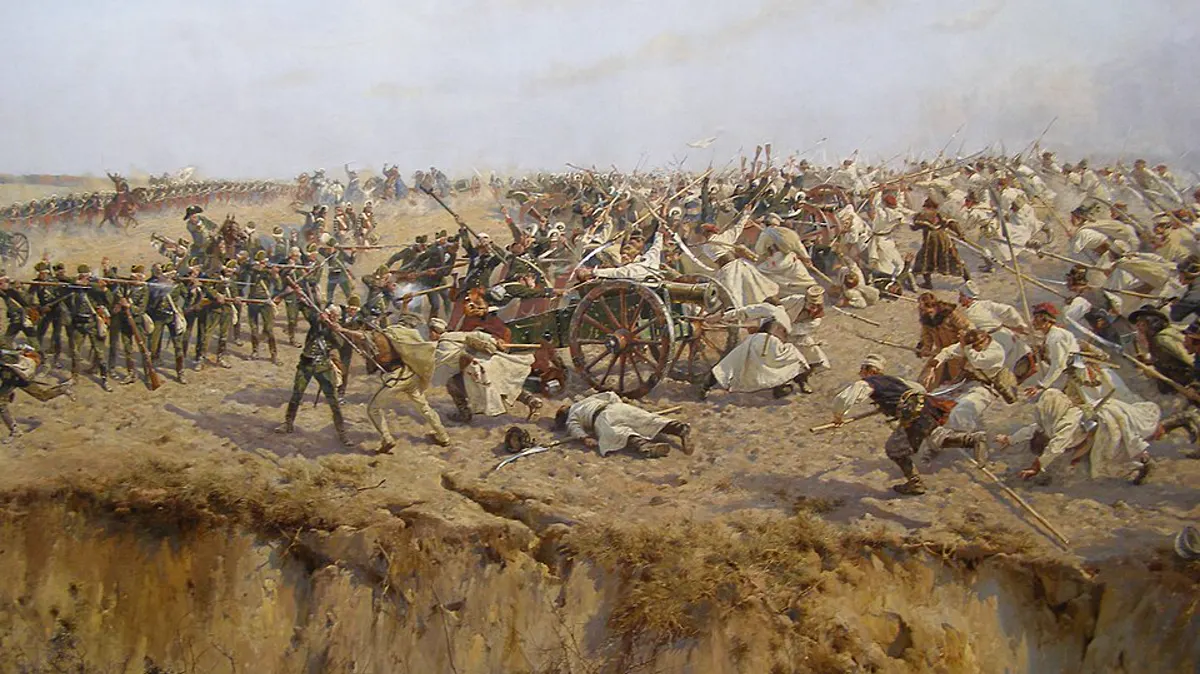
Wrocław
Panorama Raclawicka
A monumental 360-degree painting measuring 15 by 114 metres depicting the 1794 Battle of Raclawice. Viewers stand on a central platform as the painted canvas blends seamlessly into a three-dimensional foreground.
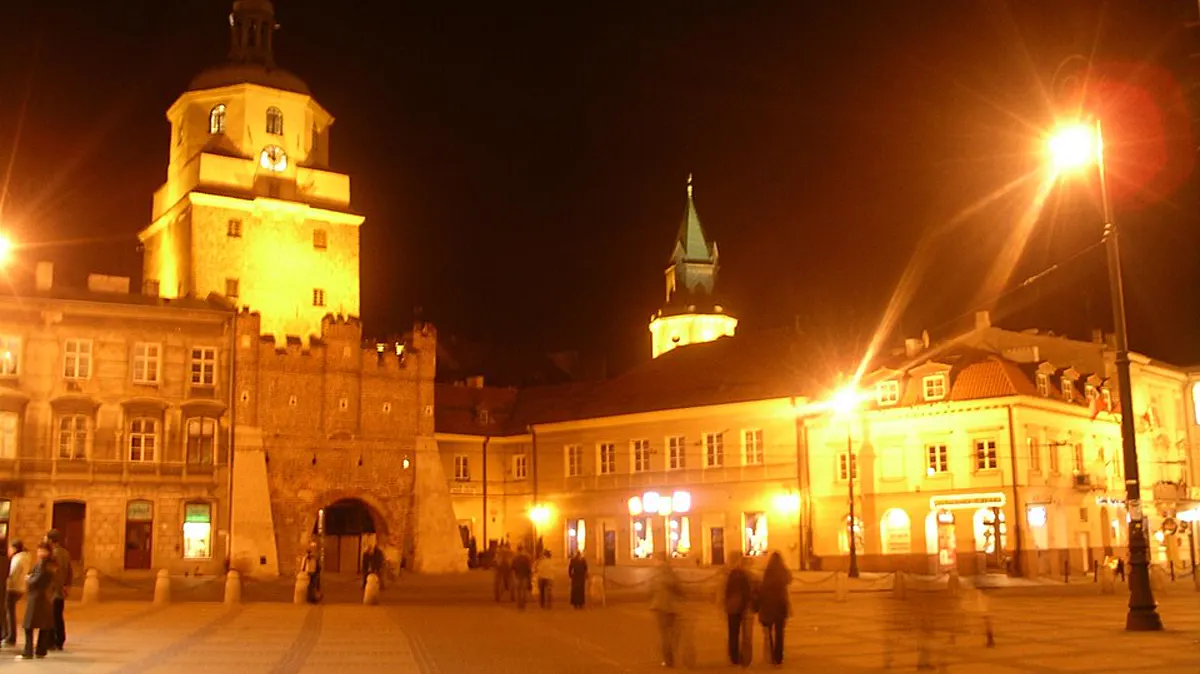
Lublin
Brama Krakowska
The 14th-century Krakow Gate is Lublin's best-known landmark, a brick tower that guarded the road to Krakow and now houses a small history museum.
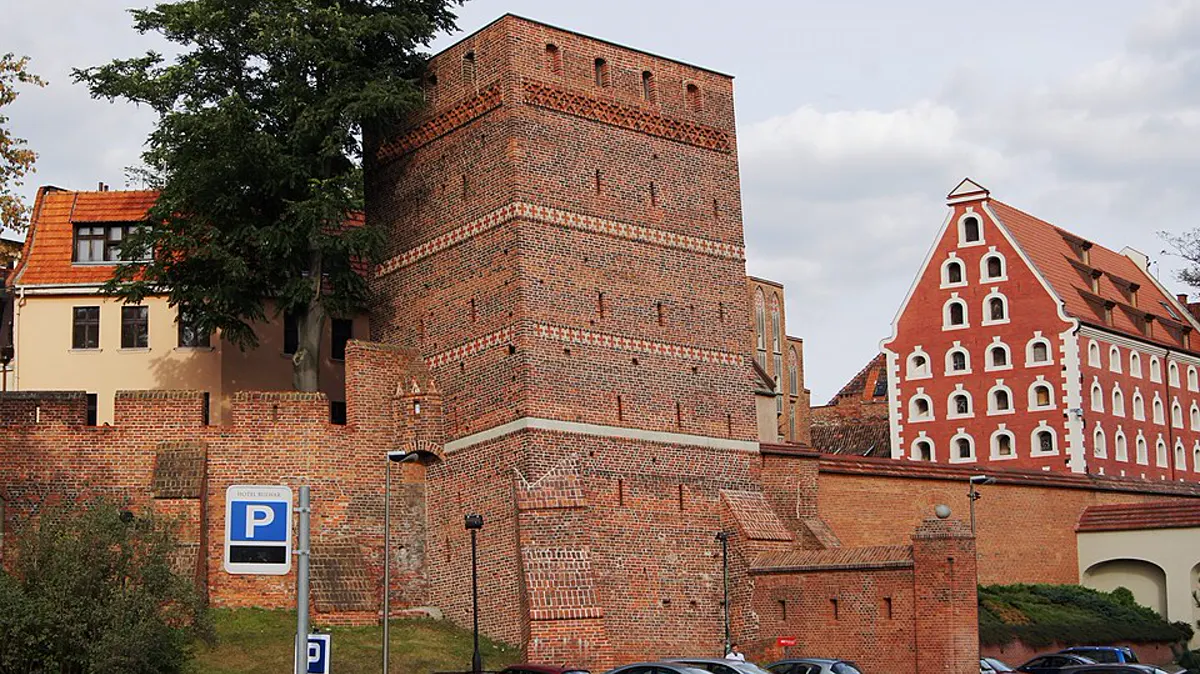
Toruń
Krzywa Wieza
The Leaning Tower is a 14th-century defensive tower that tilts about 1.5 metres from vertical due to its foundation on unstable riverside ground. Local legend ties the lean to a Teutonic knight's broken vow.
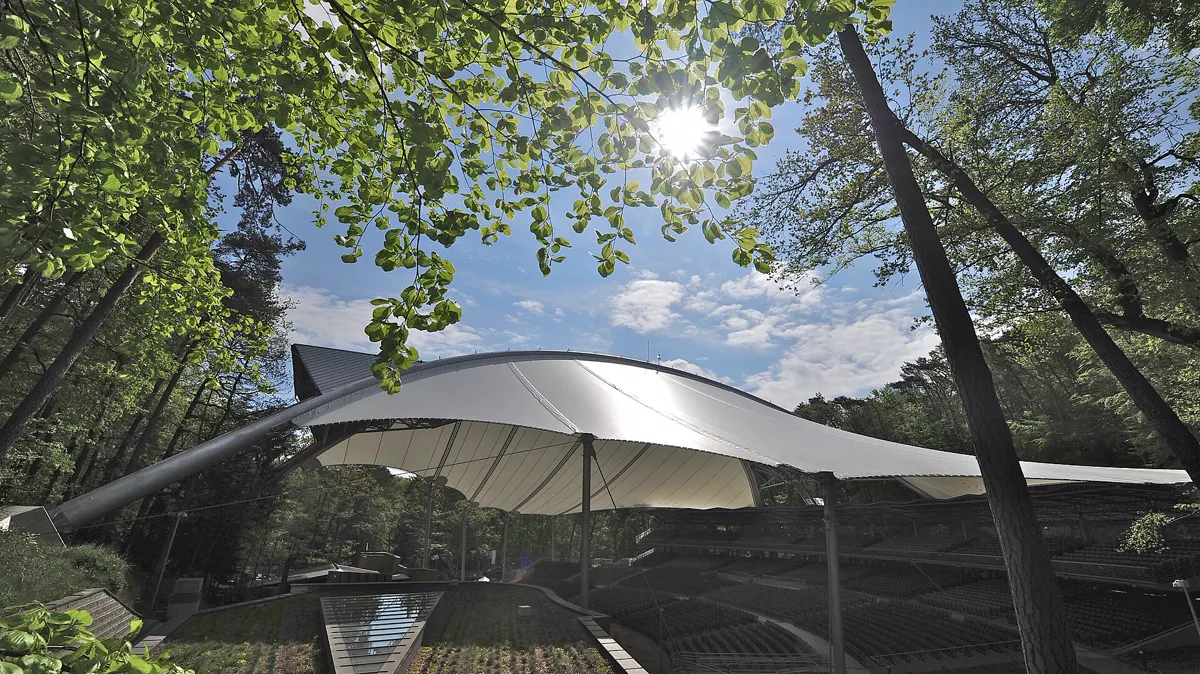
Sopot
Opera Lesna
This open-air forest amphitheatre seats several thousand under a modern canopy and hosts the Sopot International Song Festival. Set among the wooded hills above town, it has been a concert landmark since 1909.
Kraków
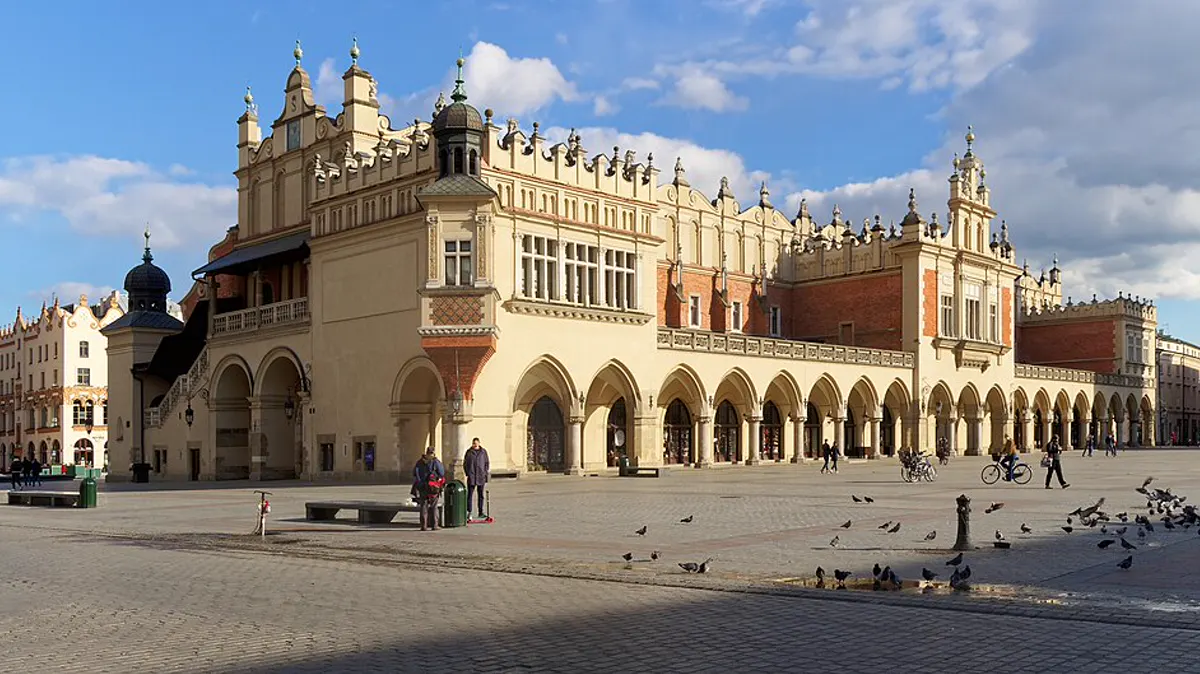
Sukiennice
The Renaissance Cloth Hall running down the centre of Rynek Glowny, once a hub of international cloth trade. Today its arcaded ground floor is lined with market stalls, while the upper floor houses a gallery of 19th-century Polish painting.
Kraków
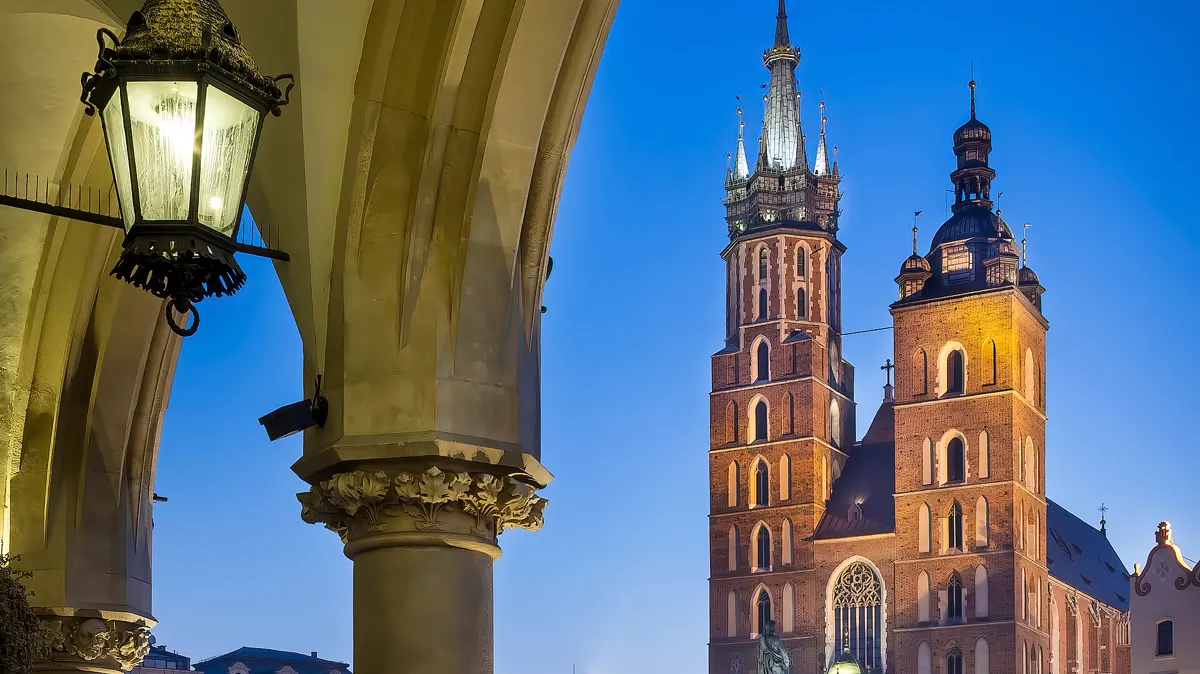
St Mary's Basilica
The brick Gothic church on the main square, famous for its mismatched towers and a carved wooden altarpiece by Veit Stoss.
Warsaw
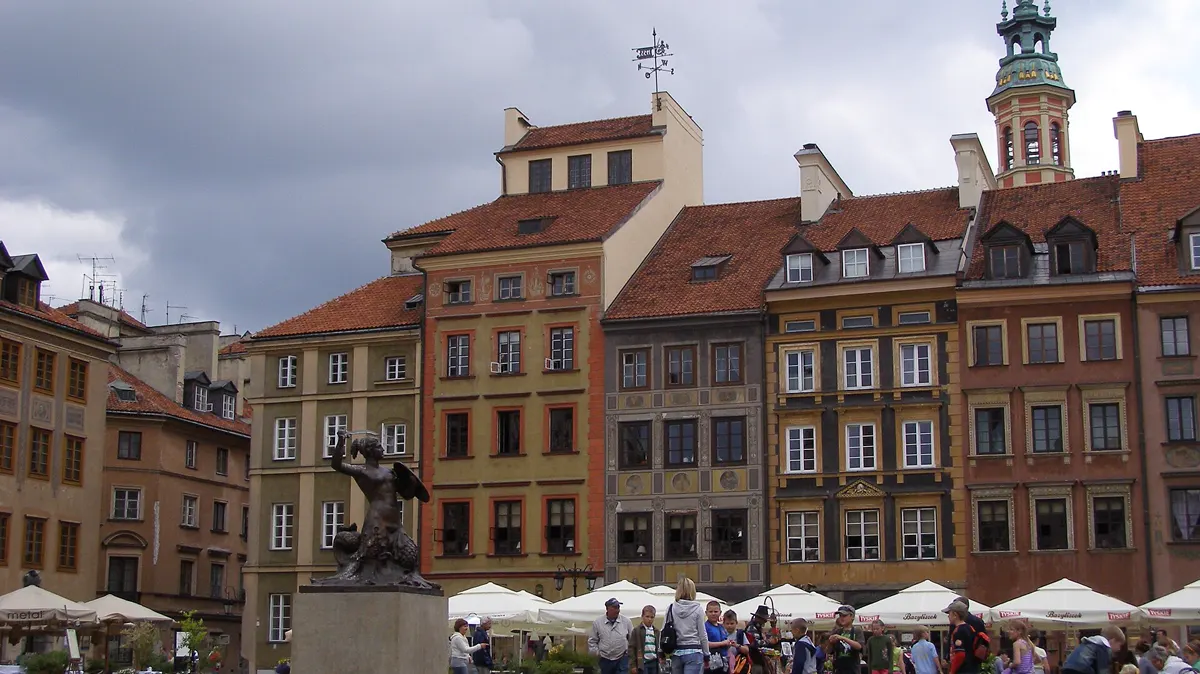
Old Town Market Square
The reconstructed heart of Warsaw Old Town, a UNESCO-listed feat of post-war rebuilding ringed by colourful townhouses.
Zakopane
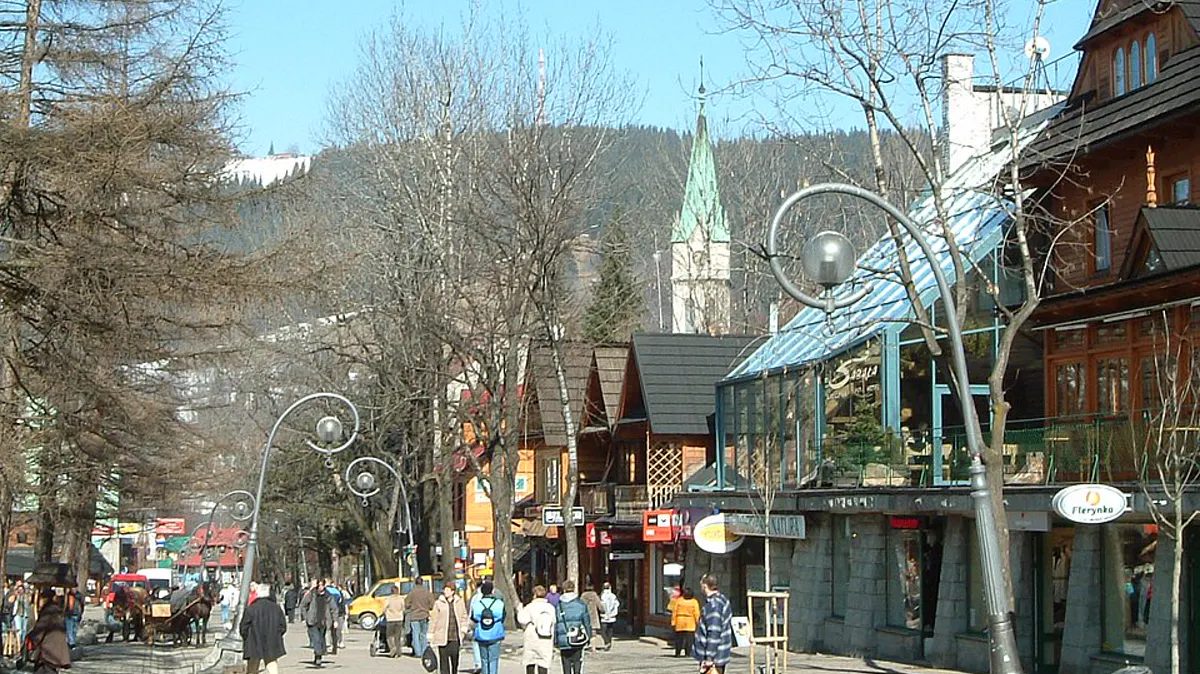
Krupowki
The main pedestrian street of Zakopane, lined with restaurants, highland-cheese stalls, shops and the buzz of the mountain resort.
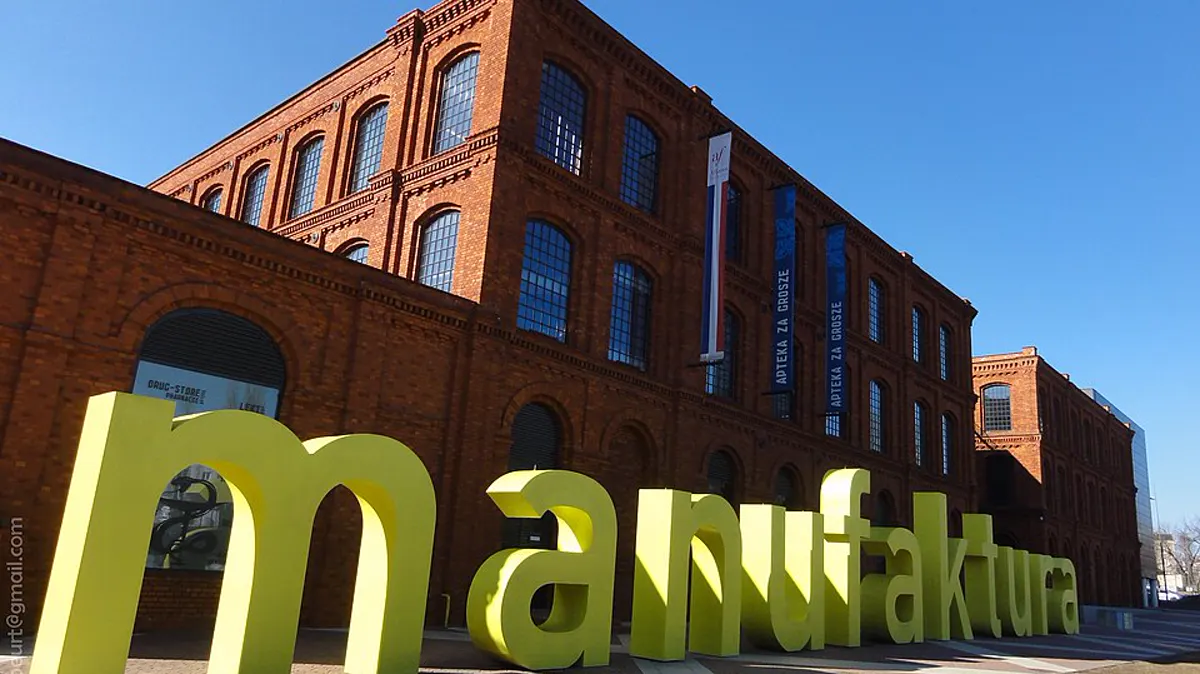
Łódź
Manufaktura
A vast nineteenth-century textile mill converted into a cultural, dining and shopping quarter around a huge public square.
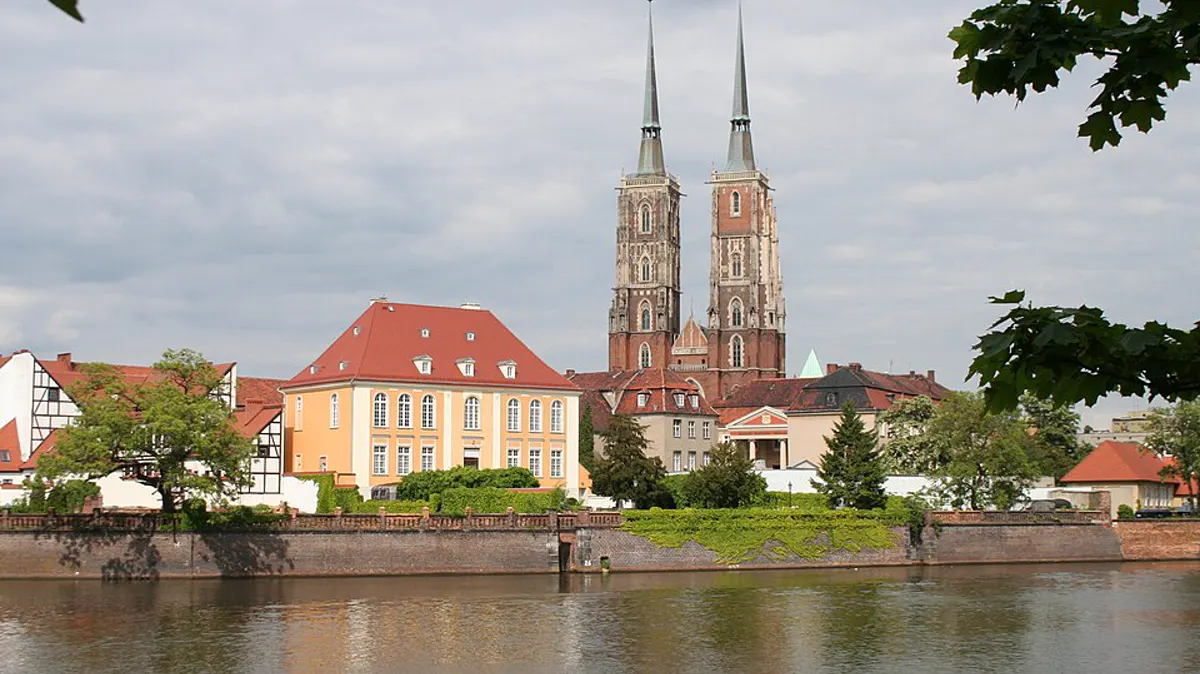
Wrocław
Cathedral Island, Wroclaw
The oldest part of Wroclaw, a cluster of churches on an island in the Oder reached across a romantic iron bridge.
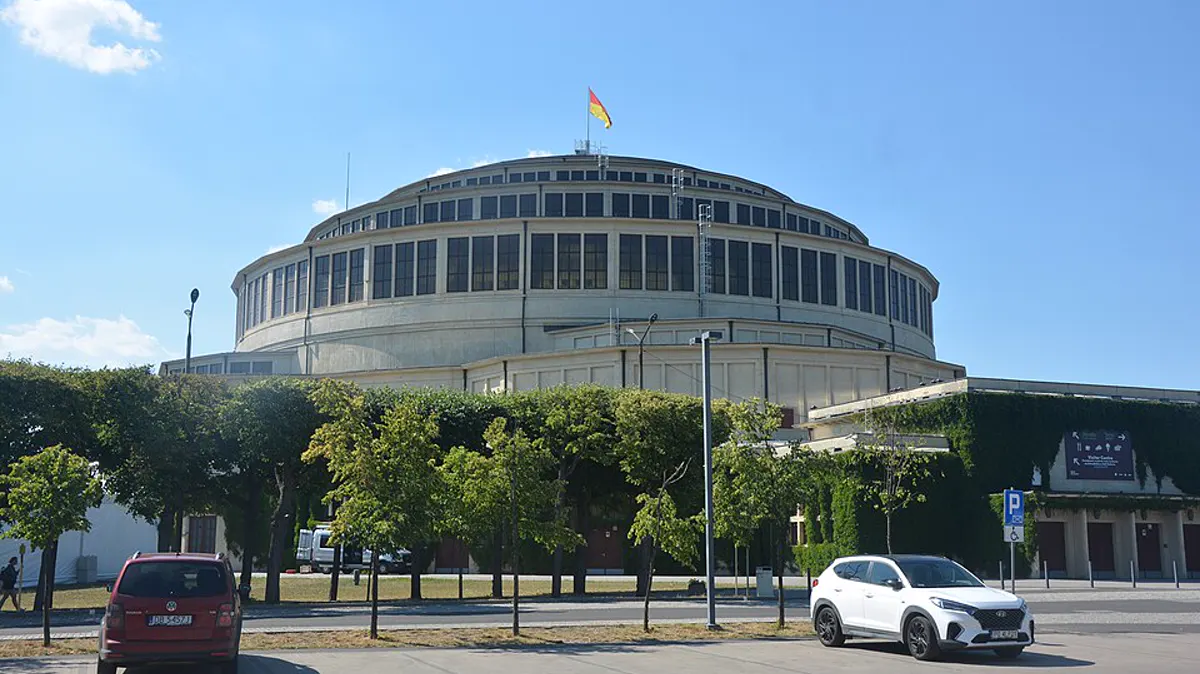
Wrocław
Centennial Hall
A pioneering reinforced-concrete dome from 1913, listed by UNESCO, set in a park with a large multimedia fountain.
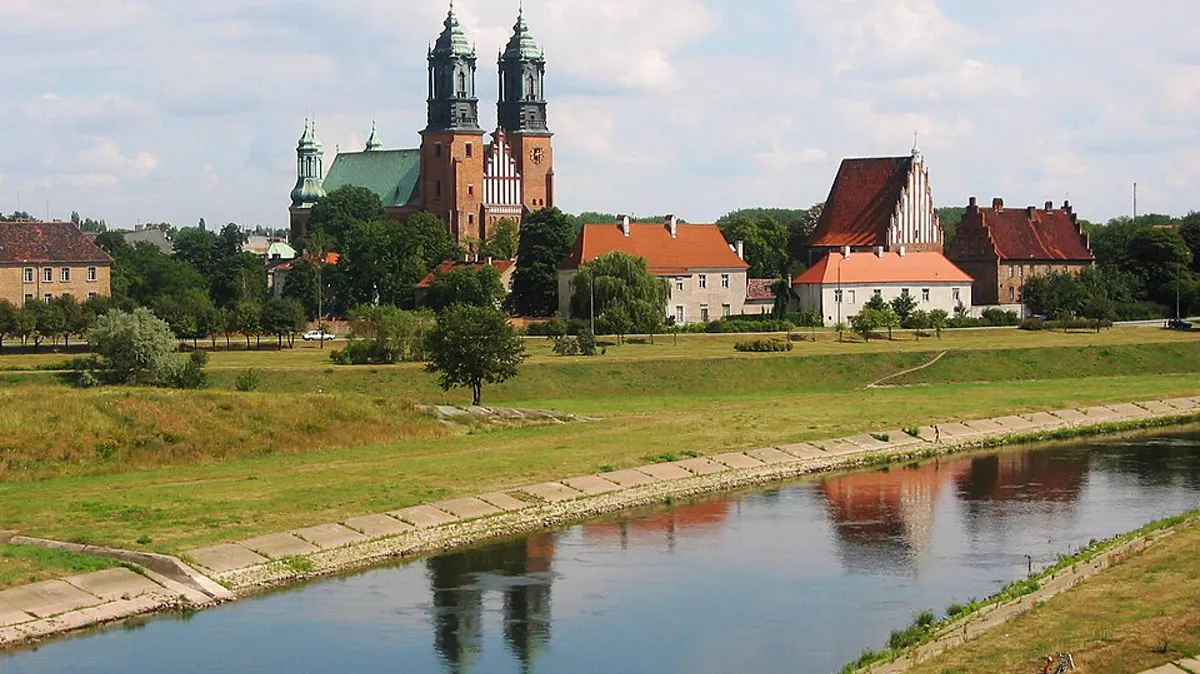
Poznań
Ostrow Tumski, Poznan
The cathedral island where the Polish state and church were born in the tenth century, a short walk from the market square.
Poland fits a lot into one country: medieval market squares, a salt mine carved into underground chapels, the memorial at Auschwitz-Birkenau, mountain trails and a long Baltic coast. Seventeen places hold UNESCO World Heritage status, and most of the headline attractions cluster around the cities you are likely to base yourself in, so a first trip rarely means long transfers.
Top attractions in Krakow, Warsaw and Gdansk
Krakow has the densest cluster: the Main Market Square, laid out in 1257 and among the largest medieval squares in Europe, the underground Wieliczka Salt Mine, and the Auschwitz-Birkenau Memorial within a day trip. Warsaw rebuilt its Old Town from wartime rubble, Gdansk lines the Motlawa with tall merchant houses, and Wroclaw and Torun keep intact Gothic centres. The mountains around Zakopane and the lakes of Masuria add the outdoor side.
Top places to visit on a first trip
Group attractions by the city you are staying in rather than chasing them across the map. Krakow, Warsaw and Gdansk each reward two or three days and put more sights within an easy day trip. For the classic sights that define the country, see the best viewpoints and our city guides.
Do you need to book tickets in advance
The busiest sites use timed entry, so book Wieliczka and the Auschwitz-Birkenau Memorial ahead, especially in summer. Many state museums have one free day a week. Tickets are good value by European standards; our note on costs in Poland has the typical prices.
Attractions by city
Travel guides
Krakow Golf Cart Tours: The Four Routes, Compared
Four electric cart routes cover the Old Town, Kazimierz, the ghetto in Podgorze and Schind...
Best Castles in Poland
From the Teutonic fortress at Malbork to the royal seats at Wawel and Warsaw, the Polish c...
3 Days in Krakow
A practical three-day plan for Krakow, pairing the Old Town and Wawel with Kazimierz and o...
Things to Do in Krakow
The sights, neighbourhoods and day trips that make Krakow worth several days, ranked by ho...