Attractions
Attractions in Poland
The sights worth building a day around.
Poland's attractions run from the medieval market squares of Krakow and Wroclaw to the Wieliczka Salt Mine, the memorial at Auschwitz-Birkenau and the Teutonic castle at Malbork. Each page below covers what the place is, how long to spend and how to get there, grouped by city.
All Attractions in Poland
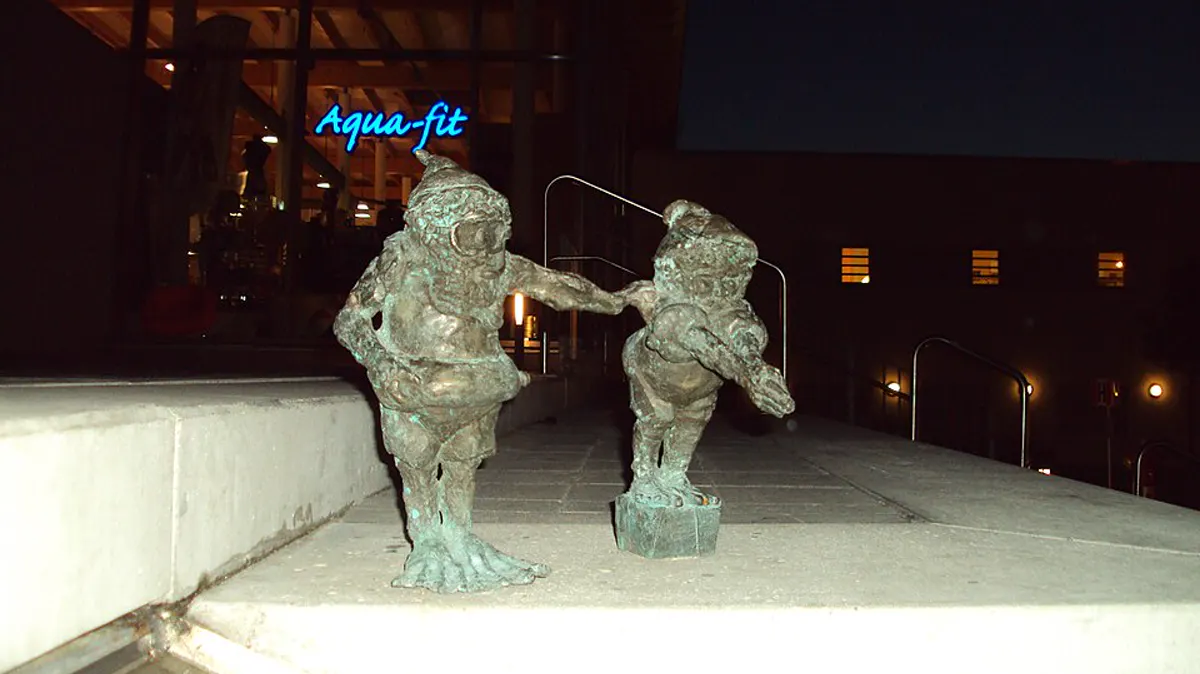
Wrocław
Wroclawskie krasnale
Hundreds of small bronze dwarf figurines scattered across the city, each with its own character and pose. They trace back to the 1980s Orange Alternative anti-communist protest movement.
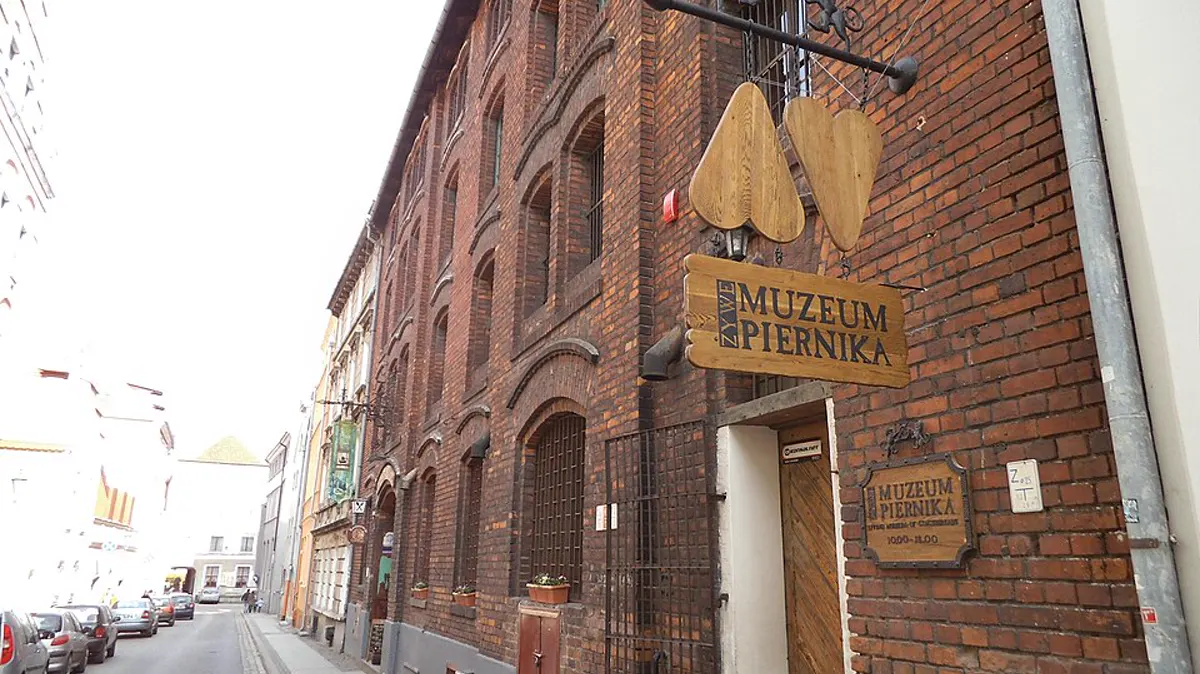
Toruń
Zywe Muzeum Piernika
At the Living Museum of Gingerbread, visitors knead and bake their own pierniki using medieval recipes under the guidance of costumed masters. Torun's gingerbread tradition dates back more than 600 years.
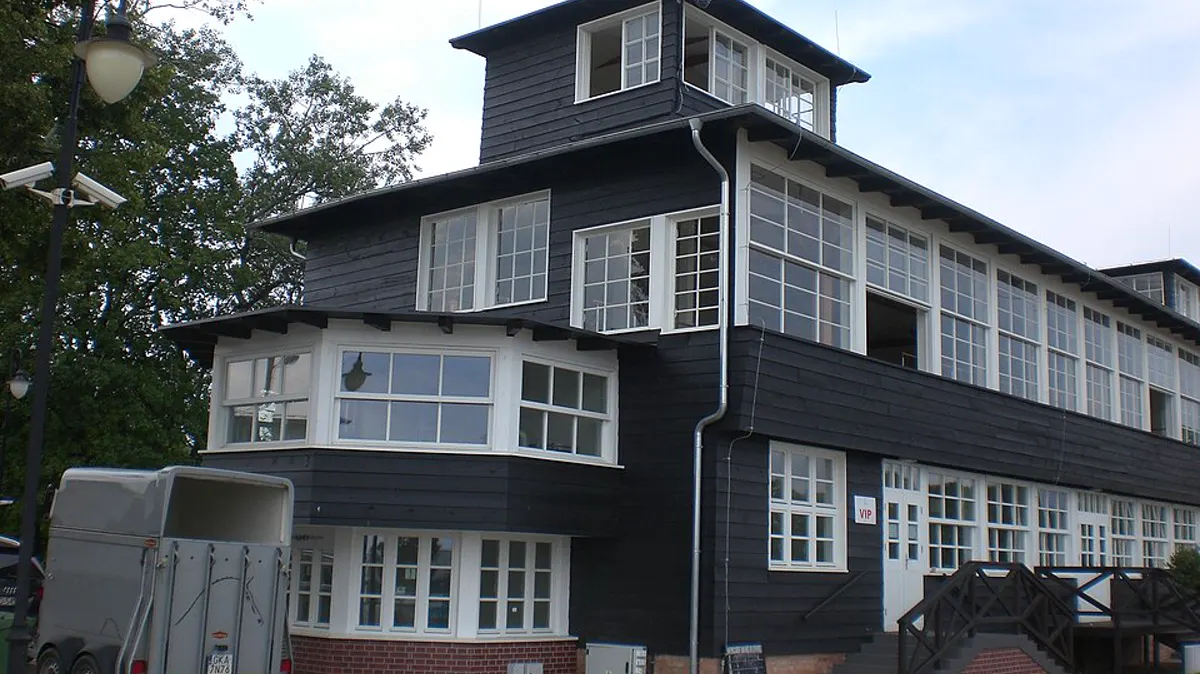
Sopot
Hipodrom Sopot
One of the oldest and most prestigious equestrian venues in Poland, the Sopot racecourse hosts international show-jumping competitions each summer. It sits just inland from the resort amid green surroundings.
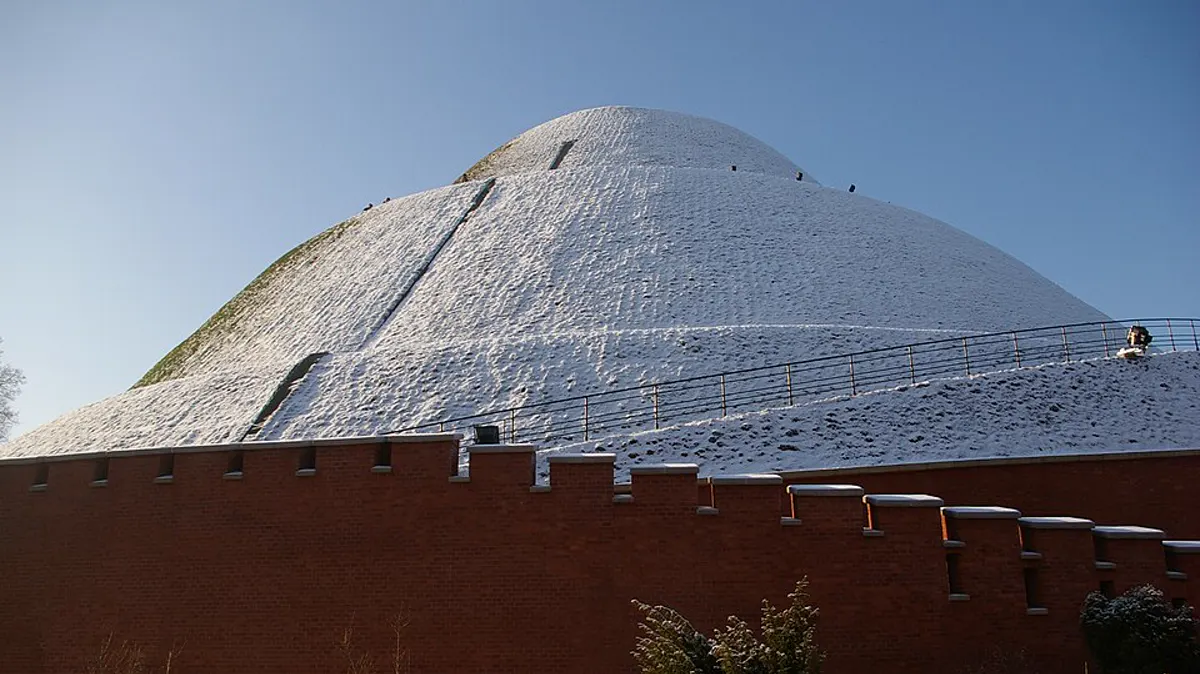
Kraków
Kopiec Kosciuszki
An artificial mound raised in the 1820s to honour national hero Tadeusz Kosciuszko, built partly with soil from his battlefields. From its summit and the surrounding fort there are sweeping views over the city and, on clear days, the Tatra Mountains.
Lublin
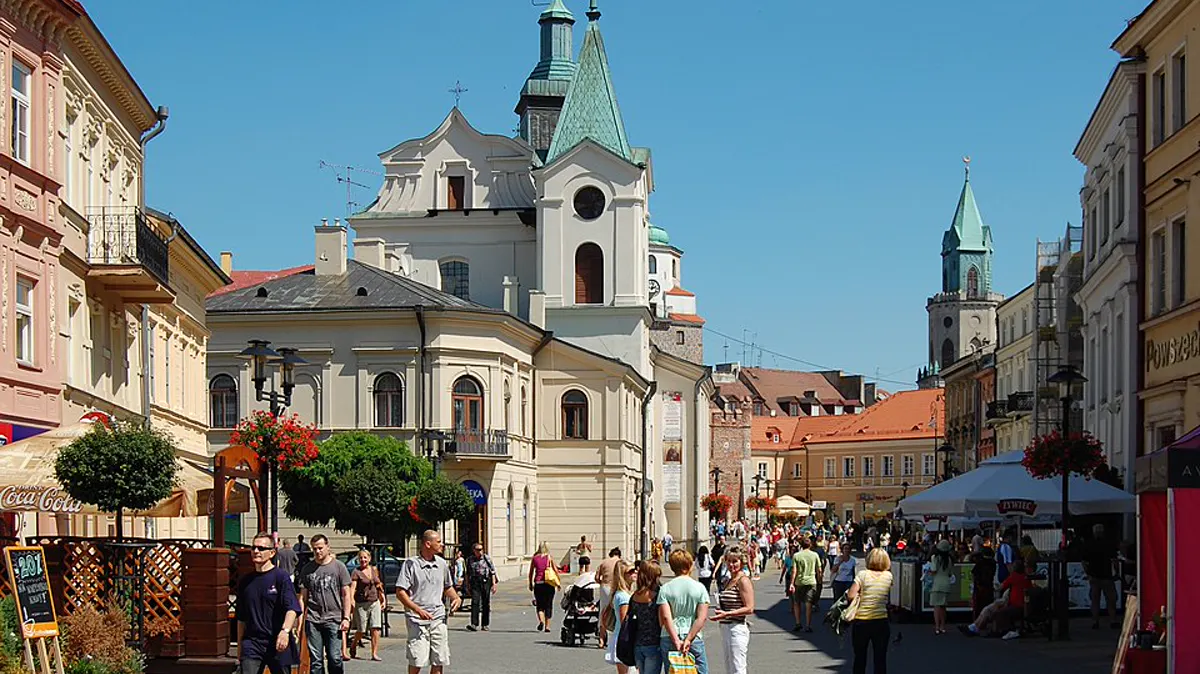
Krakowskie Przedmiescie (Lublin)
Lublin's main pedestrian promenade runs from the Krakow Gate past cafes, townhouses and the New Town Hall, forming the lively spine of the city centre.
Warsaw
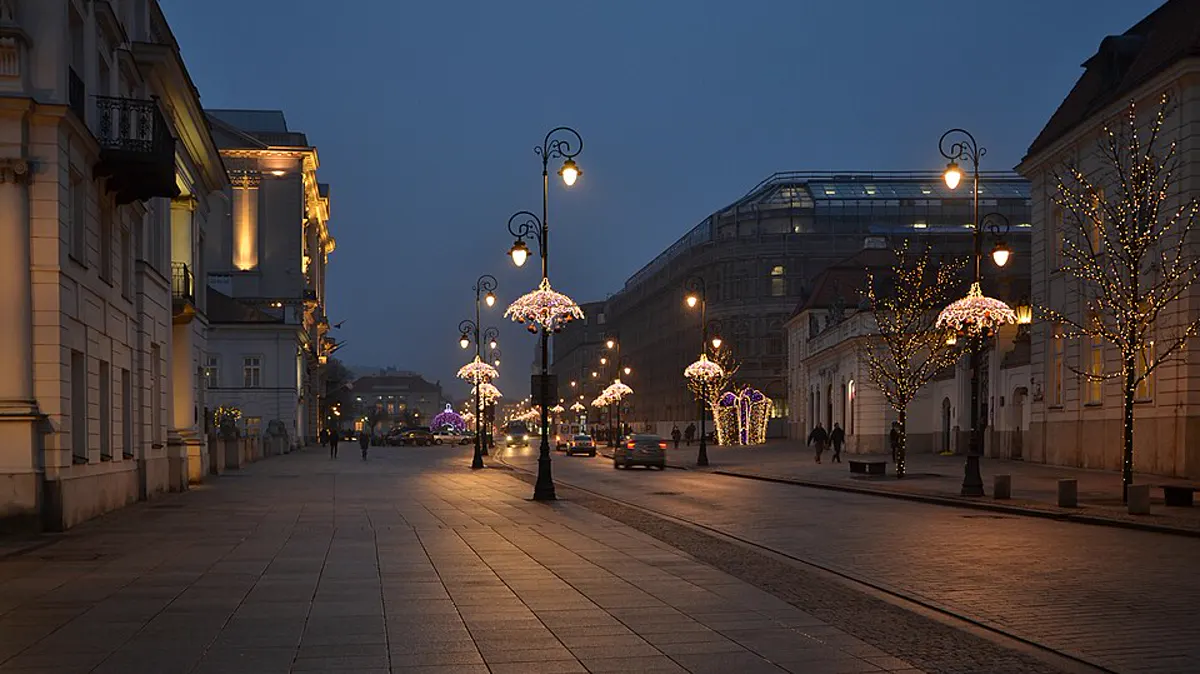
Krakowskie Przedmiescie (Warsaw)
This elegant Royal Route boulevard links the Old Town to the university and is lined with churches, palaces and the Presidential Palace. The Holy Cross Church here holds an urn containing Fryderyk Chopin's heart.
Wrocław
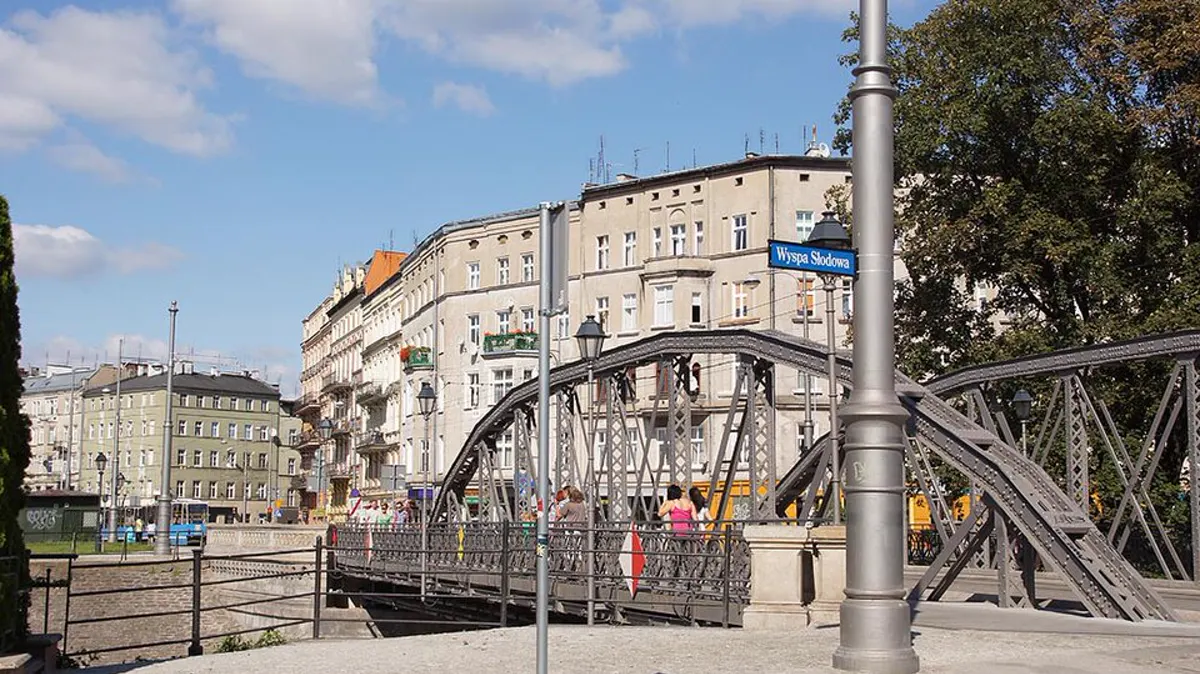
Most Tumski i Wyspa Slodowa
A green-painted iron footbridge from 1889 linking Ostrow Tumski, its railings covered in couples' love padlocks. Nearby Wyspa Slodowa is a riverside island popular for relaxing and summer gatherings.
Warsaw
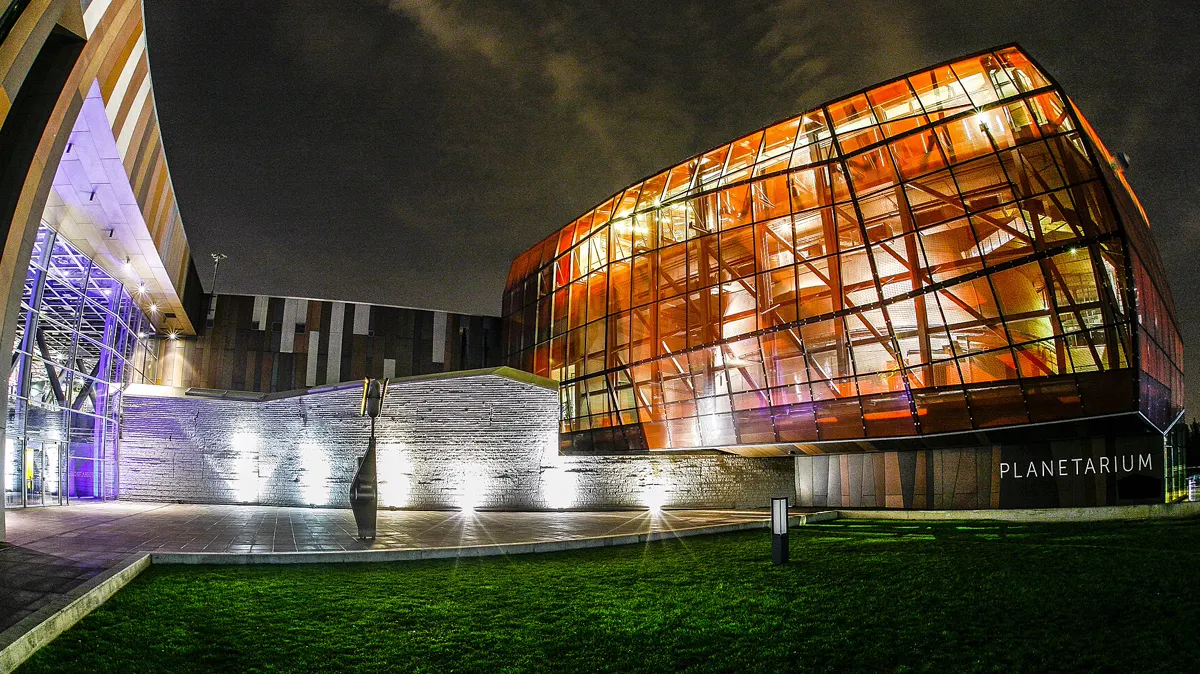
Centrum Nauki Kopernik
The Copernicus Science Centre on the Vistula riverbank offers hundreds of hands-on physics and biology exhibits plus a planetarium under a spherical dome. It is one of the most visited interactive science museums in Europe.
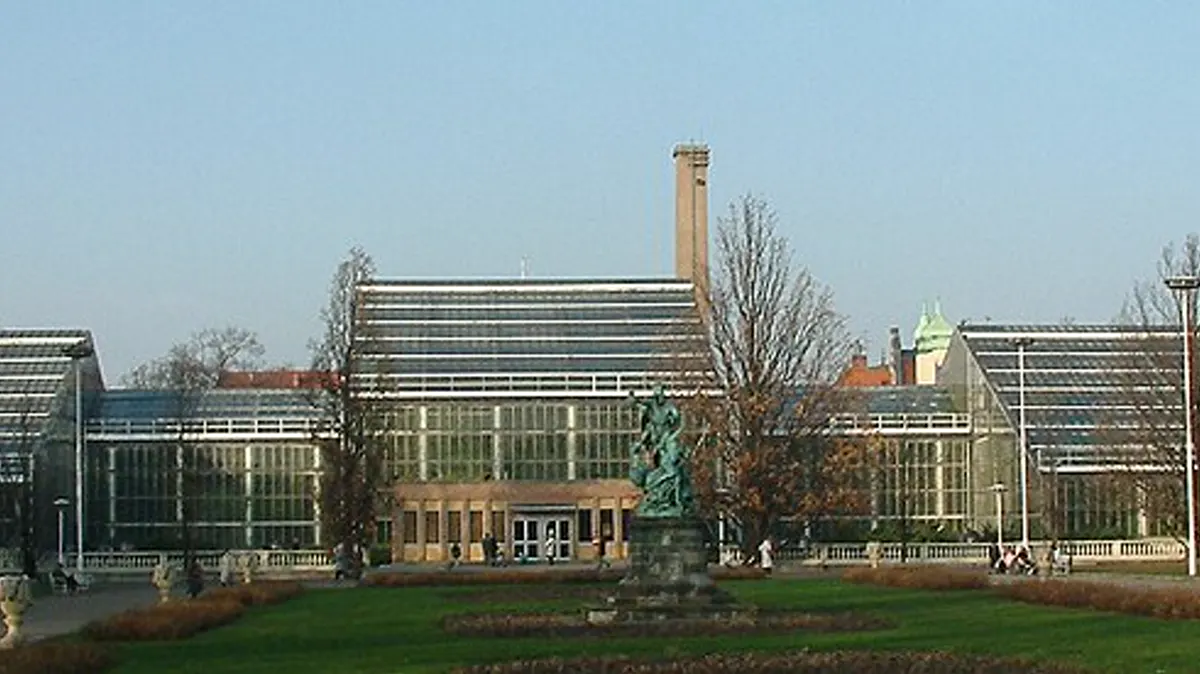
Poznań
Palmiarnia
One of the largest palm houses in Europe, sheltering thousands of plant species across ten climate pavilions. Towering palms, cacti and a freshwater aquarium fill the glass halls in Wilson Park.
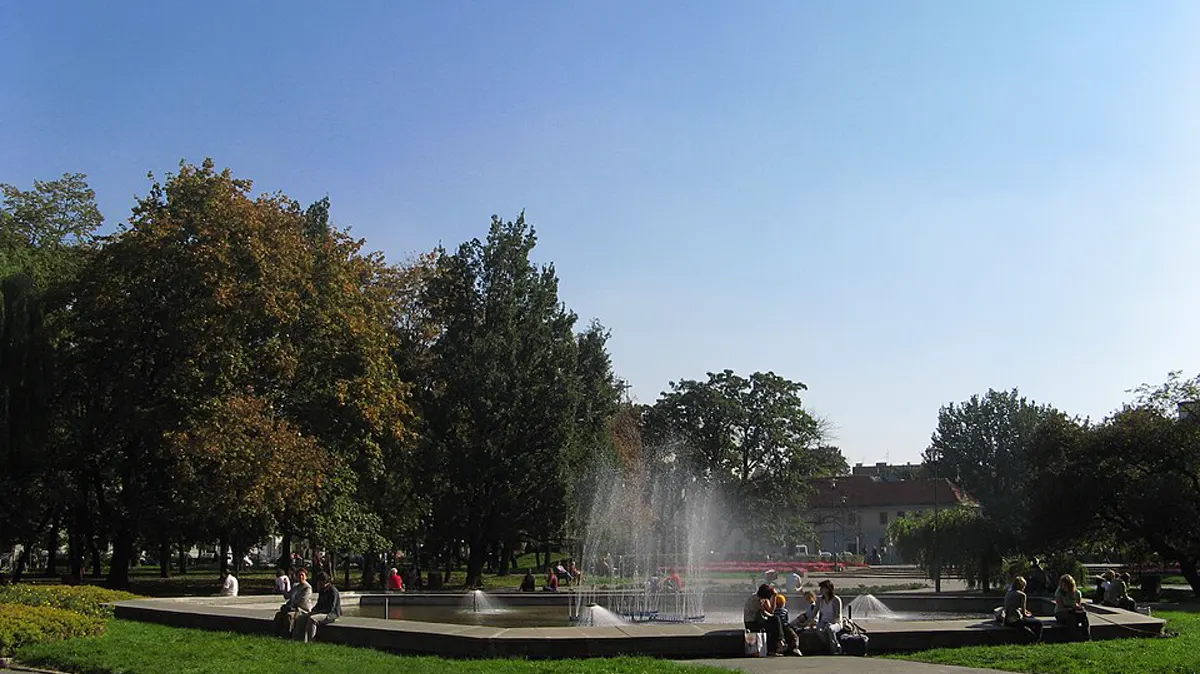
Lublin
Plac Litewski
The Lithuanian Square marks the 1569 Union of Lublin between Poland and Lithuania, a renovated public space with fountains, monuments and the Saski Palace nearby.
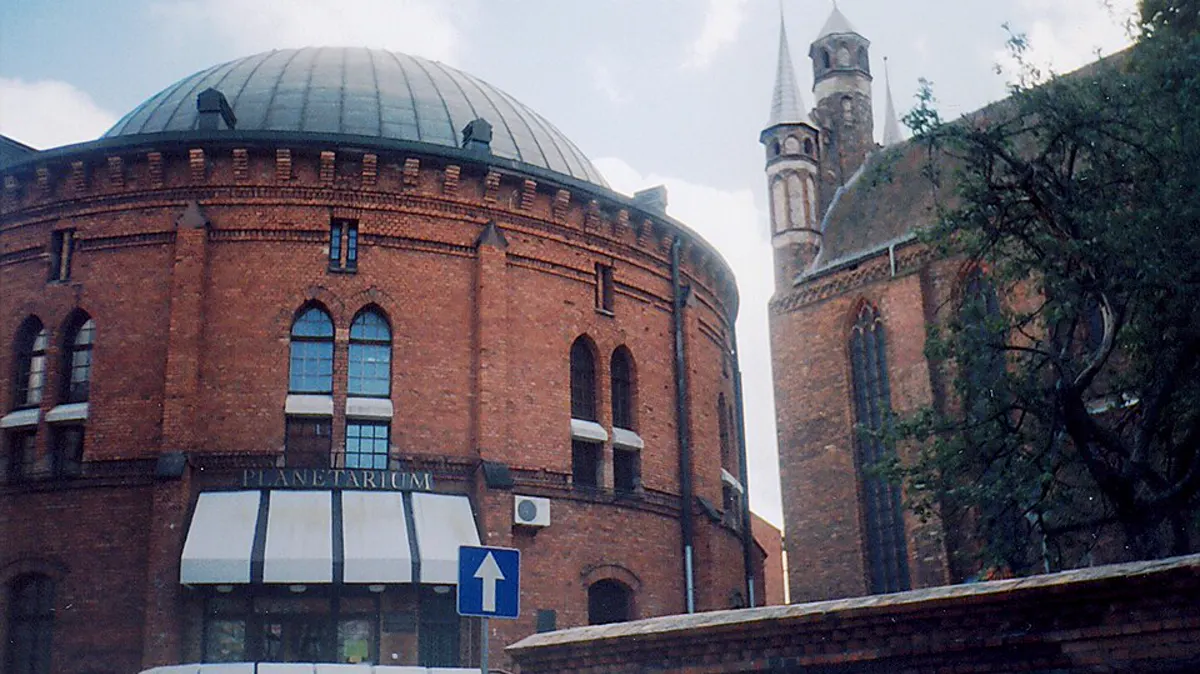
Toruń
Planetarium
Housed in a former 19th-century gas holder, Torun's planetarium projects astronomy shows under a large dome in fitting tribute to the birthplace of Copernicus. It is one of the most visited planetariums in Poland.
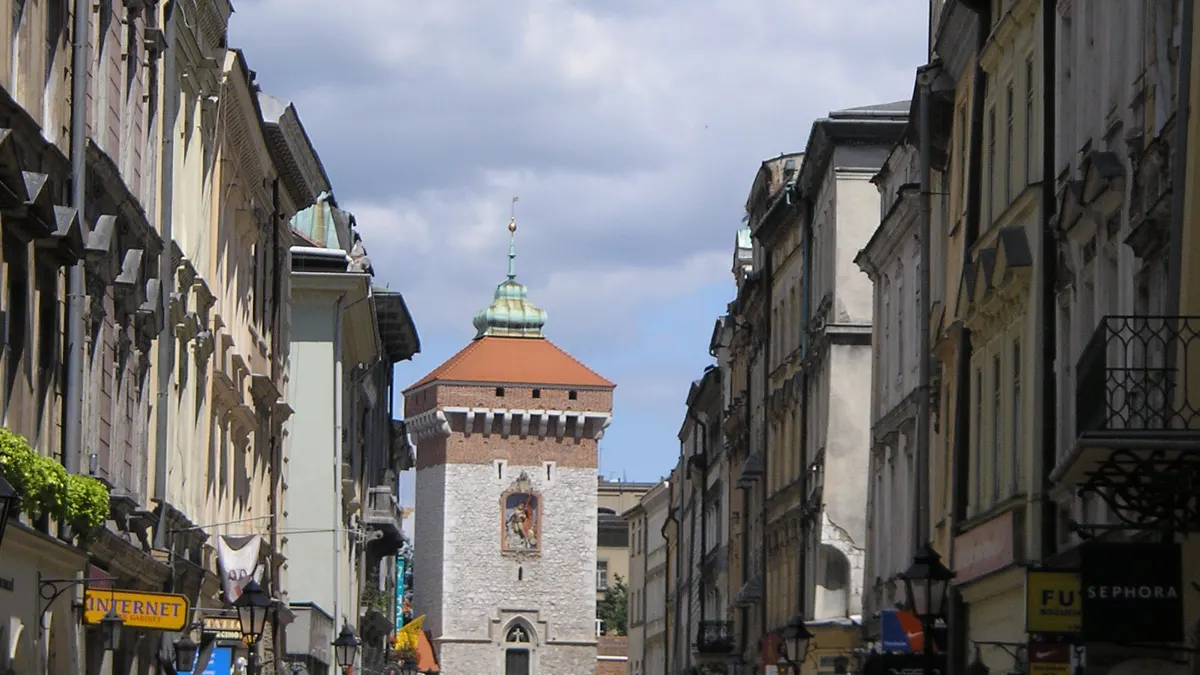
Kraków
Ulica Florianska
The elegant medieval street running from the Barbican and Florian Gate down to the main square, part of the historic Royal Route. Lined with townhouses, cafes and shops, it ends at the last surviving Gothic city gate, Brama Florianska.
Poland fits a lot into one country: medieval market squares, a salt mine carved into underground chapels, the memorial at Auschwitz-Birkenau, mountain trails and a long Baltic coast. Seventeen places hold UNESCO World Heritage status, and most of the headline attractions cluster around the cities you are likely to base yourself in, so a first trip rarely means long transfers.
Top attractions in Krakow, Warsaw and Gdansk
Krakow has the densest cluster: the Main Market Square, laid out in 1257 and among the largest medieval squares in Europe, the underground Wieliczka Salt Mine, and the Auschwitz-Birkenau Memorial within a day trip. Warsaw rebuilt its Old Town from wartime rubble, Gdansk lines the Motlawa with tall merchant houses, and Wroclaw and Torun keep intact Gothic centres. The mountains around Zakopane and the lakes of Masuria add the outdoor side.
Top places to visit on a first trip
Group attractions by the city you are staying in rather than chasing them across the map. Krakow, Warsaw and Gdansk each reward two or three days and put more sights within an easy day trip. For the classic sights that define the country, see the best viewpoints and our city guides.
Do you need to book tickets in advance
The busiest sites use timed entry, so book Wieliczka and the Auschwitz-Birkenau Memorial ahead, especially in summer. Many state museums have one free day a week. Tickets are good value by European standards; our note on costs in Poland has the typical prices.
Attractions by city
Travel guides
Krakow Golf Cart Tours: The Four Routes, Compared
Four electric cart routes cover the Old Town, Kazimierz, the ghetto in Podgorze and Schind...
Best Castles in Poland
From the Teutonic fortress at Malbork to the royal seats at Wawel and Warsaw, the Polish c...
3 Days in Krakow
A practical three-day plan for Krakow, pairing the Old Town and Wawel with Kazimierz and o...
Things to Do in Krakow
The sights, neighbourhoods and day trips that make Krakow worth several days, ranked by ho...