Attractions
Attractions in Poland
The sights worth building a day around.
Poland's attractions run from the medieval market squares of Krakow and Wroclaw to the Wieliczka Salt Mine, the memorial at Auschwitz-Birkenau and the Teutonic castle at Malbork. Each page below covers what the place is, how long to spend and how to get there, grouped by city.
All Attractions in Poland
Wrocław
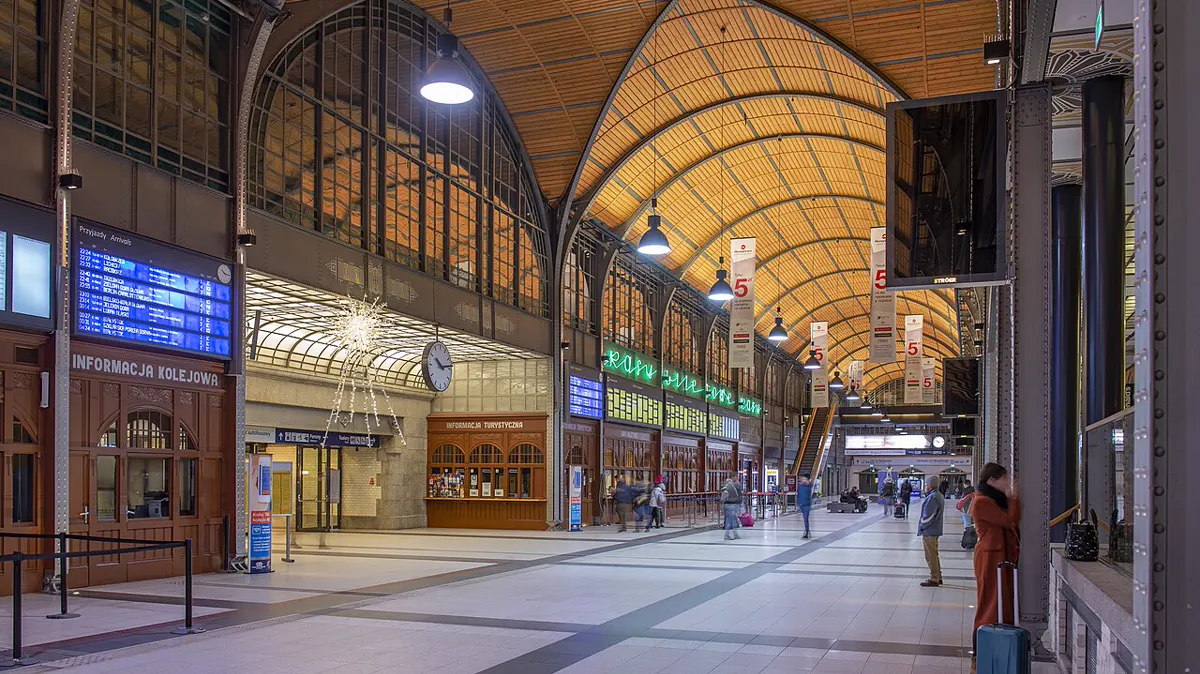
Wrocław Main Railway Station (Wrocław Główny)
Wrocław's main railway station is a castle-like Tudor neo-Gothic terminus from 1857, and for many arriving travellers it is the first thing they see of the city.
Zamość
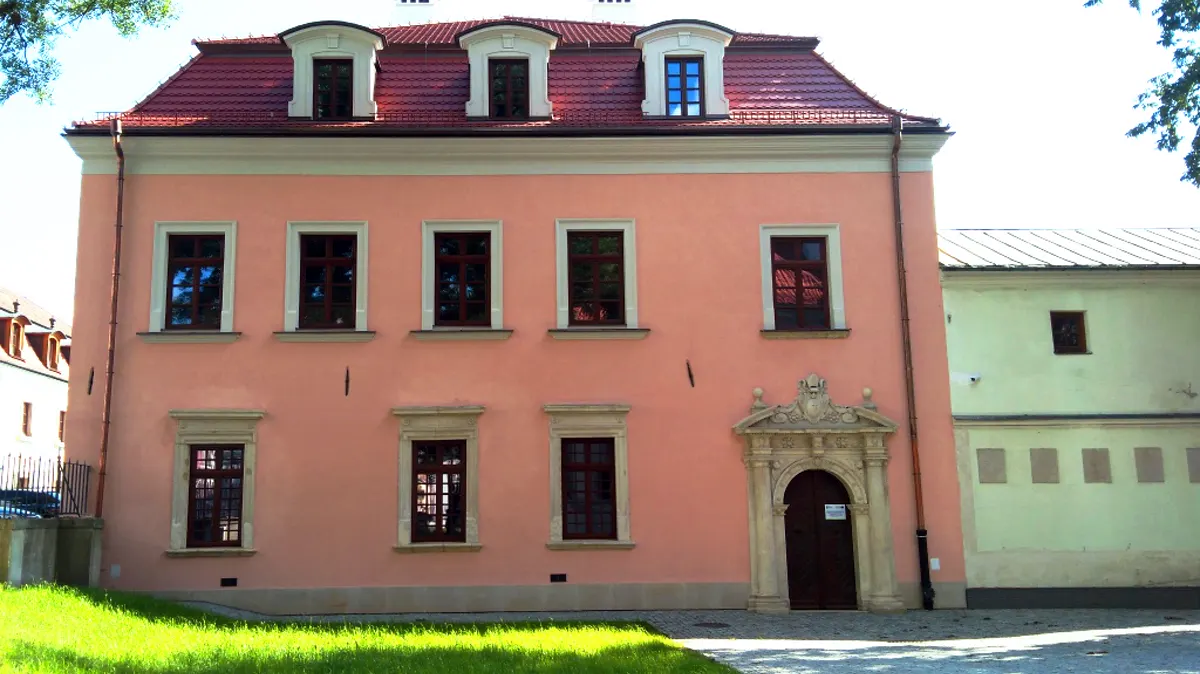
Infułatka (Sacred Museum)
The Infułatka is a Baroque building beside Zamość Cathedral that now holds a museum of sacred art, with liturgical vestments, vessels and a coronation alb on display.
Gdańsk
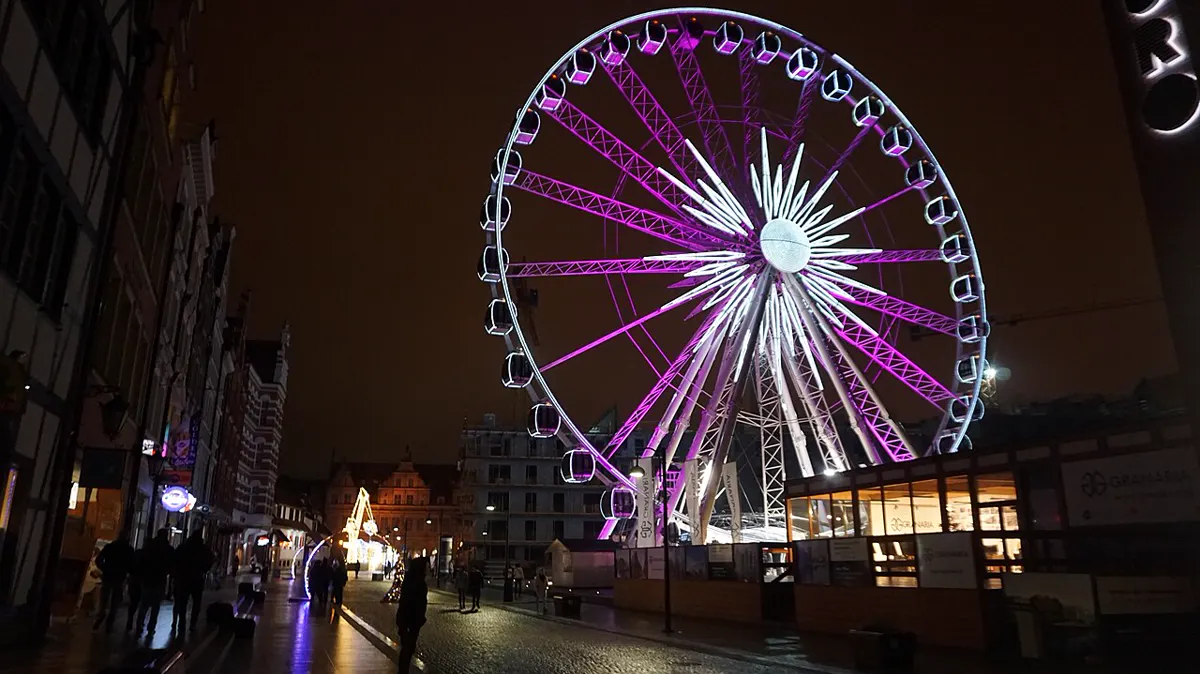
AmberSky Ferris Wheel (Gdańsk Eye)
A large observation Ferris wheel with enclosed, climate-controlled gondolas that lift you above Gdańsk for wide views over the Old Town, waterfront and port.
Katowice
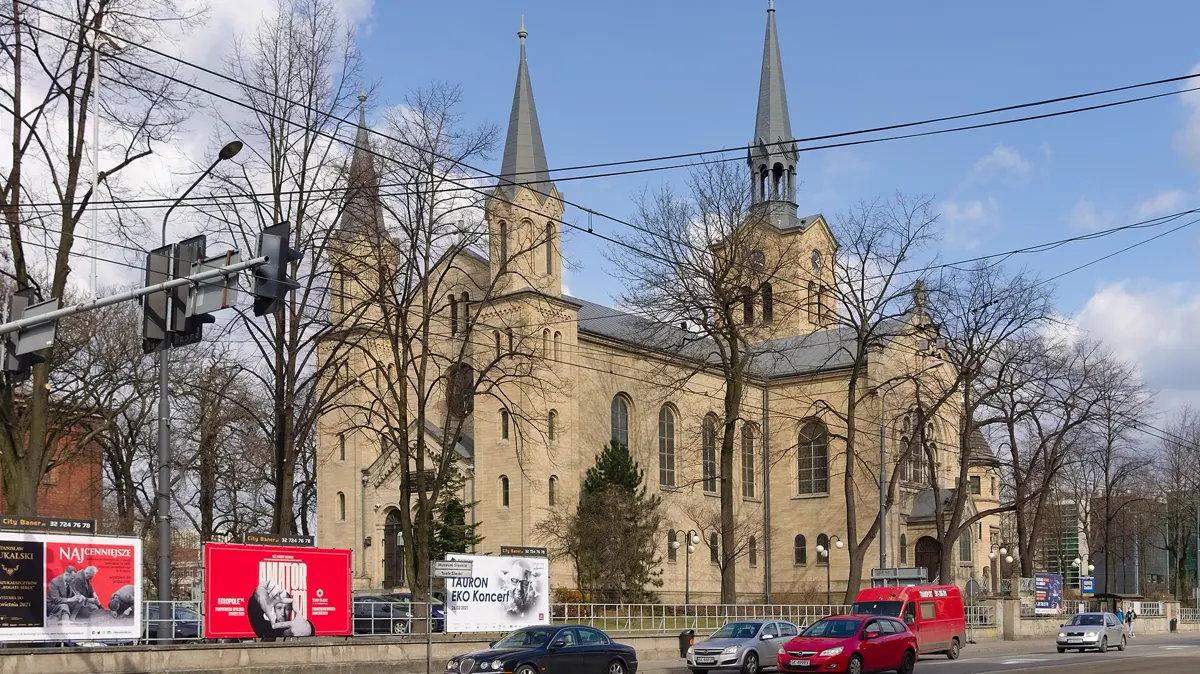
Church of the Resurrection (Evangelical Church)
A mid-19th-century Lutheran church on Warszawska Street, widely regarded as the oldest monumental building in central Katowice.
Toruń
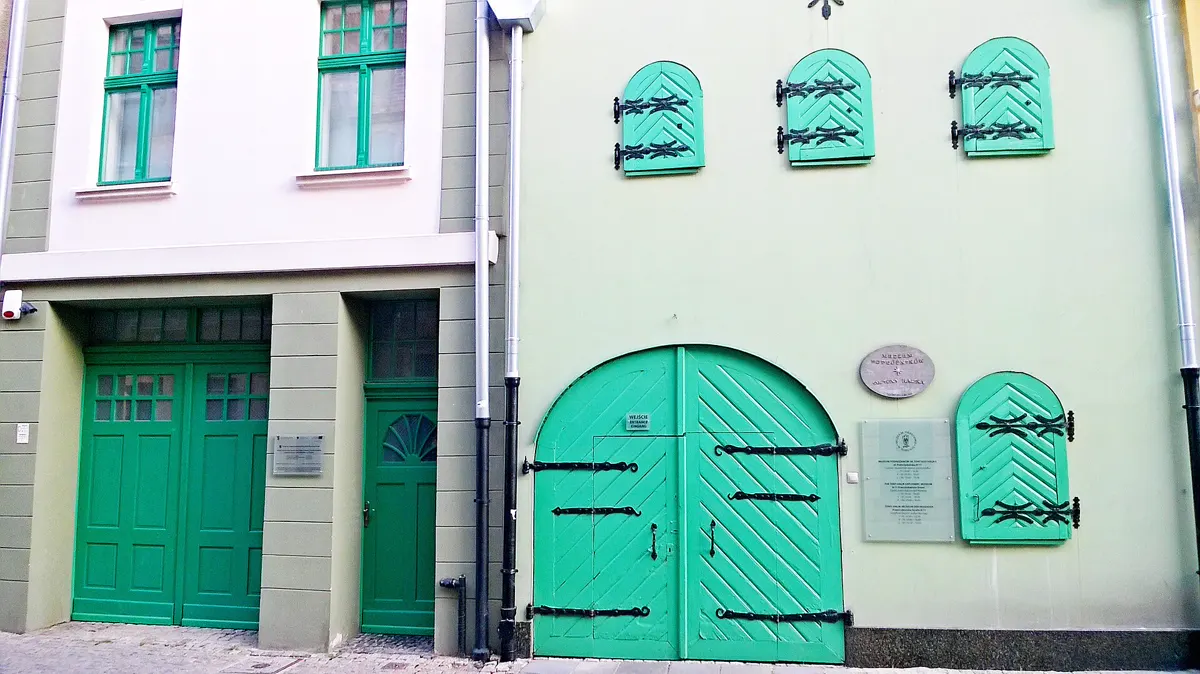
Museum of Travelers (Tony Halik Museum)
A branch of the District Museum in Toruń devoted to globetrotter and TV traveller Tony Halik and his partner Elżbieta Dzikowska, filled with souvenirs and equipment from their journeys around the world.
Warsaw
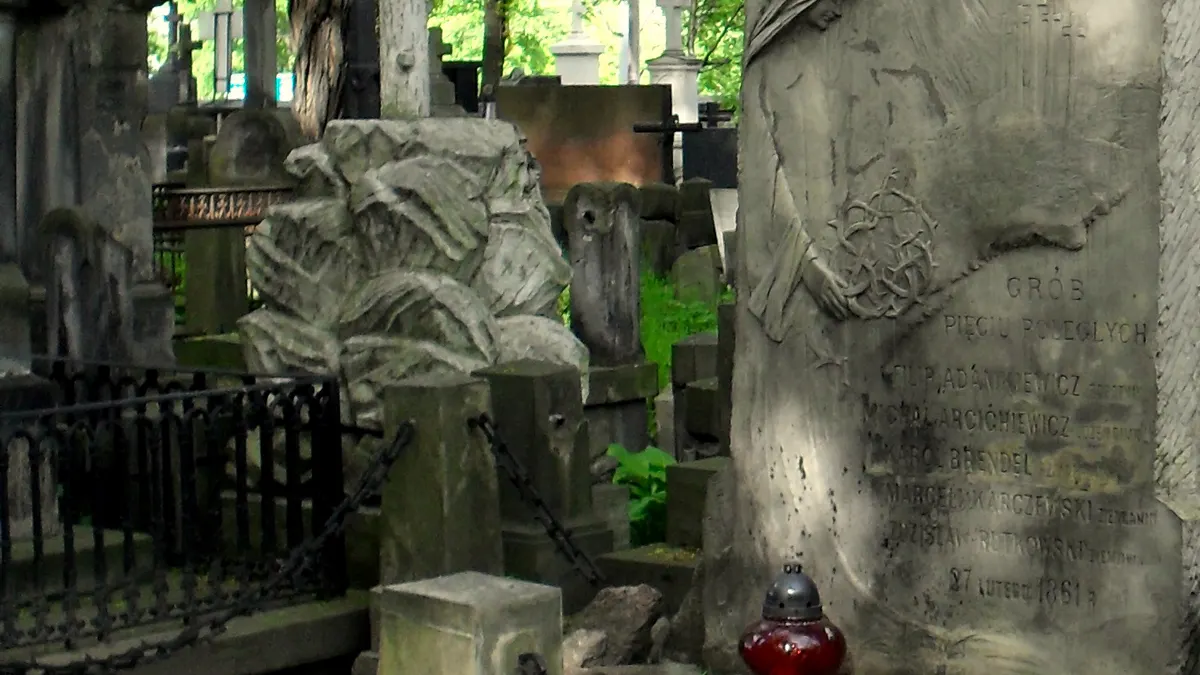
Powazki Cemetery
Founded in 1790, Powazki is Warsaw's oldest and most famous cemetery, an open-air gallery of funerary sculpture spread across roughly 43 hectares in the Wola district.
Gdańsk
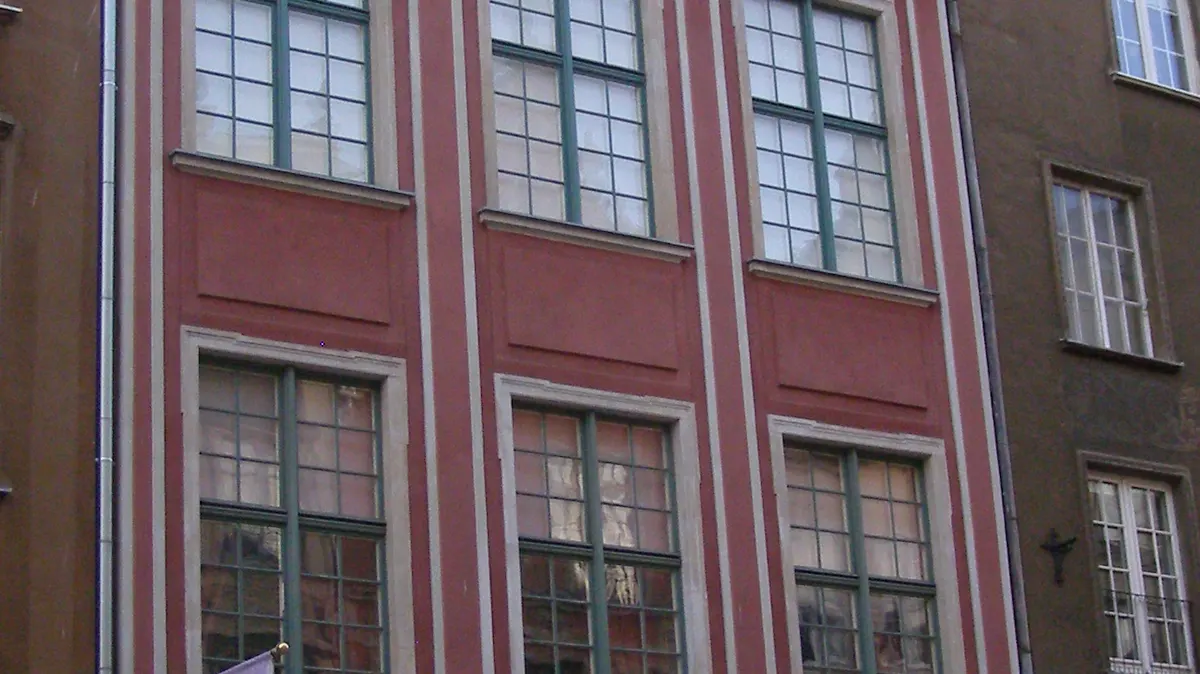
Uphagen House
Uphagen House is an 18th-century patrician townhouse on Gdansk's Long Street, preserved as a museum of period rooms that show how a wealthy merchant family once lived.
Toruń
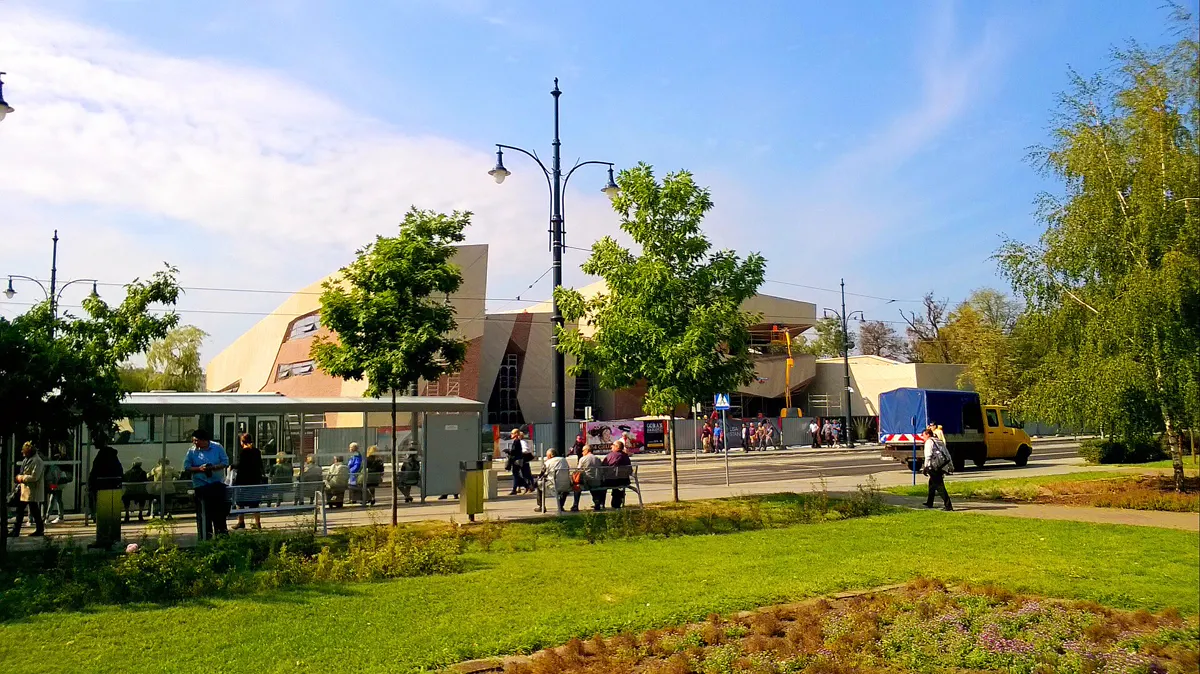
CKK Jordanki Concert and Congress Hall
A sculptural modern concert and congress centre near Toruń's Old Town, home to the Toruń Symphony Orchestra and a repeat winner of international architecture awards.
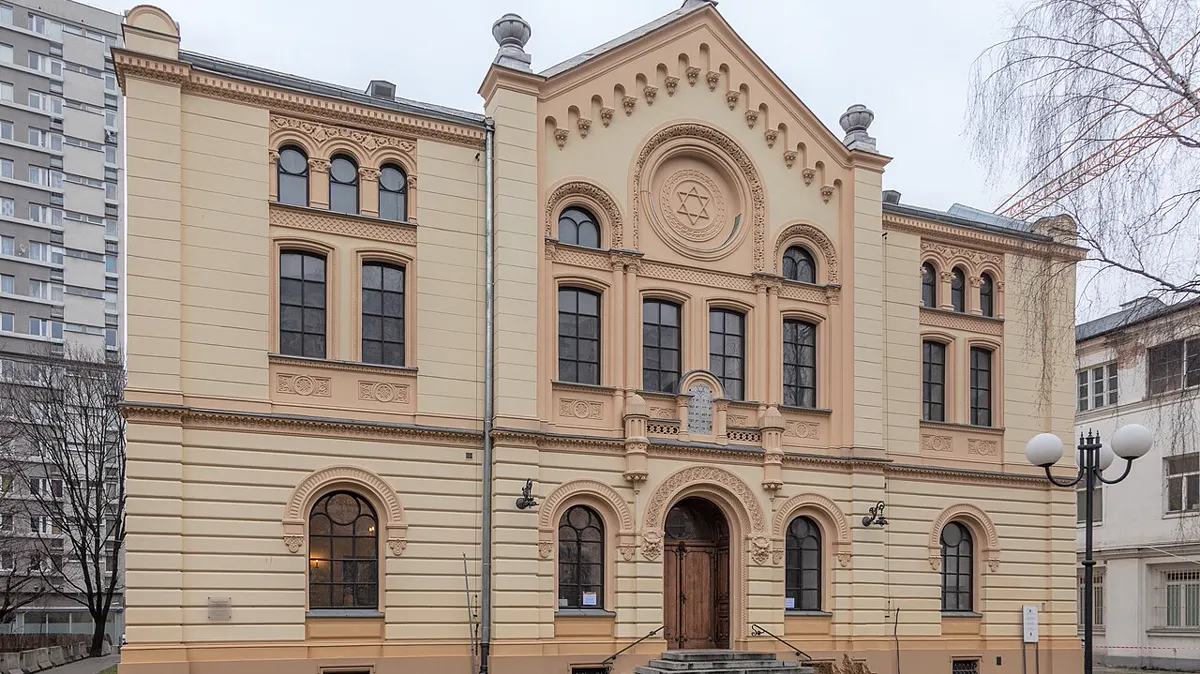
Warsaw
Nozyk Synagogue
The Nozyk Synagogue on Twarda Street is the only pre-war Jewish house of prayer in Warsaw to survive World War II, and it still functions as an active Orthodox synagogue.
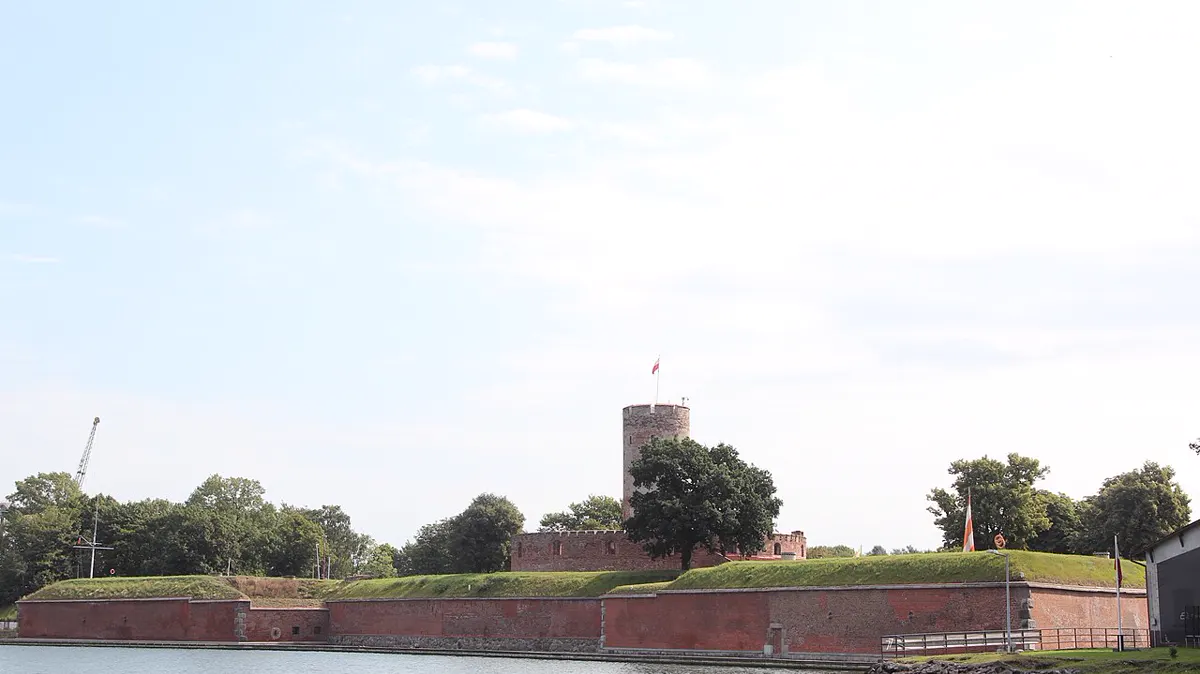
Gdańsk
Wisloujscie Fortress
A well-preserved brick fortress at the mouth of the Vistula in Gdańsk's port district, built around a medieval tower and later ringed with bastion defences. It now operates as a branch of the Museum of Gdańsk.
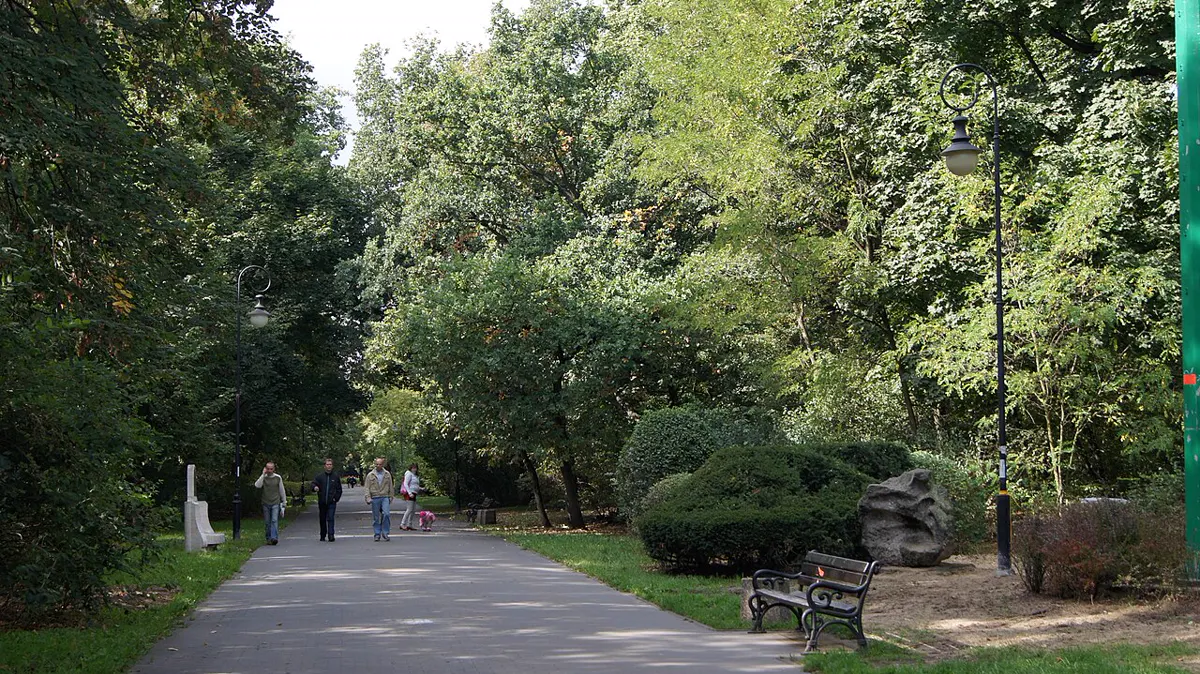
Toruń
City Park on Bydgoskie Przedmieście
A leafy 19th-century municipal park on Toruń's western edge, laid out in 1817 near the Vistula and loved by locals for quiet walks and cycling.
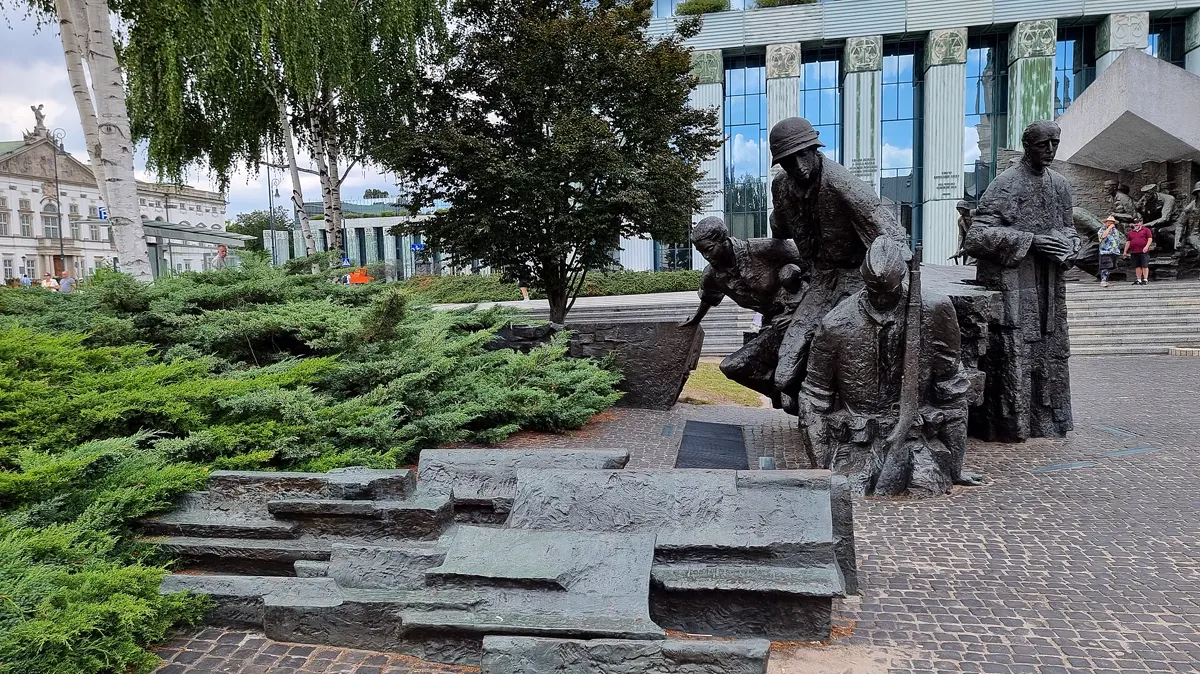
Warsaw
Warsaw Uprising Monument
A large bronze monument on Krasinski Square commemorating the 1944 Warsaw Uprising, the 63-day fight by the Polish resistance against German occupation.
Poland fits a lot into one country: medieval market squares, a salt mine carved into underground chapels, the memorial at Auschwitz-Birkenau, mountain trails and a long Baltic coast. Seventeen places hold UNESCO World Heritage status, and most of the headline attractions cluster around the cities you are likely to base yourself in, so a first trip rarely means long transfers.
Top attractions in Krakow, Warsaw and Gdansk
Krakow has the densest cluster: the Main Market Square, laid out in 1257 and among the largest medieval squares in Europe, the underground Wieliczka Salt Mine, and the Auschwitz-Birkenau Memorial within a day trip. Warsaw rebuilt its Old Town from wartime rubble, Gdansk lines the Motlawa with tall merchant houses, and Wroclaw and Torun keep intact Gothic centres. The mountains around Zakopane and the lakes of Masuria add the outdoor side.
Top places to visit on a first trip
Group attractions by the city you are staying in rather than chasing them across the map. Krakow, Warsaw and Gdansk each reward two or three days and put more sights within an easy day trip. For the classic sights that define the country, see the best viewpoints and our city guides.
Do you need to book tickets in advance
The busiest sites use timed entry, so book Wieliczka and the Auschwitz-Birkenau Memorial ahead, especially in summer. Many state museums have one free day a week. Tickets are good value by European standards; our note on costs in Poland has the typical prices.
Attractions by city
Travel guides
Krakow Golf Cart Tours: The Four Routes, Compared
Four electric cart routes cover the Old Town, Kazimierz, the ghetto in Podgorze and Schind...
Best Castles in Poland
From the Teutonic fortress at Malbork to the royal seats at Wawel and Warsaw, the Polish c...
3 Days in Krakow
A practical three-day plan for Krakow, pairing the Old Town and Wawel with Kazimierz and o...
Things to Do in Krakow
The sights, neighbourhoods and day trips that make Krakow worth several days, ranked by ho...