Kraków
Attractions in Kraków
Most of Krakow's landmarks sit inside the medieval Old Town and spill out along its edges, so you can walk between the Main Market Square, the Sukiennice cloth hall, and St Mary's Basilica in a single morning. Ulica Florianska and the Barbakan mark the old northern gate, while the ring of the Planty green belt traces where the city walls once stood. For a change of scale, the Wieliczka Salt Mine and the views from Kopiec Kosciuszki both sit a short trip beyond the centre.
All Attractions in Kraków
Attraction
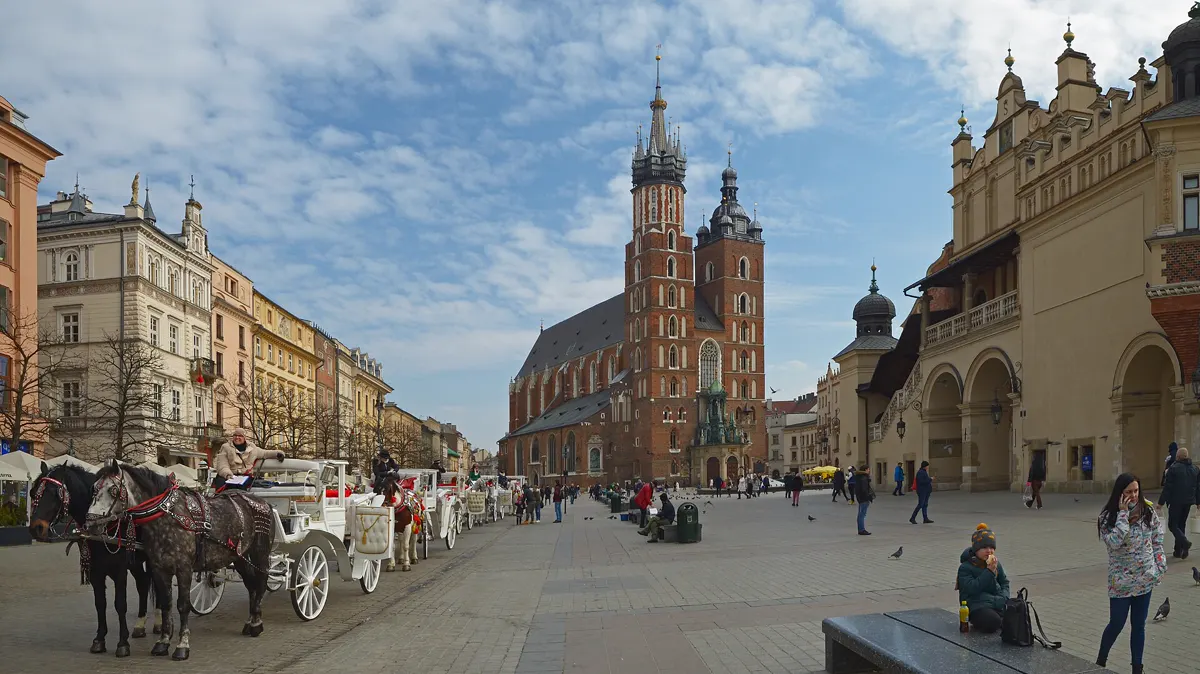
Main Market Square
Europe's largest medieval market square, the social centre of Krakow, with the Cloth Hall running down its middle.
Attraction
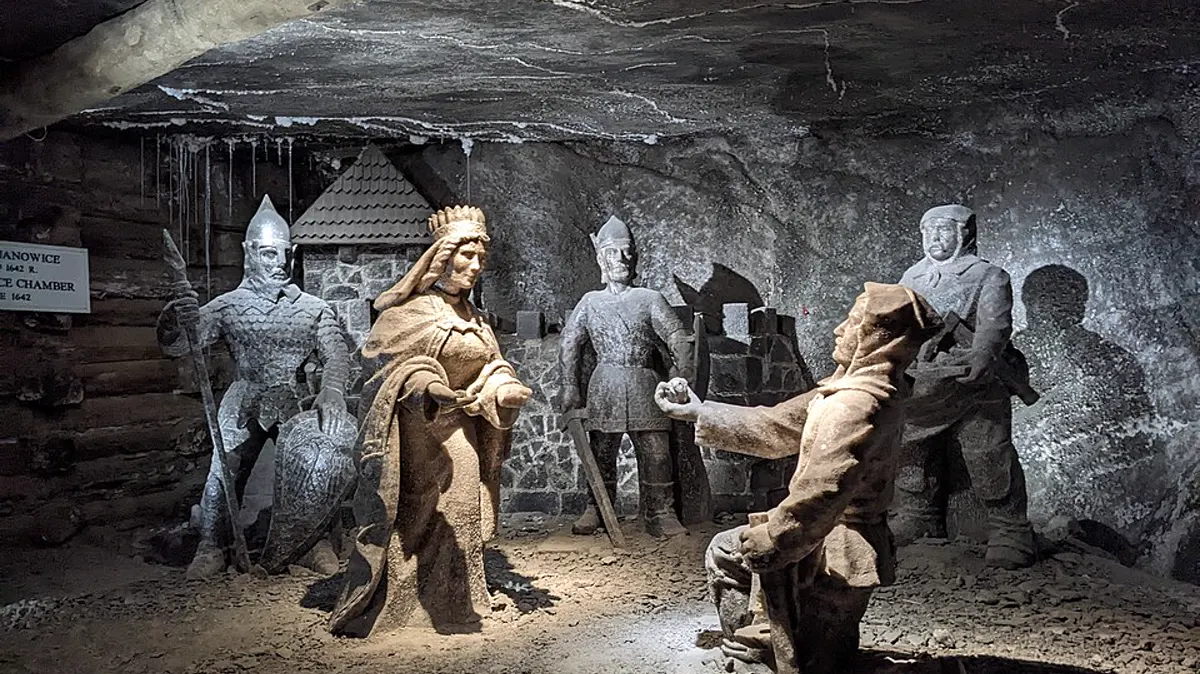
Wieliczka Salt Mine
A UNESCO-listed salt mine worked for seven centuries, with underground chapels, lakes and chambers carved entirely from rock salt.
Attraction
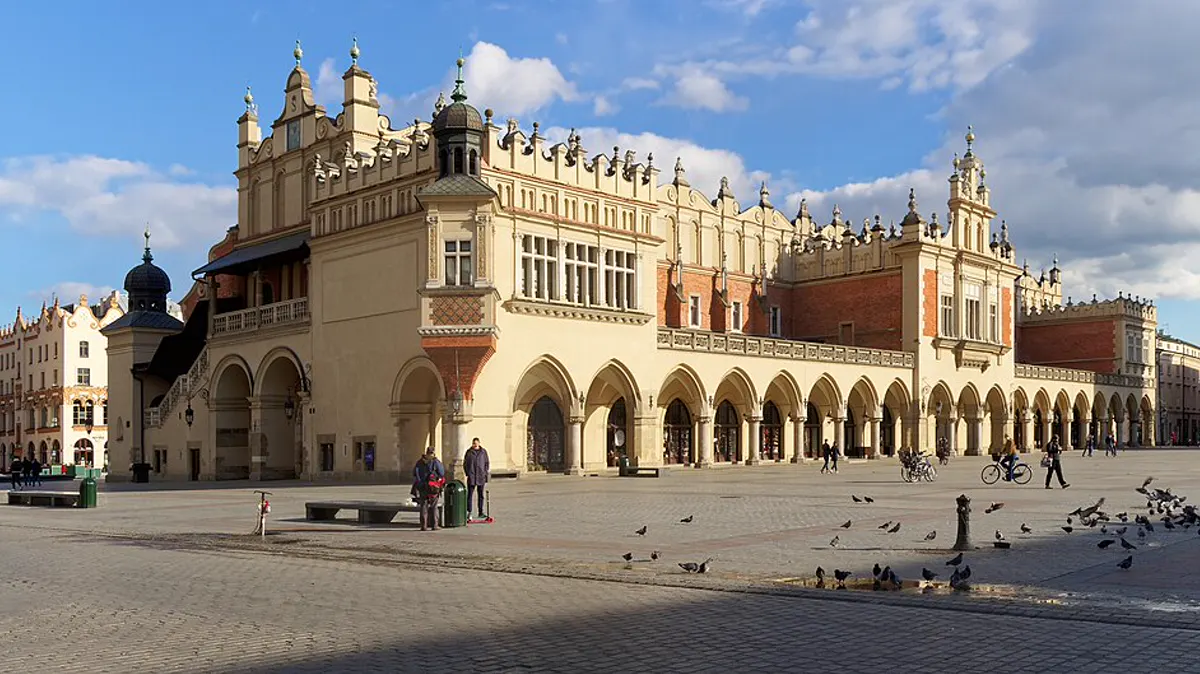
Sukiennice
The Renaissance Cloth Hall running down the centre of Rynek Glowny, once a hub of international cloth trade. Today its arcaded ground floor is lined with market stalls, while the upper floor houses a gallery of 19th-century Polish painting.
Attraction
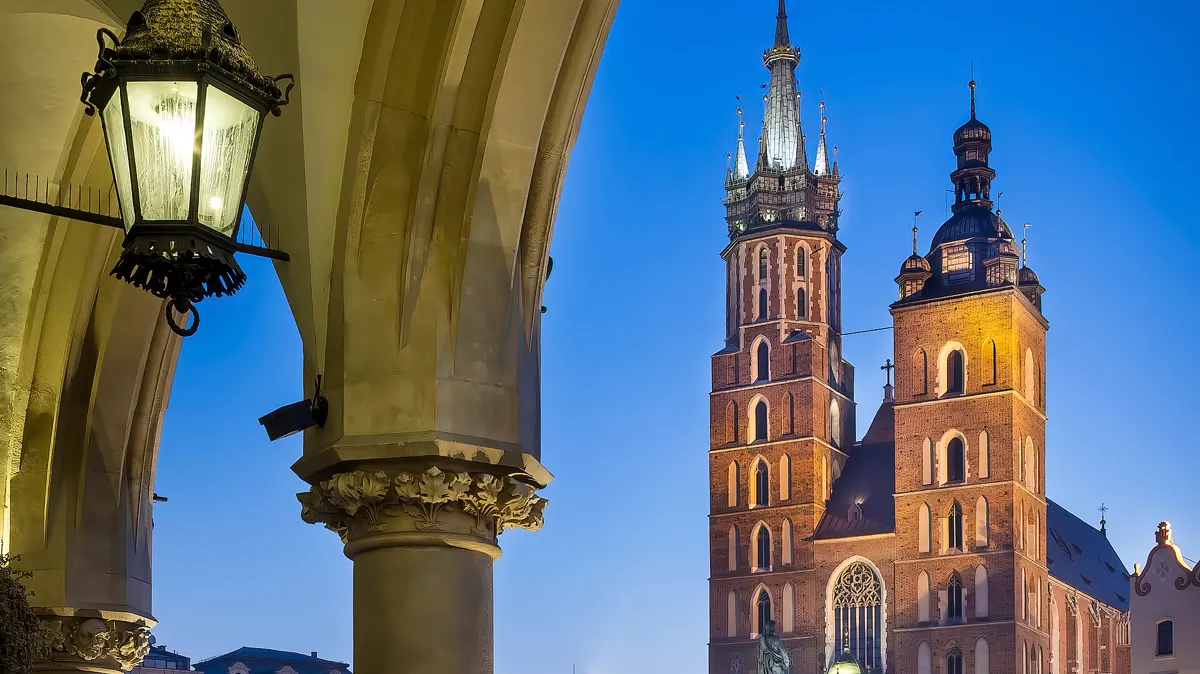
St Mary's Basilica
The brick Gothic church on the main square, famous for its mismatched towers and a carved wooden altarpiece by Veit Stoss.
Attraction
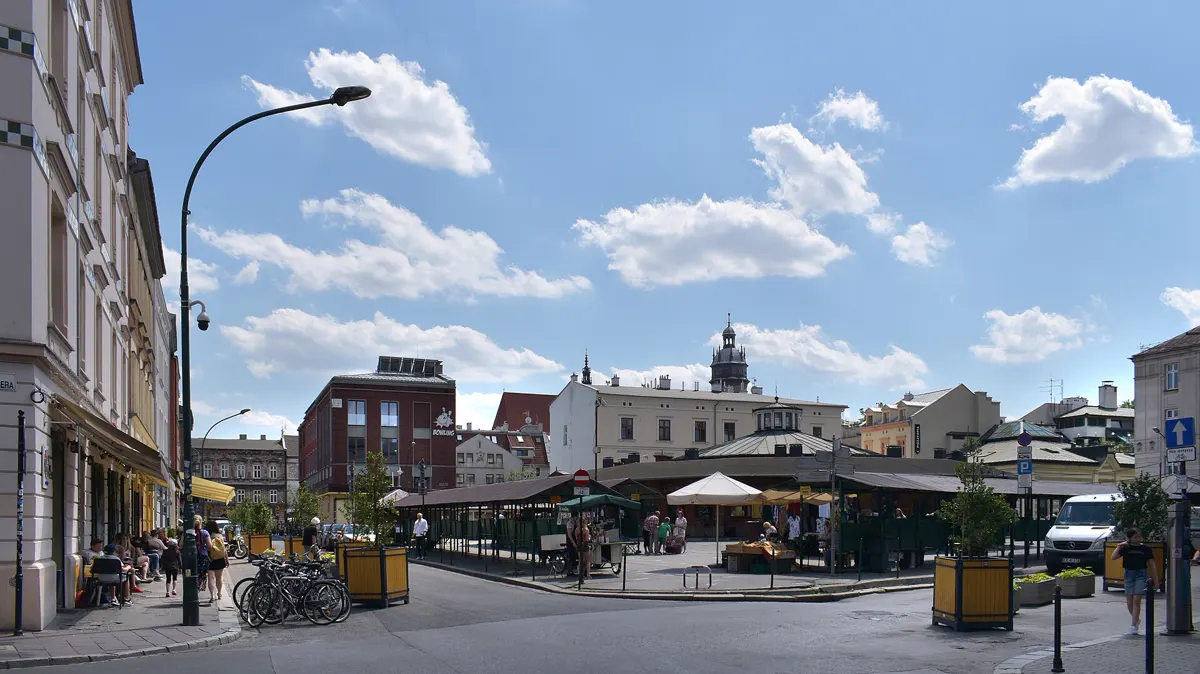
Kazimierz
The historic Jewish quarter, once a separate town, now a district of atmospheric squares, old synagogues and cemeteries. Its cafes, galleries and Friday-to-Sunday food markets on plac Nowy have made it Krakow's most creative nightlife hub.
Attraction
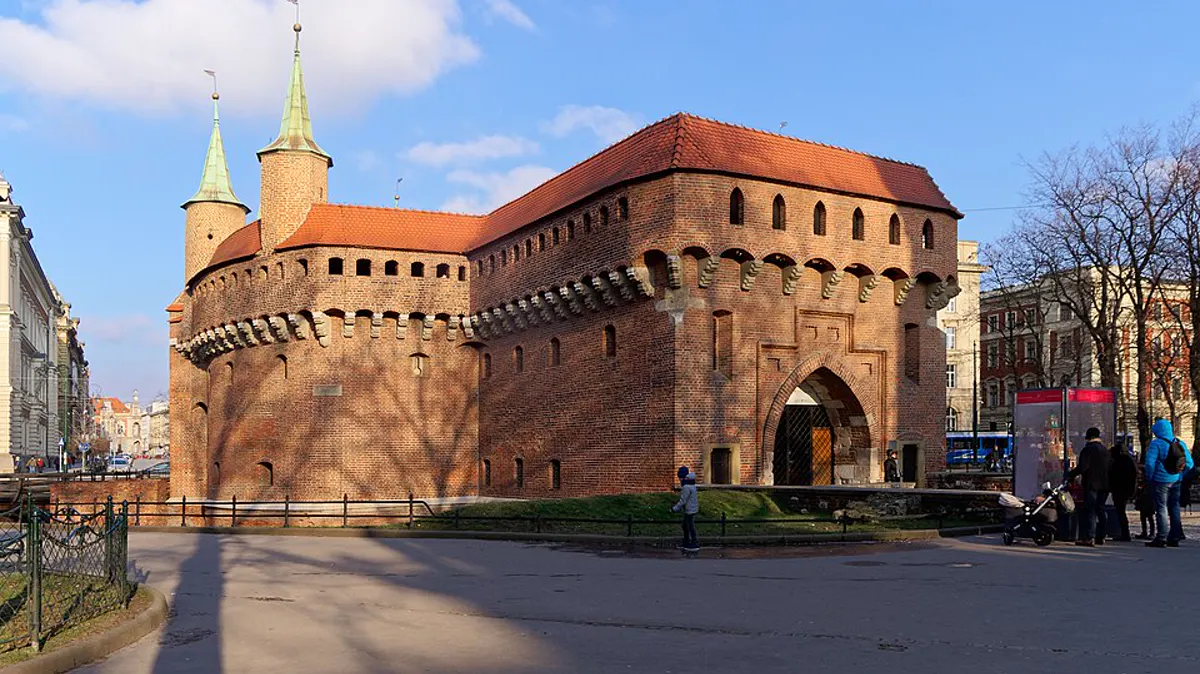
Barbakan
A circular Gothic fortified outpost from around 1499, one of the few surviving barbicans in Europe. It guarded the northern gate of the city and was once linked to the walls by a covered passage.
Attraction
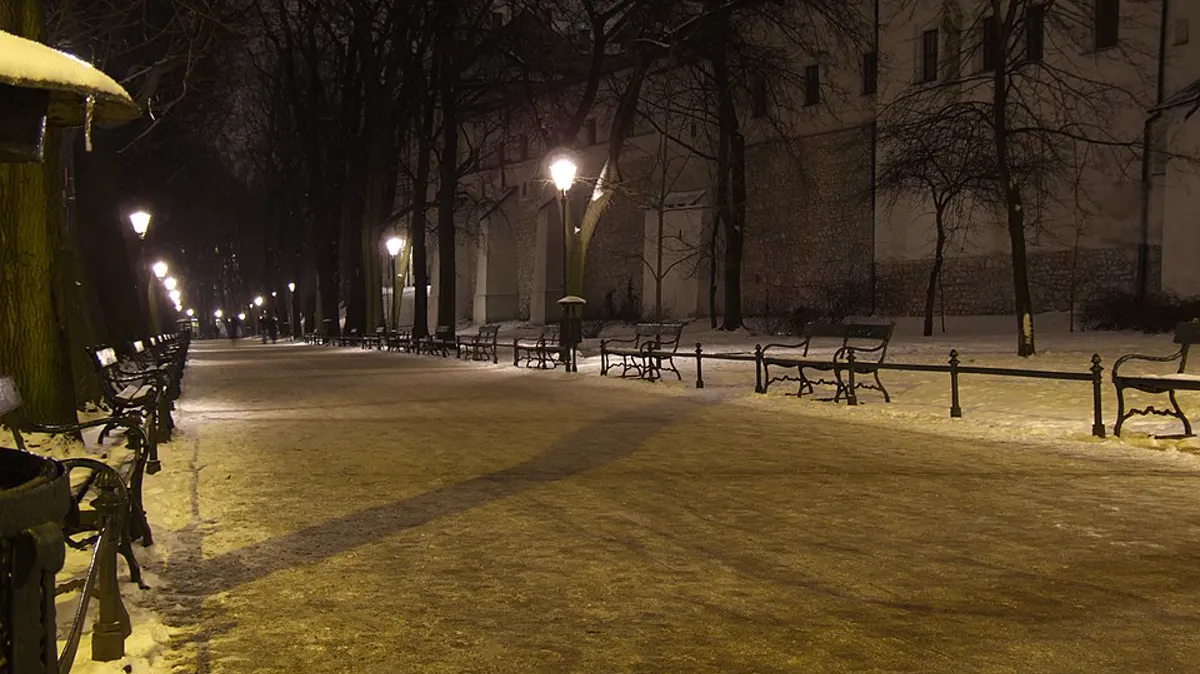
Planty
A green ring of parkland encircling the Old Town, laid out in the early 19th century where the medieval city walls once stood. The shaded path of roughly four kilometres links most of the historic sights on an easy walk.
Attraction
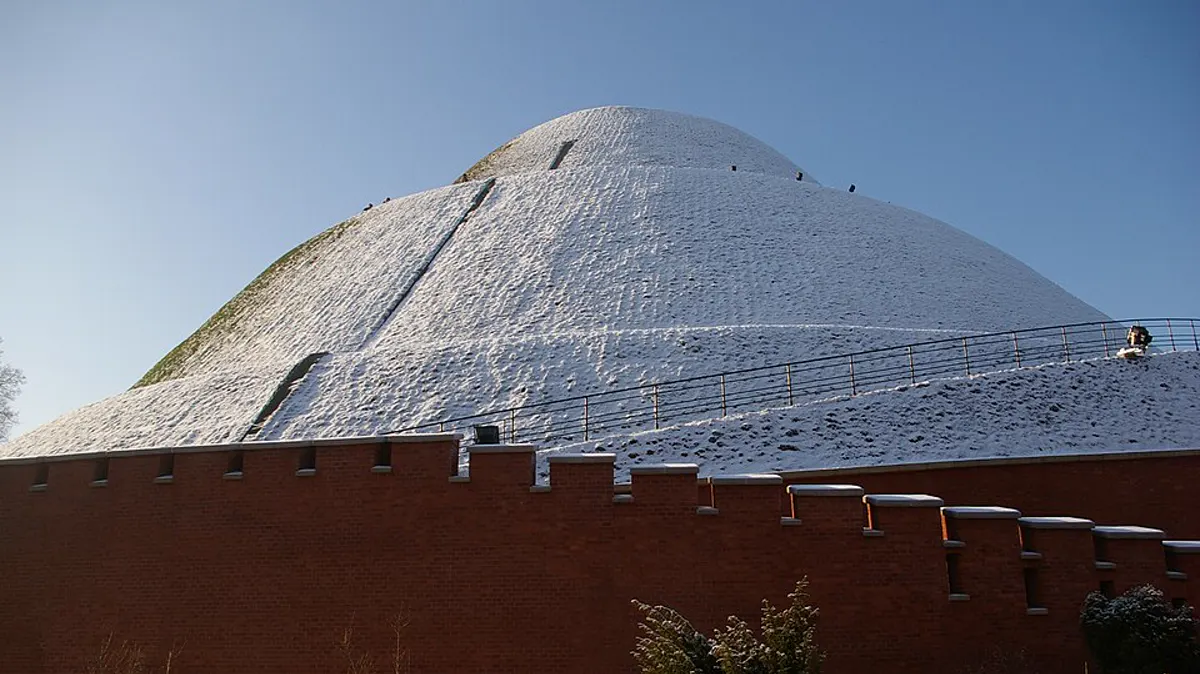
Kopiec Kosciuszki
An artificial mound raised in the 1820s to honour national hero Tadeusz Kosciuszko, built partly with soil from his battlefields. From its summit and the surrounding fort there are sweeping views over the city and, on clear days, the Tatra Mountains.
Attraction
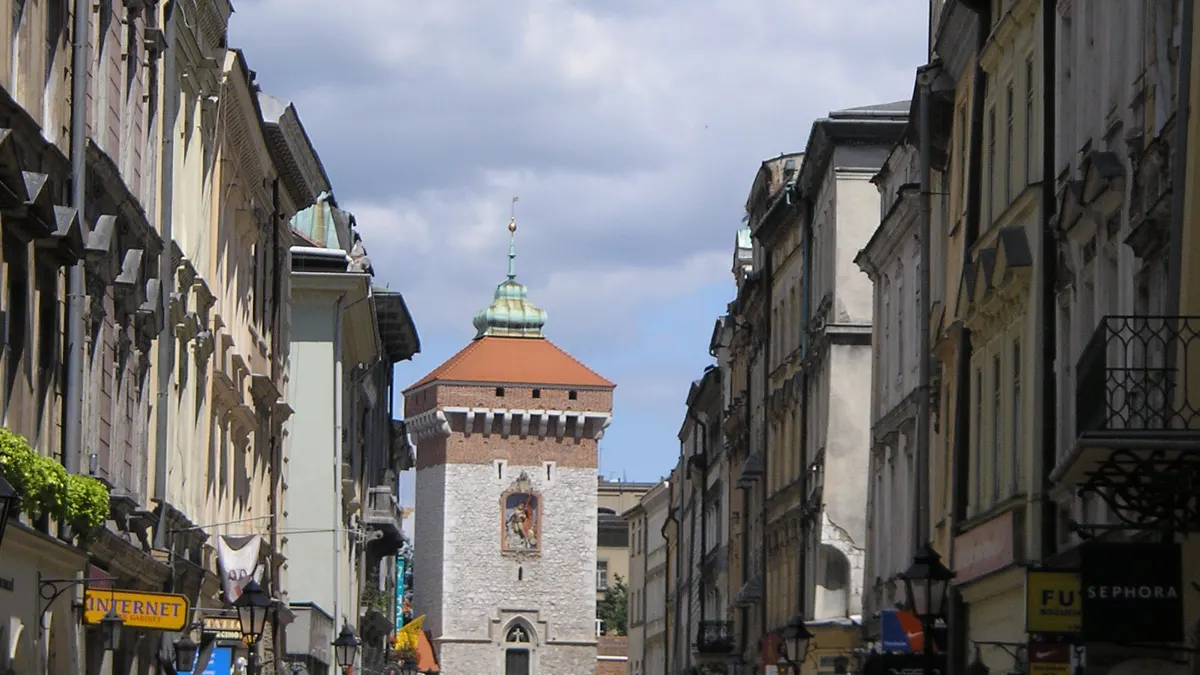
Ulica Florianska
The elegant medieval street running from the Barbican and Florian Gate down to the main square, part of the historic Royal Route. Lined with townhouses, cafes and shops, it ends at the last surviving Gothic city gate, Brama Florianska.
Attraction
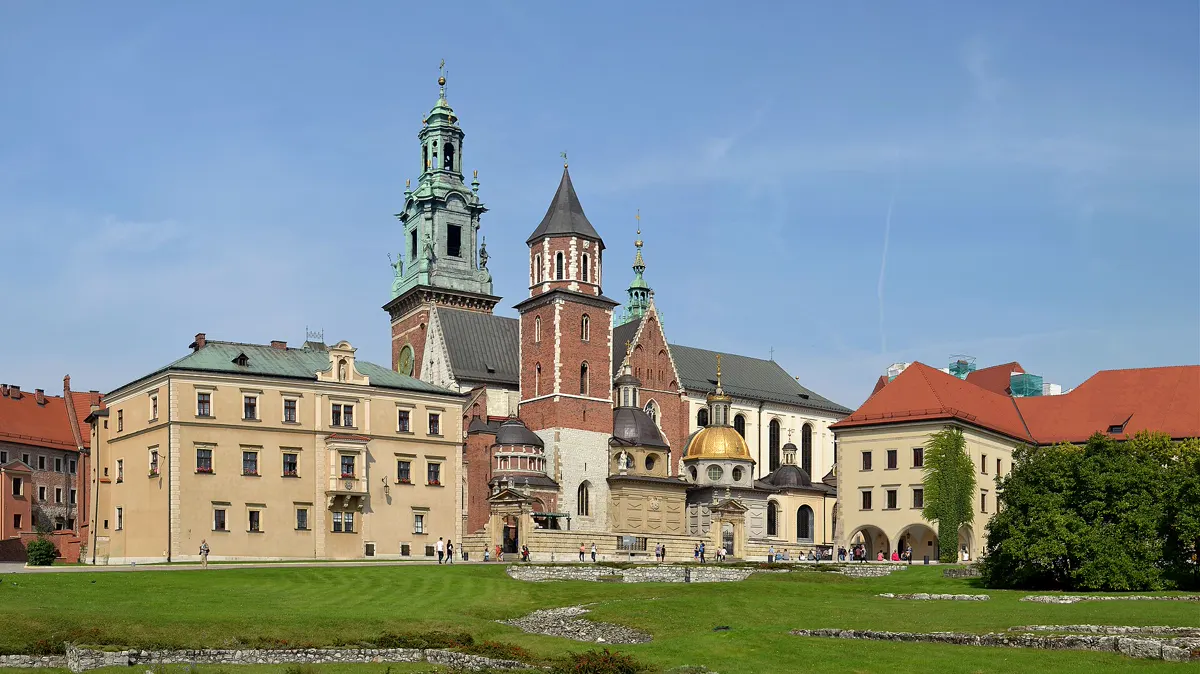
Wawel Cathedral
The coronation and burial church of Polish kings on Wawel Hill, holding royal tombs, national heroes and the famous Sigismund Bell.
Attraction
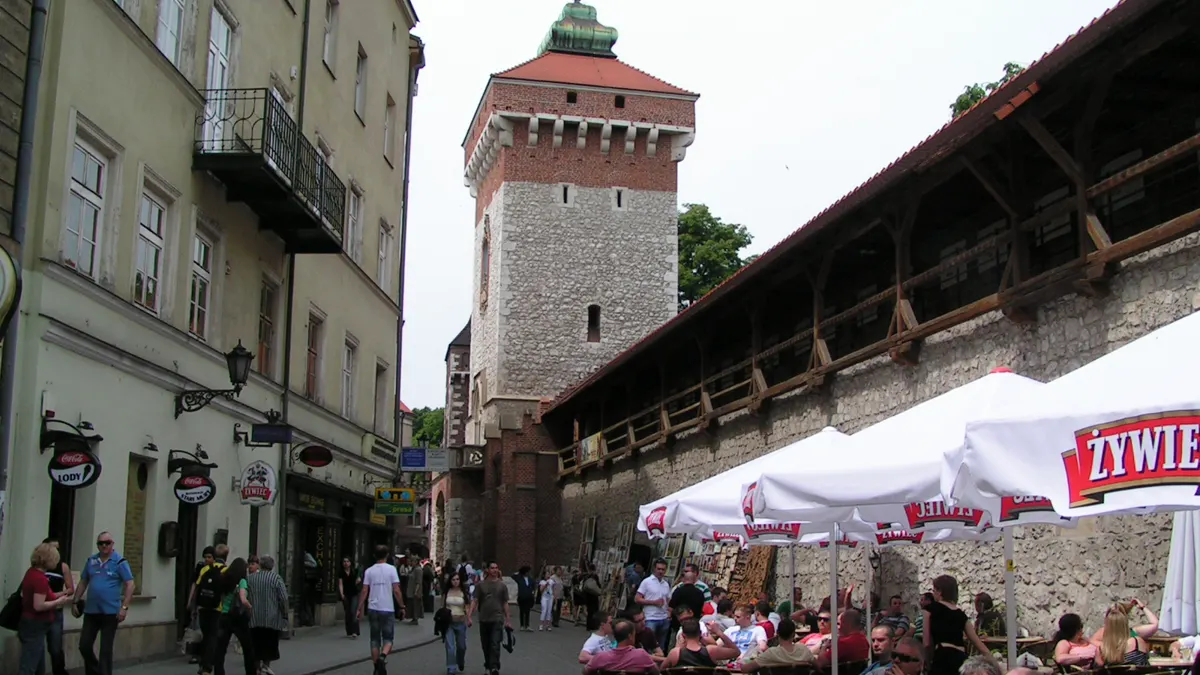
St. Florian's Gate (Brama Floriańska)
St. Florian's Gate is the last standing city gate of medieval Kraków and the northern start of the Royal Route. This Gothic gate-tower dates to 1307 and leads onto Florianska Street toward the Main Square.
Attraction
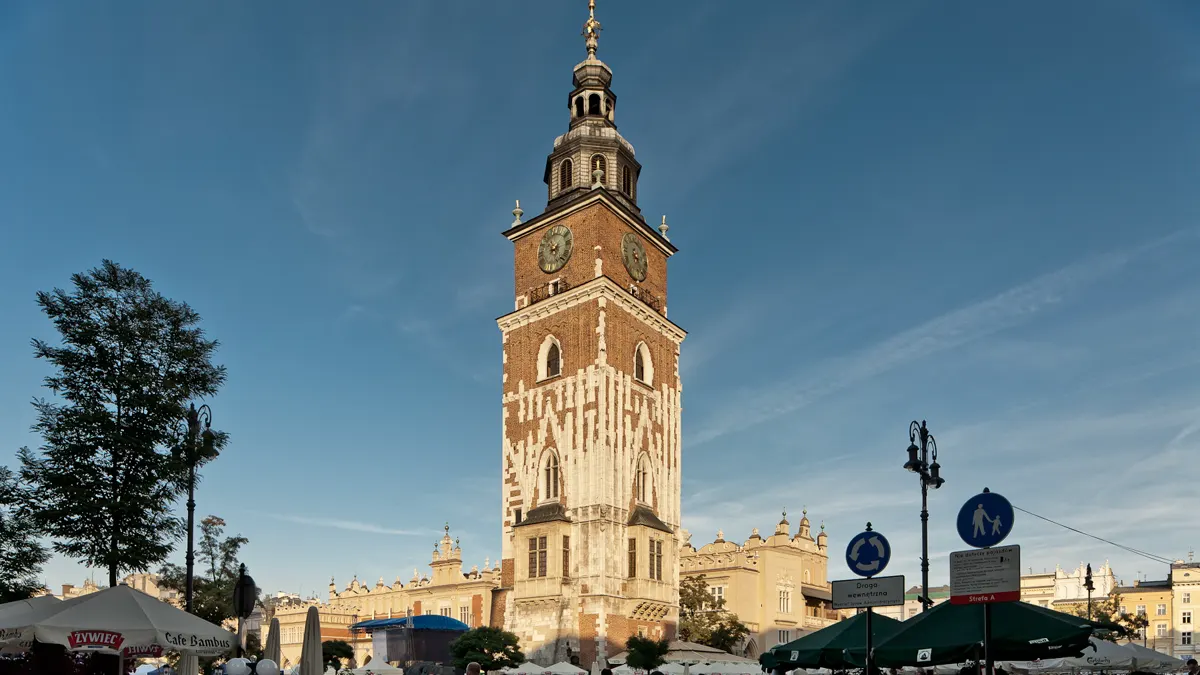
Town Hall Tower (Wieża Ratuszowa)
A 70-metre Gothic tower on Kraków's Main Market Square, the last surviving piece of the medieval town hall, with a climb to an observation deck above the Old Town.
Attraction
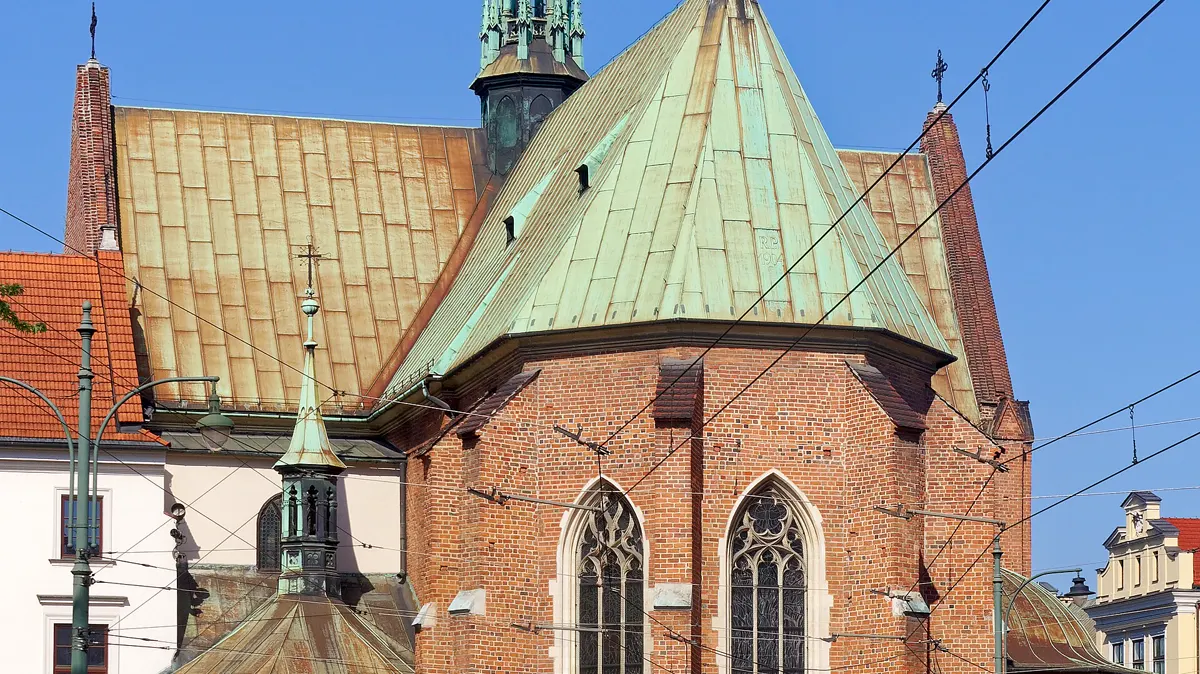
Basilica of St. Francis of Assisi
A 13th-century Franciscan church in Kraków's Old Town, known for its Art Nouveau interior by Stanislaw Wyspianski, including his monumental stained-glass window of God the Father.
Attraction
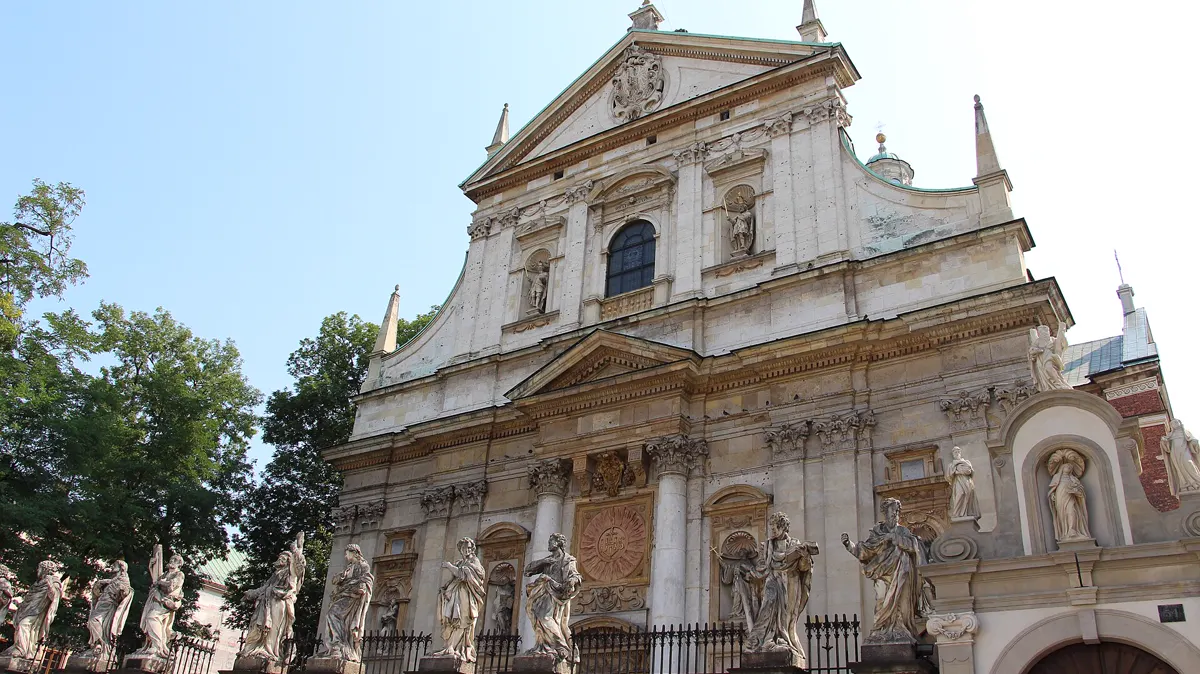
Church of Saints Peter and Paul
Kraków's first fully Baroque church, on Grodzka Street, known for its apostle statues, a national crypt and the longest Foucault pendulum in Poland.
Attraction
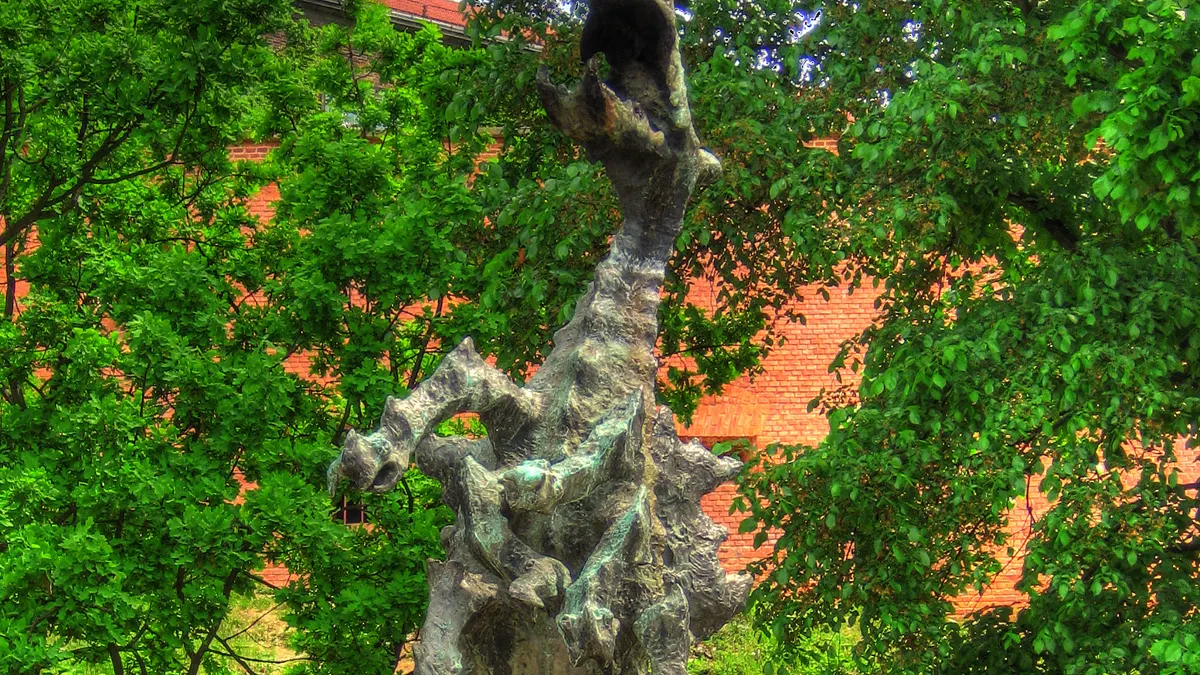
Wawel Dragon Statue and Dragon's Den
A 6-metre bronze dragon at the foot of Wawel Hill that breathes real fire, standing beside the entrance to the Dragon's Den, a limestone cave beneath the castle.
Attraction
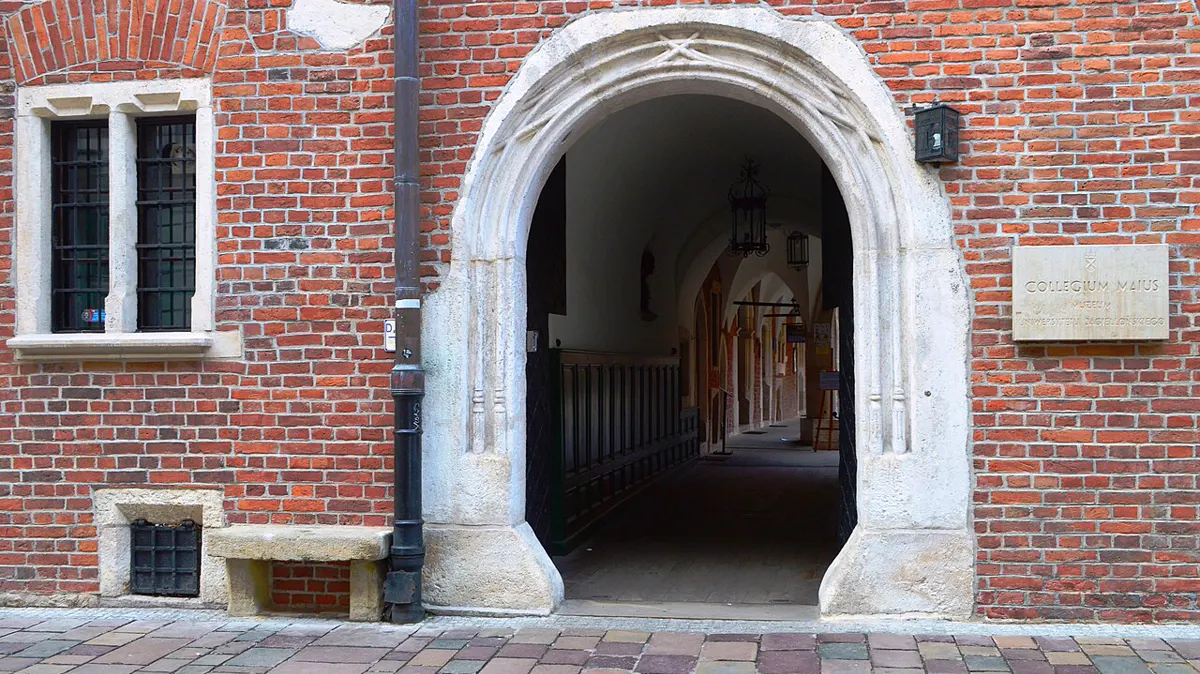
Collegium Maius
Collegium Maius is the oldest building of the Jagiellonian University and now home to the University Museum, known for its arcaded Gothic courtyard and scientific instruments tied to Nicolaus Copernicus.
Attraction
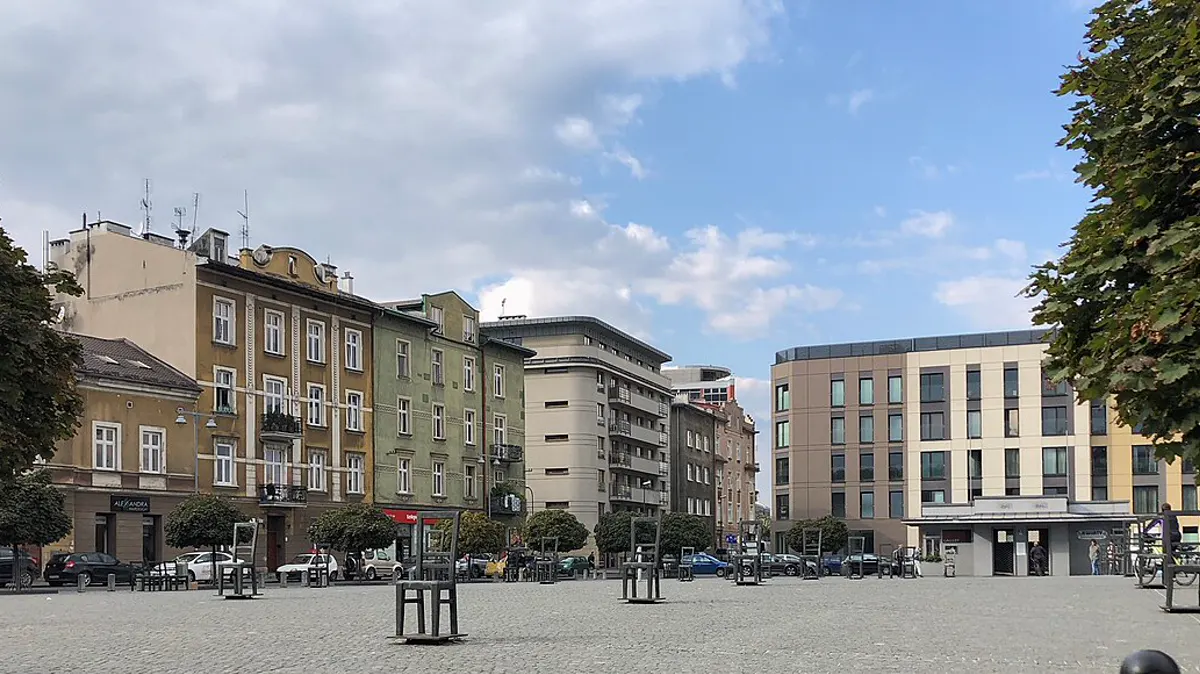
Ghetto Heroes Square
An open public square in Podgórze that was the centre of the Kraków Ghetto, now marked by a memorial of 70 empty iron chairs standing where residents were assembled for deportation.
Attraction
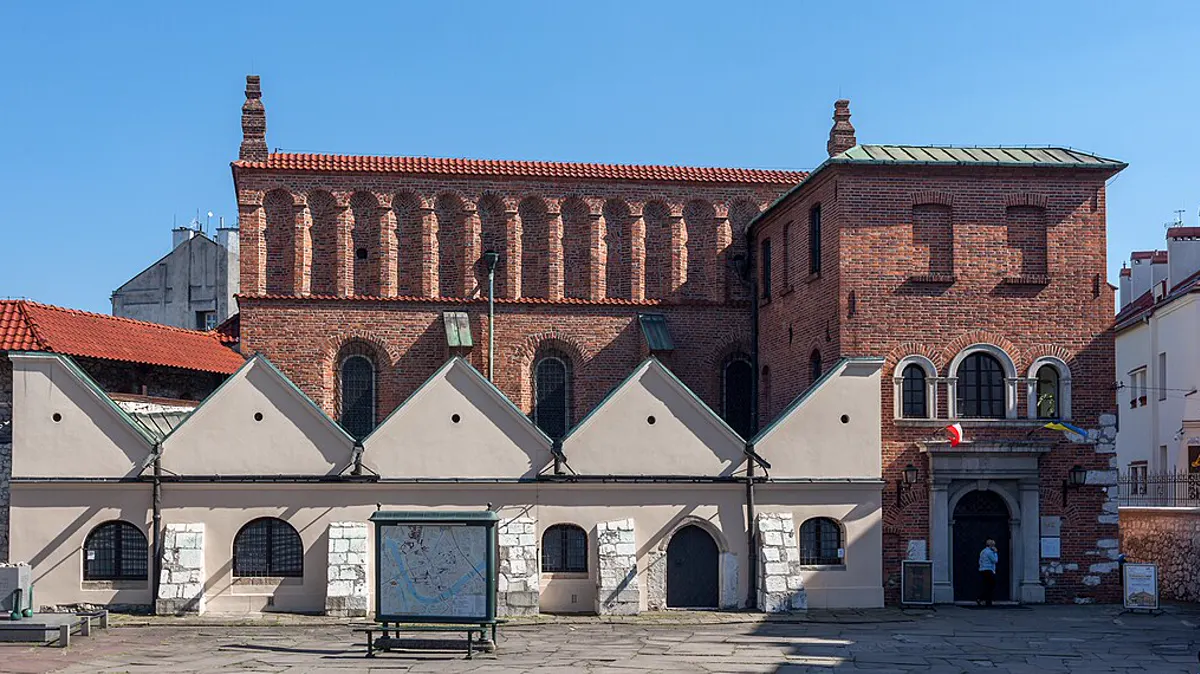
Old Synagogue (Stara Synagoga)
The Old Synagogue at 24 Szeroka Street is the oldest surviving synagogue building in Poland and now a branch of the Museum of Kraków telling the story of the city's Jews.
Attraction
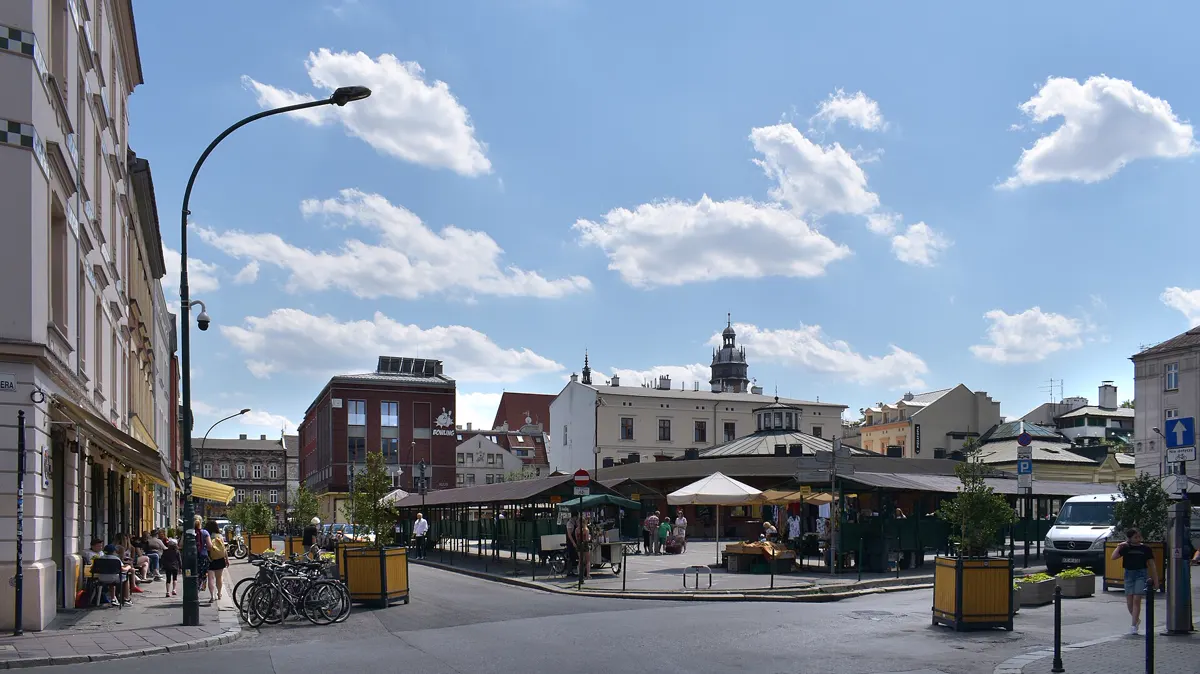
Plac Nowy (New Square)
Plac Nowy is the social centre of Kraków's Kazimierz district, a trapezoidal 19th-century square built around a round market hall whose windows now sell the city's famous zapiekanki.
Attraction
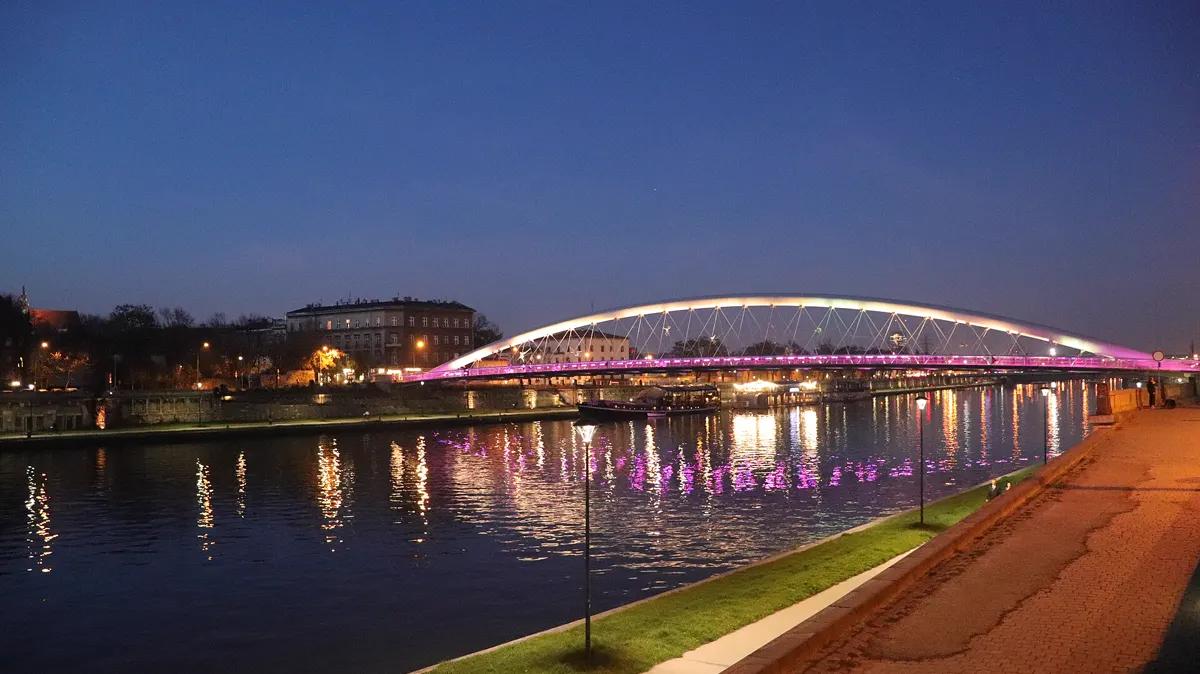
Father Bernatek Footbridge
A pedestrian and cycle bridge over the Vistula that connects Kazimierz with Podgorze, known for nine acrobat sculptures suspended above the water and its collection of love padlocks.
Attraction
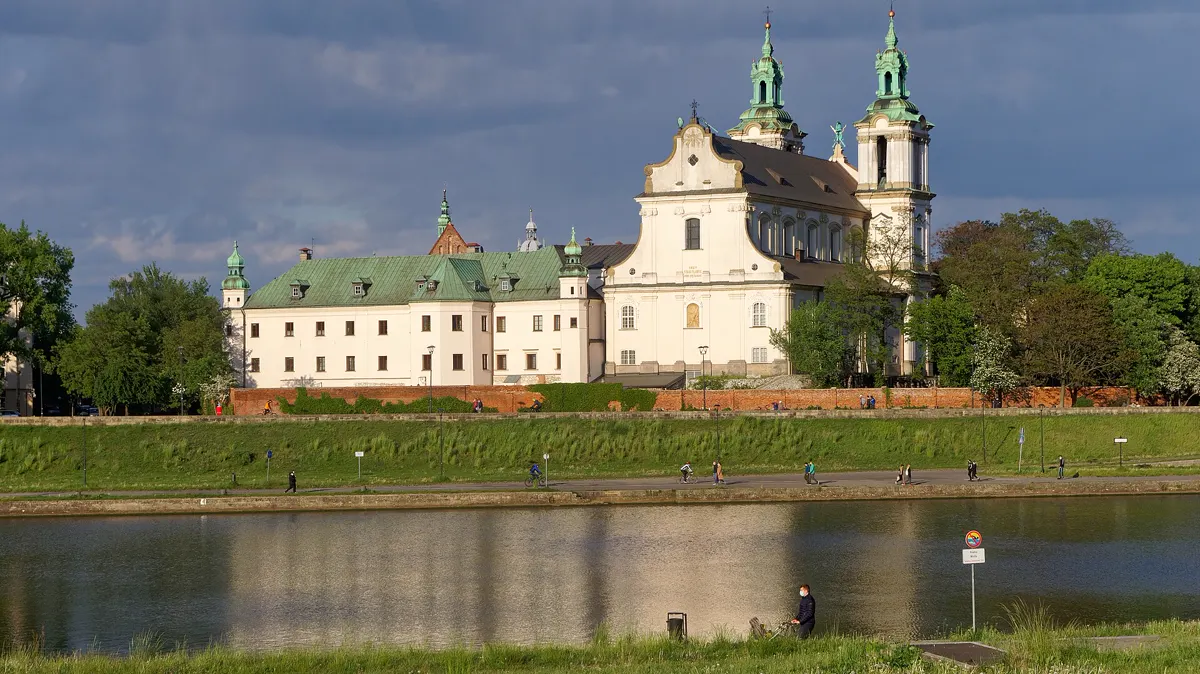
Skałka (Church on the Rock)
A Baroque Pauline church on Skałeczna Street in Kazimierz, built on the spot linked to the killing of Bishop Stanislaus in 1079, with a crypt that serves as a national pantheon for eminent Poles.
Attraction
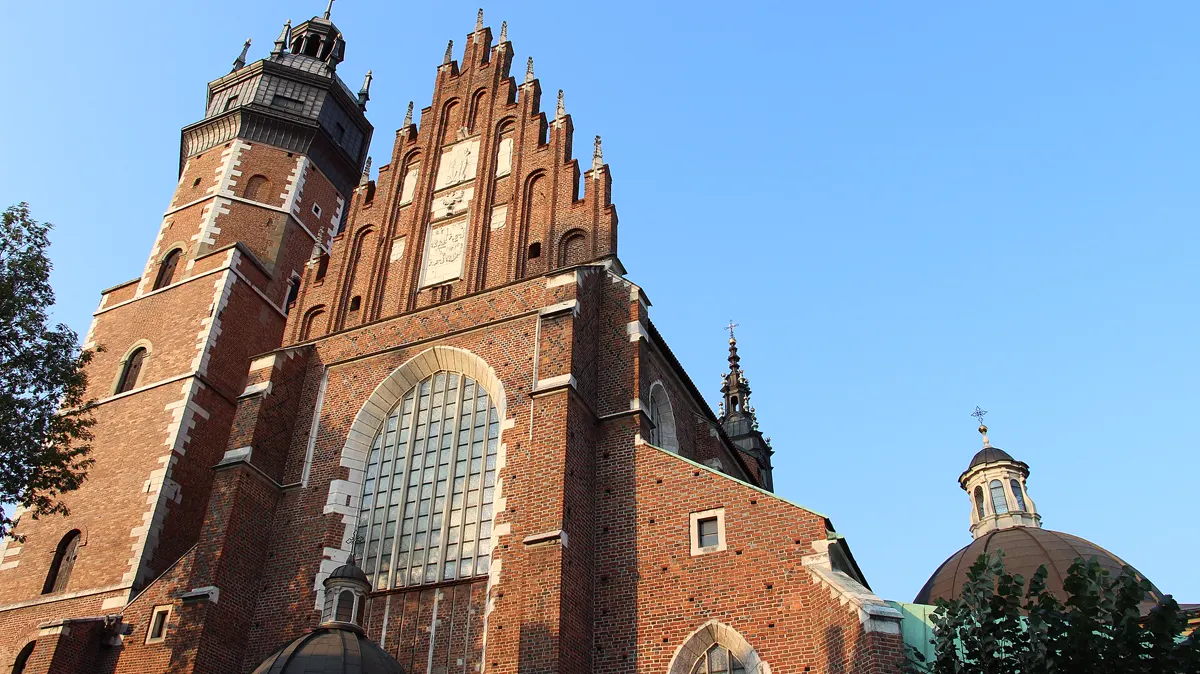
Corpus Christi Basilica
A towering Gothic basilica in Kraków's Kazimierz district, founded by King Casimir III the Great in 1335 and known for its 70-metre tower, five historic bells and a rare boat-shaped Baroque pulpit.
Attraction
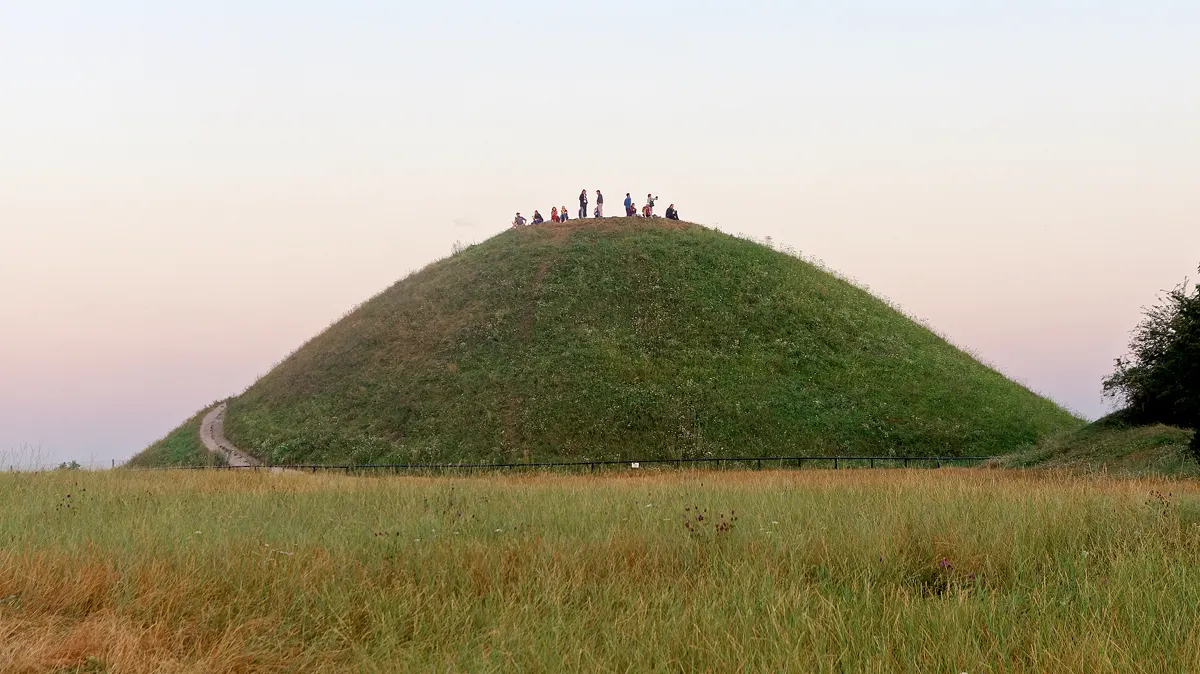
Krakus Mound (Kopiec Krakusa)
A prehistoric earthen mound on Lasota Hill in Podgorze, tied to Kraków's legendary founder and one of the best free viewpoints over the city.
Attraction
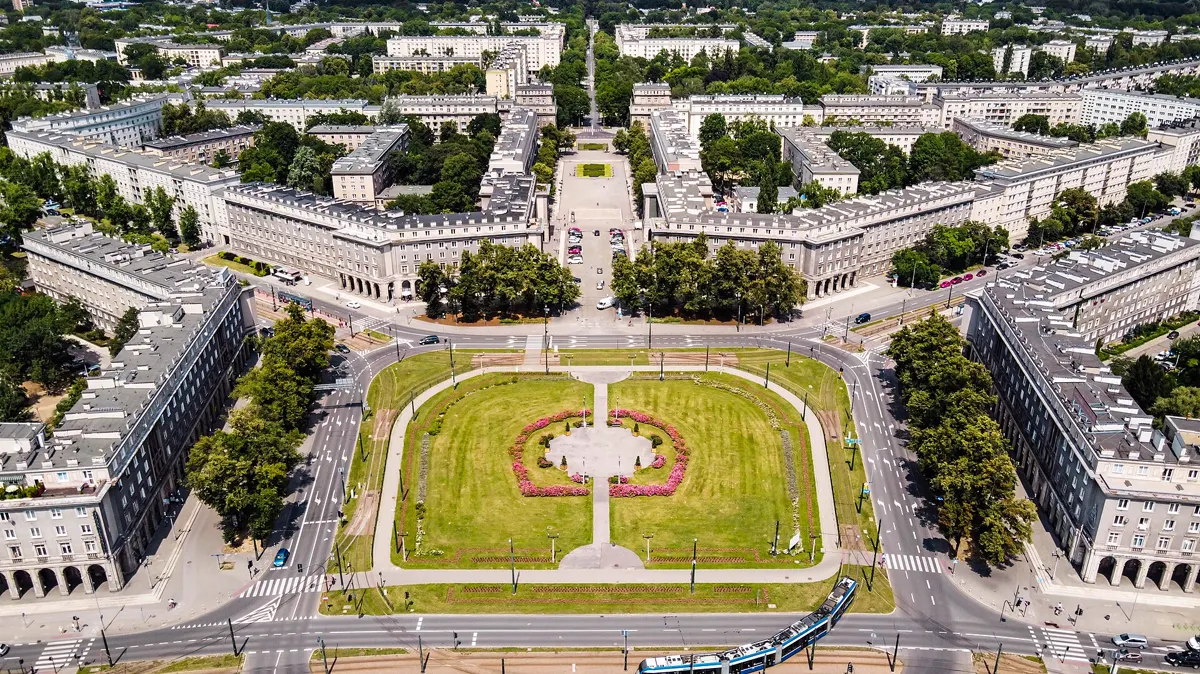
Nowa Huta
Nowa Huta is a planned socialist-realist district in eastern Kraków, begun in 1949 as a model workers' city around the Lenin Steelworks and now toured for its Stalinist architecture and Cold War history.
Attraction
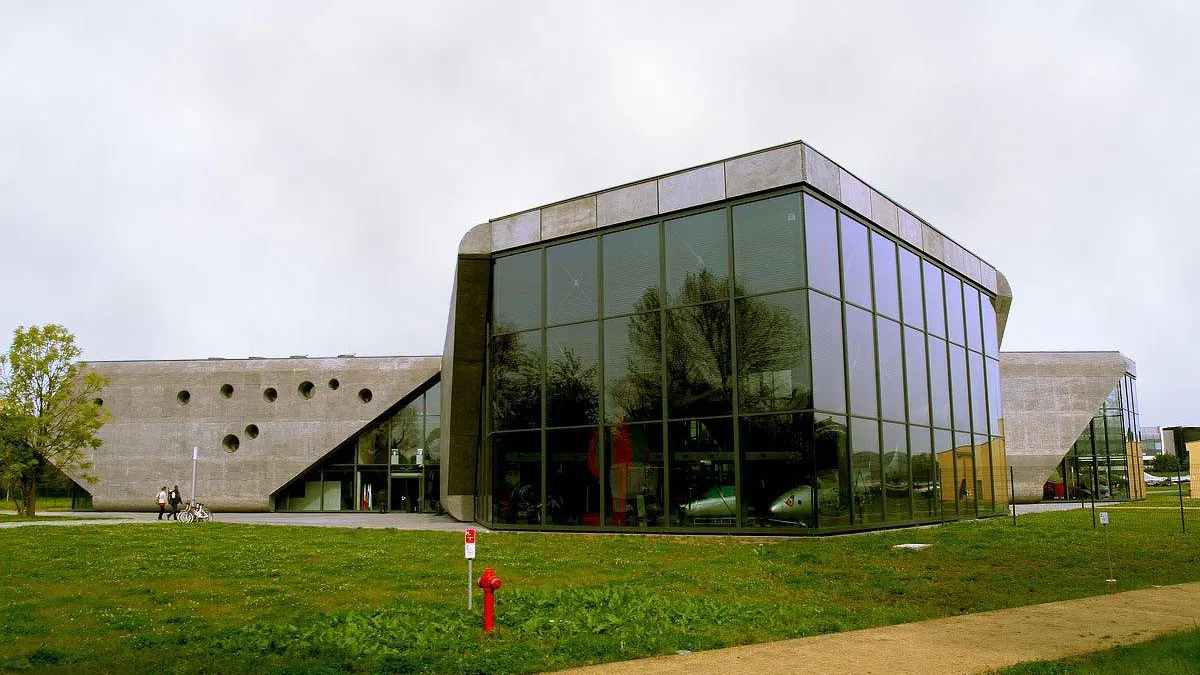
Polish Aviation Museum
One of the largest aviation collections in Europe, set on a historic Kraków airfield, with more than 200 aircraft and around 100 engines on display.