Gdańsk
Attractions in Gdańsk
Most of Gdansk's headline sights sit along or just off the Royal Route through the Main Town, an almost entirely rebuilt stretch of Hanseatic facades. Walk the Long Market past the Neptune Fountain (Fontanna Neptuna) to St. Mary's Basilica (Bazylika Mariacka), one of the largest brick churches in the world, then down to the waterfront and the medieval Crane (Zuraw) on the Motlawa. The Museum of the Second World War (Muzeum II Wojny Swiatowej) adds serious historical weight, and a tram ride north brings you to the cathedral and park at Oliwa.
All Attractions in Gdańsk
Attraction
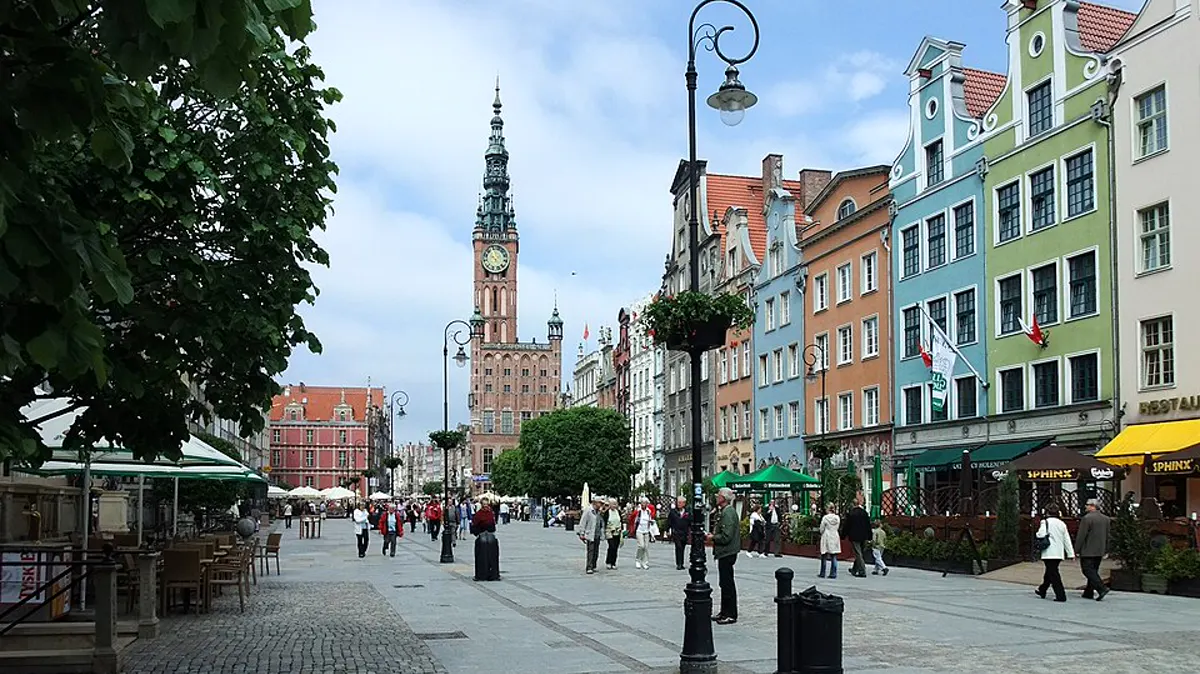
Long Market
The grand main thoroughfare of Gdansk, a wide promenade of merchant facades running from the Golden Gate to the river.
Attraction
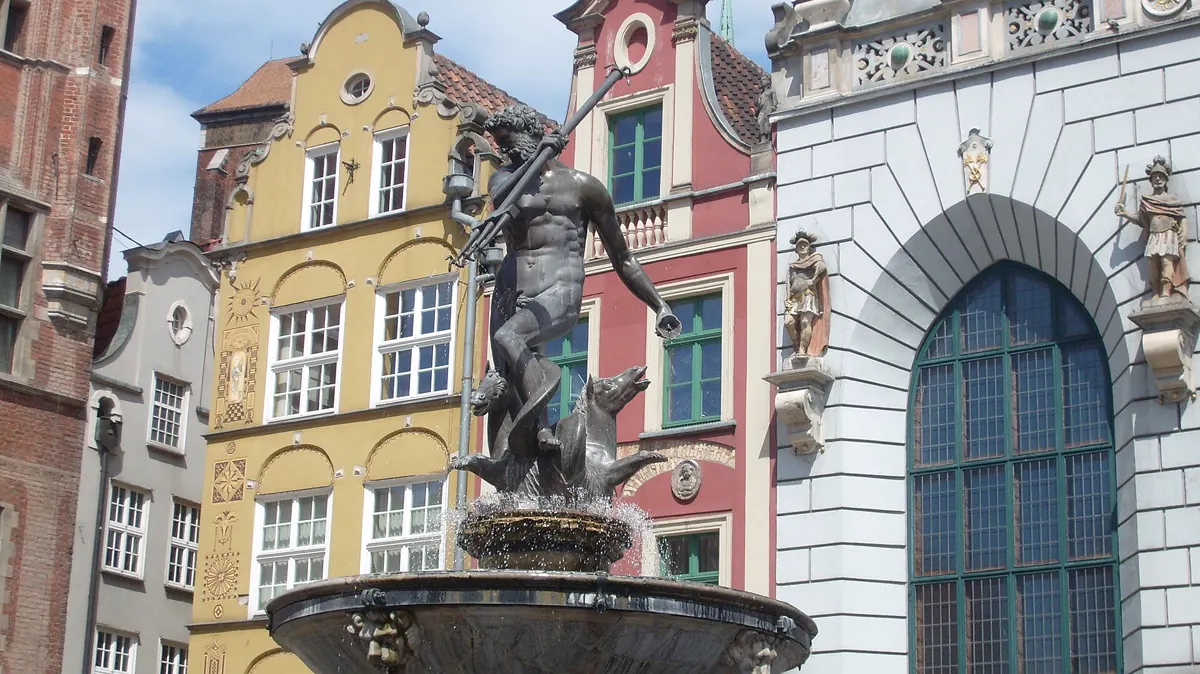
Fontanna Neptuna
The bronze Neptune Fountain, cast in the early 17th century, has stood in front of the Artus Court since 1633 and became the symbol of Gdansk. Local legend claims the god's trident scattered gold flakes into the water, inspiring the herbal liqueur Goldwasser.
Attraction
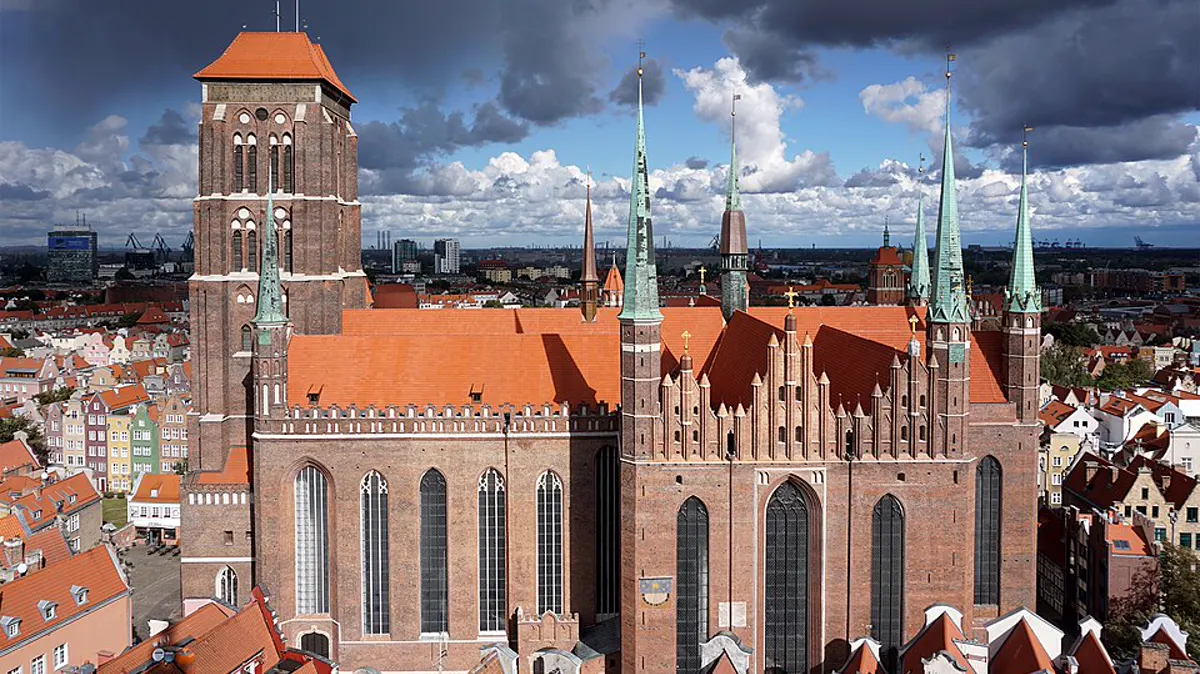
Bazylika Mariacka
One of the largest brick churches in the world, this vast Gothic basilica can hold up to 25,000 people. Climb its 405 steps to a viewing terrace for a sweeping panorama over the red rooftops of the old town.
Attraction
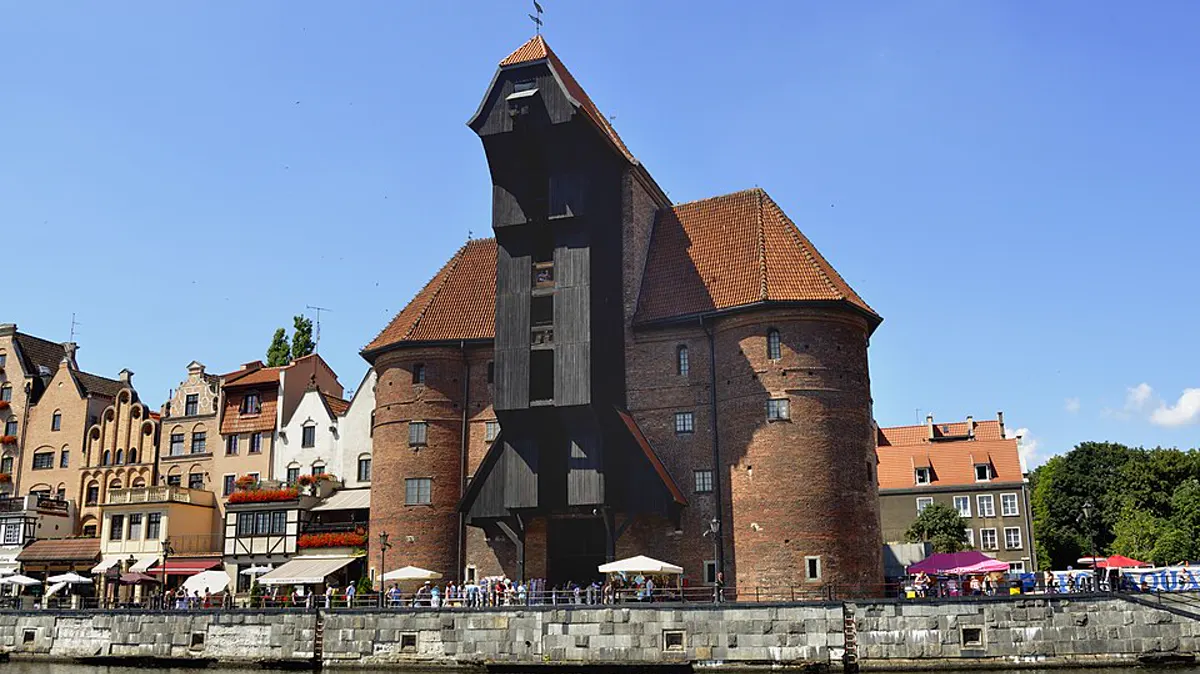
Zuraw
The medieval port crane on the Motlawa riverfront is the largest medieval port crane in Europe, once able to lift loads of up to two tonnes using giant human-powered treadwheels. It now forms part of the National Maritime Museum.
Attraction
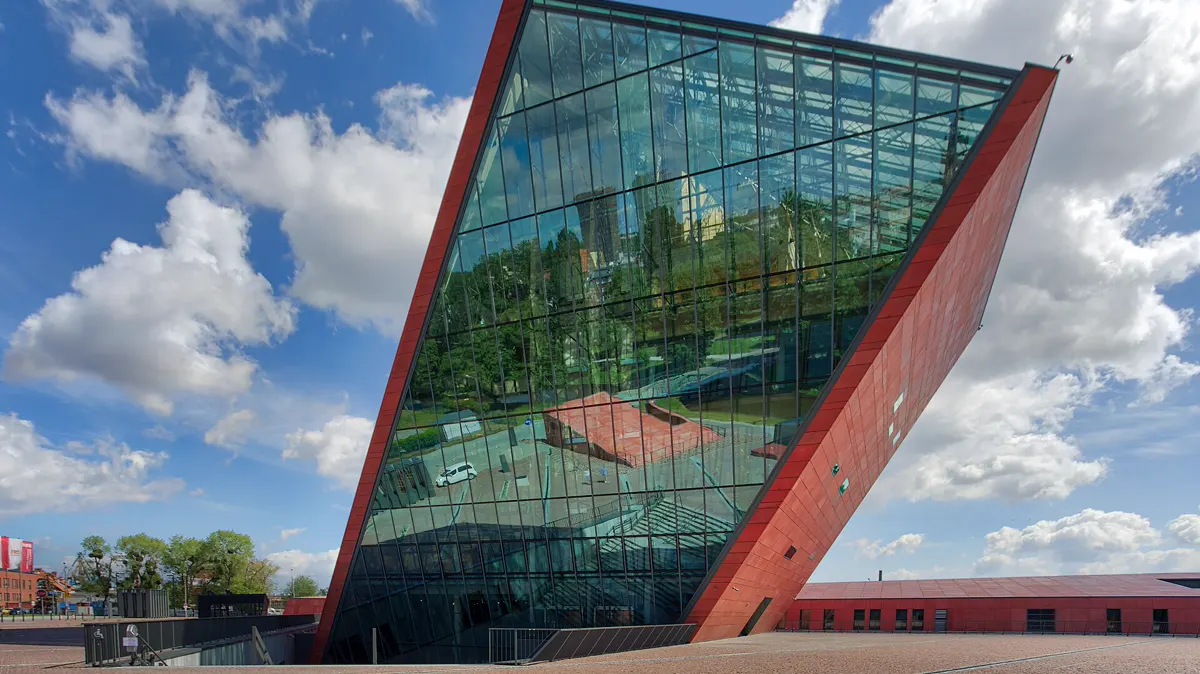
Muzeum II Wojny Swiatowej
One of the largest museums devoted to the Second World War, housed in a dramatic leaning tower of glass and concrete. Its main exhibition spreads across some 5,000 square metres of underground galleries.
Attraction
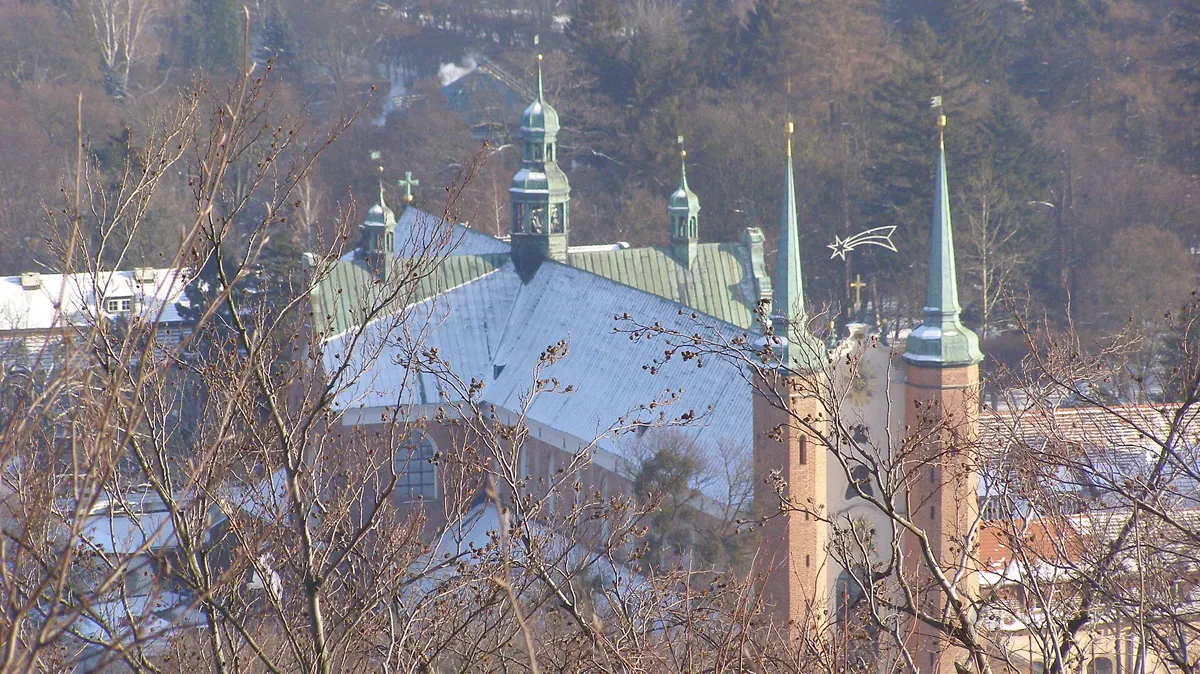
Oliwa
A leafy district north of the centre known for its Oliwa Cathedral and famous 18th-century organ, whose animated figures move during daily recitals. The adjoining Oliwa Park is a tranquil landscape garden with a palm house.
Attraction
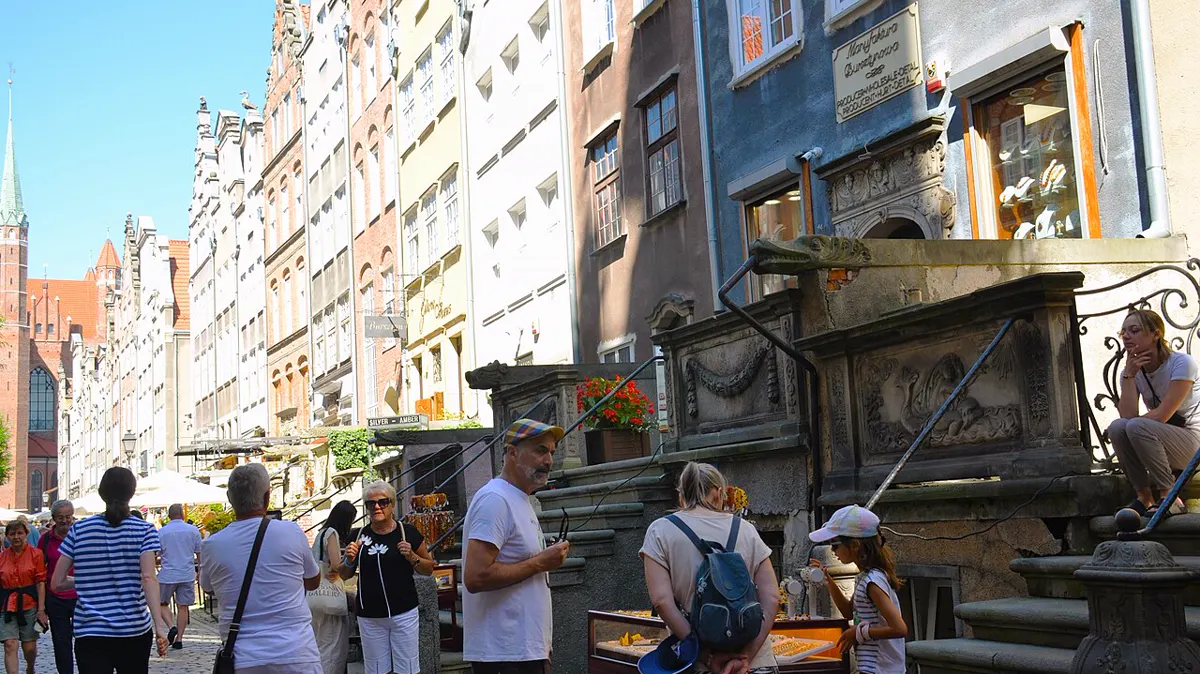
Mariacka Street (ulica Mariacka)
A short cobbled lane in Gdansk running between St. Mary's Basilica and the Motlawa waterfront, lined with reconstructed patrician houses and amber shops. It is widely called the most photogenic street in the city.
Attraction
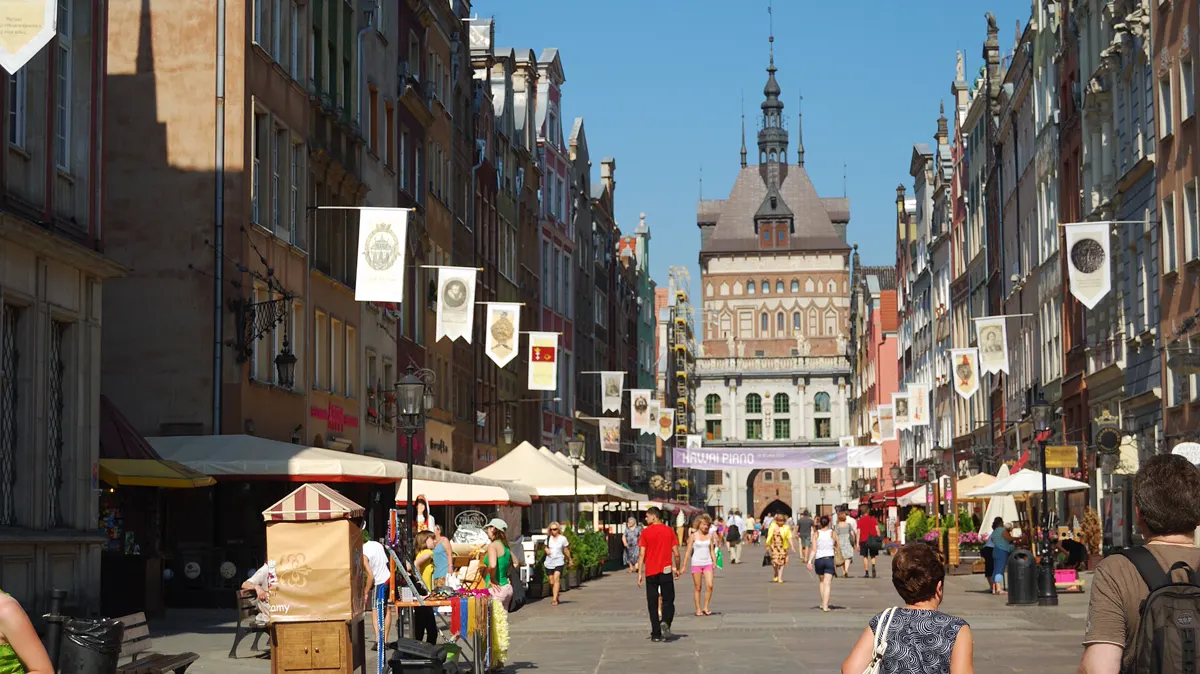
Long Street and the Royal Route (ulica Długa)
Długa (Long Street) is the main pedestrian street of Gdańsk's Main Town and the western stretch of the historic Royal Route, lined with tall reconstructed burgher houses and the city's landmark buildings.
Attraction
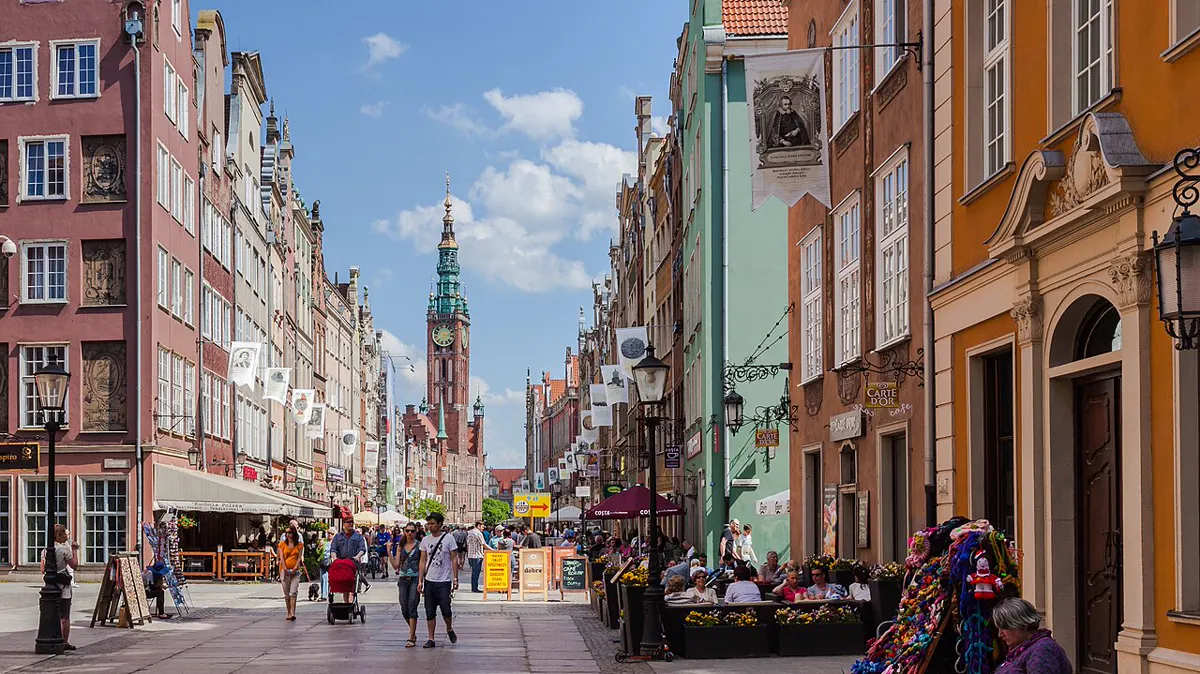
Main Town Hall (Museum of Gdansk)
The Main Town Hall in Gdansk is a Gothic and Renaissance civic building at the corner of Dluga Street and the Long Market, now the main branch of the Museum of Gdansk.
Attraction
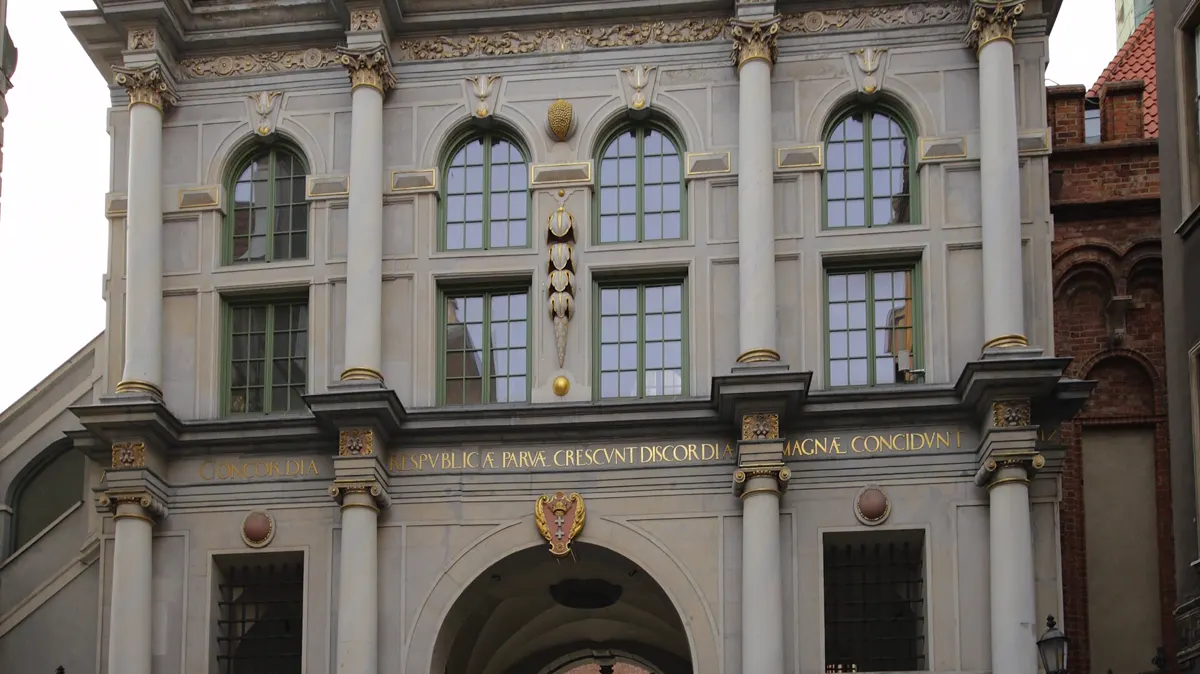
Golden Gate (Zlota Brama)
An ornate 17th-century city gate at the western end of Long Street in Gdansk, marking the start of the Royal Route through the Main Town.
Attraction
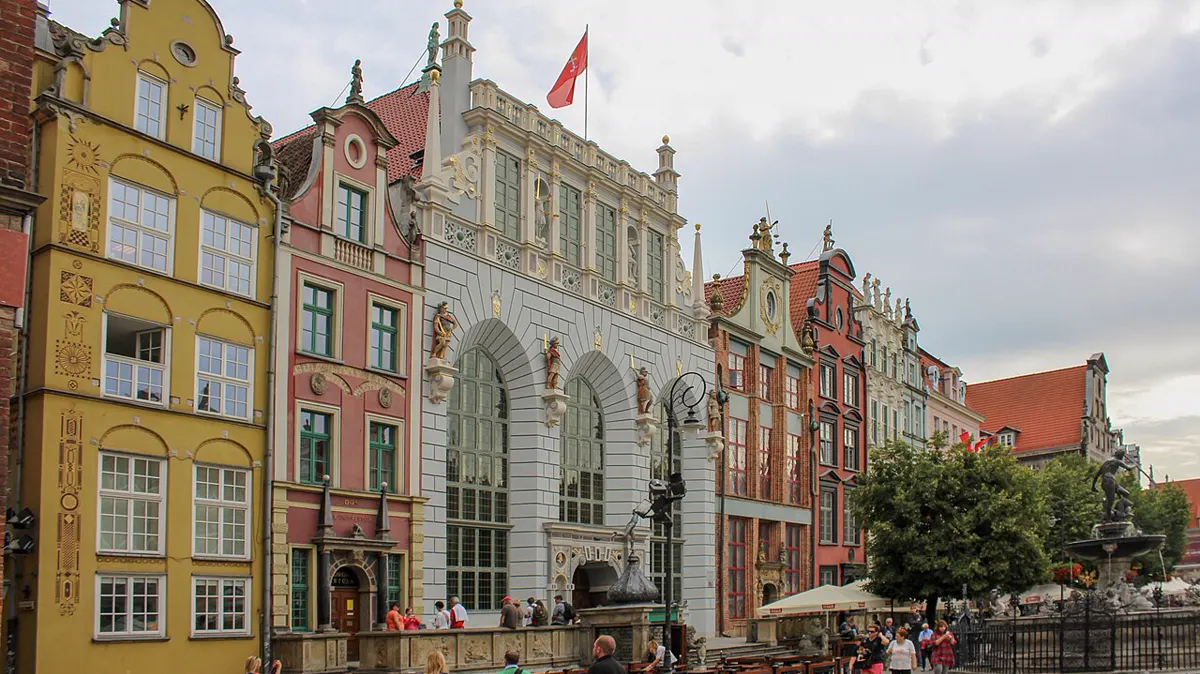
Artus Court (Dwor Artusa)
A grand merchants' meeting hall on Gdansk's Long Market, now a branch of the Museum of Gdansk, home to one of Europe's tallest tiled stoves.
Attraction
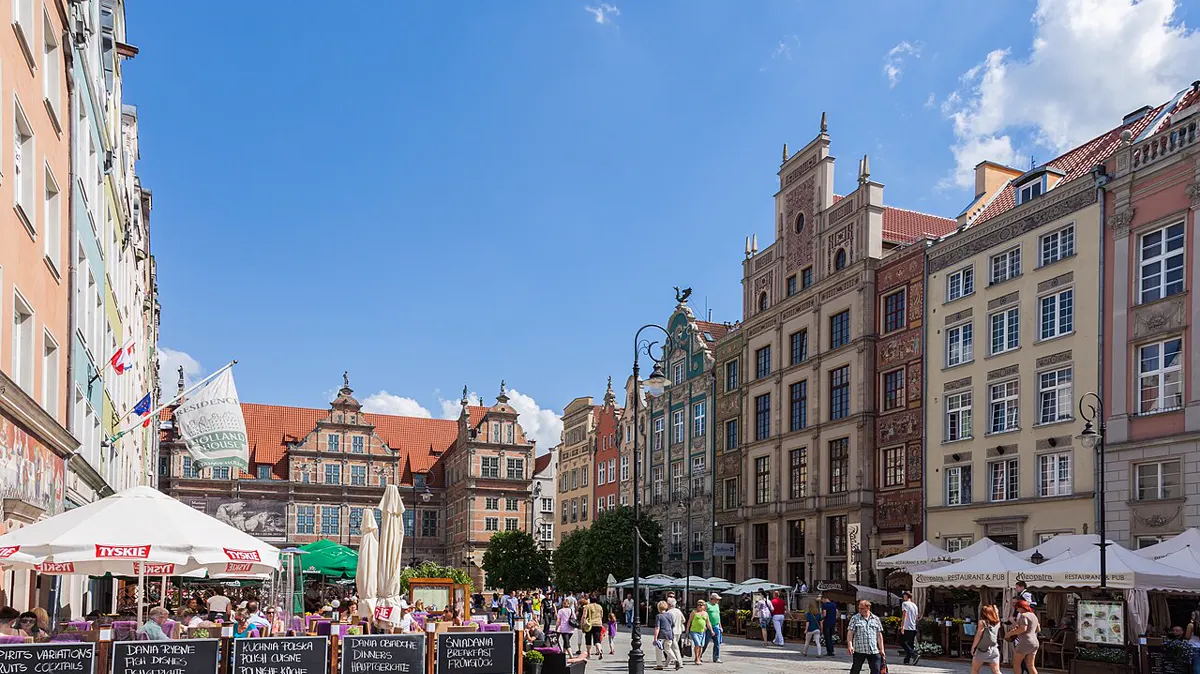
Green Gate (Zielona Brama)
The Green Gate is a Renaissance gateway from the 1560s that closes the eastern end of Gdansk's Long Market where it meets the Motlawa River, now home to a branch of the National Museum in Gdansk and a photography gallery.
Attraction
Granary Island (Wyspa Spichrzow)
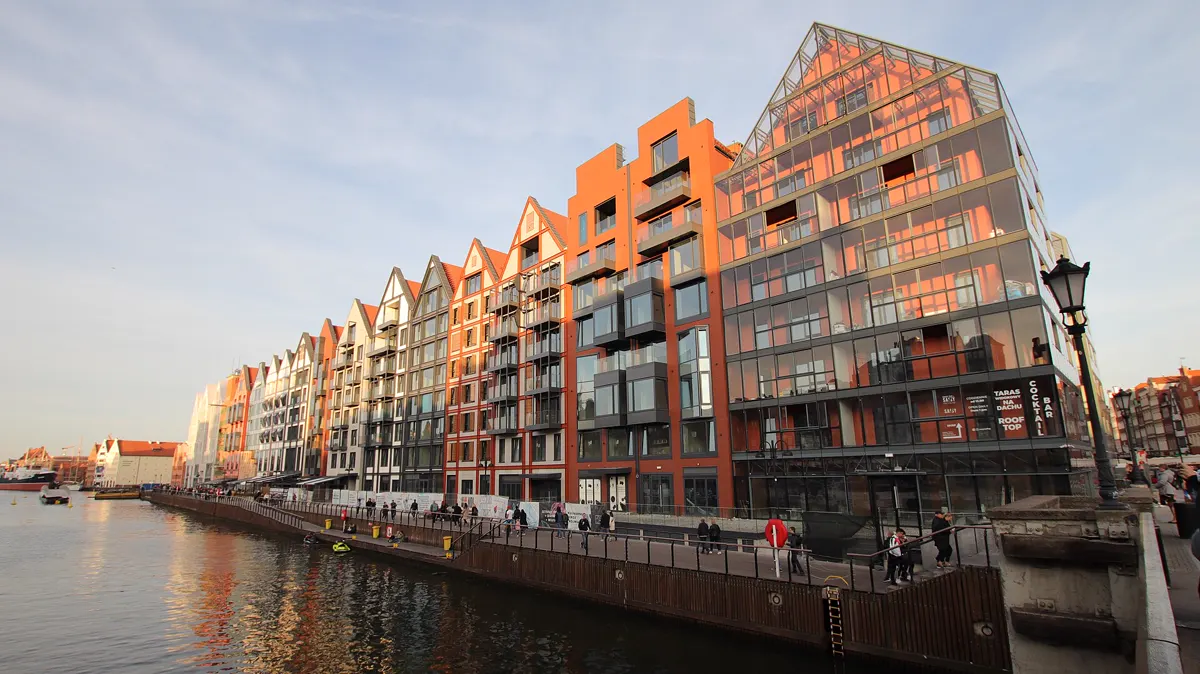
Granary Island is a redeveloped quarter on the Motlawa River in Gdansk, once the port's warehouse district and now a riverside area of hotels, restaurants and gable-fronted buildings that mirror the old granaries.
Attraction
Long Embankment (Motlawa Waterfront)
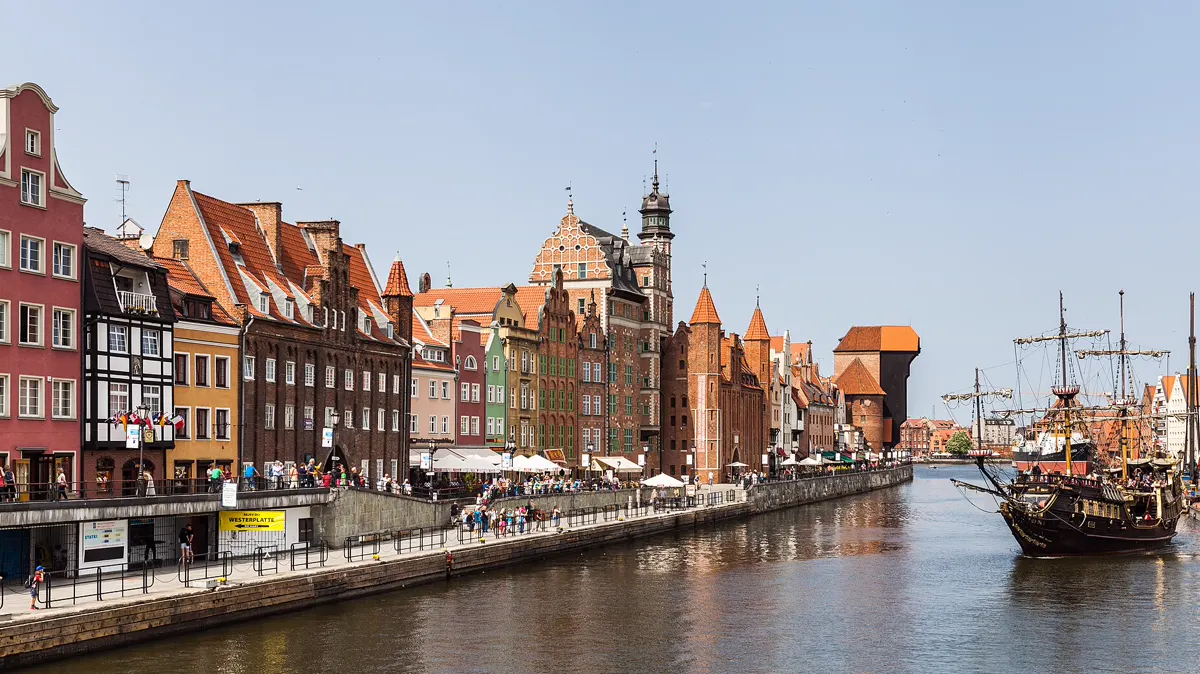
The historic quay along the Motlawa River in Gdansk, once the working heart of the Hanseatic port and now the city's main waterfront promenade for strolls, cafes and river cruises.
Attraction
Amber Museum (Great Mill)
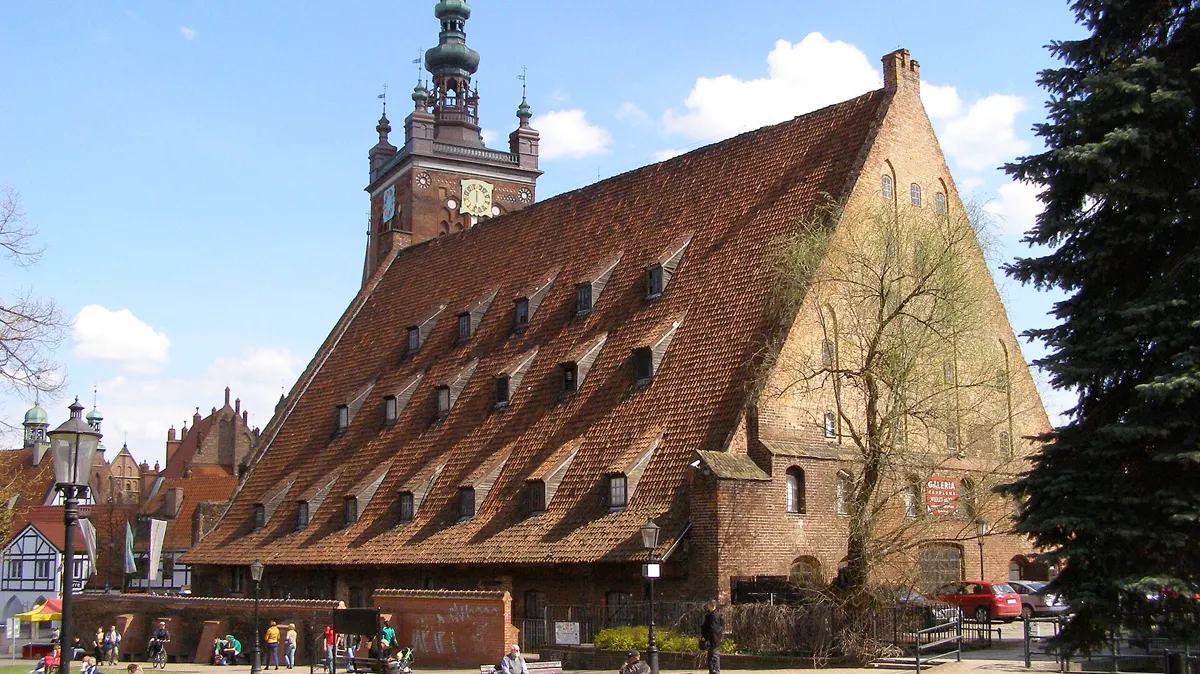
The Amber Museum in Gdańsk tells the story of Baltic amber, from raw fossilised resin to jewellery and art, inside the Great Mill, a 14th-century Teutonic watermill.
Attraction
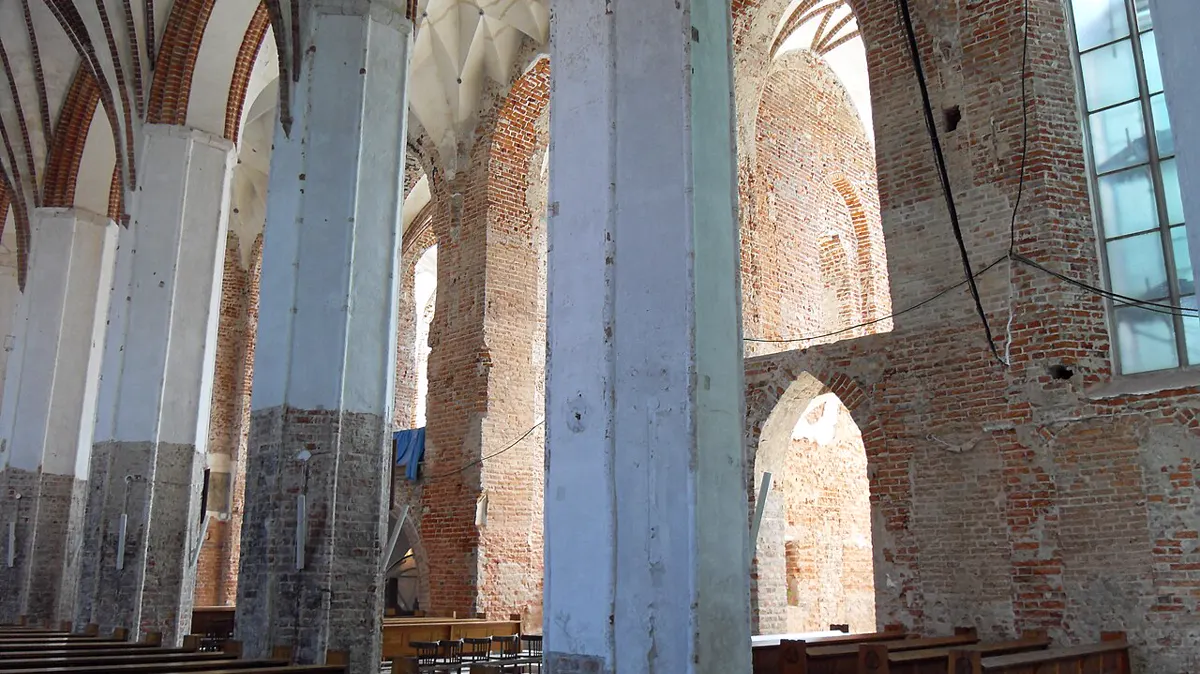
St. Bridget's Church
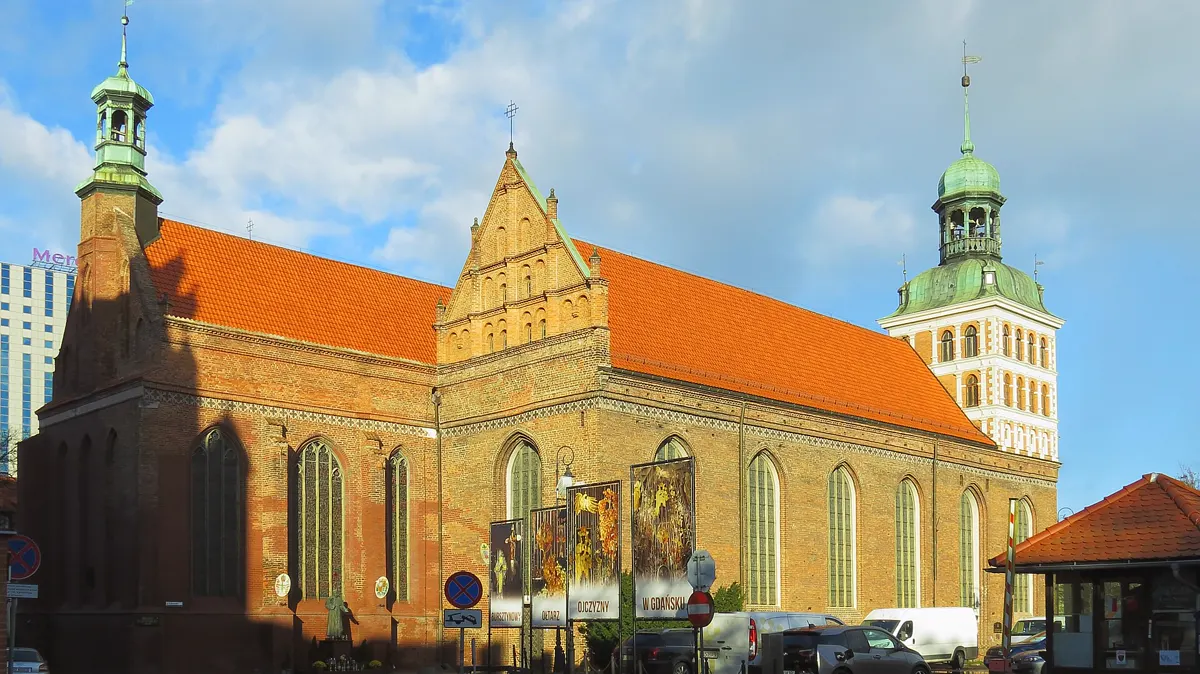
A rebuilt medieval church in Gdańsk's Old Town that holds the world's largest amber altar and carries deep ties to the Solidarity movement.
Attraction
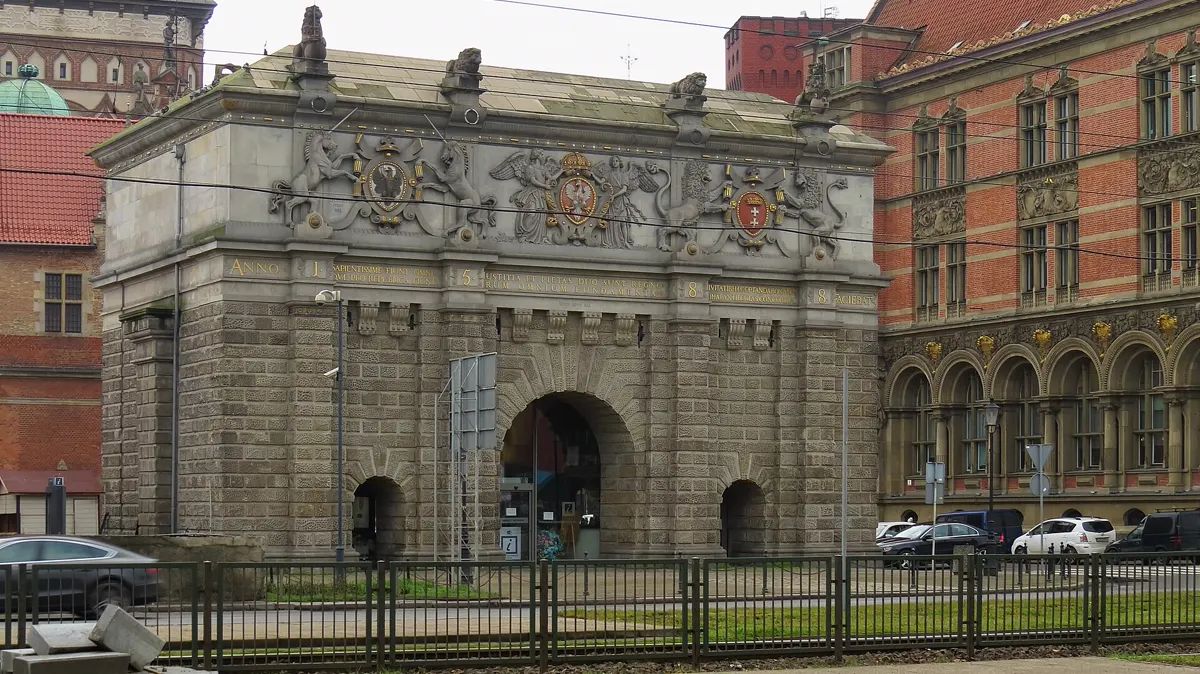
St. Catherine's Church
St. Catherine's Church is the oldest church in Gdańsk and the burial place of astronomer Johannes Hevelius. Its bell tower holds the Museum of Tower Clocks, home to the world's first pulsar clock.
Attraction
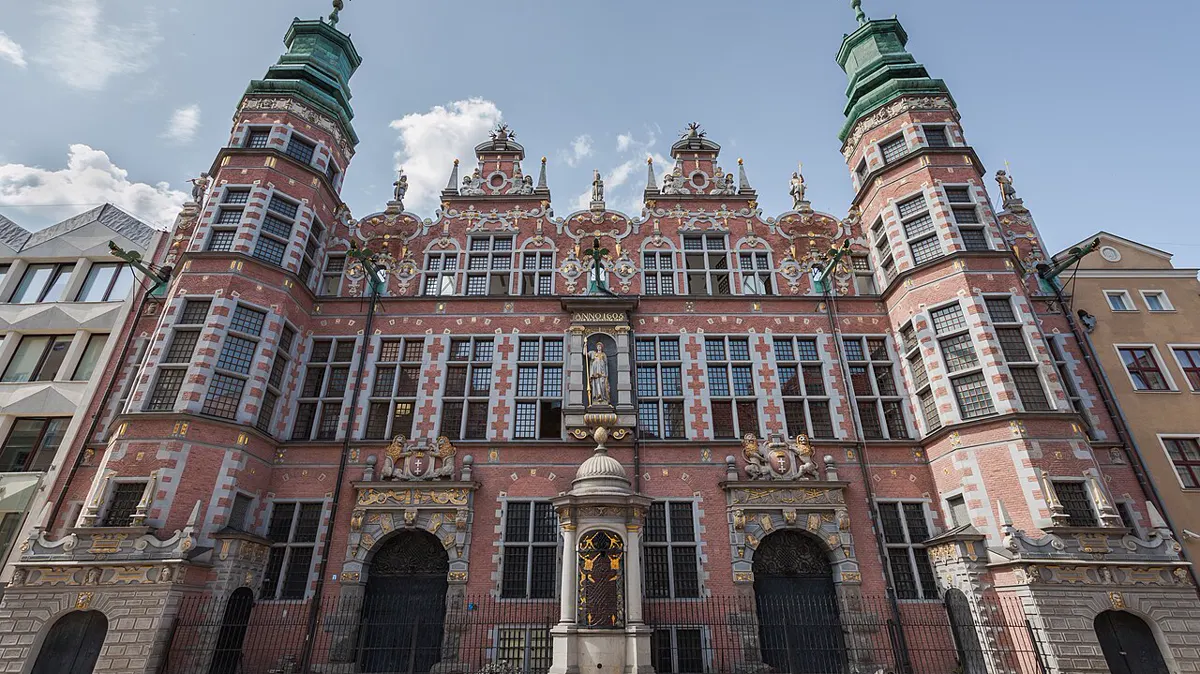
Upland Gate (Brama Wyzynna)
A Renaissance gate from the late 16th century that marks the ceremonial start of Gdansk's Royal Route into the Main Town, carrying the carved coats of arms of Poland, Prussia and Gdansk.
Attraction
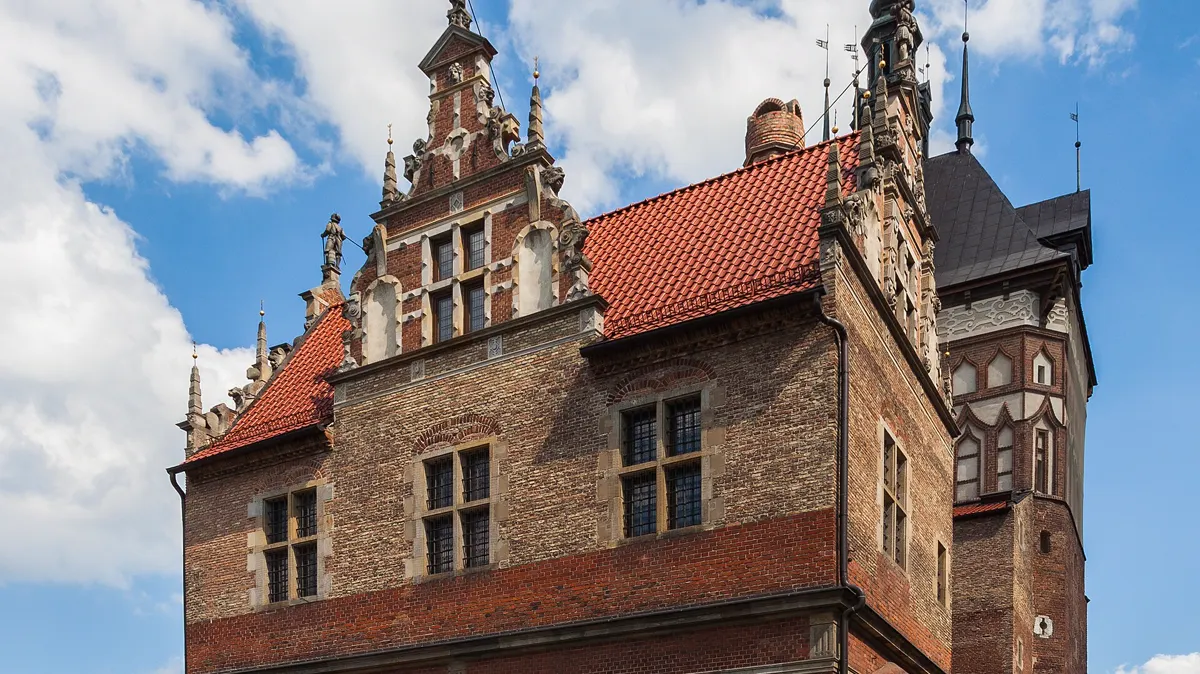
Great Armoury (Wielka Zbrojownia)
The Great Armoury is an ornate former arsenal in Gdansk's Main Town, widely regarded as one of the finest examples of Dutch Mannerist architecture in the city. Its richly decorated facades now front the Academy of Fine Arts and a shopping arcade.
Attraction
Prison Tower and Torture Chamber
A 16th-century fortified complex in Gdansk's Main Town that once held prisoners and carried out interrogations, now marking the start of the Royal Route.
Attraction
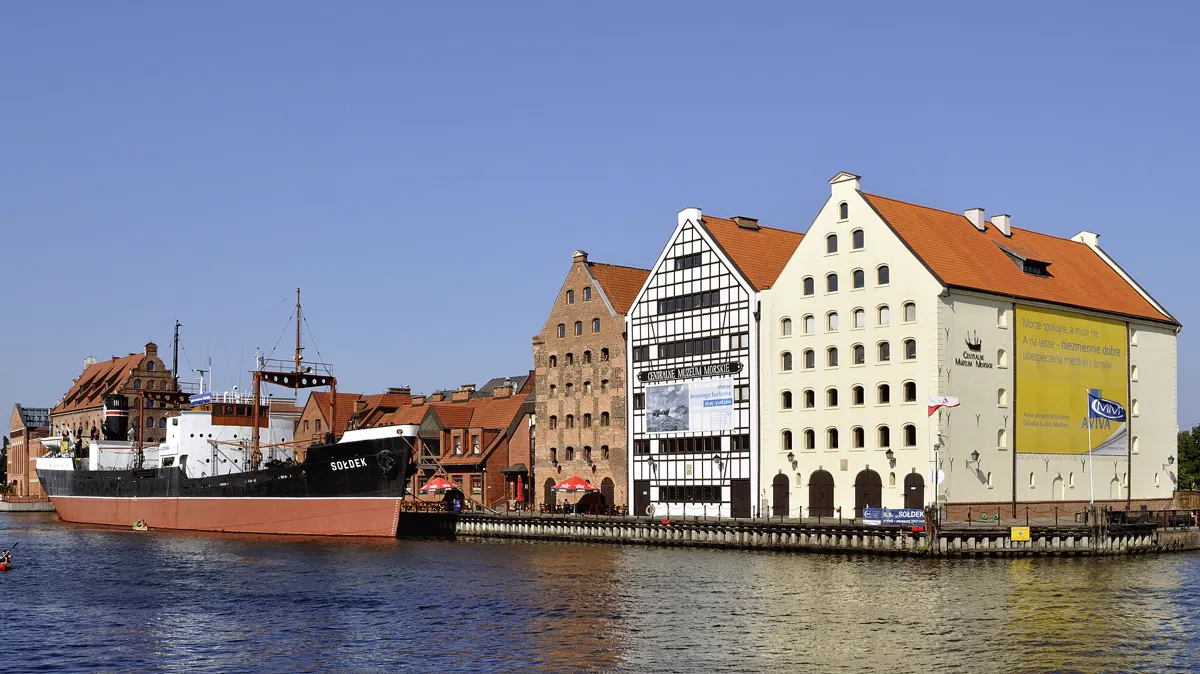
National Maritime Museum and SS Sołdek
Gdańsk's National Maritime Museum spreads across historic granaries on Ołowianka Island and the opposite Motława bank, with the SS Sołdek, a post-war Gdańsk-built cargo ship, moored alongside as a floating museum you can board.
Attraction
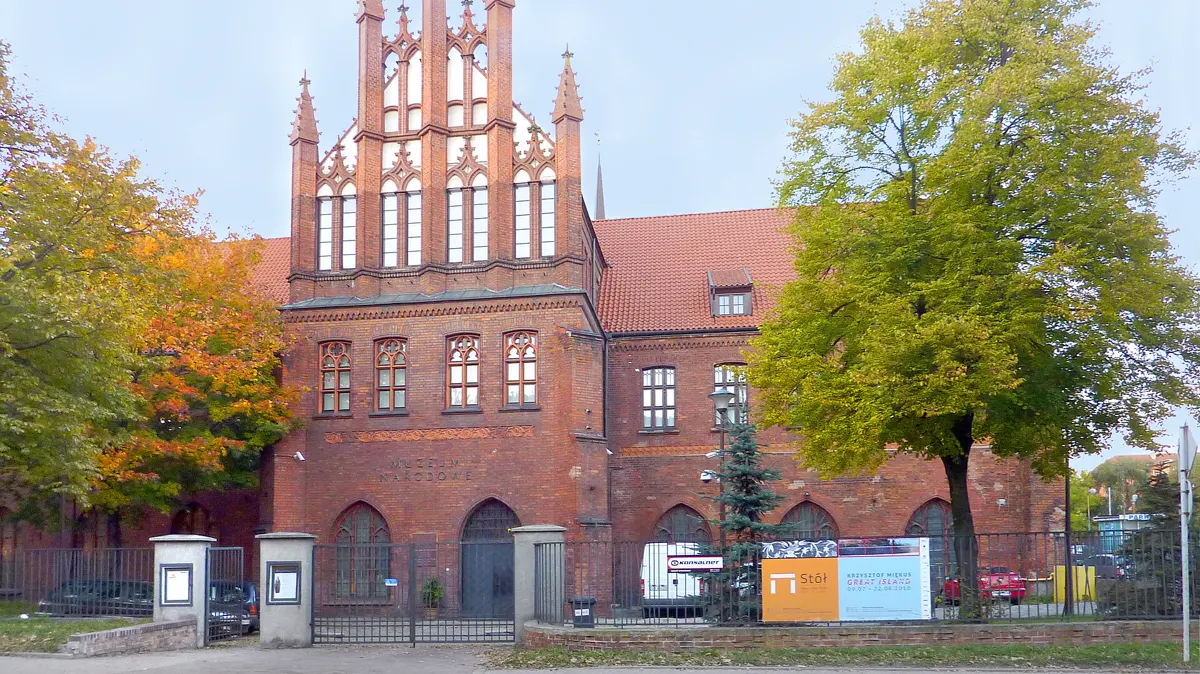
National Museum in Gdańsk (Memling's Last Judgment)
Gdańsk's National Museum, set in a former Franciscan monastery, holds Hans Memling's triptych The Last Judgment, one of the most valuable paintings in any Polish collection.
Attraction
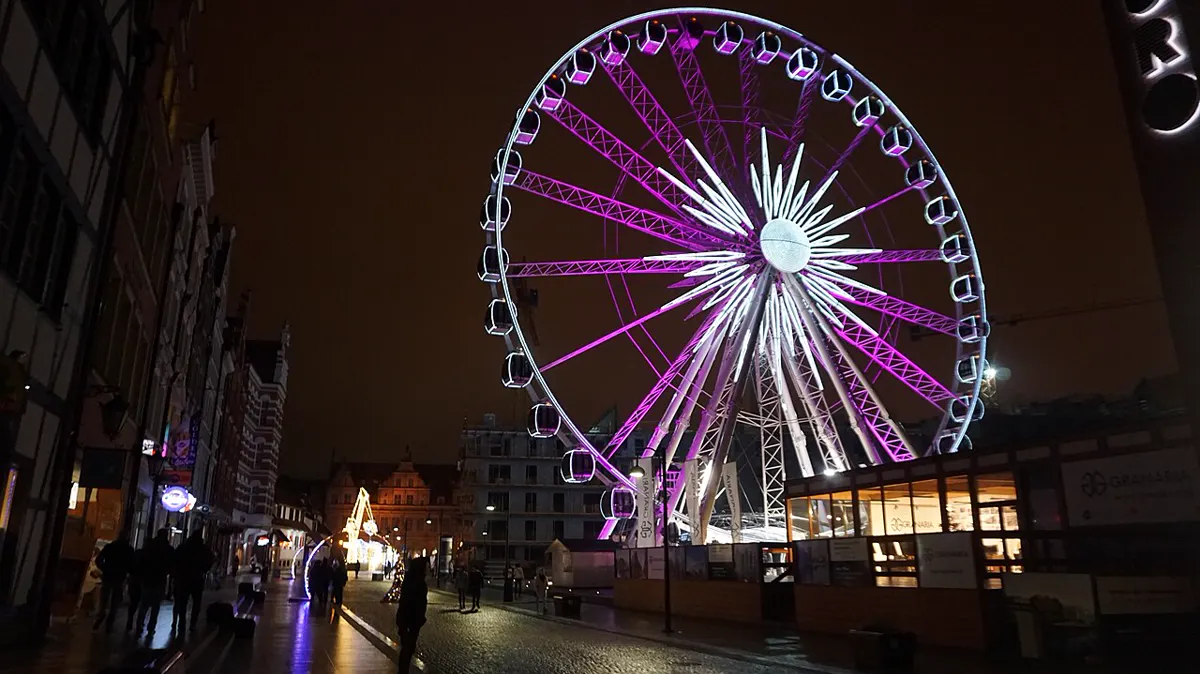
AmberSky Ferris Wheel (Gdańsk Eye)
A large observation Ferris wheel with enclosed, climate-controlled gondolas that lift you above Gdańsk for wide views over the Old Town, waterfront and port.
Attraction
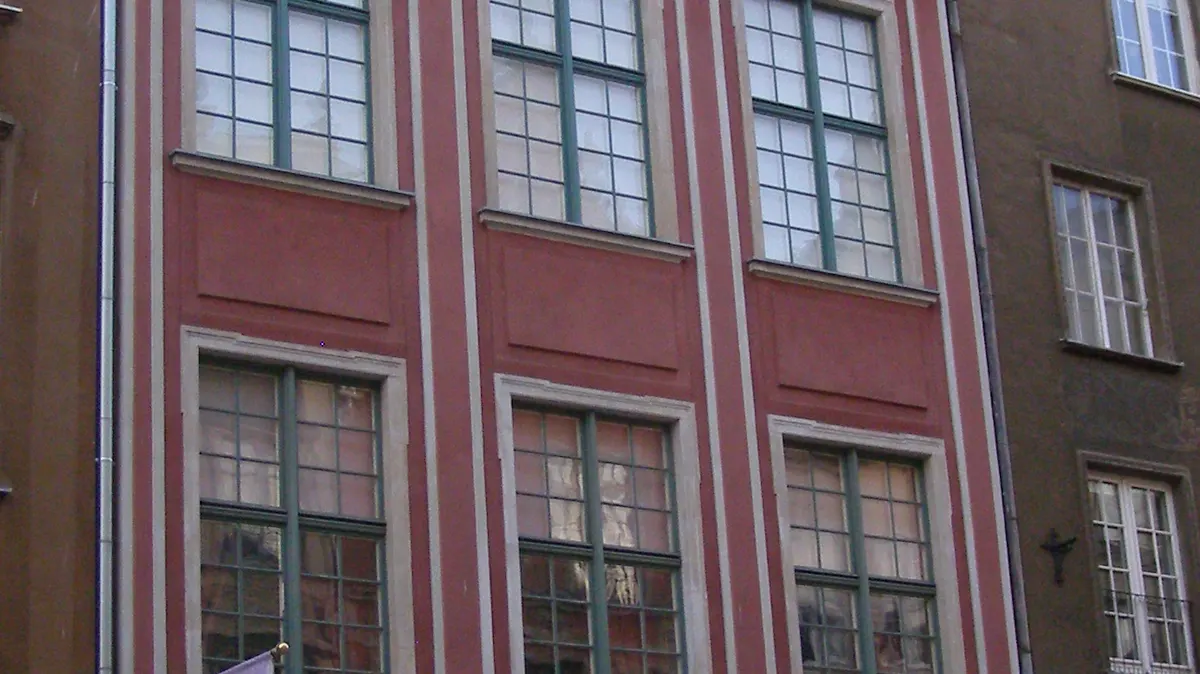
Uphagen House
Uphagen House is an 18th-century patrician townhouse on Gdansk's Long Street, preserved as a museum of period rooms that show how a wealthy merchant family once lived.
Attraction
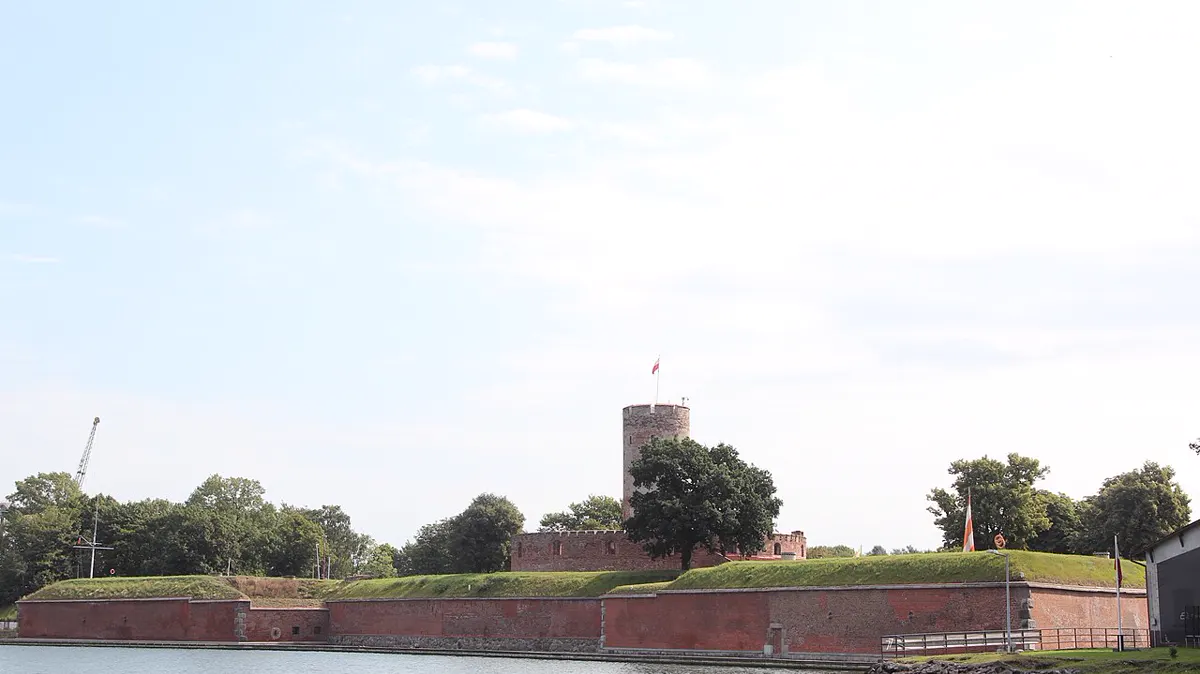
Wisloujscie Fortress
A well-preserved brick fortress at the mouth of the Vistula in Gdańsk's port district, built around a medieval tower and later ringed with bastion defences. It now operates as a branch of the Museum of Gdańsk.