Attraction in Toruń
Ruiny zamku krzyzackiego
The ruins of the Teutonic Knights' castle, the order's first stronghold in the Chelmno Land, were destroyed by townspeople in a 1454 revolt. The preserved gdanisko tower and cellars can be explored today.
Reviewed and updated July 2026
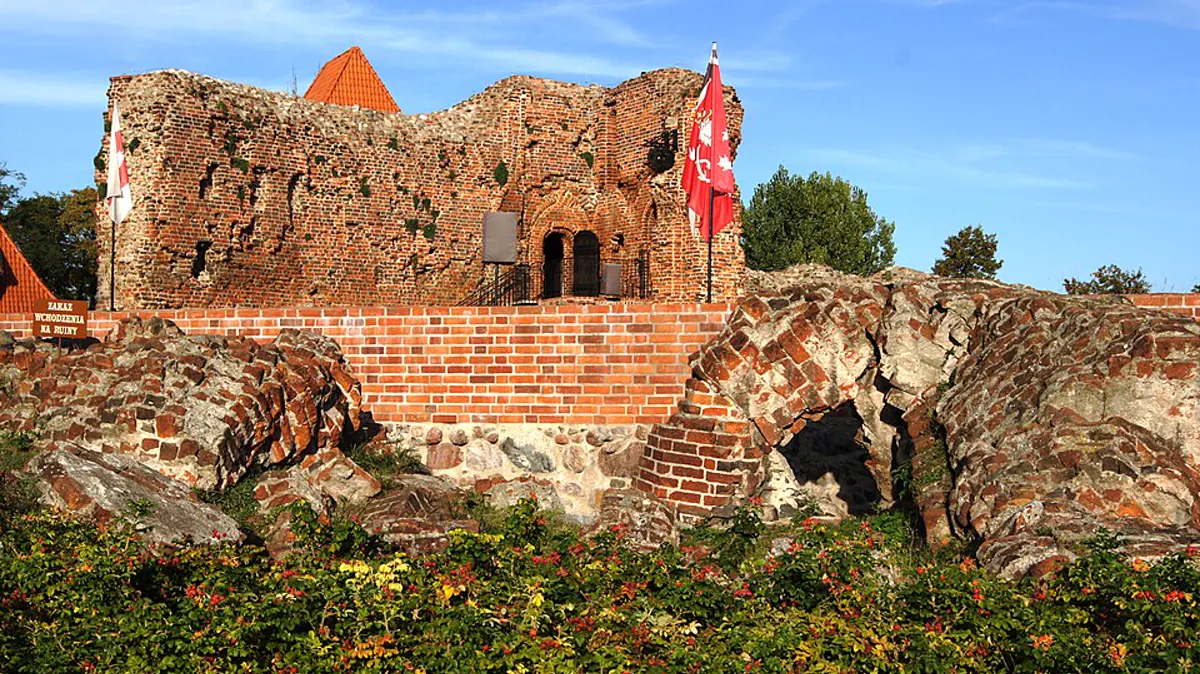
The ruins on the edge of Torun's old town are all that remains of the castle of the Teutonic Knights, the order's first stronghold in the Chelmno Land. Building began in the 13th century, and the castle took an unusual horseshoe plan on the site of an earlier settlement. It was the seat of a commander until 1454, when the townspeople rose against the order and tore it down.
Why visit the castle ruins
The rest of Torun's old town survived intact, so it tells the story of the wealthy merchant city but not of the military order that founded it. The ruins fill that gap. Here you get the harder edge of Torun's past: the fortress the townspeople chose to destroy rather than let any garrison hold it. Walking the exposed foundations and cellars is a change of register from the gabled streets, and it is a good stop with children.
What to see among the ruins
The site keeps its outline, cellars and the striking gdanisko, a tower that once stood over a stream and served as the castle latrine, linked to the main building by a raised passage. You can walk the grounds and the vaults, where a small exhibition explains the order and the castle. The ruins are also used for events, and in the warmer months they take on a livelier programme after dark.
History of the Teutonic castle
The Teutonic Order built the castle in the mid-13th century as a base for its conquest of Prussia, the first of its strongholds in the Chelmno Land. In February 1454 the people of Torun, resentful of the order's rule, demanded its surrender and then dismantled it, deciding that no ruler should keep troops in their town. The revolt helped begin the Thirteen Years War, which ended in 1466 with the Second Peace of Torun.
How long to spend
Thirty to forty-five minutes covers the grounds, the gdanisko and the vaulted exhibition. Allow longer if you visit during an event or take your time over the interpretation.
Best time to wander the ruins
Daytime suits the walk around the ruins and the cellars. Warmer months bring the fuller programme, including evening events among the walls. The site is largely open ground, so pick a dry day and wear sensible shoes for the uneven footing.
Getting to the ruins
The ruins are a short walk east of the Old Town Market Square, between the old town and the New Town. See the Torun guide for reaching the centre.
Near the Old Town
The ruins slot into a walk of the eastern old town and the river:
- The Leaning Tower in the walls to the west.
- The old town and its market square, a few minutes on foot.
- The Vistula boulevard along the river below.
Good to know
The grounds and vaults are ticketed. The footing is uneven, so wear suitable shoes. Check the site's official channels for opening hours and any evening events.
Castle ruins questions
Why was the castle destroyed?
In 1454 the people of Torun rebelled against the Teutonic Order, took the castle and pulled it down so that no garrison could hold the town again. The event helped begin the Thirteen Years War.
What is the gdanisko?
It is the tower that stood over a stream and served as the castle's latrine, reached from the main building by a raised passage. It is the most complete part of the ruins today.
Frequently asked questions
More attractions in Toruń
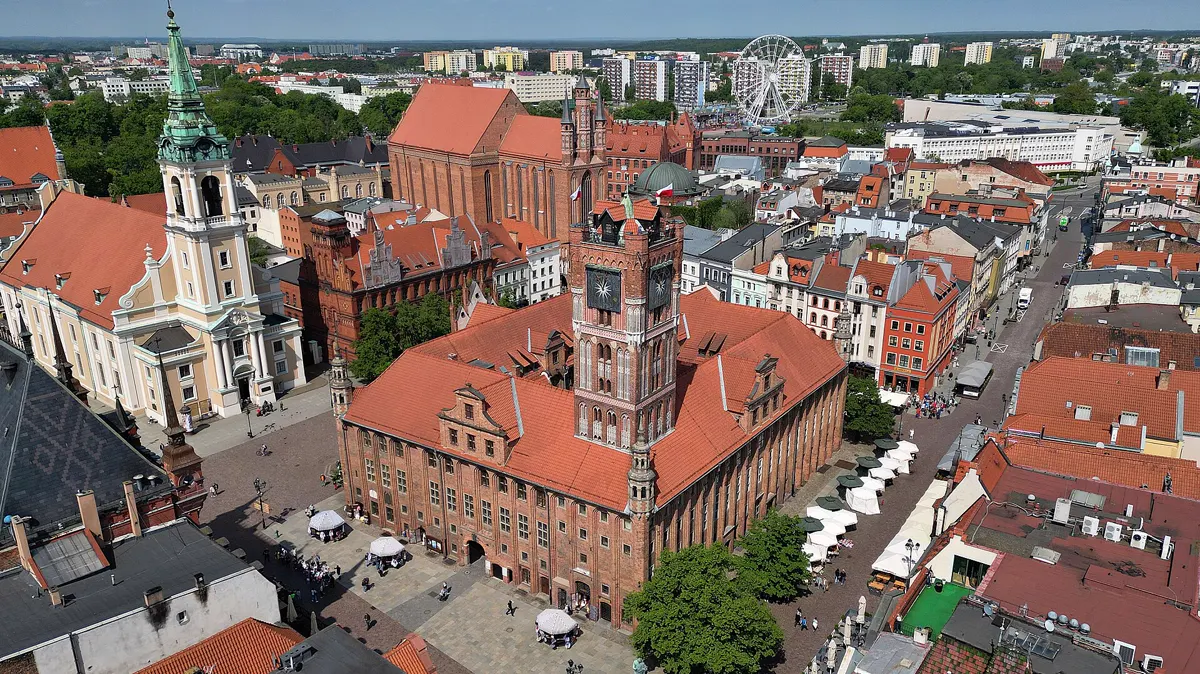
Torun Old Town
A genuine, war-survived medieval centre of brick Gothic churches, granaries and gabled houses around the Old Town Market Square.
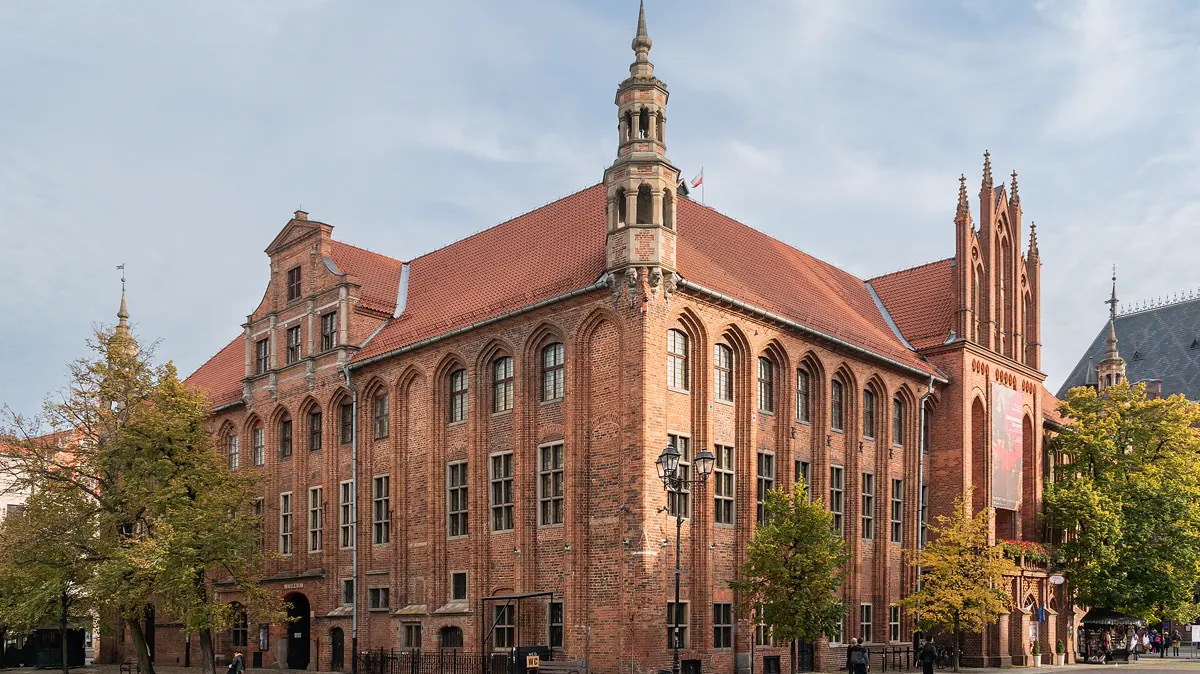
Ratusz Staromiejski
One of the finest municipal Gothic buildings in Central Europe, the Old Town Hall dates from the late 14th century and now houses the District Museum. Its tall tower offers sweeping views over the red-roofed old town and the Vistula.
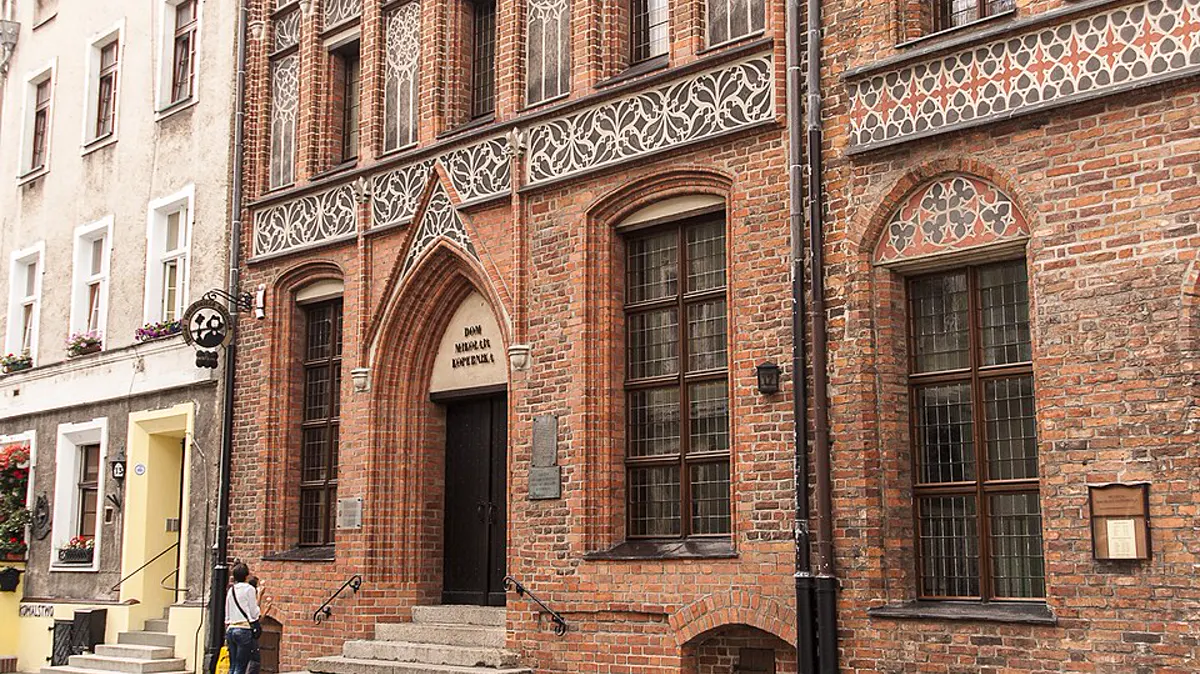
Dom Kopernika
A pair of Gothic burgher houses believed to be the birthplace of Nicolaus Copernicus in 1473, now a museum devoted to the astronomer's life and era. Exhibits recreate a 15th-century merchant household and display period instruments.
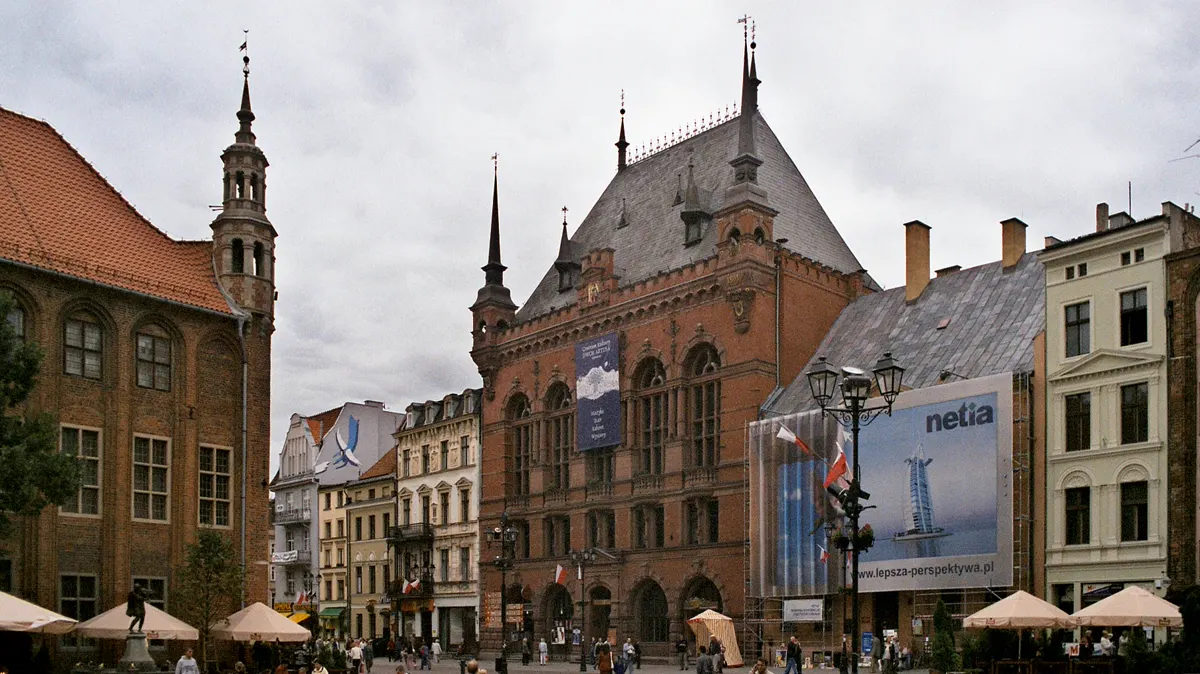
Artus Court (Dwór Artusa)
Artus Court is a Dutch Neo-Renaissance building on Toruń's Old Town Market Square, now a cultural centre for concerts and events. It stands on the site where the Second Peace of Thorn was signed in 1466.
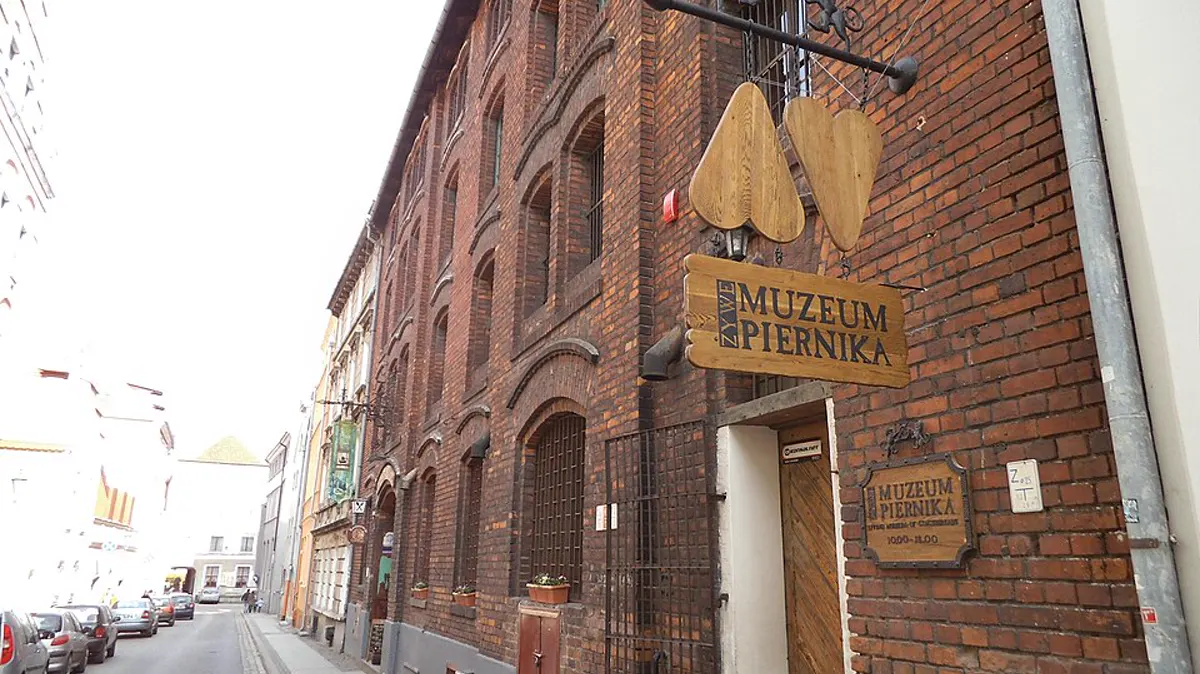
Zywe Muzeum Piernika
At the Living Museum of Gingerbread, visitors knead and bake their own pierniki using medieval recipes under the guidance of costumed masters. Torun's gingerbread tradition dates back more than 600 years.
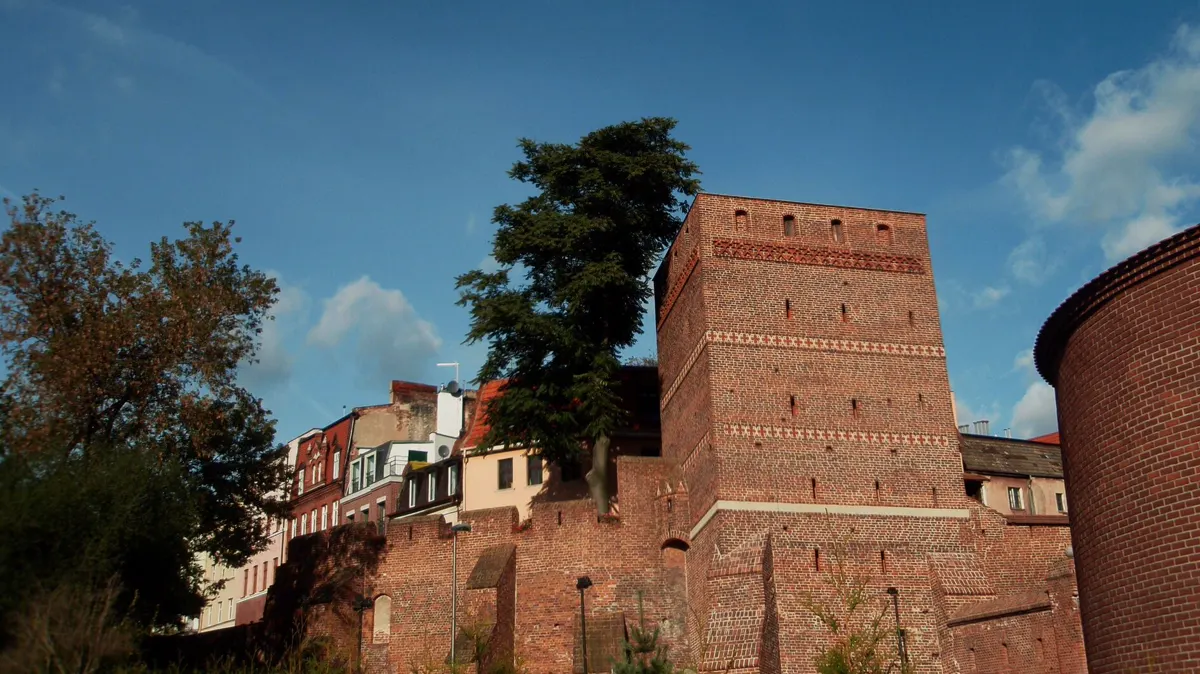
Medieval City Gates and Walls
Three surviving medieval gates and stretches of Toruń's original brick town wall line the Vistula, forming part of the UNESCO-listed old town's riverside defences.
More to explore in Toruń
Restaurant
Manekin
A local legend for enormous sweet and savoury pancakes at gentle prices.

Hotel
1231 Hotel
A design hotel inside a 13th-century mill by the moat, with a spa and a well-regarded restaurant.

Restaurant
Karczma Gesia Szyja
A rustic inn in the old town leaning into goose and other regional specialities.
Hotel
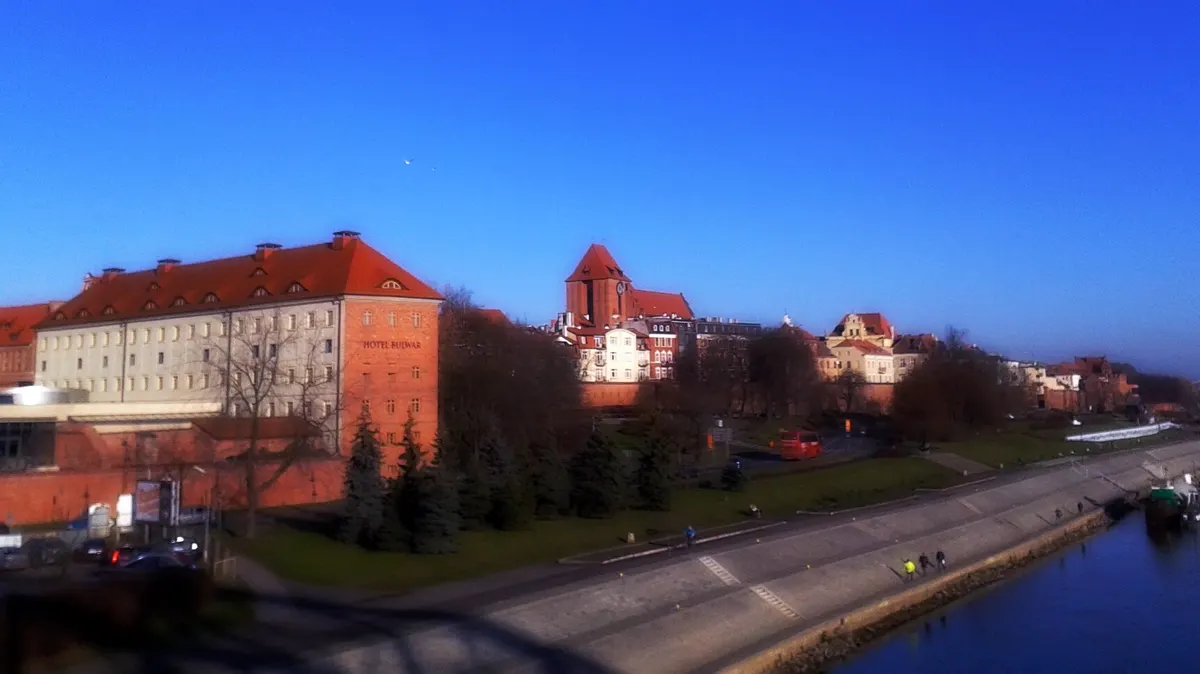
Hotel Bulwar
A comfortable hotel on the Vistula boulevard with the best gingerbread-skyline views.

Hotel
Hotel Petite Fleur
A cosy Old Town hotel in a historic tenement, known for its French cellar restaurant and central location near the Rynek.

Hotel
Hotel Filmar
A reliable four-star business hotel a short walk from the Old Town, with two restaurants and a wellness zone.