Attraction in Kraków
Planty
A green ring of parkland encircling the Old Town, laid out in the early 19th century where the medieval city walls once stood. The shaded path of roughly four kilometres links most of the historic sights on an easy walk.
Reviewed and updated July 2026
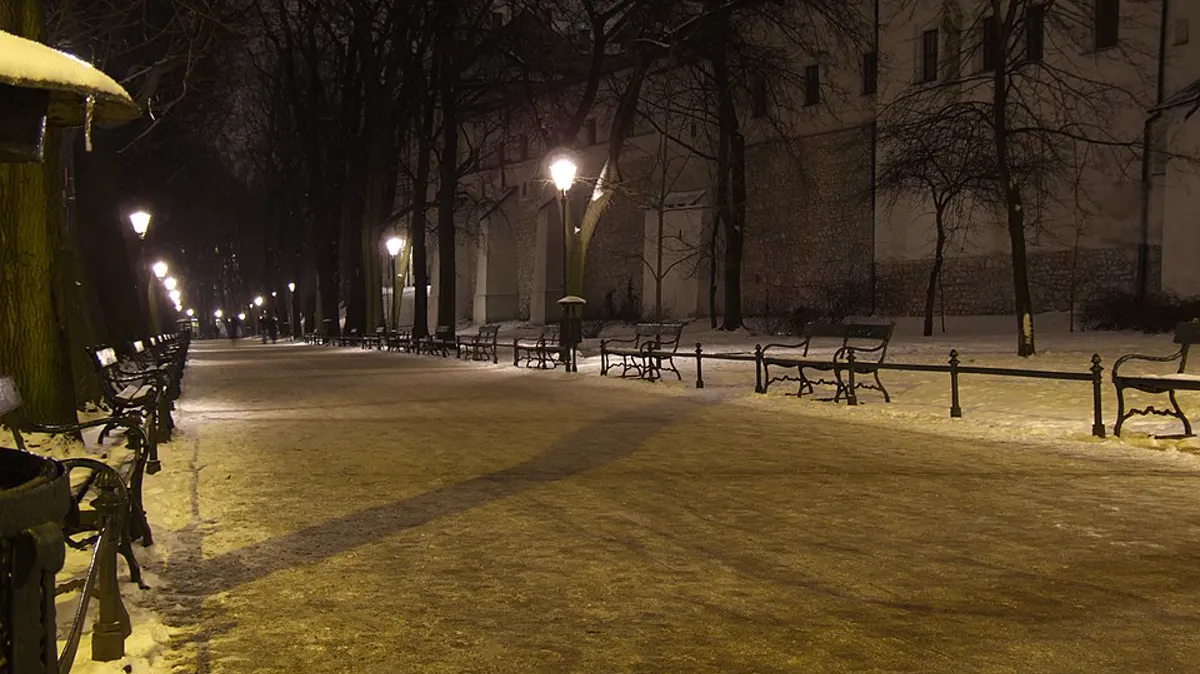
The Planty is the ring of parkland that wraps around Krakow's Old Town. It was laid out in the early 19th century on the ground where the medieval city walls once stood, and it now forms a shaded loop of about four kilometres. The path links most of the historic sights, so almost every walk into the centre crosses it. It is less a destination than the green frame around everything else.
Why walk the Planty
The Planty is the easiest way to walk between the Old Town's sights without traffic. It is a continuous chain of small gardens, tree-lined avenues, benches, fountains and monuments, and it never closes. Locals use it to commute, run and sit; visitors use it to move between the station, the square and Wawel while staying under the trees. On a hot day it is the coolest route through the centre.
What to see along the ring
The Planty is made up of around thirty linked gardens, each with its own character, dotted with statues and fountains. Along the way it passes the surviving pieces of the old defences: the Barbican and the Florian Gate at the northern end, where a short stretch of the medieval wall still stands. The loop also runs past the university quarter and skirts the foot of Wawel hill. There is no single entrance; you simply join it wherever a street from the Old Town meets it.
History of the Planty
By the early 19th century Krakow's medieval walls and moat had lost their military use and fallen into disrepair. Between 1822 and 1830 the walls were demolished and the moat filled in, and the cleared band of land was planted as a public garden. A few fragments were spared, including the Barbican and the Florian Gate. The result is a green belt that traces the exact outline of the vanished fortifications.
How long to spend
The full loop takes about an hour at an easy pace, less if you cut across the Old Town. Most people experience it in short stretches as they move between sights rather than walking the whole ring at once.
Best time to visit
Spring and autumn show the Planty at its best, with blossom or turning leaves along the avenues. Summer gives welcome shade on a hot day, and mornings are quiet and good for a walk before the centre wakes up. In winter the bare trees open up clear views of the Old Town buildings behind them.
Getting to the Planty
The Planty circles the whole Old Town, so you reach it the moment you leave the centre in any direction. From Krakow Glowny, the main station, you step straight into it on the way to the Main Market Square. Trams and buses stop all around its outer edge. See the Krakow guide for wider transport.
Accessibility
The main paths are wide, level and mostly surfaced with fine gravel or paving, which makes the Planty one of the easier walks in the centre for wheelchairs and prams. Benches are frequent. Crossings where streets cut through the ring have kerbs and traffic to watch for.
Nearby Old Town sights
Because the Planty rings the Old Town, everything central is just off it:
- Main Market Square, a few minutes in from any point on the ring.
- Barbican and the Florian Gate, at the northern edge of the loop.
- Wawel Castle, where the southern end of the Planty meets the river.
Good to know
The Planty is a free public park, open at all hours, with no gates or tickets. It is well used and lit in the evenings, but as with any city park it is quieter and less overlooked late at night. Cycling is limited on some stretches, so watch for signs.
Common questions
How long is the Planty?
The ring runs for roughly four kilometres around the Old Town, which is about an hour's walk at an easy pace.
Was the Planty once the city walls?
Yes. The park was created between 1822 and 1830 on the site of the demolished medieval walls and filled-in moat. The Barbican and Florian Gate are the main surviving fragments of those defences.
Frequently asked questions
More attractions in Kraków
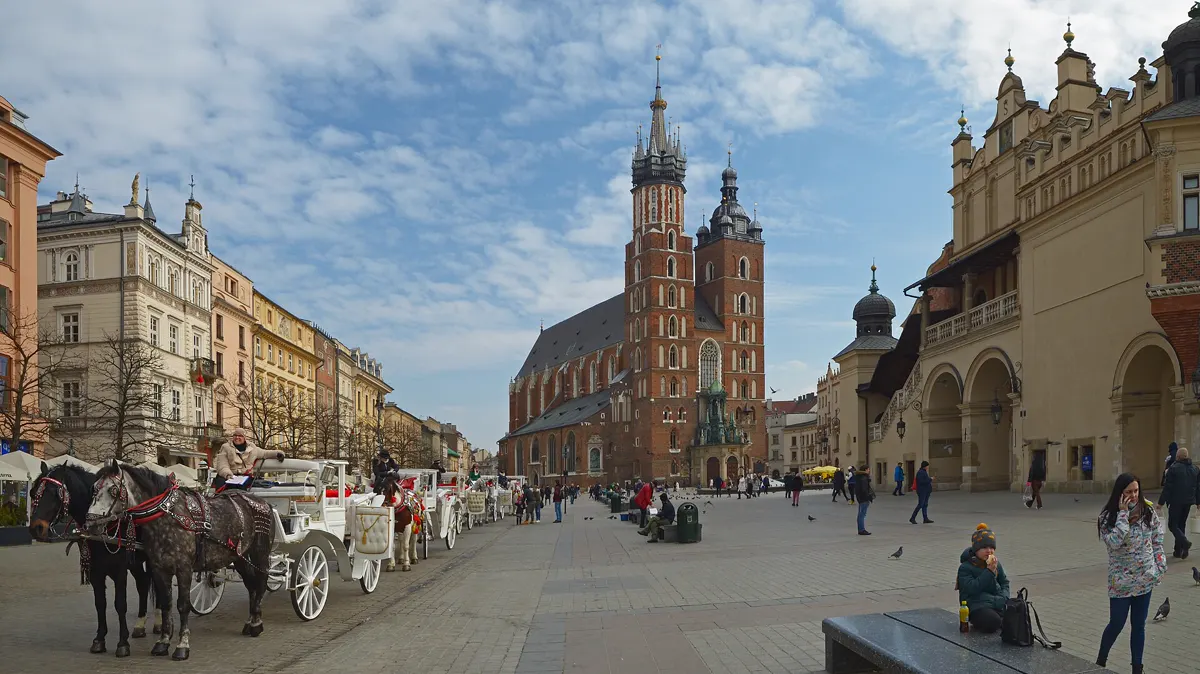
Main Market Square
Europe's largest medieval market square, the social centre of Krakow, with the Cloth Hall running down its middle.
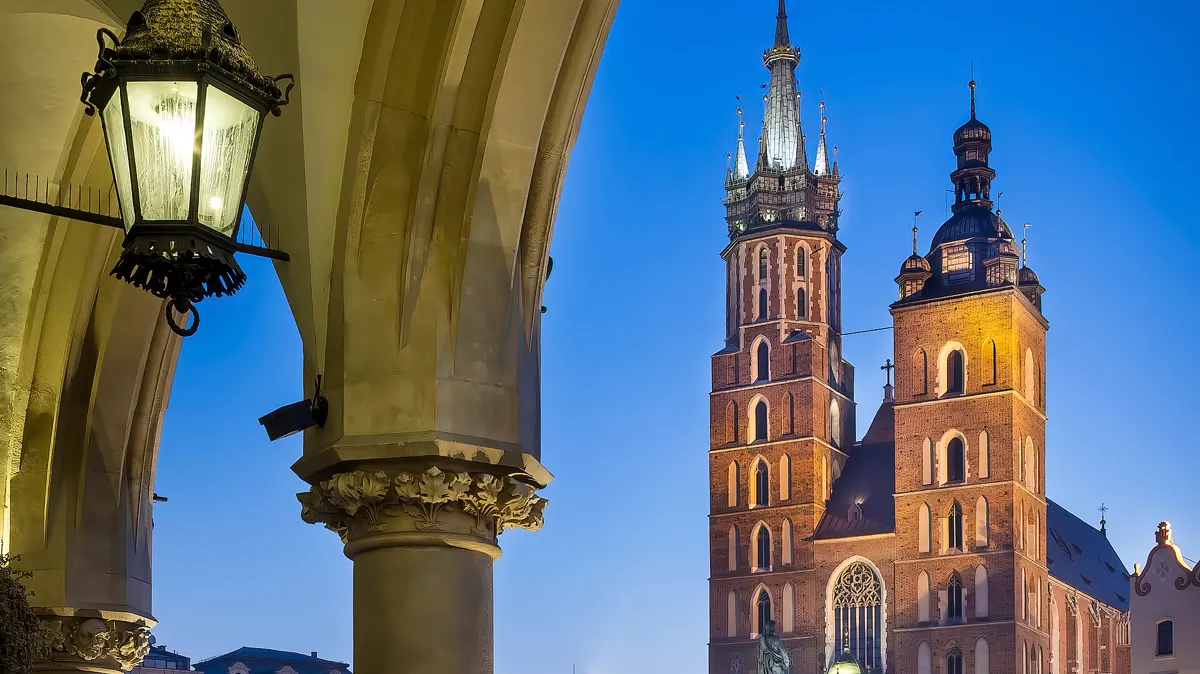
St Mary's Basilica
The brick Gothic church on the main square, famous for its mismatched towers and a carved wooden altarpiece by Veit Stoss.
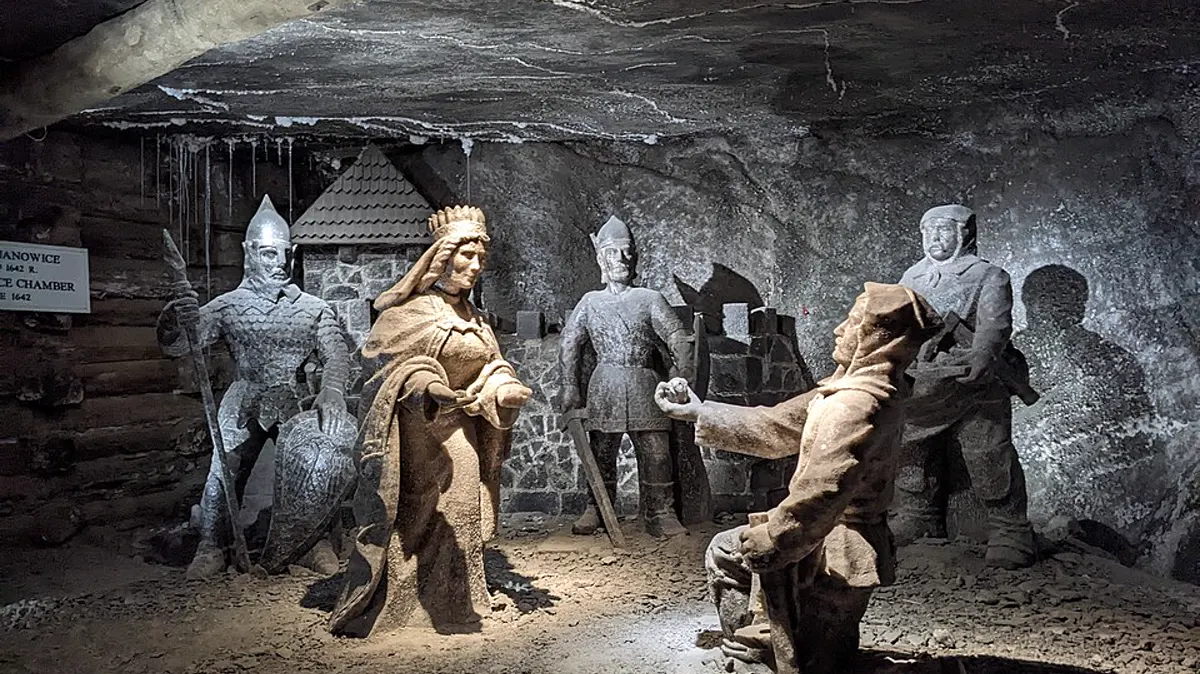
Wieliczka Salt Mine
A UNESCO-listed salt mine worked for seven centuries, with underground chapels, lakes and chambers carved entirely from rock salt.
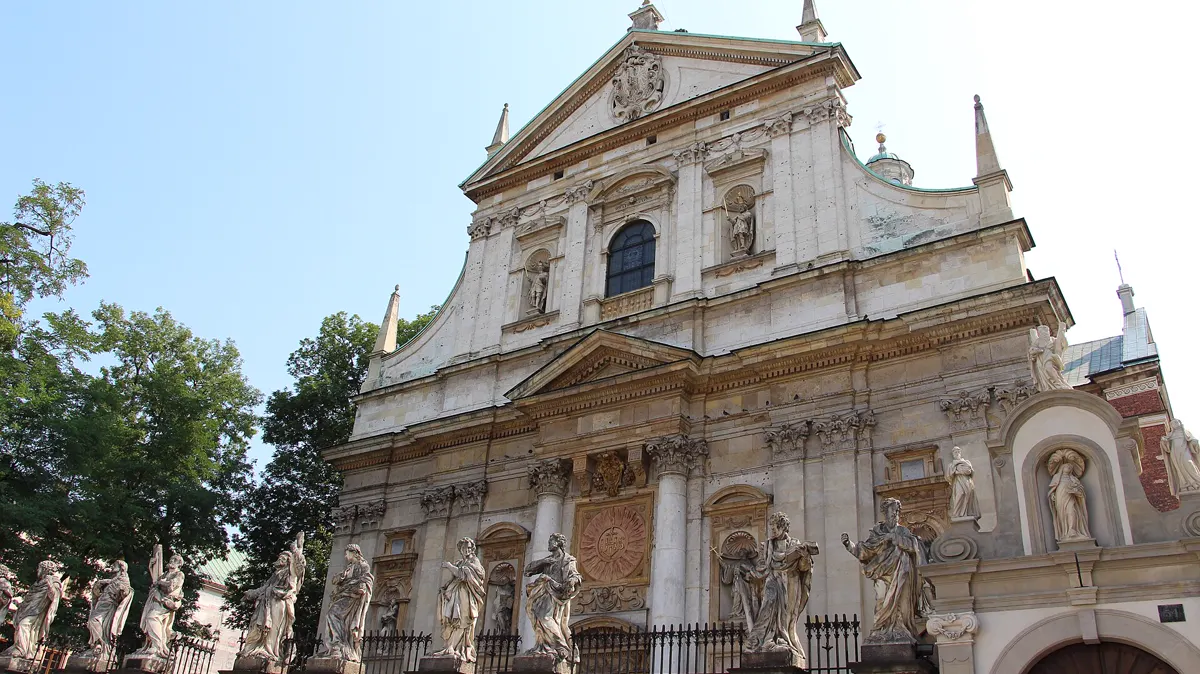
Church of Saints Peter and Paul
Kraków's first fully Baroque church, on Grodzka Street, known for its apostle statues, a national crypt and the longest Foucault pendulum in Poland.
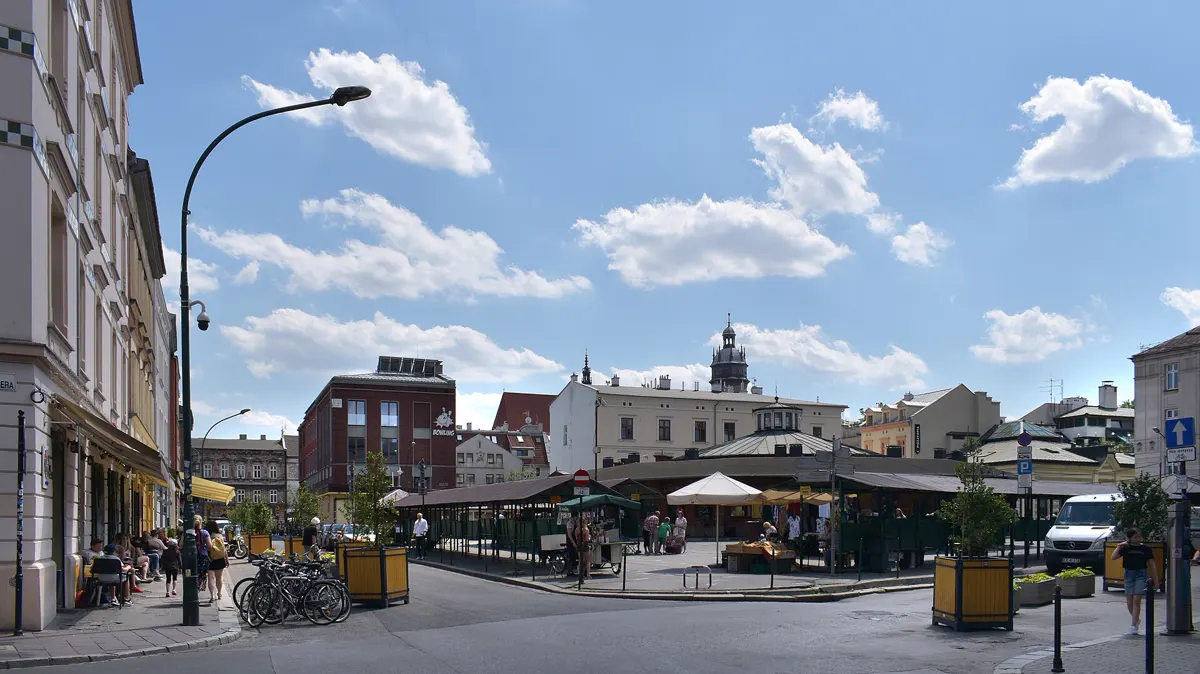
Kazimierz
The historic Jewish quarter, once a separate town, now a district of atmospheric squares, old synagogues and cemeteries. Its cafes, galleries and Friday-to-Sunday food markets on plac Nowy have made it Krakow's most creative nightlife hub.
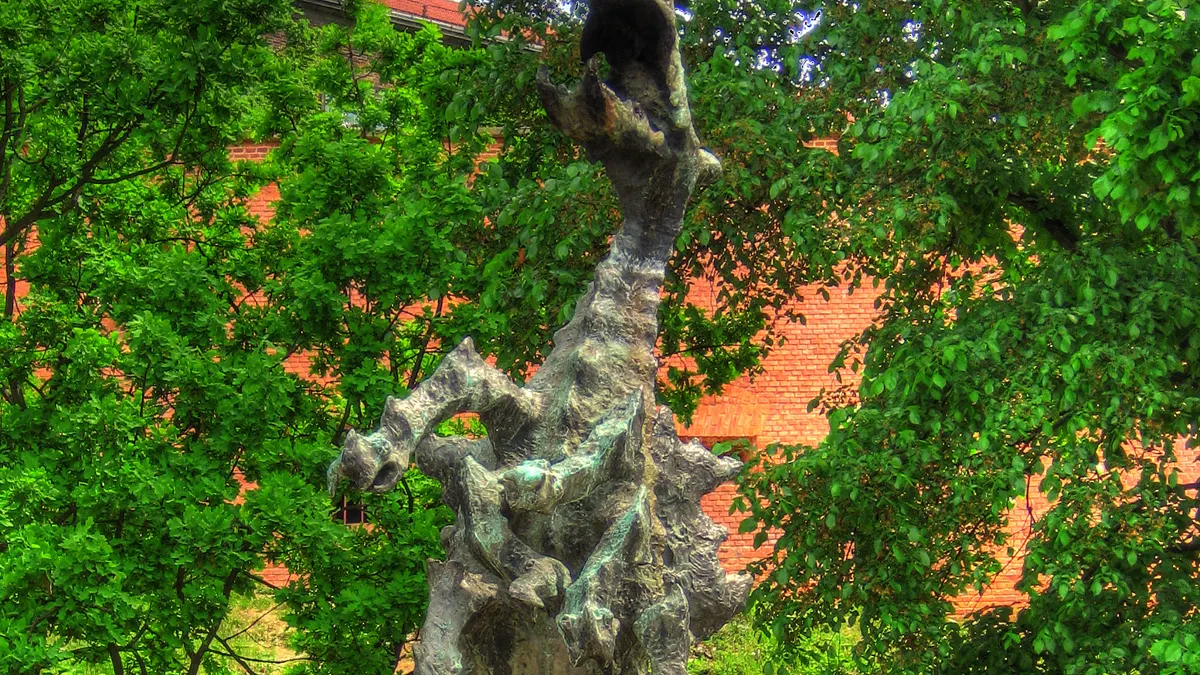
Wawel Dragon Statue and Dragon's Den
A 6-metre bronze dragon at the foot of Wawel Hill that breathes real fire, standing beside the entrance to the Dragon's Den, a limestone cave beneath the castle.
Featured in
More to explore in Kraków
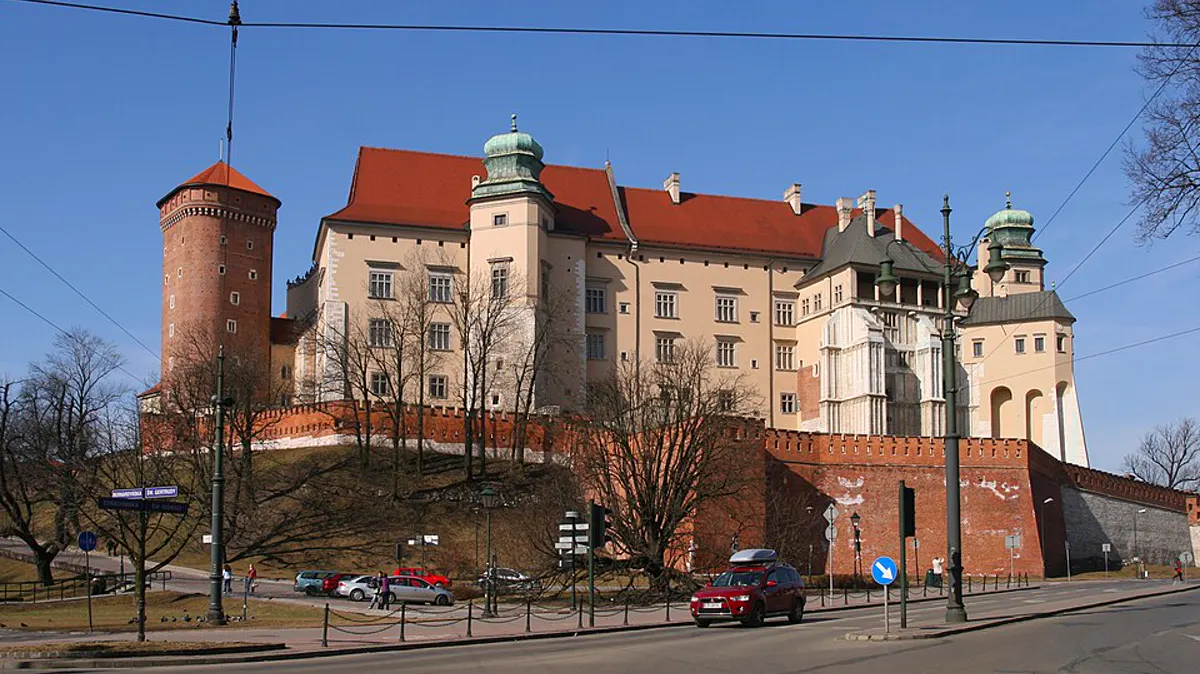
Castle
Wawel Castle
The royal castle and cathedral on the hill above the Vistula, the symbolic heart of the Polish nation for a thousand years.

Restaurant
Bottiglieria 1881
Krakow's Michelin-starred tasting-menu room, a modern Polish kitchen paired with a deep wine cellar.
Hotel
Hotel Copernicus
A Relais & Châteaux townhouse on the oldest street in the city, with a rooftop terrace facing Wawel.
Museum
Rynek Underground
An atmospheric archaeology museum beneath the Main Square, walking you through the medieval market on its original cobbles.

Restaurant
Karma Coffee
A small speciality roaster pouring some of the Old Town's best flat whites.
Hotel
Ibis Krakow Stare Miasto
A reliable budget base a short walk north of the Old Town by the main railway station.