Zakopane
Attractions in Zakopane
Zakopane's attractions mix mountain-town life with a strong regional identity. The main artery is Krupowki, the pedestrian street lined with shops, grills, and cafes, with the peak of Giewont and its summit cross rising behind the town. History and Highlander culture show up at the old cemetery of Peksowy Brzyzek and in the timber architecture of Willa Koliba, while the Wielka Krokiew ski jump anchors the winter sports scene.
All Attractions in Zakopane
Attraction
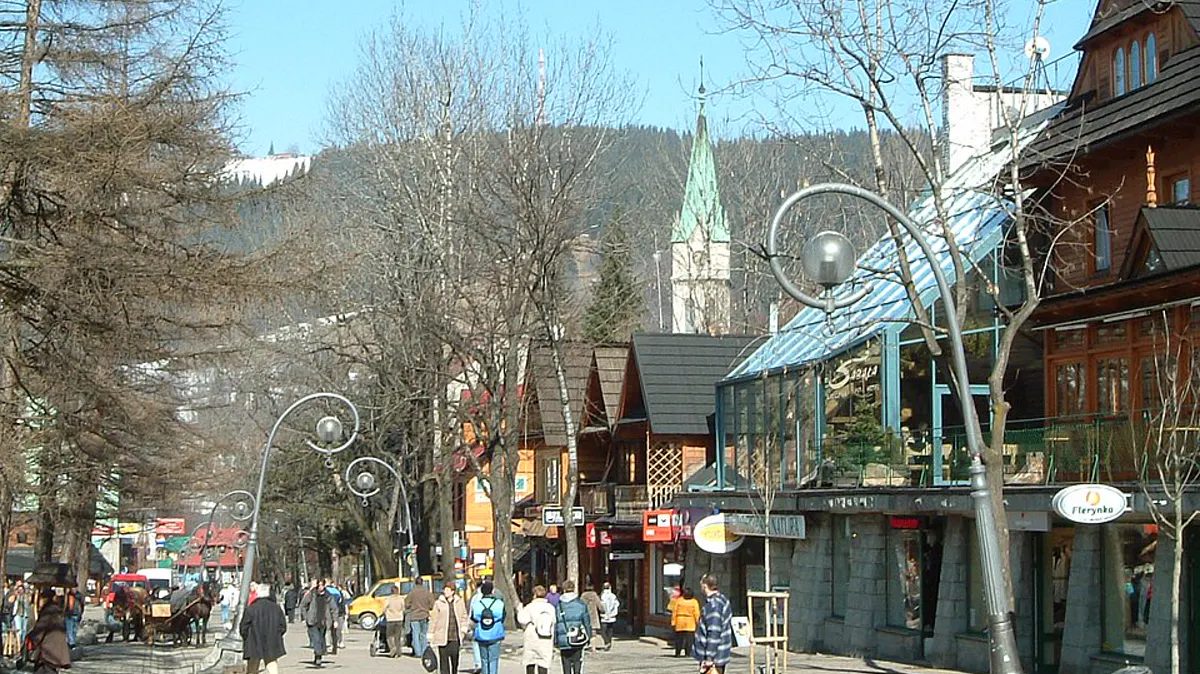
Krupowki
The main pedestrian street of Zakopane, lined with restaurants, highland-cheese stalls, shops and the buzz of the mountain resort.
Attraction
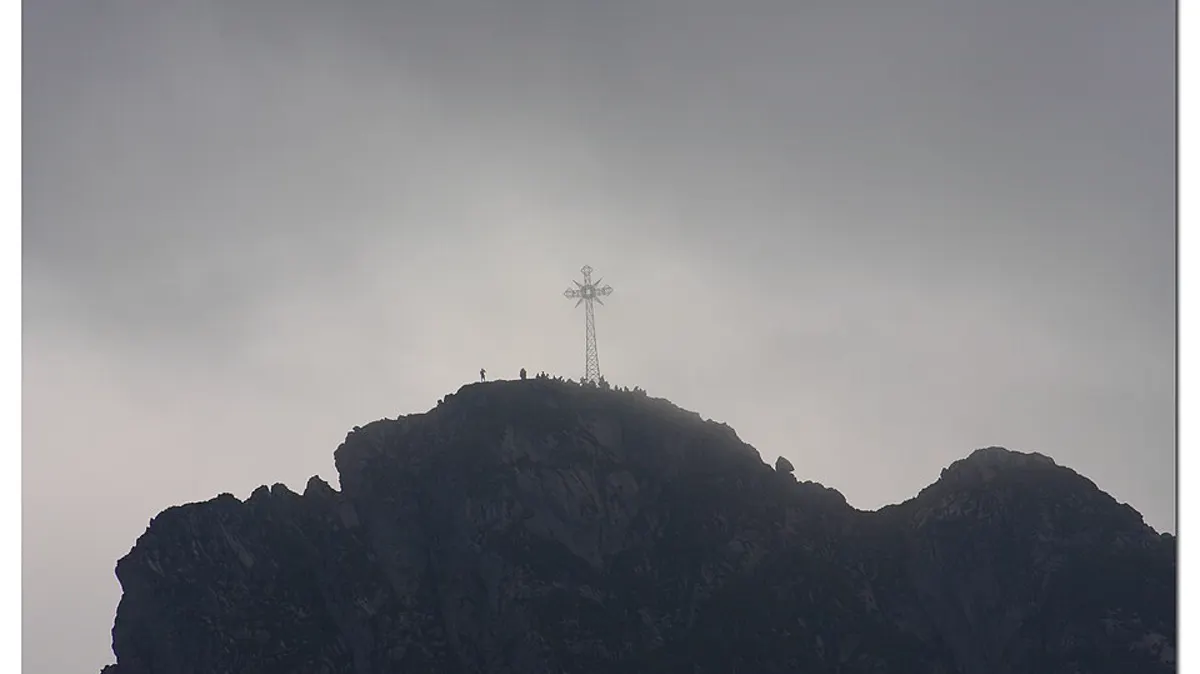
Giewont
The 1,894 metre mountain overlooking Zakopane, crowned by a 15 metre iron cross erected in 1901. Its silhouette is said to resemble a sleeping knight and is the symbol of the town.
Attraction
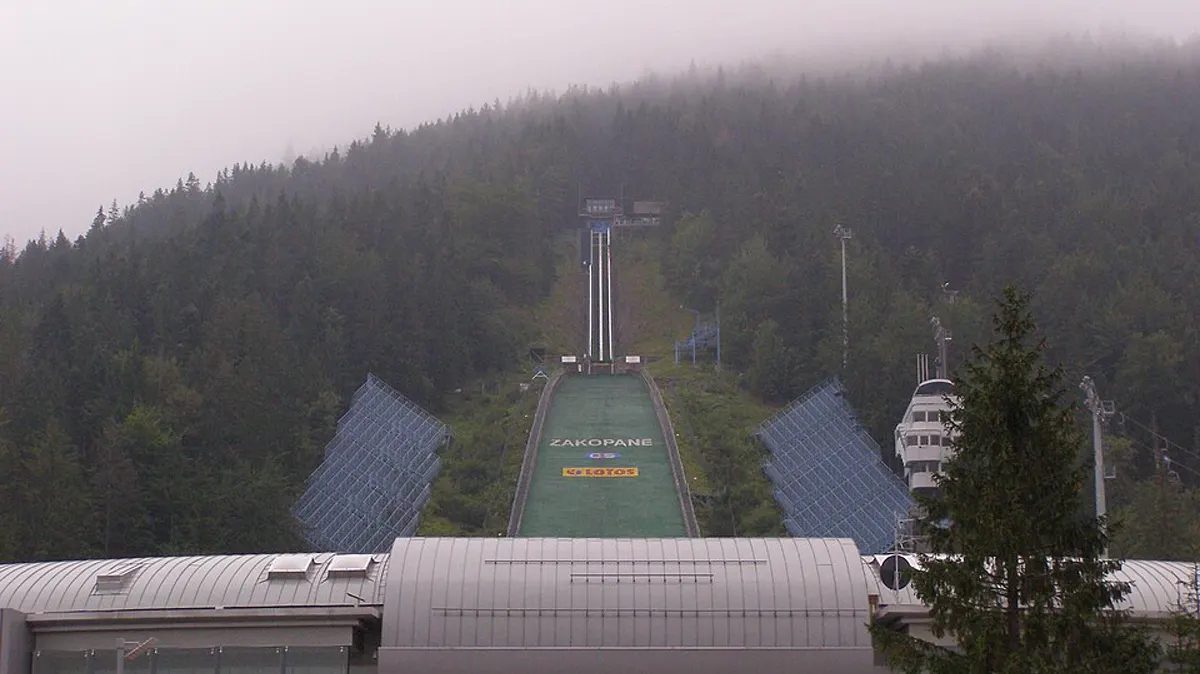
Wielka Krokiew
Zakopane's large ski jump on the slopes of Krokiew, with an in-run tower rising above the town. It regularly hosts FIS Ski Jumping World Cup competitions in winter.
Attraction
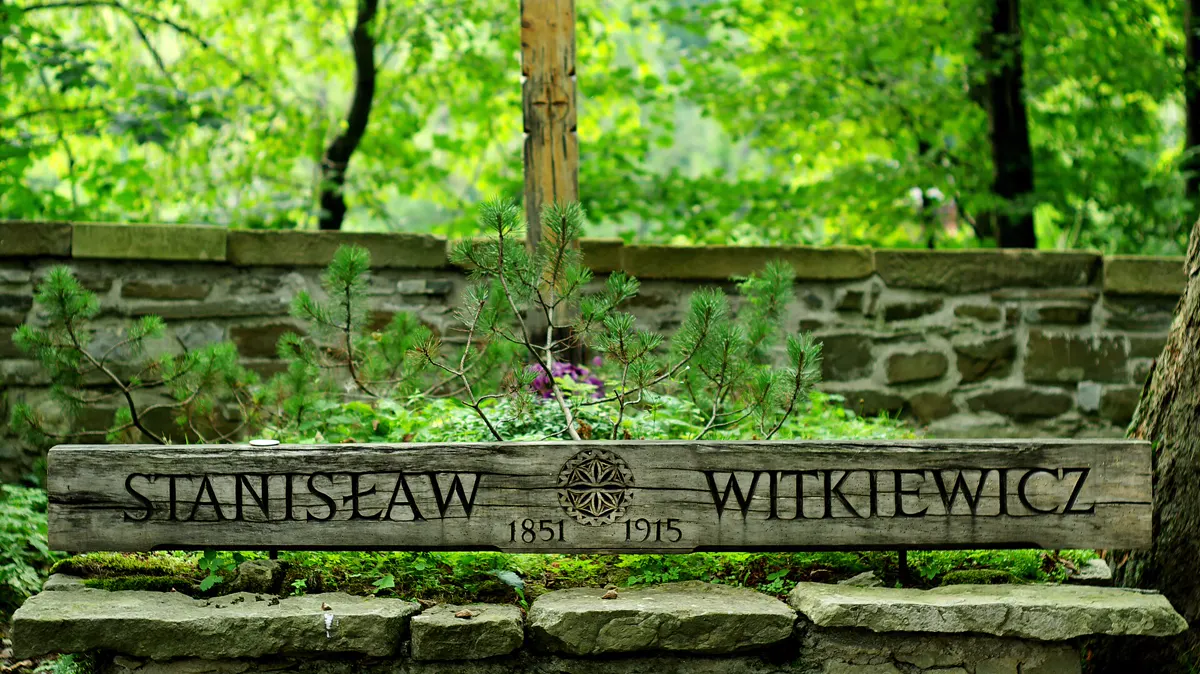
Stary Cmentarz na Peksowym Brzyzku
A historic cemetery beside the wooden church on Koscieliska street, resting place of many notable Polish artists, writers, and mountaineers. Its hand-carved wooden and stone tombstones are works of highland folk art.
Attraction
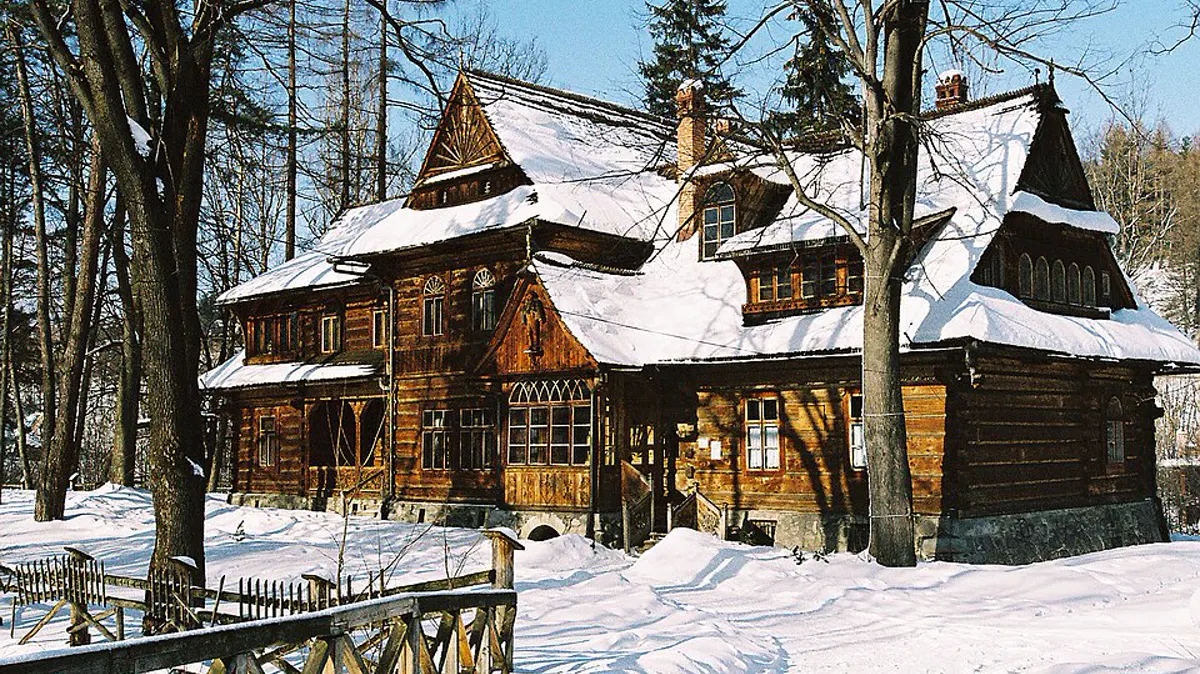
Willa Koliba
The first house built in the Zakopane Style, designed by Stanislaw Witkiewicz in 1892 to 1893. It now houses a museum of the style and highland decorative arts.
Attraction
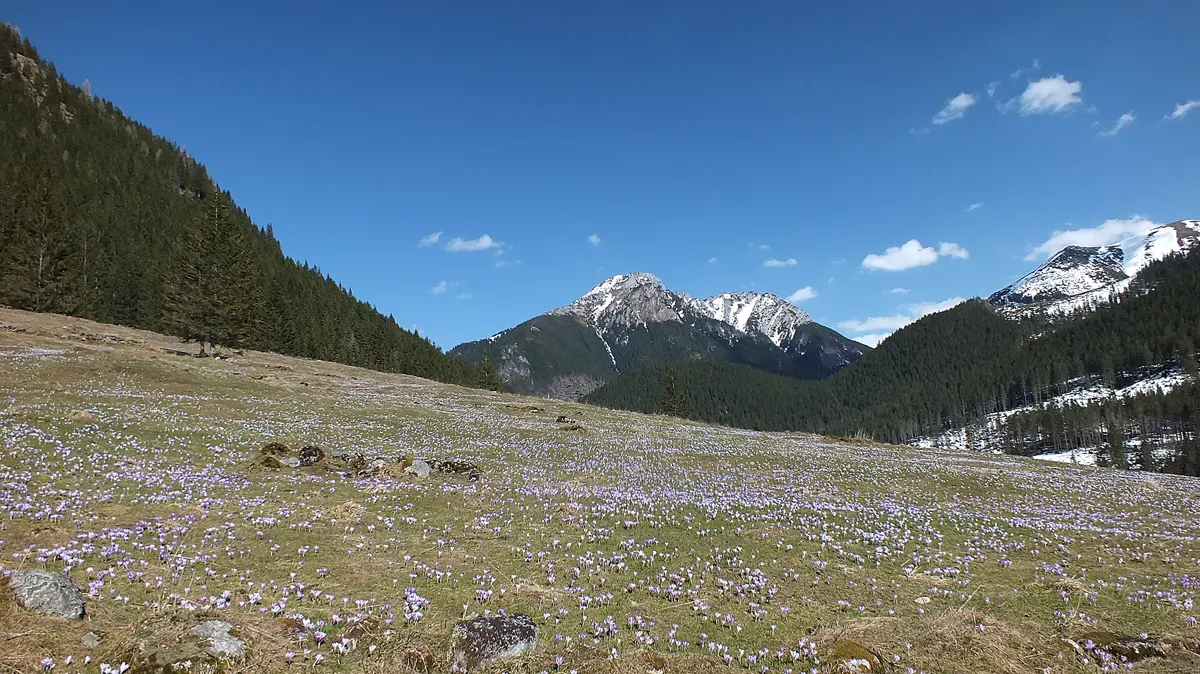
Chochołowska Valley (Dolina Chochołowska)
Chochołowska Valley is the longest and largest valley in the Polish Tatras, best known for the roughly 14 million crocuses that bloom across its meadows each spring.

Attraction
Chochołowskie Termy (Chochołów Thermal Baths)
Chochołowskie Termy is Poland's largest thermal pool complex, sitting about a 20-minute drive from Zakopane in the village of Chochołów. Around 50 pools and barrels of warm geothermal mineral water make it a year-round favourite with families and skiers.
Attraction
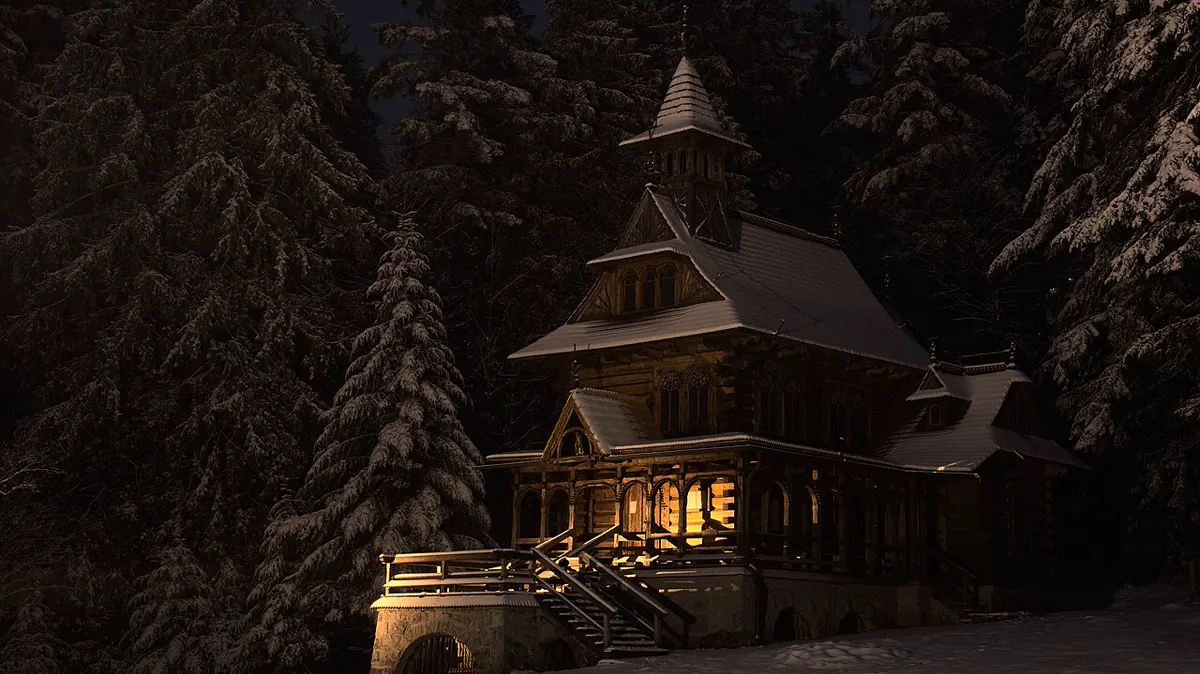
Chapel of the Sacred Heart of Jesus at Jaszczurowka
A wooden log chapel from 1907 designed by Stanislaw Witkiewicz, widely regarded as one of the finest examples of Zakopane Style architecture and the most beautiful wooden sacral building in the Tatra region.
Attraction
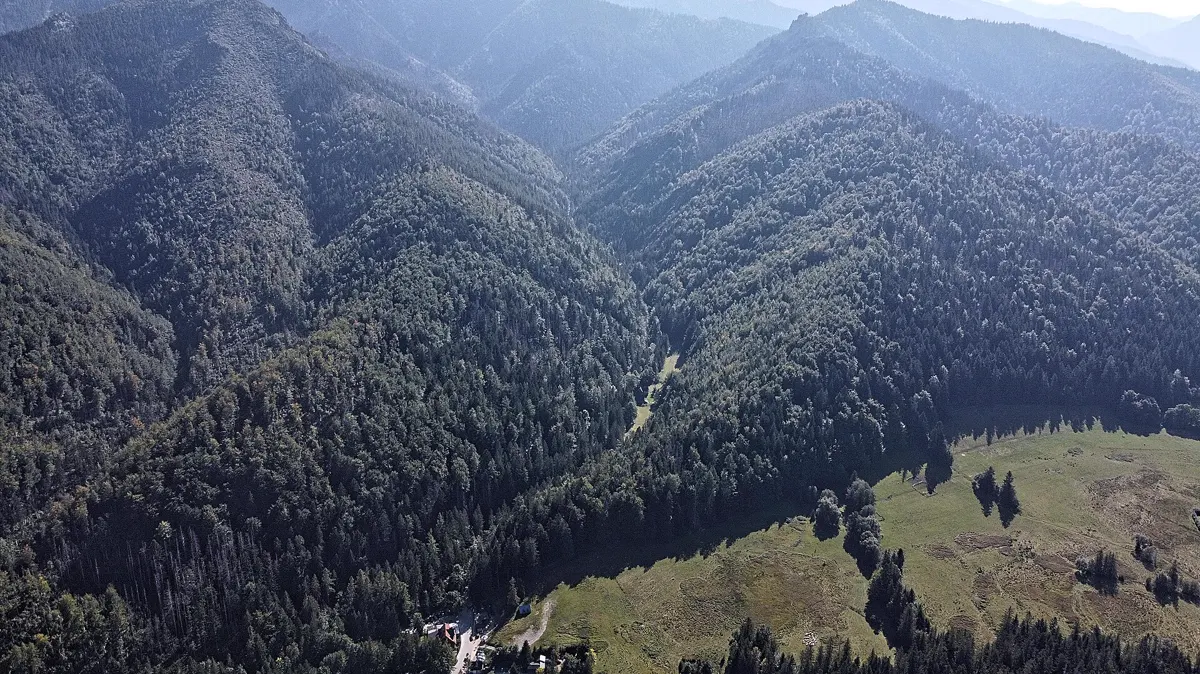
Strazyska Valley (Dolina Strazyska)
A short, easy valley walk that starts right in Zakopane and follows a stream through forest to the Siklawica waterfall below Giewont.
Attraction
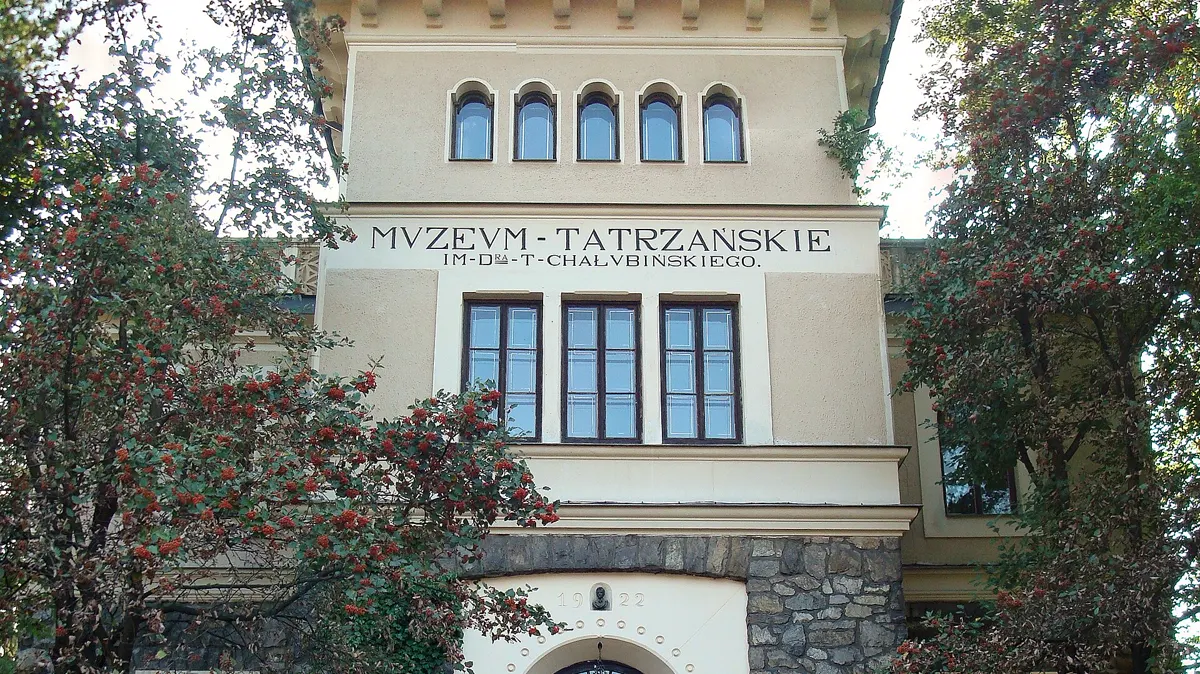
Tatra Museum (Main Building), Zakopane
The Tatra Museum on Krupówki Street is the oldest and largest museum in the Podhale region, with permanent displays on the history, ethnography and natural history of the Tatras. Its purpose-built home is a listed example of the Zakopane Style.
Attraction
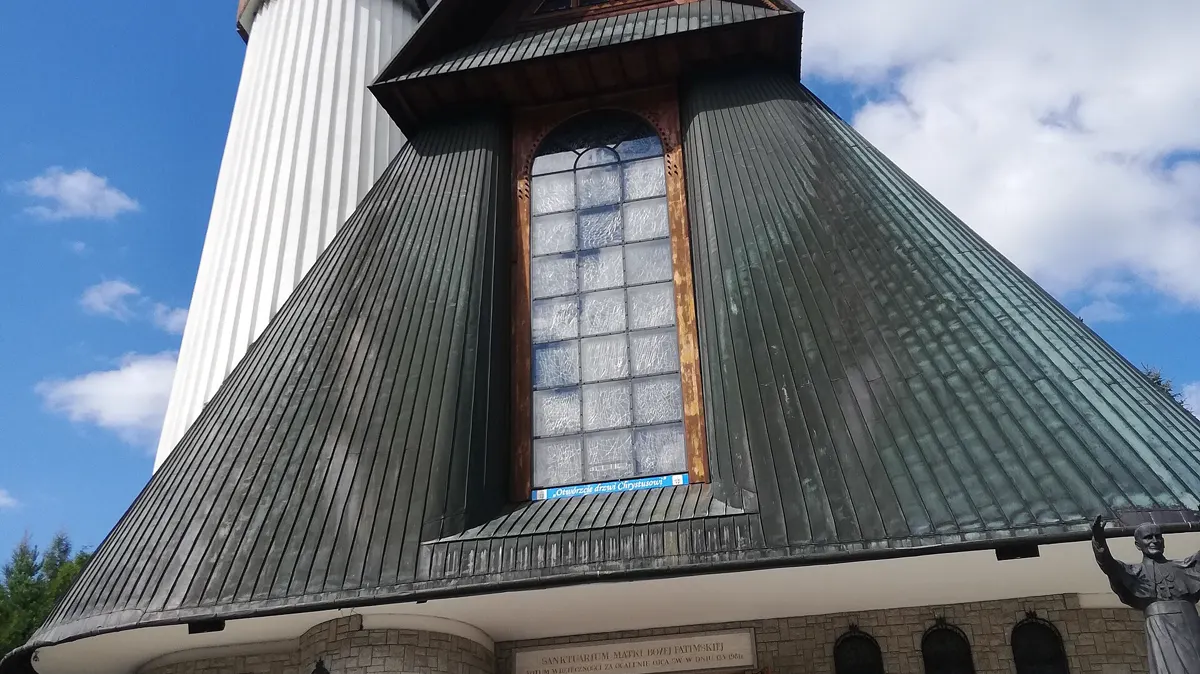
National Sanctuary of Our Lady of Fatima at Krzeptowki
A Zakopane church built in thanksgiving for Pope John Paul II surviving the 1981 assassination attempt, and one of Poland's leading Fatima sanctuaries.
Attraction
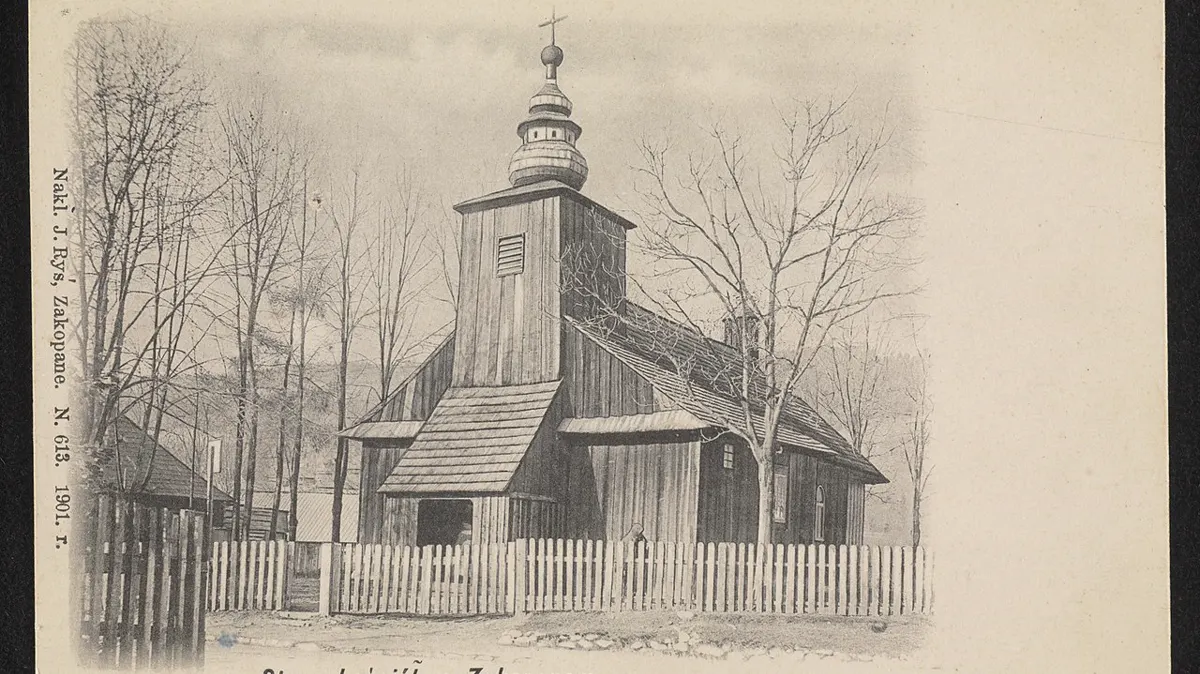
Old Church of Our Lady of Częstochowa
The oldest church in Zakopane, a wooden log building begun in 1847 on Kościeliska Street, standing beside the historic Pęksowy Brzyzek cemetery.
Attraction
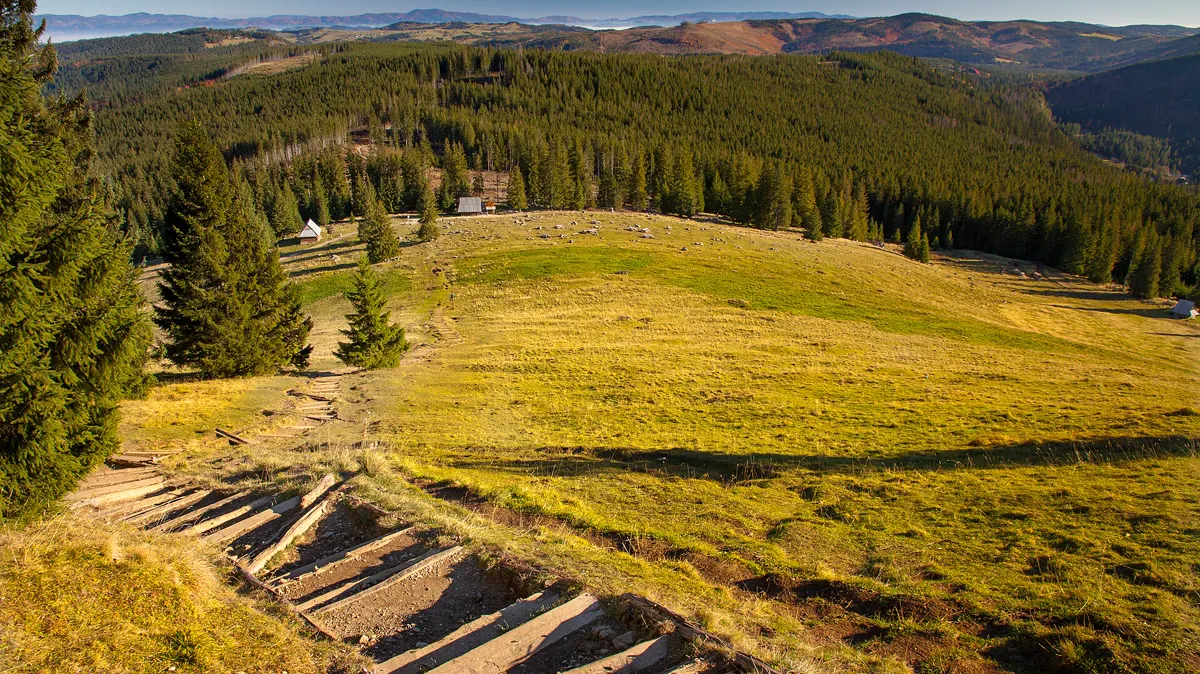
Rusinowa Polana
Rusinowa Polana is a broad grazing meadow in the Polish High Tatras, widely rated one of the finest panoramic viewpoints in the range, with a sweep across the Slovak High Tatras and the Belianske Tatras.
Attraction
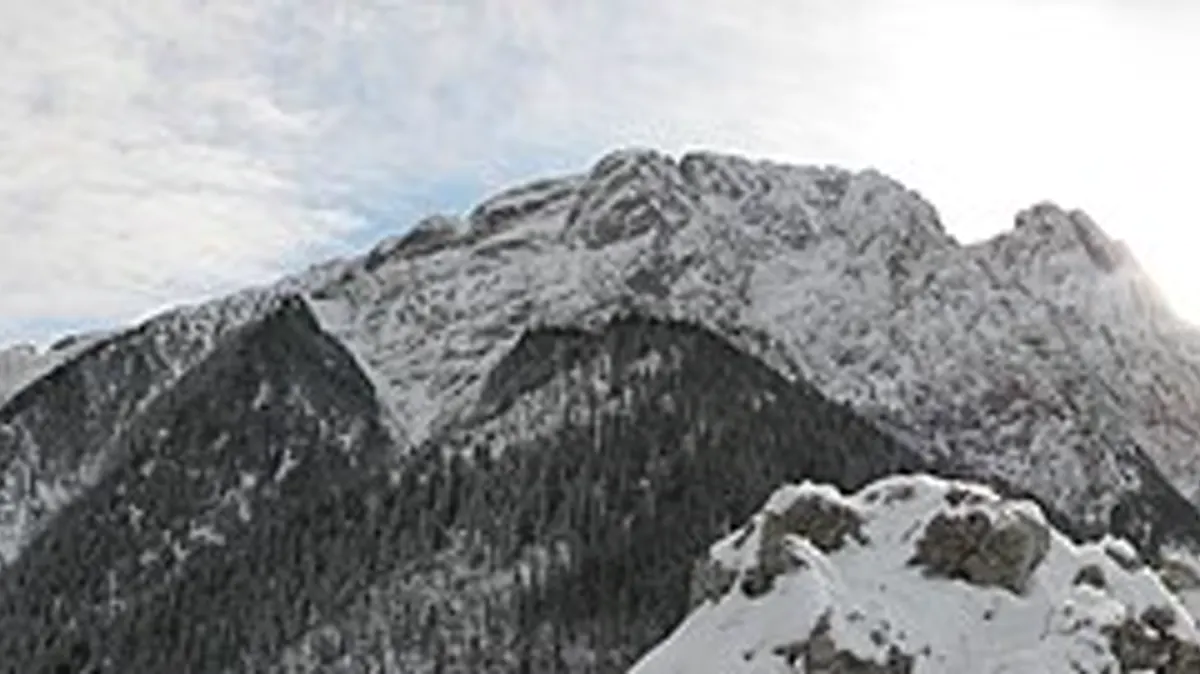
Sarnia Skała
Sarnia Skała is a 1,377-metre rocky summit in the Regle foothills directly above Zakopane, valued for its wide view toward Giewont and across the town to the Tatra ridges.
Attraction
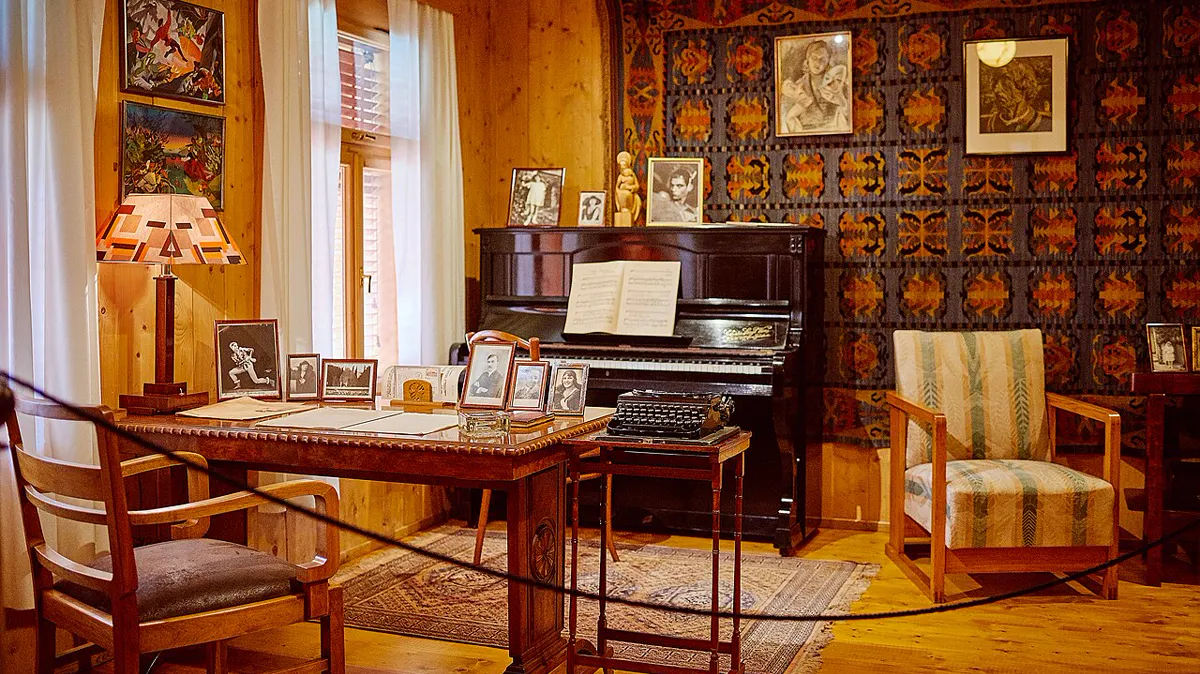
Karol Szymanowski Museum at Villa Atma
A wooden villa on Kasprusie Street where composer Karol Szymanowski lived and worked, now a biographical museum devoted to his life and music.
Attraction
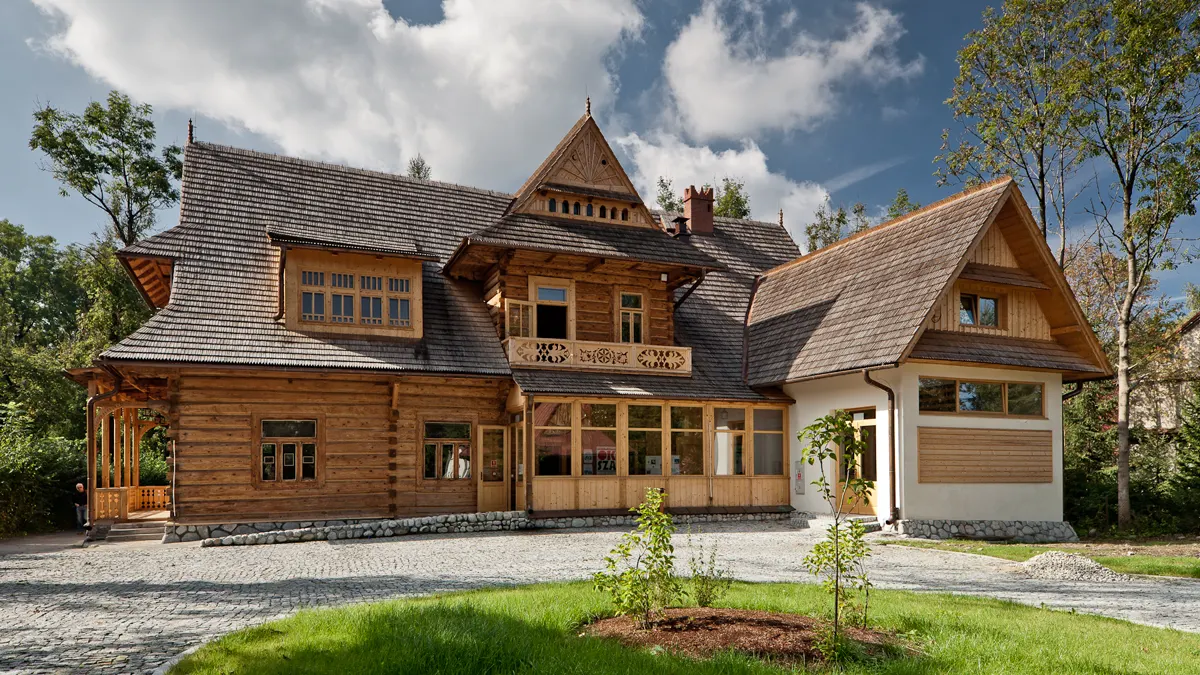
Gallery of 20th Century Art at Villa Oksza
A Zakopane-Style villa designed by Stanisław Witkiewicz in 1894, now a branch of the Tatra Museum showing 20th century art inspired by Zakopane and the Tatras.
Attraction
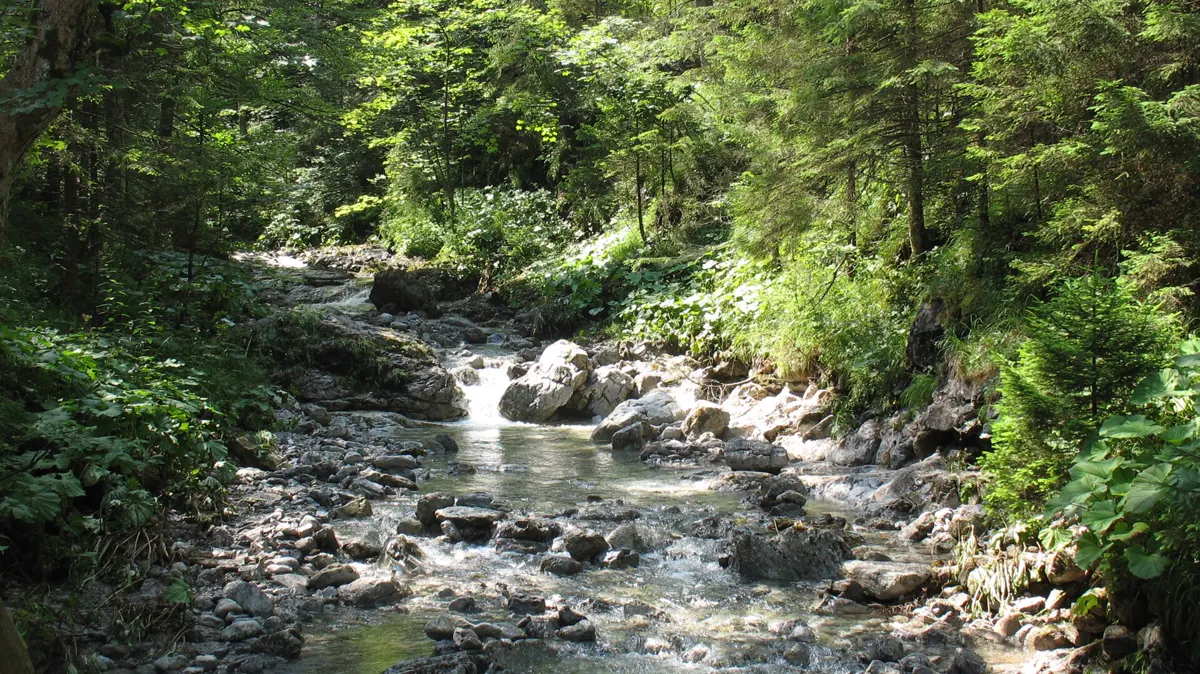
Bialego Valley (Dolina Bialego)
A short forested valley on the southern edge of Zakopane, where an easy trail follows the Biały Stream across small wooden footbridges into the Tatra National Park.
Attraction
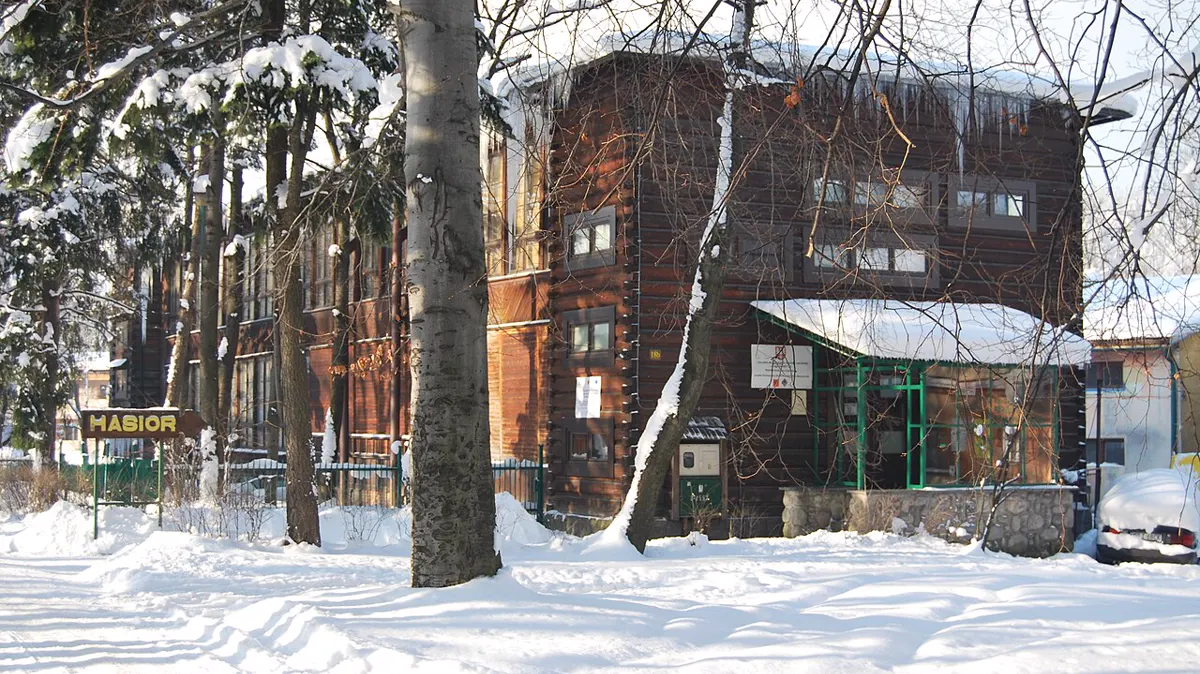
Wladyslaw Hasior Gallery
A branch of the Tatra Museum in Zakopane devoted to avant-garde artist Wladyslaw Hasior, showing his banners, assemblages and sculptures built from found and everyday materials.
Attraction
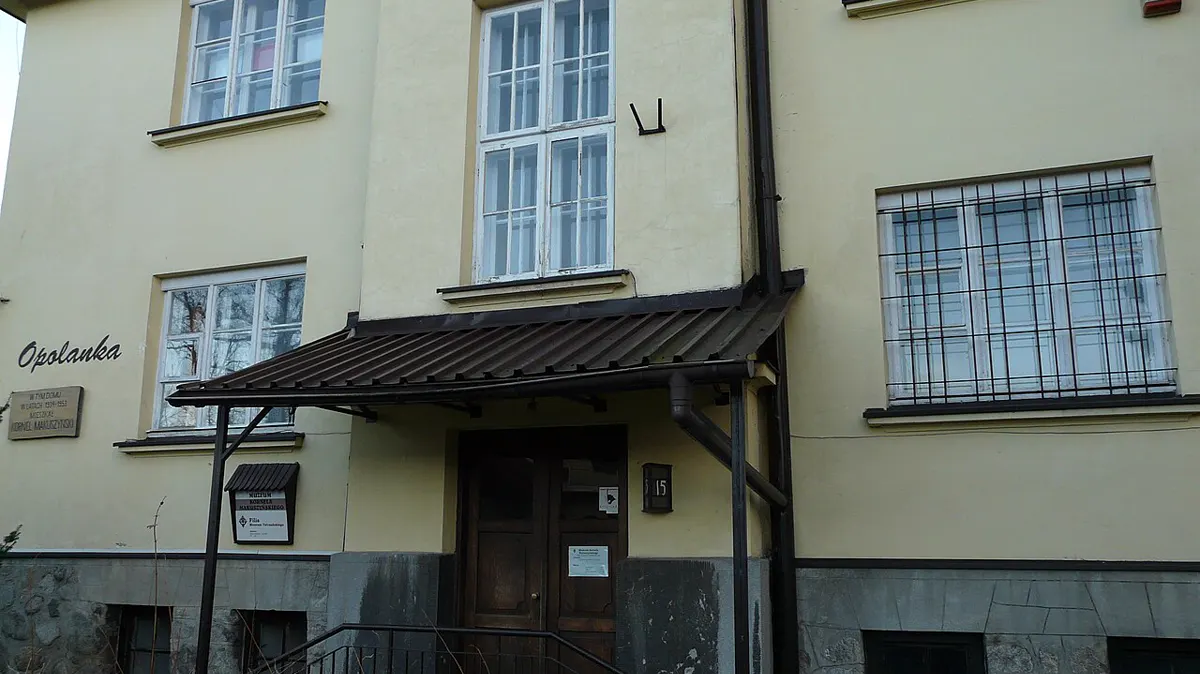
Kornel Makuszynski Museum
A biographical and literary museum in Zakopane devoted to Kornel Makuszynski, the children's author who created the goat character Koziolek Matolek. It occupies the Villa Opolanka, where the writer lived and worked.
Attraction
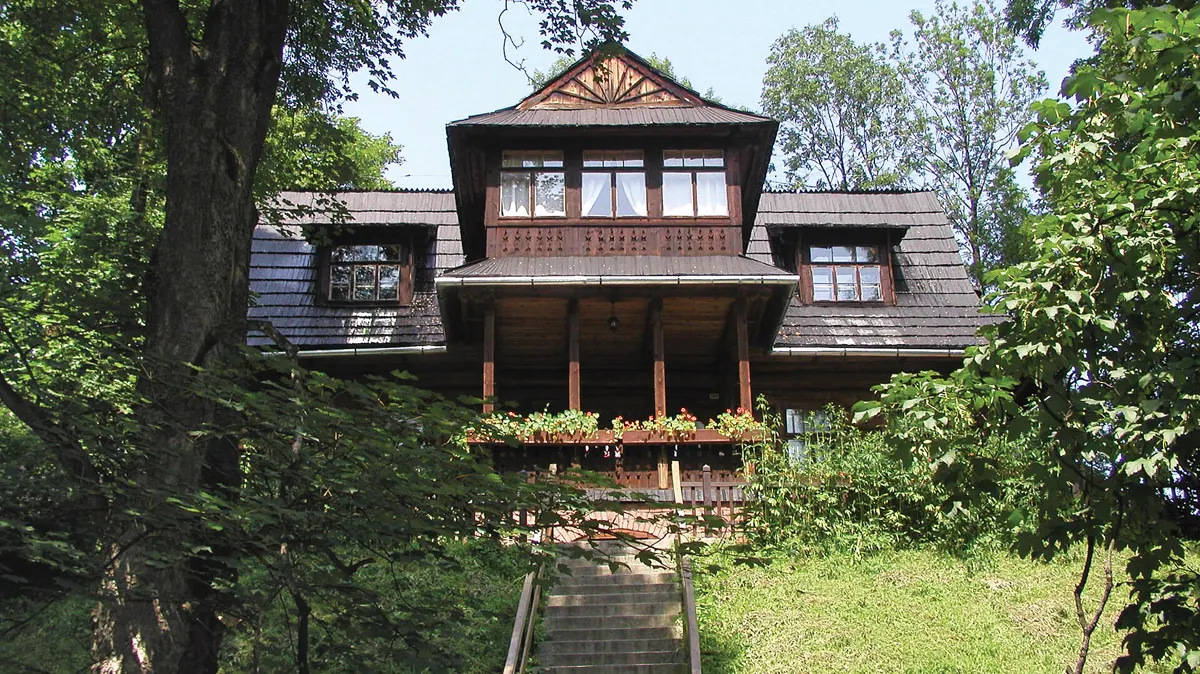
Jan Kasprowicz Museum at Harenda
A biographical museum in the wooden villa where poet Jan Kasprowicz lived until his death in 1926, set at the Kraków-side entrance to Zakopane and preserving his rooms, manuscripts and personal effects.