Lublin
Attractions in Lublin
Lublin's sightseeing centres on the walled Old Town, entered through the Brama Krakowska and the Brama Grodzka, the latter once the gate to the Jewish quarter. Inside you reach the Katedra sw. Jana Chrzciciela and can climb the Wieza Trynitarska for rooftop views, while the Renaissance Kaplica Trojcy Swietej with its Byzantine-style frescoes sits in the castle above. The wide Krakowskie Przedmiescie and the tree-lined Plac Litewski connect the old core to the newer city.
All Attractions in Lublin
Attraction
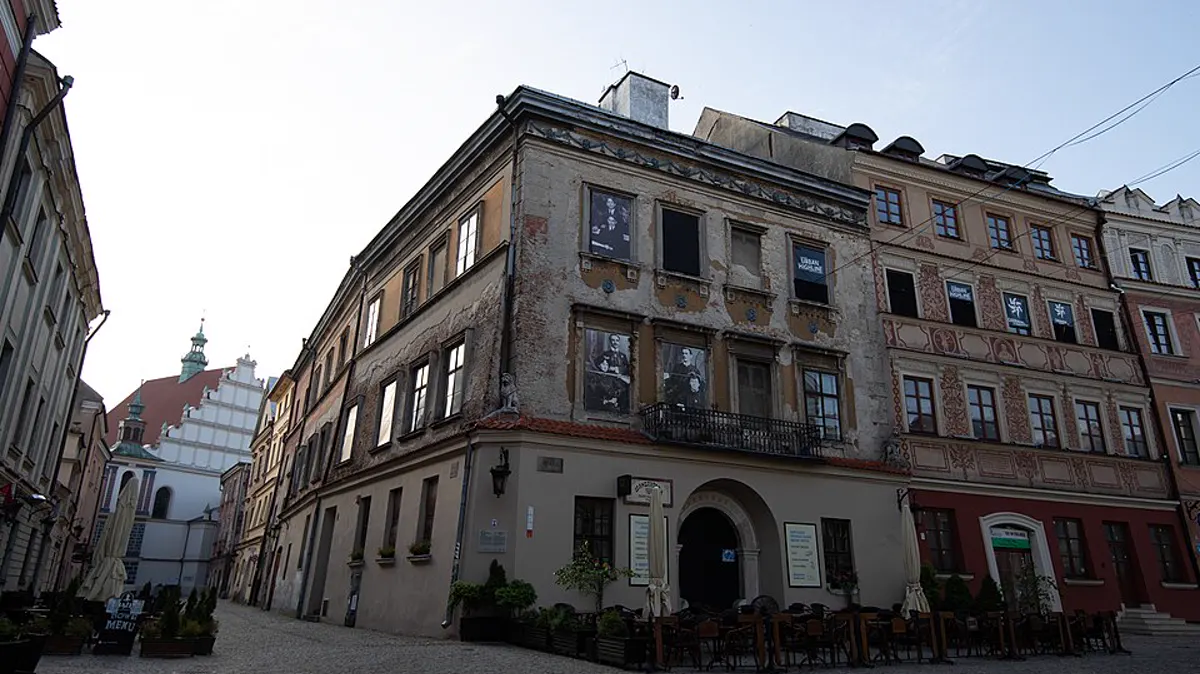
Stare Miasto (Lublin)
Lublin's medieval Old Town winds through narrow lanes and hidden courtyards, with painted Renaissance facades and Rynek square framing the old Trybunal (Crown Tribunal) at its centre.
Attraction
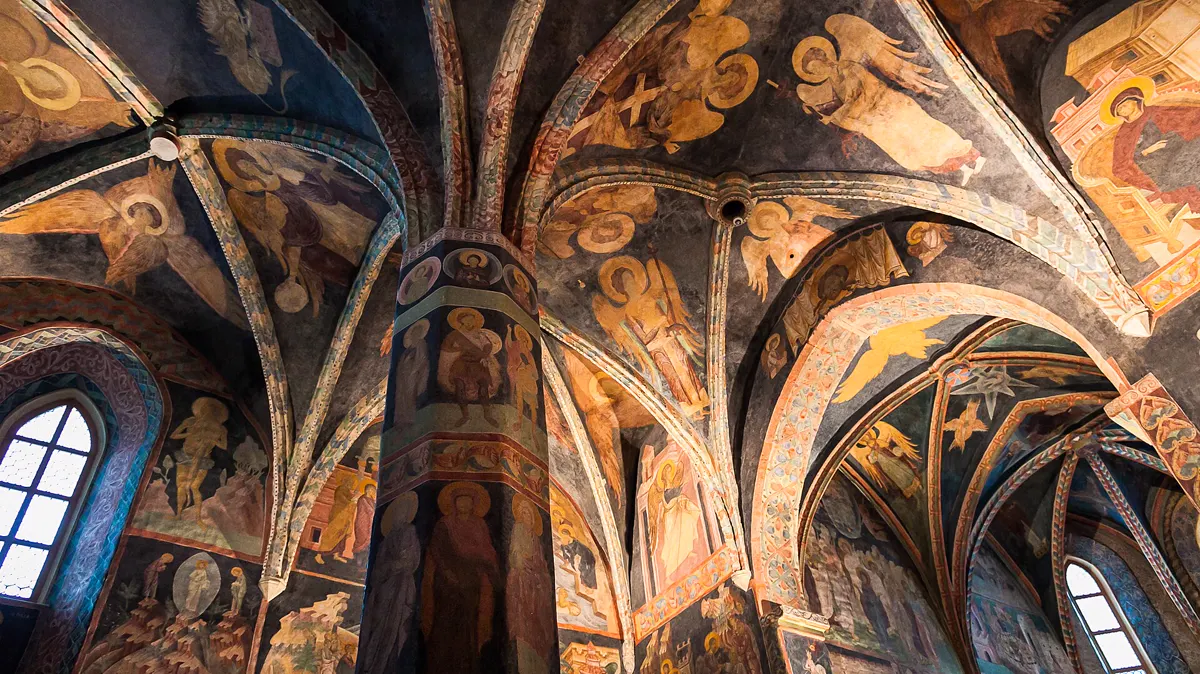
Kaplica Trojcy Swietej
Inside the castle, the Holy Trinity Chapel is covered floor to ceiling with rare Ruthenian-Byzantine frescoes from 1418: Eastern painting under a Western Gothic vault.
Attraction
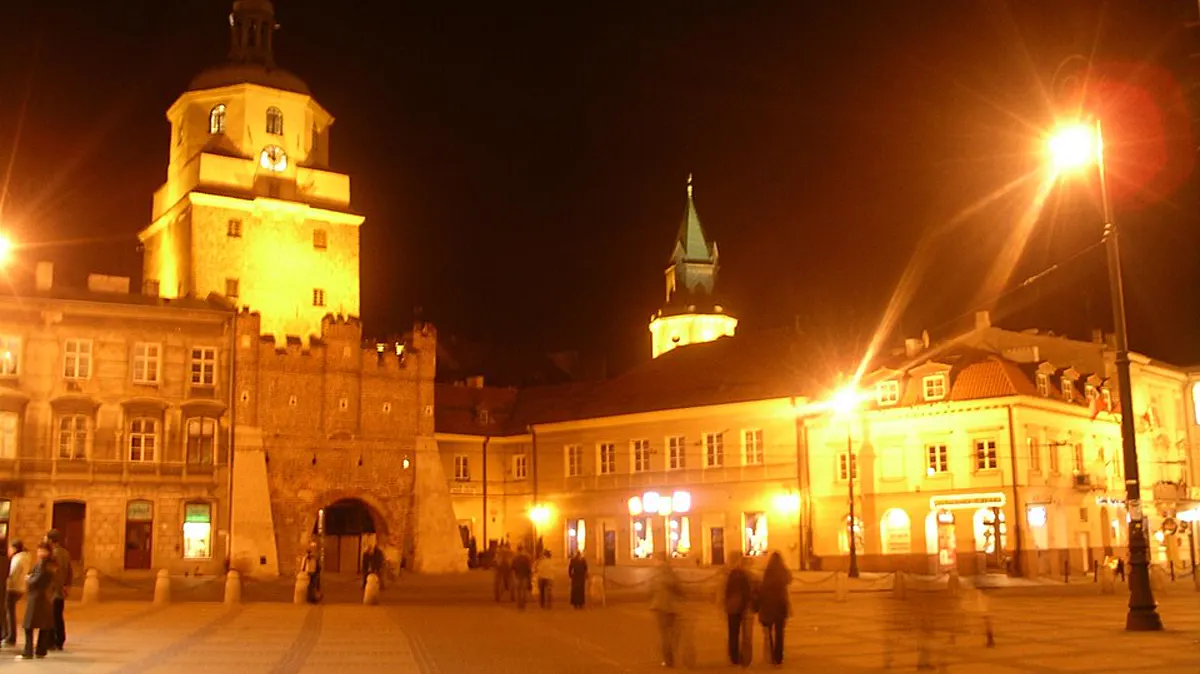
Brama Krakowska
The 14th-century Krakow Gate is Lublin's best-known landmark, a brick tower that guarded the road to Krakow and now houses a small history museum.
Attraction
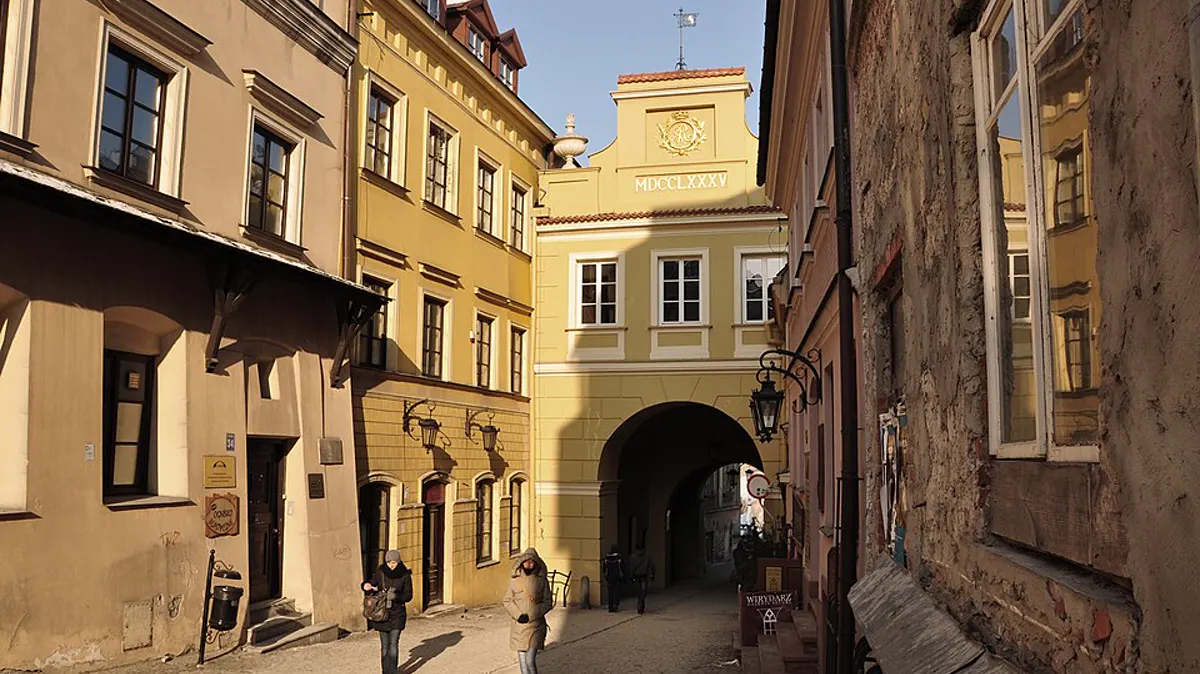
Brama Grodzka
Also called the Jewish Gate, the Grodzka Gate once linked the Christian and Jewish quarters and today hosts the Grodzka Gate - NN Theatre centre commemorating Lublin's lost Jewish community.
Attraction
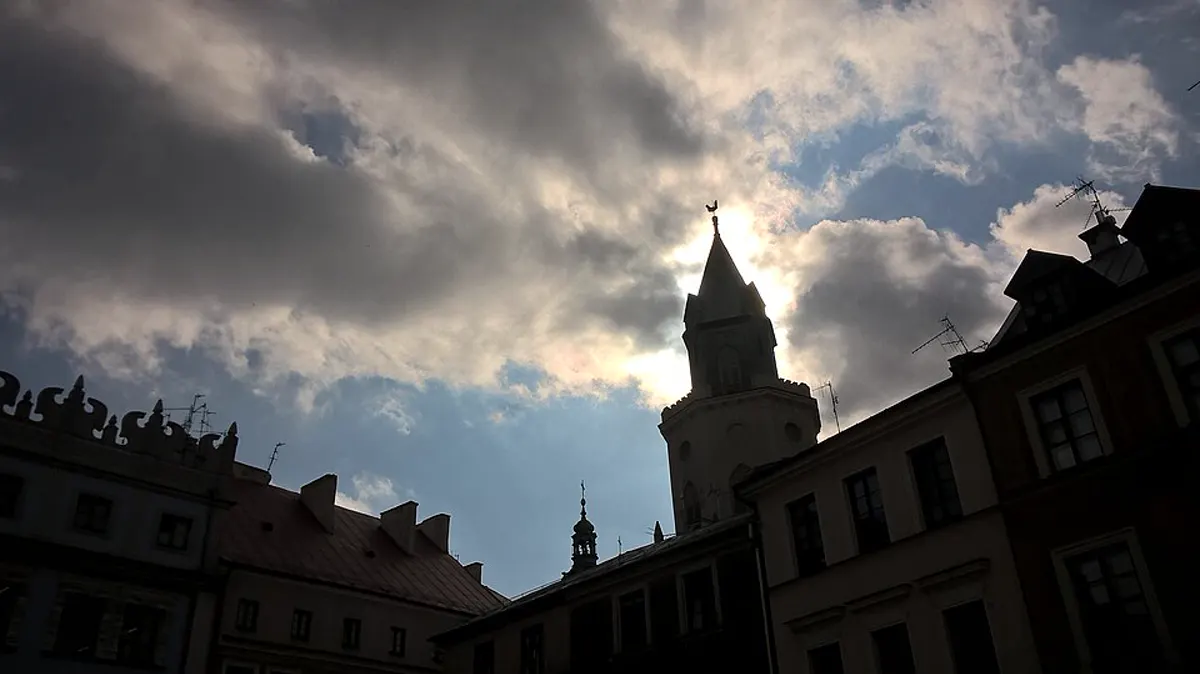
Wieza Trynitarska
The tallest tower in the Old Town, the neo-Gothic Trinitarian Tower offers a viewing gallery with panoramas over the rooftops and houses the Archdiocesan Museum.
Attraction
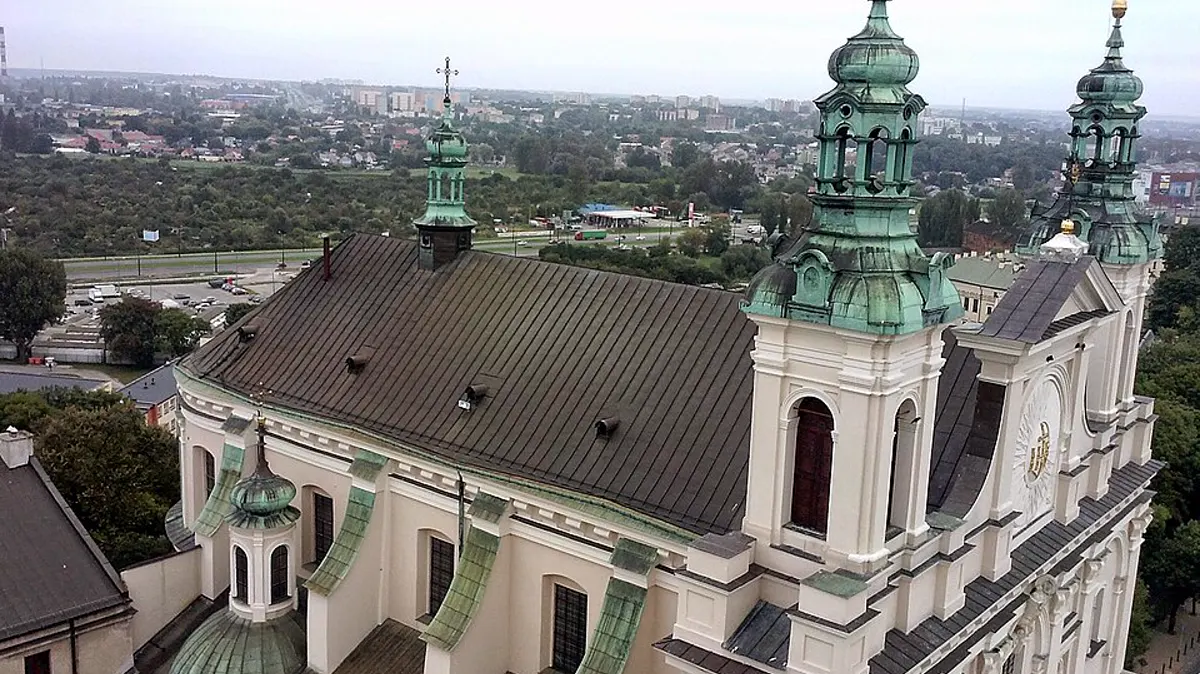
Katedra sw. Jana Chrzciciela
The former Jesuit church is Lublin's cathedral, famous for its Baroque trompe-l'oeil frescoes by Josef Mayer and an acoustic Whispering Sacristy.
Attraction
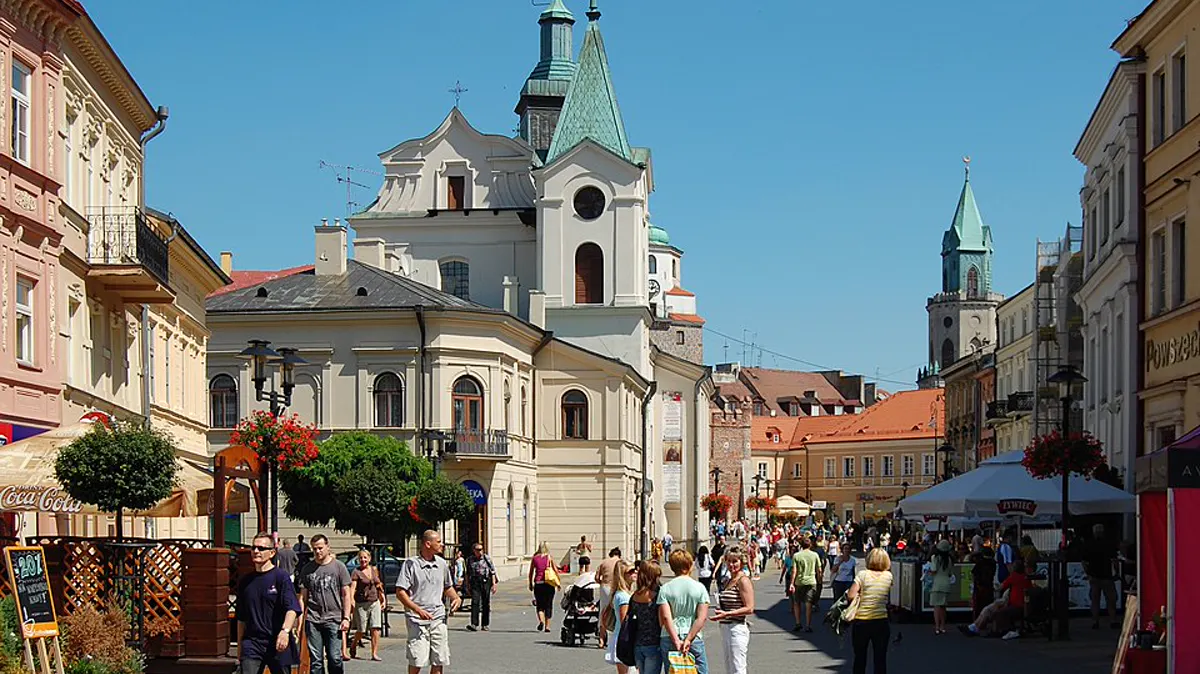
Krakowskie Przedmiescie (Lublin)
Lublin's main pedestrian promenade runs from the Krakow Gate past cafes, townhouses and the New Town Hall, forming the lively spine of the city centre.
Attraction
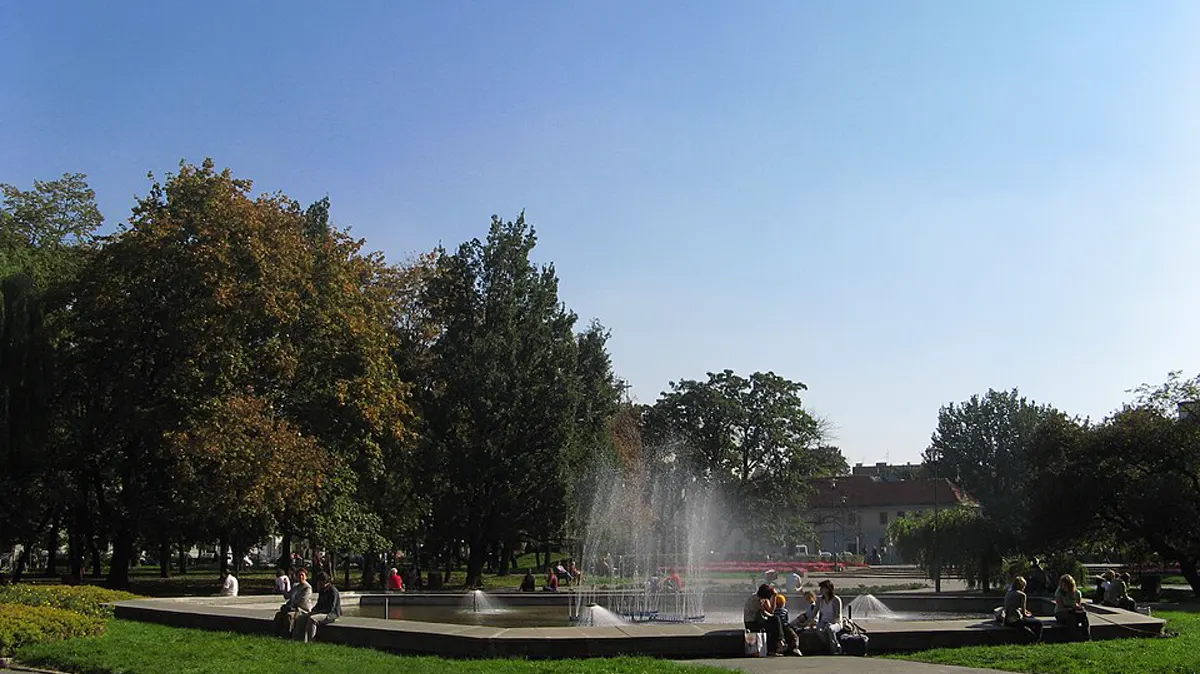
Plac Litewski
The Lithuanian Square marks the 1569 Union of Lublin between Poland and Lithuania, a renovated public space with fountains, monuments and the Saski Palace nearby.
Attraction
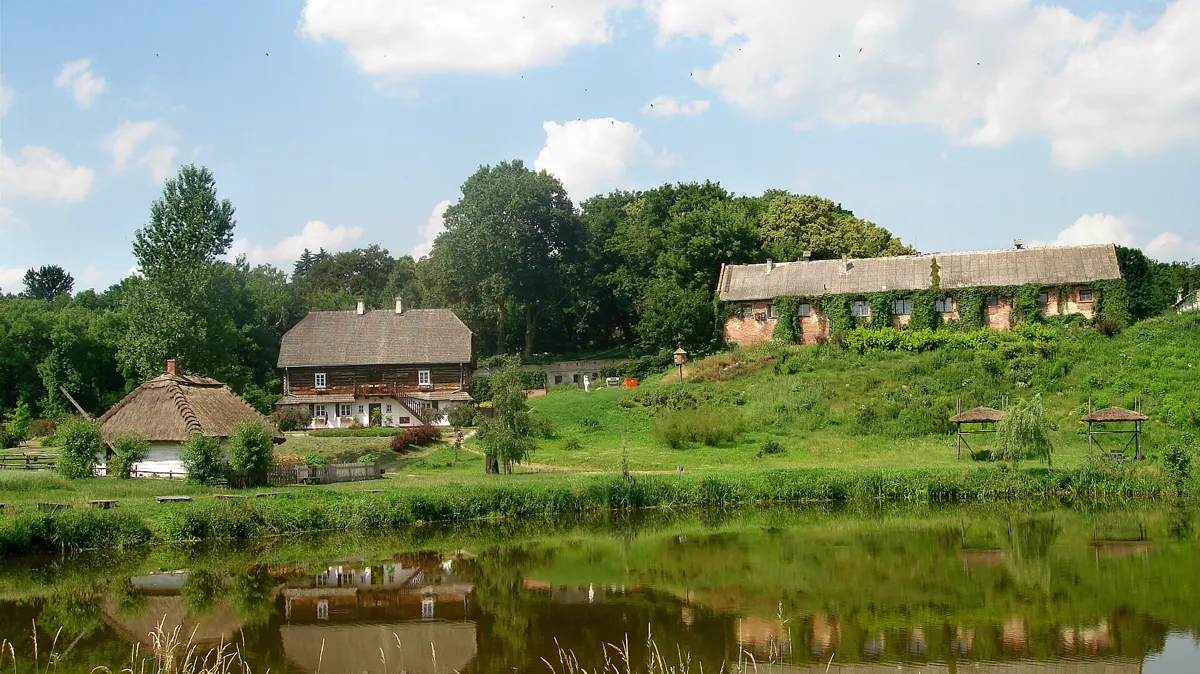
Lublin Open-Air Village Museum (Skansen)
An open-air ethnographic museum on the northwest edge of Lublin, where dozens of relocated historic buildings recreate the rural life of the Lublin region in the 18th and 19th centuries.
Attraction
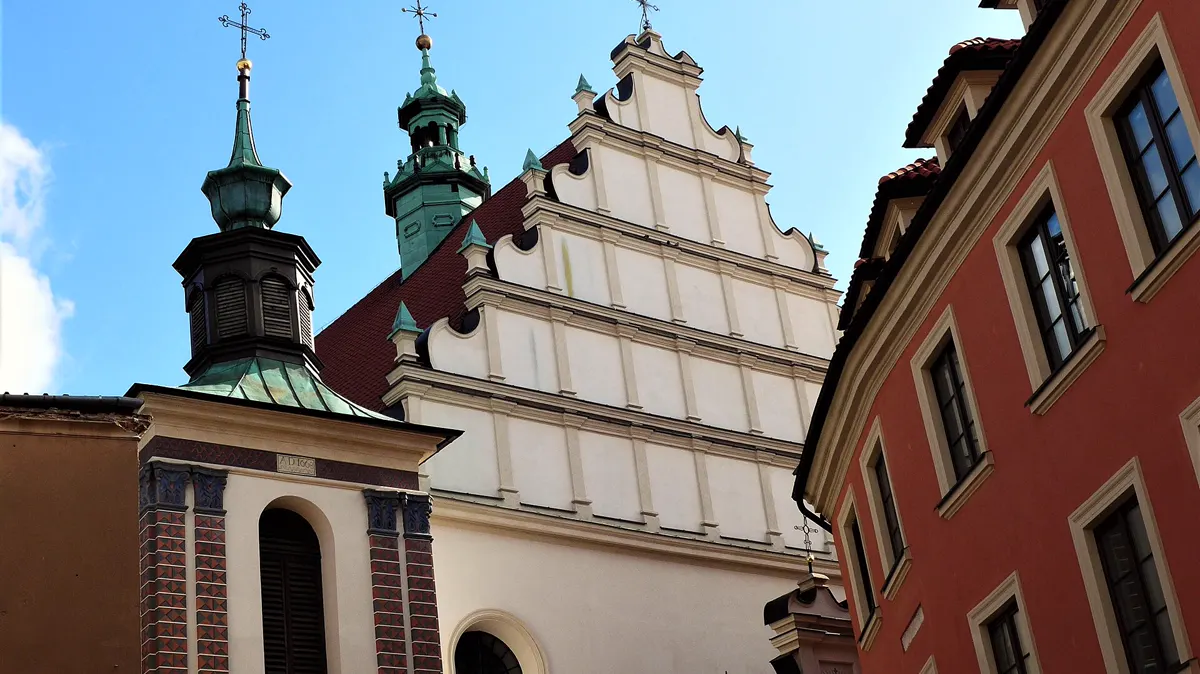
Dominican Basilica (Basilica of St. Stanislaus)
A Renaissance church and former Dominican monastery in Lublin's Old Town, founded in 1342 and tied to the 1569 Union of Lublin. Its decorated family chapels and European Heritage Label draw visitors interested in Polish history and religious art.
Attraction
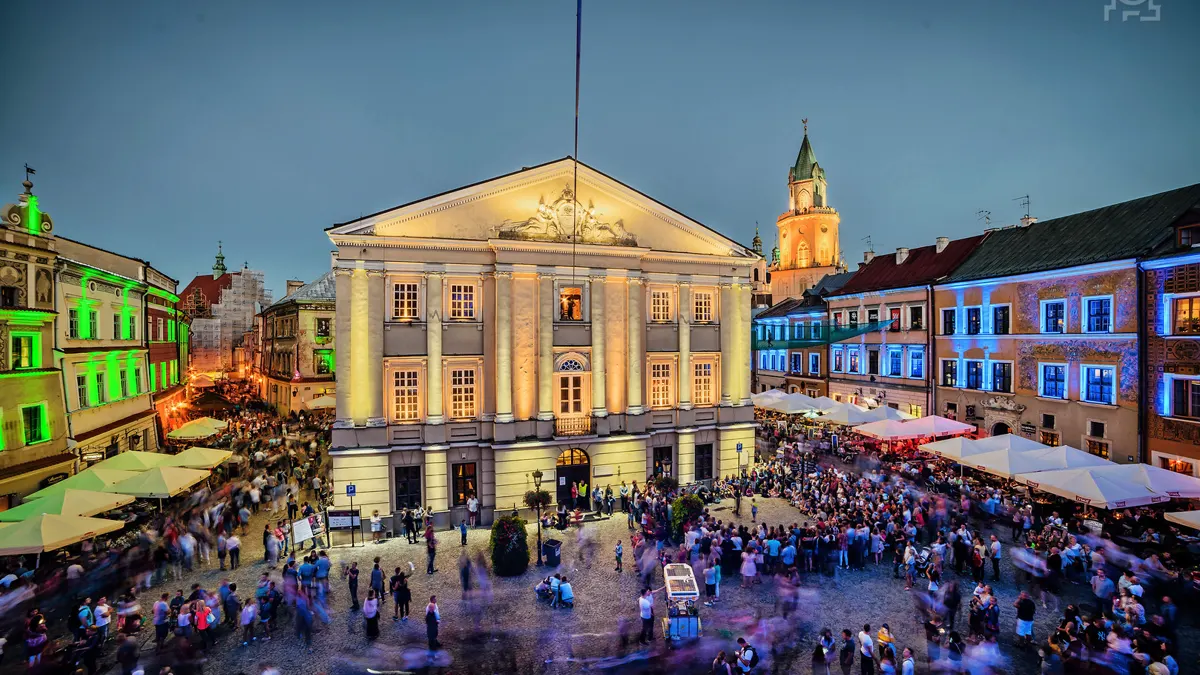
Crown Tribunal (Old Town Hall)
The freestanding building at the centre of Lublin's Old Town Market Square once housed the Crown Tribunal, the highest court of appeal for the Lesser Poland province, and now serves as a wedding palace and the entrance to the Lublin Underground Route.
Attraction
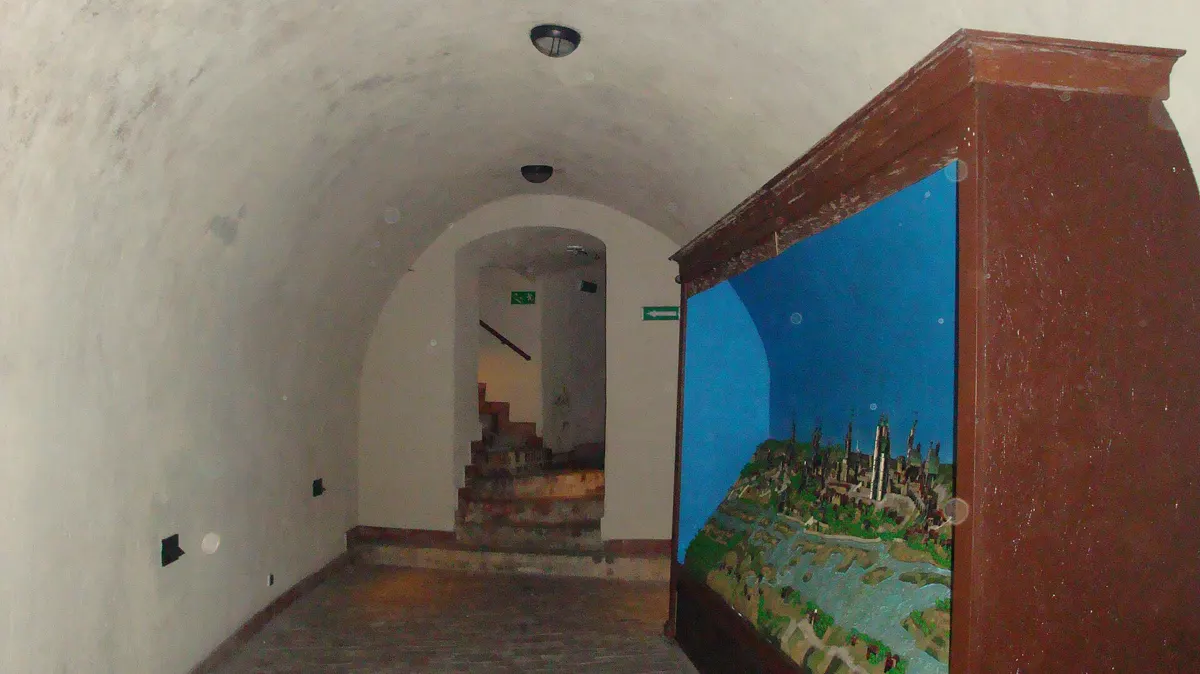
Lublin Underground Route
A 280-metre trail through connected merchant cellars beneath Lublin's Old Town, where 14 chambers of scale models tell the city's story from the 8th to the 18th century.
Attraction
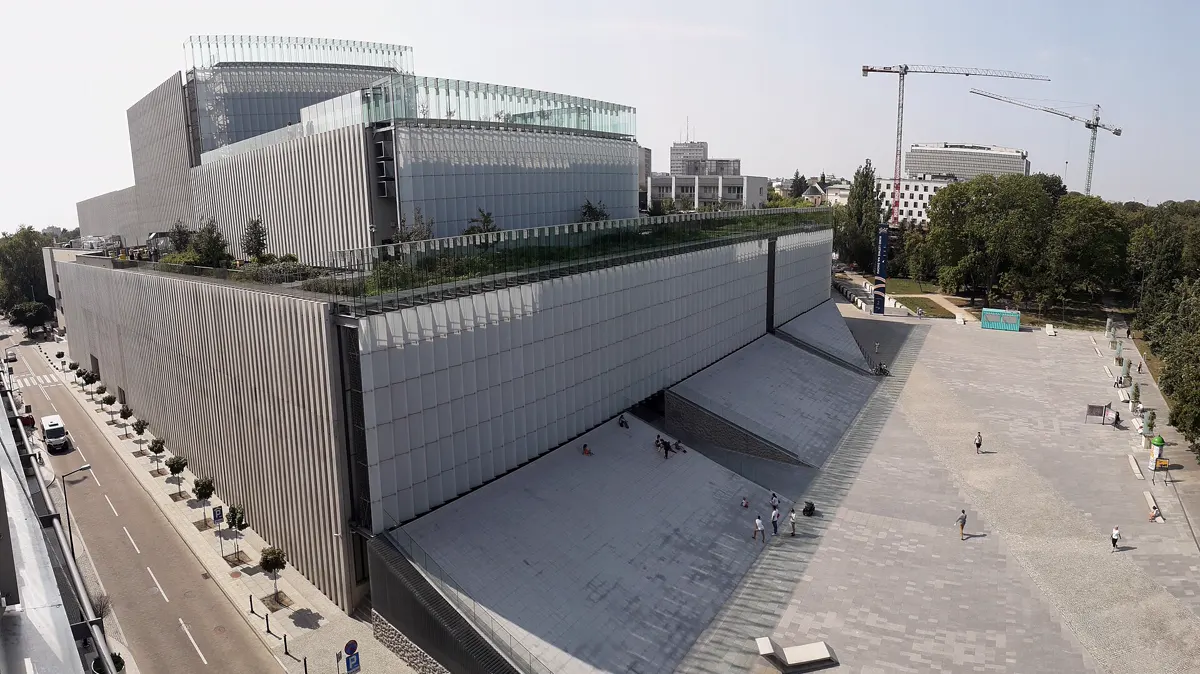
Centre for the Meeting of Cultures
A large modern cultural complex on Theatre Square in Lublin, home to the Musical Theatre, the Lublin Philharmonic and the Hans Christian Andersen Theatre, with a free terraced rooftop garden open to the public.
Attraction
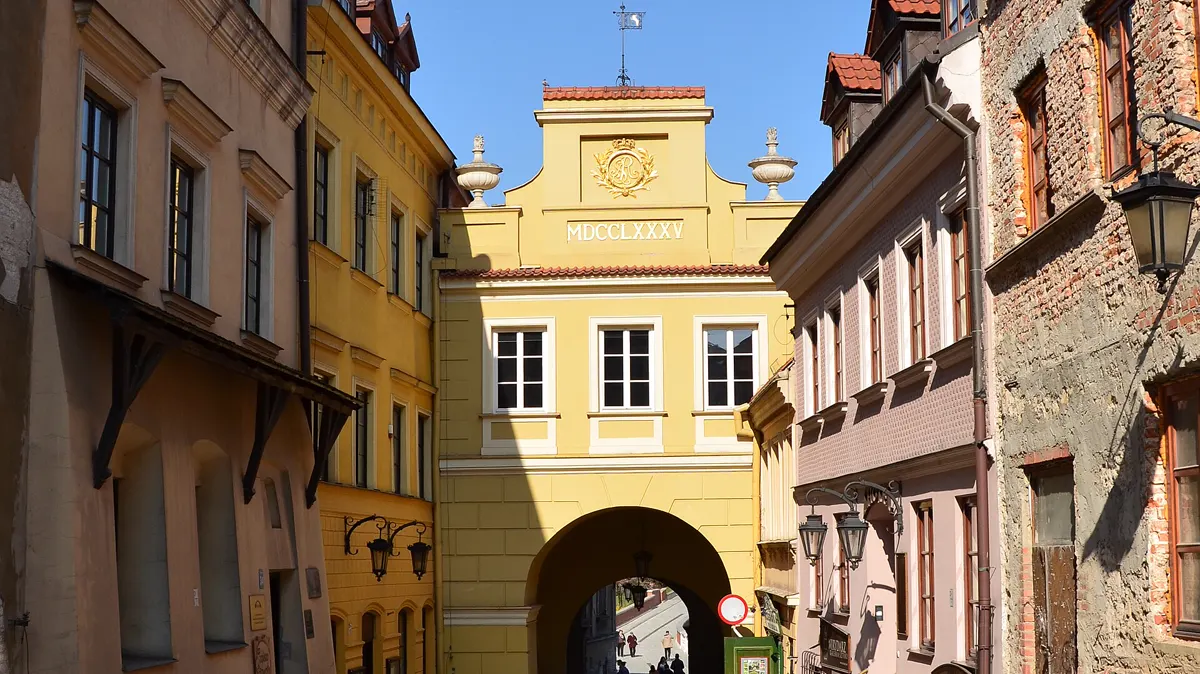
Grodzka Gate, NN Theatre Centre
A municipal cultural institution inside Lublin's 14th-century Grodzka Gate, dedicated to preserving the memory of the city's vanished Jewish community through exhibitions and one of Poland's largest oral-history archives.
Attraction
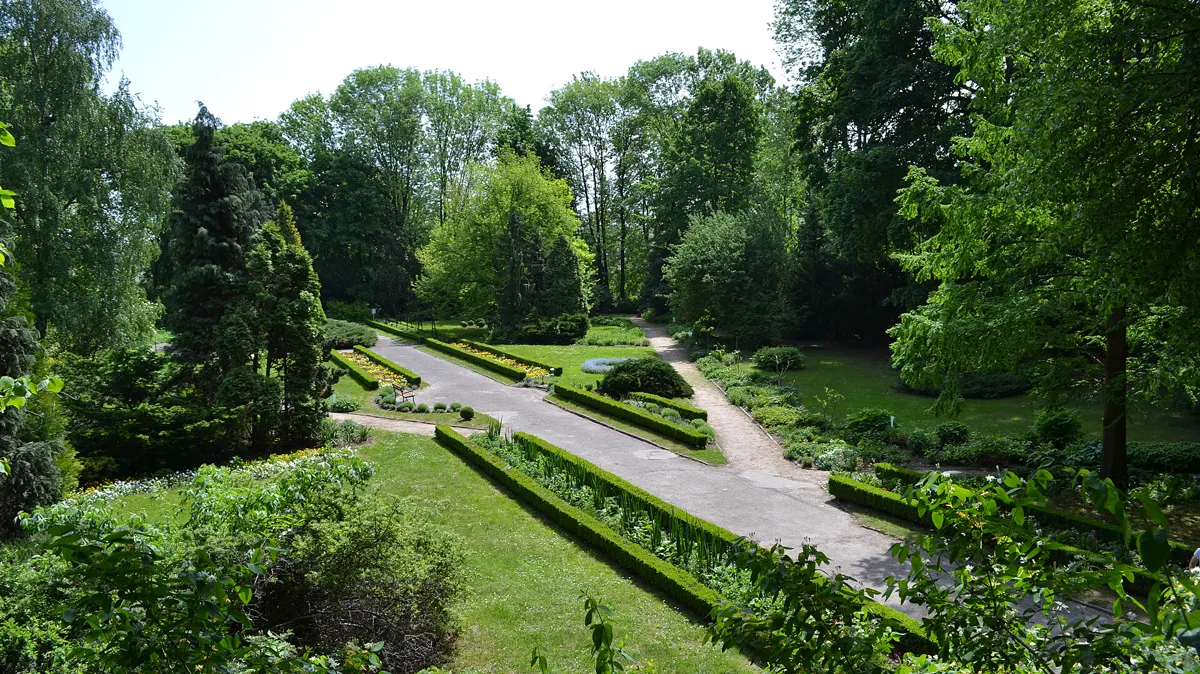
UMCS Botanical Garden
A 21-hectare university botanical garden in Lublin's Slawinek valley, holding around 6,700 plant taxa across themed collections and glasshouses, open from April to the end of October.
Attraction
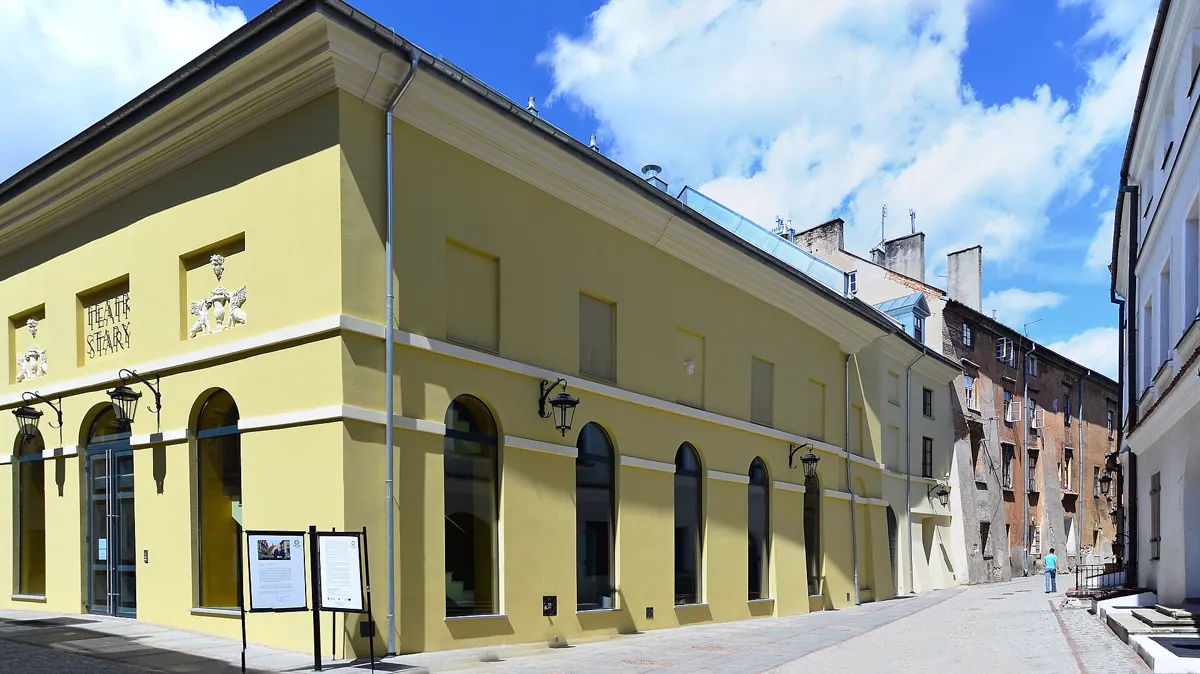
Old Theatre (Teatr Stary)
A working theatre on Jezuicka Street in Lublin's Old Town, built in 1822 and the second-oldest surviving purpose-built theatre building in Poland.
Attraction
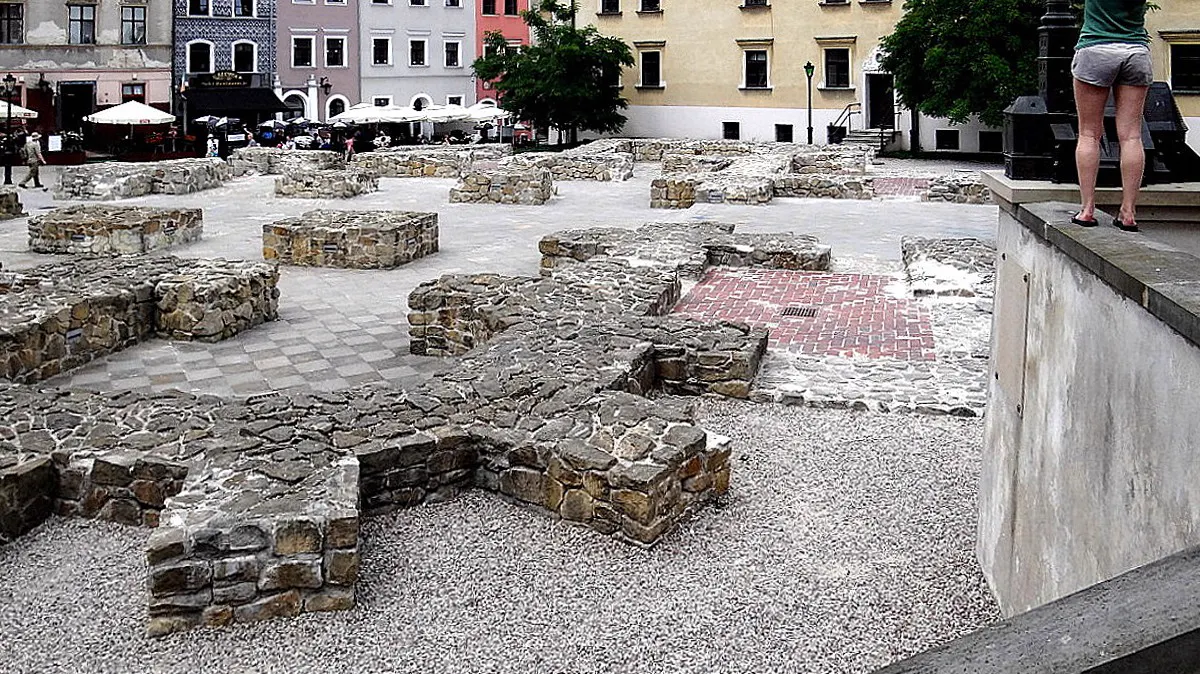
Po Farze Square (Plac Po Farze)
An open square in Lublin's Old Town that marks the site of the demolished parish church of St. Michael the Archangel, with the lost building's outline traced in the paving and an elevated terrace over the rooftops.
Attraction
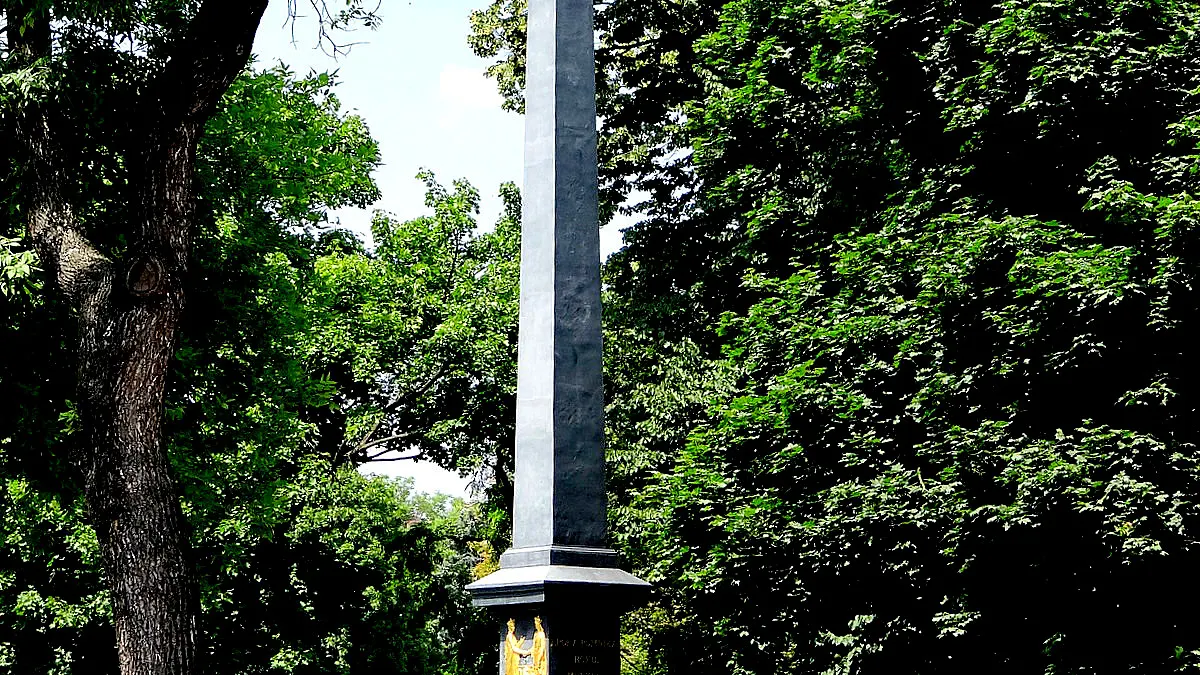
Union of Lublin Monument
A cast-iron obelisk on Litewski Square marking the 1569 Union of Lublin, the treaty that joined Poland and Lithuania into a single commonwealth.
Attraction
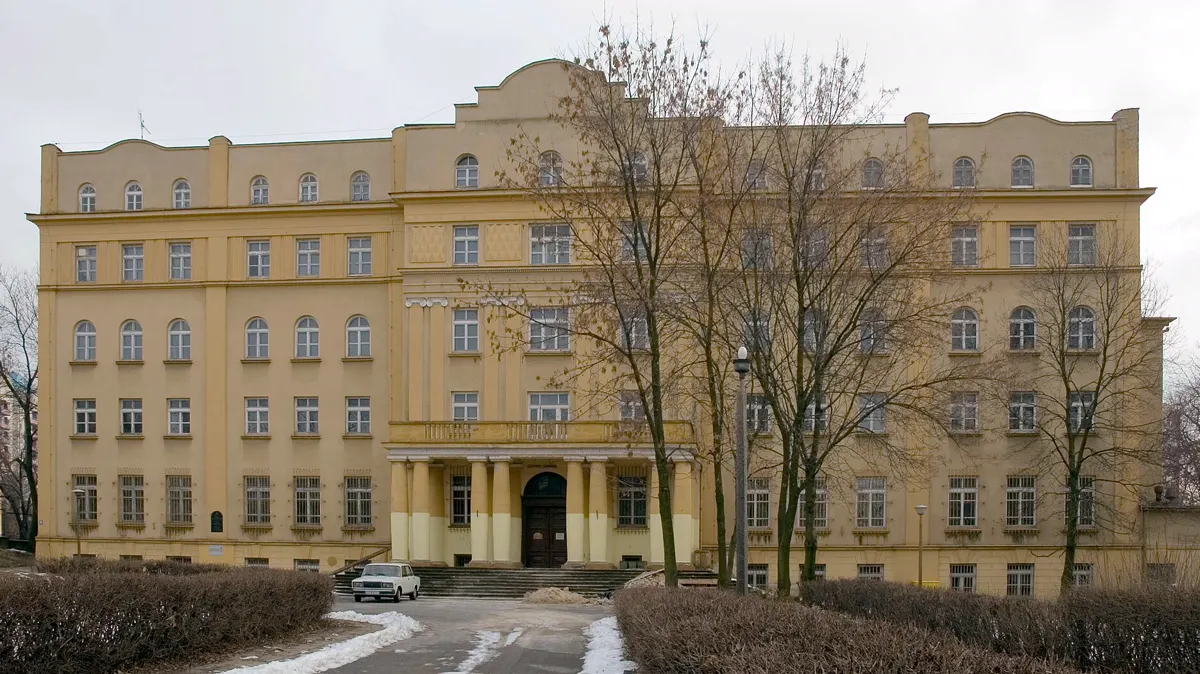
Yeshiva Chachmei Lublin
A grand pre-war Jewish rabbinical academy on Lubartowska Street, restored in the 21st century to hold a reconstructed synagogue and a museum on the history of the Yeshiva of the Sages of Lublin.