Attractions
Attractions in Poland
The sights worth building a day around.
Poland's attractions run from the medieval market squares of Krakow and Wroclaw to the Wieliczka Salt Mine, the memorial at Auschwitz-Birkenau and the Teutonic castle at Malbork. Each page below covers what the place is, how long to spend and how to get there, grouped by city.
All Attractions in Poland
Zakopane
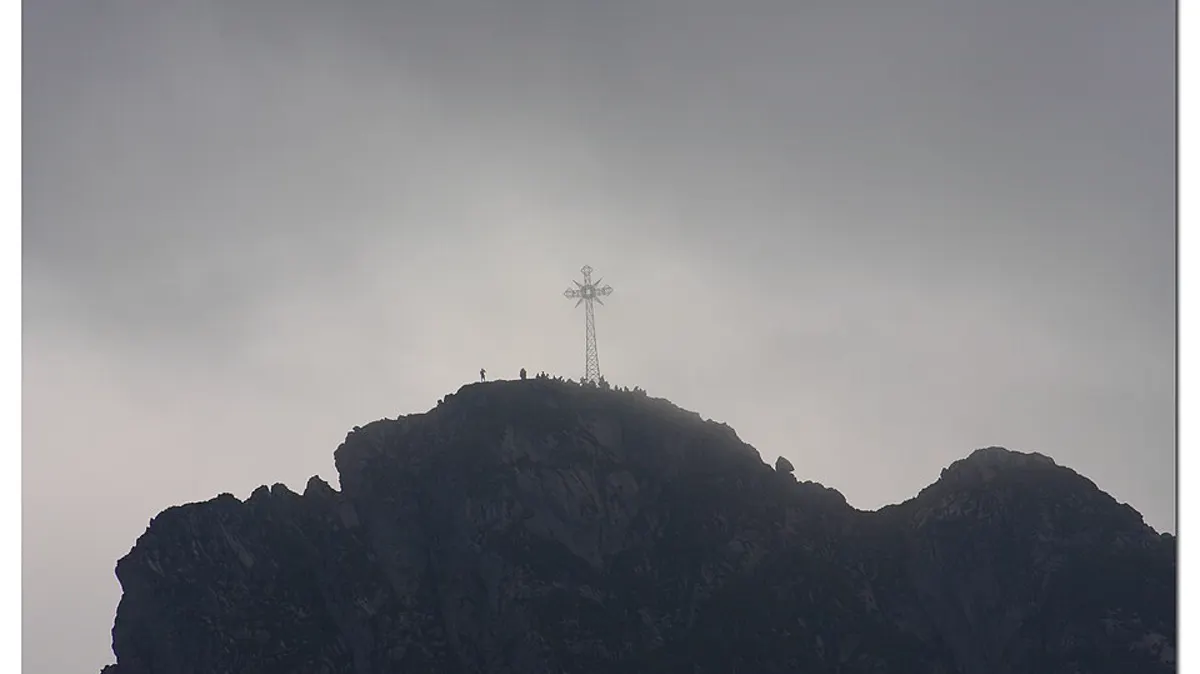
Giewont
The 1,894 metre mountain overlooking Zakopane, crowned by a 15 metre iron cross erected in 1901. Its silhouette is said to resemble a sleeping knight and is the symbol of the town.
Zakopane
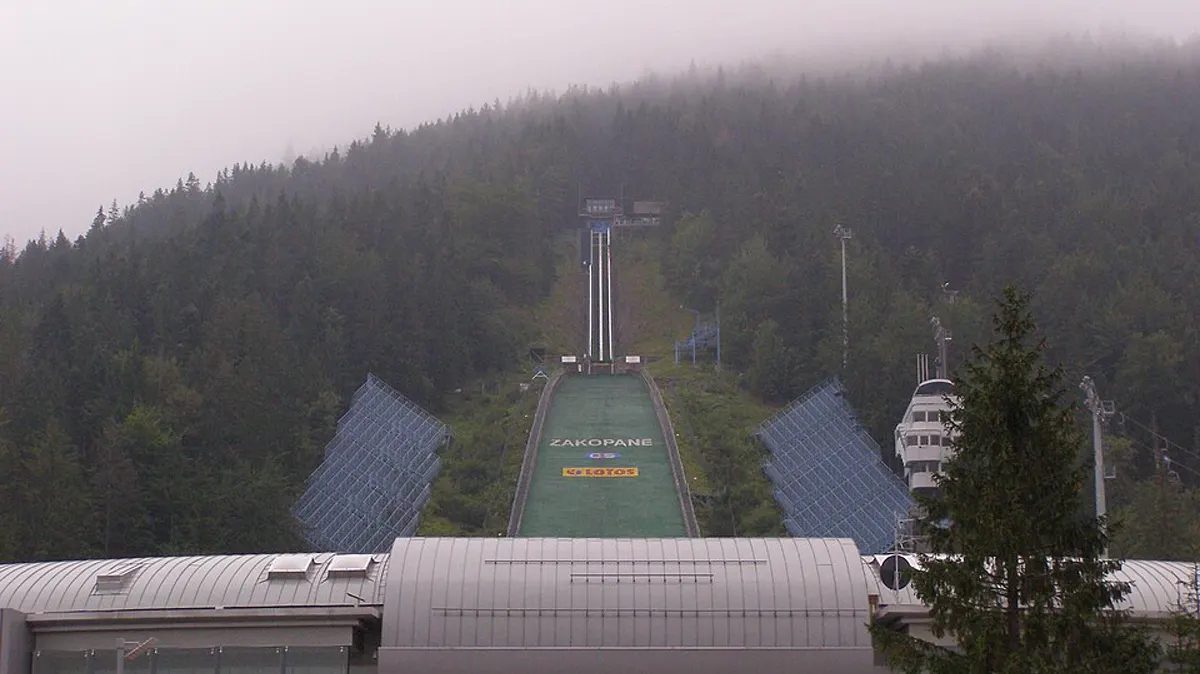
Wielka Krokiew
Zakopane's large ski jump on the slopes of Krokiew, with an in-run tower rising above the town. It regularly hosts FIS Ski Jumping World Cup competitions in winter.
Zakopane
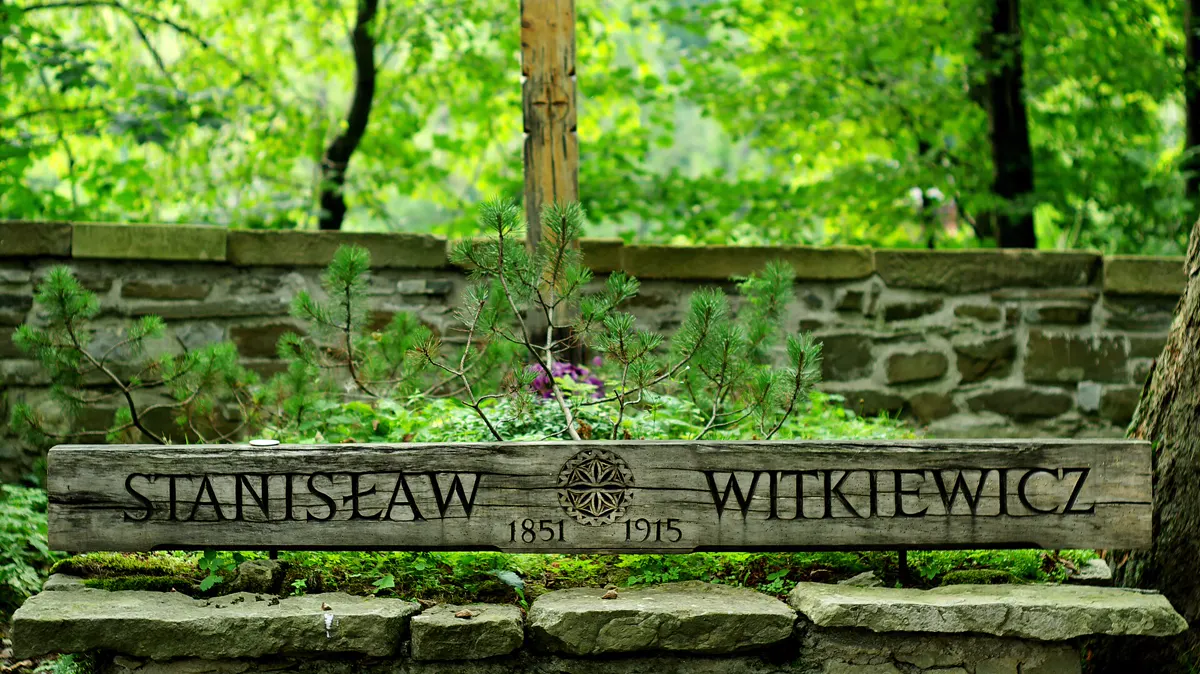
Stary Cmentarz na Peksowym Brzyzku
A historic cemetery beside the wooden church on Koscieliska street, resting place of many notable Polish artists, writers, and mountaineers. Its hand-carved wooden and stone tombstones are works of highland folk art.
Poznań
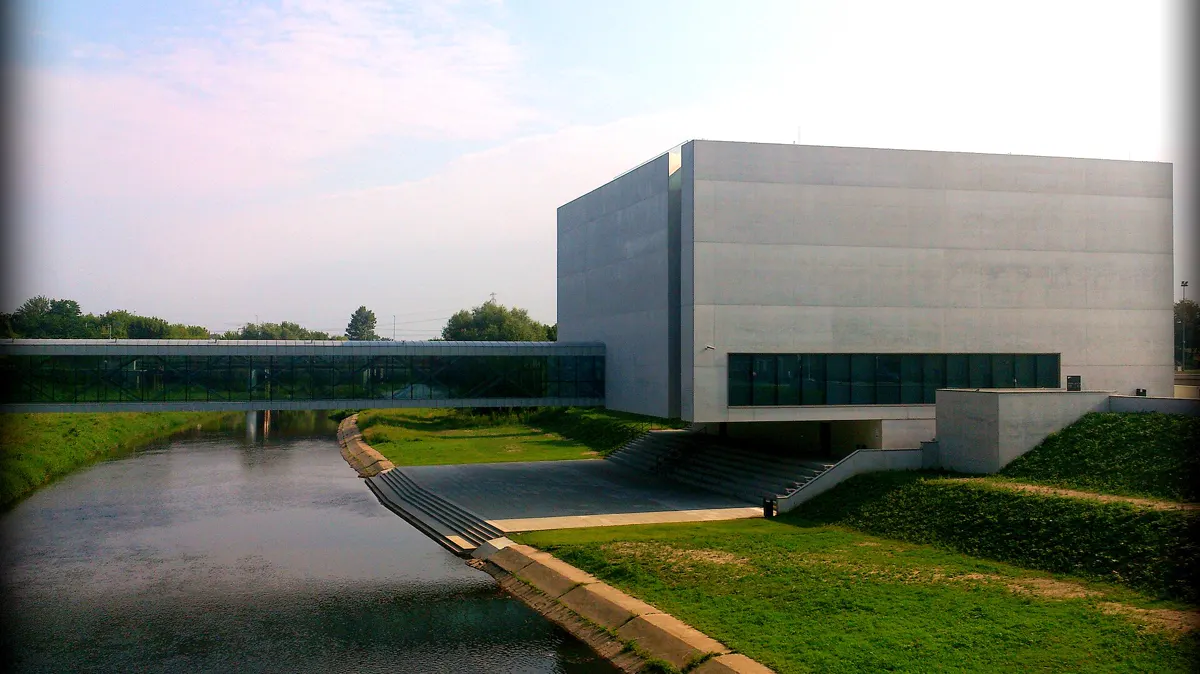
Brama Poznania
A modern interactive heritage centre that tells the story of Ostrow Tumski and the beginnings of the Polish state. Its concrete cube is linked to the island by a footbridge over the Cybina river.
Zakopane
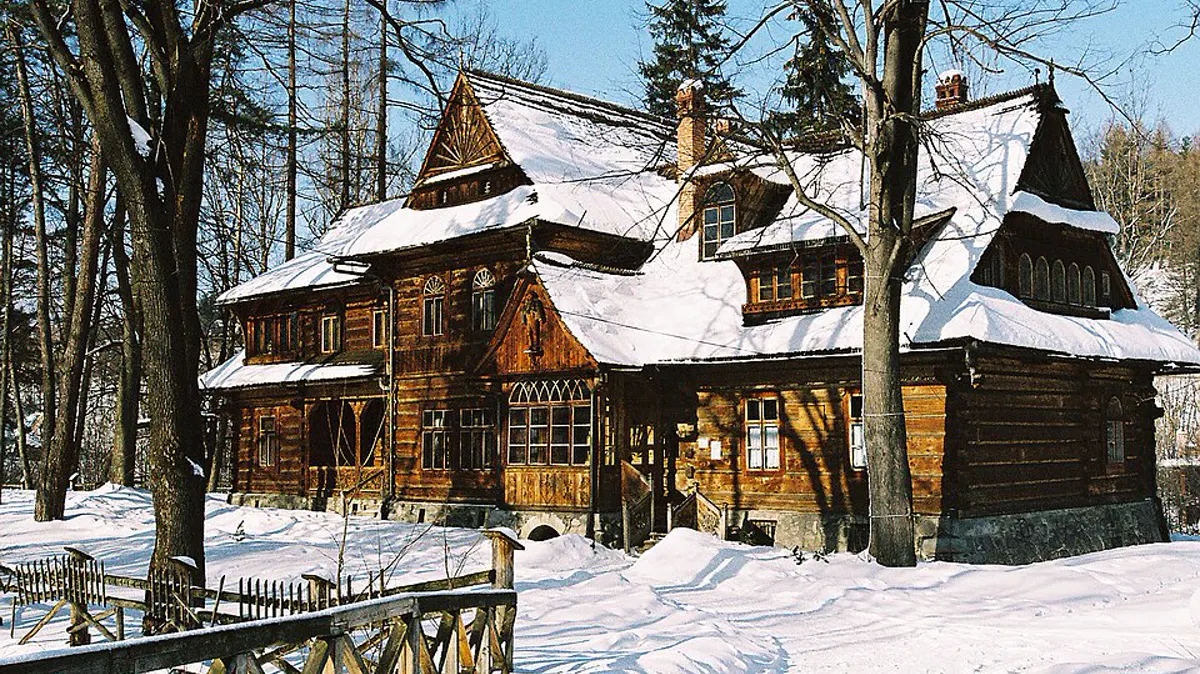
Willa Koliba
The first house built in the Zakopane Style, designed by Stanislaw Witkiewicz in 1892 to 1893. It now houses a museum of the style and highland decorative arts.
Lublin
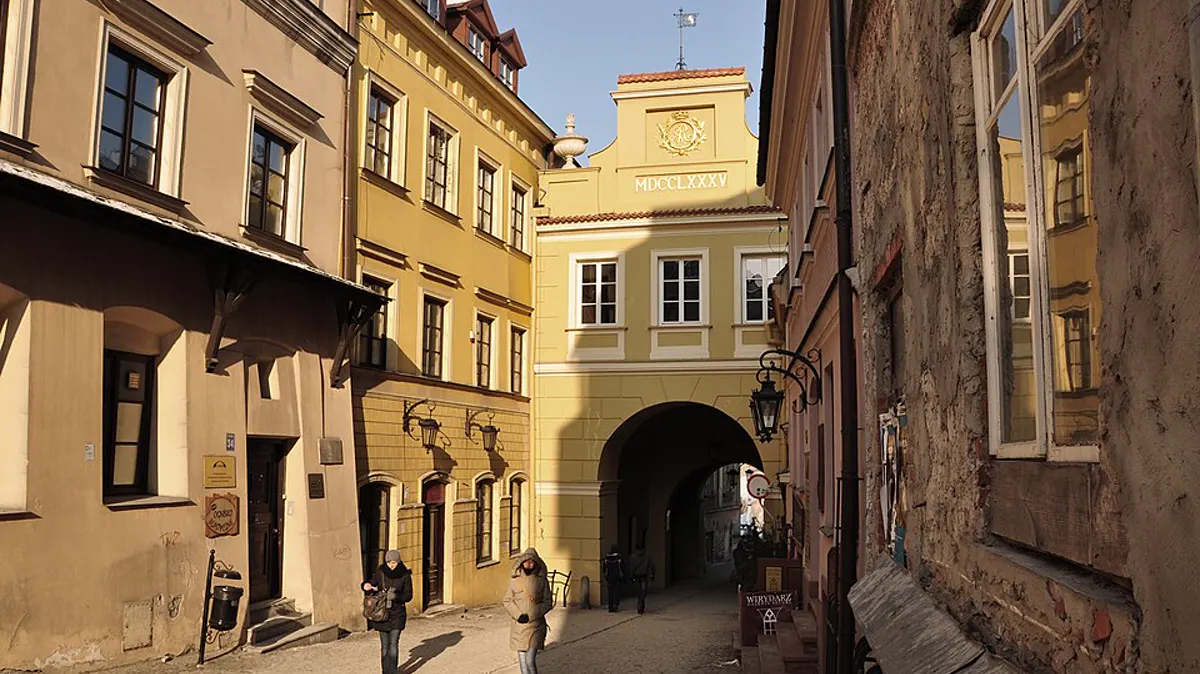
Brama Grodzka
Also called the Jewish Gate, the Grodzka Gate once linked the Christian and Jewish quarters and today hosts the Grodzka Gate - NN Theatre centre commemorating Lublin's lost Jewish community.
Toruń
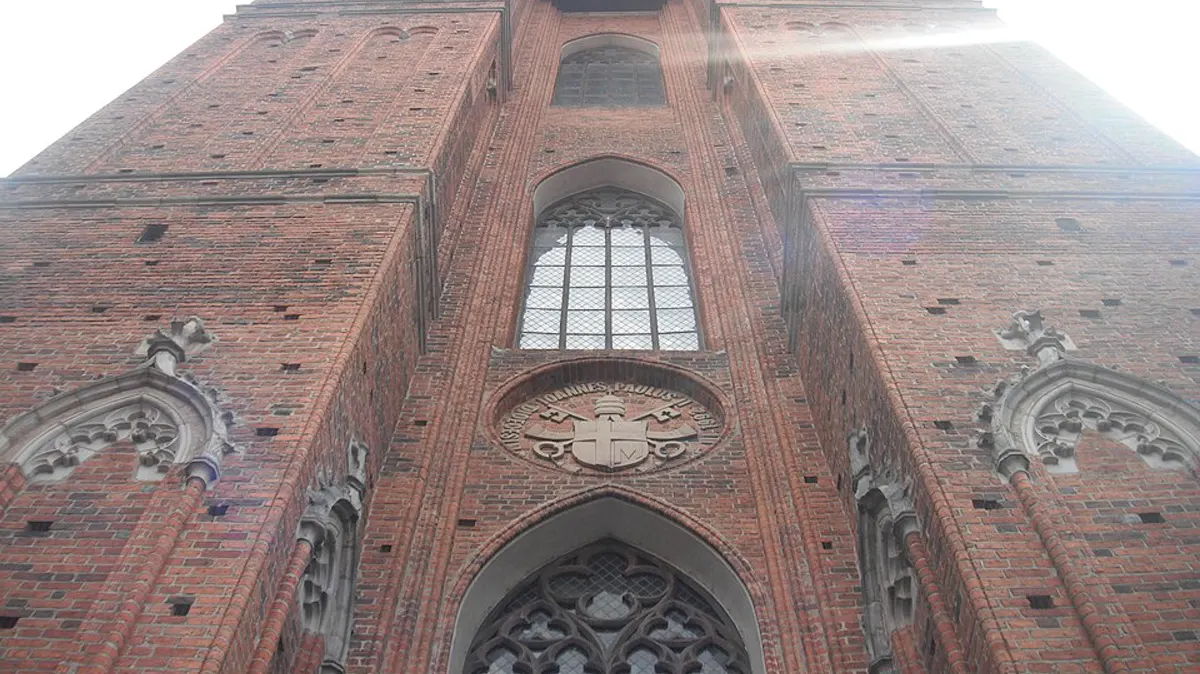
Katedra sw. Janow
The soaring Cathedral of Saints John the Baptist and John the Evangelist is a monumental brick Gothic church begun in the 13th century. It holds the Tuba Dei, one of Poland's largest medieval bells, and a font where Copernicus was baptised.
Kraków
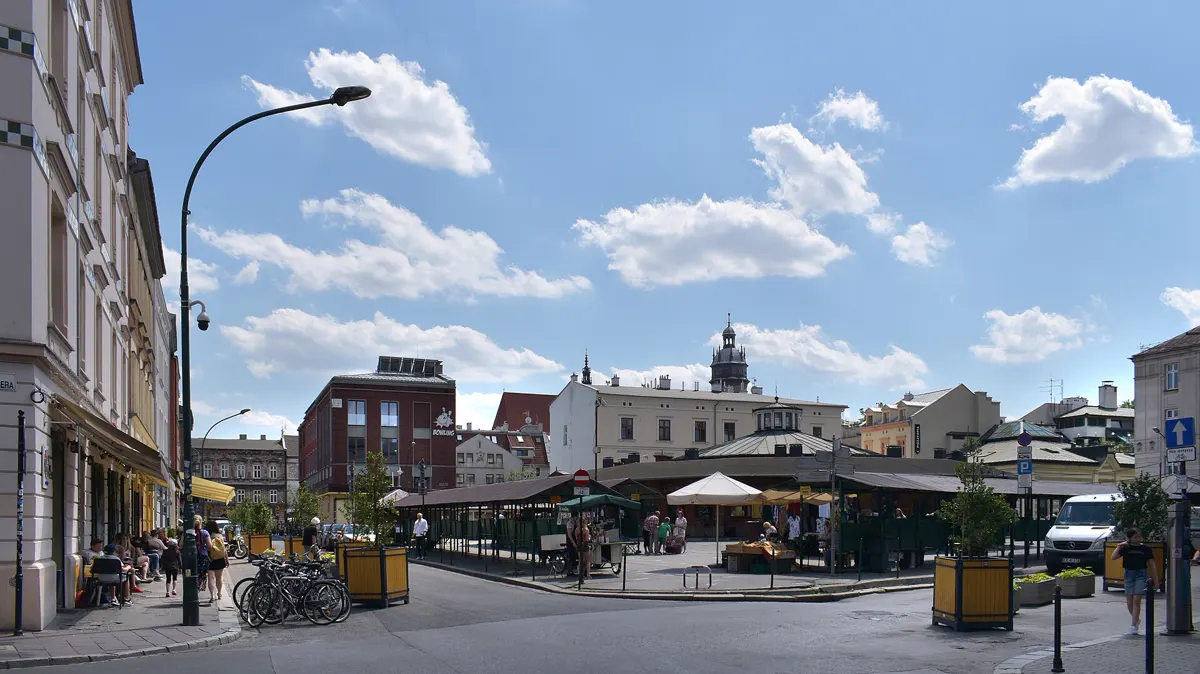
Kazimierz
The historic Jewish quarter, once a separate town, now a district of atmospheric squares, old synagogues and cemeteries. Its cafes, galleries and Friday-to-Sunday food markets on plac Nowy have made it Krakow's most creative nightlife hub.
Wrocław
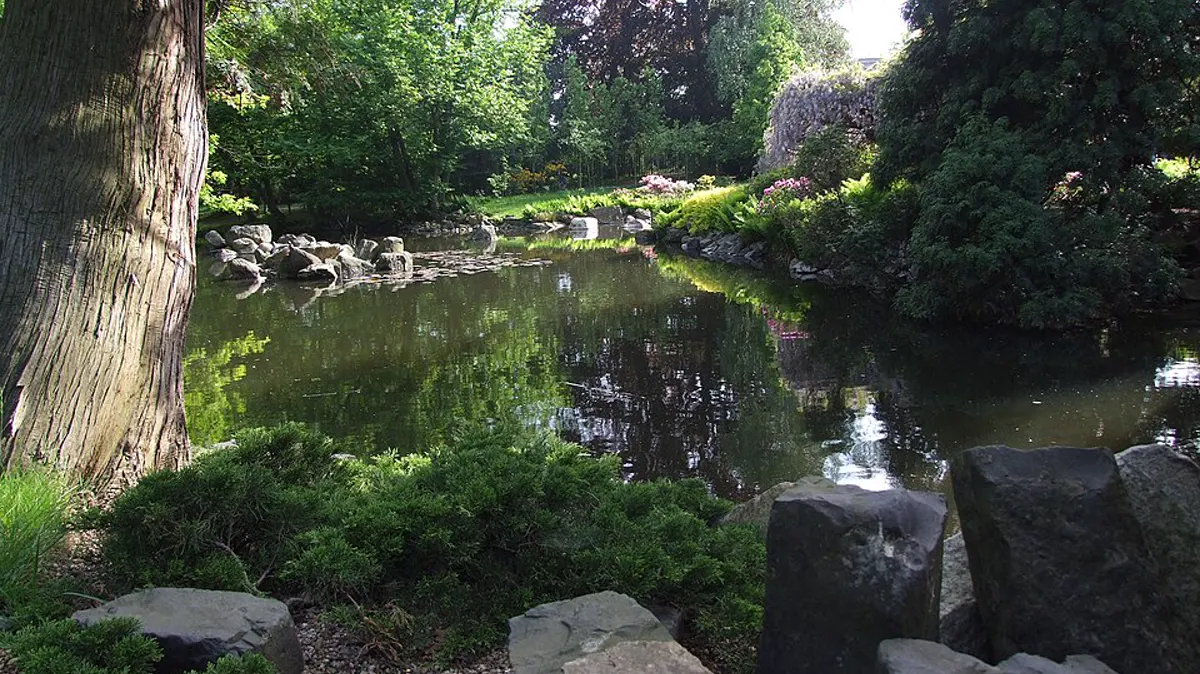
Ogrod Japonski
A tranquil Japanese garden created for the 1913 World Exposition beside Szczytnicki Park, with ponds, bridges and a small waterfall. It was faithfully restored in the 1990s with help from Japanese specialists.
Poznań
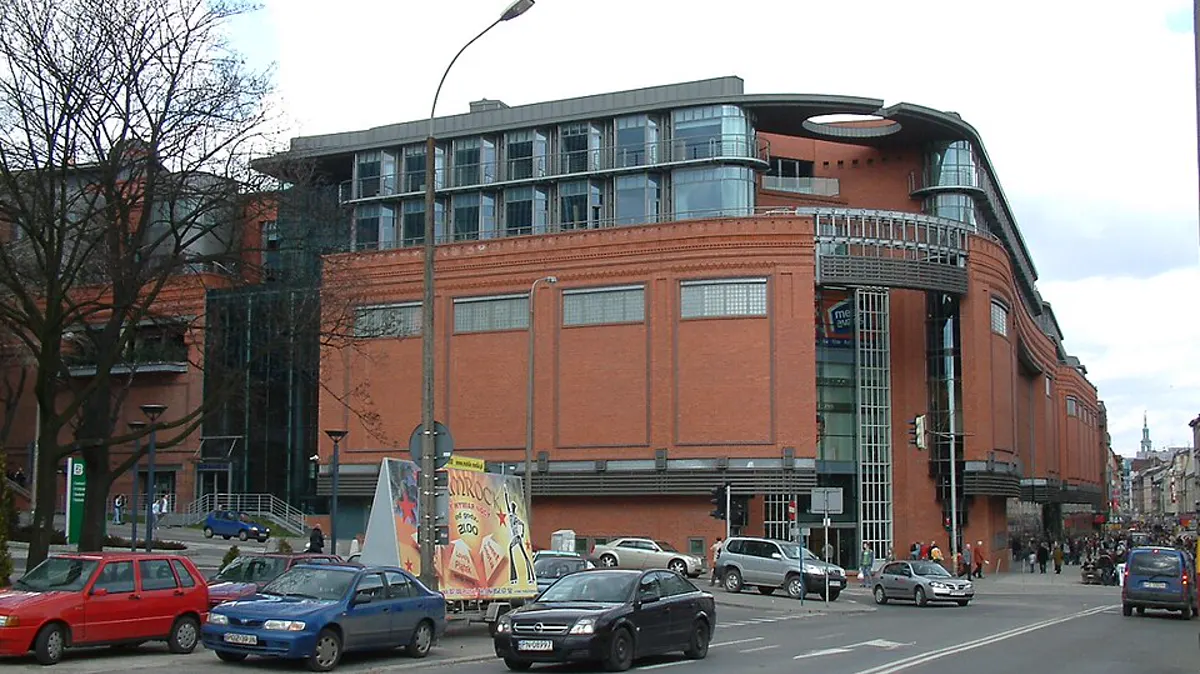
Stary Browar
An old Huggerowie brewery turned into an award winning shopping and art centre that blends 19th century brick with contemporary architecture. It combines boutiques with a sculpture garden and rotating exhibitions.
Gdańsk
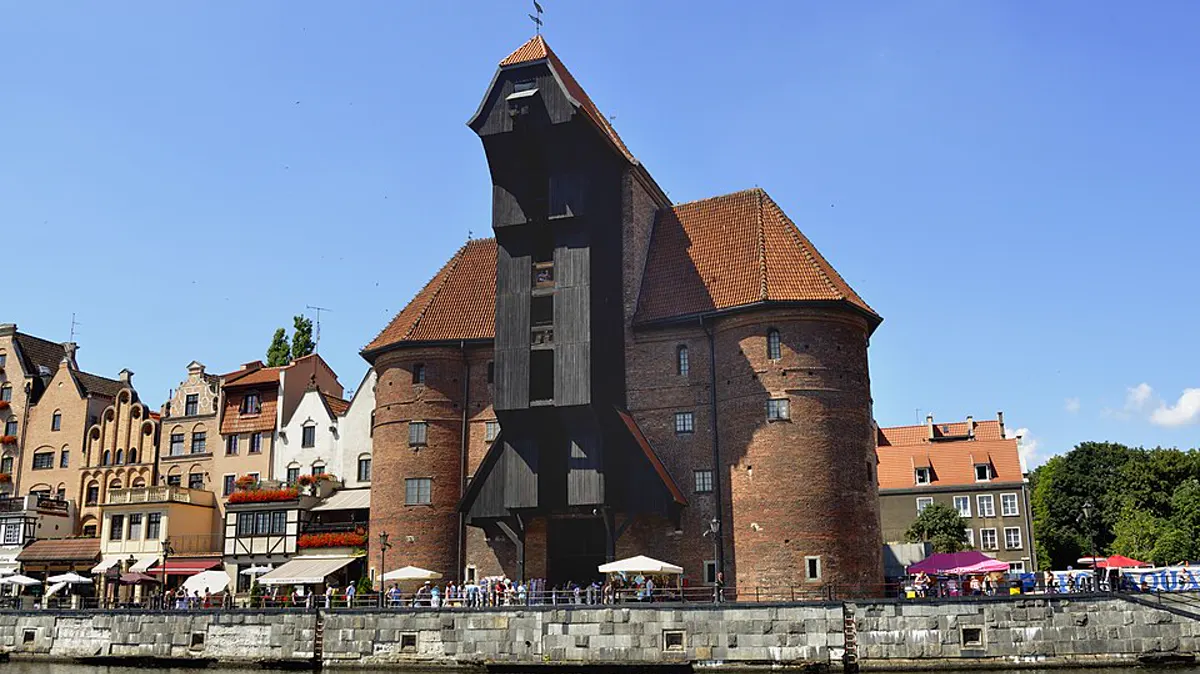
Zuraw
The medieval port crane on the Motlawa riverfront is the largest medieval port crane in Europe, once able to lift loads of up to two tonnes using giant human-powered treadwheels. It now forms part of the National Maritime Museum.
Kraków
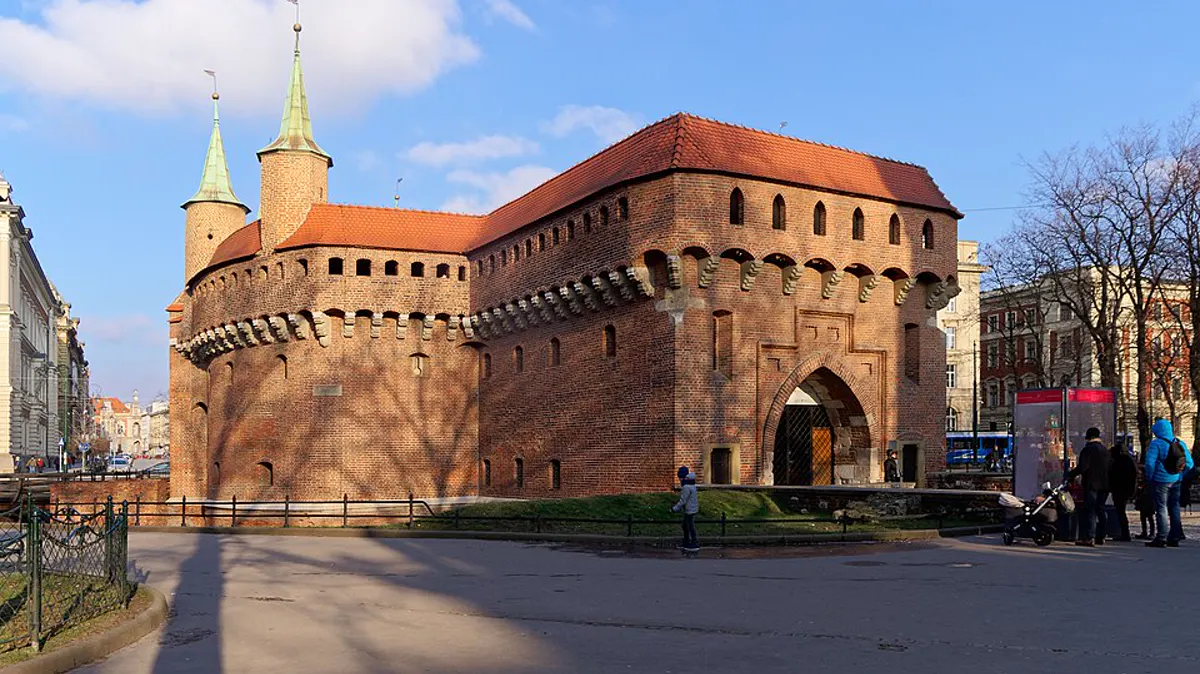
Barbakan
A circular Gothic fortified outpost from around 1499, one of the few surviving barbicans in Europe. It guarded the northern gate of the city and was once linked to the walls by a covered passage.
Poland fits a lot into one country: medieval market squares, a salt mine carved into underground chapels, the memorial at Auschwitz-Birkenau, mountain trails and a long Baltic coast. Seventeen places hold UNESCO World Heritage status, and most of the headline attractions cluster around the cities you are likely to base yourself in, so a first trip rarely means long transfers.
Top attractions in Krakow, Warsaw and Gdansk
Krakow has the densest cluster: the Main Market Square, laid out in 1257 and among the largest medieval squares in Europe, the underground Wieliczka Salt Mine, and the Auschwitz-Birkenau Memorial within a day trip. Warsaw rebuilt its Old Town from wartime rubble, Gdansk lines the Motlawa with tall merchant houses, and Wroclaw and Torun keep intact Gothic centres. The mountains around Zakopane and the lakes of Masuria add the outdoor side.
Top places to visit on a first trip
Group attractions by the city you are staying in rather than chasing them across the map. Krakow, Warsaw and Gdansk each reward two or three days and put more sights within an easy day trip. For the classic sights that define the country, see the best viewpoints and our city guides.
Do you need to book tickets in advance
The busiest sites use timed entry, so book Wieliczka and the Auschwitz-Birkenau Memorial ahead, especially in summer. Many state museums have one free day a week. Tickets are good value by European standards; our note on costs in Poland has the typical prices.
Attractions by city
Travel guides
Krakow Golf Cart Tours: The Four Routes, Compared
Four electric cart routes cover the Old Town, Kazimierz, the ghetto in Podgorze and Schind...
Best Castles in Poland
From the Teutonic fortress at Malbork to the royal seats at Wawel and Warsaw, the Polish c...
3 Days in Krakow
A practical three-day plan for Krakow, pairing the Old Town and Wawel with Kazimierz and o...
Things to Do in Krakow
The sights, neighbourhoods and day trips that make Krakow worth several days, ranked by ho...