Attraction in Zakopane
Stary Cmentarz na Peksowym Brzyzku
A historic cemetery beside the wooden church on Koscieliska street, resting place of many notable Polish artists, writers, and mountaineers. Its hand-carved wooden and stone tombstones are works of highland folk art.
Reviewed and updated July 2026
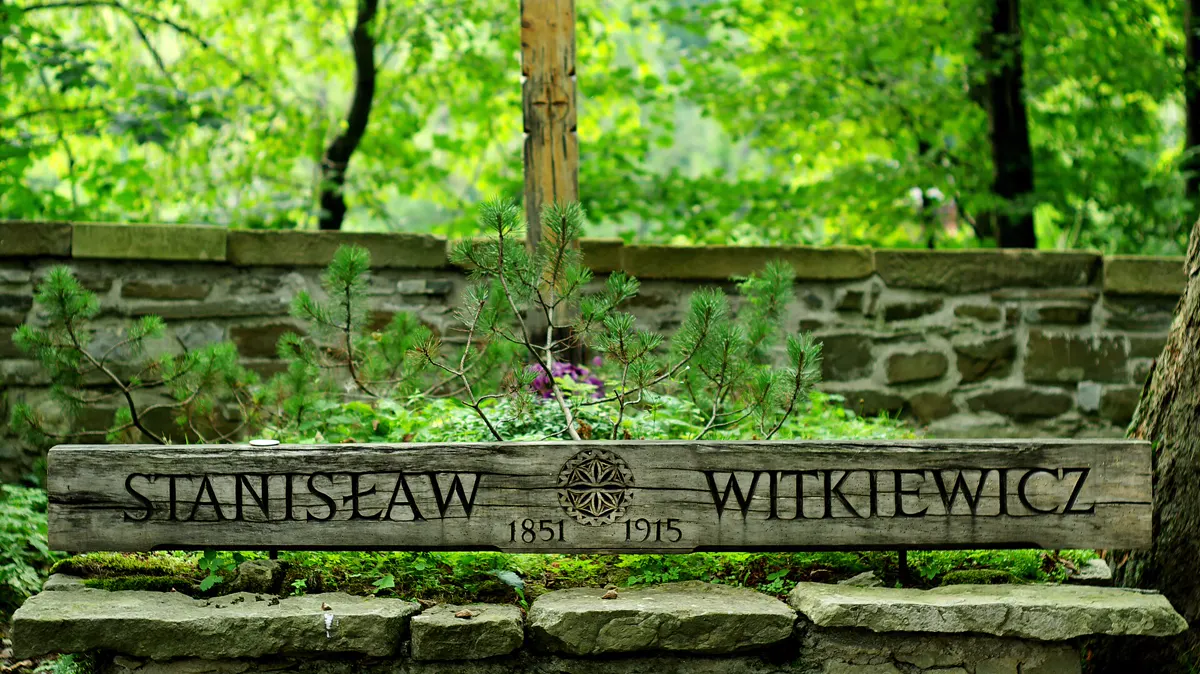
The old cemetery on Peksowy Brzyzek sits beside the wooden parish church on Koscieliska street, the oldest street in Zakopane. It was founded in 1851, on land given by a local farmer named Jan Peksa, which is where the name comes from. What began as a village graveyard became one of the most important resting places in Poland, and its hand-carved wooden and stone tombstones are works of highland folk art in their own right.
Why visit Peksowy Brzyzek
This is a small, quiet place that repays a slow walk. The graves belong to the people who made Zakopane what it is: doctors, painters, writers, mountain guides and Tatra rescuers. Many of the markers are carved from wood or stone in the local style, closer to sculpture than to standard headstones. It sits at the top of Krupowki and pairs naturally with a look at the old wooden church next door. See the Zakopane guide for where it fits on a walk through the old part of town.
Who is buried here
The cemetery holds several hundred graves, many of them of people who shaped the town and the region. Among the best known are the doctor Tytus Chalubinski, whose burial in 1889 marked the point when the graveyard began to gather notable figures, and Jan Krzeptowski Sabala, the highland storyteller and musician. Others include the painter and writer Stanislaw Witkiewicz, who created the Zakopane Style, the poet Kazimierz Przerwa-Tetmajer, the children's writer Kornel Makuszynski, and the ski jumper Stanislaw Marusarz. A memorial also honours those with no grave here.
The carved tombstones
The markers are the reason to slow down. Local artists carved crosses and figures in wood, stone and metal using Podhale motifs, and no two are quite alike. The cemetery has been protected as a monument since the 1930s, and its character has been kept intact rather than modernised.
How long to spend
Twenty to thirty minutes is enough for a respectful walk around and a look at the main graves. Combined with the wooden church beside it, allow up to an hour.
Getting to the cemetery
The cemetery is on Koscieliska street, a short walk west from the top of Krupowki. It is easy to reach on foot from the centre of Zakopane. The wooden church and the old parish buildings stand right alongside it.
Good to know
This is a working cemetery and a place of remembrance, so keep your voice down and photograph with care. For current opening times and any entry donation, check on arrival at the gate.
Around Koscieliska street
The cemetery is at the historic end of town, close to several other sights:
- Willa Koliba, the first Zakopane Style house, further along Koscieliska street.
- Krupowki, the main street, a couple of minutes east.
- Gubalowka, whose funicular base is a short walk away.
Common questions about the cemetery
What does Peksowy Brzyzek mean?
The land was donated by a farmer called Jan Peksa, and brzyzek is a highland dialect word for a small bank or cliff by a stream. Together the name marks the spot where the cemetery was laid out in 1851.
Is there an entry fee?
Access is generally by a small donation collected at the entrance rather than a fixed ticket. Check the notice at the gate when you arrive.
Frequently asked questions
More attractions in Zakopane
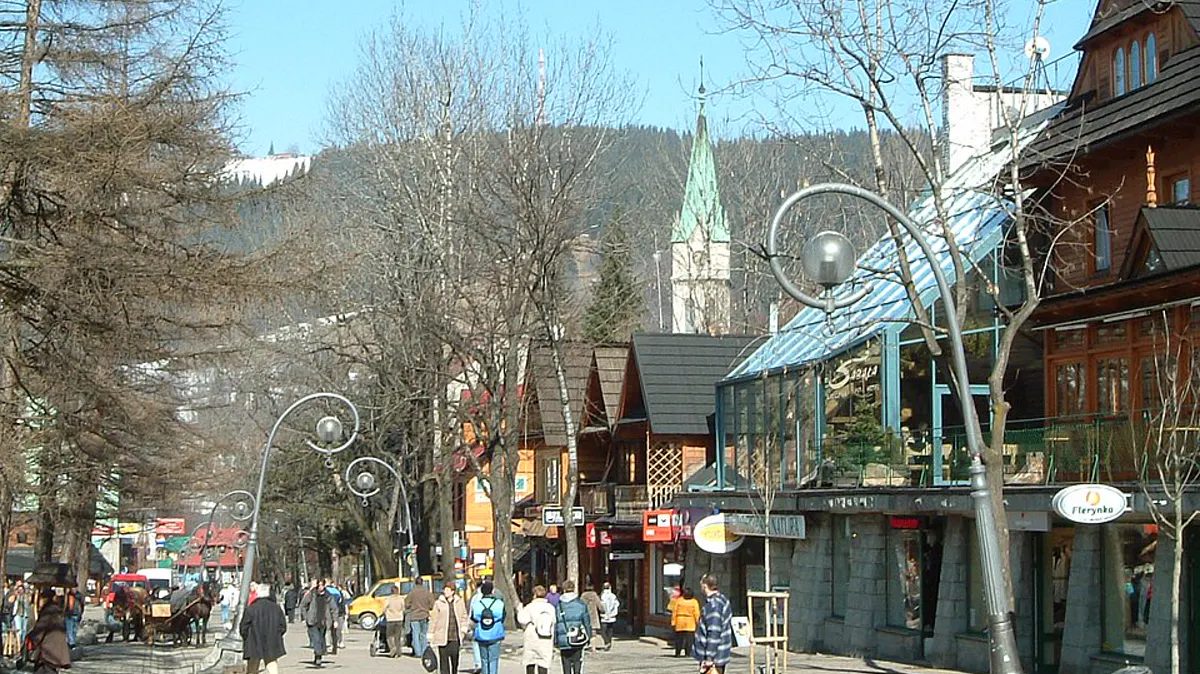
Krupowki
The main pedestrian street of Zakopane, lined with restaurants, highland-cheese stalls, shops and the buzz of the mountain resort.
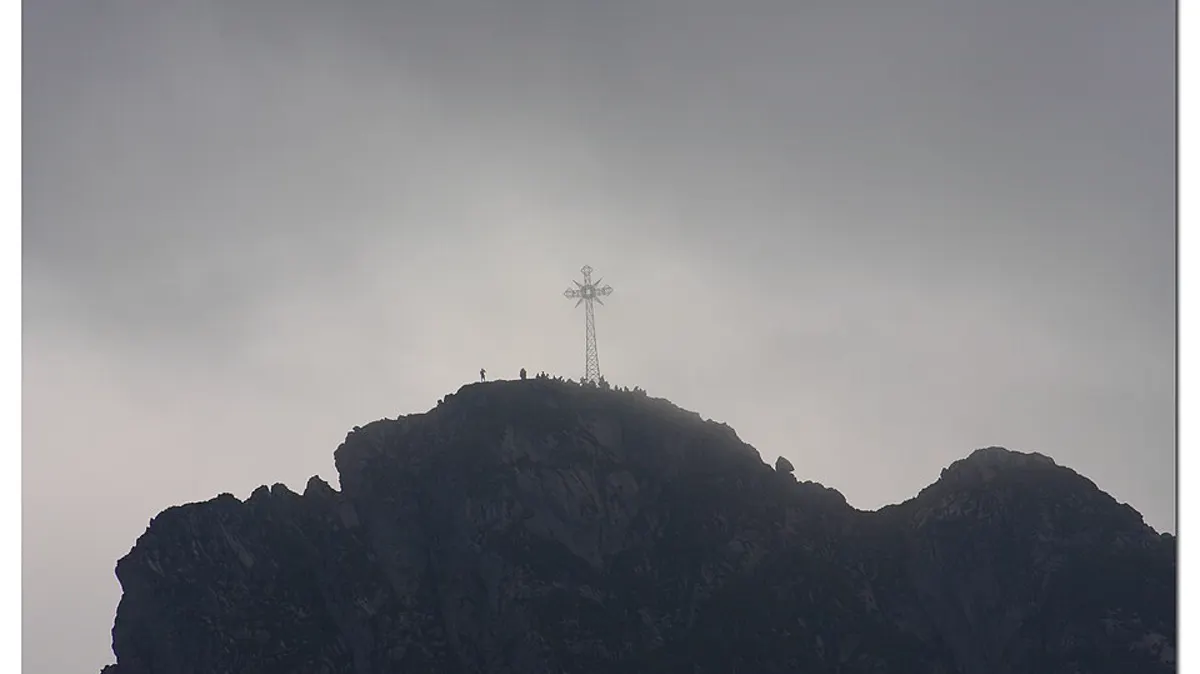
Giewont
The 1,894 metre mountain overlooking Zakopane, crowned by a 15 metre iron cross erected in 1901. Its silhouette is said to resemble a sleeping knight and is the symbol of the town.
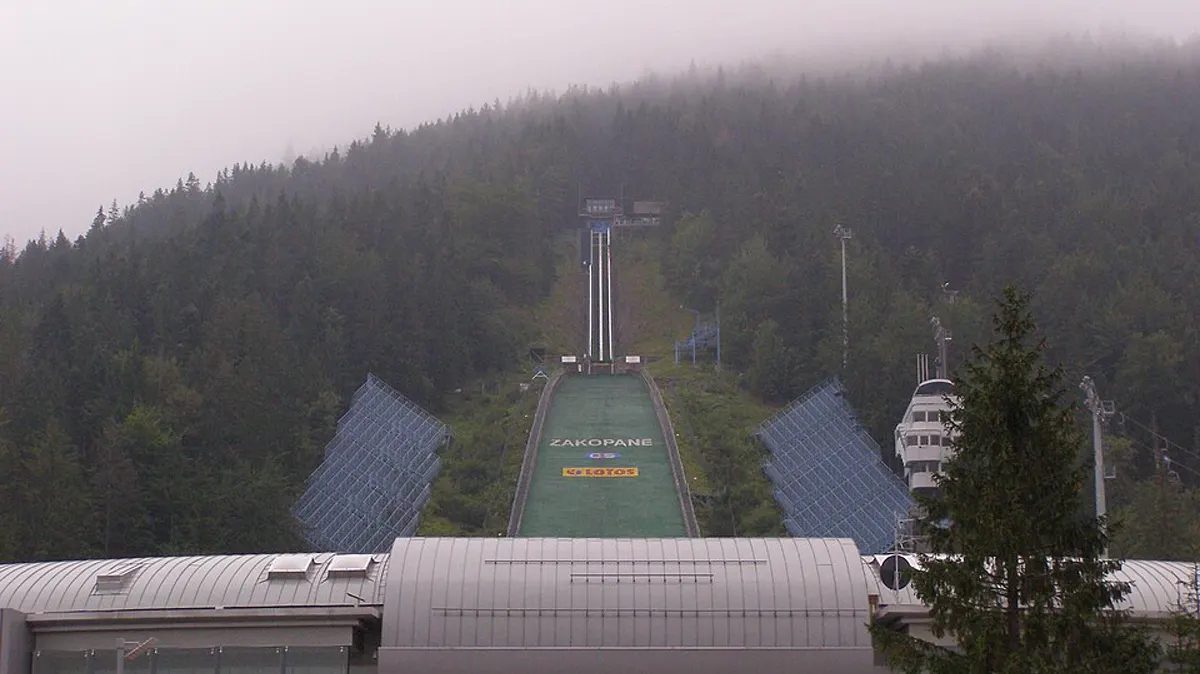
Wielka Krokiew
Zakopane's large ski jump on the slopes of Krokiew, with an in-run tower rising above the town. It regularly hosts FIS Ski Jumping World Cup competitions in winter.
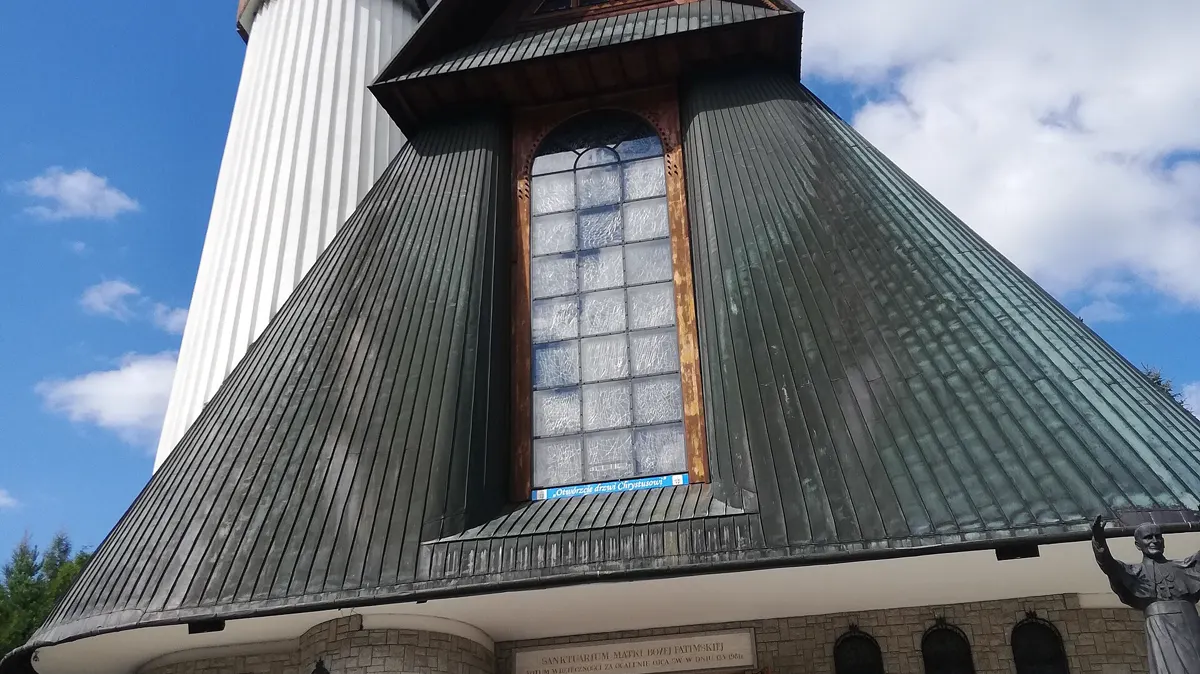
National Sanctuary of Our Lady of Fatima at Krzeptowki
A Zakopane church built in thanksgiving for Pope John Paul II surviving the 1981 assassination attempt, and one of Poland's leading Fatima sanctuaries.
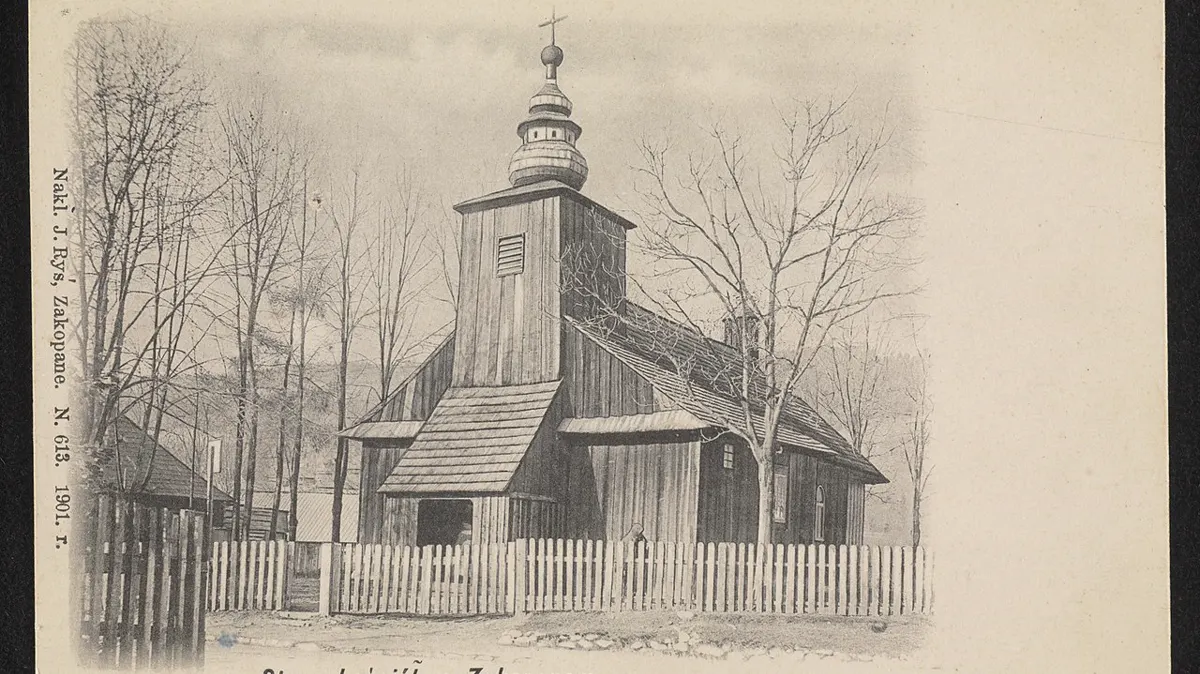
Old Church of Our Lady of Częstochowa
The oldest church in Zakopane, a wooden log building begun in 1847 on Kościeliska Street, standing beside the historic Pęksowy Brzyzek cemetery.
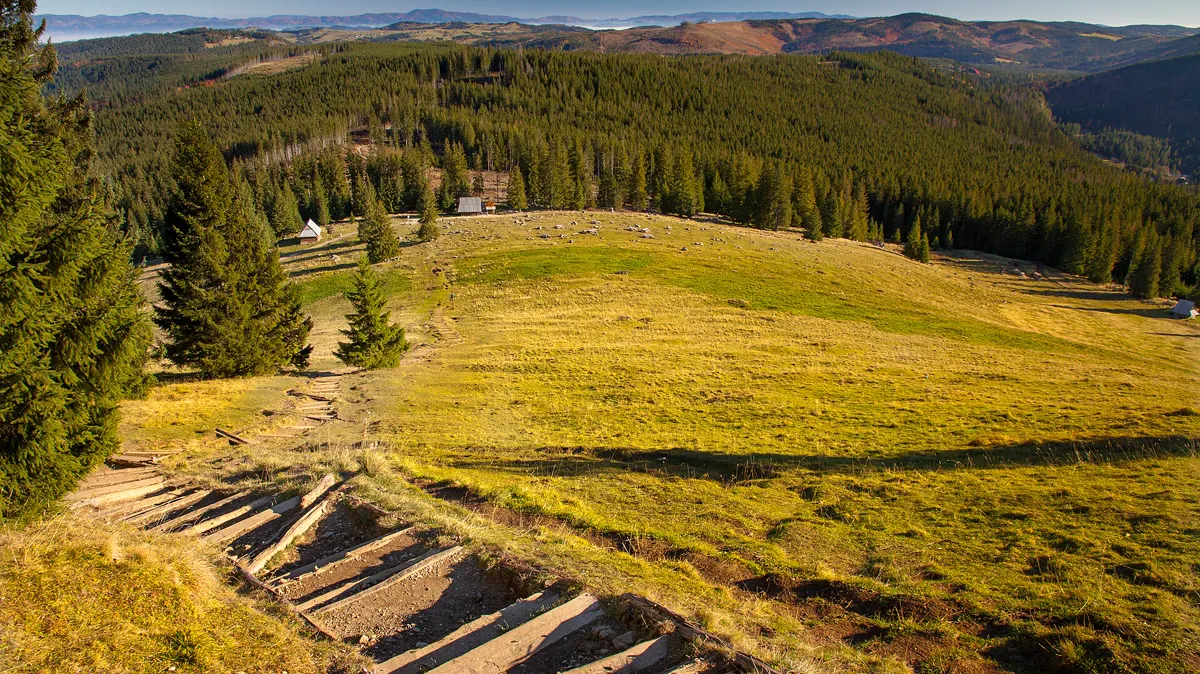
Rusinowa Polana
Rusinowa Polana is a broad grazing meadow in the Polish High Tatras, widely rated one of the finest panoramic viewpoints in the range, with a sweep across the Slovak High Tatras and the Belianske Tatras.
More to explore in Zakopane
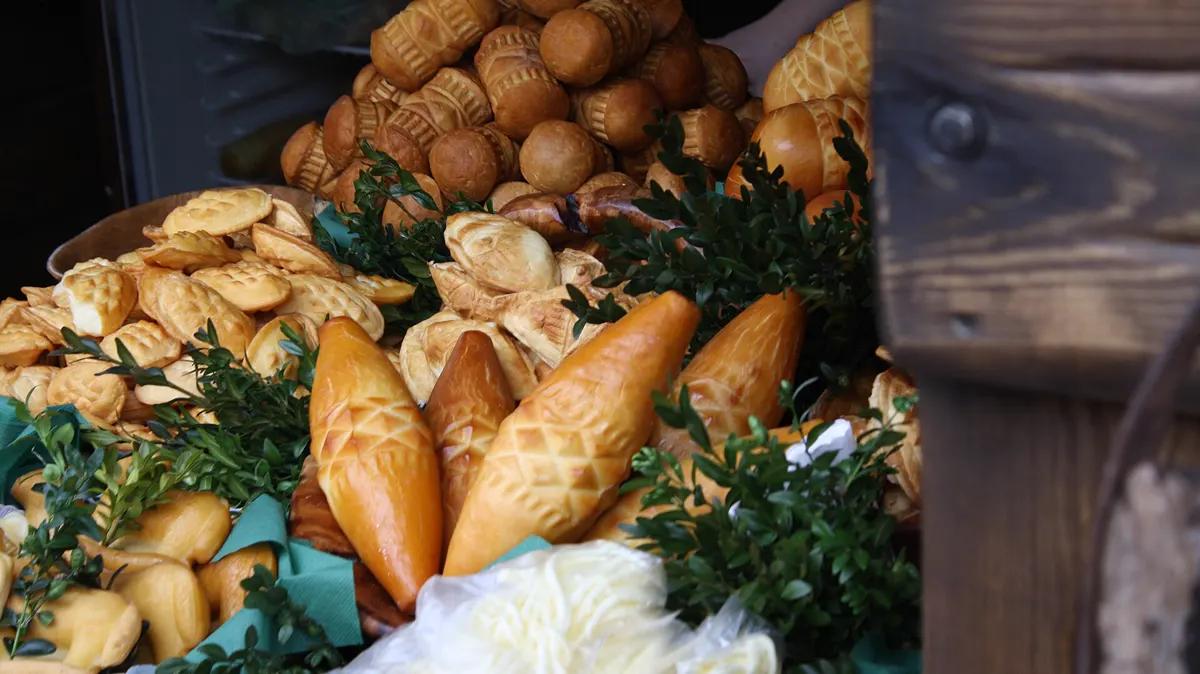
Restaurant
Bakowo Zohylina
A proper highlander karczma with open-fire grilling, live folk music and oscypek cheese.
Hotel
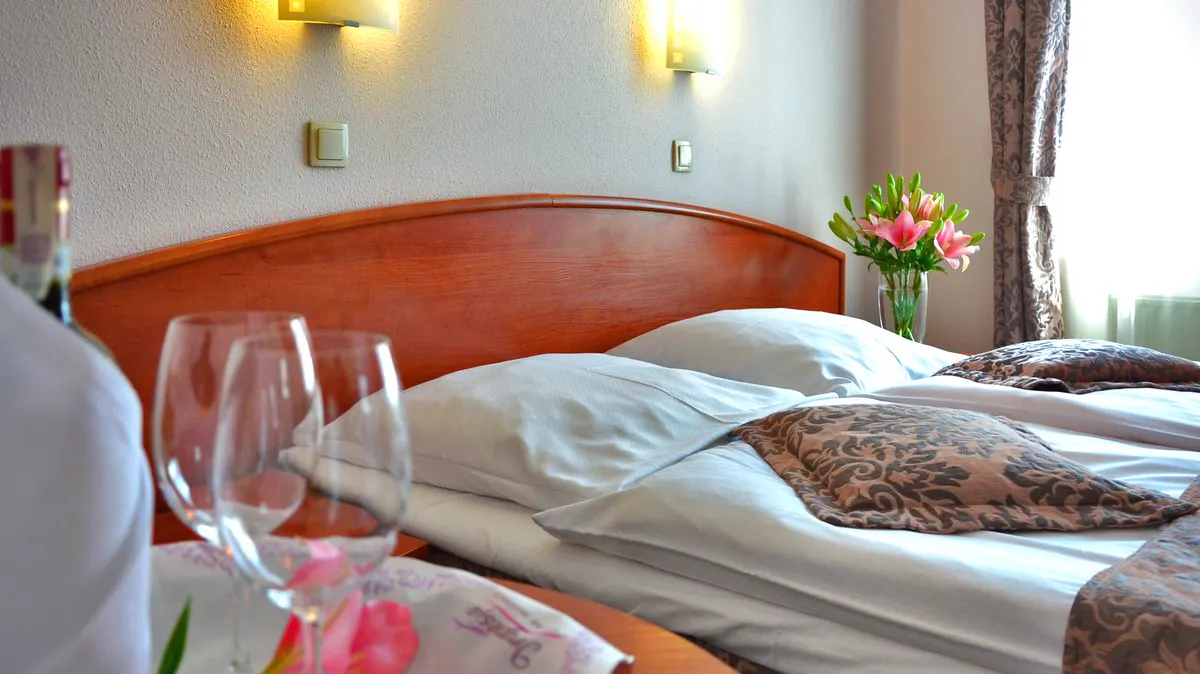
Aries Hotel & Spa
A large alpine-luxe hotel with an extensive spa, near the bottom of the Krupowki.
National Park
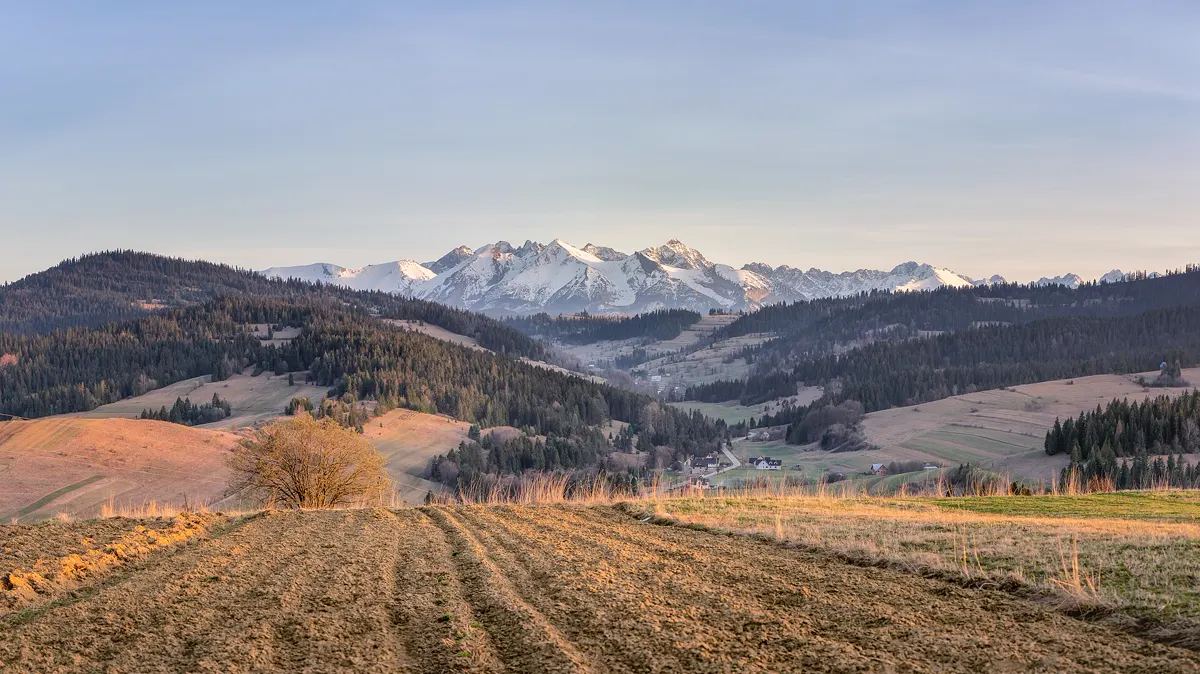
Tatra National Park
Poland's highest mountains, protected as a national park, with alpine peaks, glacial lakes and the country's most demanding trails.

Restaurant
Karczma Zapiecek
A cosy timber inn on Krupowki serving mountain classics after a day on the trails.

Restaurant
Cafe Antrakt
A relaxed bar and cafe off Krupowki serving regional beers, mulled wine in winter and light bites. A good spot to unwind after a day on the ridge.
Nature
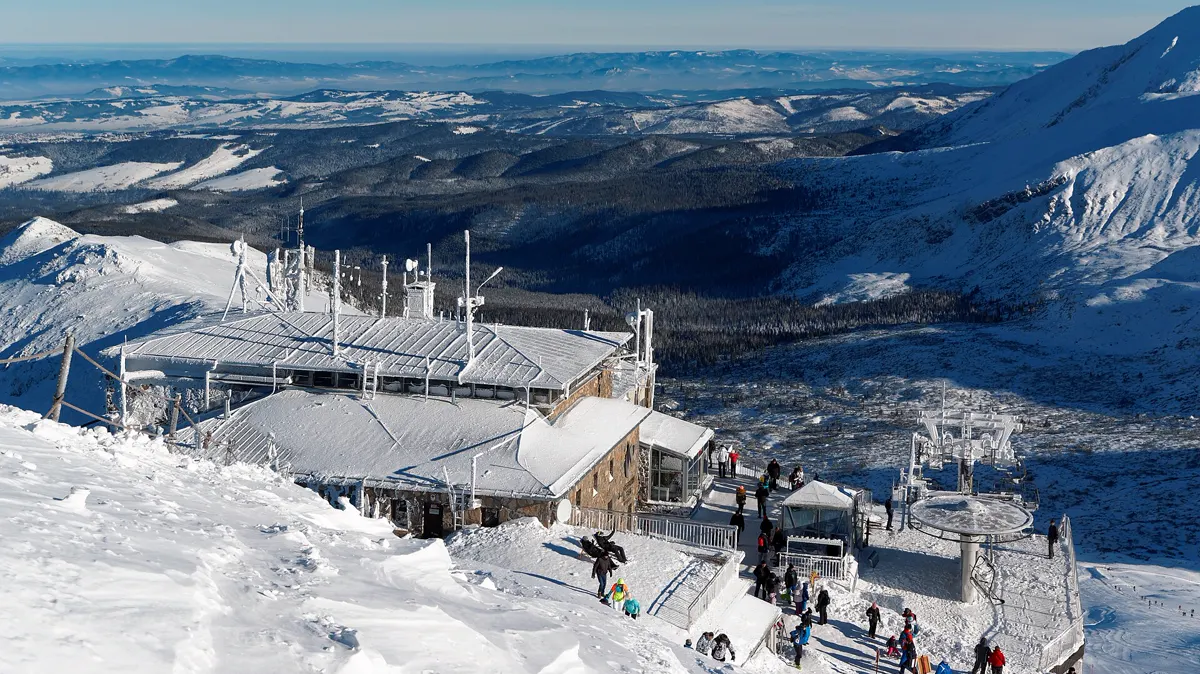
Kasprowy Wierch
A 1,987 m summit on the Slovak border, reached by the cable car from Kuznice for a ridge-top panorama.