Attraction in Wrocław
Ogrod Japonski
A tranquil Japanese garden created for the 1913 World Exposition beside Szczytnicki Park, with ponds, bridges and a small waterfall. It was faithfully restored in the 1990s with help from Japanese specialists.
Reviewed and updated July 2026
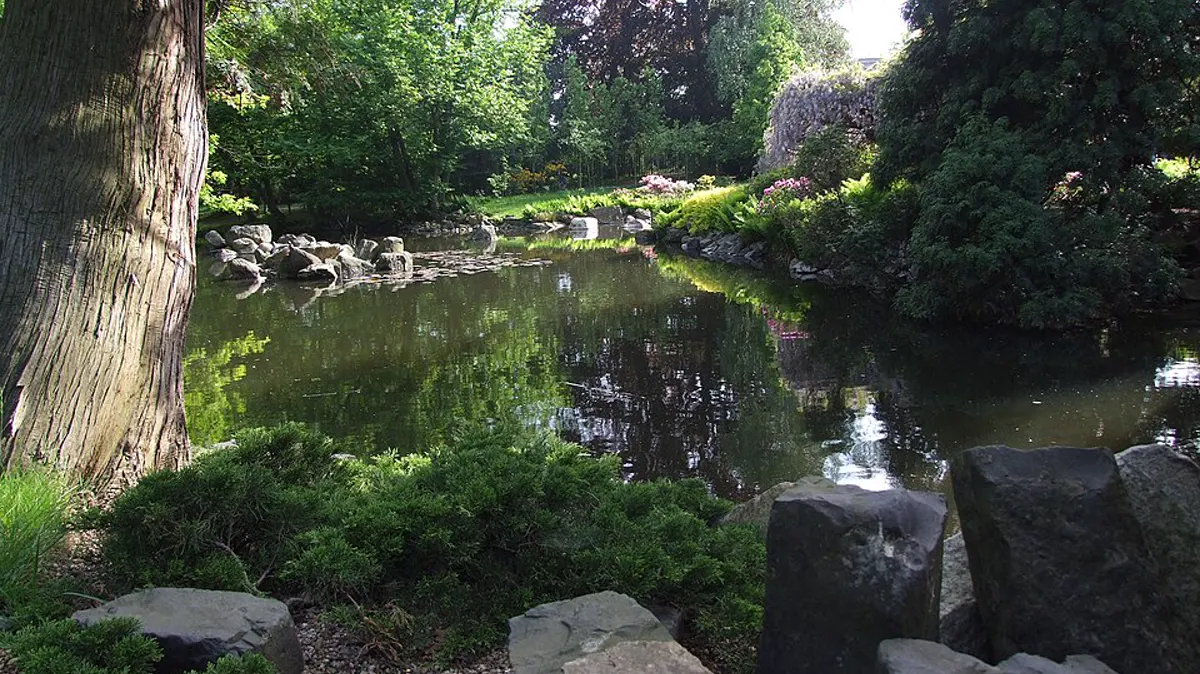
The Japanese Garden (Ogrod Japonski) is a small, carefully planted garden beside Szczytnicki Park in eastern Wroclaw. It was laid out around the 1913 centennial exhibition, with ponds, bridges, stone lanterns and a small waterfall. It was rebuilt in the 1990s with help from Japanese specialists. See the Wroclaw guide for the wider city.
Why visit the Japanese garden
It is a compact, well-kept garden built to a genuine Japanese plan rather than a loose imitation. Water, stone and planting are arranged for slow walking and quiet views. It pairs naturally with the neighbouring park and the Centennial Hall, so it is easy to fold into a half-day on this side of the city.
Ponds, bridges and the waterfall
The garden turns on a central pond crossed by bridges, with a small waterfall, granite lanterns, gates and clipped planting. Paths lead you around the water past framed views. It is at its best in late spring, when the blossom and fresh growth come out, and again in autumn colour.
From the 1913 exposition
The garden was created for the 1913 centennial exhibition held at the nearby hall, when the city was the German Breslau. It fell into decline over the following decades. In the 1990s the city restored it in cooperation with Japanese gardeners and stone-arrangement specialists, working through the Japanese embassy, so that the layout follows authentic practice.
How long to wander
Thirty to forty-five minutes is enough for the garden itself. Add the park, the Japanese Garden and the Centennial Hall together and you have a comfortable half-day.
Best season to visit
The garden is seasonal and usually opens from spring to autumn, closing over winter. Late spring blossom and autumn colour are the most rewarding times. Weekday mornings are quietest. Check the current opening season before you go.
Getting to Szczytnicki Park
The garden lies within the park grounds east of the centre, a short tram ride from the Old Town, close to the Centennial Hall and its Pergola.
Paths and accessibility
Paths are narrow and include arched bridges and uneven stone in places, which can be awkward for wheelchairs and prams. The surrounding park is flatter and more open.
Around Szczytnicki Park
The garden sits inside Szczytnicki Park, with the Centennial Hall, the Pergola and the city zoo all within walking distance.
Good to know
The garden usually charges a small entry fee and opens only in the warmer months. Check the official season and hours before travelling out to it.
Garden visitor questions
Is the Japanese Garden open in winter?
Usually not. It is a seasonal garden that generally opens from spring to autumn, so check the current dates before you visit.
How old is the garden?
It was first laid out around the 1913 exhibition and rebuilt in the 1990s with Japanese specialists, so the plan follows authentic Japanese practice.
Frequently asked questions
More attractions in Wrocław
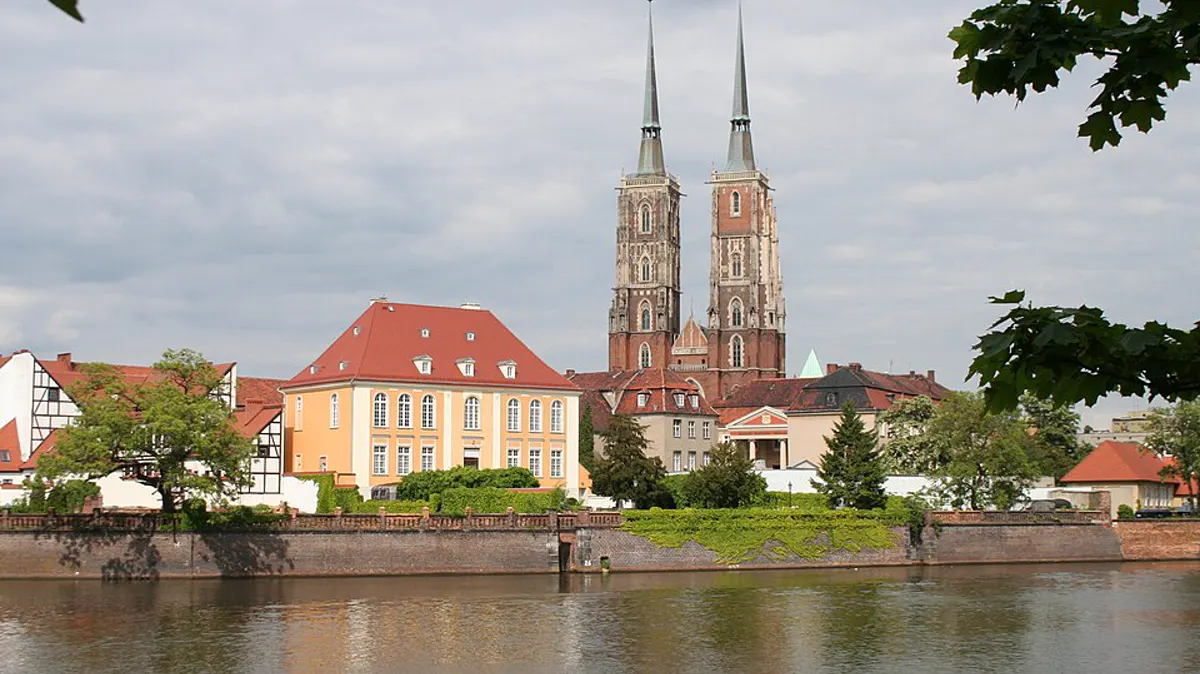
Cathedral Island, Wroclaw
The oldest part of Wroclaw, a cluster of churches on an island in the Oder reached across a romantic iron bridge.
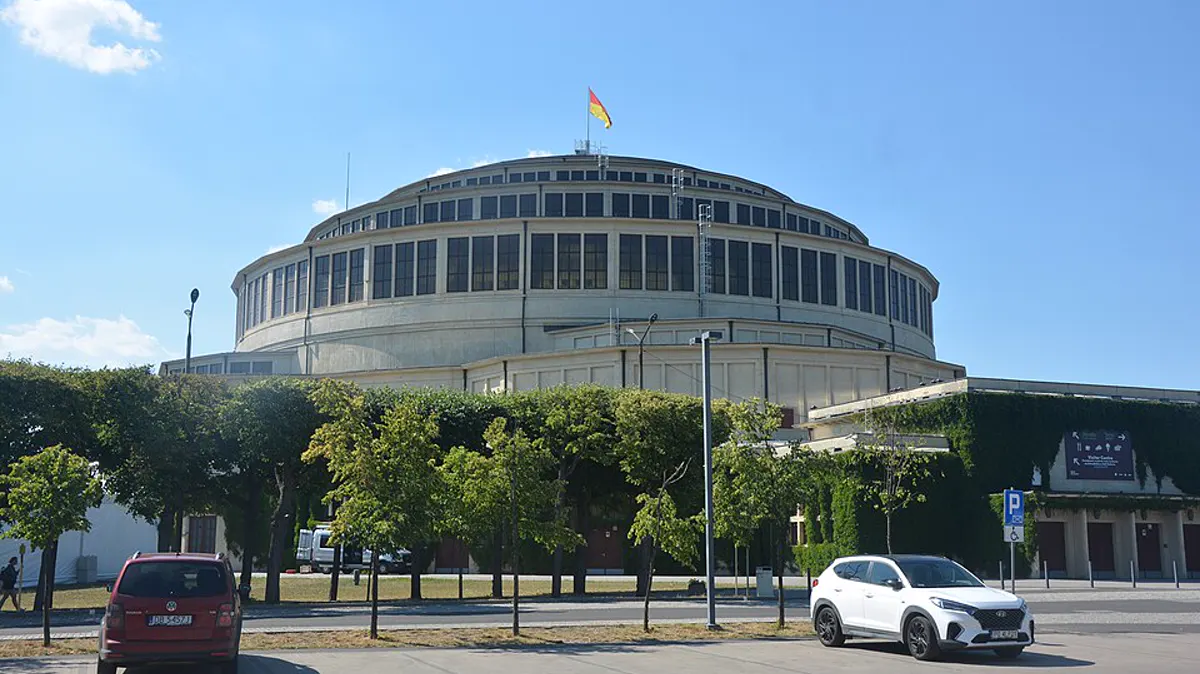
Centennial Hall
A pioneering reinforced-concrete dome from 1913, listed by UNESCO, set in a park with a large multimedia fountain.
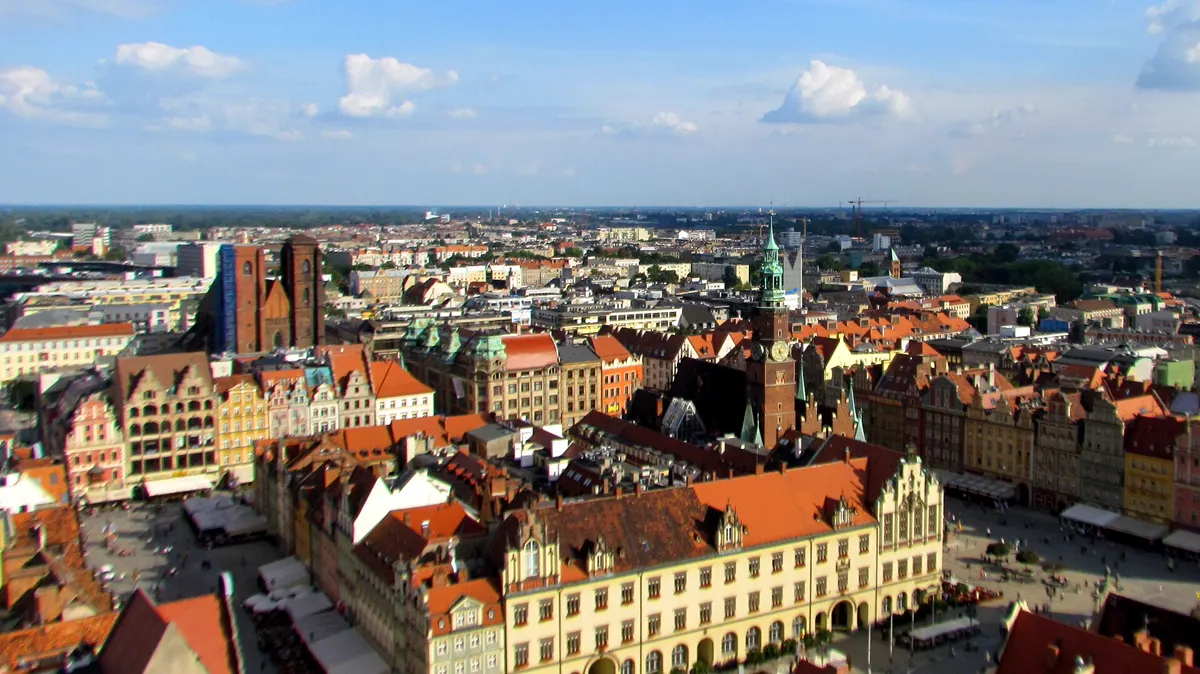
Market Square
One of the largest medieval squares in Poland, ringed by colourful townhouses and centred on an ornate Gothic town hall.
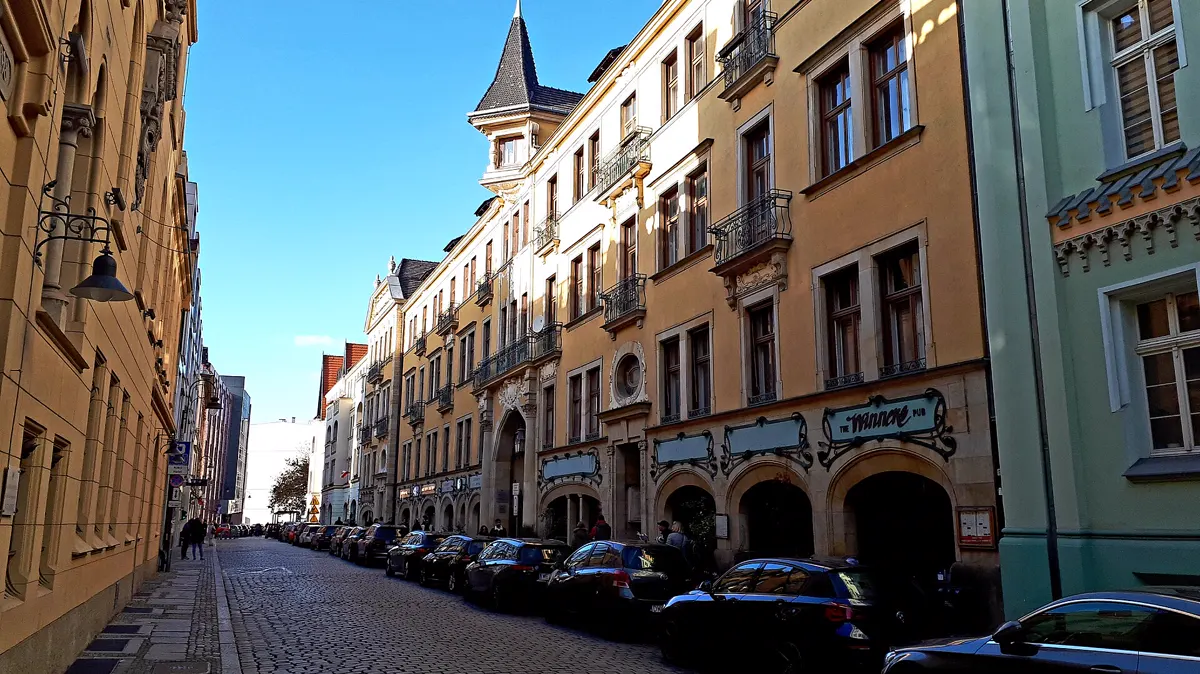
District of Four Denominations
A compact quarter of Wrocław's Old Town where a Catholic church, a Lutheran church, an Orthodox cathedral and a synagogue stand within a few minutes' walk of each other, alongside bars, cafes and courtyards.
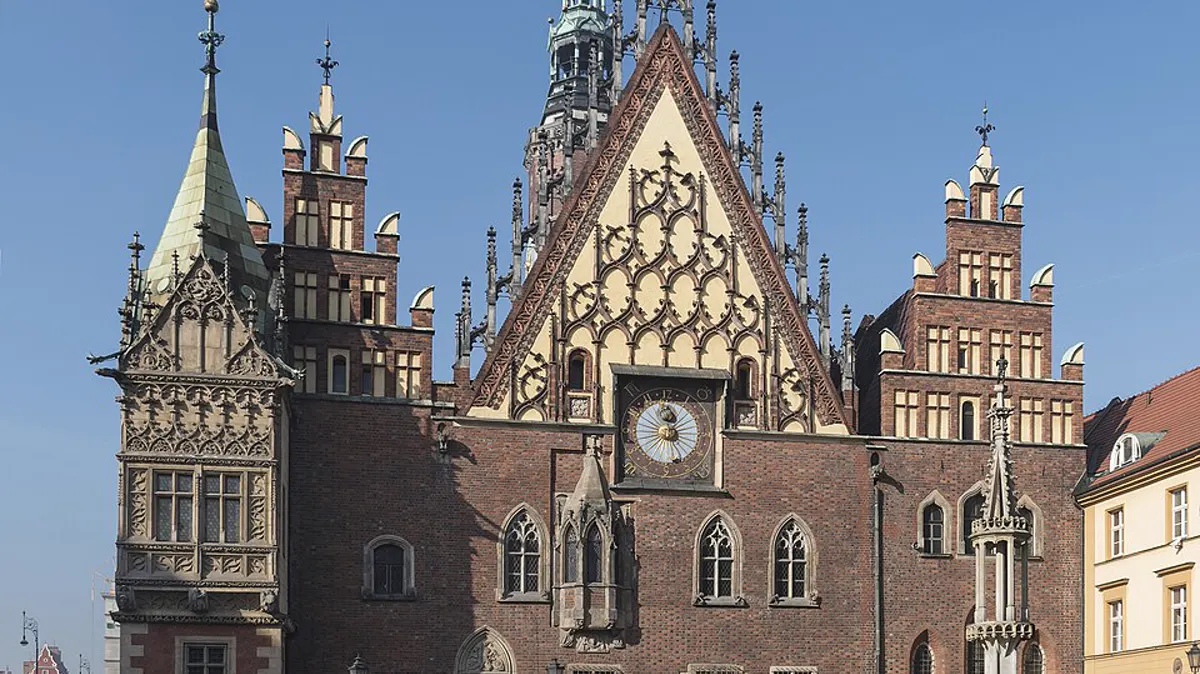
Ratusz (Old Town Hall)
A late-Gothic town hall built over roughly 250 years, famed for its richly carved south facade and astronomical clock from 1580. It houses the Museum of Burgher Art and the historic Piwnica Swidnicka beer cellar below.
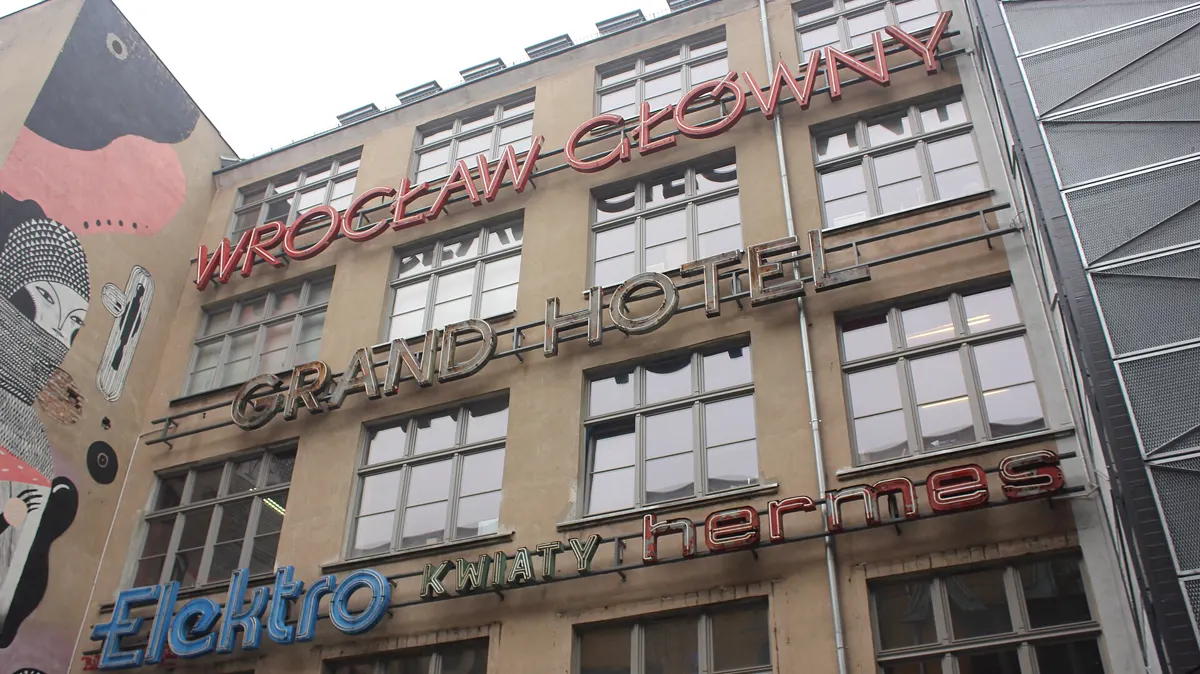
Neon Side Gallery (Galeria Neon Side)
A free open-air gallery in a Wrocław courtyard, filled with around 30 restored vintage neon signs that once lit shops and bars across socialist-era Poland. They glow after dark, so evening is the time to come.
Featured in
More to explore in Wrocław

Restaurant
Jadka
An elegant fine-dining room under gothic vaults just off the Rynek, a special-occasion staple.
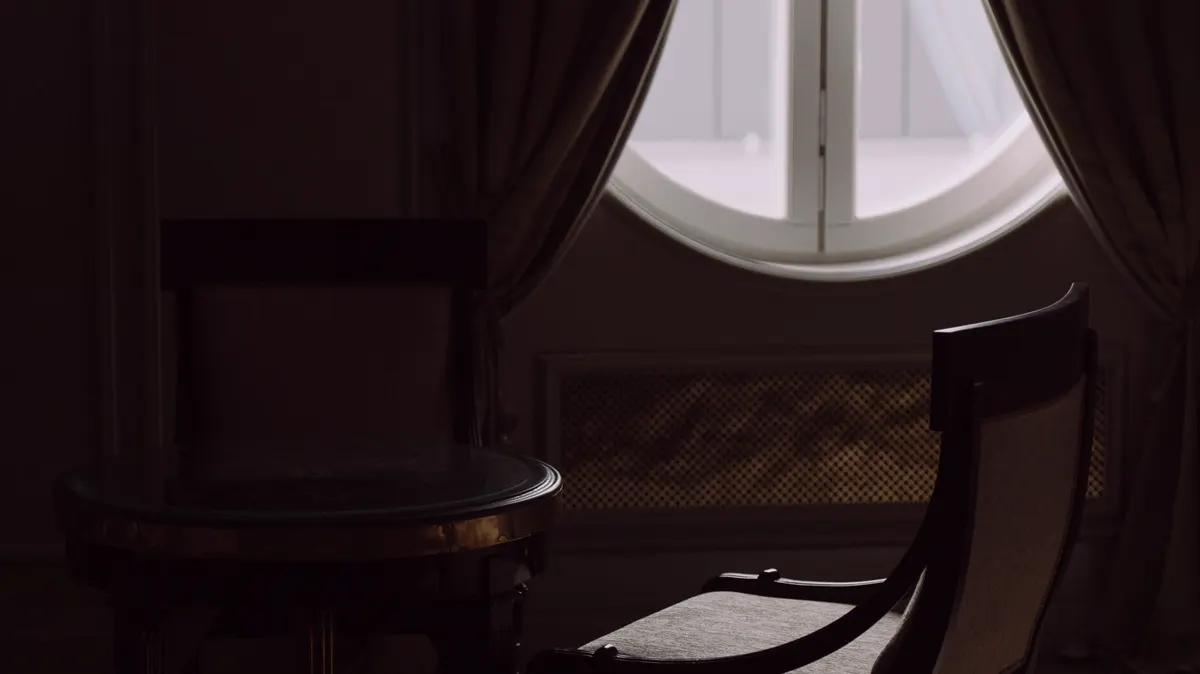
Hotel
Hotel Monopol
A grand Art Nouveau hotel by the opera with a rooftop terrace over the old town and a spa pool.

Restaurant
Konspira
A themed restaurant on Solny Square recalling the Solidarity underground, with solid Polish home cooking.

Restaurant
Kurna Chata
A rustic timber room near the Market Square doing filling regional dishes.
Restaurant
Restauracja Pod Fredra
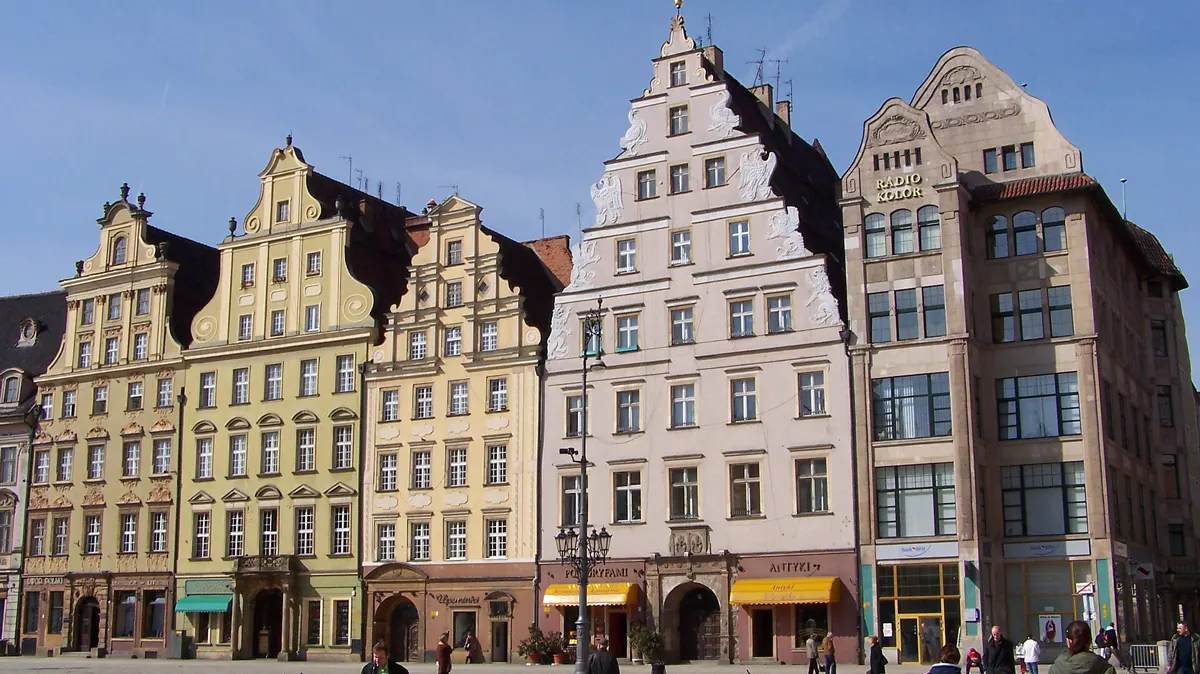
An elegant restaurant on the Rynek serving contemporary Polish and international dishes with square views. Good for a special occasion.
Hotel
The Bridge Wroclaw MGallery
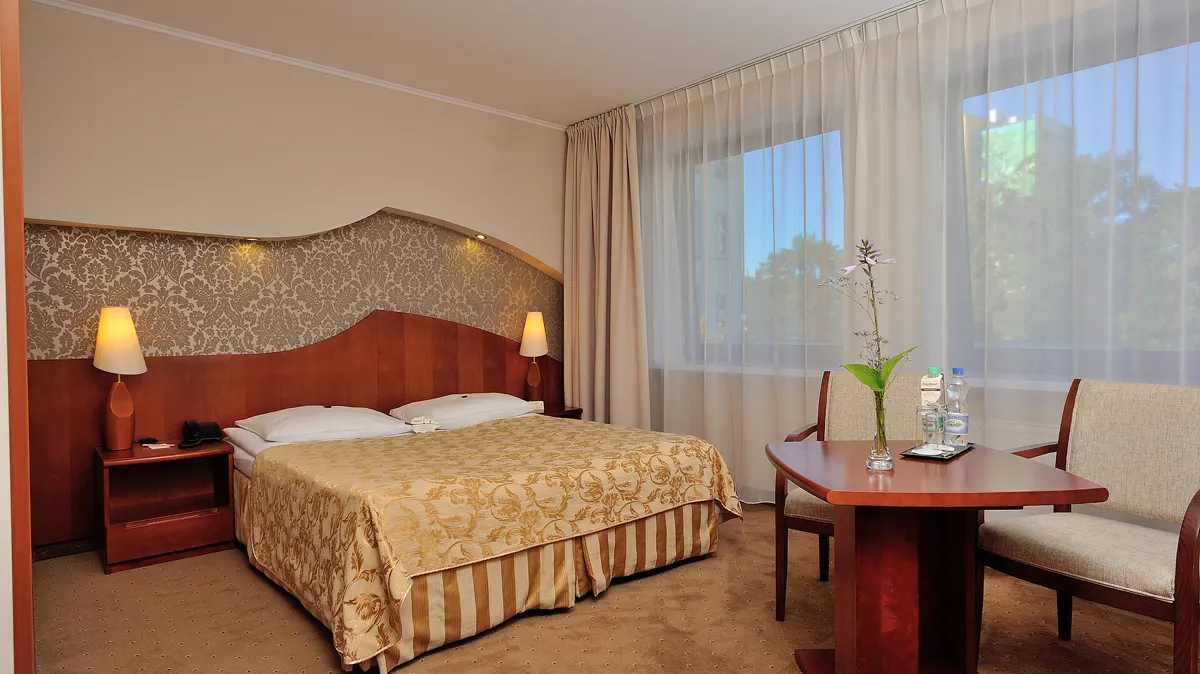
A design-led five-star hotel on Ostrow Tumski overlooking the Oder and the cathedral, with a spa and river-view rooms. One of the most atmospheric high-end bases in the city.