Attraction in Lublin
Brama Grodzka
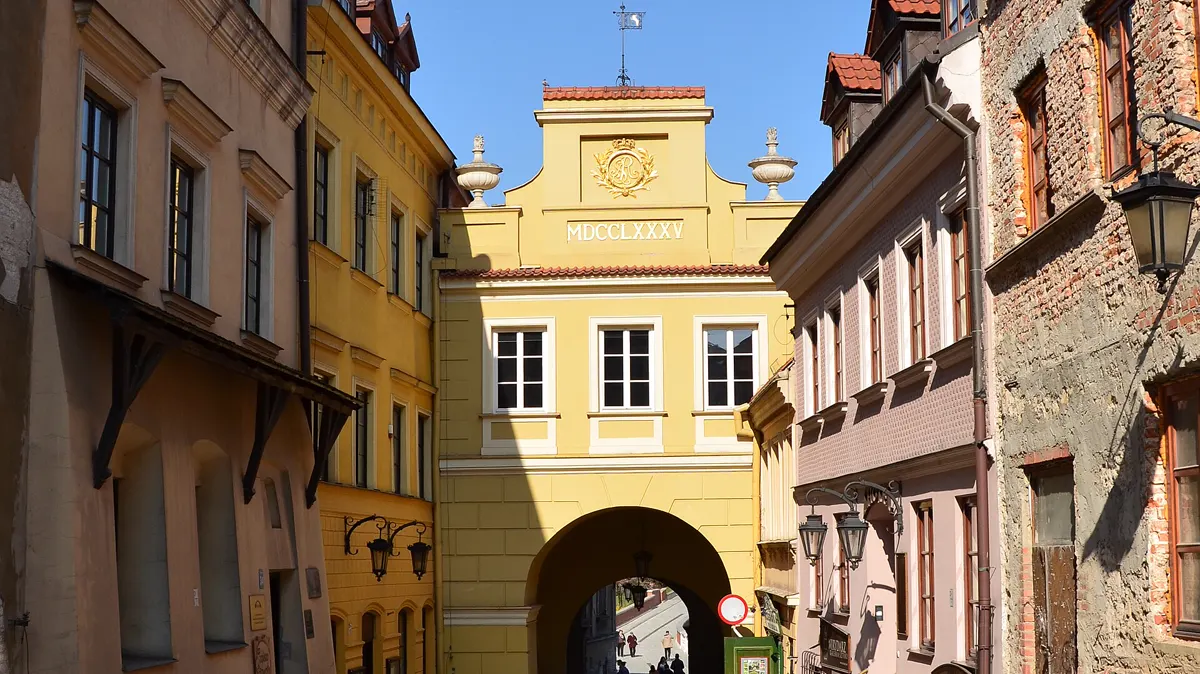
Also called the Jewish Gate, the Grodzka Gate once linked the Christian and Jewish quarters and today hosts the Grodzka Gate - NN Theatre centre commemorating Lublin's lost Jewish community.
Reviewed and updated July 2026
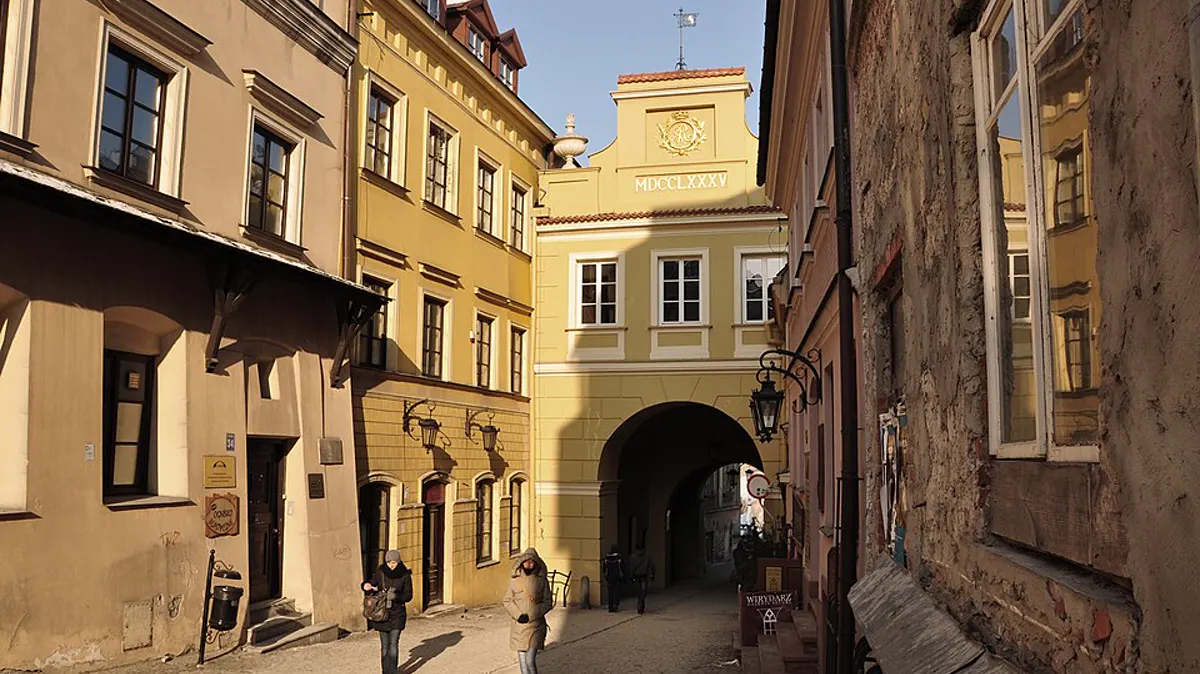
The Grodzka Gate stands at the eastern edge of Lublin's Old Town, on the line that once separated the Christian city from the Jewish quarter below it. For that reason it has long been known as the Jewish Gate. It was one of the first stone parts of the town walls, built in 1342 under Casimir the Great, and it was reshaped in a lighter Classicist form late in the 18th century. Today it houses a cultural centre that keeps the memory of Lublin's lost Jewish community.
Why visit the Grodzka Gate
The gate is both a monument and a working archive. Walk through it and you cross from the surviving Old Town into the empty ground where the Jewish district stood until the Second World War. The centre inside, the Grodzka Gate NN Theatre, has gathered thousands of hours of recorded memories, photographs and documents about the people who lived here. It is the best single place in the city to understand what was lost and why the streets below the gate are now roads and open space.
History of the gate
The gate went up in 1342 as part of the fortifications ordered by Casimir the Great. It marked the passage between the walled Christian town and the Jewish quarter that grew up around the castle hill. At the end of the 18th century it was rebuilt in its present form. In the interwar years the district below it was one of the most important Jewish centres in Poland. During the German occupation the community was destroyed and much of the quarter was later flattened, leaving the gate as a threshold onto absence.
Inside the Grodzka Gate
The centre runs exhibitions inside the gate and the adjoining rooms, built around its archive of testimony and old photographs of the vanished streets. It also organises walks, readings and the annual commemorations tied to the district's history. Check the centre's own channels for current opening times and programme before you go, as these change with the season and with events.
Finding the gate
The gate sits within the Old Town, a short flat walk from the market square and the Trybunal. From the Krakow Gate at the other end of the Old Town it is a few minutes on foot through the lanes. For orientation and transport across the city, see the Lublin guide.
Nearby in Lublin
The gate opens onto the older, quieter parts of the centre:
- The Old Town, with the market square and painted facades just above the gate.
- Lublin Castle, across the dip where the Jewish quarter once stood.
- The Krakow Gate, at the far, western end of the Old Town.
Good to know
This is a place of remembrance as much as a viewpoint. Opening hours and exhibitions vary, so confirm times with the centre before visiting.
Common questions
Why is it called the Jewish Gate?
Because it was the passage between the Christian Old Town above and the Jewish quarter below. The two districts met at this point, and the gate became the everyday link between them.
What is the NN Theatre?
It is the cultural centre based in the gate. It grew out of a theatre group formed in 1990 and now works mainly as an archive and memory project for Lublin's Jewish history, running exhibitions, walks and recordings.
Frequently asked questions
More attractions in Lublin
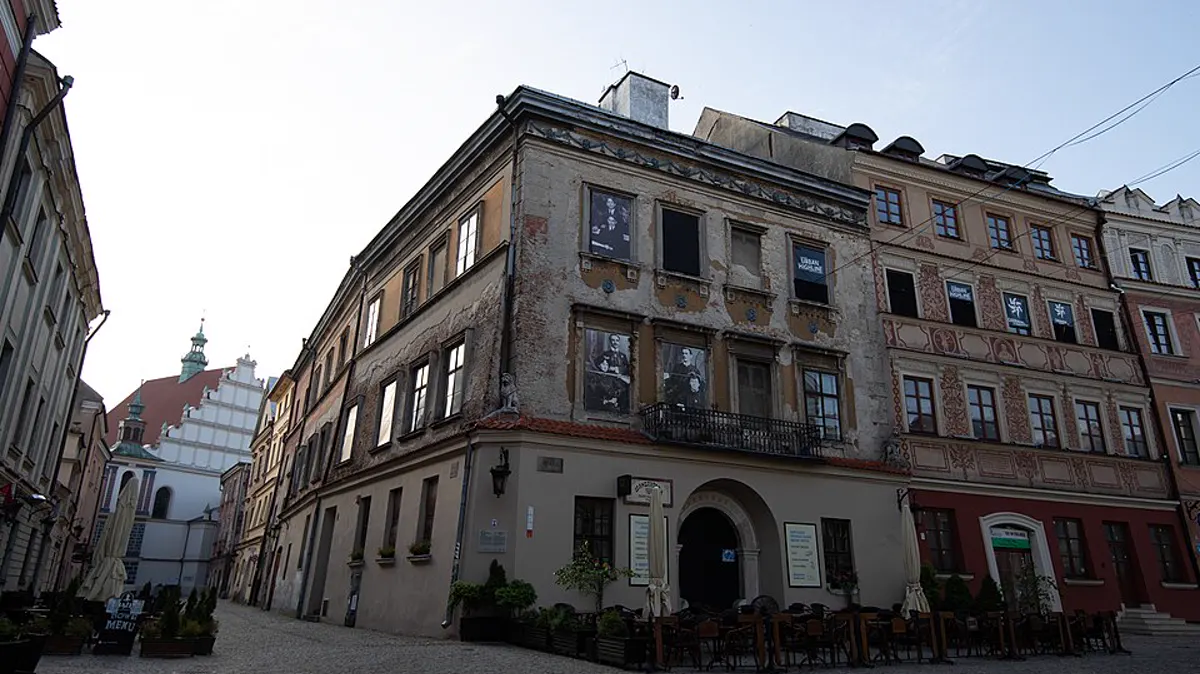
Stare Miasto (Lublin)
Lublin's medieval Old Town winds through narrow lanes and hidden courtyards, with painted Renaissance facades and Rynek square framing the old Trybunal (Crown Tribunal) at its centre.
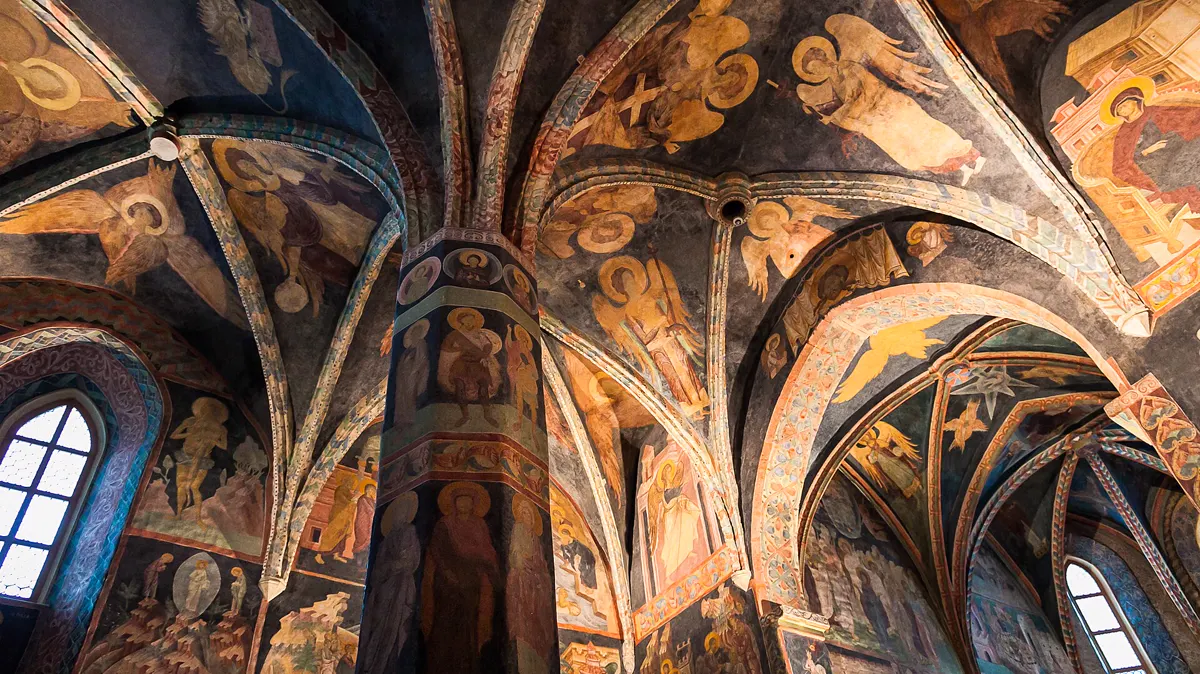
Kaplica Trojcy Swietej
Inside the castle, the Holy Trinity Chapel is covered floor to ceiling with rare Ruthenian-Byzantine frescoes from 1418: Eastern painting under a Western Gothic vault.
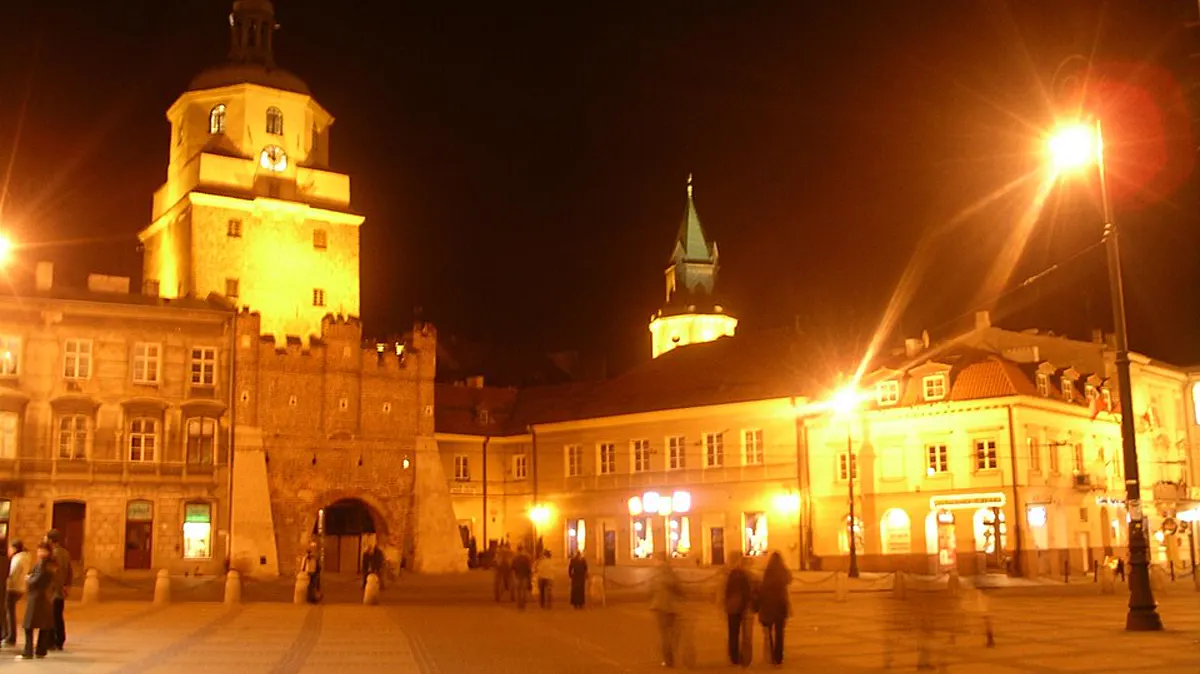
Brama Krakowska
The 14th-century Krakow Gate is Lublin's best-known landmark, a brick tower that guarded the road to Krakow and now houses a small history museum.
Katedra sw. Jana Chrzciciela
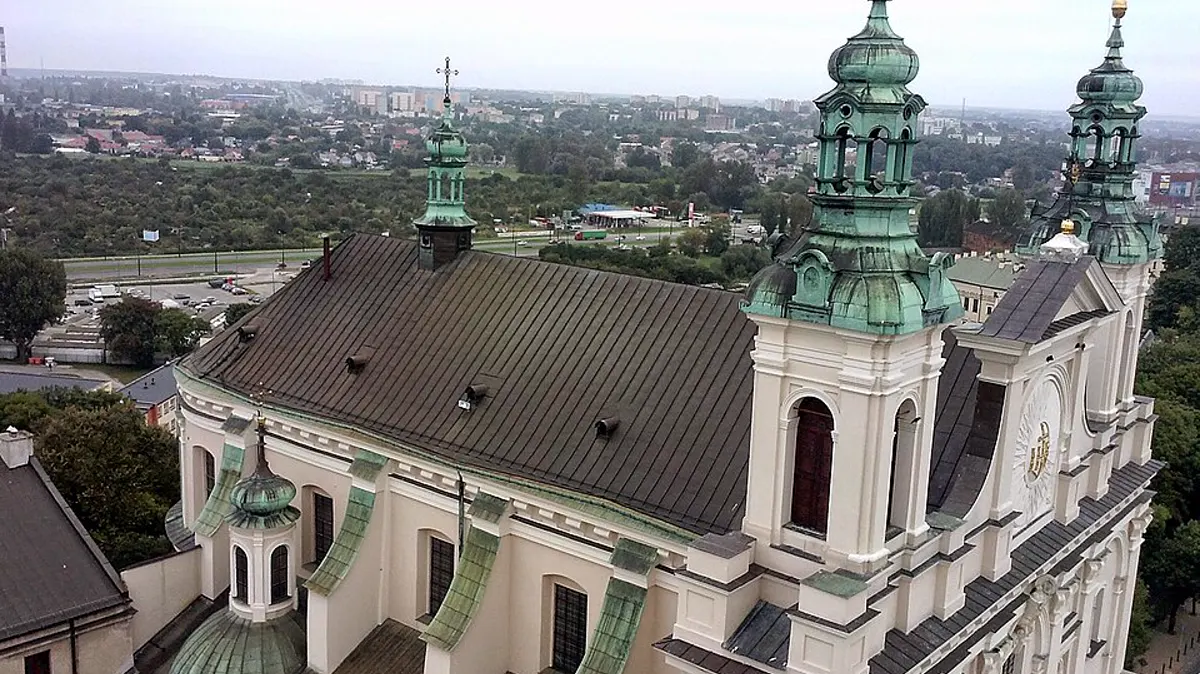
The former Jesuit church is Lublin's cathedral, famous for its Baroque trompe-l'oeil frescoes by Josef Mayer and an acoustic Whispering Sacristy.
Grodzka Gate, NN Theatre Centre
A municipal cultural institution inside Lublin's 14th-century Grodzka Gate, dedicated to preserving the memory of the city's vanished Jewish community through exhibitions and one of Poland's largest oral-history archives.
Krakowskie Przedmiescie (Lublin)
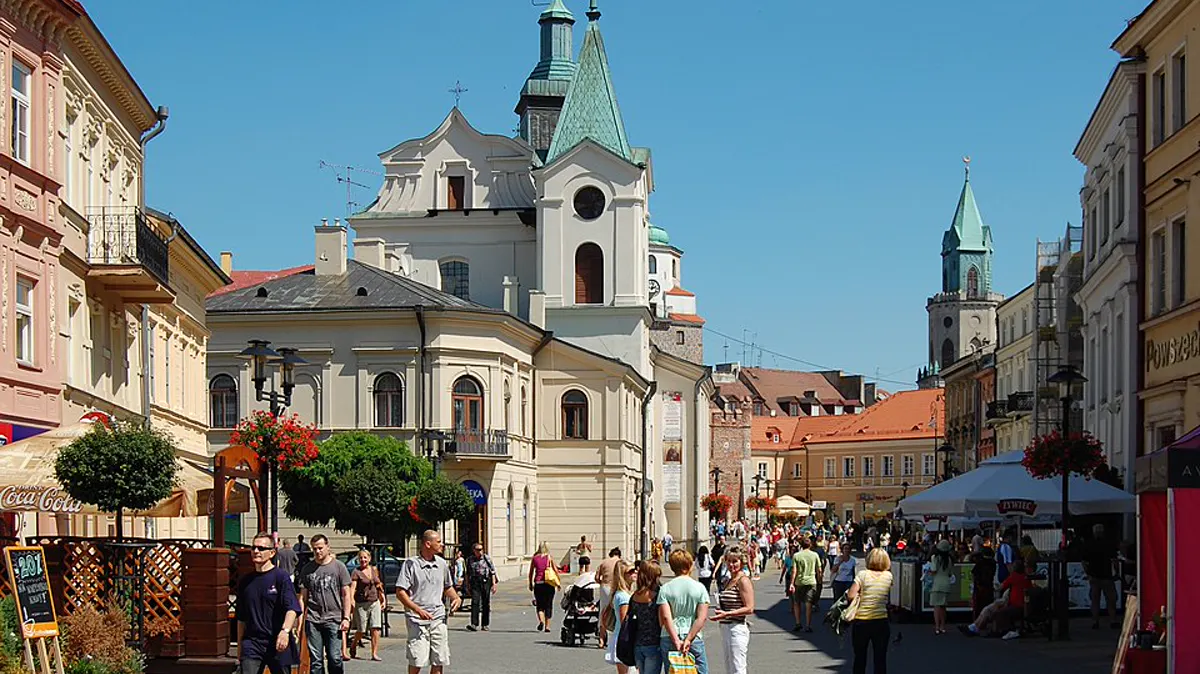
Lublin's main pedestrian promenade runs from the Krakow Gate past cafes, townhouses and the New Town Hall, forming the lively spine of the city centre.
More to explore in Lublin
Restaurant
Mandragora
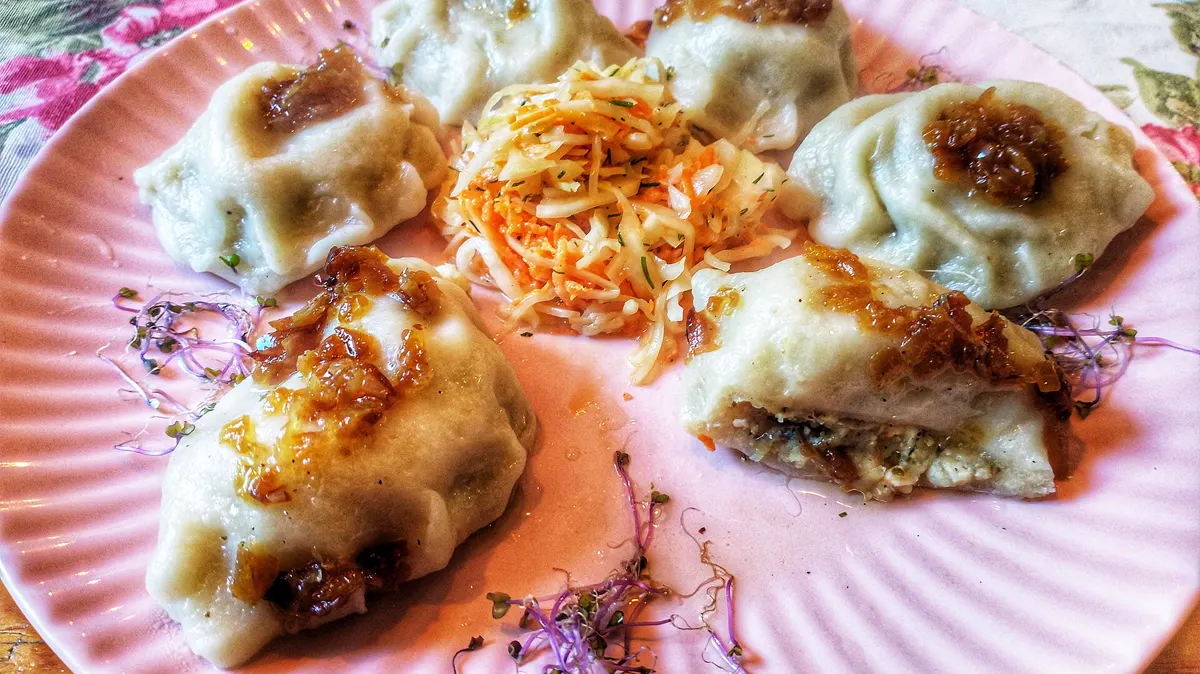
A candlelit restaurant on the Old Town market recreating Lublin's pre-war Jewish and Polish cooking.
Hotel
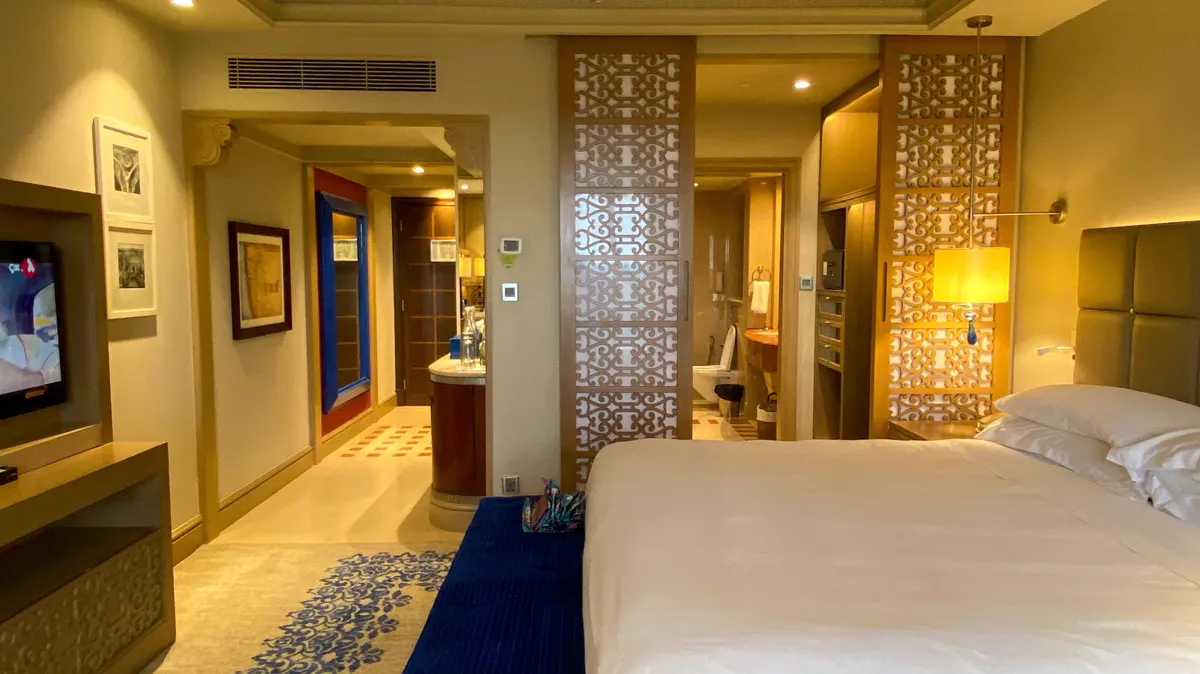
Grand Hotel Lublinianka
A restored early-20th-century hotel on the main promenade with a spa in its cellars.
Castle
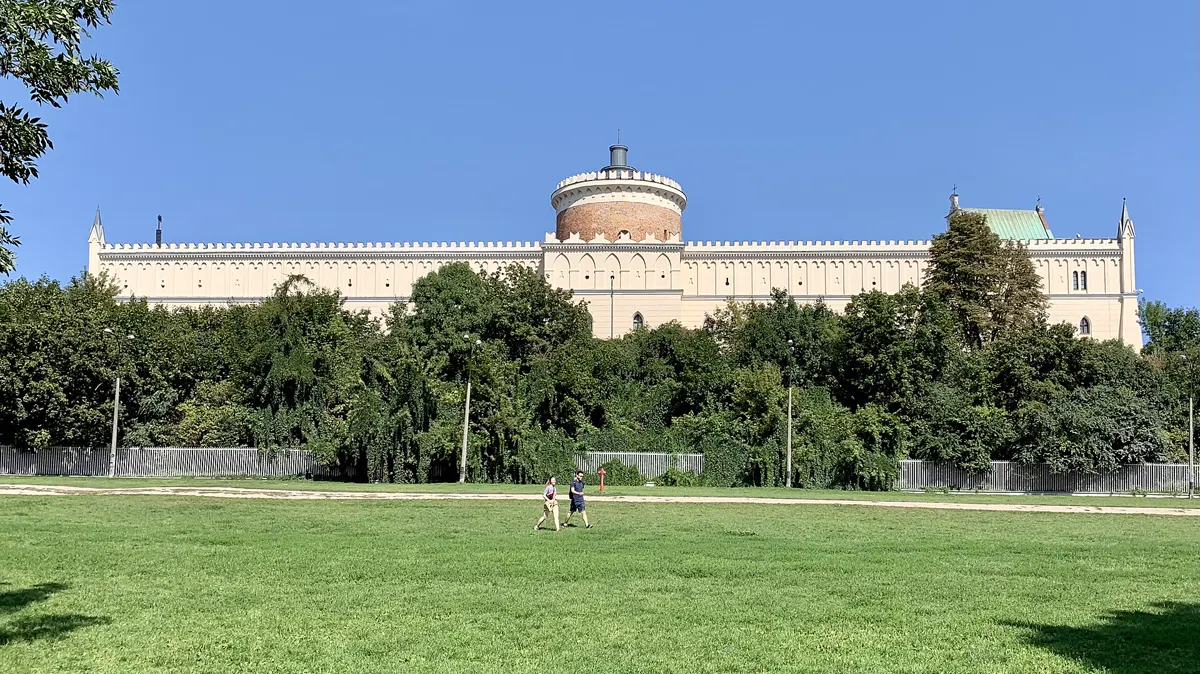
Lublin Castle
A hilltop castle whose Gothic chapel holds a rare cycle of Byzantine-style frescoes from 1418, the finest sight in the city.
Restaurant
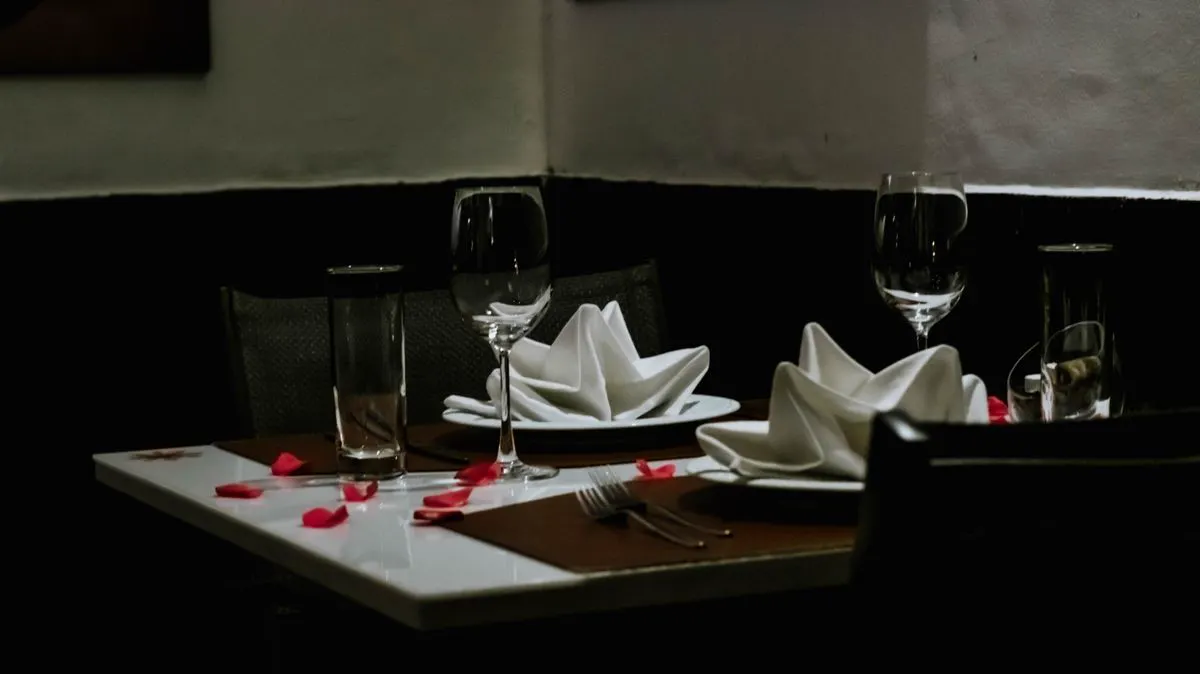
Hades Szeroka
A friendly, good-value spot for Polish plates near the castle.
Nature
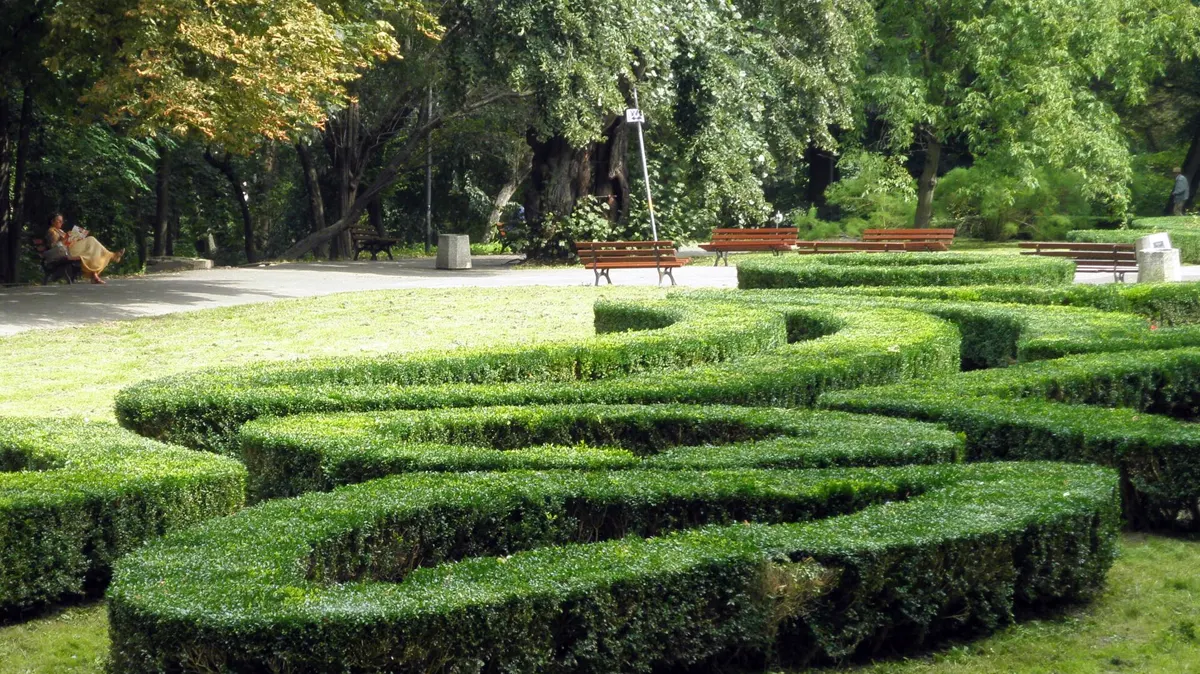
Saxon Garden
Lublin's elegant 19th-century park, a shaded promenade of old trees and fountains.
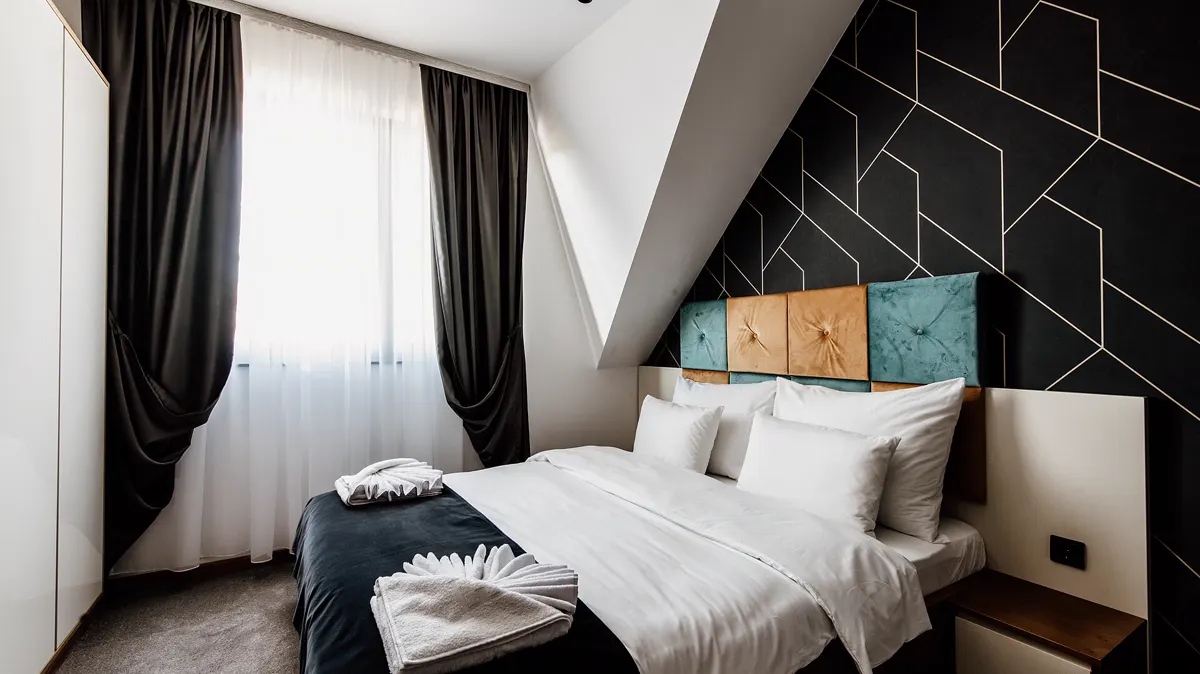
Hotel
Focus Hotel Lublin
A straightforward modern chain hotel with parking, useful for drivers and those on a budget who do not need the Old Town on their doorstep. Clean, quiet rooms at a fair rate.