Attraction in Kraków
Barbakan
A circular Gothic fortified outpost from around 1499, one of the few surviving barbicans in Europe. It guarded the northern gate of the city and was once linked to the walls by a covered passage.
Reviewed and updated July 2026
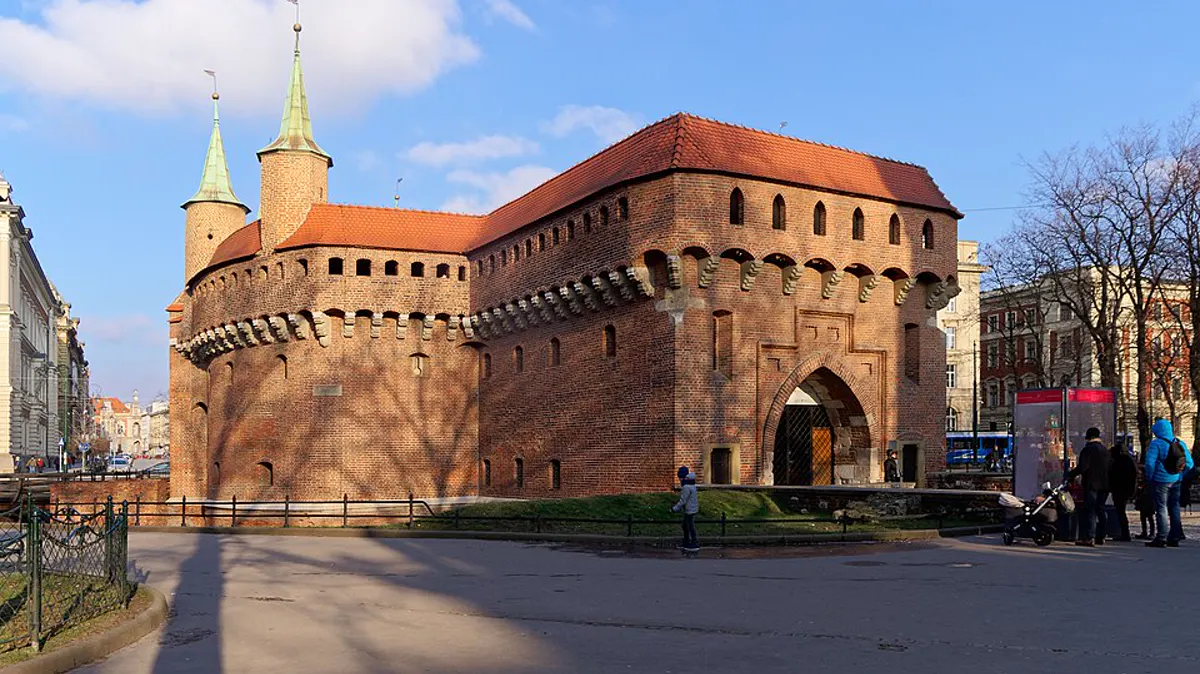
The Barbakan is a round Gothic fortress that once guarded the northern approach to Krakow. It was built around 1498 to 1499 and is one of the few barbicans left in Europe, and the best preserved of them. A brick drum of walls and turrets set behind its own moat, it protected the Florian Gate and was linked to the city walls by a covered passage. Today it stands on its own patch of the Planty, open to walk into in season.
Why visit the Barbakan
This is the most complete piece of Krakow's medieval defences still standing. Most of the walls were pulled down in the 19th century and replaced by the Planty gardens, so the Barbican and the neighbouring gate are rare survivors. It is quick to see, sits right at the top of the Royal Route, and works well as a first or last stop on a walk into the Old Town.
What to see at the fort
The building is a cylinder of brick with an inner courtyard and a ring of turrets, and the thick walls are pierced with slots for archers and early firearms. Inside there are seasonal exhibitions and, in summer, costumed displays of medieval crafts and fighting. From here you look straight through the Florian Gate and down Ulica Florianska toward the Main Market Square, which is how kings once entered the city.
The 1499 Gothic outpost
The Barbican was raised around the turn of the 16th century to strengthen the city's northern defences at a time of military threat from the south and east. Its rounded form let defenders cover every angle of the approach, and a covered passage once carried across the moat to join it to the main walls. When those walls came down in the 1820s, the Barbican and the Florian Gate were kept. It now belongs to the Museum of Krakow.
How long to spend
Fifteen to twenty minutes inside is enough, and you can see the outside for free in a couple of minutes as you pass. Combine it with the Florian Gate and a walk down Florianska.
Best time to visit
The Barbican is usually open to go inside only in the warmer months, so it suits a spring-to-autumn visit; check the Museum of Krakow's website for current dates and hours. The outside is there to see all year. Mornings are calmer than afternoons, when tour groups gather at the gate.
Getting to the Barbakan
The Barbican sits on the northern edge of the Old Town, just outside the Florian Gate on the line of the Planty. From Krakow Glowny, the main station, it is about a five-minute walk. From the Main Market Square, walk north up Florianska and you reach it in a few minutes. See the Krakow guide for wider transport.
Accessibility
The ground around the Barbican is flat and easy to reach, but the interior is a historic fortress with uneven surfaces and steps, so access inside is limited. Check with the Museum of Krakow if this matters for your visit.
Nearby along the old walls
The Barbican sits at the head of the Old Town, so the main sights are a short walk south:
- Ulica Florianska, the Royal Route street running from the gate to the square.
- Main Market Square, about five minutes on foot.
- The Planty, the green ring that now circles the Old Town where the walls once stood.
Good to know
You can see and photograph the Barbican from the Planty for free at any time. Going inside is seasonal and ticketed through the Museum of Krakow, and a combined ticket often covers the Barbican and the Florian Gate wall walk. Check the museum website for current dates.
Common questions
What is a barbican?
A barbican is a fortified outpost built in front of a city gate to add a layer of defence. Krakow's guarded the northern gate and was joined to the walls by a covered passage across the moat.
Can you go inside the Barbican?
Yes, in season. It opens to visitors as part of the Museum of Krakow, mainly in the warmer months. Outside those dates you can still see it from the surrounding gardens.
Frequently asked questions
More attractions in Kraków
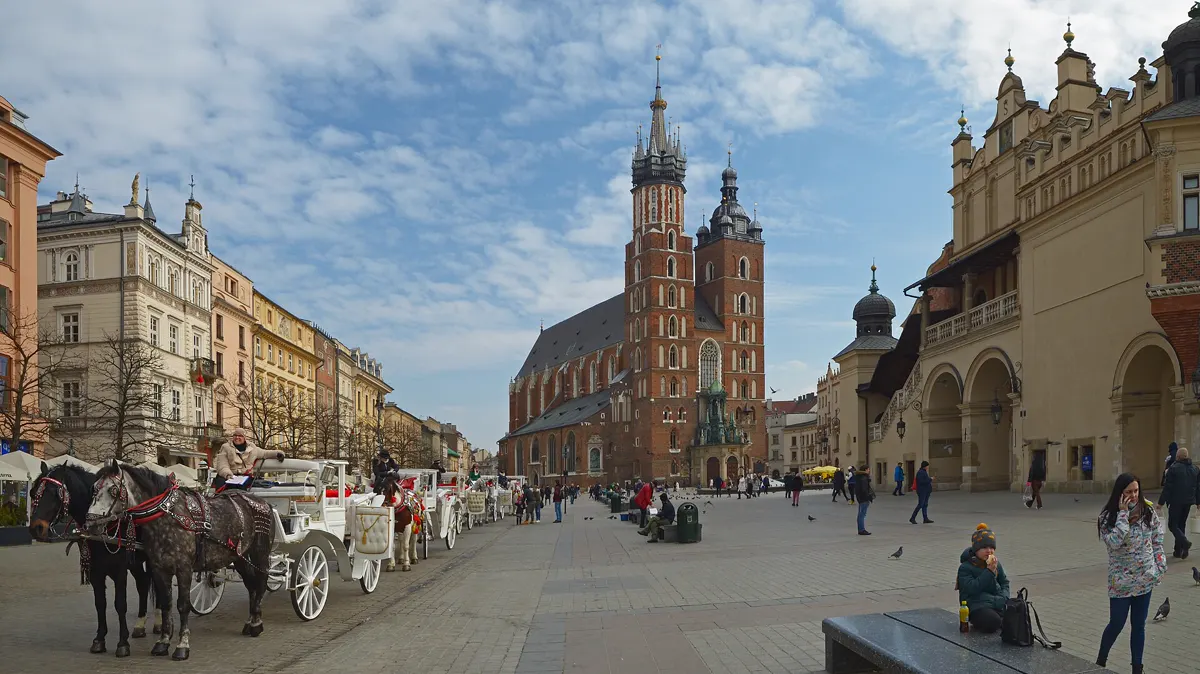
Main Market Square
Europe's largest medieval market square, the social centre of Krakow, with the Cloth Hall running down its middle.
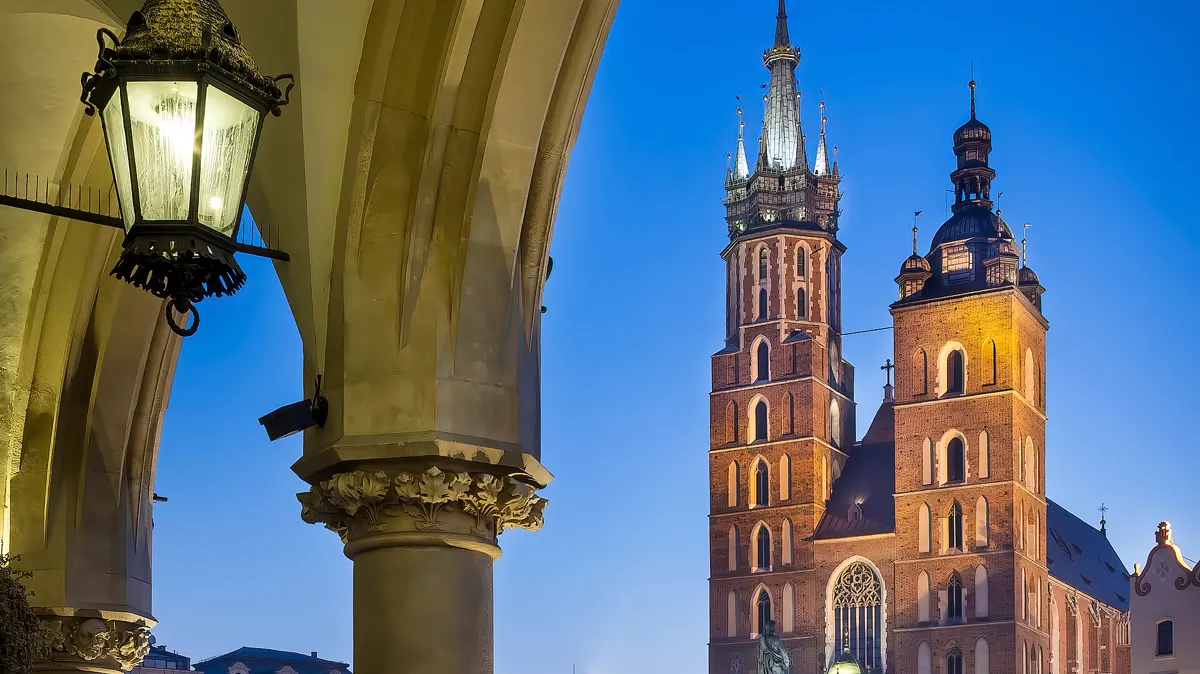
St Mary's Basilica
The brick Gothic church on the main square, famous for its mismatched towers and a carved wooden altarpiece by Veit Stoss.
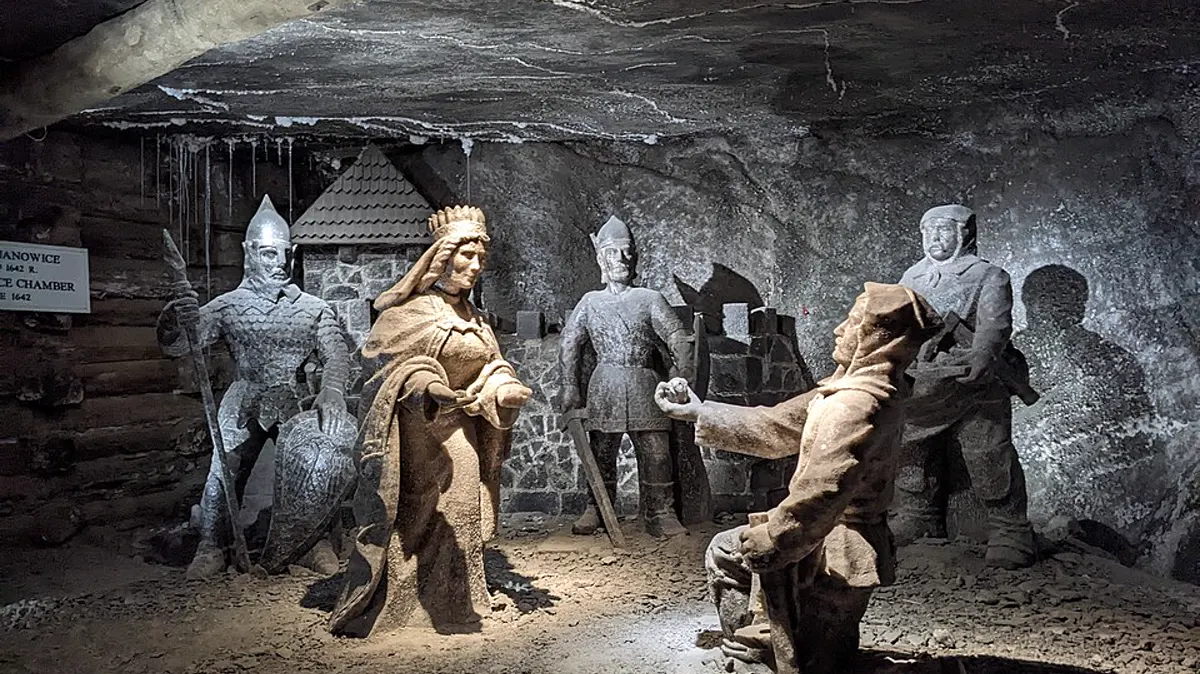
Wieliczka Salt Mine
A UNESCO-listed salt mine worked for seven centuries, with underground chapels, lakes and chambers carved entirely from rock salt.
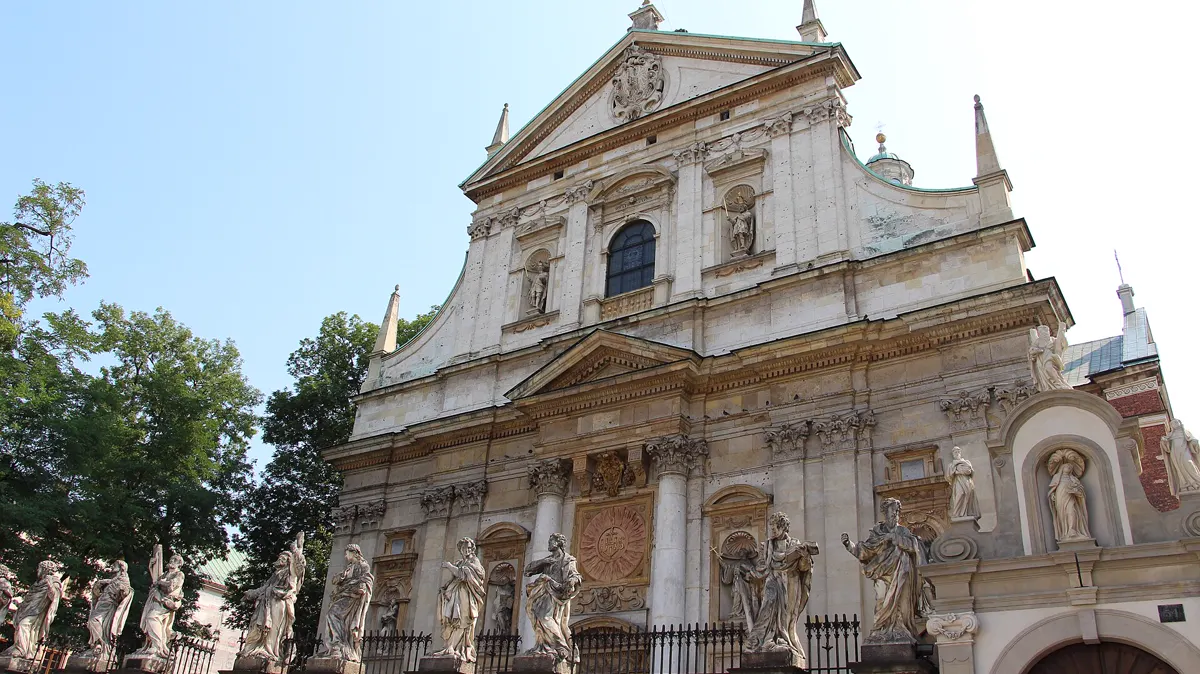
Church of Saints Peter and Paul
Kraków's first fully Baroque church, on Grodzka Street, known for its apostle statues, a national crypt and the longest Foucault pendulum in Poland.
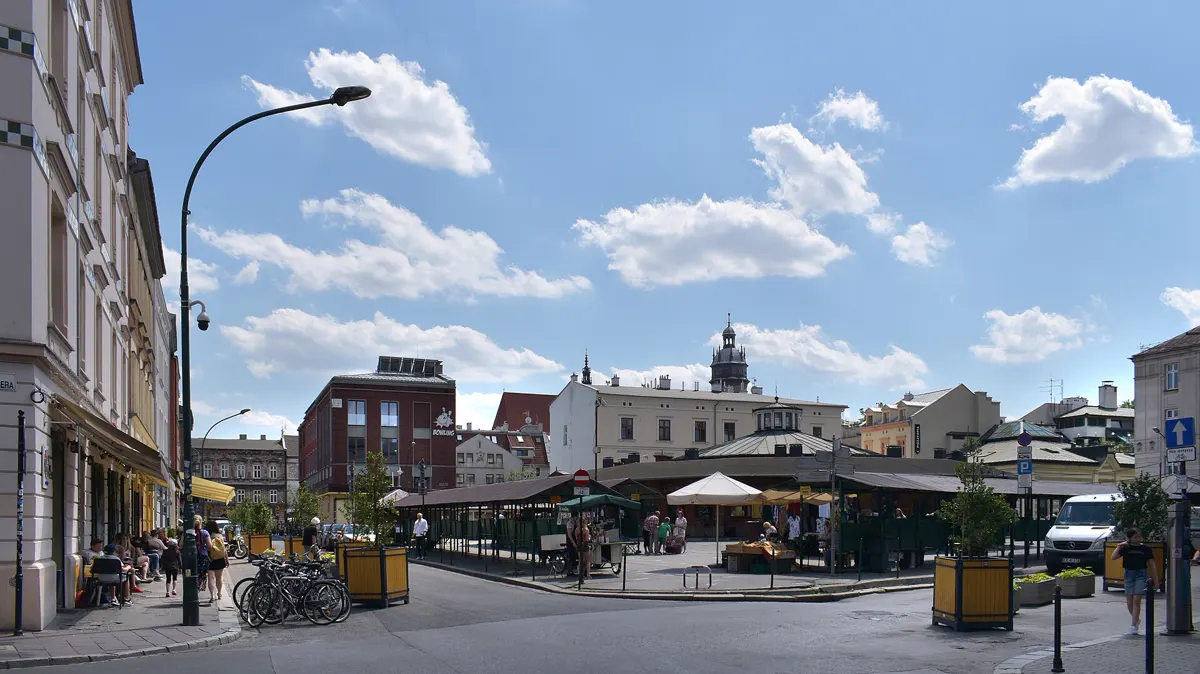
Kazimierz
The historic Jewish quarter, once a separate town, now a district of atmospheric squares, old synagogues and cemeteries. Its cafes, galleries and Friday-to-Sunday food markets on plac Nowy have made it Krakow's most creative nightlife hub.
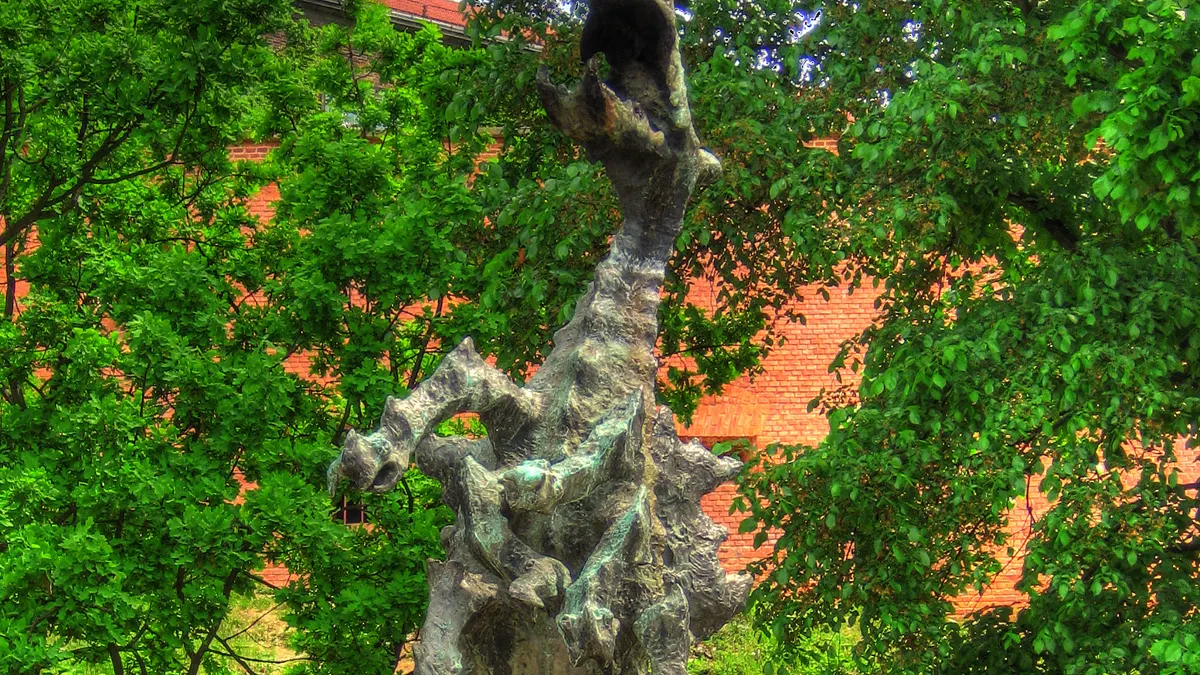
Wawel Dragon Statue and Dragon's Den
A 6-metre bronze dragon at the foot of Wawel Hill that breathes real fire, standing beside the entrance to the Dragon's Den, a limestone cave beneath the castle.
More to explore in Kraków
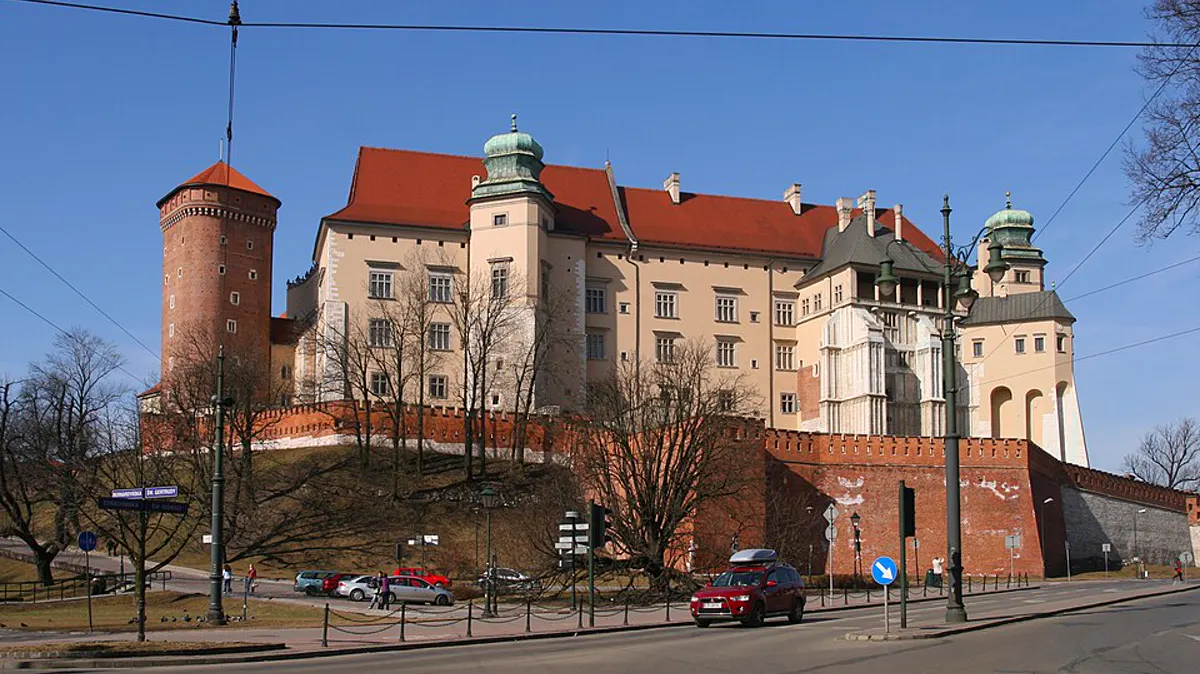
Castle
Wawel Castle
The royal castle and cathedral on the hill above the Vistula, the symbolic heart of the Polish nation for a thousand years.
Restaurant
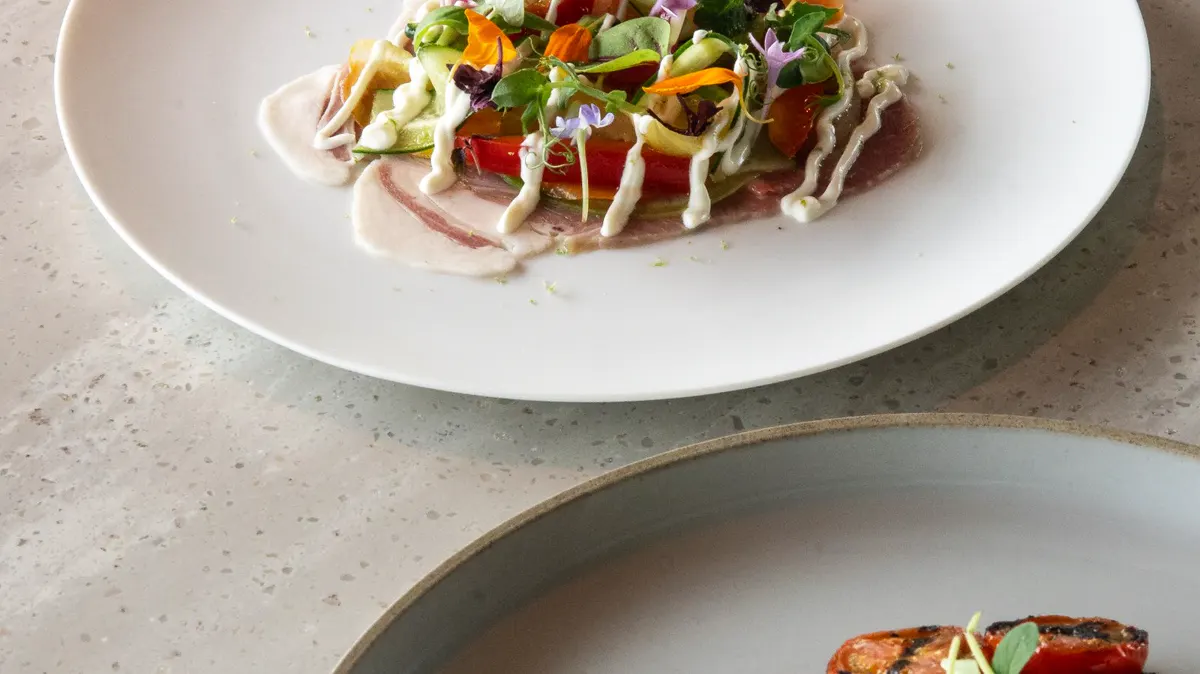
Bottiglieria 1881
Krakow's Michelin-starred tasting-menu room, a modern Polish kitchen paired with a deep wine cellar.
Hotel
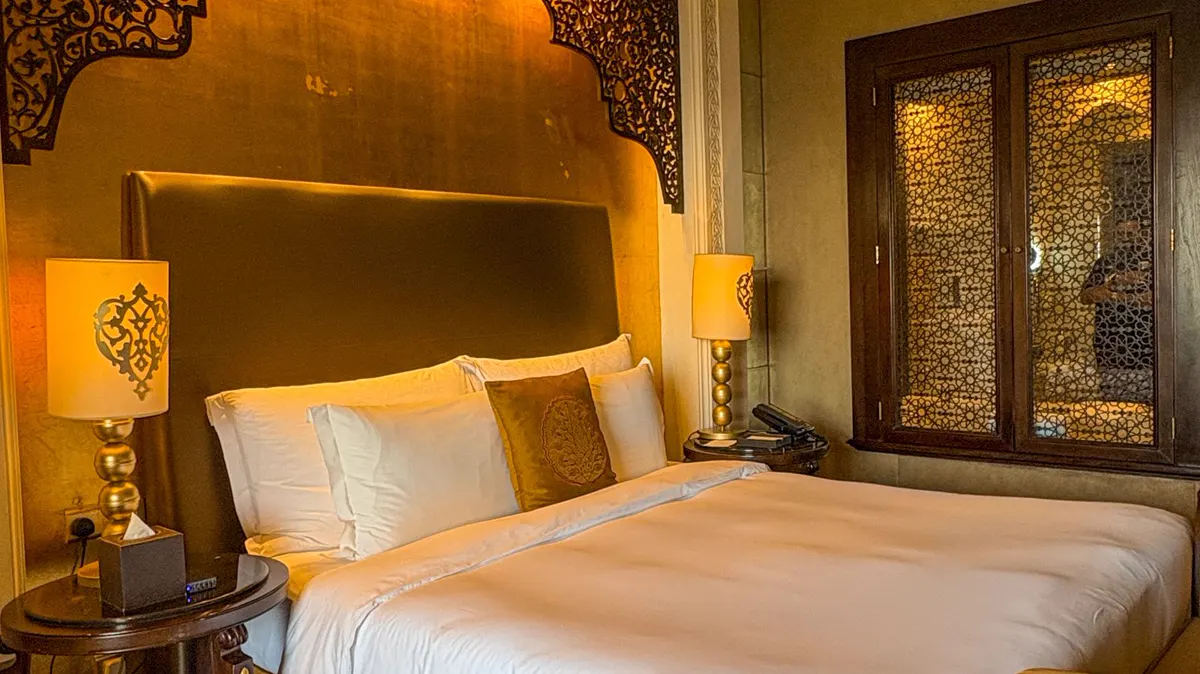
Hotel Copernicus
A Relais & Châteaux townhouse on the oldest street in the city, with a rooftop terrace facing Wawel.
Museum
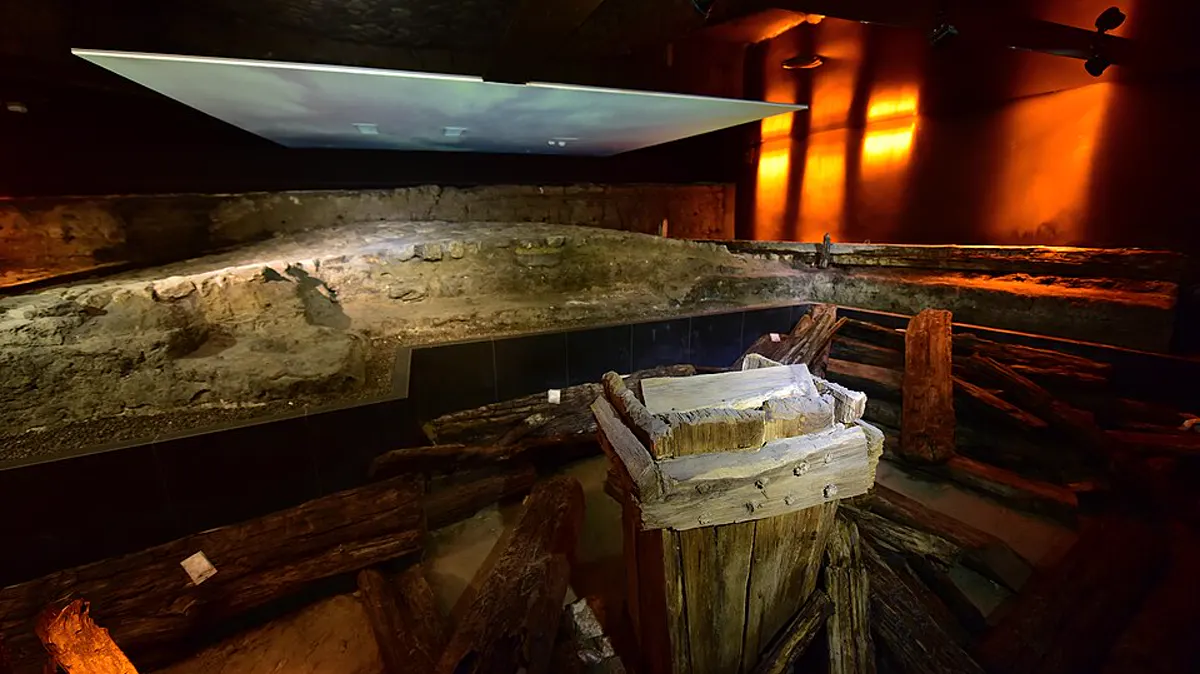
Rynek Underground
An atmospheric archaeology museum beneath the Main Square, walking you through the medieval market on its original cobbles.
Hotel
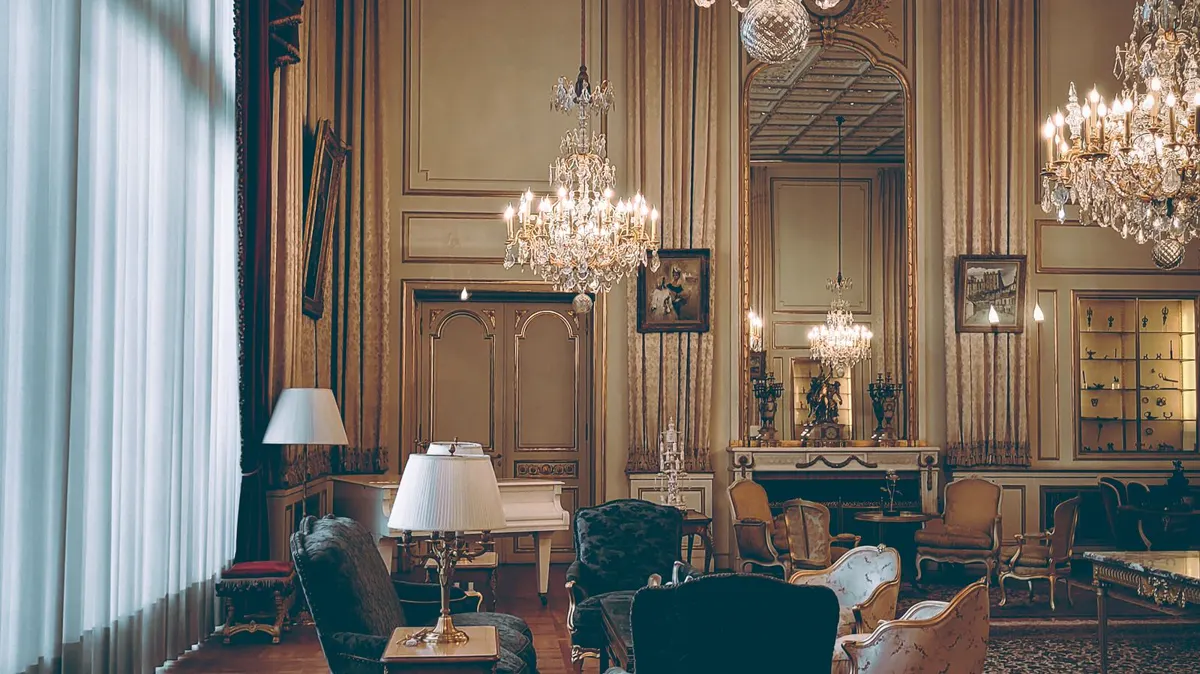
Ibis Krakow Stare Miasto
A reliable budget base a short walk north of the Old Town by the main railway station.
Restaurant
Alchemia
The candle-and-timber institution of Kazimierz's Plac Nowy, part bar, part live-music warren.