Attraction in Zakopane
Giewont
The 1,894 metre mountain overlooking Zakopane, crowned by a 15 metre iron cross erected in 1901. Its silhouette is said to resemble a sleeping knight and is the symbol of the town.
Reviewed and updated July 2026
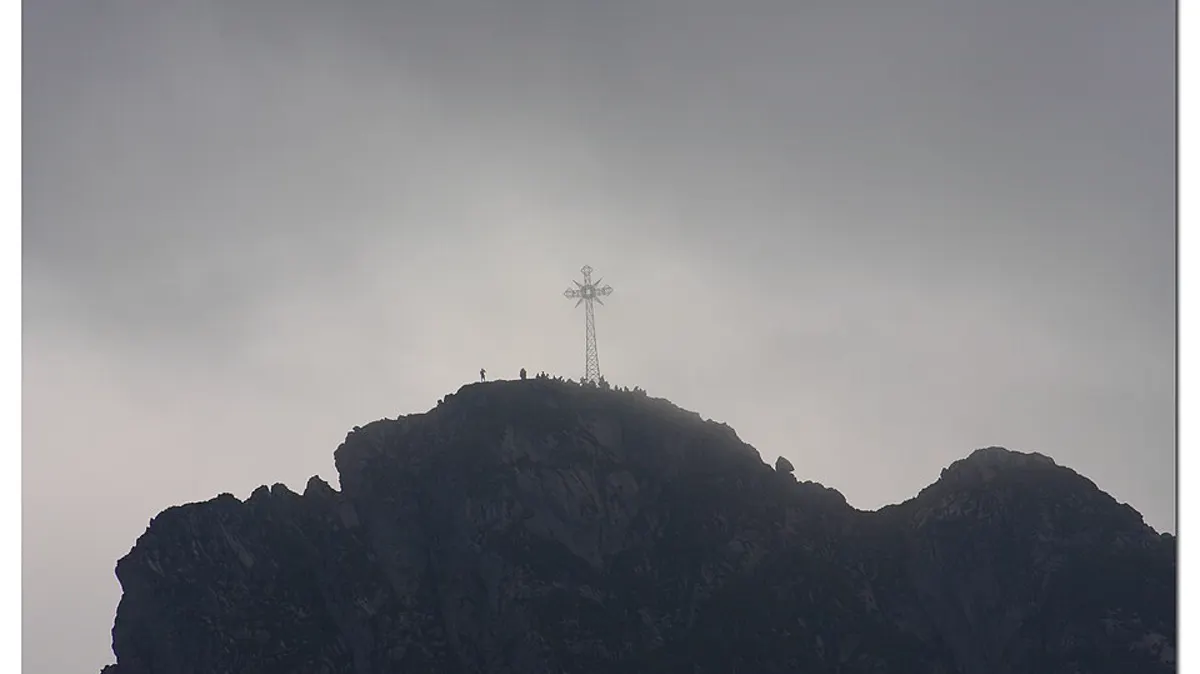
Giewont is the mountain that stands over Zakopane. Its main summit, Wielki Giewont, reaches 1,894 metres, and its long ridge is the first thing most visitors notice from the town. A 17.5 metre iron cross was raised on the top in 1901, and the whole outline is read locally as a knight lying on his back. For Zakopane and the Podhale region it is the defining symbol.
Why climb Giewont
You do not have to climb Giewont to appreciate it. The ridge is the backdrop to Krupowki and to half the views in town, and it is worth an unhurried look on a clear morning. For walkers it is also one of the classic Tatra summits, a demanding day out that ends at the cross with a wide view over the valleys. See the Zakopane guide for how the peak fits into a trip.
The summit and the cross
The iron cross on the top is 17.5 metres tall and was put up in 1901. It has been a place of pilgrimage ever since and is lit up in photographs from town at dusk. The final stretch to the summit runs along exposed rock fitted with chains, and in poor weather it is no place to be. On a settled day the reward is a full sweep of the Western Tatras and, to the north, the Podhale foothills.
The Sleeping Knight
Seen from Zakopane, the ridge is said to trace the shape of a knight lying with his hands on his chest. Local legend ties the outline to a sleeping army waiting under the mountain. The story is part of why Giewont appears on so much of the town's imagery, from postcards to shop signs.
The hike to the summit
Giewont is a full mountain hike, not a stroll. The usual routes start from Kuznice, often by way of Hala Kondratowa, or from the Strazyska Valley on the town side. Expect several hours of steady climbing, a good level of fitness, and proper footwear. The last section to the cross is steep and chained, and it can bottleneck when the trail is busy. Check the Tatra National Park trail status and the forecast before you set out.
Good to know
Giewont draws lightning in summer storms, which build fast in the afternoon. Start early, turn back if the weather changes, and keep off the chained summit section in any sign of a storm. The cross is metal and the ridge is exposed.
Best season for the climb
For the hike, late spring to early autumn is the practical window, with the most settled weather usually in the mornings. Summer afternoons bring storms. In winter the summit is a serious mountaineering objective and not a casual walk. For the view from town, any clear day works, and the light is best early or as the sun drops behind the ridge.
Getting to the trailhead
The trailheads sit at the southern edge of Zakopane. Kuznice, the busiest starting point, is a short bus or taxi ride from the centre and is also the base station for the Kasprowy Wierch cable car. The Strazyska Valley entrance is within walking distance of town. There is no road or lift to the summit itself.
Around Zakopane and the Tatras
Giewont anchors the mountains directly south of town, with several other sights close by:
- Kasprowy Wierch, reached by cable car from the same Kuznice base.
- Gubalowka, the ridge on the opposite side of town with the best face-on view of Giewont.
- Krupowki, the main street, for food and the walk up.
Common questions about Giewont
How high is Giewont?
The main summit, Wielki Giewont, is 1,894 metres above sea level. The iron cross on the top adds another 17.5 metres.
Can beginners climb it?
It is within reach of a fit walker in good weather, but it is a long, steep hike with a chained, exposed summit section. It is not suitable in storms or winter conditions without proper experience and gear.
Why is it called the Sleeping Knight?
From Zakopane the ridge looks like a figure lying on its back, and local legend links it to a knight, or an army, asleep beneath the mountain.
Frequently asked questions
More attractions in Zakopane
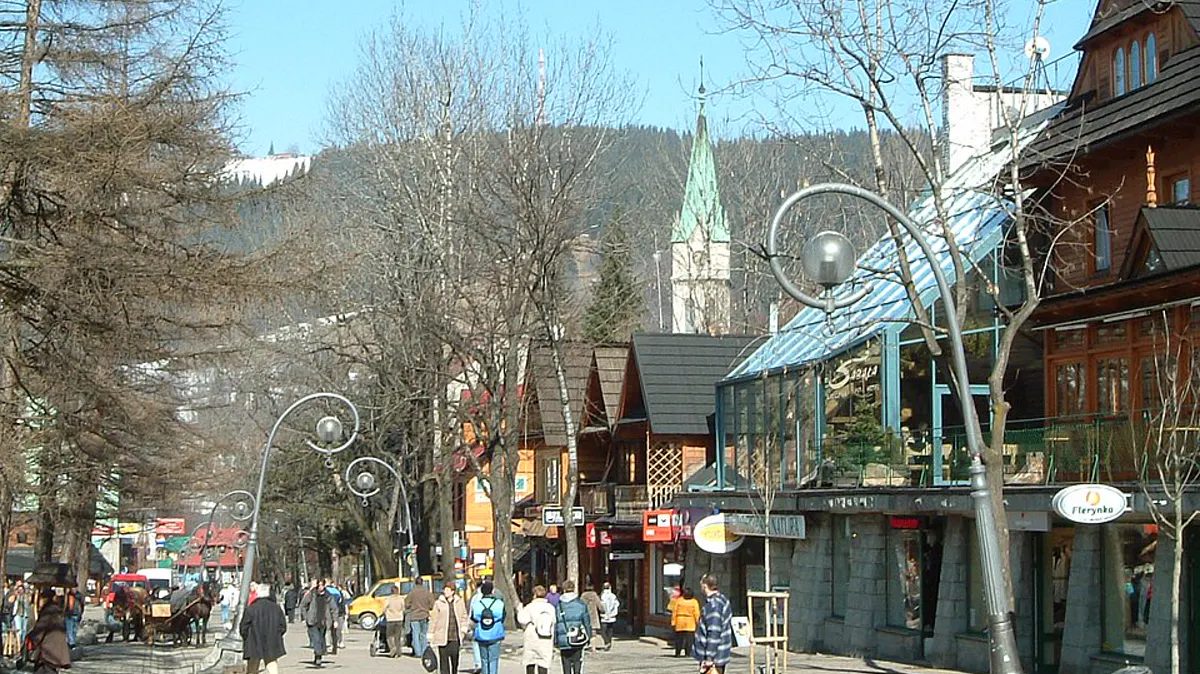
Krupowki
The main pedestrian street of Zakopane, lined with restaurants, highland-cheese stalls, shops and the buzz of the mountain resort.
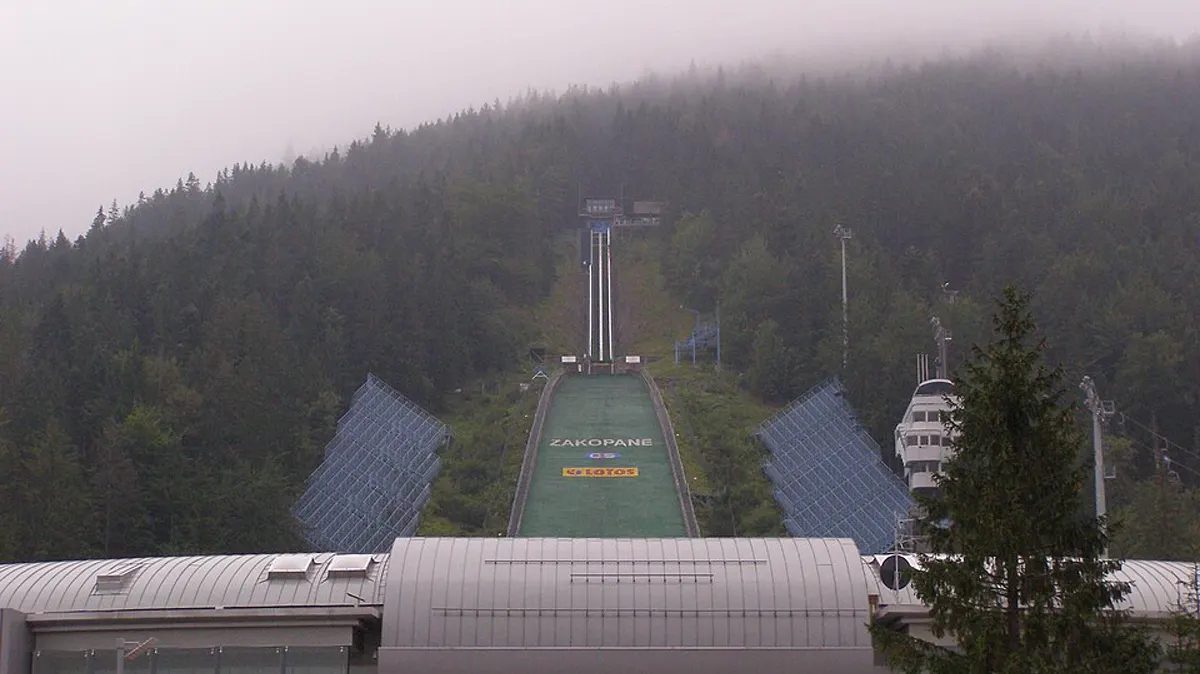
Wielka Krokiew
Zakopane's large ski jump on the slopes of Krokiew, with an in-run tower rising above the town. It regularly hosts FIS Ski Jumping World Cup competitions in winter.
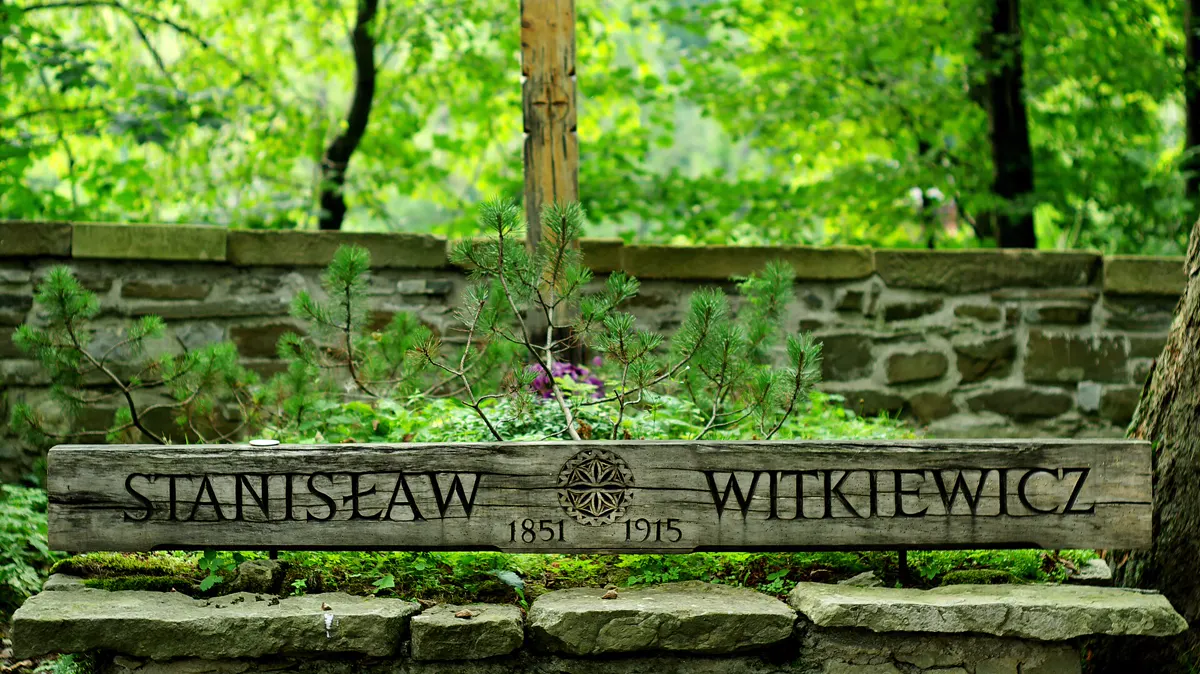
Stary Cmentarz na Peksowym Brzyzku
A historic cemetery beside the wooden church on Koscieliska street, resting place of many notable Polish artists, writers, and mountaineers. Its hand-carved wooden and stone tombstones are works of highland folk art.
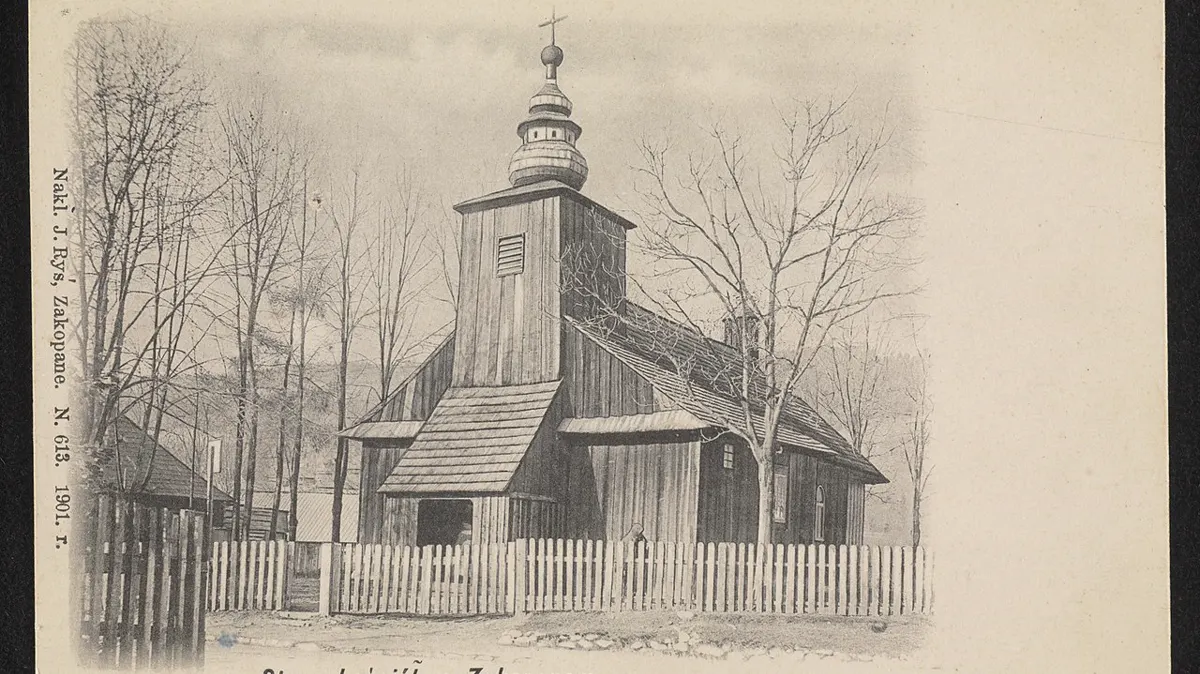
Old Church of Our Lady of Częstochowa
The oldest church in Zakopane, a wooden log building begun in 1847 on Kościeliska Street, standing beside the historic Pęksowy Brzyzek cemetery.
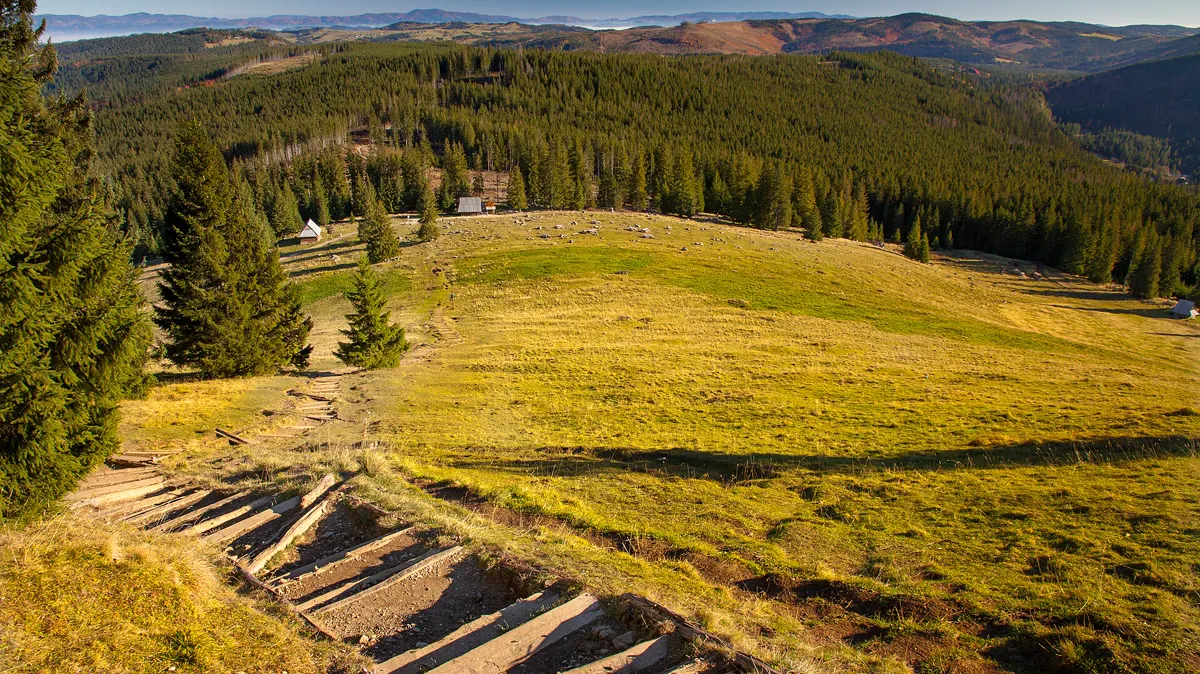
Rusinowa Polana
Rusinowa Polana is a broad grazing meadow in the Polish High Tatras, widely rated one of the finest panoramic viewpoints in the range, with a sweep across the Slovak High Tatras and the Belianske Tatras.
Sarnia Skała
Sarnia Skała is a 1,377-metre rocky summit in the Regle foothills directly above Zakopane, valued for its wide view toward Giewont and across the town to the Tatra ridges.
Featured in
More to explore in Zakopane
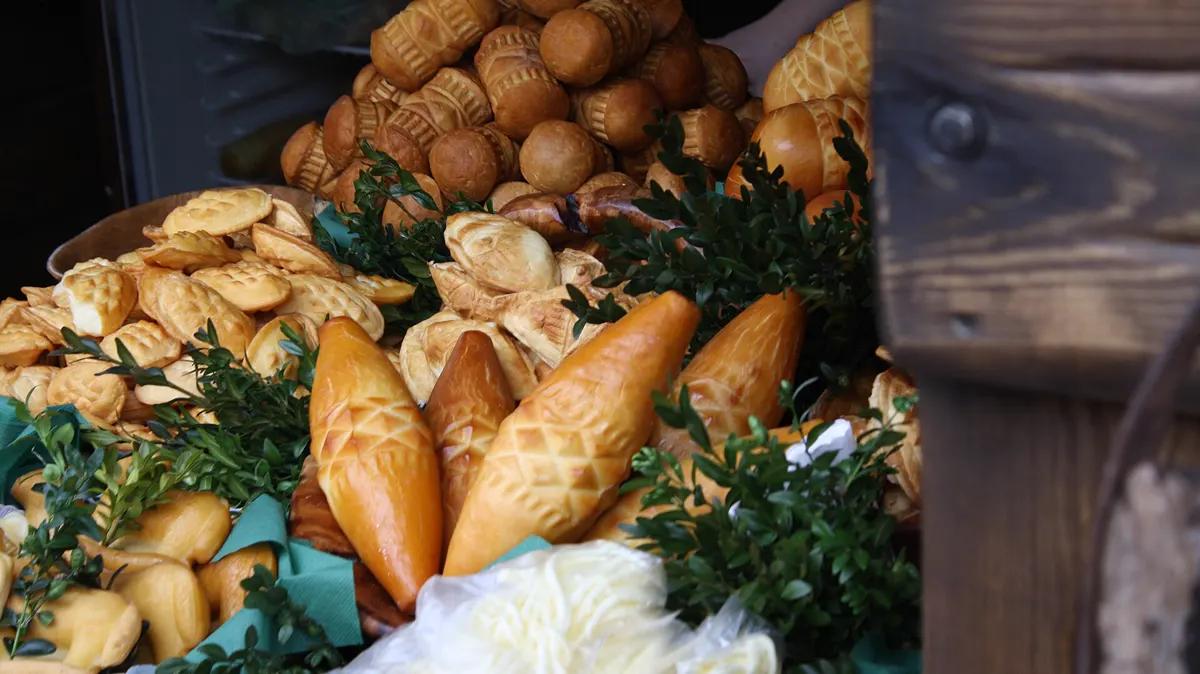
Restaurant
Bakowo Zohylina
A proper highlander karczma with open-fire grilling, live folk music and oscypek cheese.
Hotel
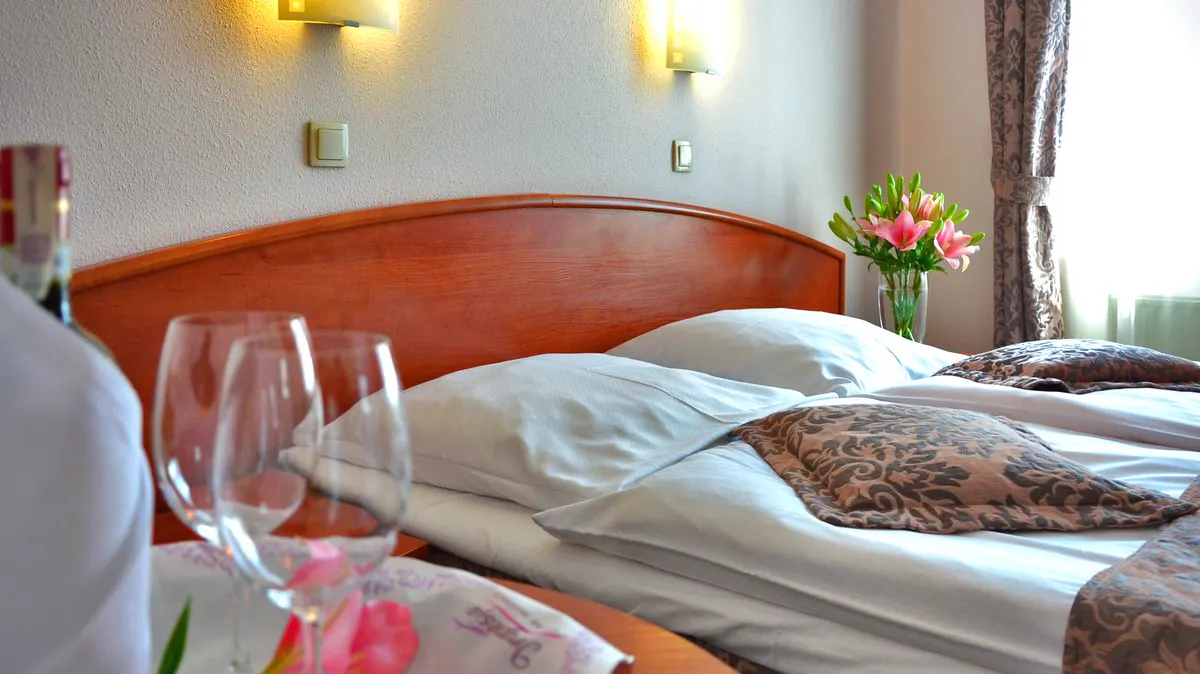
Aries Hotel & Spa
A large alpine-luxe hotel with an extensive spa, near the bottom of the Krupowki.
National Park
Tatra National Park
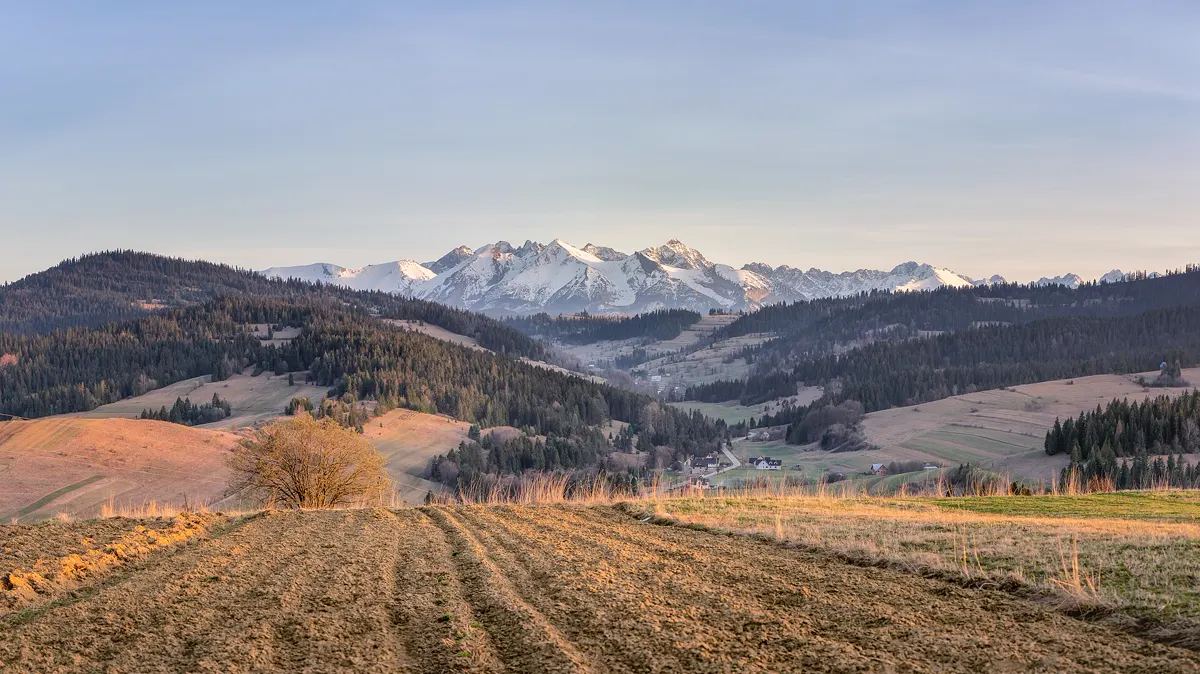
Poland's highest mountains, protected as a national park, with alpine peaks, glacial lakes and the country's most demanding trails.

Restaurant
Karczma Zapiecek
A cosy timber inn on Krupowki serving mountain classics after a day on the trails.

Restaurant
Cafe Antrakt
A relaxed bar and cafe off Krupowki serving regional beers, mulled wine in winter and light bites. A good spot to unwind after a day on the ridge.
Nature
Kasprowy Wierch
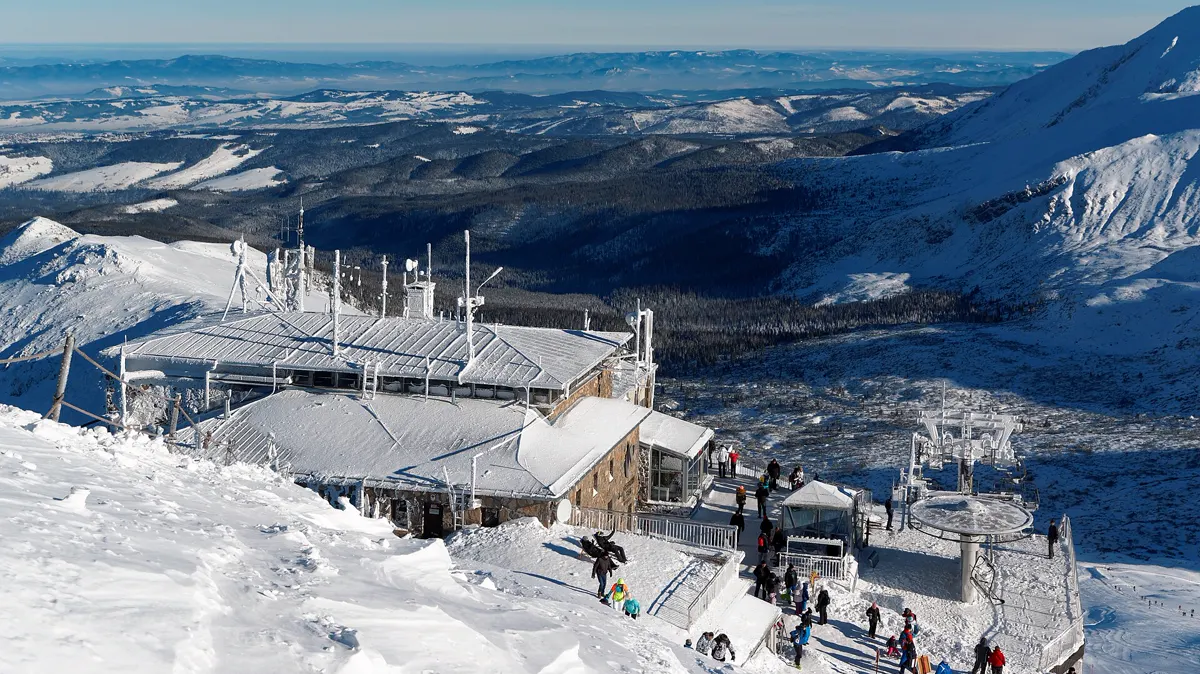
A 1,987 m summit on the Slovak border, reached by the cable car from Kuznice for a ridge-top panorama.