Attraction in Toruń
Katedra sw. Janow
The soaring Cathedral of Saints John the Baptist and John the Evangelist is a monumental brick Gothic church begun in the 13th century. It holds the Tuba Dei, one of Poland's largest medieval bells, and a font where Copernicus was baptised.
Reviewed and updated July 2026
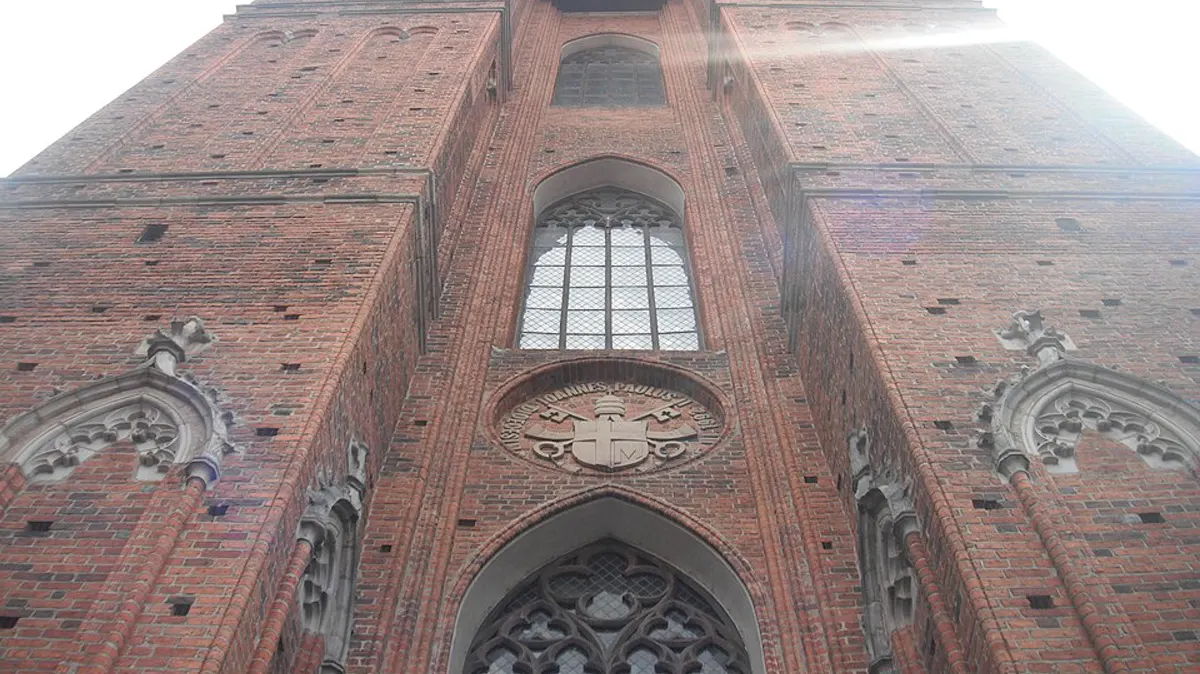
The Cathedral of Saints John the Baptist and John the Evangelist is the great brick Gothic church of Torun's old town. Work began around 1260 and carried on until the end of the 15th century, and the result is the largest of the town's churches, an aisled hall under a tall west tower. It was raised to cathedral rank in 1992, when the Diocese of Torun was created.
Why visit the cathedral
Torun kept its medieval core through the wars, and this church is its high point. The tower stands over the old town, and the interior is tall, dim and lined with centuries of altars, tombs and wall paintings. For many visitors the pull is personal. Nicolaus Copernicus was born in Torun and baptised at the font inside, which makes the cathedral a fixed stop on any walk that follows the astronomer through his home town.
What to see inside
The tower holds the Tuba Dei, cast in 1500 and one of the largest medieval bells in Poland. Below it the nave keeps Gothic wall paintings, old epitaphs set into the walls and a run of altars from several periods. The font linked to the baptism of Copernicus is marked and easy to find. Give time to the memorial slabs, which record the merchants and patricians who paid for the church across three centuries.
History of the brick Gothic church
The cathedral grew with the town the Teutonic Order founded on the Vistula. Building started in the mid-13th century and the church was extended in stages as Torun prospered inside the Hanseatic League, reaching close to its present size by about 1500. It served as the main parish church for centuries before it was given cathedral status in 1992.
How much time you need
Twenty to thirty minutes covers the interior at a steady pace. Add time if the tower is open, or if a service is on and you wait for it to end.
Best time for a quiet visit
Late morning and early afternoon give the best light through the windows. This is a working church, so visiting hours work around Mass, and Sunday services are the busiest. The tower, when open, is a warm-season option.
Reaching the cathedral
The cathedral stands in the south of the old town, a few minutes on foot from the Old Town Market Square and close to the river. For orientation and transport into the city, see the Torun guide.
What's nearby in the Old Town
The cathedral sits well on a short loop of the old town:
- The Old Town Hall in the middle of the market square, a few minutes north.
- The House of Copernicus, the museum in the astronomer's birthplace.
- The Leaning Tower in the walls, close to the water.
- The Vistula boulevard along the riverbank below the old town.
Good to know
This is a working church, so dress and behave modestly and keep quiet during services. Tower access is seasonal. Check official channels for visiting hours and any entry charge for sightseeing.
Cathedral questions
Was Copernicus really baptised here?
Yes. Copernicus was born in Torun in 1473 and baptised in this church, and the font connected with the event is inside and marked for visitors.
What is the Tuba Dei?
It is the cathedral's great bell, cast in 1500 and one of the largest medieval bells in Poland. It hangs in the west tower.
Frequently asked questions
More attractions in Toruń
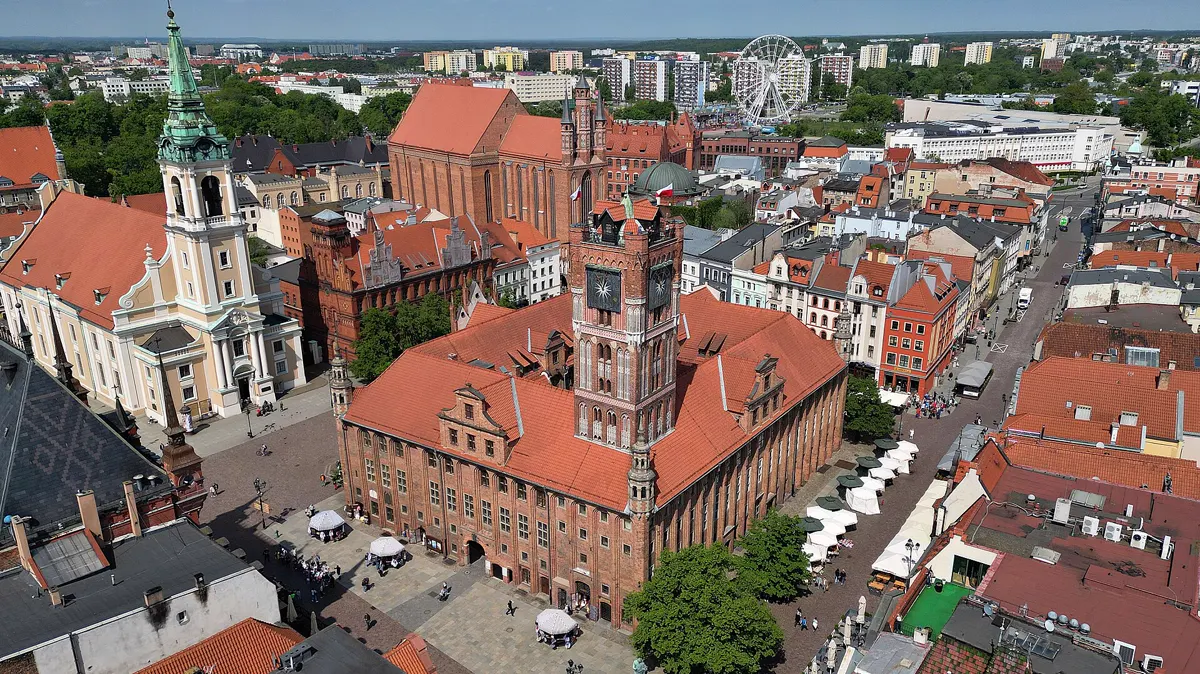
Torun Old Town
A genuine, war-survived medieval centre of brick Gothic churches, granaries and gabled houses around the Old Town Market Square.
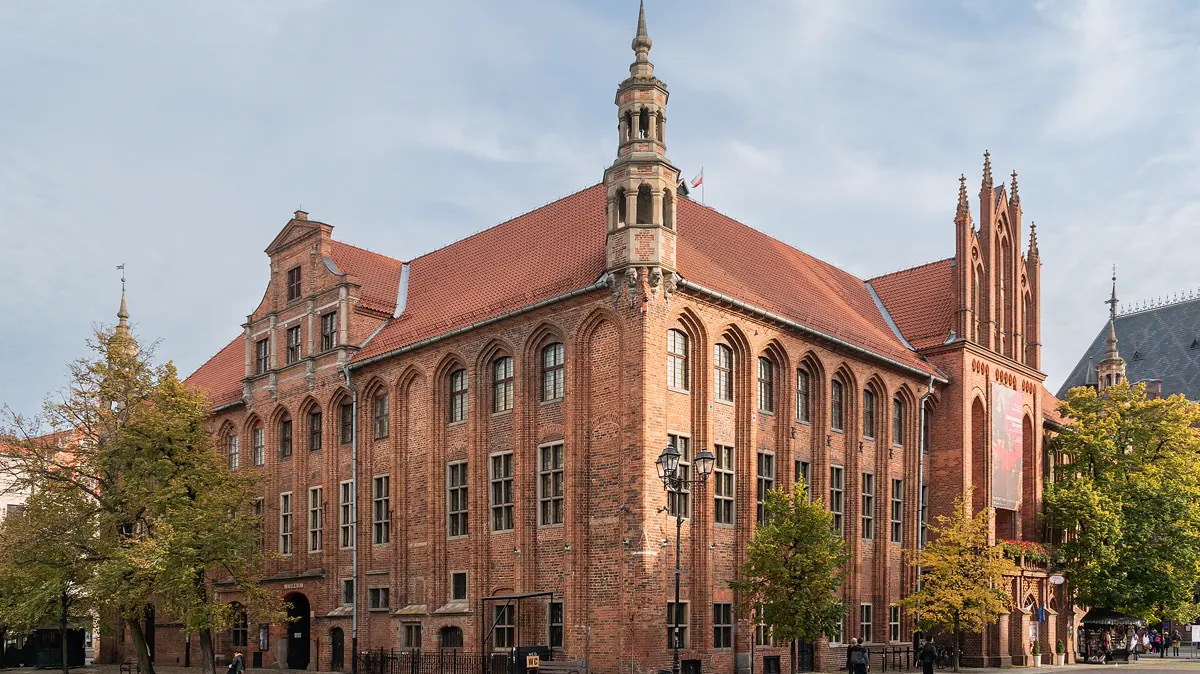
Ratusz Staromiejski
One of the finest municipal Gothic buildings in Central Europe, the Old Town Hall dates from the late 14th century and now houses the District Museum. Its tall tower offers sweeping views over the red-roofed old town and the Vistula.
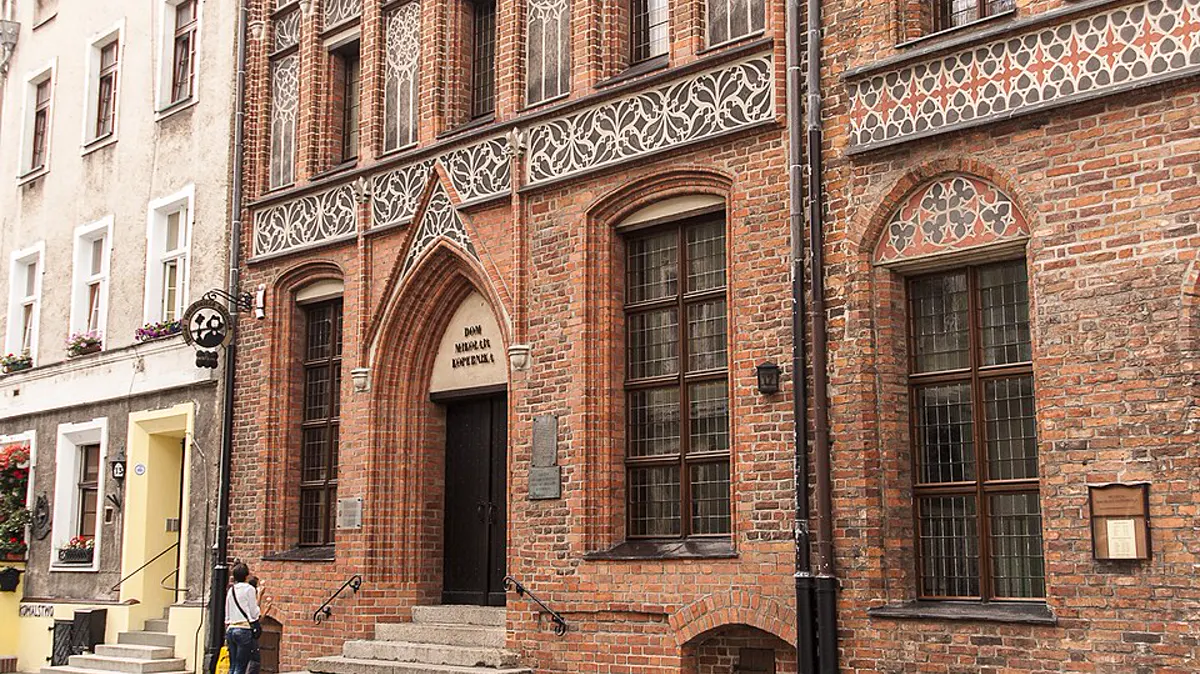
Dom Kopernika
A pair of Gothic burgher houses believed to be the birthplace of Nicolaus Copernicus in 1473, now a museum devoted to the astronomer's life and era. Exhibits recreate a 15th-century merchant household and display period instruments.
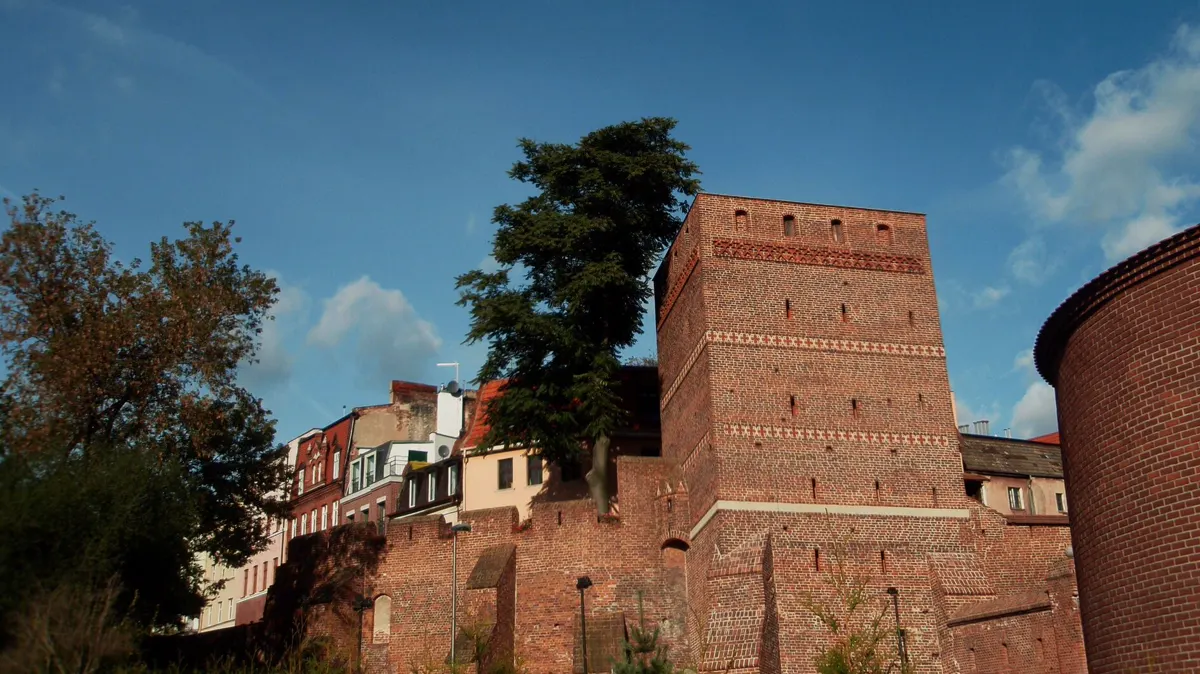
Medieval City Gates and Walls
Three surviving medieval gates and stretches of Toruń's original brick town wall line the Vistula, forming part of the UNESCO-listed old town's riverside defences.
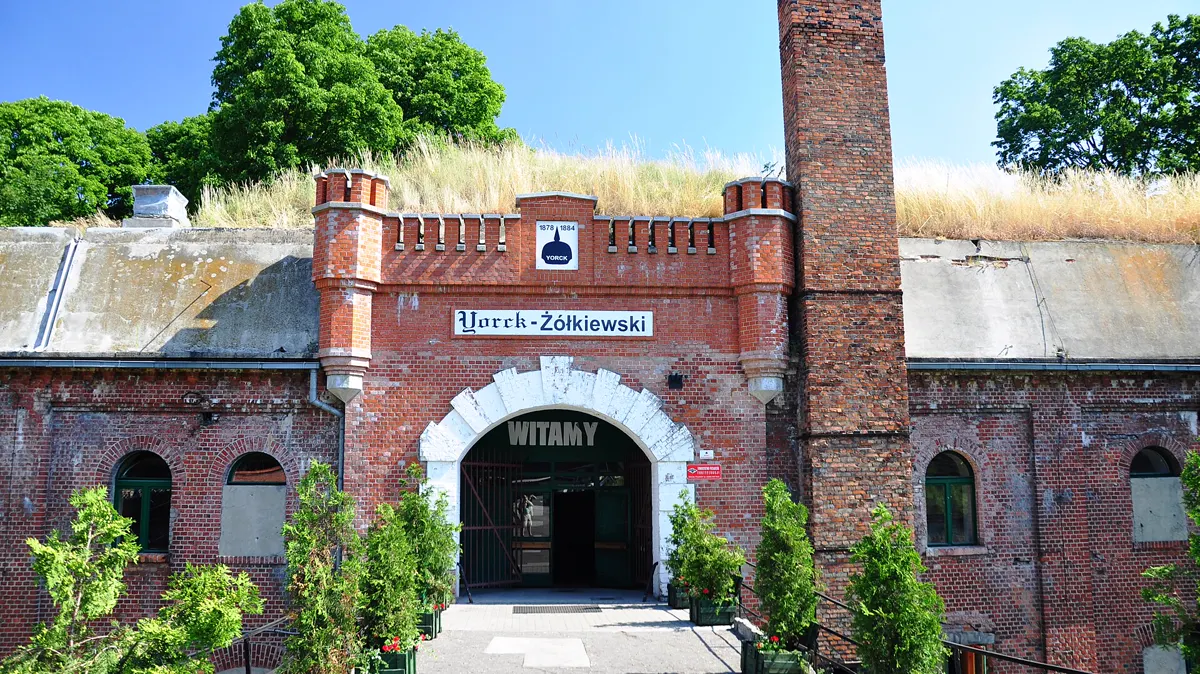
Toruń Fortress (Fort IV)
A ring of 19th-century Prussian forts around Toruń, with Fort IV the best preserved and open for tours of its brick corridors, barrack rooms and moats.
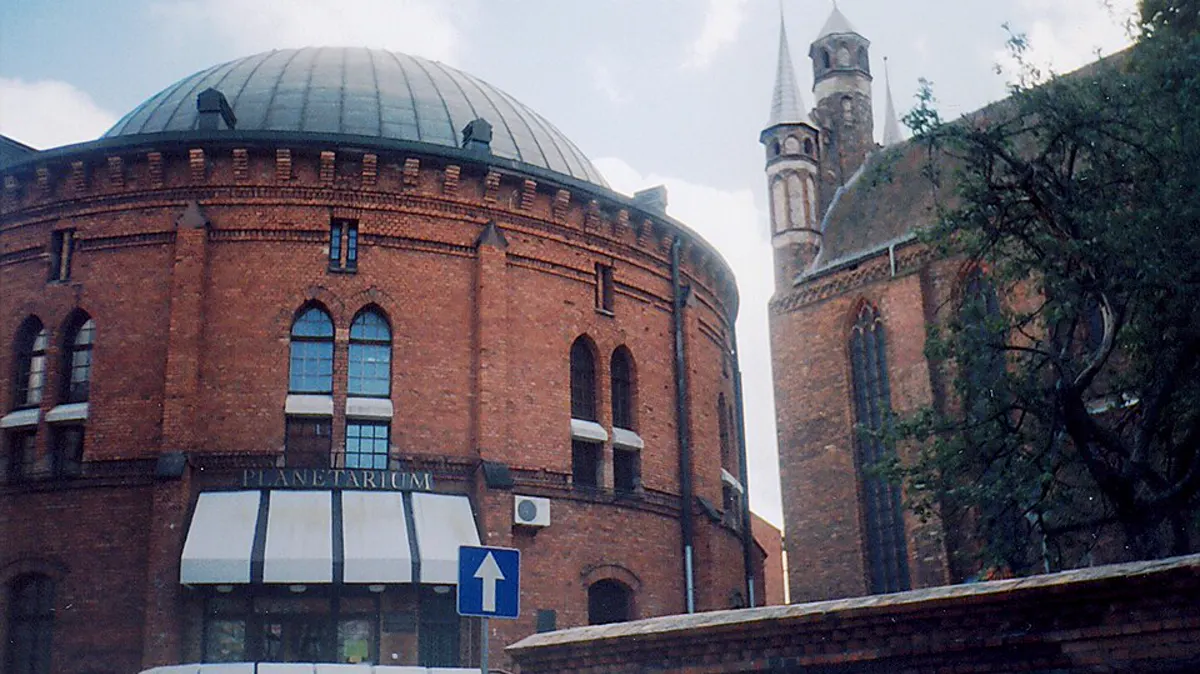
Planetarium
Housed in a former 19th-century gas holder, Torun's planetarium projects astronomy shows under a large dome in fitting tribute to the birthplace of Copernicus. It is one of the most visited planetariums in Poland.
Featured in
More to explore in Toruń
Restaurant
Manekin
A local legend for enormous sweet and savoury pancakes at gentle prices.
Hotel
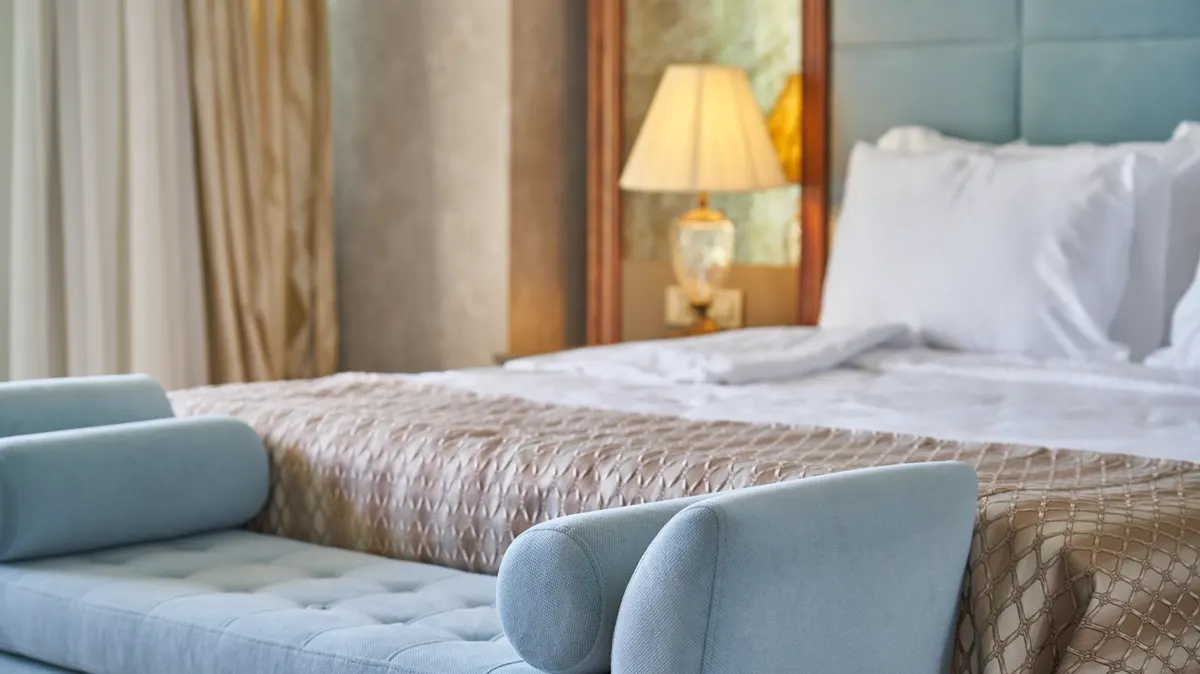
1231 Hotel
A design hotel inside a 13th-century mill by the moat, with a spa and a well-regarded restaurant.

Restaurant
Karczma Gesia Szyja
A rustic inn in the old town leaning into goose and other regional specialities.
Hotel
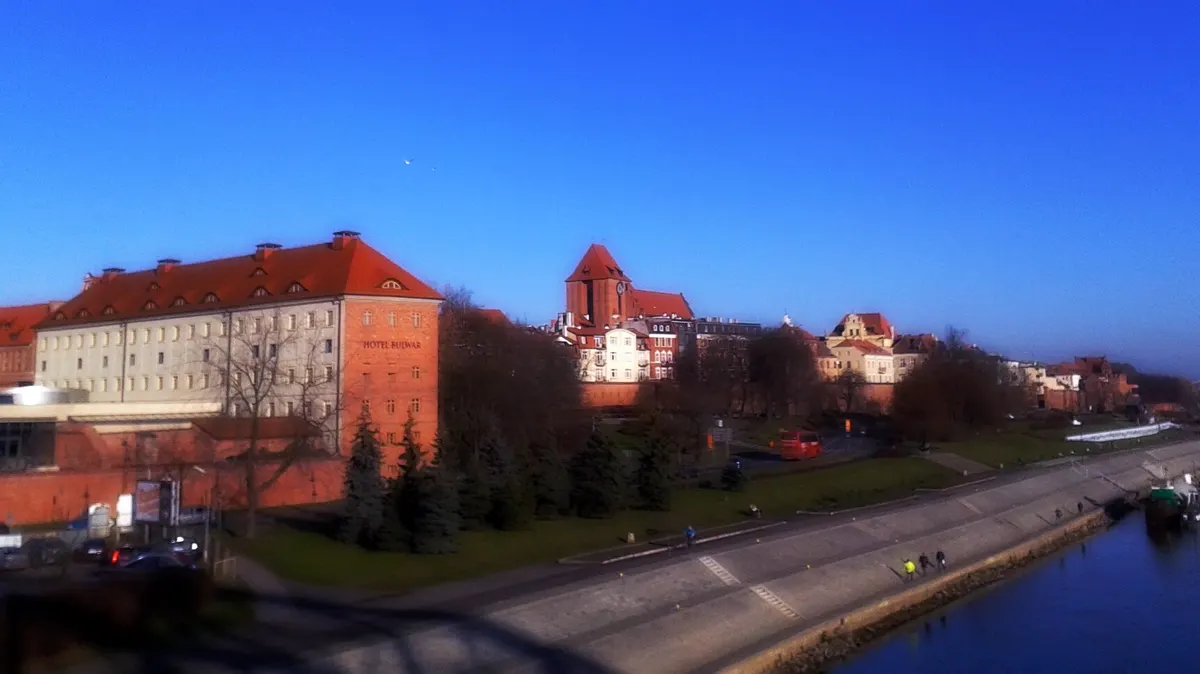
Hotel Bulwar
A comfortable hotel on the Vistula boulevard with the best gingerbread-skyline views.

Hotel
Hotel Petite Fleur
A cosy Old Town hotel in a historic tenement, known for its French cellar restaurant and central location near the Rynek.

Hotel
Hotel Filmar
A reliable four-star business hotel a short walk from the Old Town, with two restaurants and a wellness zone.