Attraction in Poznań
Old Market Square
The Renaissance heart of Poznan, where two mechanical goats butt heads on the town hall clock every day at noon.
Reviewed and updated July 2026
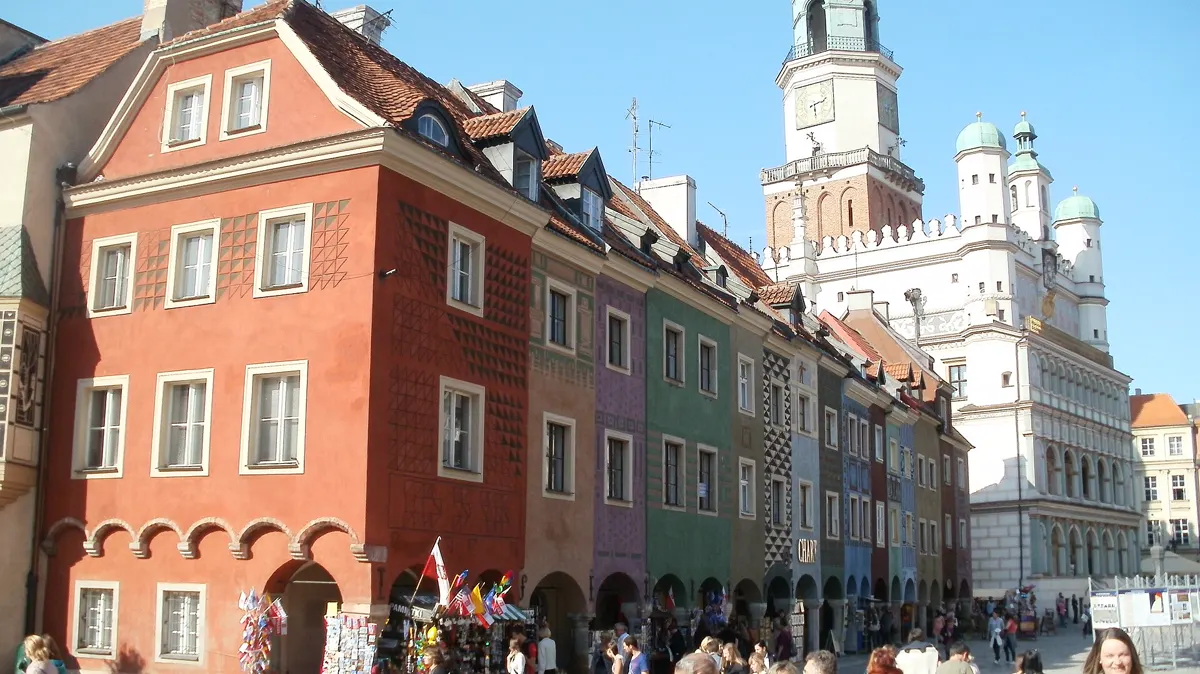
The Stary Rynek is the centre of Poznan and one of the finest Renaissance squares in Poland. Arcaded merchant houses and painted facades surround it, with a row of small former market stalls and the grand town hall standing in the middle. It has been the city's marketplace and meeting point since the thirteenth century.
Why visit Poznan's Old Market Square
This is the anchor of the old centre and the stage for Poznan's best-loved daily ritual, the noon goats on the town hall. The square gathers the city's museums, restaurants and cafes in one place, and the lanes off each corner lead to churches, the castle and the river. It is free to walk and open at all hours, so it makes the natural first stop in the city.
The noon goats
Every day at noon a crowd gathers below the town hall tower to watch two mechanical billy goats emerge and butt their heads together twelve times. The ritual follows a local legend and has run for generations. It is brief and the city's most popular daily event, so arrive a few minutes early for a spot with a clear view of the clock.
What stands on the square
The Renaissance town hall
The town hall was rebuilt in Renaissance form in the sixteenth century by the Italian architect Giovanni Battista di Quadro, and its loggia and painted facade are the showpiece of the square. Inside is a museum of the city's history. The town hall and its goats are the natural focus of any visit.
Around the Rynek
The rest of the square is lined with restaurants, cafes and merchant houses, several of them holding small museums. It makes a good base for the old centre on foot. The Stary Browar arts and shopping centre is a short walk south, and the churches and riverside sites lie a few minutes in each direction.
History of the square
Poznan was one of the earliest centres of the Polish state, and the market square dates from the city's re-founding under German town law in 1253. Much of the square was damaged in 1945 and carefully rebuilt afterwards, which is why the facades mix restored originals with reconstruction. For the deeper origins of the city, cross to Cathedral Island.
How long to spend
Give the square twenty minutes on a first pass, and time it for the goats at noon. Add an hour or more if you go into the town hall museum or one of the smaller collections around the edge.
Best time to visit
Late morning suits a first visit, so you catch the goats at midday. Evenings are good for the lit facades and the restaurant terraces. The square is busiest in summer and during the St John's Fair in June, when stalls fill the centre.
Getting to the Old Market Square
The square is in the middle of the old centre and closed to through traffic. From Poznan Glowny, the main station, it is about a twenty-five-minute walk or a short tram ride to the edge of the old town. For the rest of the city, see the Poznan guide.
Accessibility on the square
The square is flat but cobbled, with uneven setts that can be awkward for wheelchairs and prams. The town hall museum and most restaurants are broadly accessible at ground level, though the tower and some upper floors are reached by stairs.
Around Poznan's old town
The square is the hub of the old centre:
- Cathedral Island, the birthplace of the city, about fifteen minutes east.
- The Brama Poznania heritage centre, across the river by the island.
- The Stary Browar, a former brewery turned arts and shopping centre, a short walk south.
Good to know
The goats appear at noon every day, weather and mechanism permitting. Try a St Martin croissant (rogal swietomarcinski) while you are here, the protected Poznan pastry filled with white poppy seed, sold in bakeries around the centre.
Common questions
When do the Poznan goats appear?
Every day at noon. Two mechanical goats come out below the town hall clock and butt their heads twelve times. Gather in front of the town hall a few minutes before twelve for a clear view.
What is a St Martin croissant?
Rogal swietomarcinski is a protected Poznan pastry filled with white poppy seed paste. It is tied to St Martin's day on 11 November but sold in city bakeries through the year.
How long do I need at the square?
About twenty minutes for the square itself, timed for the goats at noon, or half a day if you add the town hall museum and the sights nearby.
Frequently asked questions
More attractions in Poznań
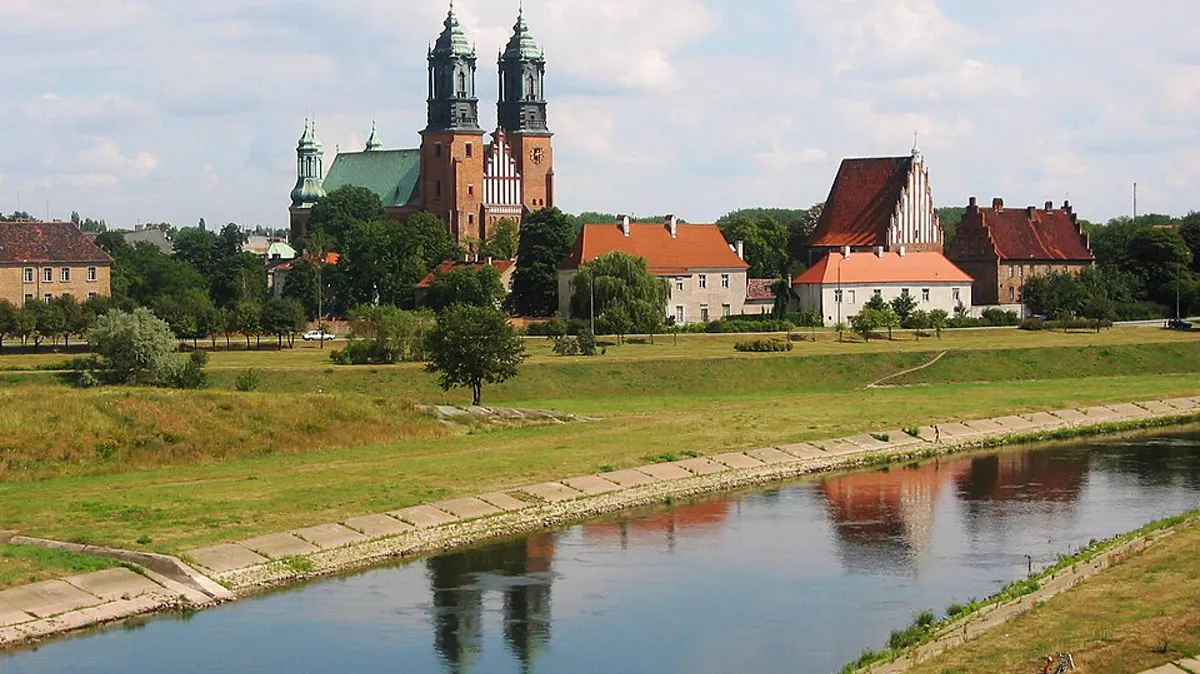
Ostrow Tumski, Poznan
The cathedral island where the Polish state and church were born in the tenth century, a short walk from the market square.
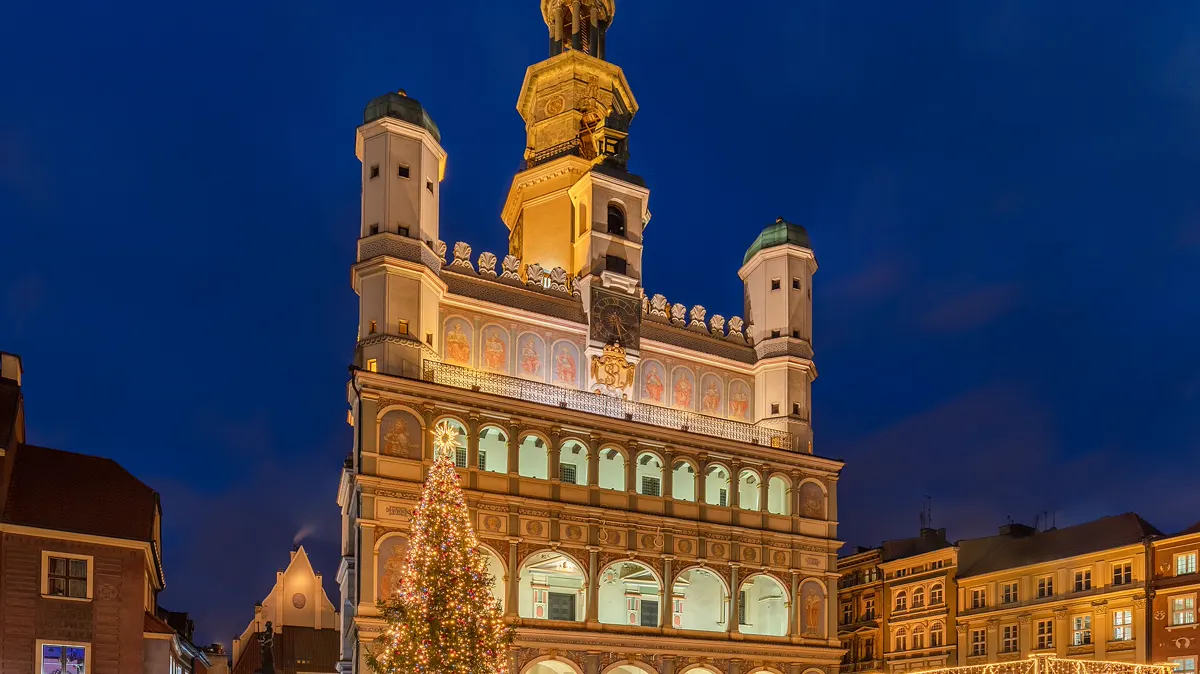
Ratusz i koziolki
At noon two mechanical billy goats emerge above the Ratusz clock and butt heads twelve times, drawing a crowd every single day. The Renaissance town hall, remodelled by Giovanni Battista di Quadro, also houses the city's history museum.
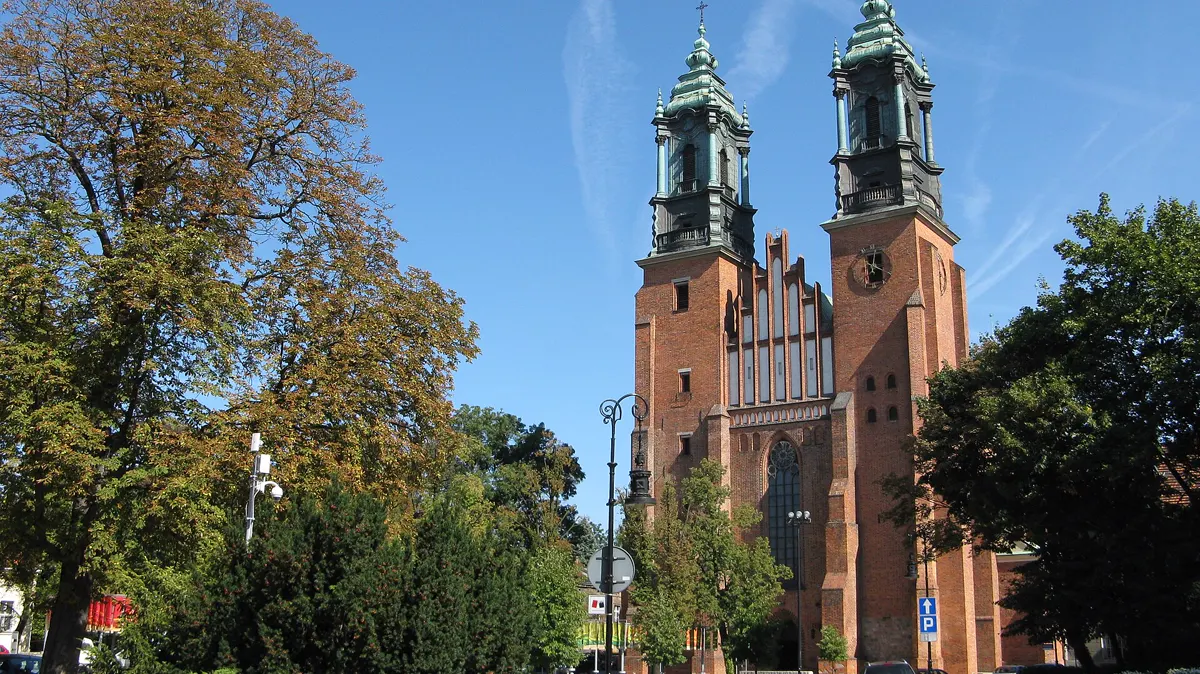
Katedra
The Archcathedral Basilica of St Peter and St Paul is Poland's oldest cathedral, first raised in the 10th century. Its Golden Chapel holds the tombs of the first Polish rulers Mieszko I and Boleslaw Chrobry.
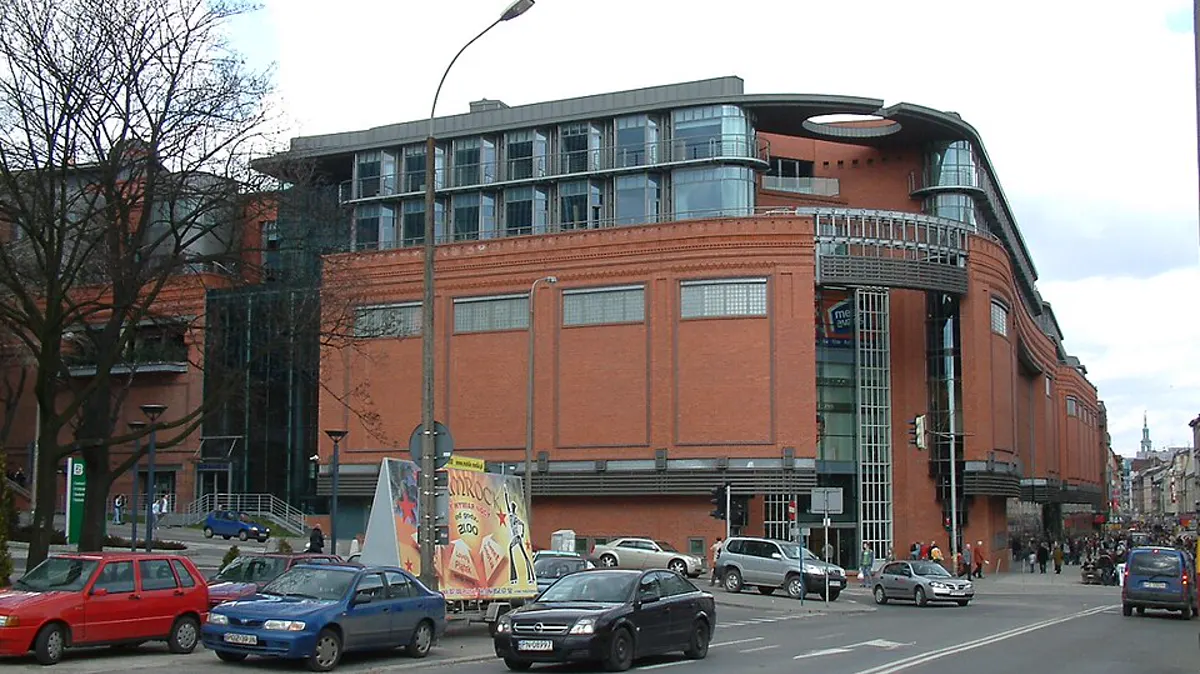
Stary Browar
An old Huggerowie brewery turned into an award winning shopping and art centre that blends 19th century brick with contemporary architecture. It combines boutiques with a sculpture garden and rotating exhibitions.
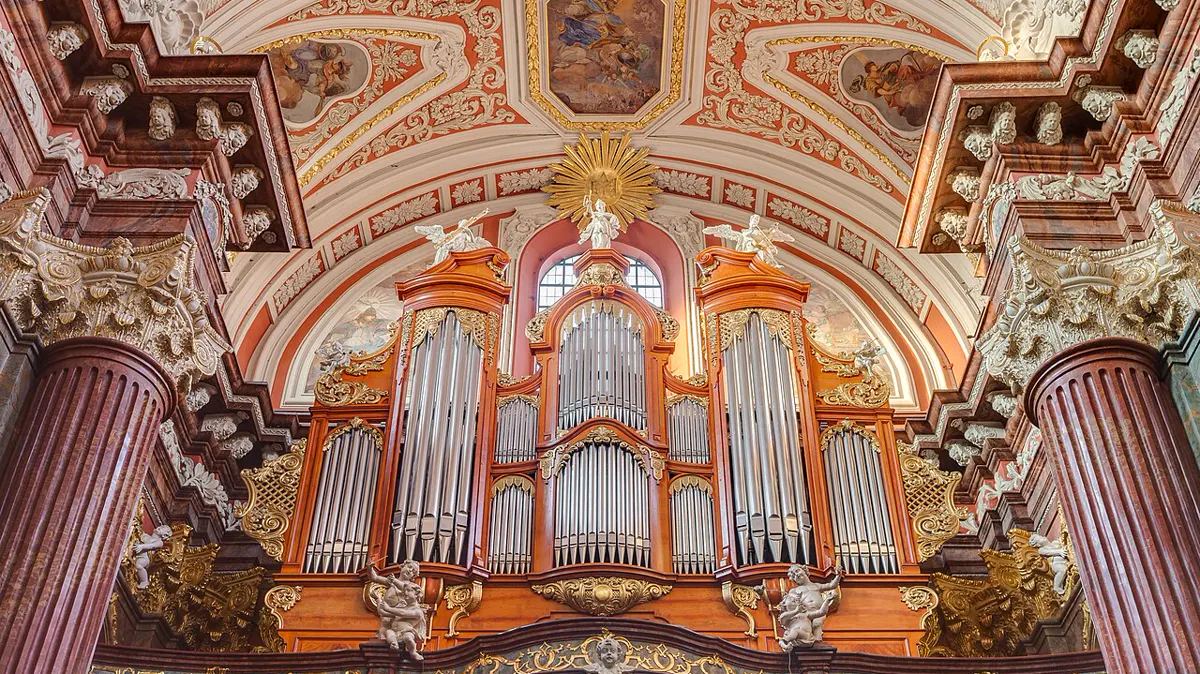
Poznań Fara (Parish Church of St. Stanislaus)
Poznań's grand Baroque parish church, known for its pink facade, towering Corinthian columns and a famous 19th-century Ladegast organ that plays at free recitals.
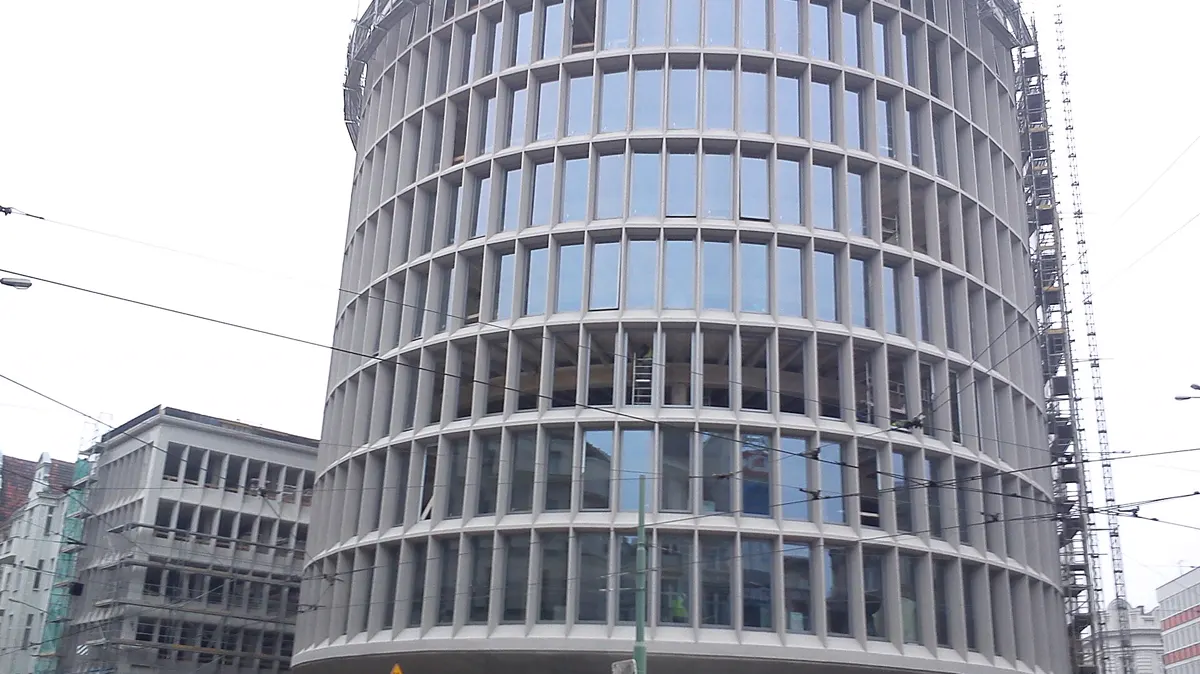
Okrąglak (The Rotunda)
A cylindrical nine-storey landmark of Polish modernism on Mielżyńskiego Street in central Poznań, designed by Marek Leykam and built between 1948 and 1954.
More to explore in Poznań
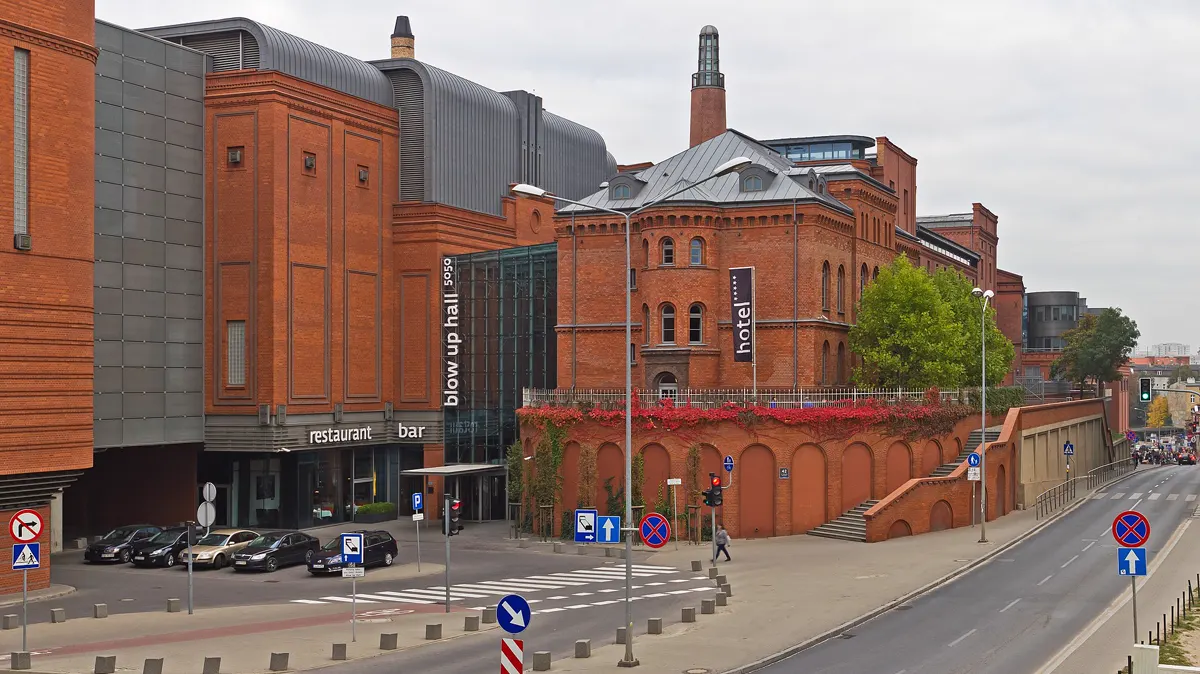
Hotel
Blow Up Hall 5050
A striking art-design hotel inside the Stary Browar complex, with keyless art-app rooms.
Nature
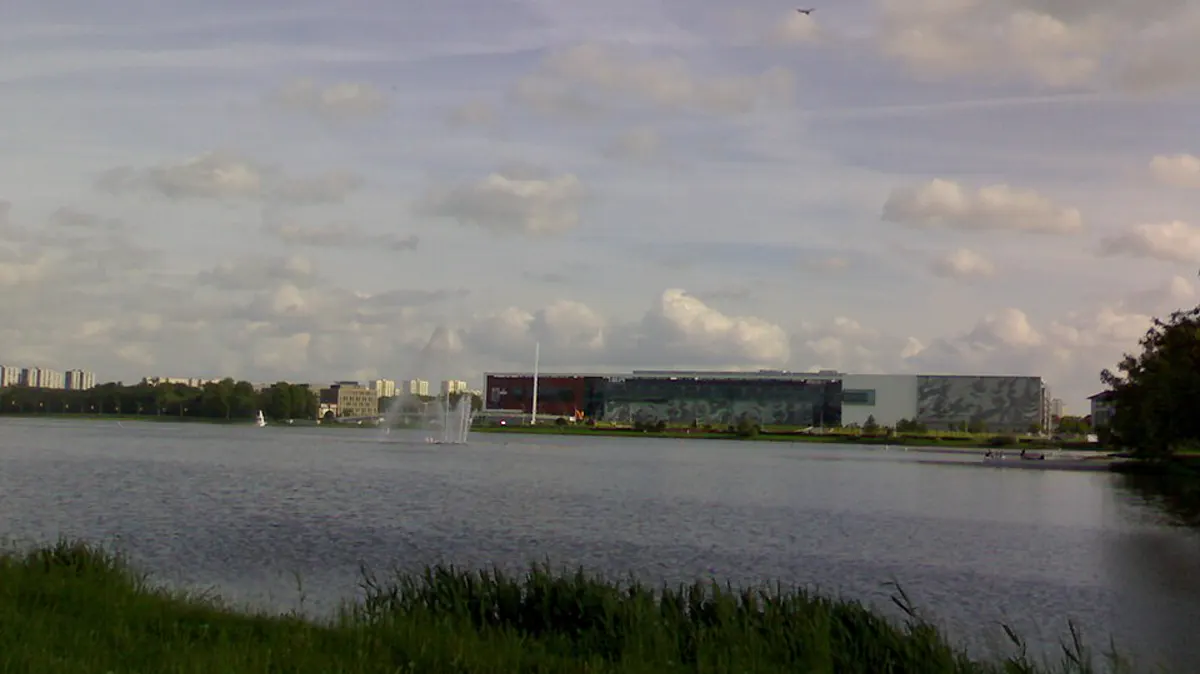
Lake Malta
A long artificial lake close to the centre, lined with trails, a ski slope and a summer resort.
Restaurant
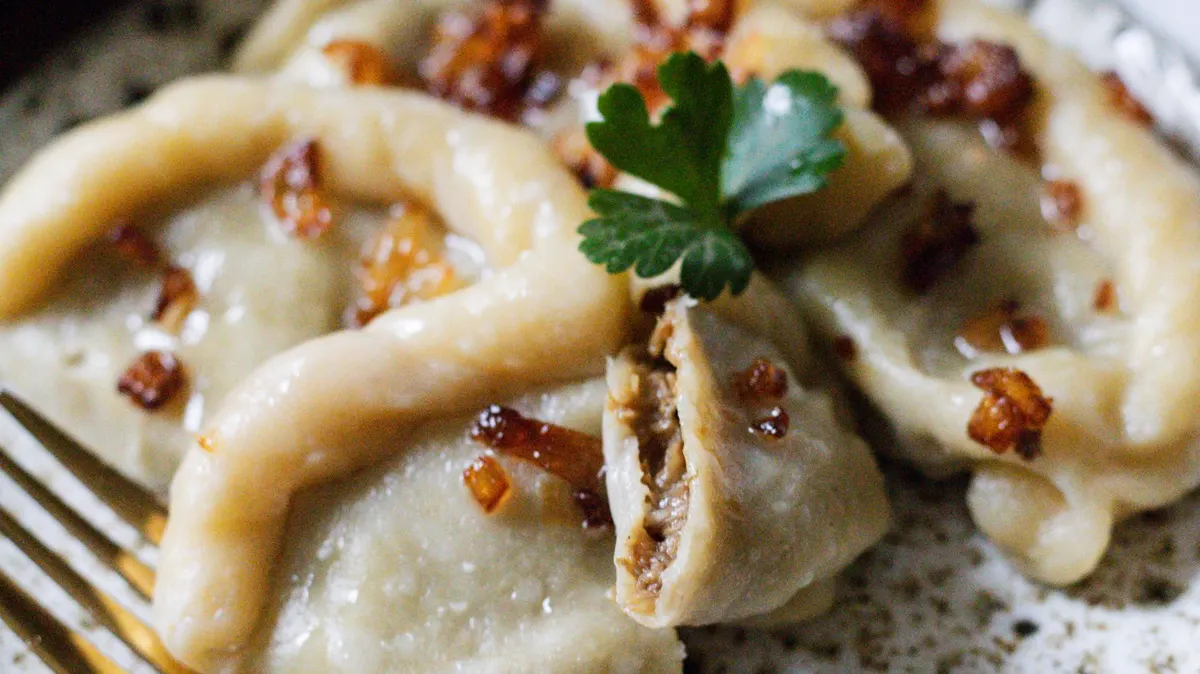
Bamberka
A handsome restaurant right on the Old Market Square serving Greater Poland classics.
Restaurant
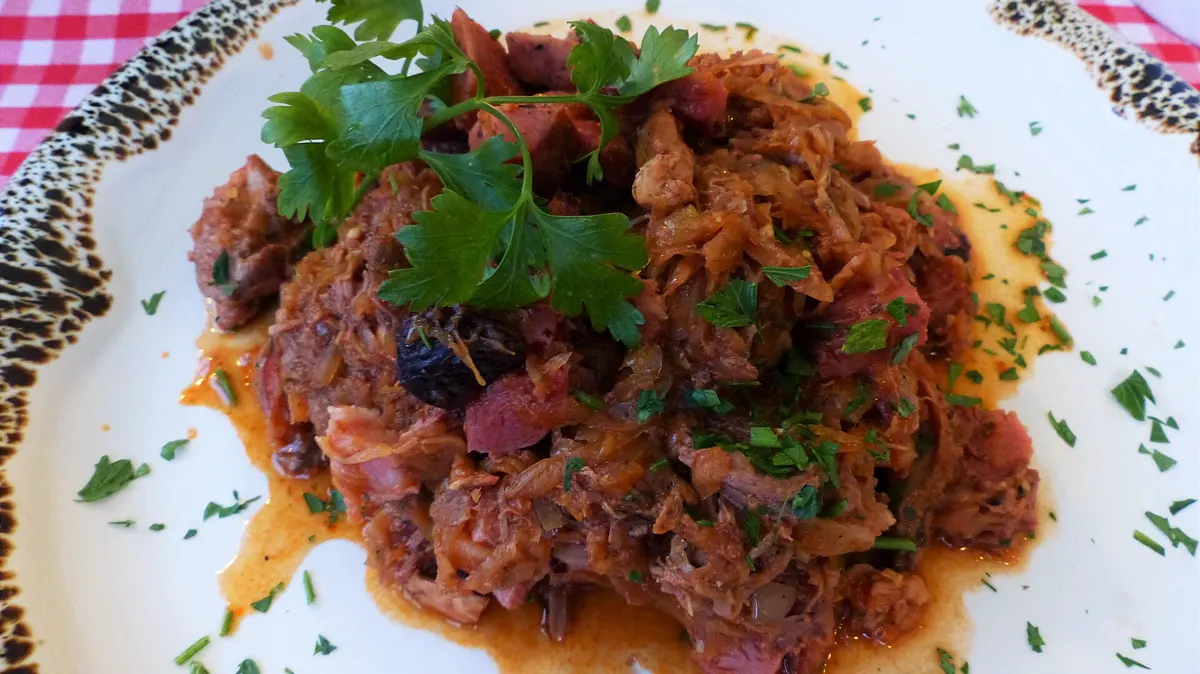
Ratuszova
A vaulted cellar on the square, a long-standing choice for hearty regional plates.
Hotel
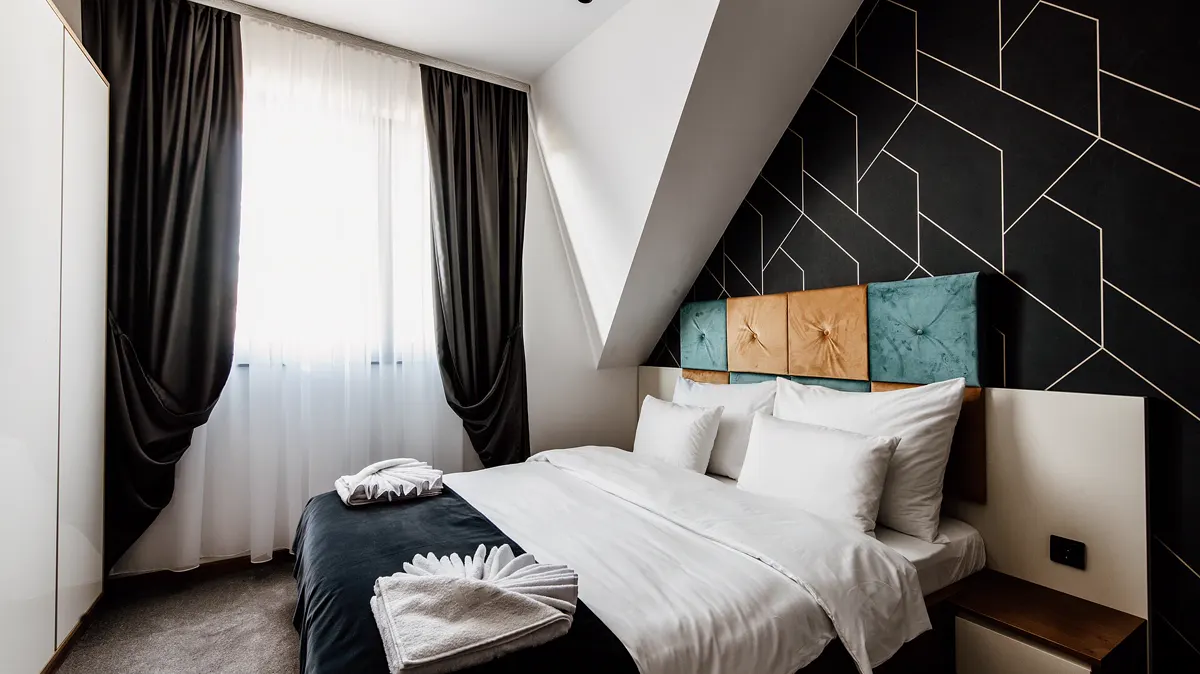
Sheraton Poznan Hotel
A large international hotel near Park Wilsona and the fairgrounds with a fitness centre, restaurant and reliable business standards. Popular during the June trade fairs.
Hotel
IBB Andersia Hotel
A modern tower hotel on Plac Andersa near the central shopping and the station, with panoramic higher floors. Solid value close to transport.