Attraction in Zamość
Great Market Square, Zamosc
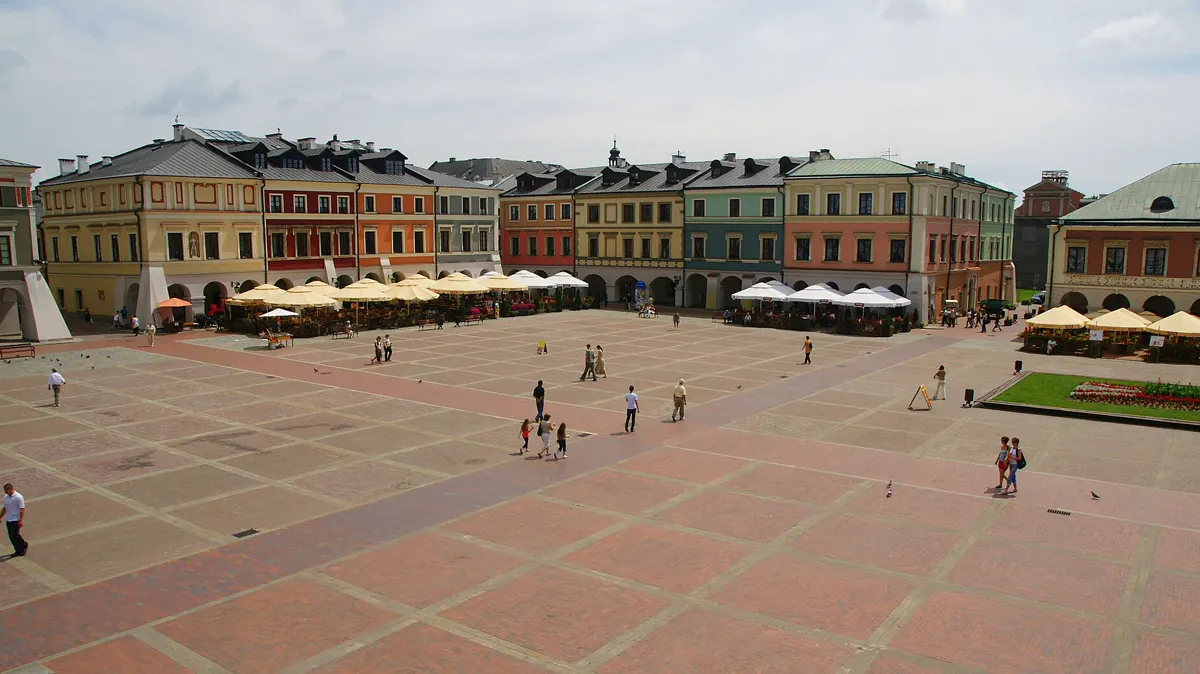
A near-perfect Renaissance square of arcaded, pastel burgher houses, the centrepiece of a sixteenth-century ideal city.
Reviewed and updated June 2026
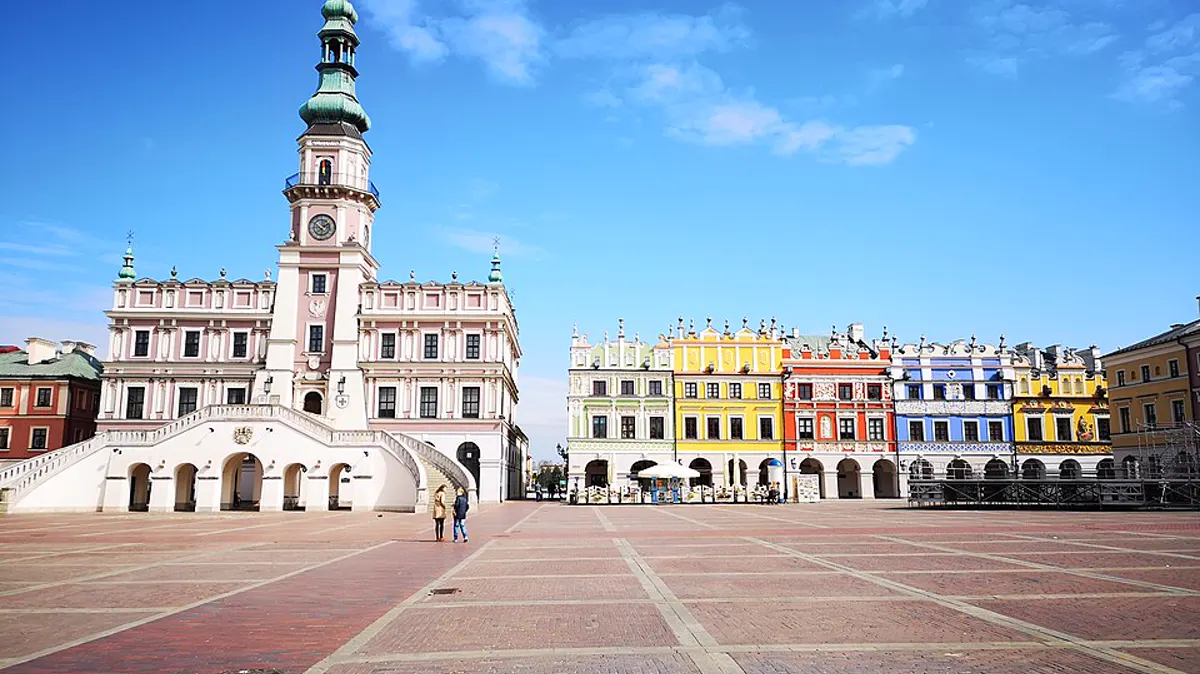
The Rynek Wielki is the showpiece of Zamosc and one of the most complete Renaissance squares in Europe. Laid out by the Italian architect Bernardo Morando from around 1580 as the heart of a planned ideal city, it measures a deliberate hundred metres on each side and has kept its proportions and arcades almost unchanged. The whole old town was inscribed by UNESCO in 1992.
Why visit Zamosc's Great Market Square
Unlike squares that grew piecemeal over centuries, this one was conceived as a single composition, and it survives almost as designed. Standing in the middle and taking in the whole as one planned space is the way to appreciate it. For anyone interested in architecture, Zamosc is a rare chance to see a Renaissance ideal built and still lived in.
What to look for on the square
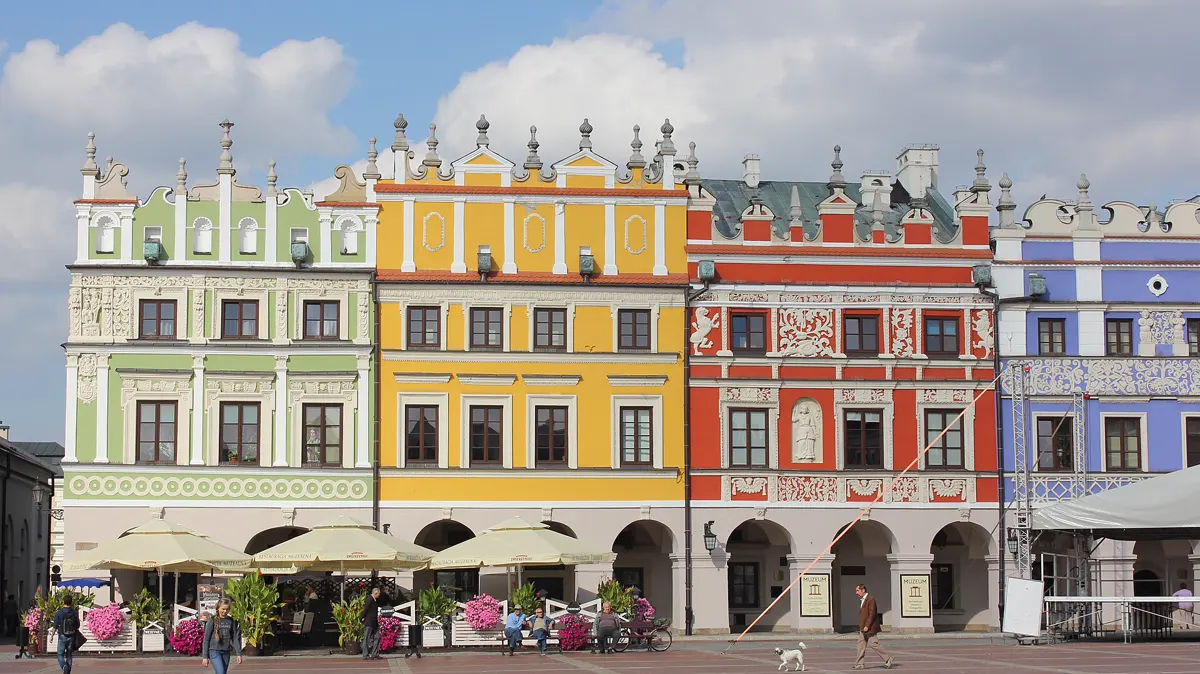
The town hall fills the north side, its tower and grand fan staircase added in the eighteenth century, and it remains the square's focal point. Around the arcades, several burgher houses keep richly decorated facades, including a row built by Armenian merchants with carved and painted fronts. The continuous arcades themselves, running around all four sides, are as much the attraction as any single building.
History of the Renaissance square
Zamosc was founded in the late sixteenth century by the chancellor Jan Zamoyski as a private town on trade routes linking the Black Sea with northern and western Europe. He hired Morando to design a fortified ideal city from scratch, with the square at its centre. Merchants from many nations settled here, among them Armenians, and their trade shaped the town's wealth and architecture.
How long to spend in Zamosc
The square and the surrounding fortified town can be seen in a couple of hours, which makes Zamosc a comfortable half day. Add time to climb the town hall tower in season, to see the collegiate church and to walk a stretch of the old fortifications that ring the centre.
Best time to visit Zamosc
Late spring to early autumn is the most pleasant, with the cafe tables out under the arcades and long light on the facades. Summer weekends bring the most life to the square, sometimes with markets and events. Early morning is best for photographing the arcades without crowds or parked cars.
Getting to Zamosc
Zamosc lies in the far southeast of the country, in the Lublin region. Most visitors arrive by road from Lublin, about an hour and a half to two hours away by bus or car. The old town is closed to most traffic, so leave the car at the edge and walk in to the square.
Accessibility on the square
The square is flat but paved with setts and cobbles that are uneven underfoot, and the arcades have shallow steps in places. The town hall tower is reached by stairs only. The wider old town is compact and walkable, though the fortification walks include rougher ground.
What's nearby in Zamosc
Zamosc combines well with the sights of the Lublin region to the north:
- Lublin, the regional capital, an easy day trip away.
- Lublin Castle, with its Romanesque tower and painted chapel, in the city itself.
Good to know
Entry to the square is free and it is open at all hours. The town hall, tower and museums keep their own opening times, so check before a special trip. Come early to see the arcades at their quietest.
Common questions about Zamosc
Why is Zamosc called an ideal city?
It was planned and built in one go in the late sixteenth century to Renaissance principles, with a regular grid, a central square and encircling fortifications. That deliberate, unified design is why it is described as an ideal town and why UNESCO listed it.
How big is the square?
It measures about a hundred metres on each side, a deliberate square that Morando set out as the centre of the town. The proportions and the surrounding arcades have survived largely intact.
Can I visit as a day trip from Lublin?
Yes. Zamosc is about an hour and a half to two hours from Lublin by road, and the square and old town can be seen in a half day, which makes it a straightforward day trip.
If Renaissance and old-town squares are your thing, compare it with Poznan's Old Market Square and the royal seat at Lublin Castle nearby.
Frequently asked questions
More attractions in Zamość
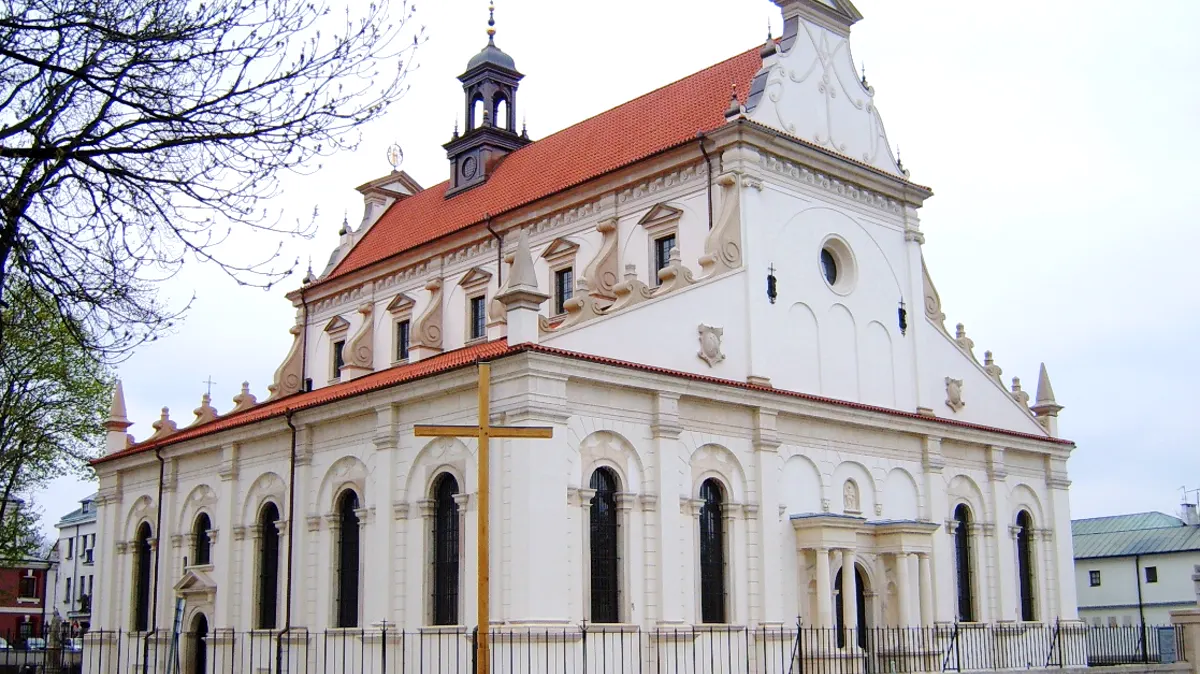
Zamość Cathedral (Cathedral of the Resurrection and St Thomas the Apostle)
One of Poland's finest Renaissance churches, designed by Bernardo Morando and paid for by Jan Zamoyski, raised to cathedral rank in 1992.
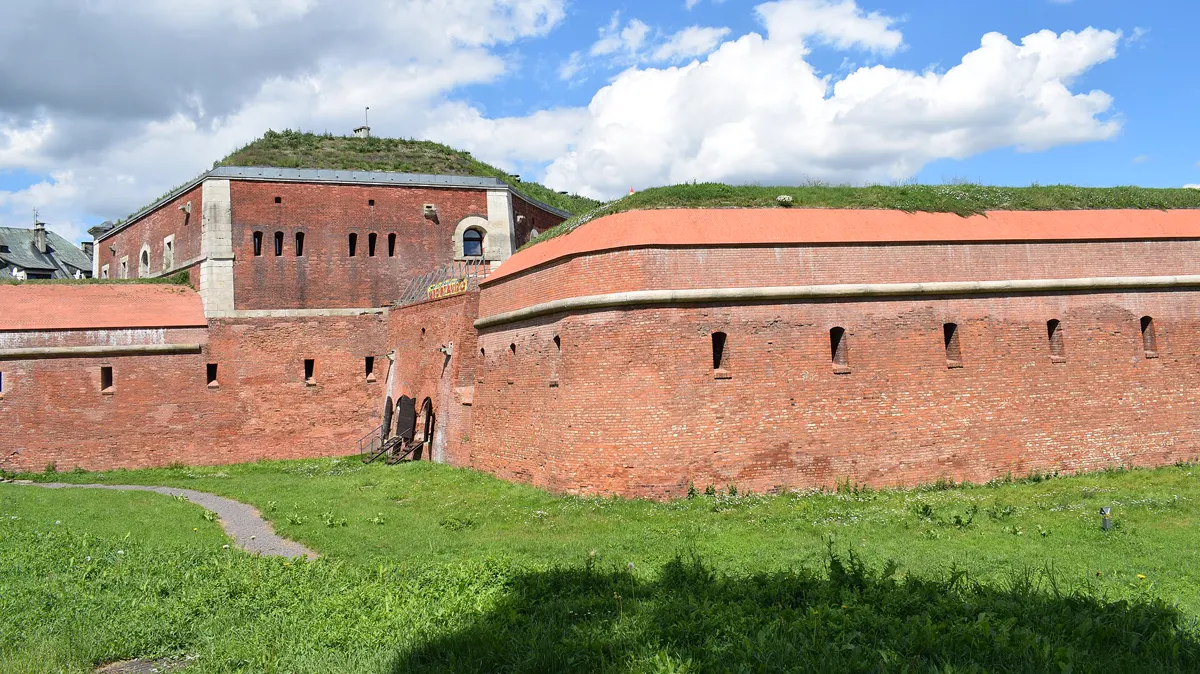
Bastion VII Underground Tourist Route (Nadszaniec)
A half-kilometre walk through the casemates and galleries of Bastion No 7, the biggest bastion of a fortress that was never taken by an enemy.
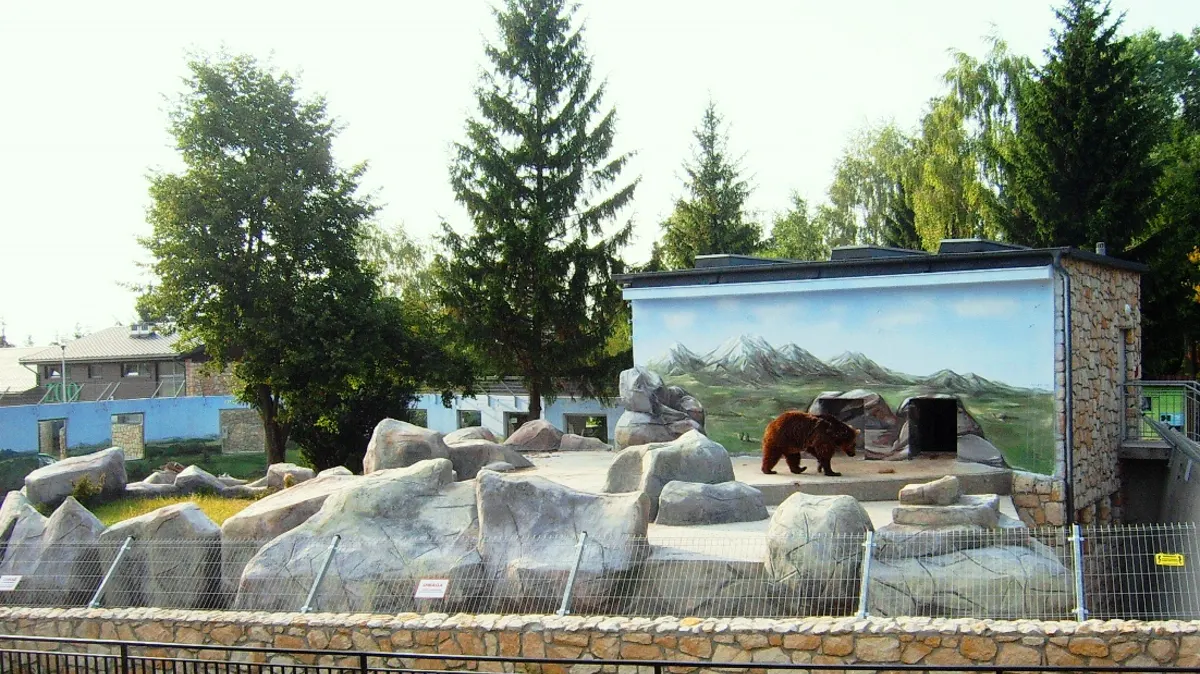
Zamość Zoo (Stefan Miler Zoological Garden)
One of Poland's oldest zoos, started in 1918 as a school project by teacher Stefan Miler and now spread over about 13 hectares.
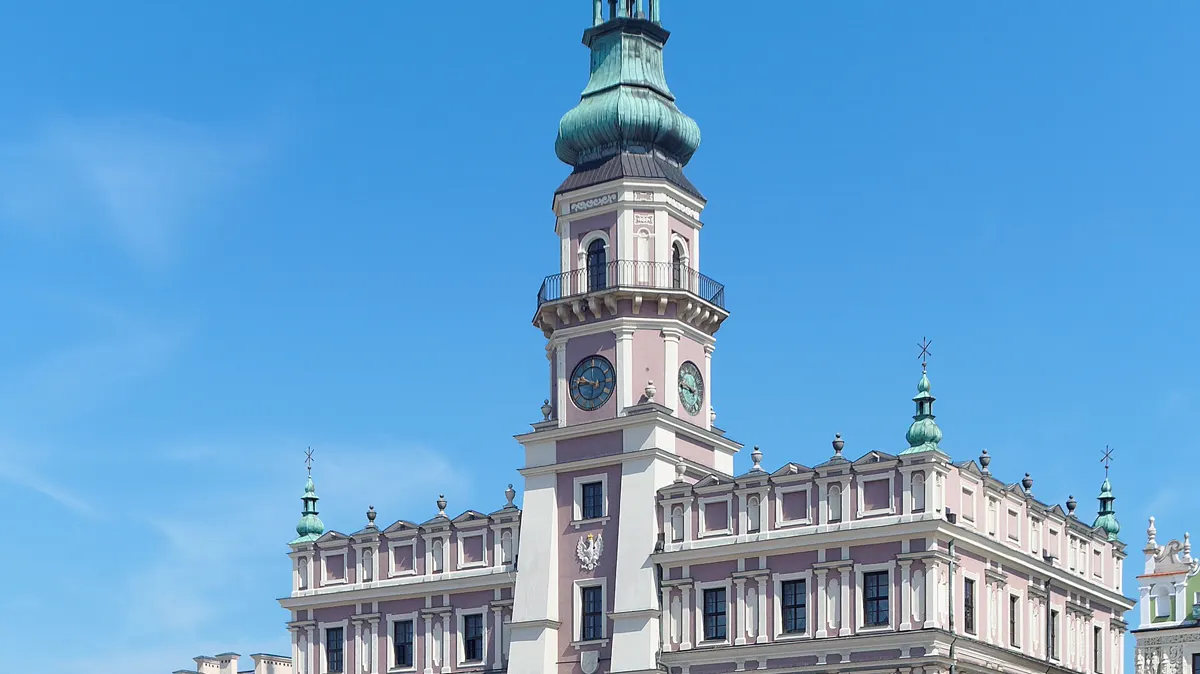
Zamość Town Hall
The pink-and-white town hall on the north side of Zamość's Great Market Square, with a 52-metre clock tower and a fan-shaped double staircase that sweeps down into the square. It is the most photographed building in the city.
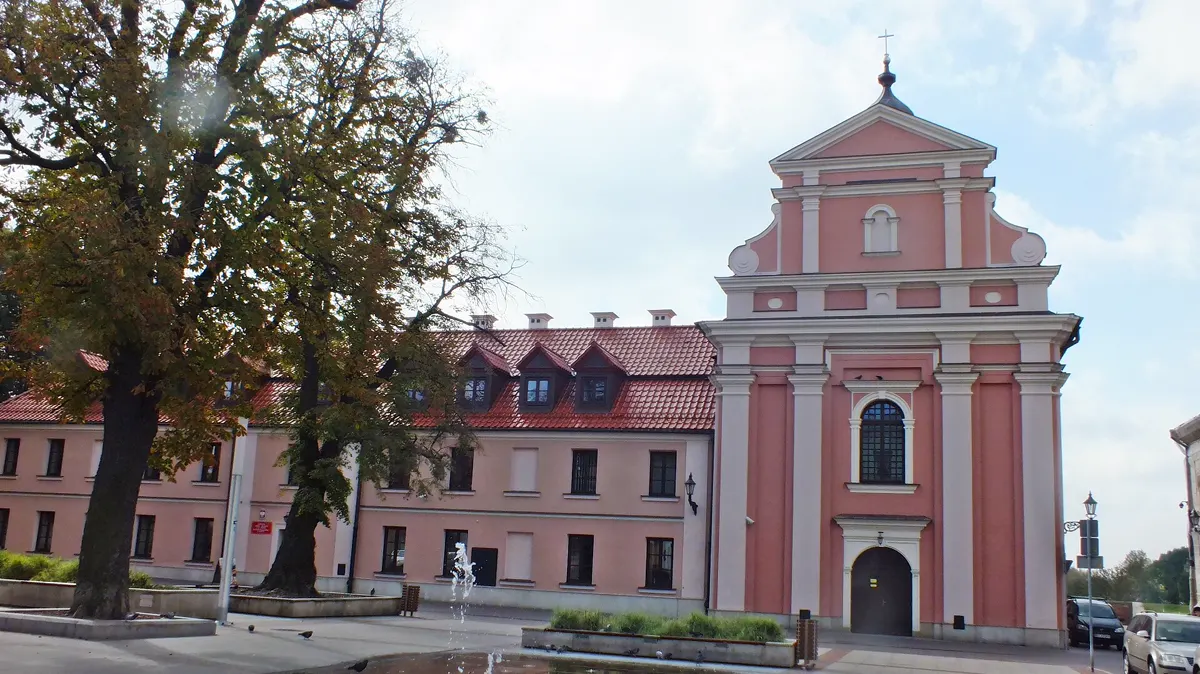
Former Poor Clares Church of St. Anne
A late 17th-century church on the Water Market square in Zamosc's Old Town, built with a Poor Clares convent whose former buildings now house a music school.
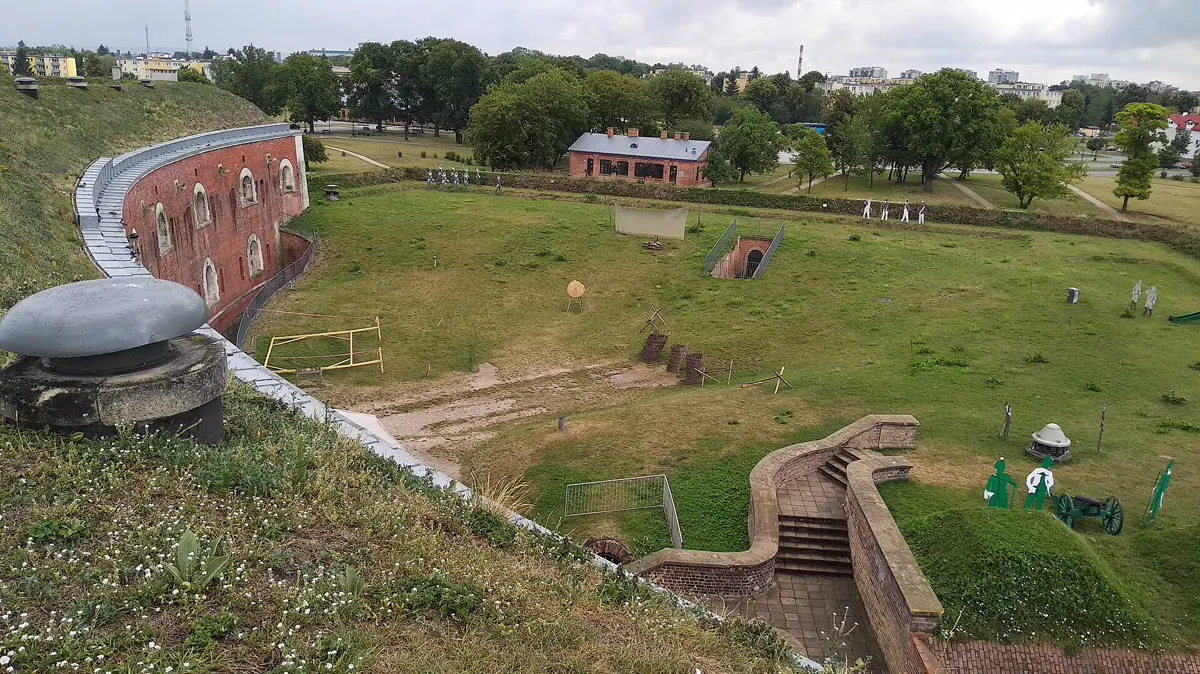
Zamość Fortress
Zamość Fortress is one of Poland's best-preserved star fortresses, with restored bastions and curtain walls that now form a walking route around the historic centre.
More to explore in Zamość
Museum
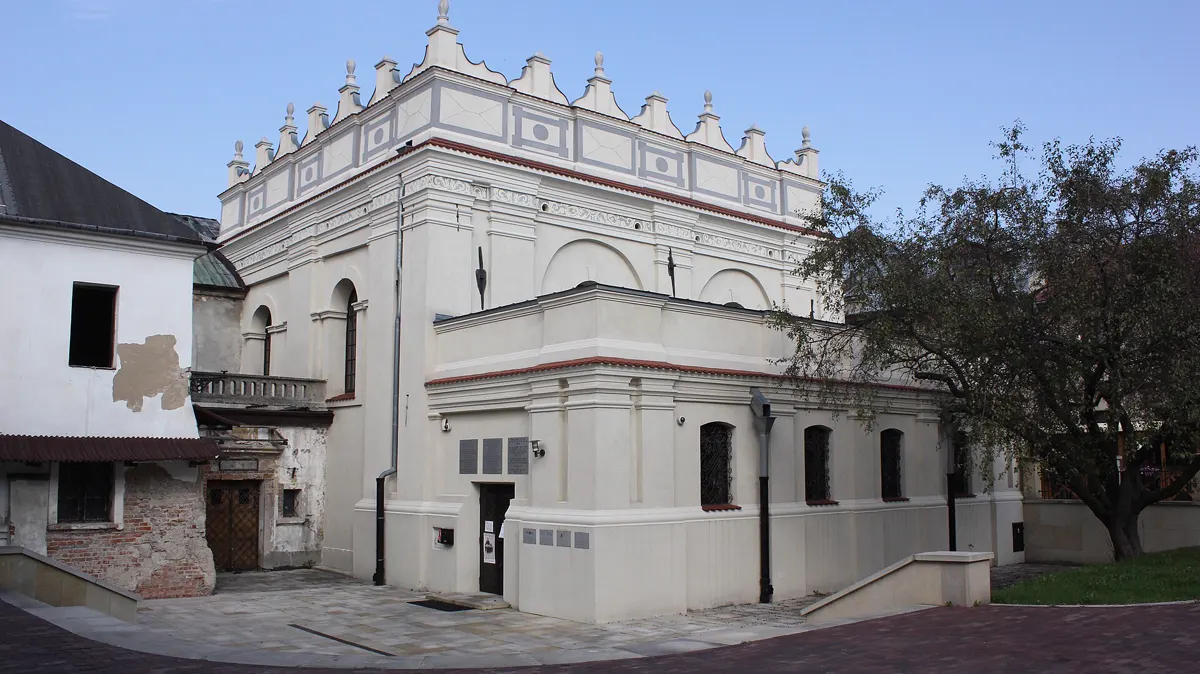
Zamość Synagogue (Synagogue Centre)
A rare surviving Renaissance synagogue of about 1618, restored by the Foundation for the Preservation of Jewish Heritage and reopened in 2011 as a cultural centre with a multimedia exhibition on the town’s Jewish heritage.
Museum
Zamość Rotunda (Museum of Martyrdom of the Zamość Region)
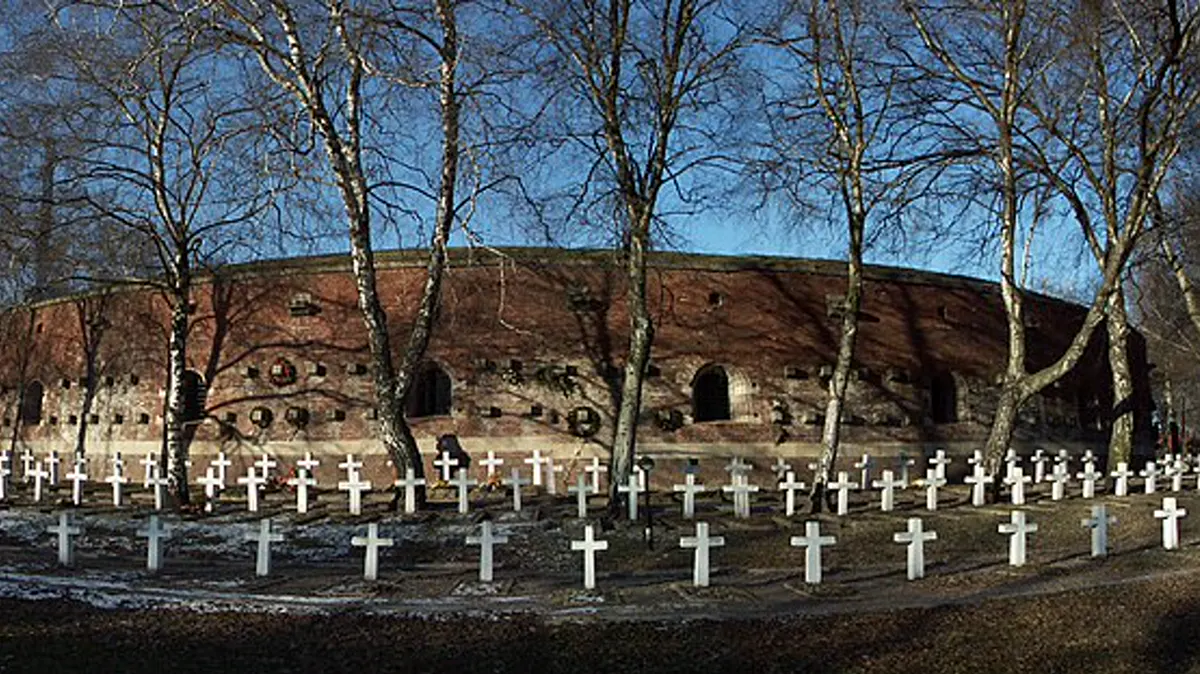
A 19th-century circular fort that the Gestapo turned into a place of execution during WWII, now a museum of martyrdom for the Zamość region.
Museum
Muzeum Zamojskie (Museum of Zamość, Armenian Houses)
The town museum set inside the ornately decorated 17th-century Armenian houses on the Great Market Square.
Restaurant
Restauracja Muzealna Ormiańskie Piwnice
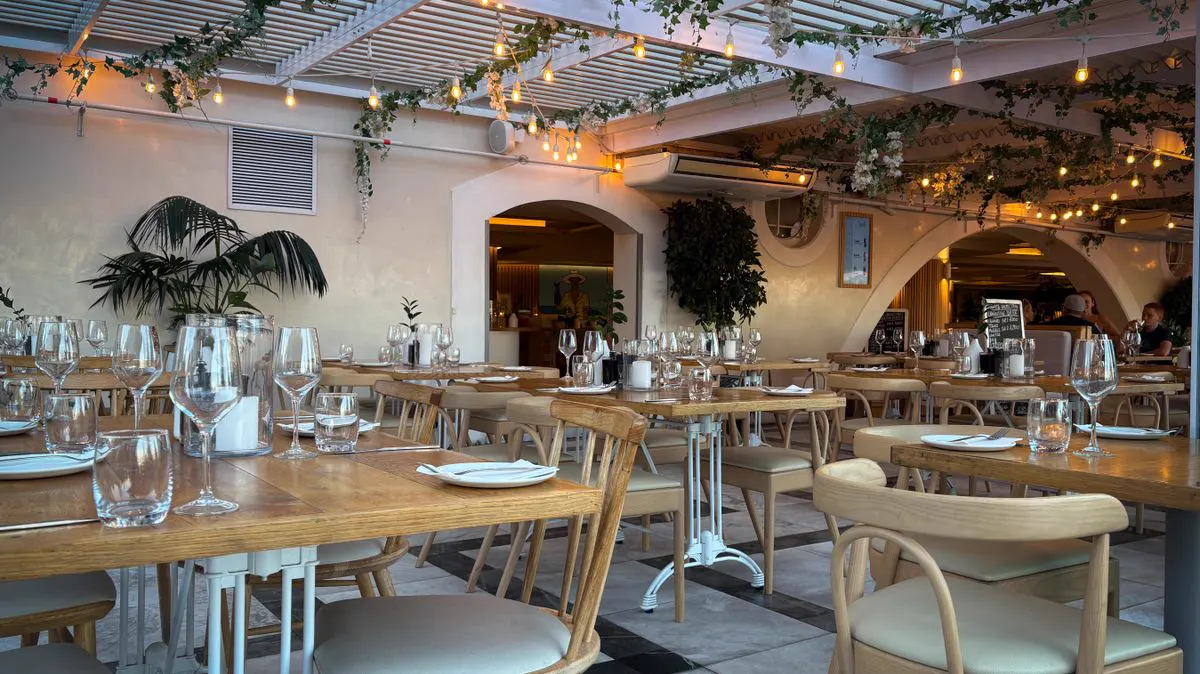
Armenian and regional cooking served in the vaulted cellars of a 17th-century Armenian house beside the Town Hall.
Hotel
Hotel Zamojski
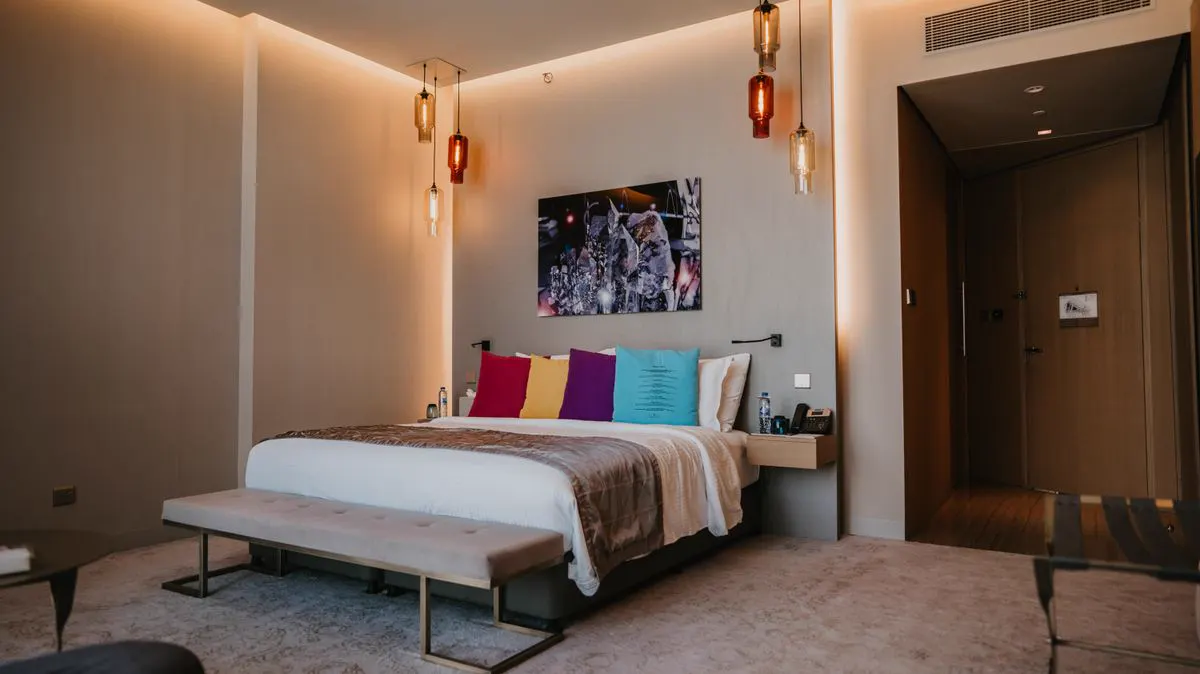
An Old Town hotel spread across renovated historic tenements a step from the Town Hall.
Restaurant
Restauracja Bohema
A long-running restaurant on a corner of the Great Market Square, with big outdoor tables looking onto the arcades.