Attraction in Toruń
Torun Old Town
A genuine, war-survived medieval centre of brick Gothic churches, granaries and gabled houses around the Old Town Market Square.
Reviewed and updated June 2026
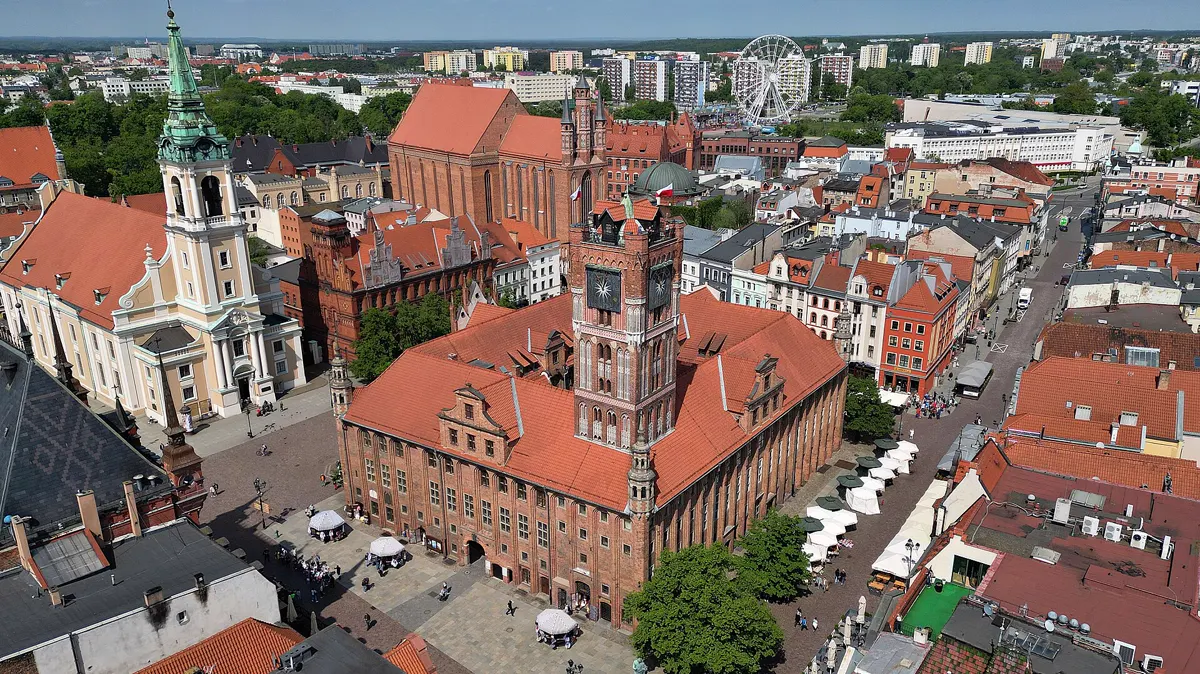
Torun came through the Second World War largely undamaged, so its old town is the real medieval article rather than a reconstruction. That authenticity is why UNESCO listed it in 1997. The centre is compact and made for walking, bounded by the Vistula on one side and fragments of the city walls on the others.
Why visit Torun's Old Town
Torun is one of the best-preserved Gothic towns in northern Europe and an easy day or overnight from Warsaw, Gdansk or Poznan. It was a wealthy Hanseatic trading port, and the brick churches, granaries and gabled houses show it. It is also the birthplace of Nicolaus Copernicus, and the town leans into that, along with its long tradition of gingerbread.
What to see in the Old Town
Around Torun's market square
The Old Town Market Square is anchored by the Old Town Hall, one of the grandest in central Europe, with a statue of Copernicus outside it. A short walk away the Leaning Tower (Krzywa Wieza) tilts noticeably, and the brick churches of St John and St Mary rise over the rooftops.
Copernicus and Torun gingerbread
The House of Copernicus stands among the merchant houses and tells the story of the astronomer, who was born in the town in 1473. Gingerbread has been made in Torun for centuries, and the Living Museum of Gingerbread lets you bake your own by old methods.
Torun's medieval history
Torun was founded by the Teutonic Knights in 1233 and grew rich as a member of the Hanseatic League, trading along the Vistula. The Peace of Torun was signed here twice in the fifteenth century, ending wars with the Order. The old town, the new town and the ruins of the Teutonic castle between them make up the UNESCO site.
How long to spend in Torun
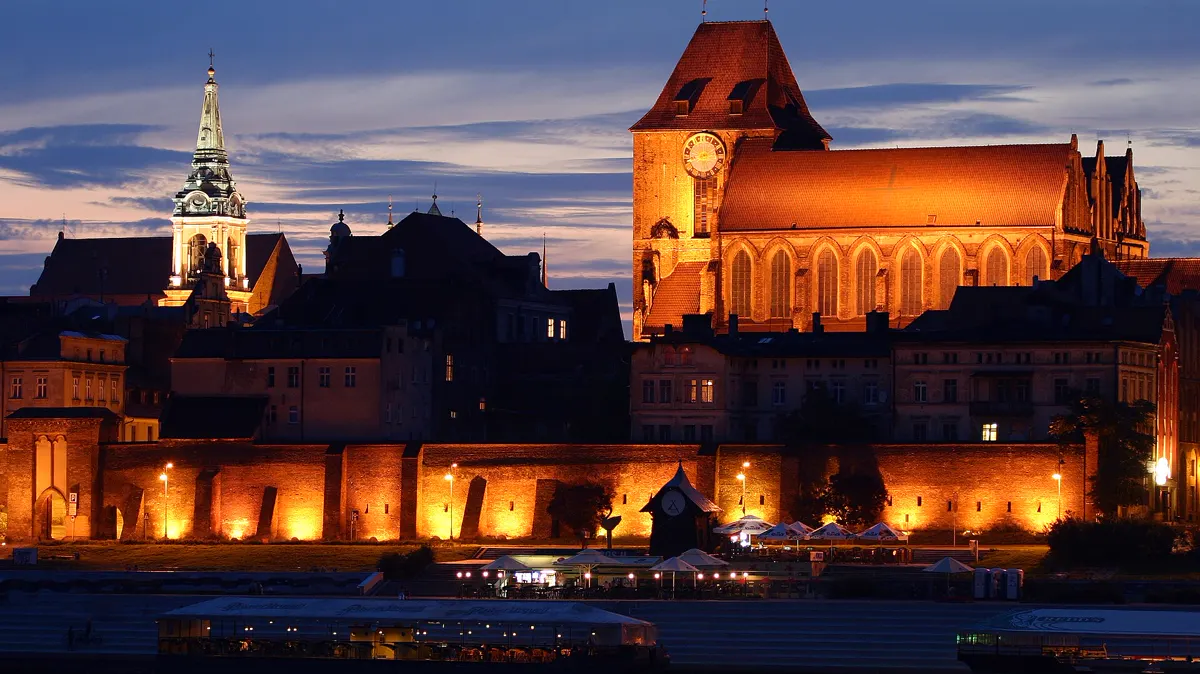
Allow a half to full day. The centre is small enough to cover on foot, and the museums and gingerbread workshops fill the gaps between the landmark buildings. An overnight lets you see the brick skyline lit after dark.
Best time to visit Torun
Late spring to early autumn is the most comfortable, with long days for walking the walls and the riverbank. Cross to the far bank of the Vistula at sunset for the classic view of the brick skyline, when the whole medieval wall of the town glows. Weekends and summer are busiest.
Getting to Torun
Trains link Torun to Warsaw, Poznan, Gdansk and Bydgoszcz. The main station, Torun Glowny, sits across the Vistula from the centre, a short bus ride or walk away, while Torun Miasto is nearer the old town. For planning your stay, see the Torun guide.
Accessibility in the Old Town
The old town is flat but cobbled throughout, with uneven setts that can be hard going for wheelchairs and prams. Many historic interiors, including church and tower stairs, are reached by steps. The riverbank paths and the main square are easier underfoot.
What's nearby in Torun
The landmarks cluster within a few minutes' walk:
- The Old Town Hall and its museum, at the centre of the square.
- The Leaning Tower, in the walls a short walk south.
- The House of Copernicus and the Living Museum of Gingerbread, both near the square.
- The Vistula boulevard and the far bank, for the skyline view.
Good to know
The old town is walkable in a few hours, but the museums and gingerbread workshops are worth booking ahead in summer. Buy real Torun gingerbread (pierniki) from the town's own makers rather than generic souvenirs.
Common questions about Torun
Why is Torun a UNESCO site?
Its medieval old town survived the Second World War almost intact, keeping the Gothic churches, granaries and gabled houses from its days as a Hanseatic trading port. UNESCO listed it in 1997 as an outstanding example of a medieval trading town.
Was Copernicus born in Torun?
Yes. Nicolaus Copernicus was born in the town in 1473. A museum in a surviving merchant house, the House of Copernicus, tells his story.
How long do I need in Torun?
A half to full day covers the old town on foot. Stay overnight if you want to see the brick skyline lit and take your time over the museums.
Frequently asked questions
More attractions in Toruń
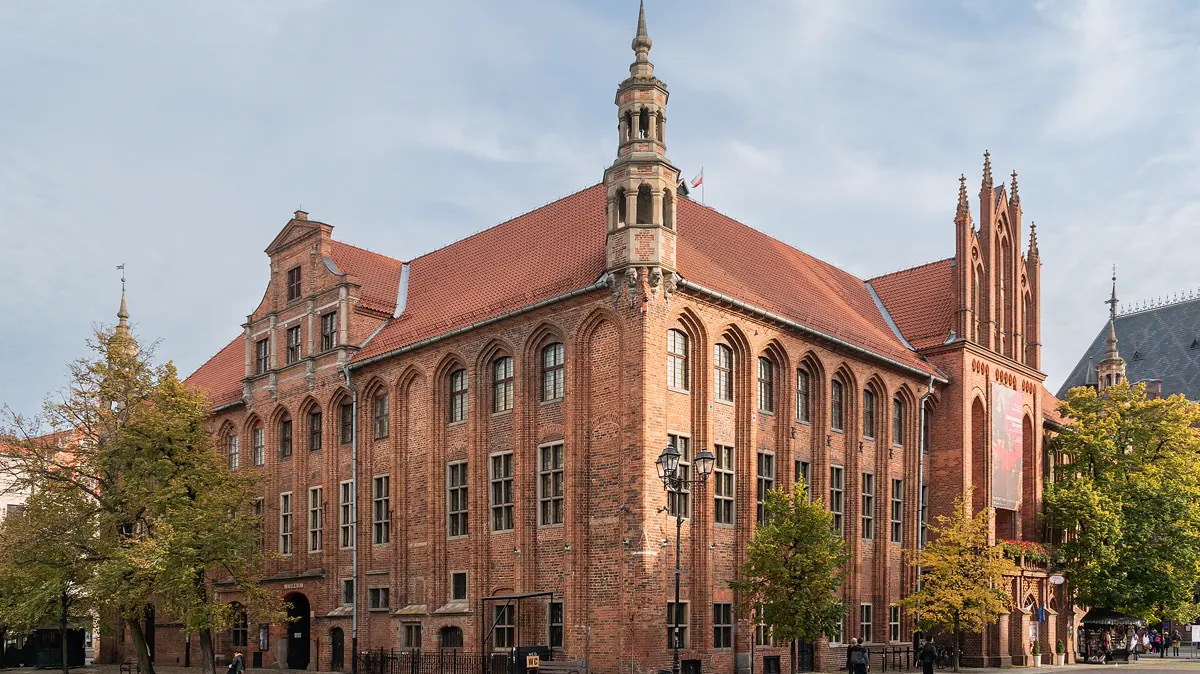
Ratusz Staromiejski
One of the finest municipal Gothic buildings in Central Europe, the Old Town Hall dates from the late 14th century and now houses the District Museum. Its tall tower offers sweeping views over the red-roofed old town and the Vistula.
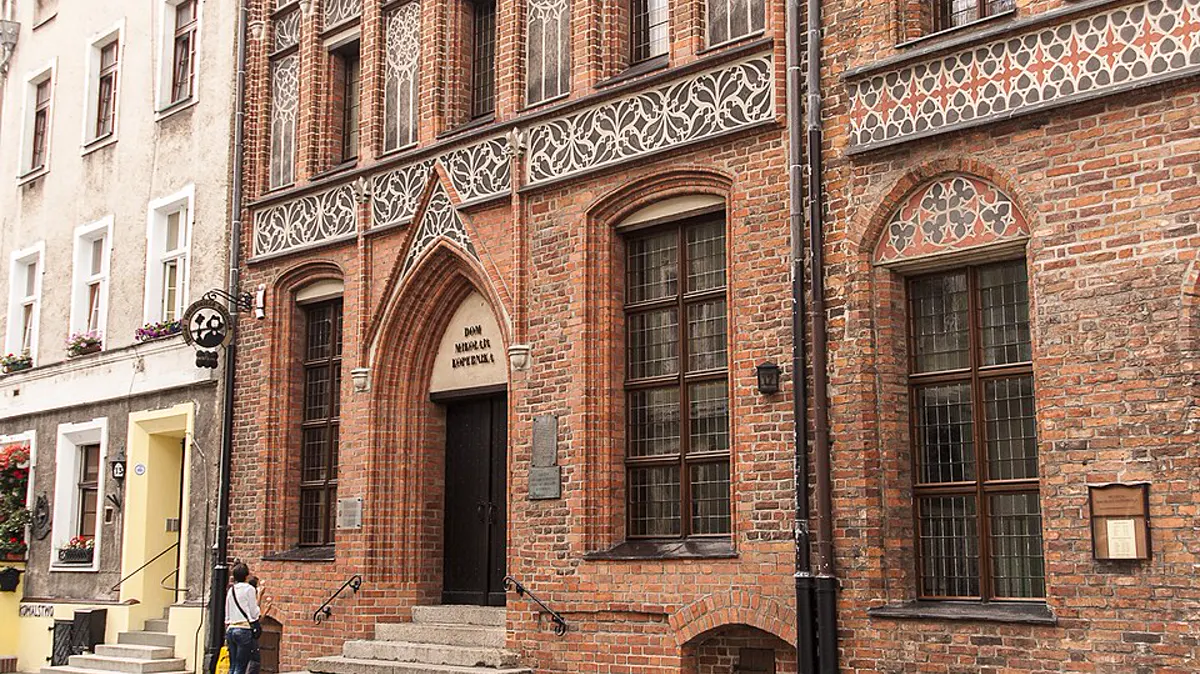
Dom Kopernika
A pair of Gothic burgher houses believed to be the birthplace of Nicolaus Copernicus in 1473, now a museum devoted to the astronomer's life and era. Exhibits recreate a 15th-century merchant household and display period instruments.
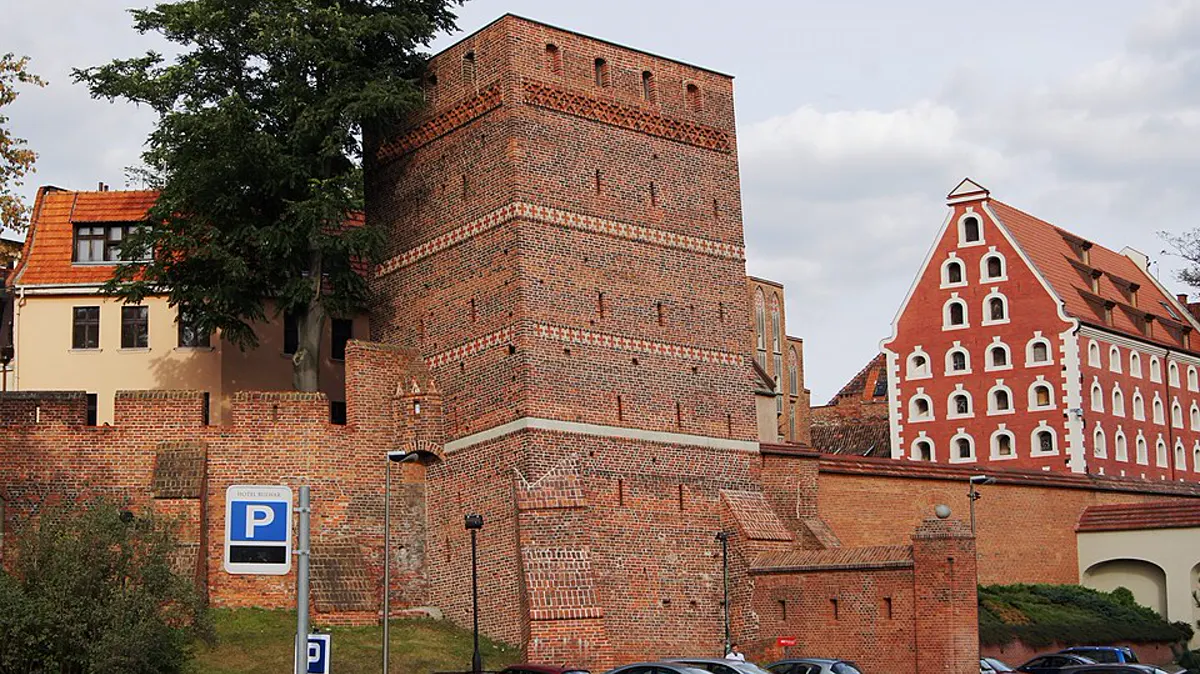
Krzywa Wieza
The Leaning Tower is a 14th-century defensive tower that tilts about 1.5 metres from vertical due to its foundation on unstable riverside ground. Local legend ties the lean to a Teutonic knight's broken vow.
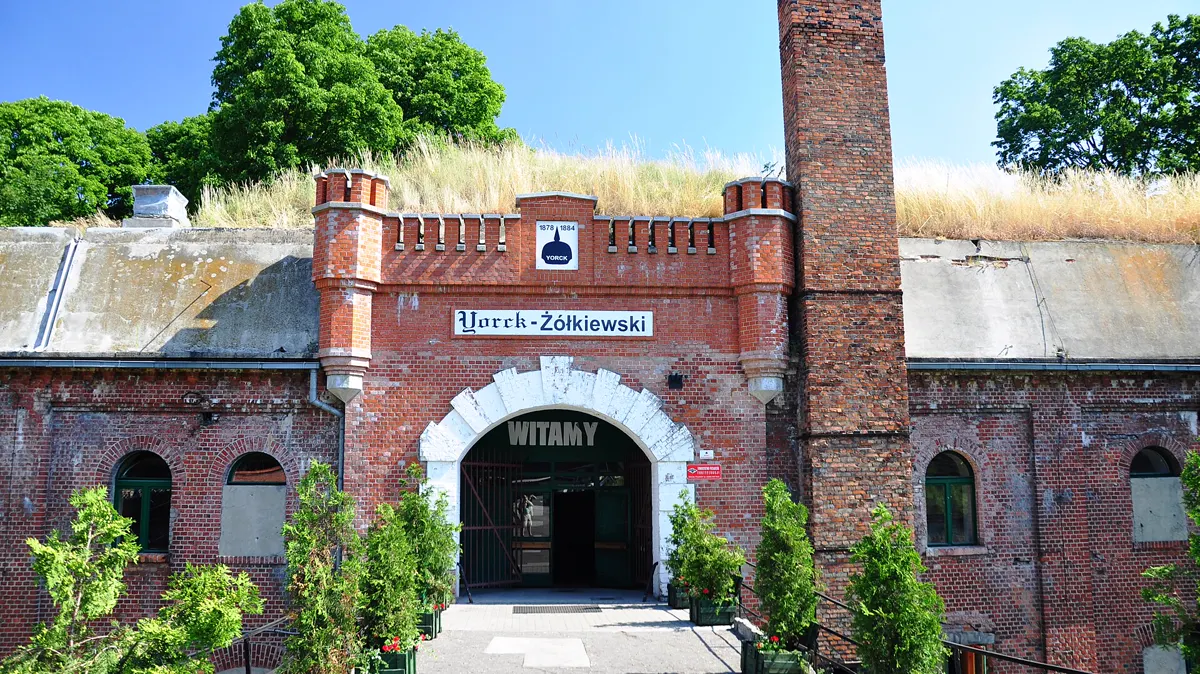
Toruń Fortress (Fort IV)
A ring of 19th-century Prussian forts around Toruń, with Fort IV the best preserved and open for tours of its brick corridors, barrack rooms and moats.
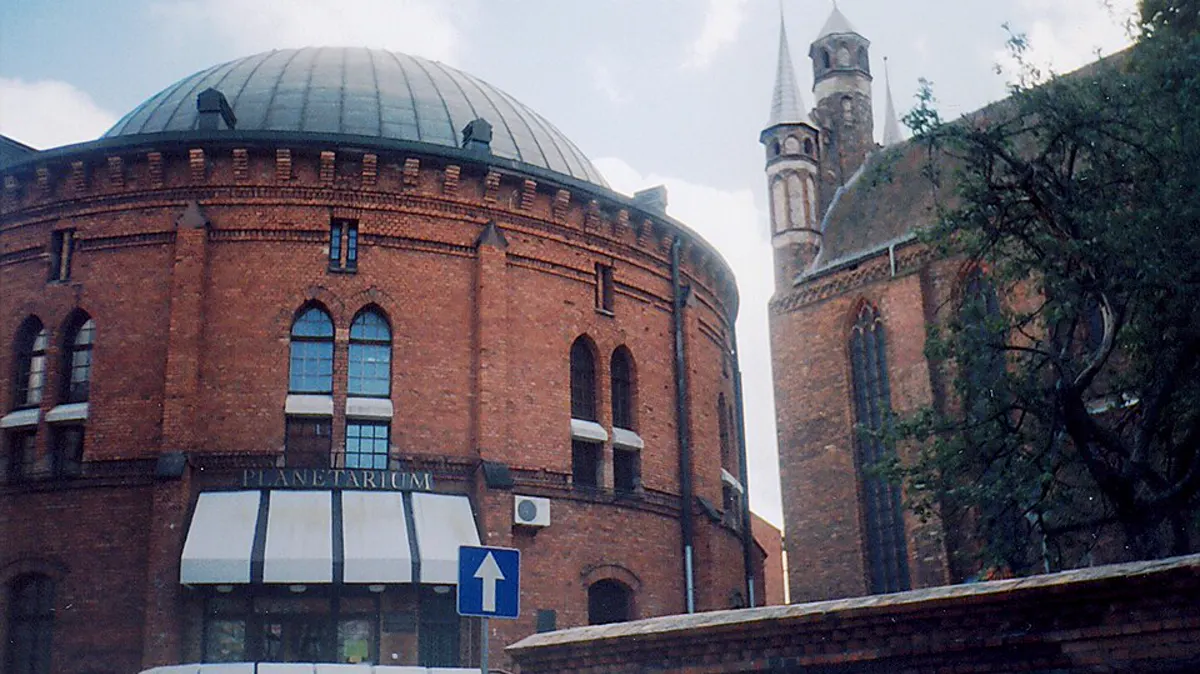
Planetarium
Housed in a former 19th-century gas holder, Torun's planetarium projects astronomy shows under a large dome in fitting tribute to the birthplace of Copernicus. It is one of the most visited planetariums in Poland.
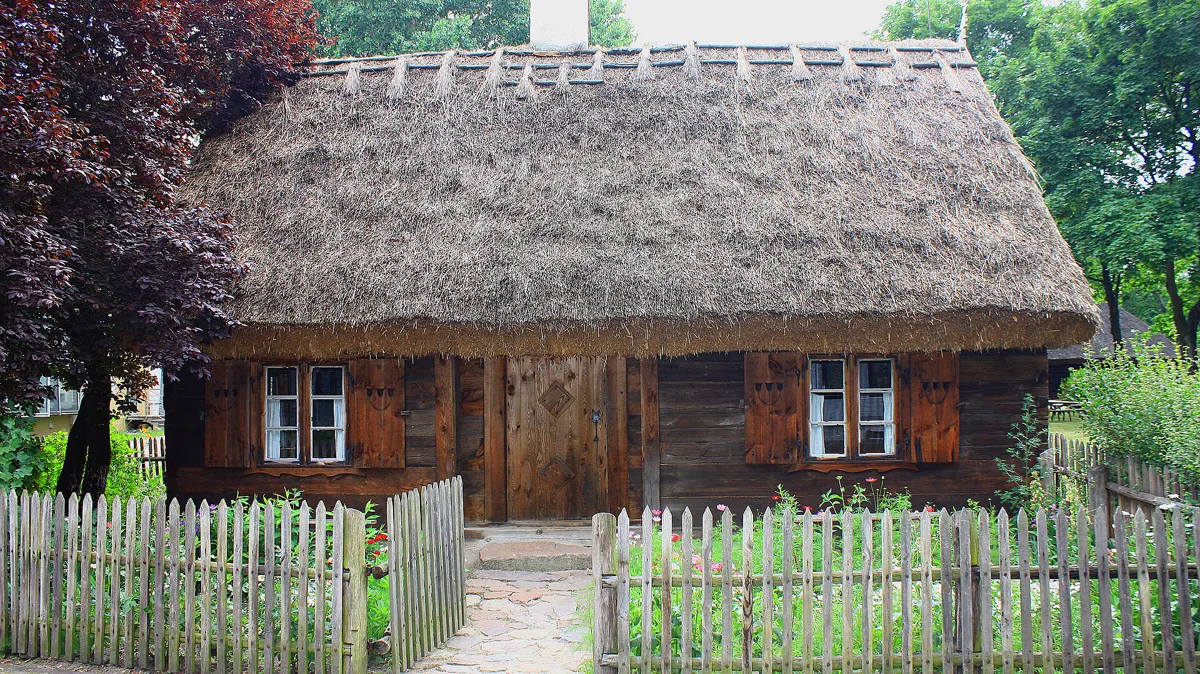
Ethnographic Museum and Open-Air Park, Toruń
An ethnographic museum in central Toruń that pairs indoor folk-art galleries with a two-hectare open-air park of relocated wooden buildings from rural northern Poland.
More to explore in Toruń
Restaurant
Manekin
A local legend for enormous sweet and savoury pancakes at gentle prices.
Hotel
1231 Hotel
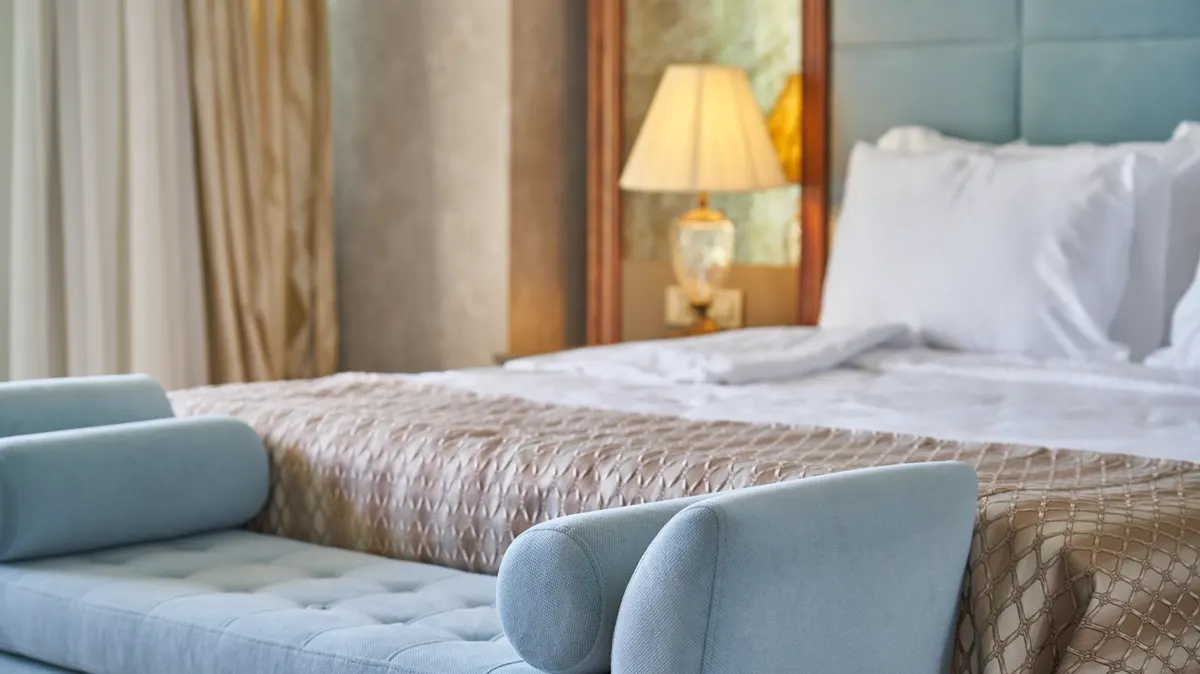
A design hotel inside a 13th-century mill by the moat, with a spa and a well-regarded restaurant.

Restaurant
Karczma Gesia Szyja
A rustic inn in the old town leaning into goose and other regional specialities.
Hotel
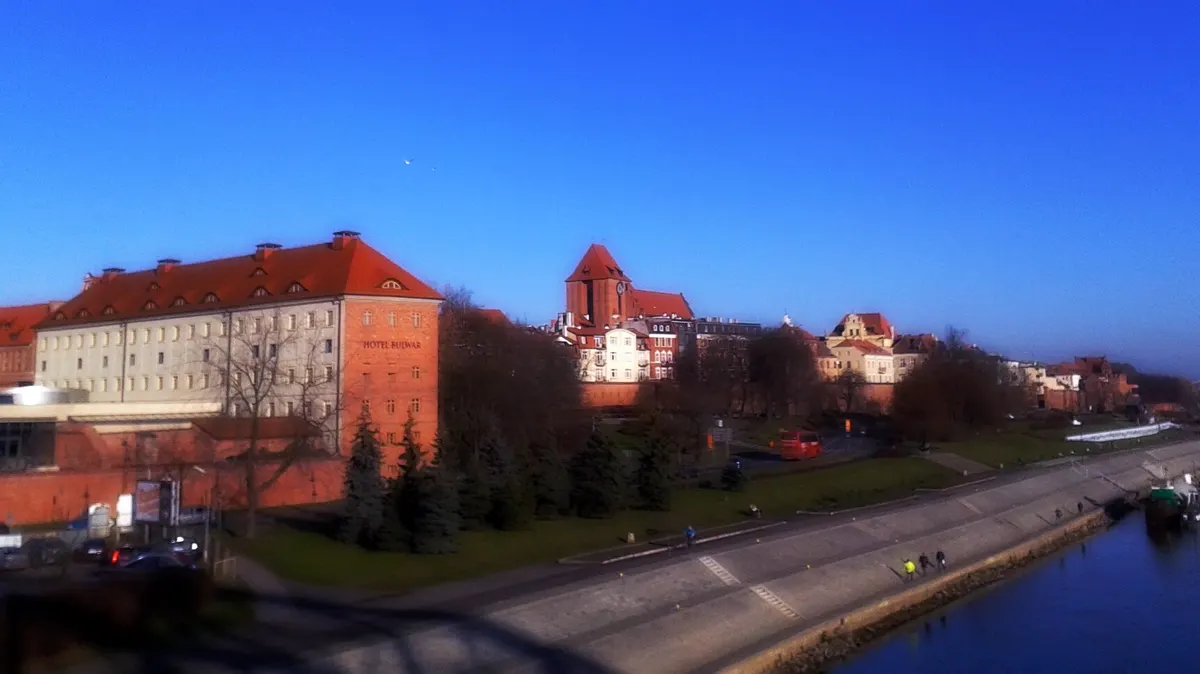
Hotel Bulwar
A comfortable hotel on the Vistula boulevard with the best gingerbread-skyline views.
Hotel
Hotel Filmar
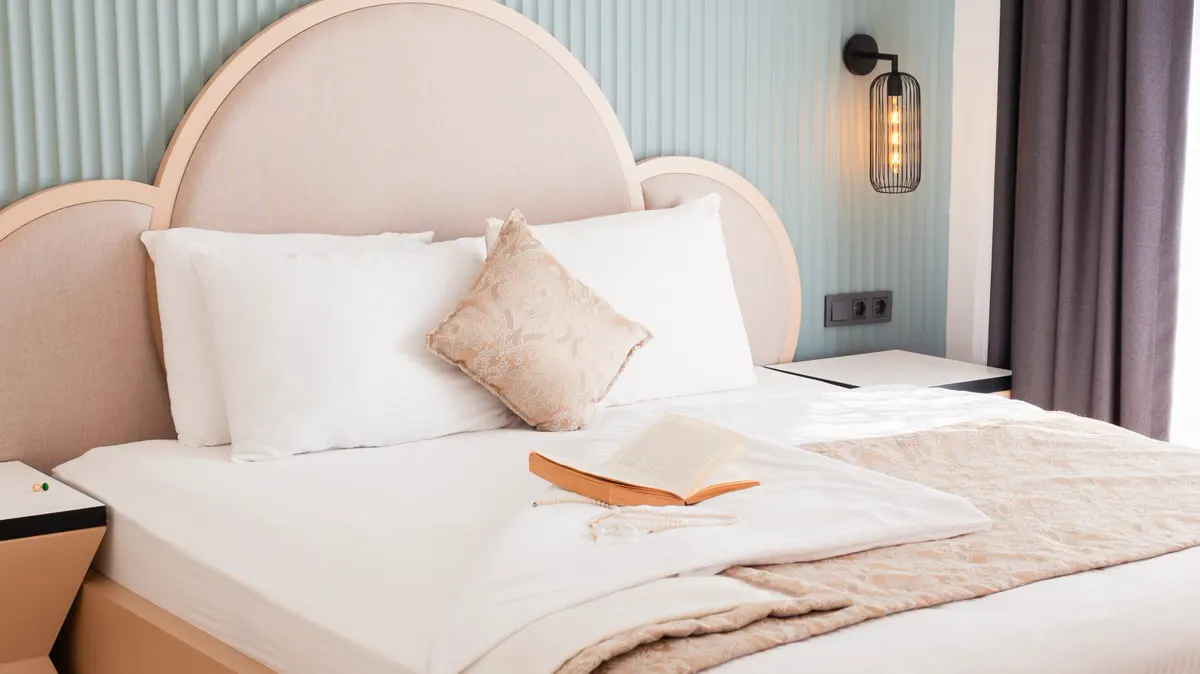
A reliable four-star business hotel a short walk from the Old Town, with two restaurants and a wellness zone.
Hotel
Hostel Orange
A clean, well-run budget hostel close to the Old Town with dorms and private rooms, popular with backpackers and families.