Attraction in Częstochowa
Jasna Gora Monastery
The fortified hilltop monastery that guards the Black Madonna icon, the most important Catholic pilgrimage site in Poland.
Reviewed and updated June 2026
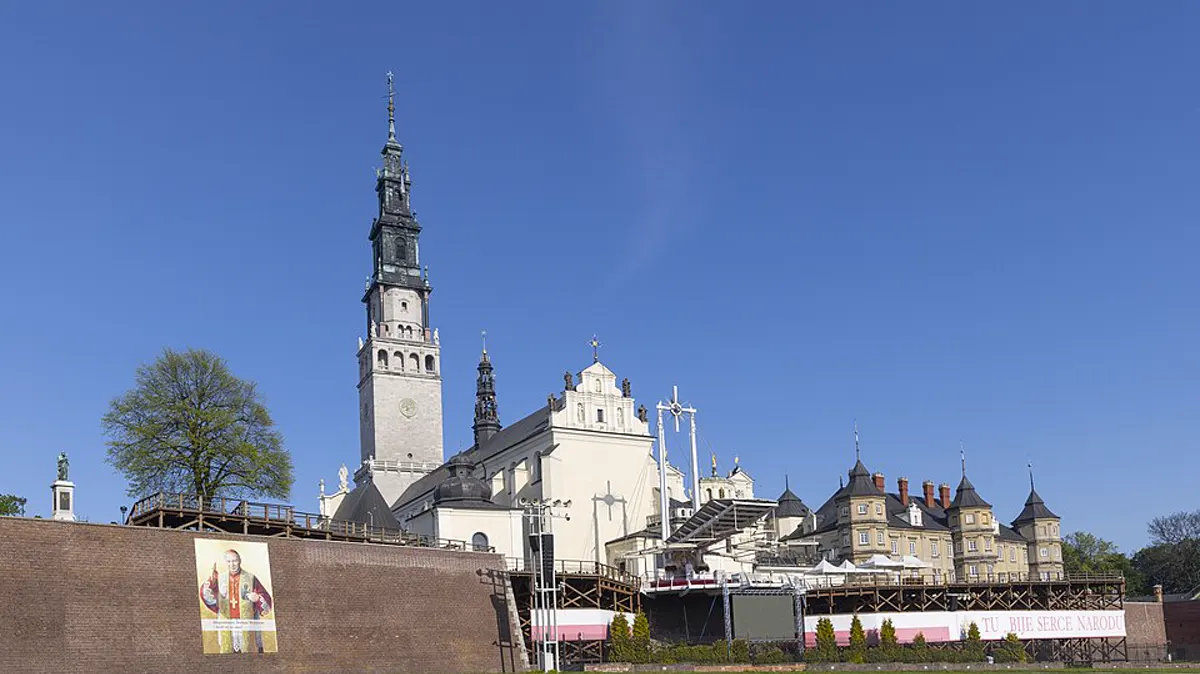
Jasna Gora is the spiritual centre of Catholic Poland and one of the major pilgrimage sites in Europe. Pauline monks founded the monastery in 1382, and its fortified walls now enclose a basilica, the Chapel of Our Lady, a treasury and a ring of ramparts, set on a low hill above Czestochowa. The draw is the icon of the Black Madonna, venerated by millions each year.
Why visit Jasna Gora
This is the most important religious site in the country, and the scale of devotion makes it striking even for those with no faith. Pilgrims arrive year round, some walking here on foot from across Poland. The complex is free, and you can see the church, the chapel and the ramparts in a single visit.
The Black Madonna icon
The icon shows the Virgin and Child with a darkened face and two scars on the right cheek, thought to derive from a Byzantine original. It hangs above the altar in the Chapel of Our Lady and is unveiled and covered each day to a fanfare of trumpets and drums. Unveiling times change, so check the schedule before you arrive.
What to see at Jasna Gora
Beyond the chapel, the Baroque basilica alongside it is richly decorated and holds regular services. The treasury keeps votive offerings left by pilgrims over the centuries, from jewellery to military decorations. The bell tower can be climbed in season for a view over the city, and the ramparts make a quiet circuit of the hilltop.
History of the monastery
The monastery's fame was sealed in 1655, when a small garrison of monks and local volunteers held out against a Swedish force for around forty days during the wars known as the Deluge. The defence was quickly mythologised, and King John II Casimir soon afterwards named the Virgin Mary Queen of Poland. The link between shrine and nation has held ever since.
How long to spend at Jasna Gora
Allow one to two hours for the chapel, the basilica and a walk of the ramparts. Add more for the treasury and the tower, or if you arrive during a service, when the chapel can be full. Pilgrims often stay a half day or longer.
Best time to visit Czestochowa
The busiest days are the Marian feasts, above all 3 May, 15 August and 26 August, when huge crowds converge on the hill. Come on these dates only if the pilgrimage itself is what you want to see. For a quieter visit, choose an ordinary weekday and arrive early.
Getting to Jasna Gora
Czestochowa sits on the main railway line between Warsaw and Katowice, so trains are frequent from both. From the city stations the monastery is a walk of about twenty minutes west, up the long central avenue that leads to the gates. Many combine it with a stay in Krakow to the south.
Accessibility at the monastery
The approach climbs a gentle slope and the courtyards are paved with uneven cobbles. The chapel and basilica are at ground level but can be very crowded during services, and the tower is reached by stairs only. For current arrangements, check with the information point at the gate.
What's nearby in Czestochowa
Czestochowa lies in Silesia, within reach of the industrial south:
- Nikiszowiec in Katowice, a preserved miners' settlement about an hour and a half away.
- Krakow, roughly two hours south by road or rail.
Good to know
Entry is free. Dress modestly, as this is an active place of worship, and keep quiet in the chapel. Photography rules vary by area, so follow the posted signs.
Common questions about Jasna Gora
What is the Black Madonna?
It is a venerated icon of the Virgin and Child, kept in the Chapel of Our Lady, with a dark face and two scars on the cheek. It is the reason most pilgrims come, and it is unveiled daily with a fanfare.
Can non-Catholics visit?
Yes. The monastery is open to all, and many come for the history and the scale of devotion. Dress and behave as you would in any active church.
When are the biggest pilgrimages?
The great gatherings fall on the Marian feast days, chiefly 3 May, 15 August and 26 August. Expect enormous crowds then and much quieter conditions on an ordinary weekday.
Many pilgrims pair the shrine with a stay in Krakow. See Wawel and the Main Market Square for the city's own great sights.
Frequently asked questions
More attractions in Częstochowa
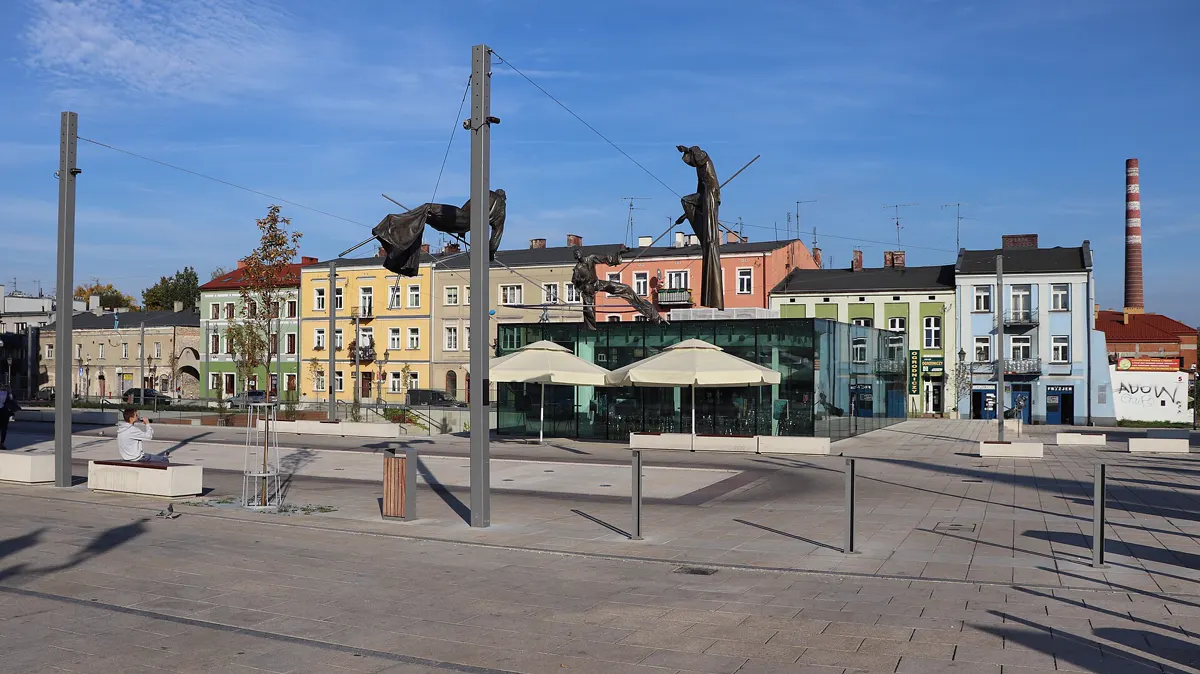
Old Market Square (Stary Rynek)
The revitalised Stary Rynek carries a permanent open-air gallery of Jerzy Kędziora's balancing sculptures, run by the Częstochowa Museum.
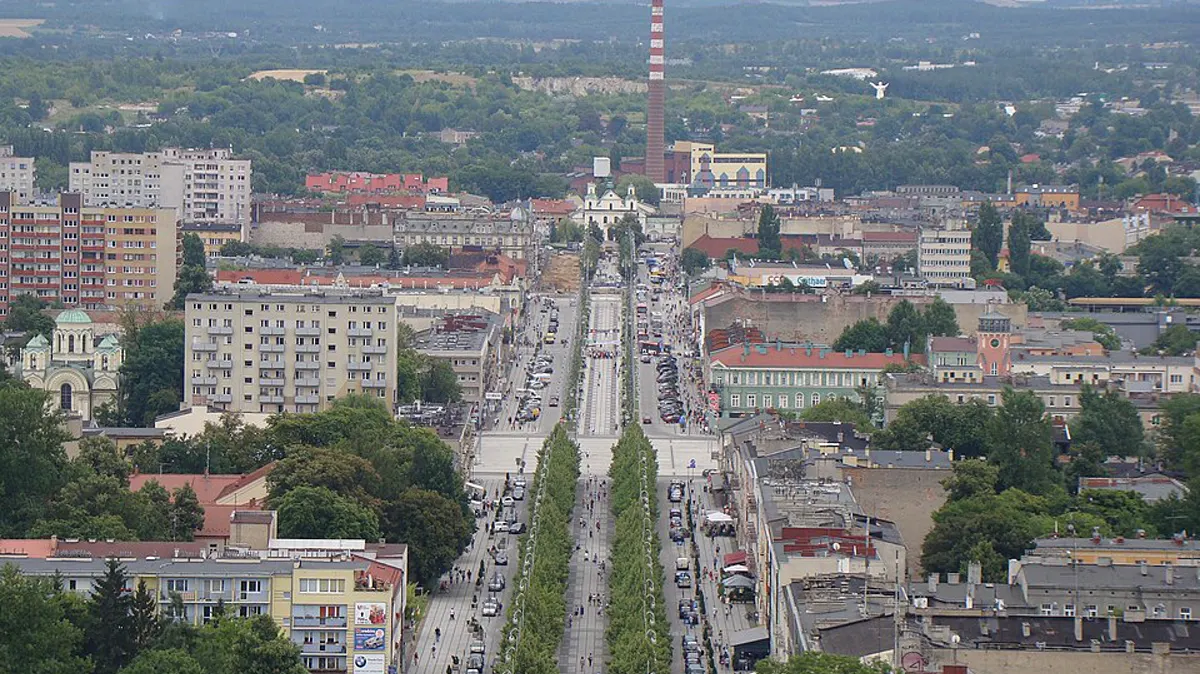
Aleja Najświętszej Maryi Panny (Avenue of the Blessed Virgin Mary)
The Avenue of the Blessed Virgin Mary is Częstochowa's main axis, running from the old town towards Jasna Góra and walked by generations of pilgrims.
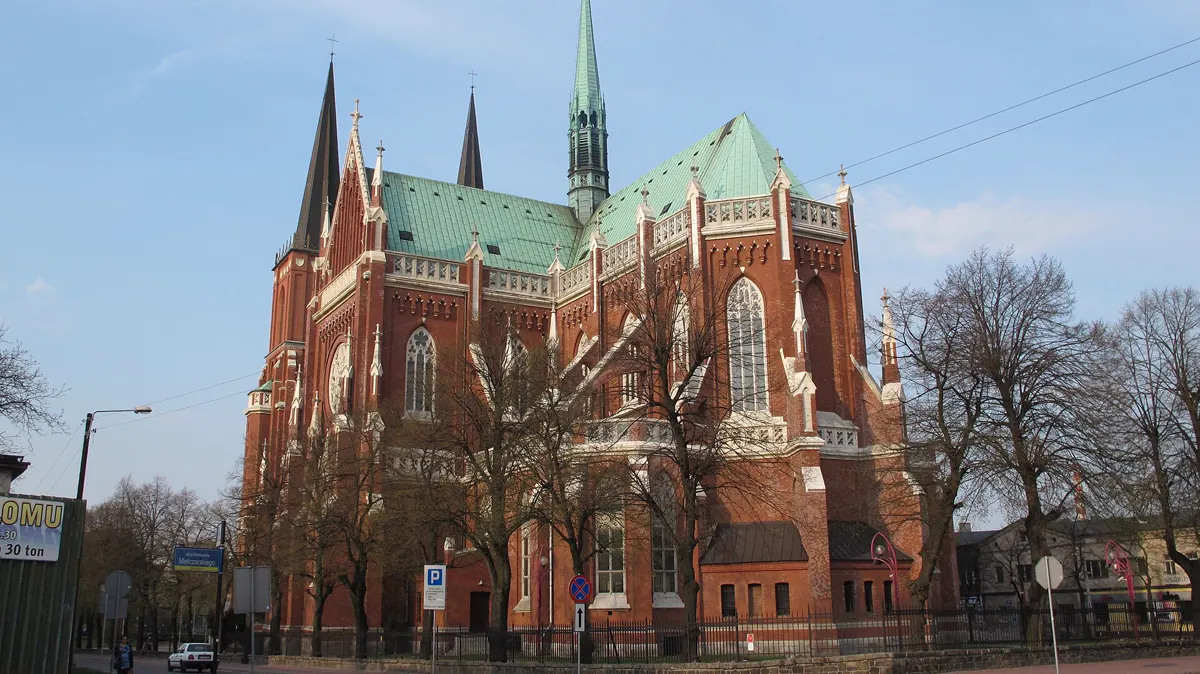
Częstochowa Cathedral (Cathedral Basilica of the Holy Family)
A monumental red-brick neo-Gothic basilica in central Częstochowa, and one of the largest churches in Poland, known for its twin 80-metre towers and vast three-nave interior.

Museum of Coins and Medals of John Paul II
A private museum in Częstochowa dedicated to Pope John Paul II, holding over 11,000 exhibits, including around 2,000 coins and many medals, displayed under a dramatic lighting scheme.
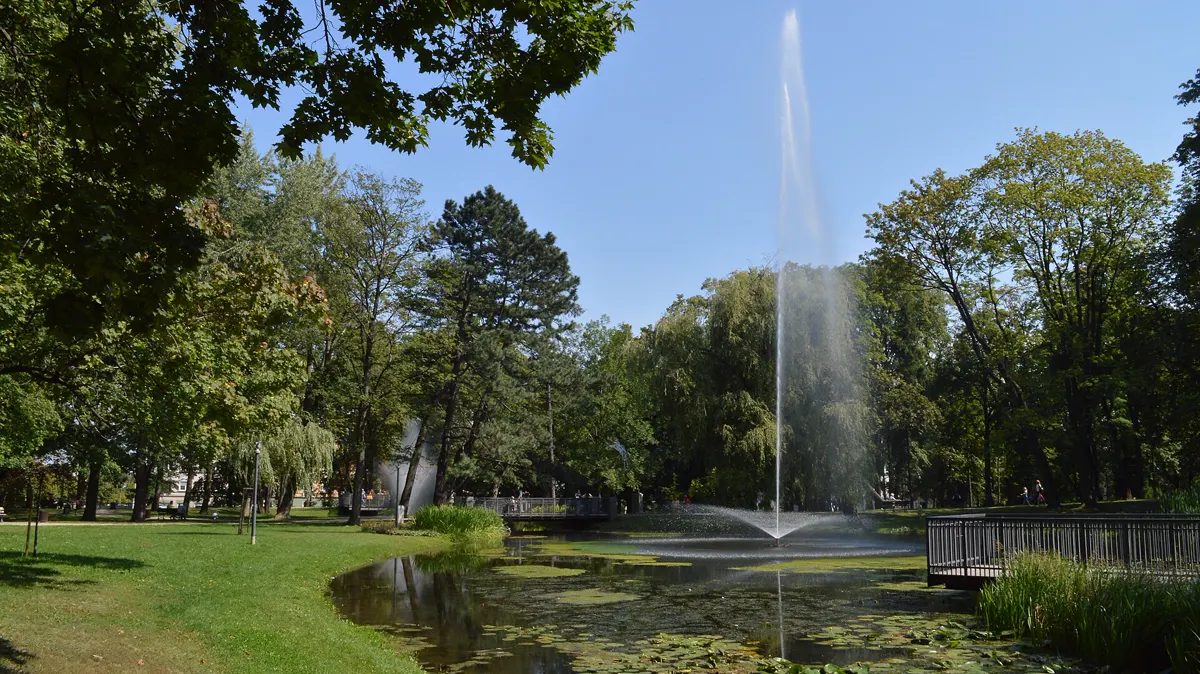
Staszic Park
Staszic Park is the oldest public park in Częstochowa, laid out in 1826 on the eastern approach to Jasna Góra. It links the Avenue of the Blessed Virgin Mary with the monastery hill and draws pilgrims and residents heading up to the sanctuary.
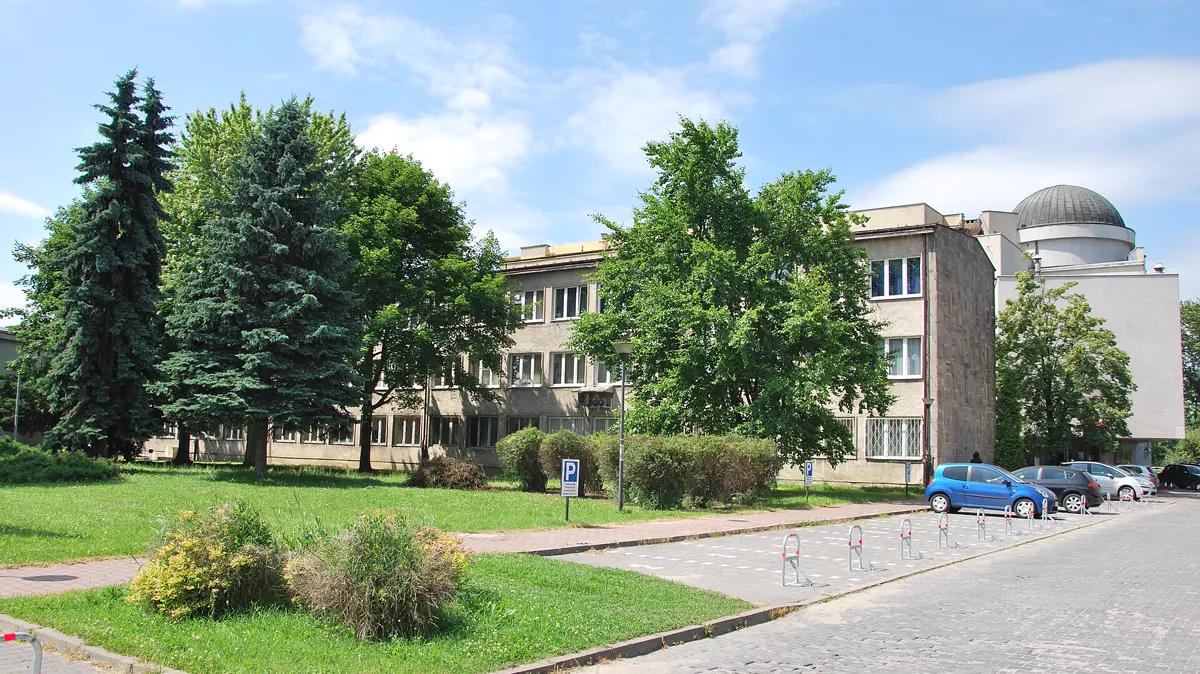
Częstochowa Planetarium
A university-run planetarium in Częstochowa where a domed spherical cinema projects simulated night skies and astronomical phenomena for public audiences.
Featured in
More to explore in Częstochowa
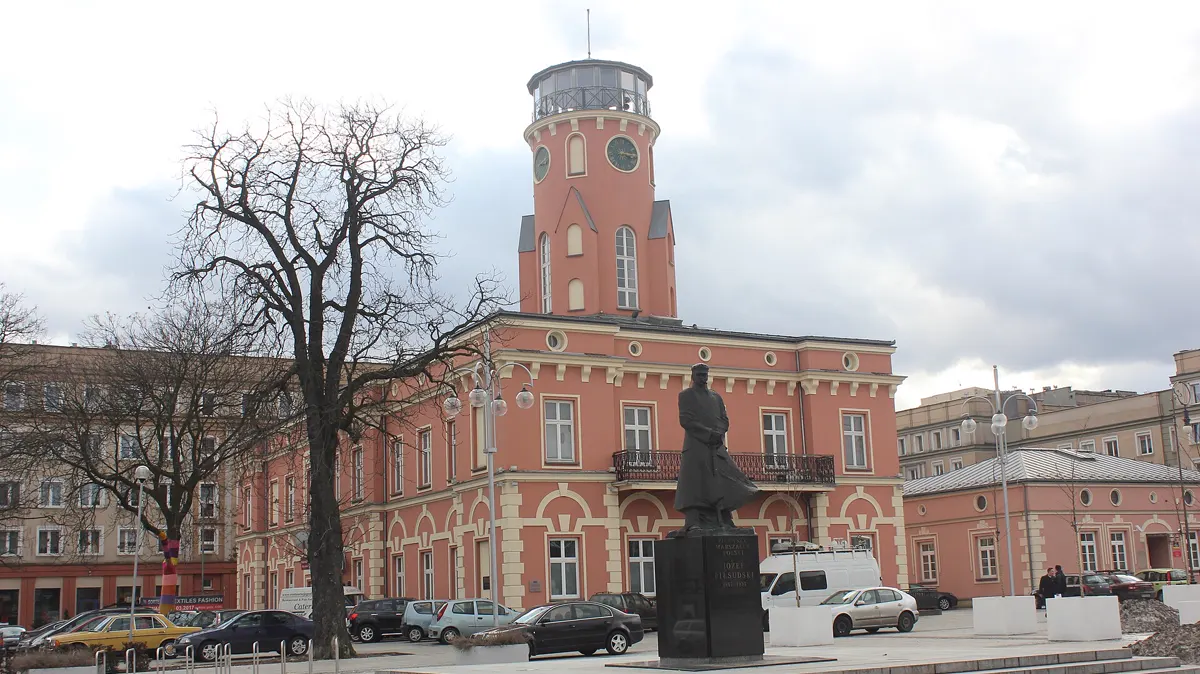
Museum
Częstochowa Museum (Muzeum Częstochowskie)
The Częstochowa Museum spreads across eight venues, from the Town Hall on plac Biegańskiego to branches covering history, art and archaeology.
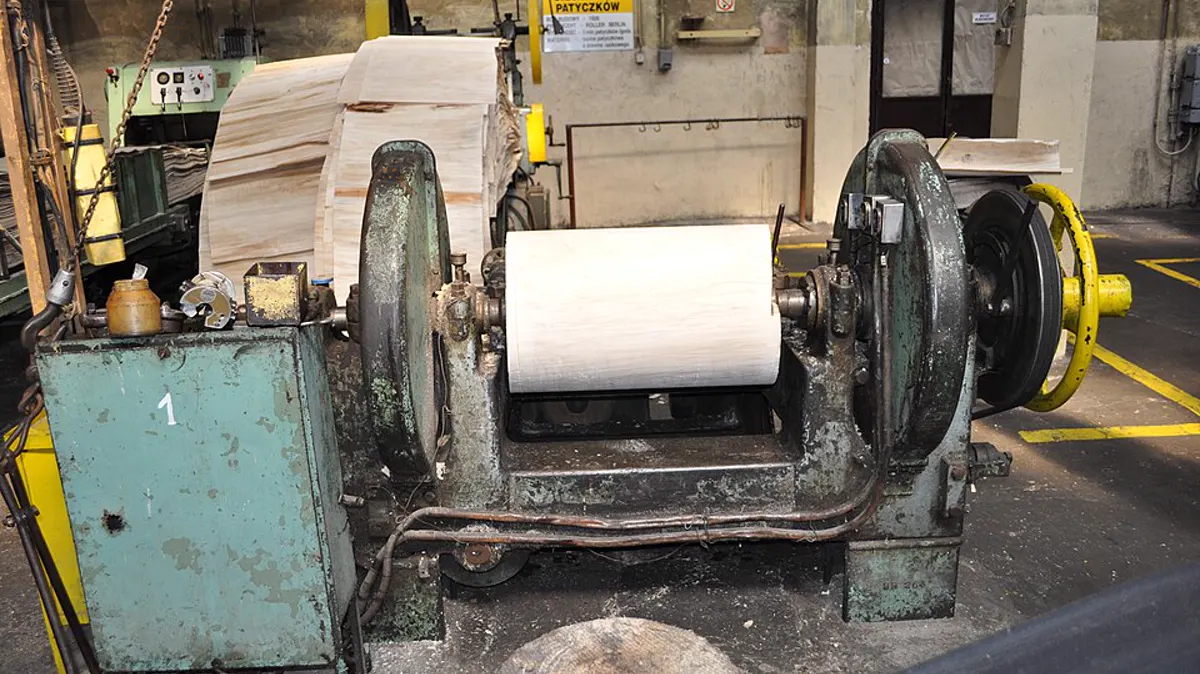
Museum
Museum of Match Production (Muzeum Produkcji Zapałek)
The Museum of Match Production keeps a 1930s factory line in a plant dating to 1882, described as the only working match museum in Europe.
Museum
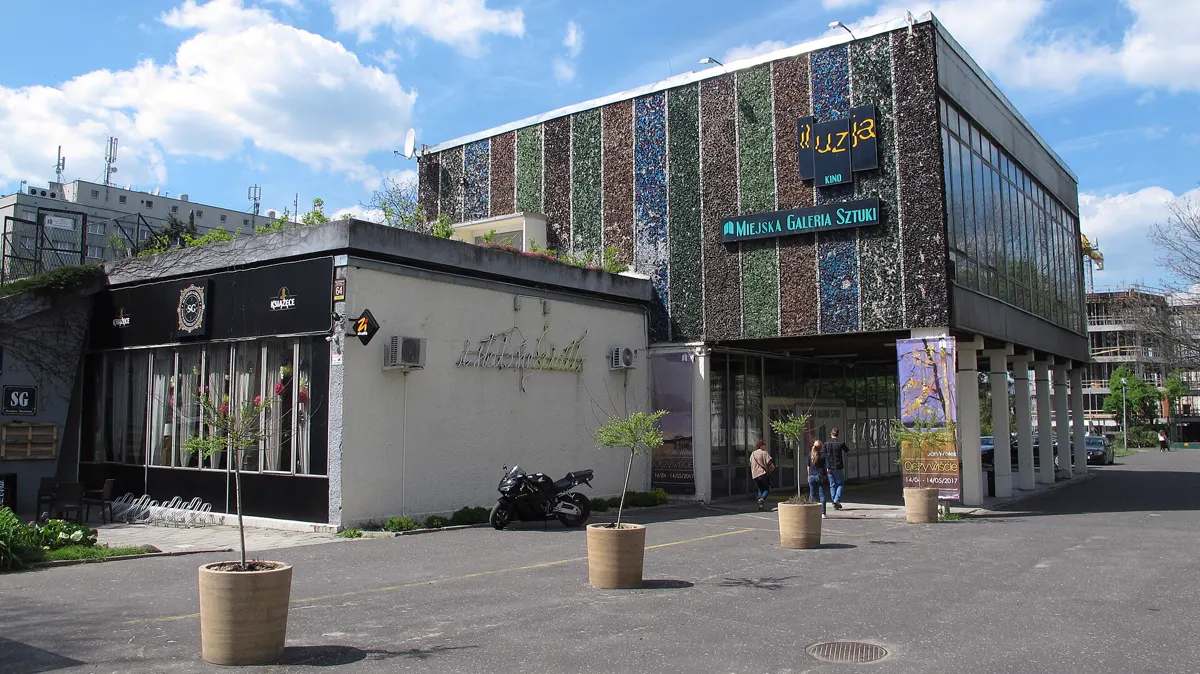
City Art Gallery (Miejska Galeria Sztuki) and Beksiński display
The City Art Gallery on Aleja NMP shows a permanent Beksiński collection of paintings and drawings given by collectors Anna and Piotr Dmochowski.
Museum
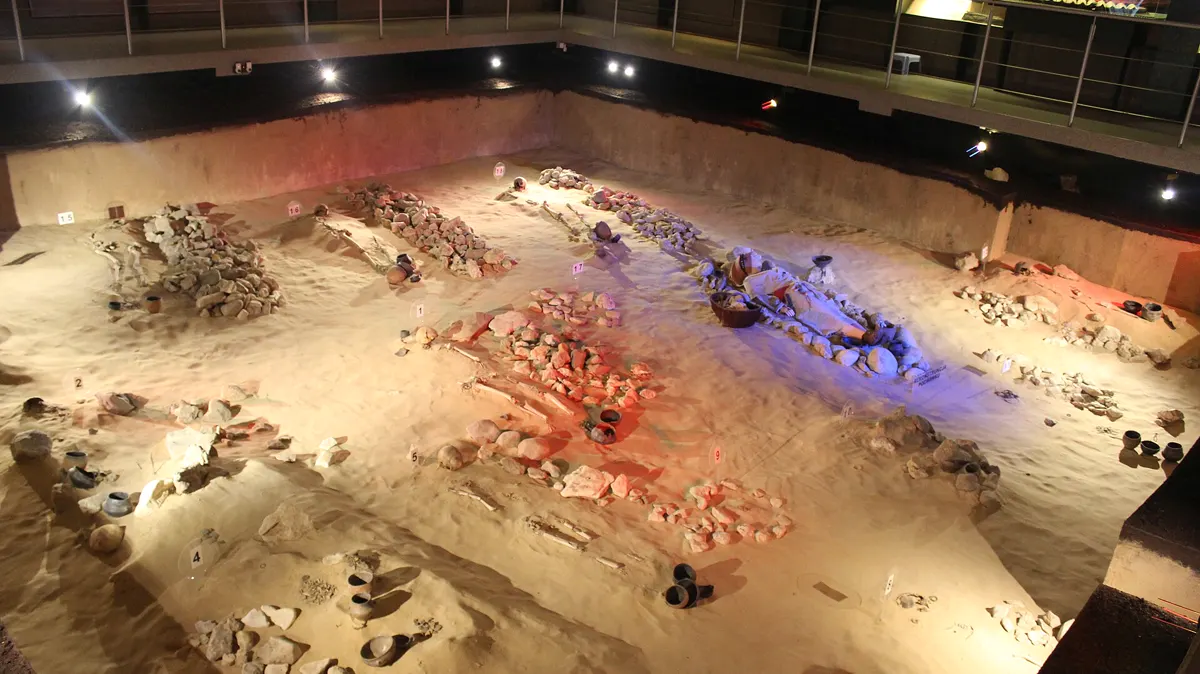
Archaeological Reserve (Rezerwat Archeologiczny)
The Archaeological Reserve protects an early Iron Age Lusatian cemetery, kept in the ground exactly where it was dug up.
Restaurant
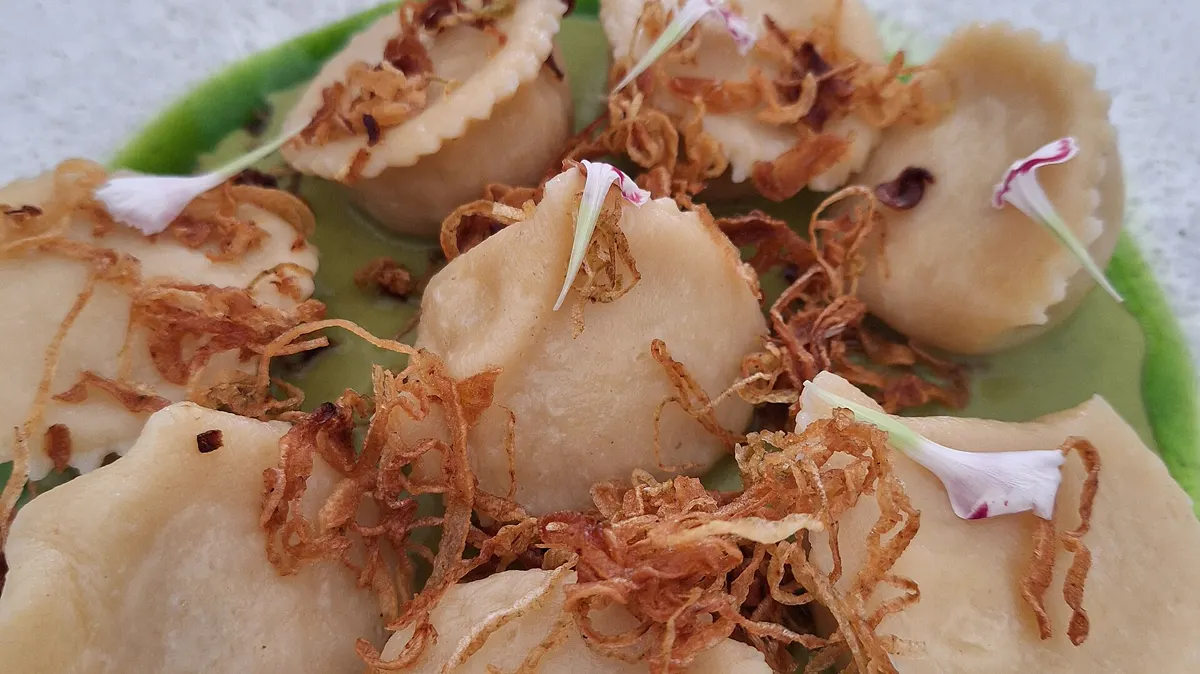
Cafe & Restaurant Dobry Rok
Cafe & Restaurant Dobry Rok sits on Aleja NMP, serving Polish and Italian dishes across a menu that works for lunch, dinner or coffee.
Restaurant
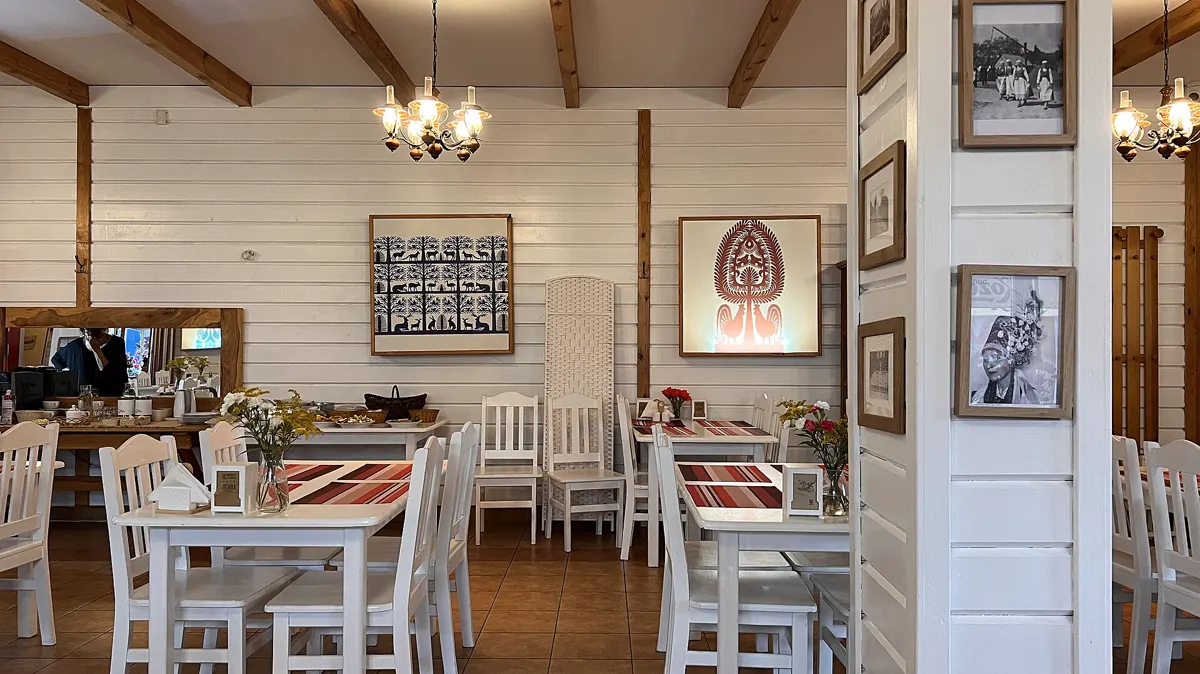
Restauracja U Braci
Restauracja U Braci serves Polish cooking alongside Italian and Mediterranean plates at 7 Kamienic in Częstochowa.