Attraction in Katowice
Nikiszowiec
A complete early-twentieth-century miners settlement of red-brick courtyards, now a protected monument and the most atmospheric corner of Katowice.
Reviewed and updated June 2026
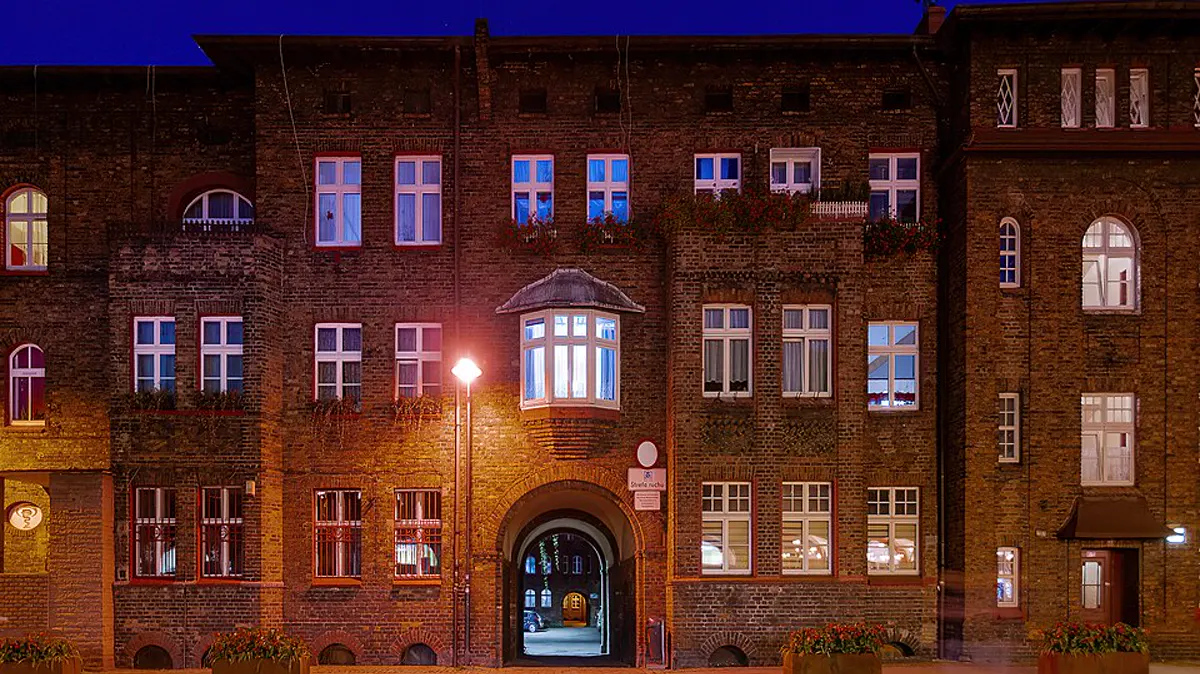
Nikiszowiec is a planned workers' settlement built for coal miners and their families, and it survives almost intact. Its red-brick blocks are arranged around linked courtyards joined by archways, a self-contained world of housing, shops, a church and a laundry designed as a single industrial community. It is the most distinctive corner of Katowice and one of the best surviving examples of its kind in Europe.
Why visit Nikiszowiec
The pleasure here is in the wandering. The arcaded yards and streets have a unity and texture you rarely find in surviving industrial housing, and the whole settlement was conceived as one design rather than built up piecemeal. It gives a clear picture of how the mining families of Silesia lived, worked and worshipped in one place.
What to see in Nikiszowiec
The neighbourhood church and the central square anchor the settlement, and the shallow bay windows, glazed tiles and brick detailing break up what could have been a monotonous facade. A branch of the History of Katowice Museum, set in former flats, recreates the interiors and tells the story of the people who lived and worked here. On Sundays a small market fills the main square. Take time to walk through the archways into the inner courtyards, where the design is at its most complete.
History of the miners' settlement
Nikiszowiec was built from 1908, largely completed by the early 1910s, to the design of the architects Emil and Georg Zillmann for the company that ran the local Giesche colliery. The settlement took its name from the mine's Nickisch shaft. Its Neo-Baroque church, also by the Zillmanns, was added over the following years. In 2011 the whole settlement was declared a Monument of History, the highest level of heritage protection in Poland.
How long to spend in Nikiszowiec
An hour or two is enough to walk the courtyards and see the square and the church. Add time for the museum branch, and for a coffee or a meal in one of the cafes that have opened around the centre. It combines easily with a half day elsewhere in Katowice.
Best time to visit Nikiszowiec
Late morning light suits the brick well, and Sunday brings the small market to the main square. Weekdays are quieter for photography. This is a real residential district, not an open-air museum, so visit with the courtesy you would show any neighbourhood and keep noise down in the courtyards.
Getting to Nikiszowiec
Nikiszowiec lies a few kilometres east of central Katowice, in the Janow district. City buses run out from the centre, and it is a straightforward drive with parking nearby. The main railway hub for the region is Katowice, which has fast connections to Krakow, Wroclaw and Warsaw.
Accessibility in Nikiszowiec
The streets and courtyards are largely flat but paved with cobbles and setts that are uneven underfoot. The archways between yards are at ground level. For access to the museum branch and the church, check opening times and arrangements before you go.
What's nearby in Katowice
Nikiszowiec fits into a wider tour of Poland's industrial and post-industrial heritage:
- Jasna Gora Monastery in Czestochowa, about an hour and a half north.
- Manufaktura in Łódź, a converted textile mill that makes a natural comparison.
Good to know
People live here, so treat the courtyards as private space and photograph residents only with their agreement. The area rewards slow walking; leave the car and cross through the archways on foot.
Common questions about Nikiszowiec
Is Nikiszowiec a museum?
No. It is a working residential district with shops and a church still in use. There is a museum branch within it, but the settlement itself is a place where people live, so explore it with that in mind.
How do I get there from central Katowice?
It is a few kilometres east, in the Janow district, reached by city bus or car in around fifteen to twenty minutes. Parking is available near the settlement.
Is it worth the trip?
If you have any interest in architecture or social history, yes. Few industrial settlements survive so complete, and its status as a Monument of History reflects how rare that is.
Frequently asked questions
More attractions in Katowice
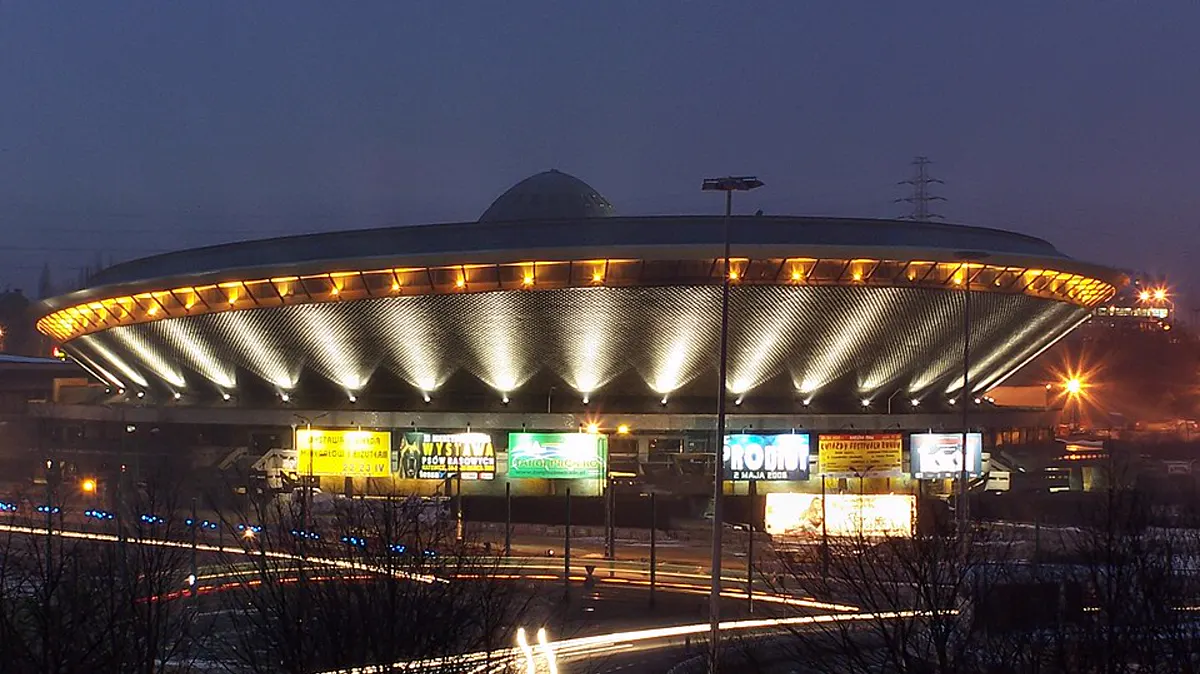
Spodek
Katowice's 1971 saucer-shaped arena is the city's best-known building and its main venue for concerts, sport and trade fairs.
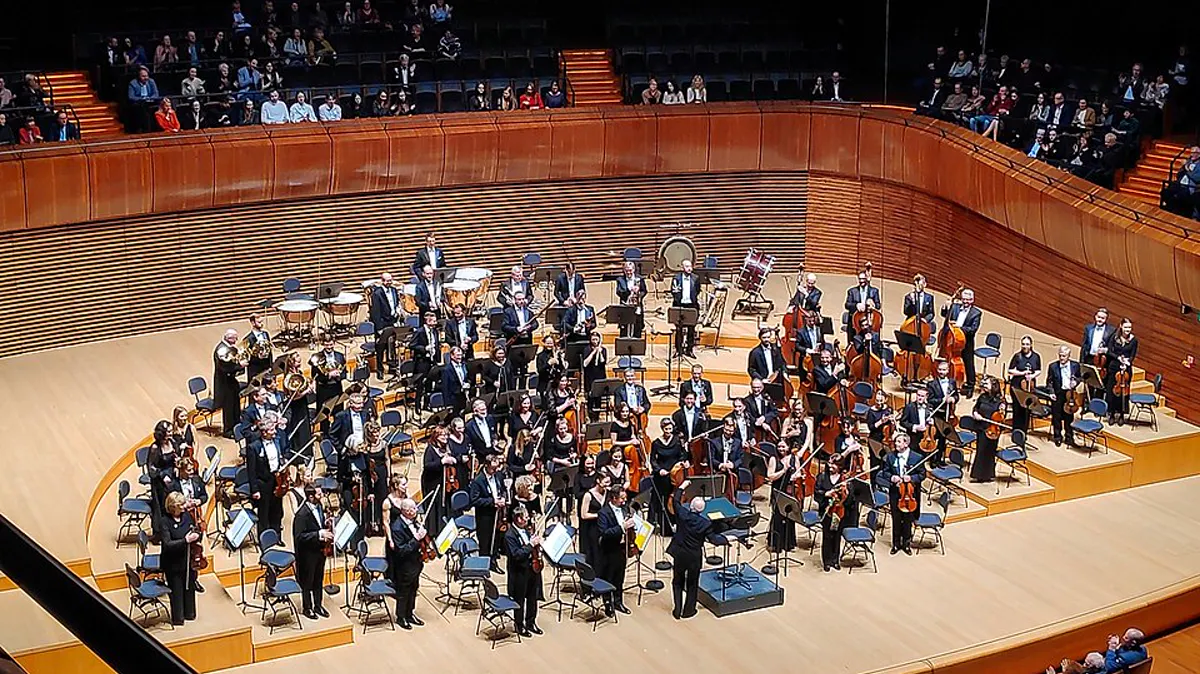
NOSPR (Polish National Radio Symphony Orchestra)
The purpose-built home of Poland's National Radio Symphony Orchestra, with acoustics by the designer of some of the world's leading concert halls.
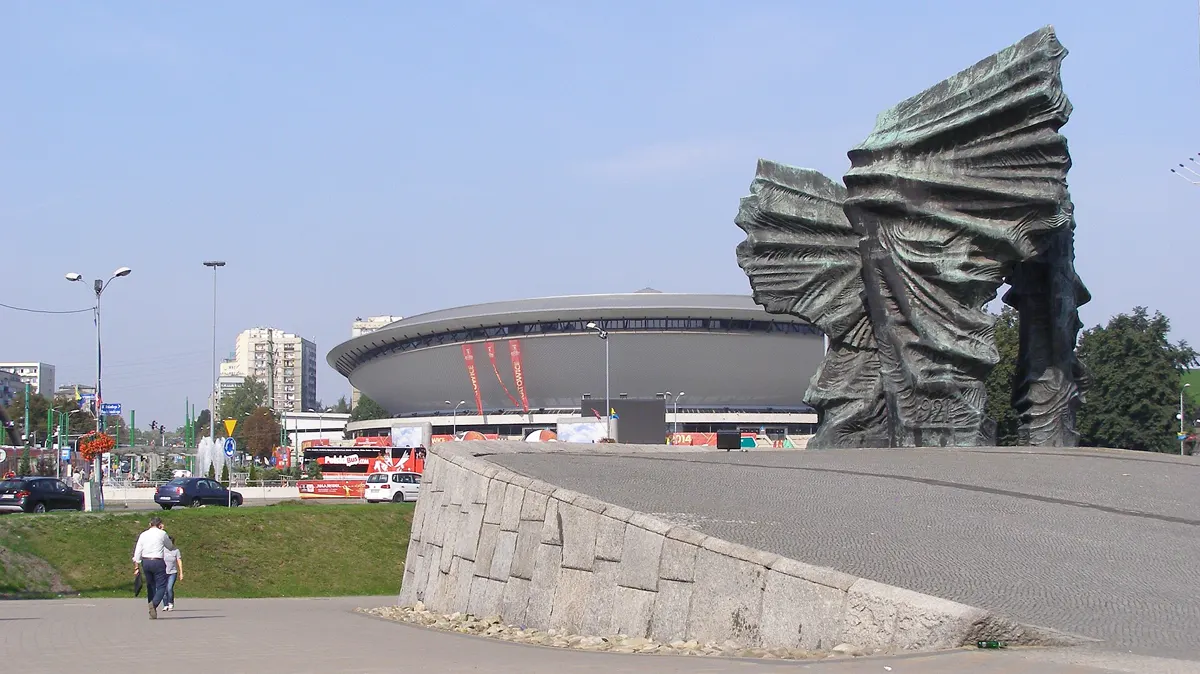
Silesian Insurgents' Monument
Three great steel wings honouring the Silesian Uprisings, frequently described as the largest and heaviest monument in Poland.
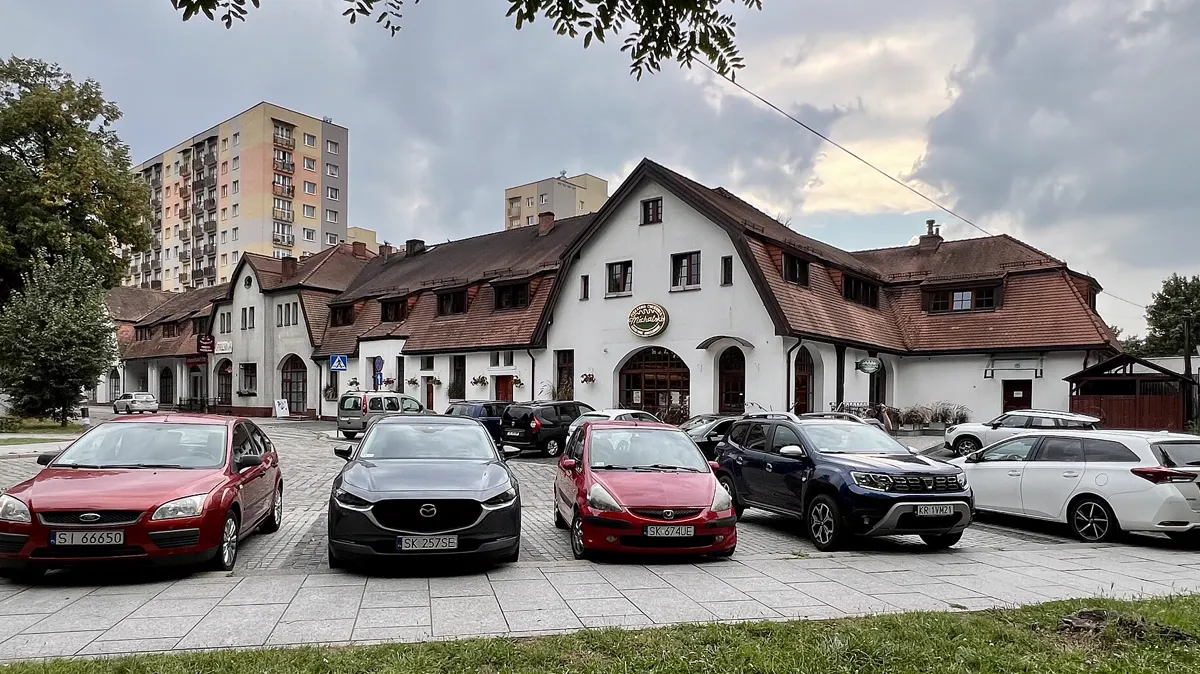
Giszowiec
Giszowiec is an early 20th-century garden-city housing estate in southeast Katowice, built for miners as detached cottages set among gardens and tree-lined streets.
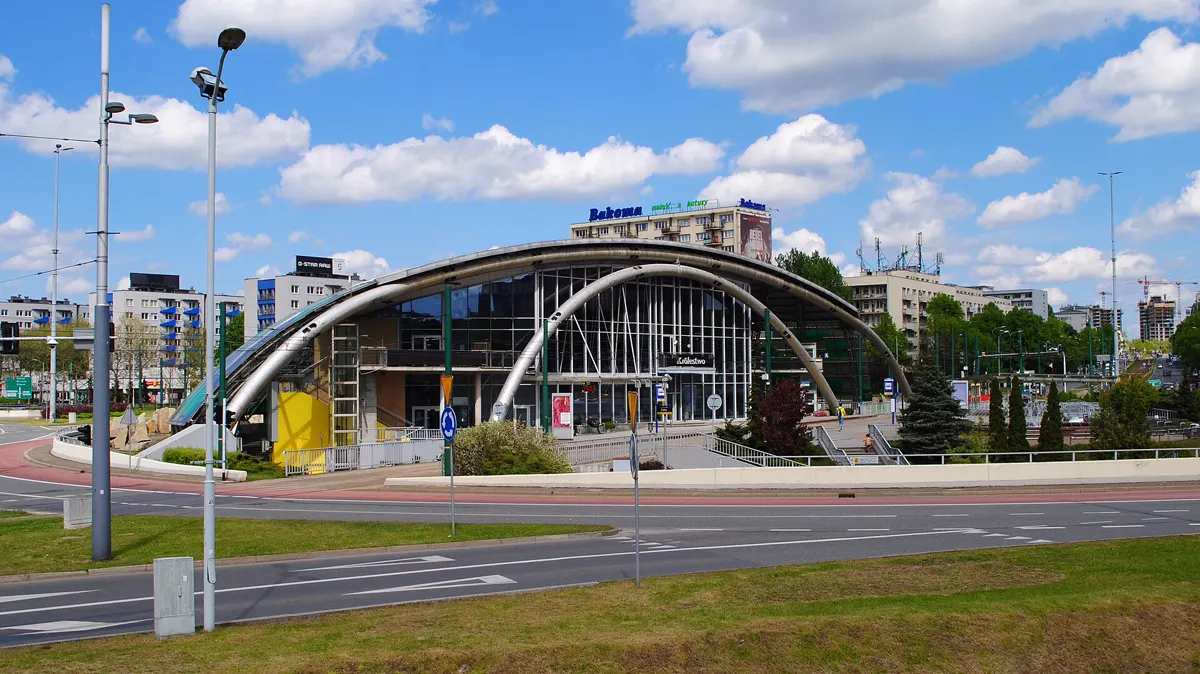
Rondo Sztuki Art Gallery
A round glass-and-steel gallery on Jerzy Ziętek roundabout in central Katowice, showing contemporary art, concerts and events in association with the Academy of Fine Arts.
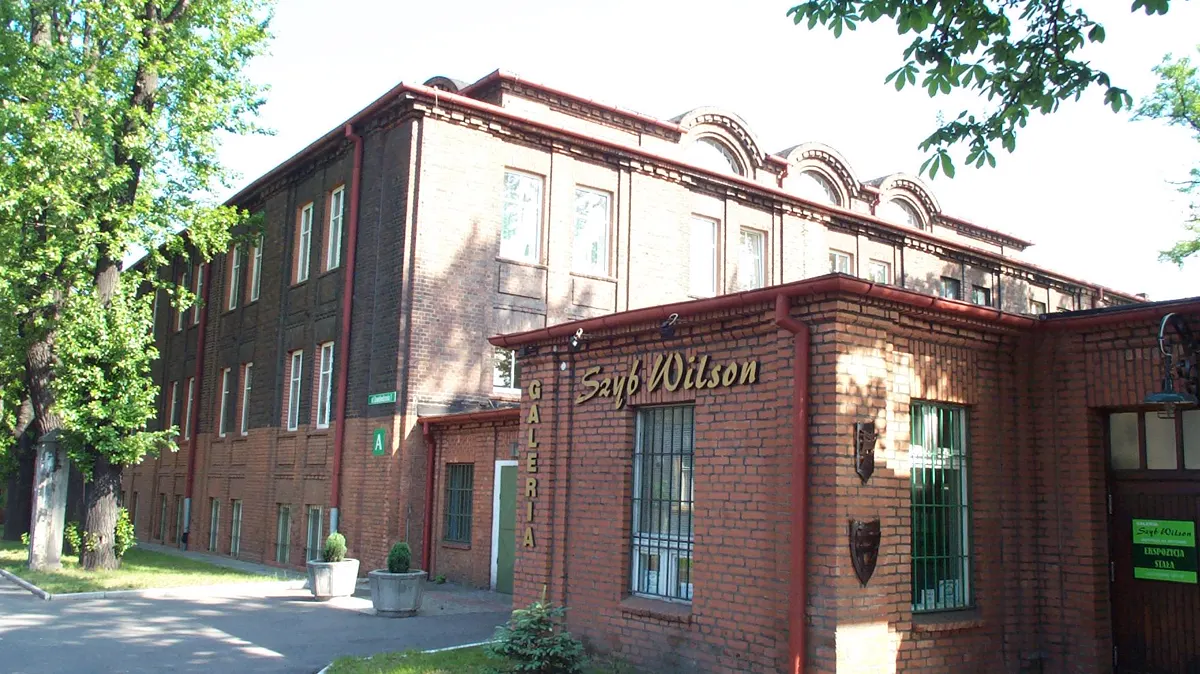
Wilson Shaft Gallery (Galeria Szyb Wilson)
Wilson Shaft Gallery is a large private contemporary art gallery set inside the former buildings of the Wilson coal mine near Nikiszowiec in Katowice.
More to explore in Katowice
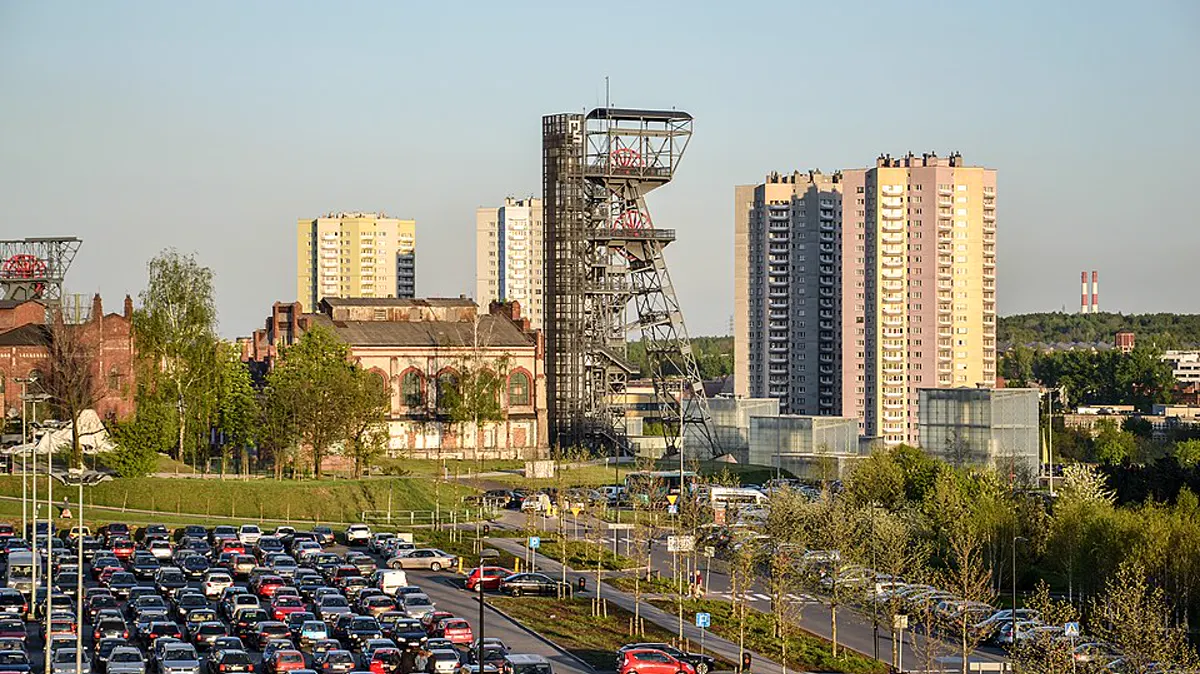
Museum
Silesian Museum
A major regional museum built into the shafts and tunnels of a closed Katowice coal mine, with most of its galleries underground.
Nature
Valley of Three Ponds (Dolina Trzech Stawow)
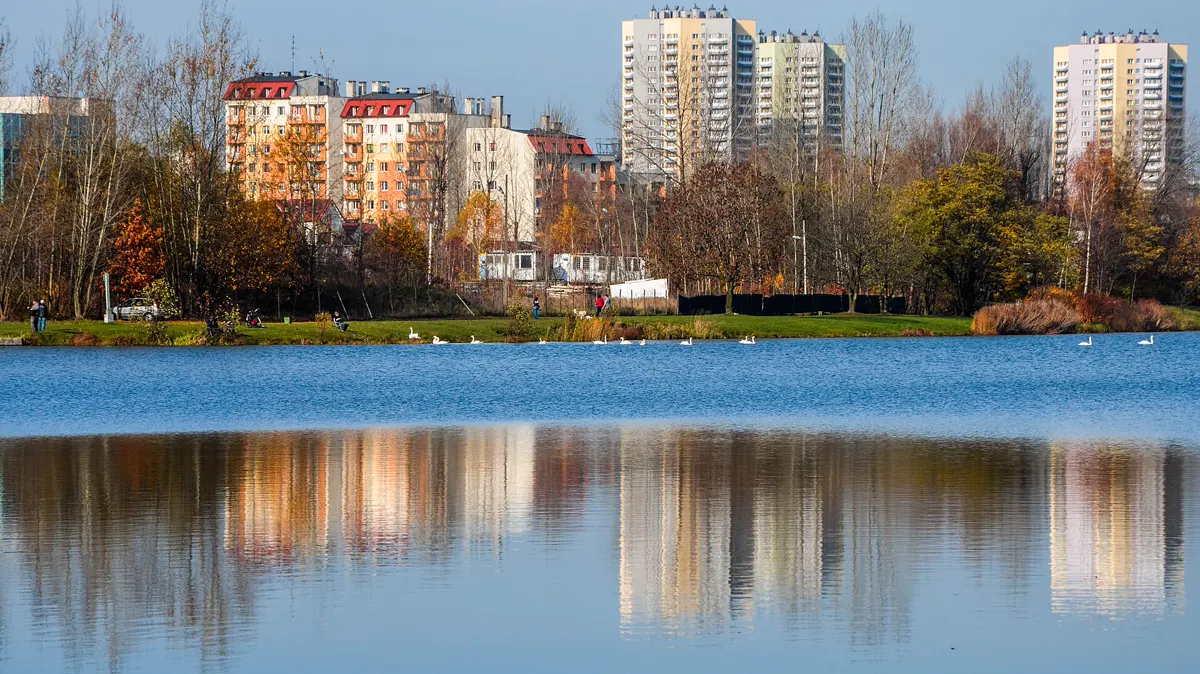
A large lakeside park in southern Katowice for walking, cycling and water sports, and home to the OFF Festival.
Restaurant
Browar Mariacki
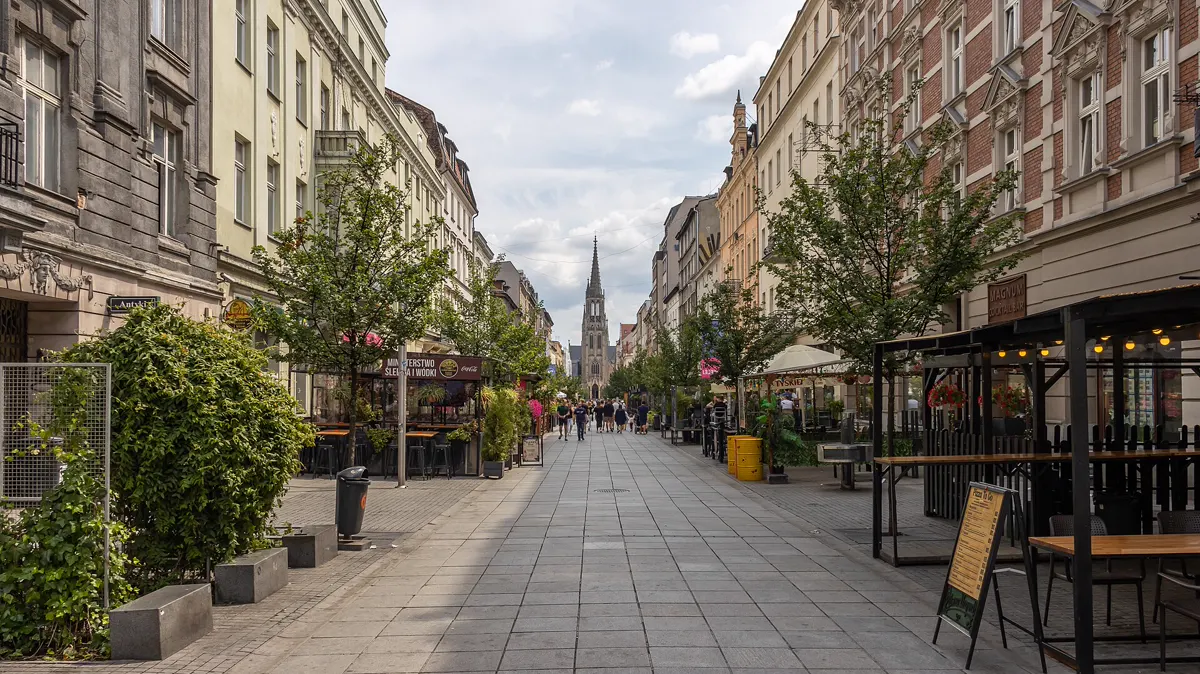
A brewpub on Mariacka Street brewing its own beer in a converted warehouse, with Silesian and grilled dishes alongside.
Restaurant
Wspolwinni Katowice
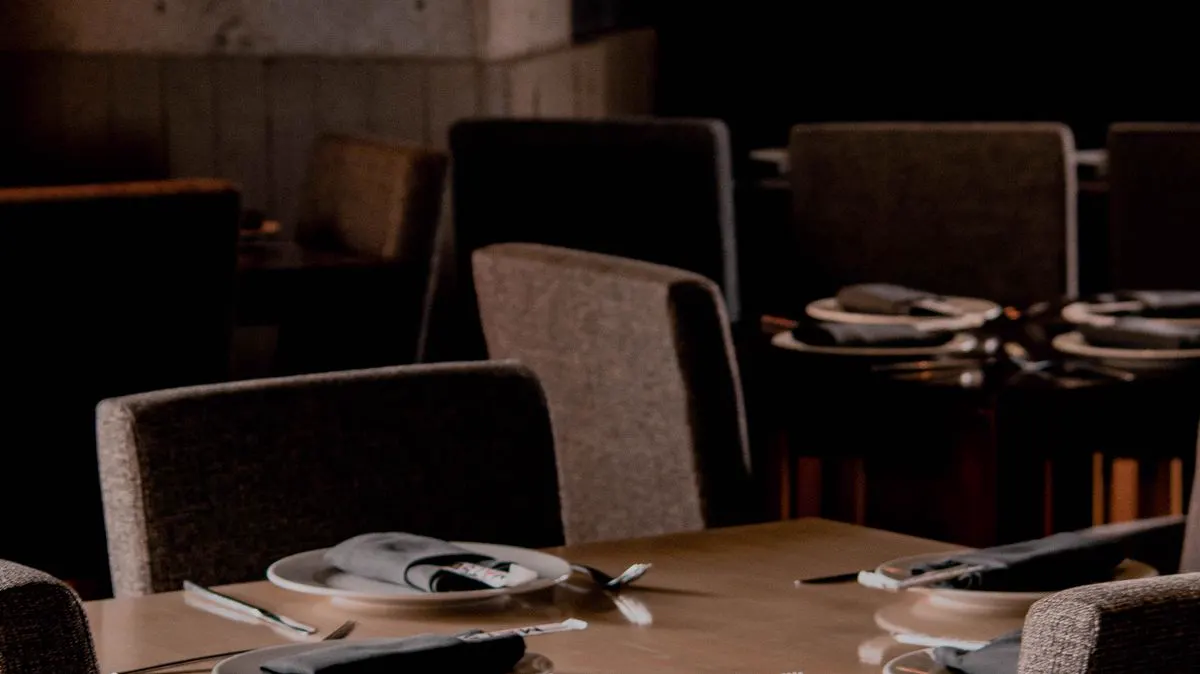
A MICHELIN Guide listed restaurant near the Culture Zone, with a seasonal menu that crosses southern European and modern Polish cooking.
Restaurant
Amfora Restaurant & Cocktail Bar
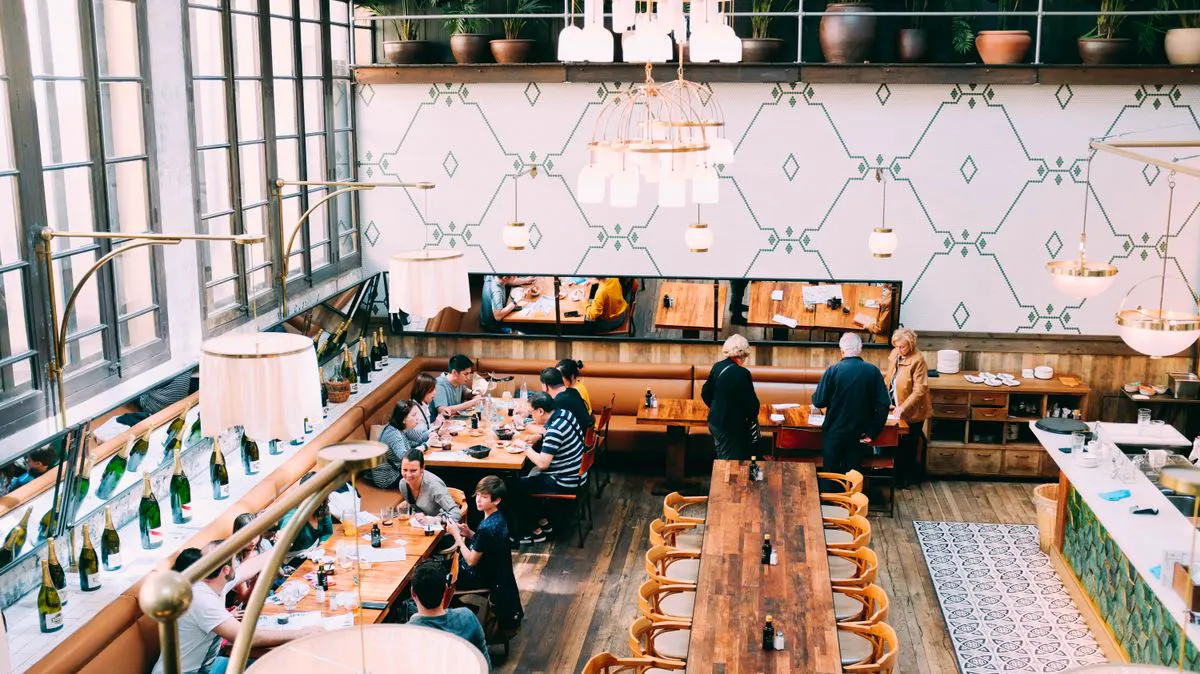
A Middle Eastern restaurant and cocktail bar with a back garden, one of the more distinctive kitchens in central Katowice.
Hotel
Hotel Monopol Katowice
Katowice's five-star hotel by the station, in a 1903 building with restaurants and a spa with an indoor pool.