Attraction in Łódź
Piotrkowska Street
One of the longest commercial streets in Europe, the four-kilometre spine of Łódź, lined with the facades of its textile-era barons.
Reviewed and updated June 2026
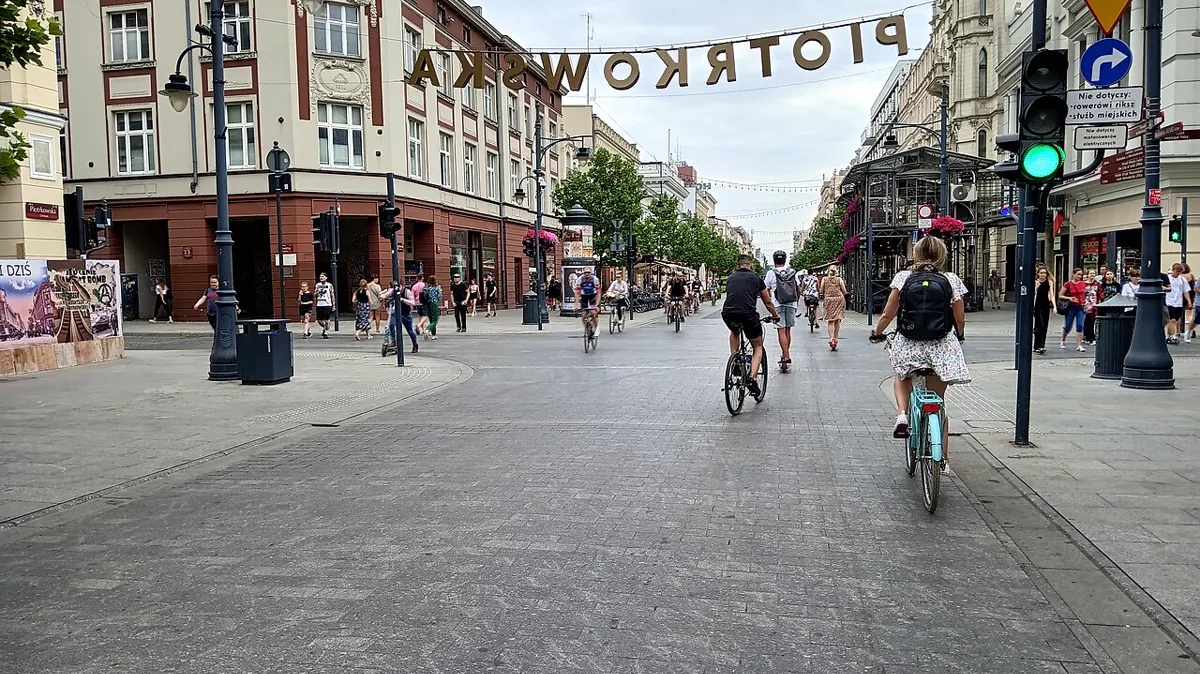
Piotrkowska is the heart of Łódź and runs dead straight for around four kilometres through the centre, which makes it one of the longest commercial streets in Europe. It stretches between Liberty Square and Independence Square. Built up during the nineteenth-century textile boom, it is a continuous parade of eclectic facades raised by the industrialists who made the city.
Why walk Piotrkowska Street
This is where the character of Łódź is easiest to read. The textile barons built their showpieces here, and the street records the wealth and ambition of a city that grew from a small town to a manufacturing giant in a few decades. It is now the main place to eat, drink and walk in the centre, and the natural starting point for a first visit.
Walking Piotrkowska Street
The liveliest stretch is the northern couple of kilometres, now pedestrianised and lined with bars, cafes, restaurants and galleries set into the old merchant houses and their courtyards. Brass stars in the pavement form an avenue honouring figures of Polish cinema, and bronze statues mark the city's famous names, among them the pianist Rubinstein and the poet Tuwim. The best of the street is often in the detail: the upper storeys of the facades, and the inner courtyards behind them, several turned into bar and design enclaves.
The street's textile-era history
The street began as the central axis around which Łódź grew during the textile boom of the nineteenth century, and its shape set the plan of the whole centre. It declined after the Second World War, then was revitalised step by step from the 1990s and turned into a largely pedestrian precinct.
How long to spend on Piotrkowska
Most visitors walk the central section in an hour or two, dipping into the courtyards as they go. Add time for a meal and for Manufaktura at the northern end. Walking the full four kilometres is possible but few people do; the rewarding part is the pedestrian core.
Best time to visit Łódź
Warm evenings are when the street is at its most sociable, with the cafe terraces full and the facades lit. Daytime is better for photographing the buildings and reading the detail. Weekends are the busiest. For the full length, rickshaw bikes ply the street, but most people walk.
Getting to Piotrkowska Street
The street runs through the middle of Łódź and is easy to reach on foot from the main stations. Trams and buses stop around the centre, and the Łódź Fabryczna station is a short walk from the northern end. Fast trains link the city to Warsaw in a little over an hour.
Accessibility along the street
The pedestrian section is broad and mostly level, though some stretches are paved with setts that are uneven underfoot. The courtyards vary; some have steps or rough surfaces. Benches and cafes along the way make it easy to break the walk into shorter parts.
What's nearby in Łódź
Piotrkowska anchors a walk through industrial Łódź and connects easily to the wider region:
- Manufaktura, the converted mill quarter just off the northern end.
- Warsaw, a little over an hour away by fast train.
Good to know
The street is public and free to walk at any hour. Step into the numbered courtyards off the pedestrian section; many hold bars, galleries and street art that are easy to miss from the main line.
Common questions about Piotrkowska
How long is Piotrkowska Street?
It runs about four kilometres in a straight line between Liberty Square and Independence Square, which ranks it among the longest commercial streets in Europe. The pedestrianised core is the northern couple of kilometres.
What are the stars in the pavement?
They form a walk of fame honouring figures of Polish cinema, a nod to the city's long film-making history. Bronze statues along the street commemorate other well-known names linked to Łódź.
Do I need to walk the whole street?
No. The pedestrian core in the north holds most of the cafes, courtyards and statues. Walk that section and dip into the yards, then head to Manufaktura at the top.
For more of industrial Poland reborn, see the mills of Manufaktura and the miners' quarter of Nikiszowiec in Katowice.
Frequently asked questions
More attractions in Łódź
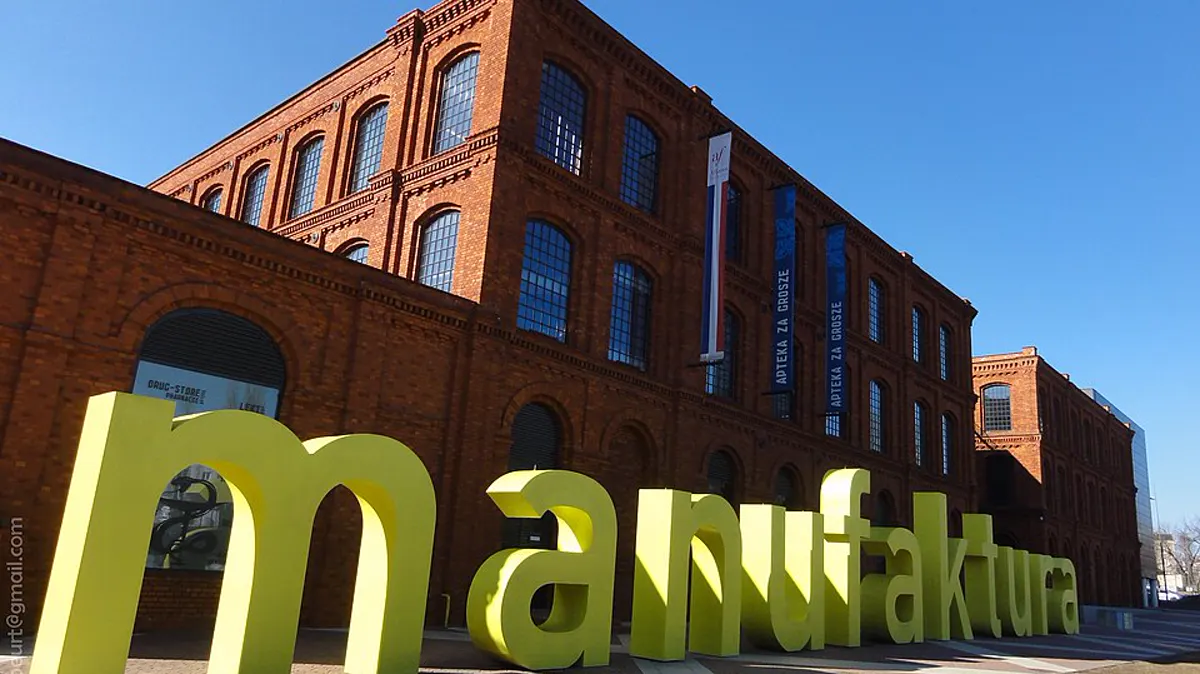
Manufaktura
A vast nineteenth-century textile mill converted into a cultural, dining and shopping quarter around a huge public square.
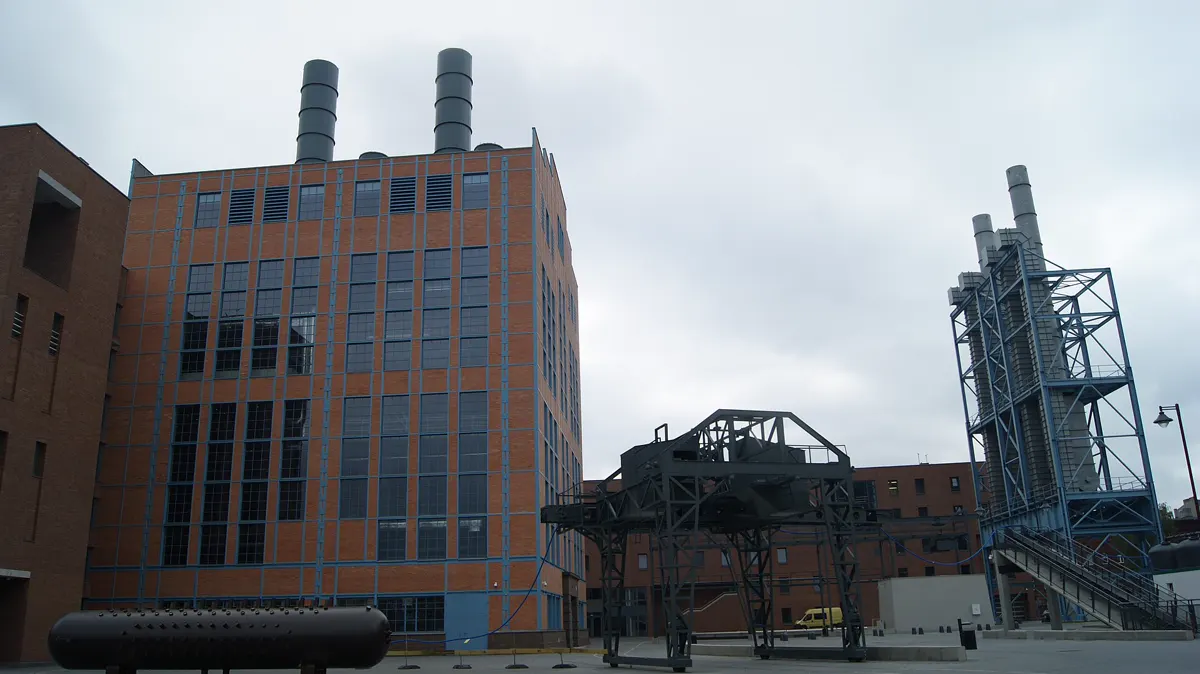
EC1 Łódź
The city's first power station, converted into a hands-on science centre and one of Central Europe's most advanced planetariums.
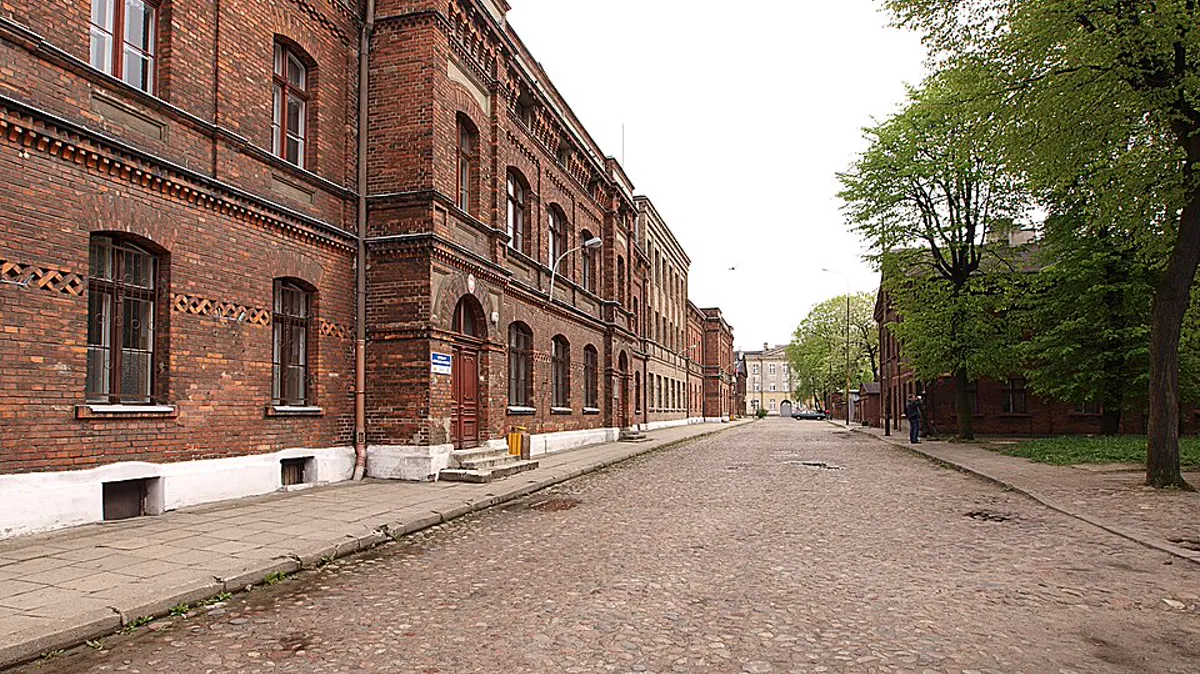
Księży Młyn
A preserved 19th-century factory district built as a city within a city, with red-brick mills, workers' terraces and the Scheibler palace.
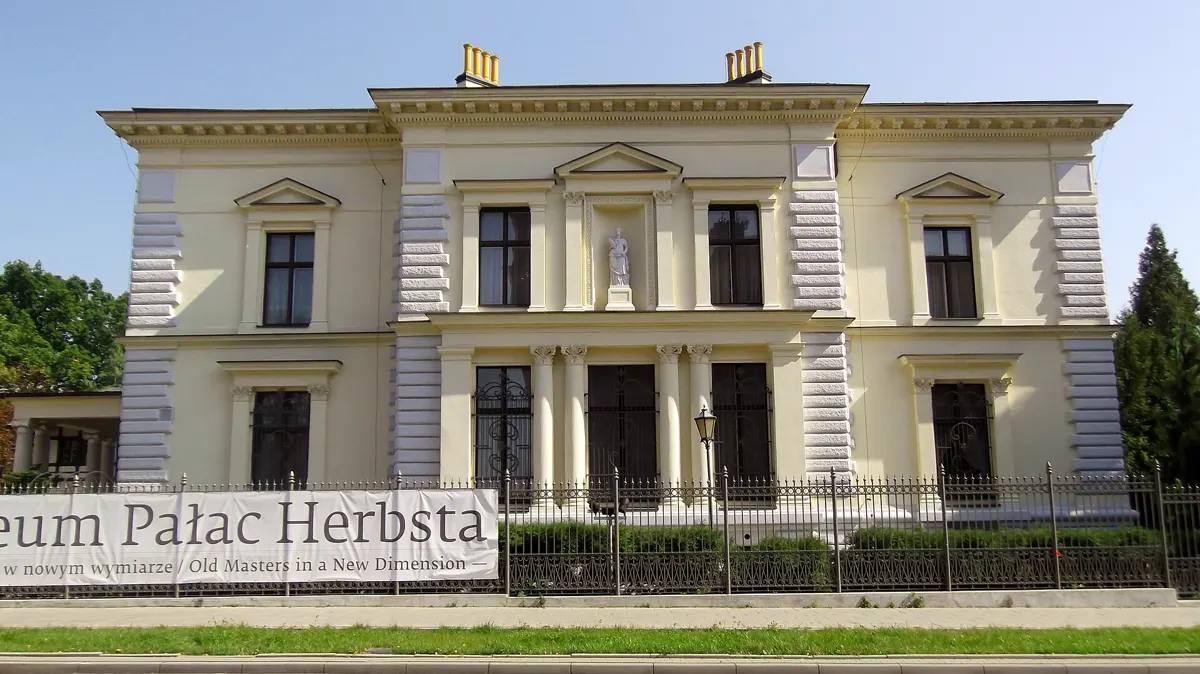
Herbst Palace Museum
A restored neo-Renaissance villa in Łódź's Księży Młyn district, once home to the Herbst family, now a branch of the Muzeum Sztuki with period interiors and 19th-century art.
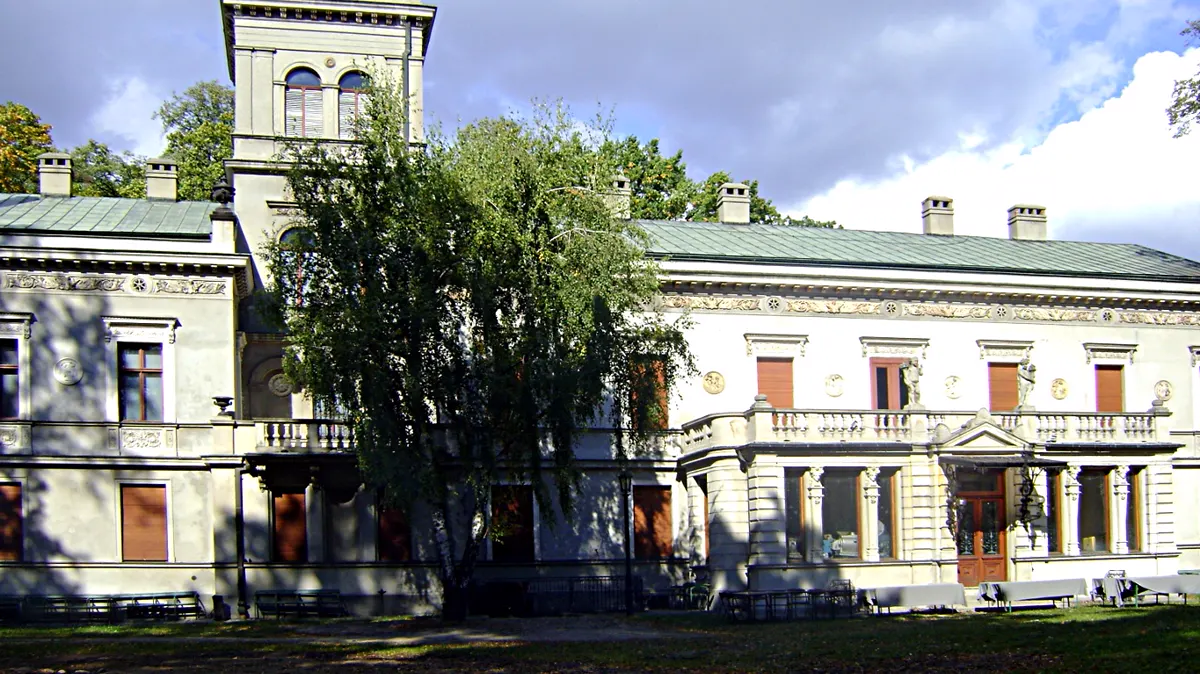
Museum of Cinematography (Scheibler Palace)
Poland's only museum devoted to film history, set inside the opulent Karl Scheibler Palace in Łódź, the city nicknamed the Polish Hollywood.
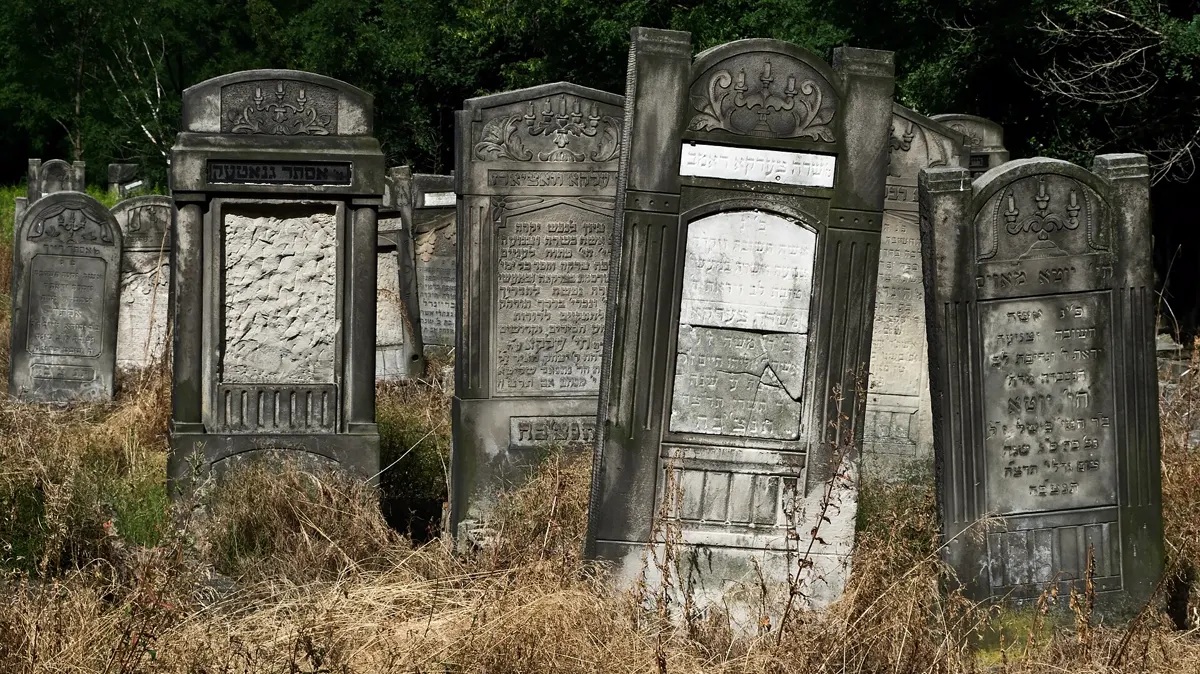
New Jewish Cemetery (Łódź)
A vast 19th-century Jewish cemetery in the Bałuty district of Łódź, holding monumental industrialists' tombs and the mass graves of the Litzmannstadt Ghetto.
More to explore in Łódź
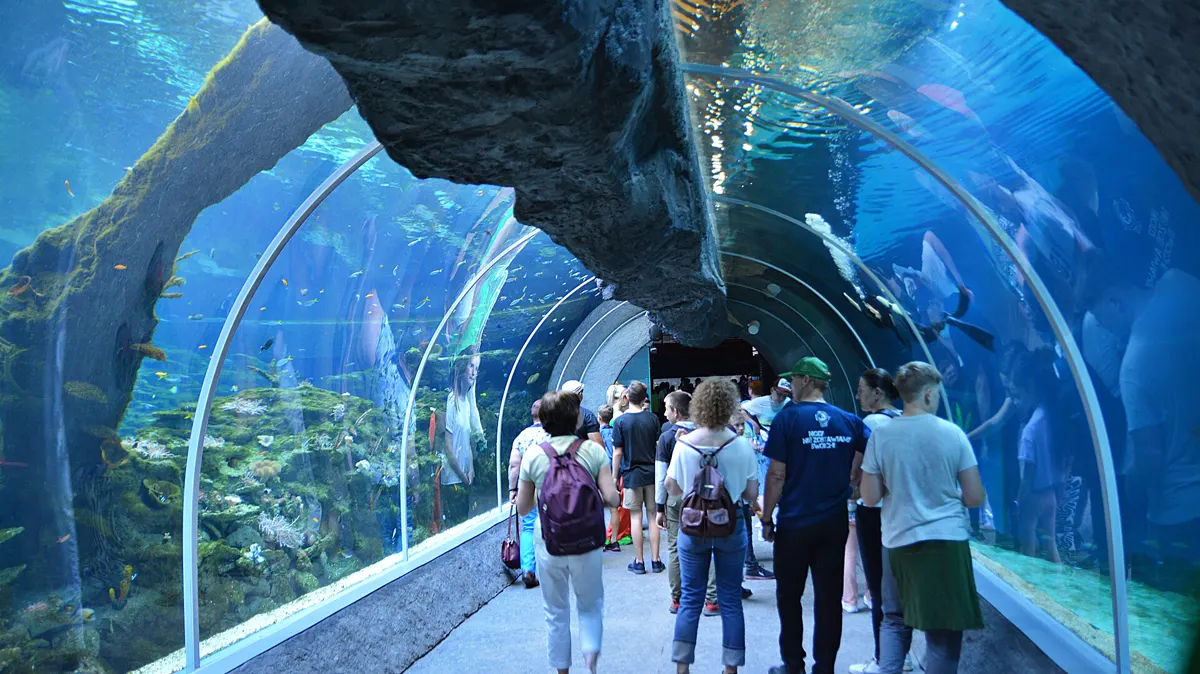
Nature
Orientarium Zoo Łódź
A modern zoo pavilion built around a South-East Asian theme, with an underwater tunnel running beneath a shark and ray tank.
Museum
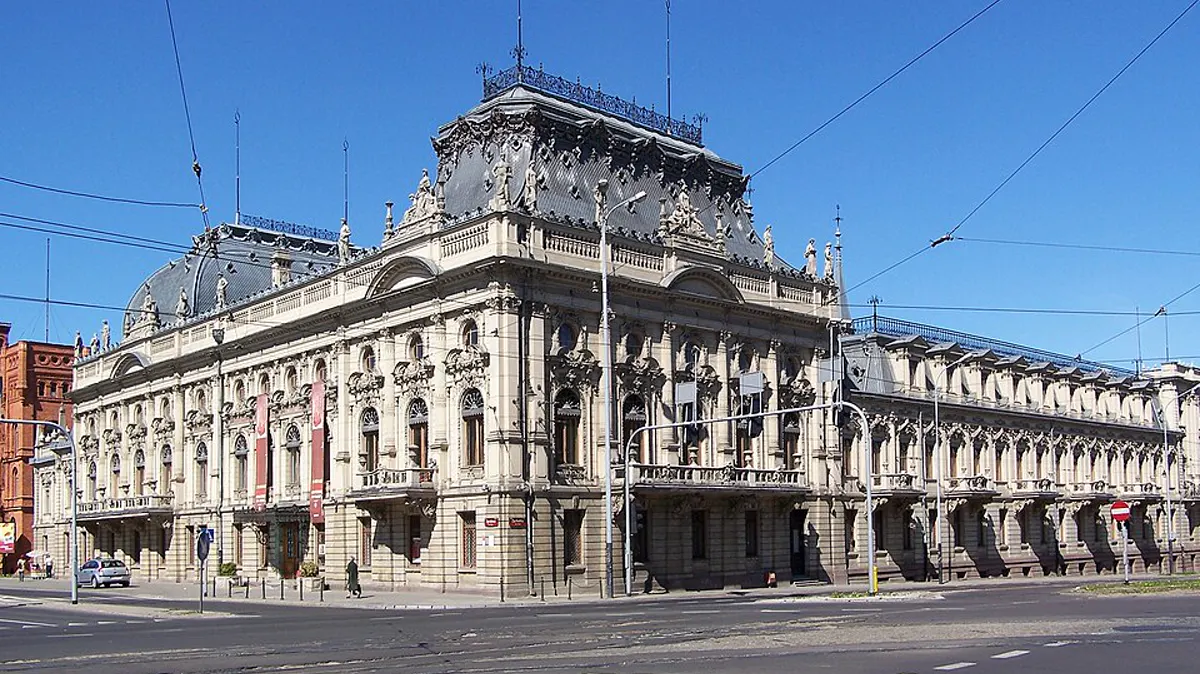
Izrael Poznański Palace (Museum of the City of Łódź)
The largest industrialist's residence in Poland, built for the Poznański cotton dynasty and now the city museum.
Museum
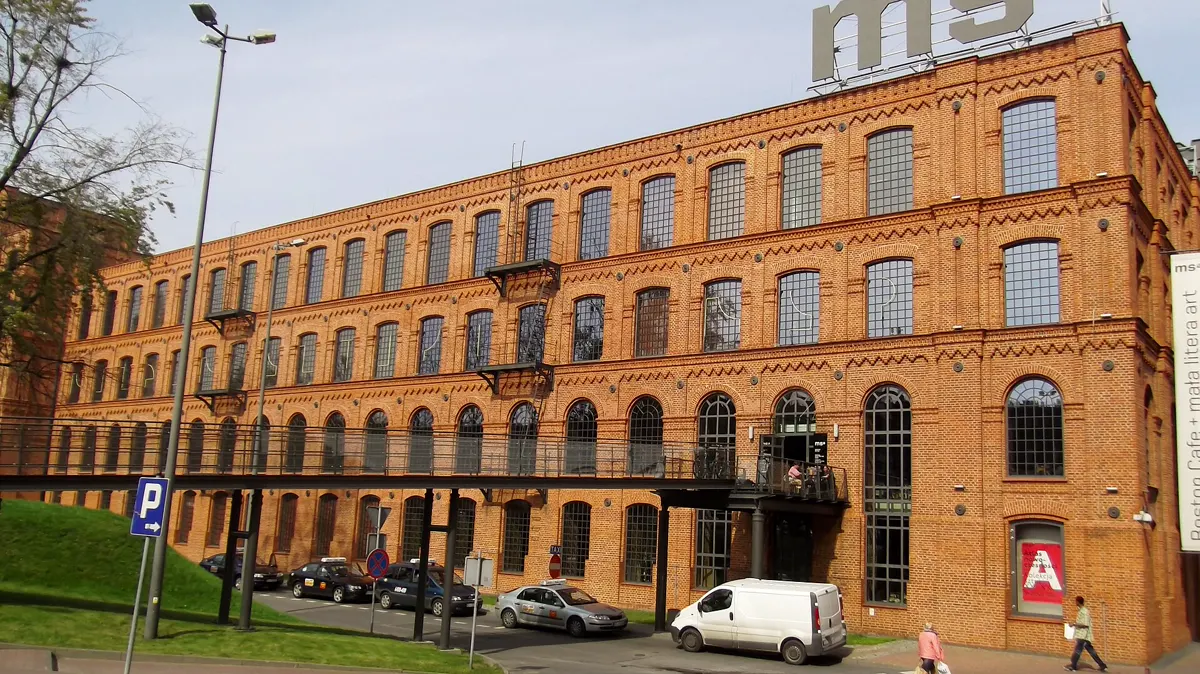
Muzeum Sztuki (ms²)
One of the world's earliest modern-art museums, whose ms² branch shows its avant-garde collection inside a converted Manufaktura mill.
Museum
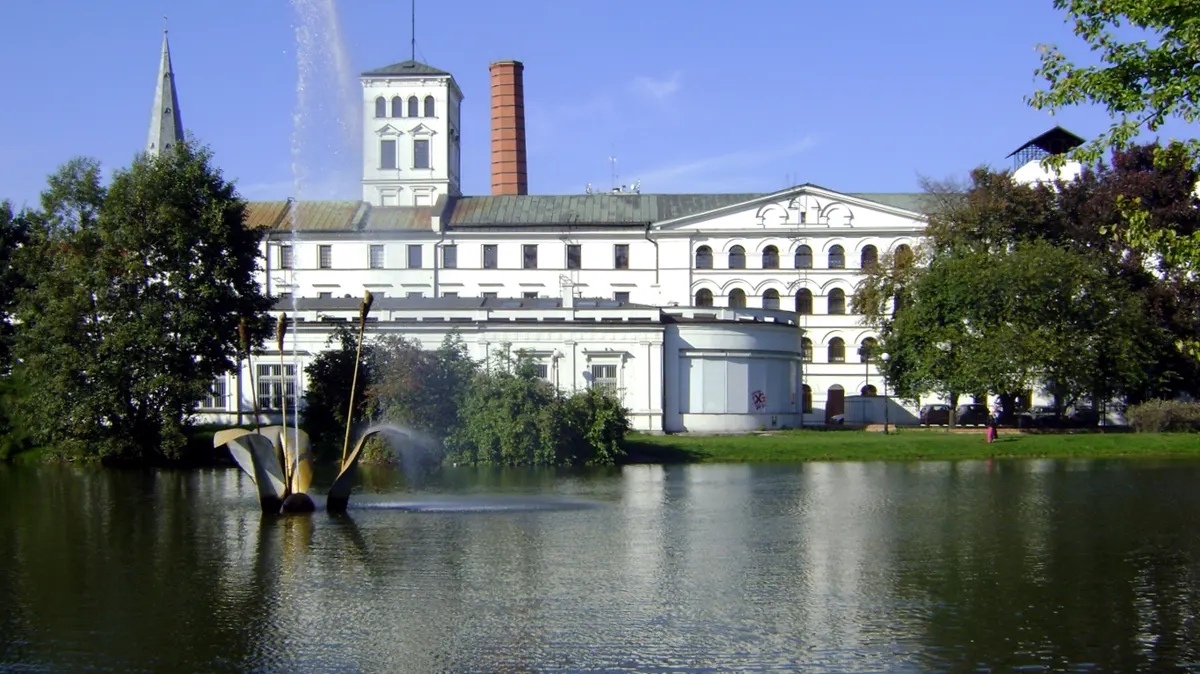
Central Museum of Textiles (White Factory)
A textile museum inside Łódź's landmark White Factory, telling the city's story through the fabric that built it.
Restaurant
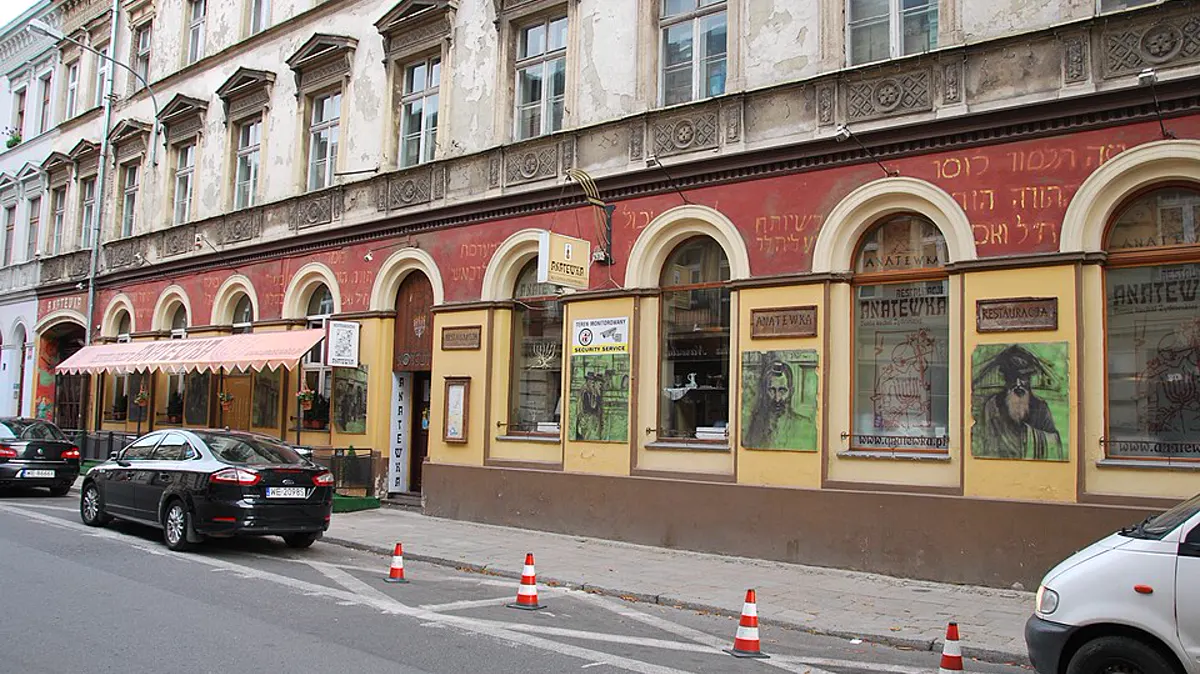
Anatewka
A long-standing Jewish restaurant off Piotrkowska Street, drawing on family recipes and Łódź's pre-war heritage.
Restaurant
Galicja Restaurant
A Manufaktura restaurant serving Polish and Central European classics across a period upstairs room and a brick cellar.