Attraction in Łódź
Manufaktura
A vast nineteenth-century textile mill converted into a cultural, dining and shopping quarter around a huge public square.
Reviewed and updated June 2026
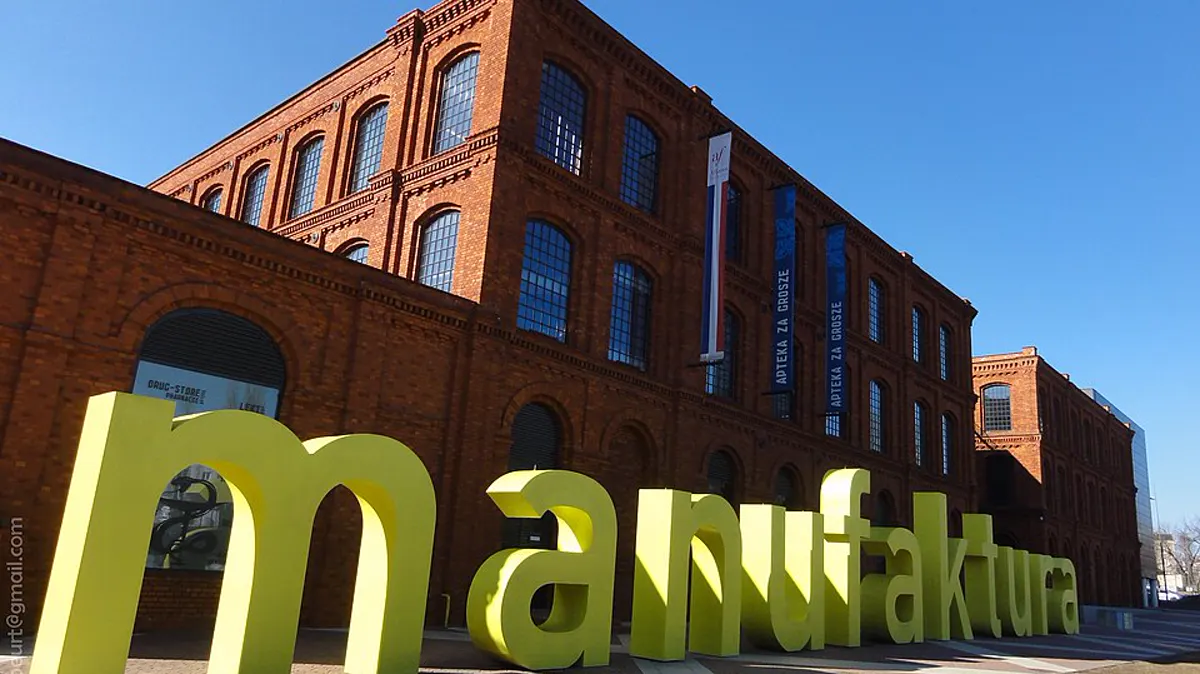
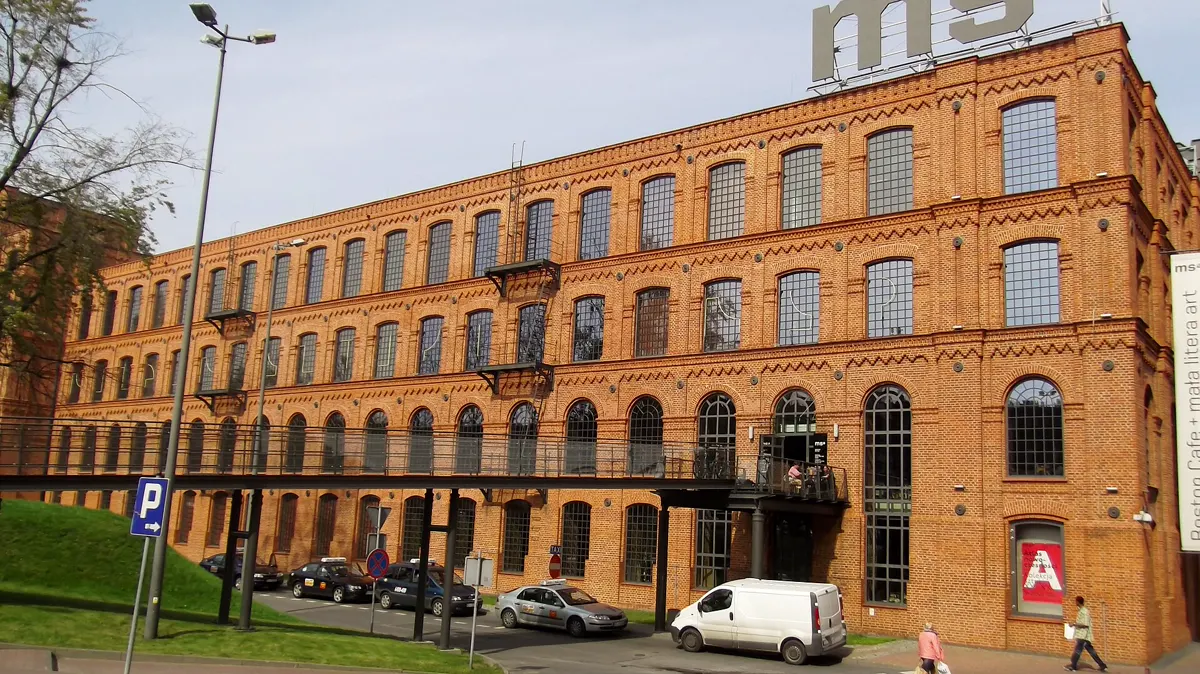
Manufaktura occupies the former mill empire of Izrael Poznanski, one of the great Łódź textile magnates, whose red-brick factories once employed thousands. Rather than demolish them, the complex was restored and opened in 2006 as a cultural and leisure quarter, and it has become the city's most visited destination. It sits just off the northern end of Piotrkowska Street, so the two combine into a single walk through nineteenth-century Łódź.
Why visit Manufaktura
It is the best single introduction to what Łódź was built on, and it works in any weather. The brick halls are handsome in their own right, and the enormous open square at the centre gives the whole place room to breathe, filling with markets, fountains and events through the year. Families, culture-seekers and anyone caught by rain will all find something here.
What's inside Manufaktura
The restored buildings hold a mix of culture and leisure:
- MS2, a branch of the Museum of Art in Łódź, showing twentieth and twenty-first century work.
- A factory museum inside the old spinning mill, telling the story of the works.
- A hands-on science centre, a multiplex cinema, restaurants and shops.
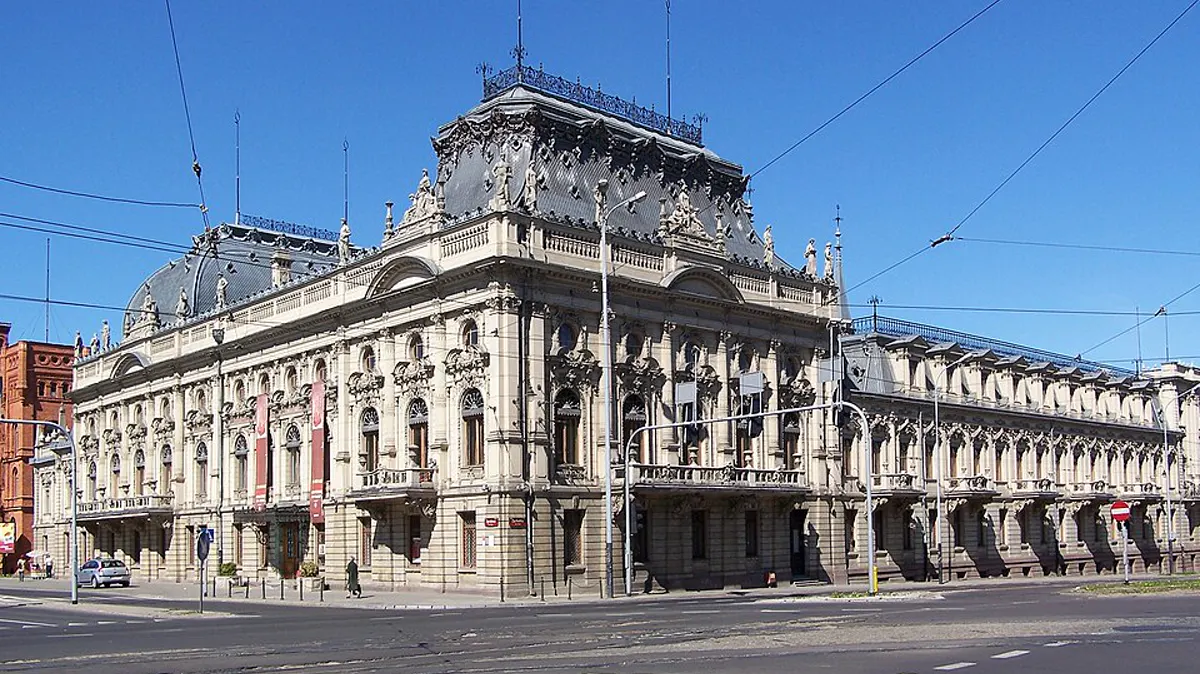
Alongside stands the Poznanski Palace itself, an ornate residence that now houses the Museum of the City of Łódź.
History of the textile mill
The oldest of the mills, the five-storey spinning mill on Ogrodowa Street, was built in the late 1870s, and the wider factory complex grew around it as the family's fortune expanded. Production ended in the twentieth century, and the site stood derelict before its conversion. The restoration kept the industrial brickwork and reused the halls, which is why the quarter reads as a factory rather than a shopping centre.
How long to spend at Manufaktura
Allow two to three hours for the square, a museum and a meal. Add more if you want both the art and the city museums, or if you are visiting with children who will use the science centre. Combined with a walk down Piotrkowska, it fills a comfortable half day.
Best time to visit Manufaktura
The square is at its liveliest on warm-weather weekends and during seasonal markets and the Christmas period. Weekday mornings are quieter for the museums. Because so much is indoors, it is a reliable choice on a wet or cold day.
Getting to Manufaktura
Manufaktura is a short walk north of the top of Piotrkowska Street and close to the Łódź Fabryczna station, so it is easy to reach on foot from the centre. Trams and buses stop nearby, and there is parking on site. Fast trains link Łódź to Warsaw in a little over an hour.
Accessibility at Manufaktura
The main square and ground-floor units are largely level and step-free, and the modern venues were fitted with lifts and ramps during the conversion. Some older sections and the palace have historic layouts, so check with individual museums for their access details.
What's nearby in Łódź
Manufaktura is the anchor of a wider walk through industrial Łódź:
- Piotrkowska Street, the long commercial spine of the city, just to the south.
- Nikiszowiec in Katowice, a preserved miners' settlement that makes a natural comparison further south.
Good to know
Entry to the square and the quarter is free; you pay only for the museums, the cinema and the science centre. Opening hours differ between venues, so check each one's official channels before a special trip.
Common questions about Manufaktura
Is Manufaktura just a shopping mall?
No. It has shops and restaurants, but it is built into a restored textile mill and includes an art museum, a factory museum, a science centre and the city history museum in the neighbouring palace, all around a large public square.
Is it good for a rainy day?
Yes. Much of what there is to do sits indoors, so it is one of the better options in Łódź when the weather turns, and it works well for families.
How does it connect to Piotrkowska Street?
Manufaktura sits just off the northern end of Piotrkowska, so most visitors walk the street and the quarter together for a full picture of the city's textile past.
Frequently asked questions
More attractions in Łódź
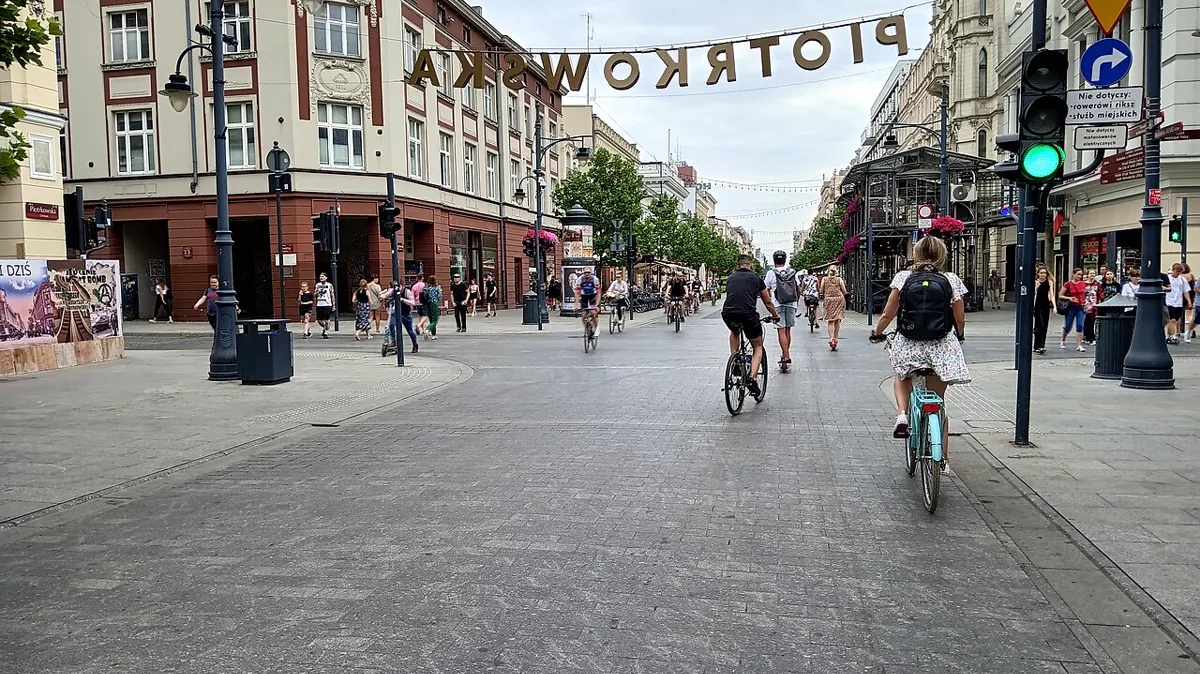
Piotrkowska Street
One of the longest commercial streets in Europe, the four-kilometre spine of Łódź, lined with the facades of its textile-era barons.
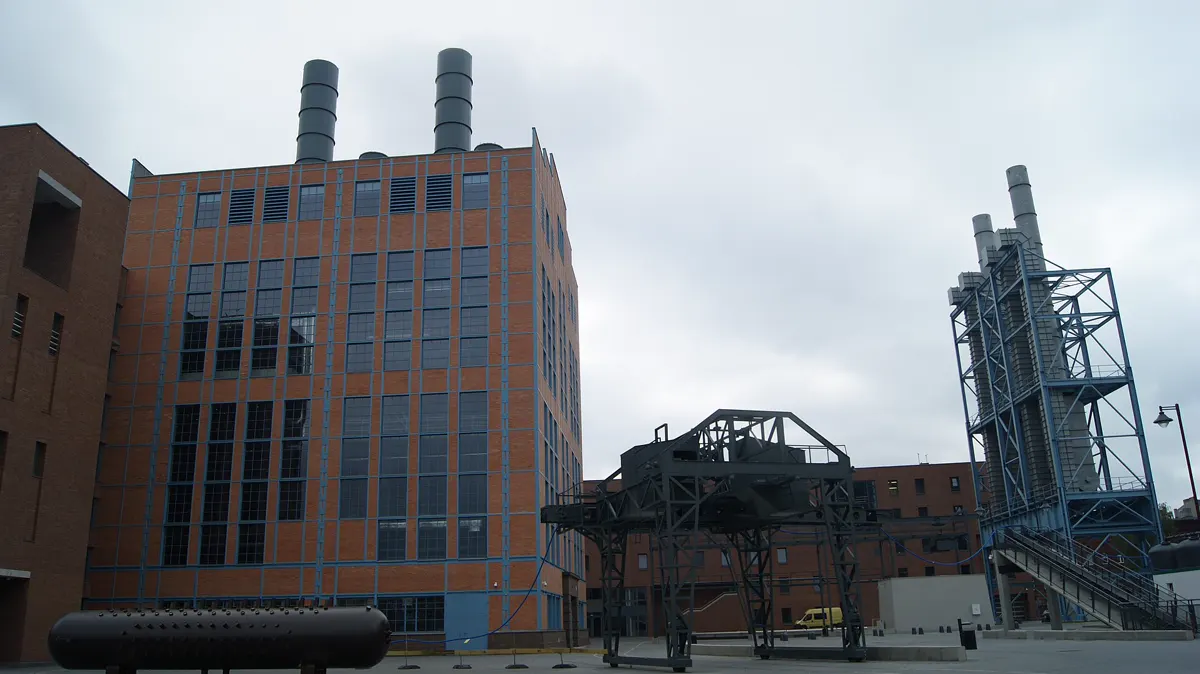
EC1 Łódź
The city's first power station, converted into a hands-on science centre and one of Central Europe's most advanced planetariums.
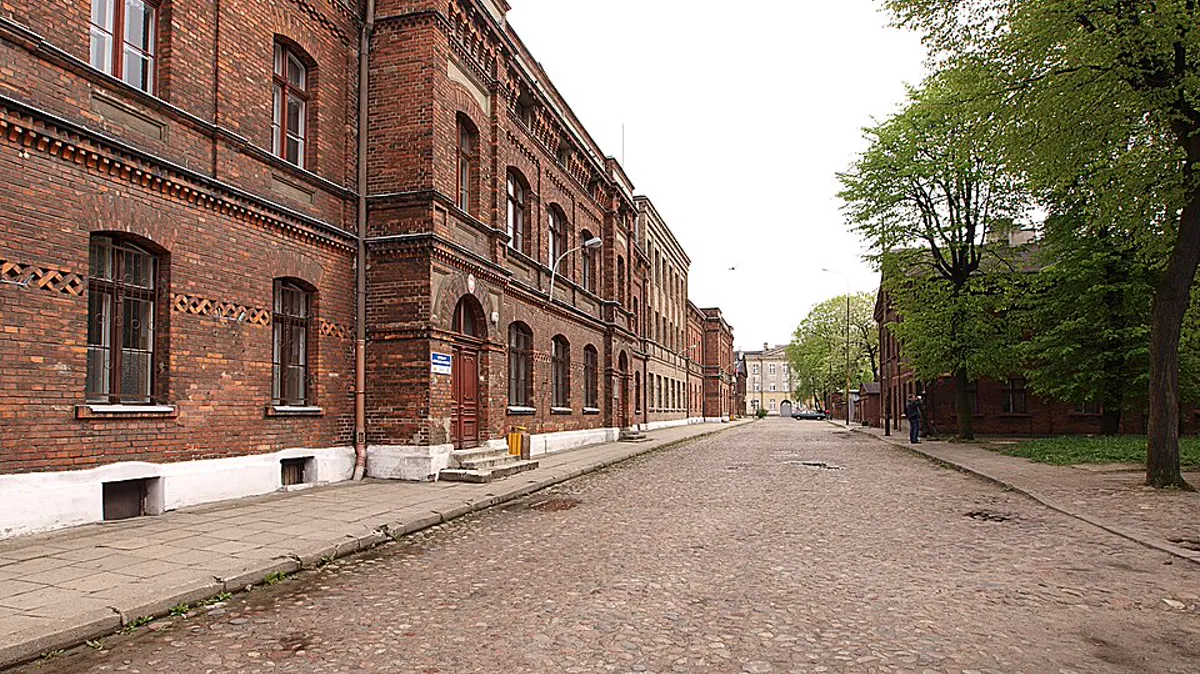
Księży Młyn
A preserved 19th-century factory district built as a city within a city, with red-brick mills, workers' terraces and the Scheibler palace.
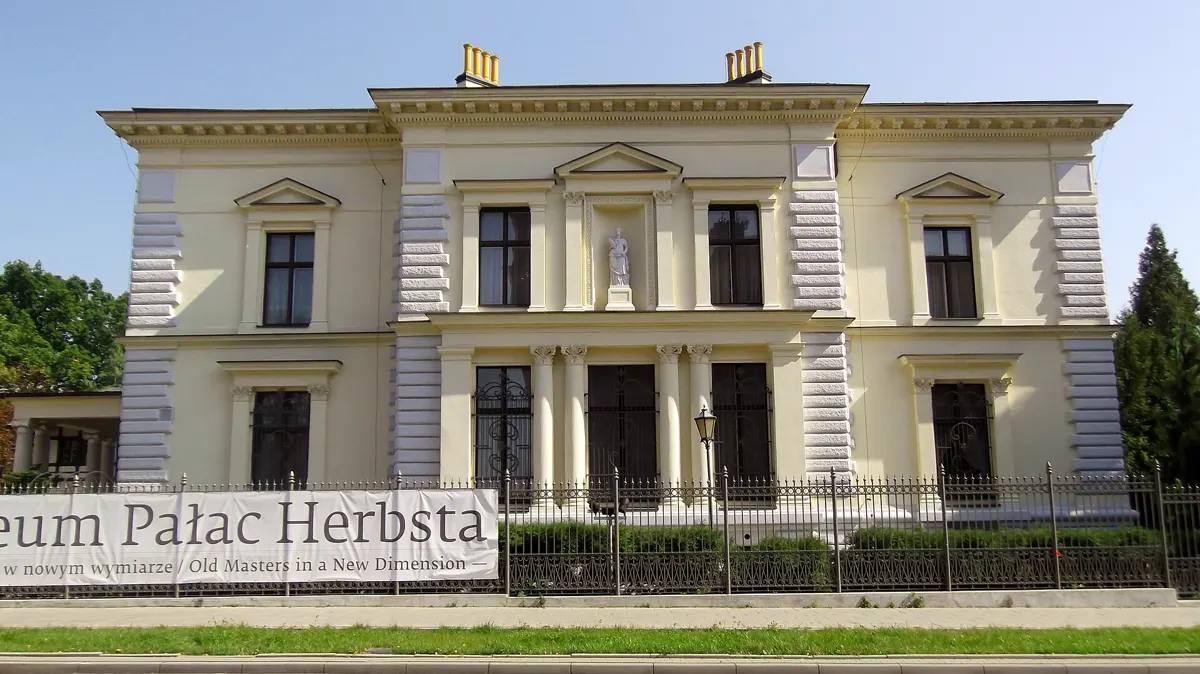
Herbst Palace Museum
A restored neo-Renaissance villa in Łódź's Księży Młyn district, once home to the Herbst family, now a branch of the Muzeum Sztuki with period interiors and 19th-century art.
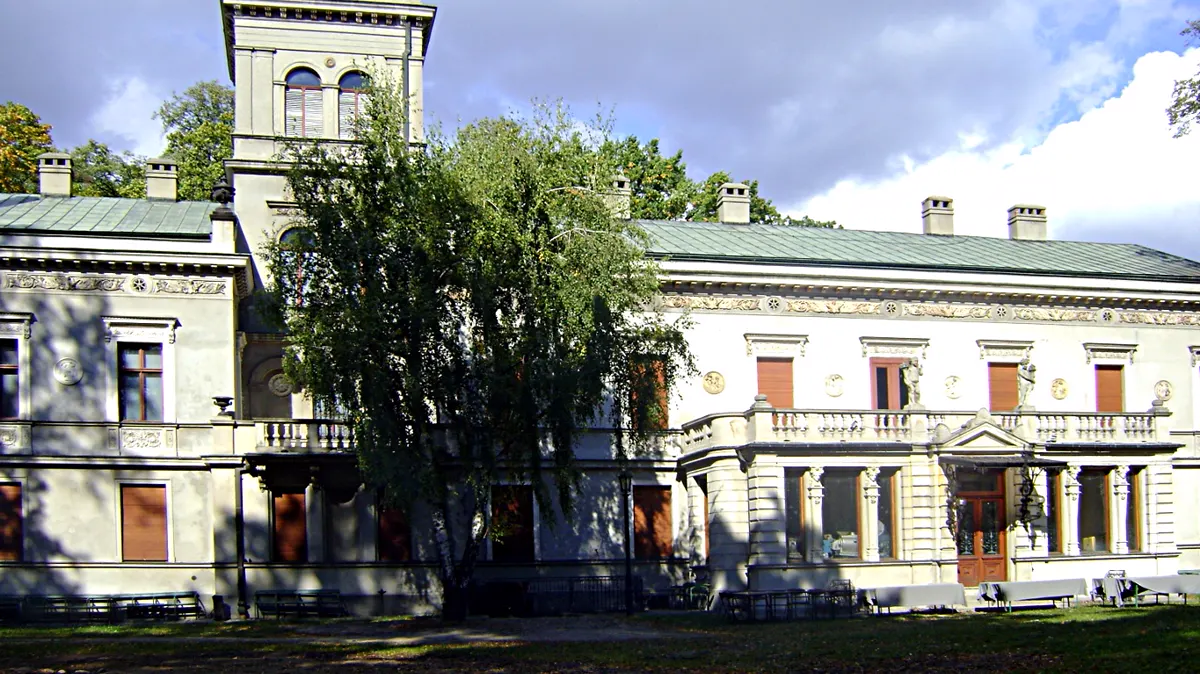
Museum of Cinematography (Scheibler Palace)
Poland's only museum devoted to film history, set inside the opulent Karl Scheibler Palace in Łódź, the city nicknamed the Polish Hollywood.
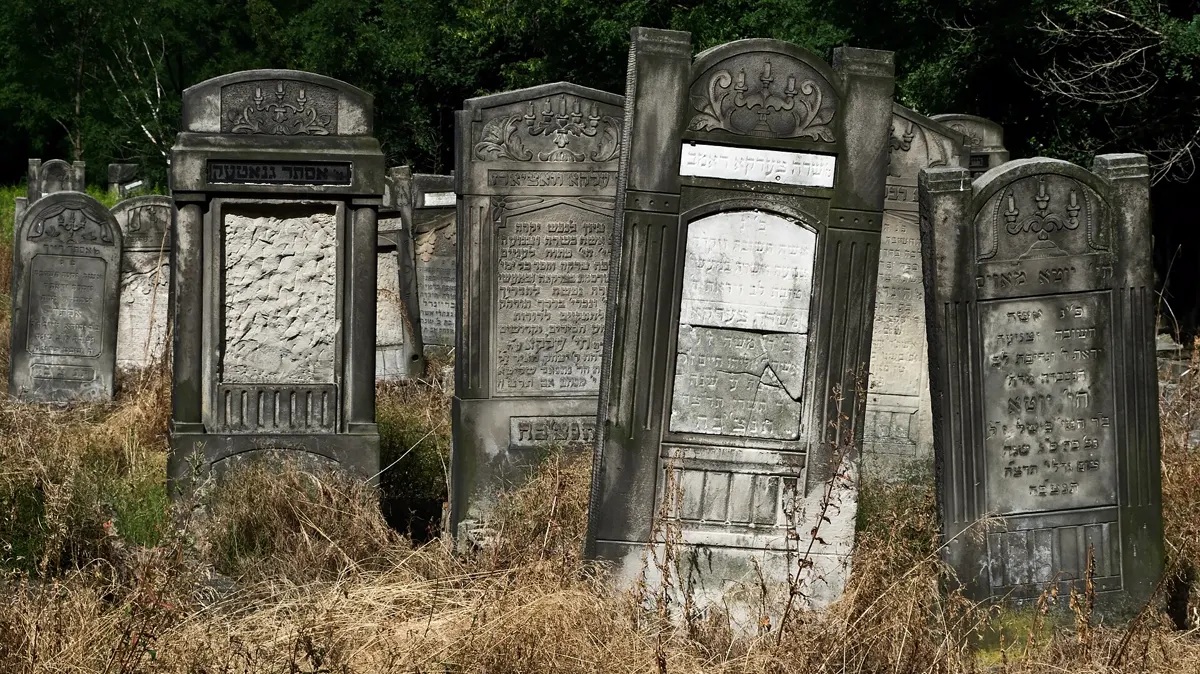
New Jewish Cemetery (Łódź)
A vast 19th-century Jewish cemetery in the Bałuty district of Łódź, holding monumental industrialists' tombs and the mass graves of the Litzmannstadt Ghetto.
More to explore in Łódź
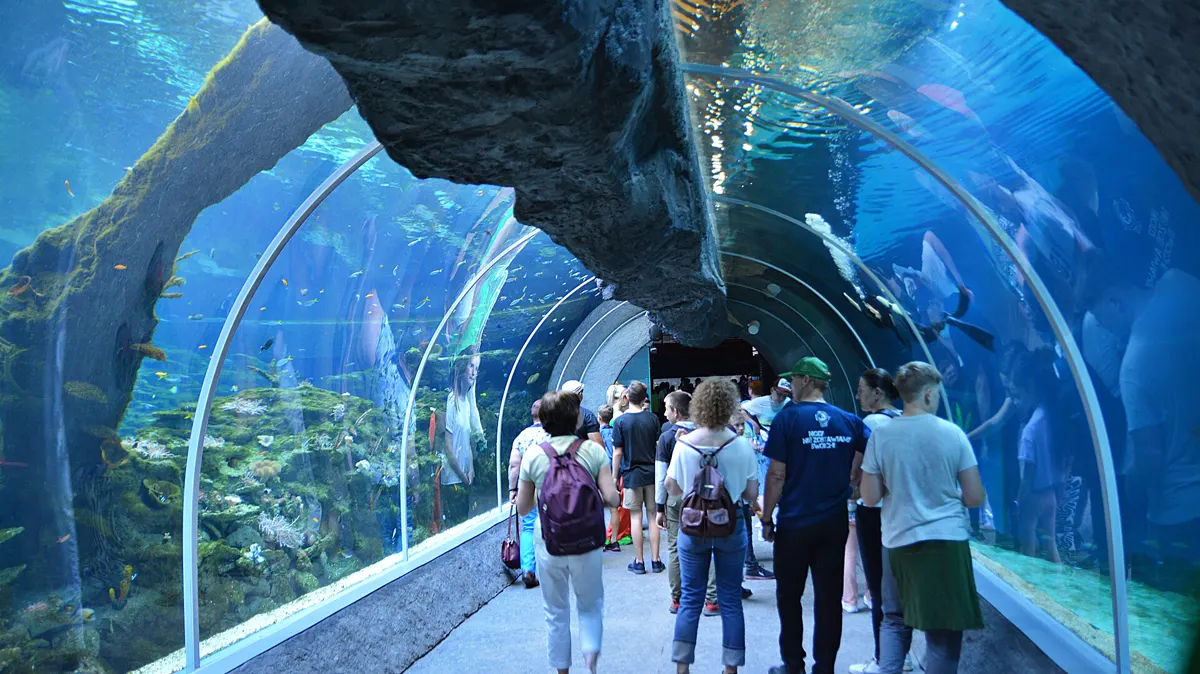
Nature
Orientarium Zoo Łódź
A modern zoo pavilion built around a South-East Asian theme, with an underwater tunnel running beneath a shark and ray tank.
Museum
Izrael Poznański Palace (Museum of the City of Łódź)
The largest industrialist's residence in Poland, built for the Poznański cotton dynasty and now the city museum.
Museum
Muzeum Sztuki (ms²)
One of the world's earliest modern-art museums, whose ms² branch shows its avant-garde collection inside a converted Manufaktura mill.
Museum
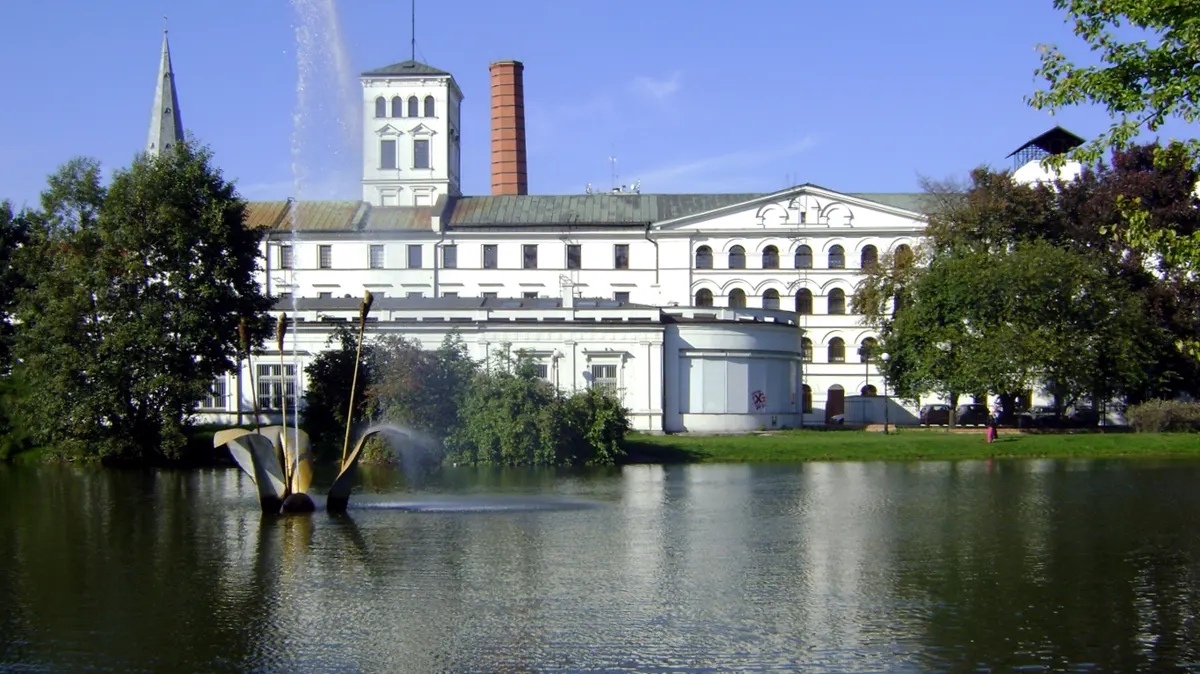
Central Museum of Textiles (White Factory)
A textile museum inside Łódź's landmark White Factory, telling the city's story through the fabric that built it.
Restaurant
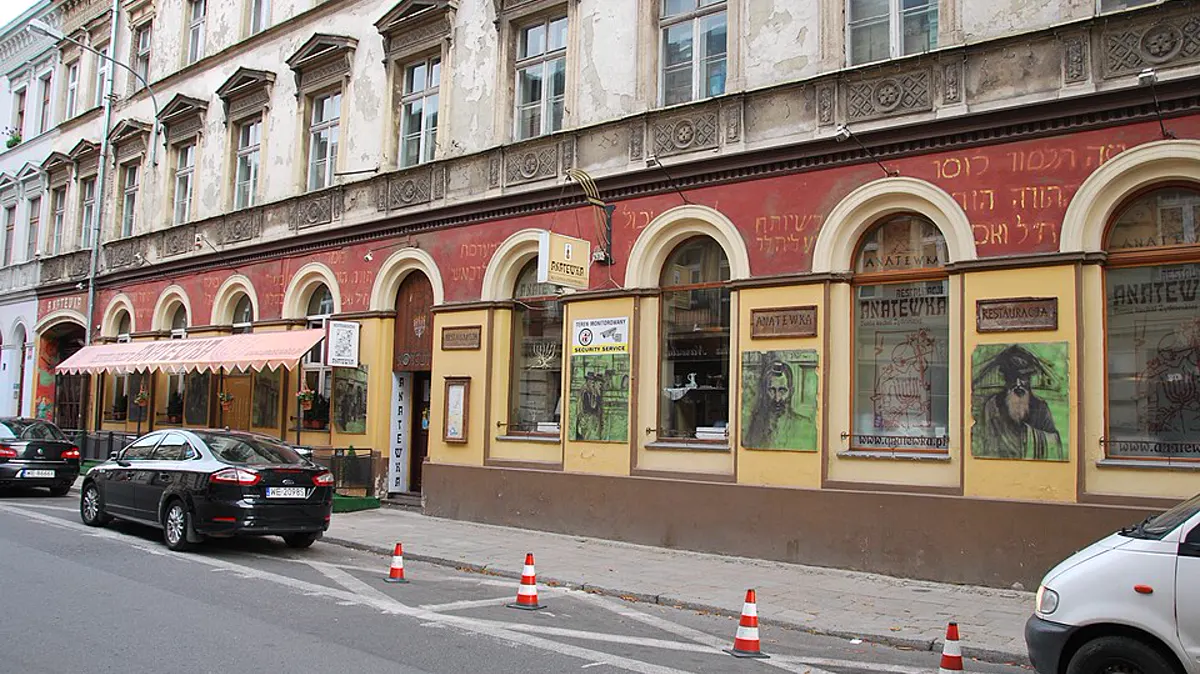
Anatewka
A long-standing Jewish restaurant off Piotrkowska Street, drawing on family recipes and Łódź's pre-war heritage.
Restaurant
Galicja Restaurant
A Manufaktura restaurant serving Polish and Central European classics across a period upstairs room and a brick cellar.