Attraction in Warsaw
Old Town Market Square
The reconstructed heart of Warsaw Old Town, a UNESCO-listed feat of post-war rebuilding ringed by colourful townhouses.
Reviewed and updated July 2026
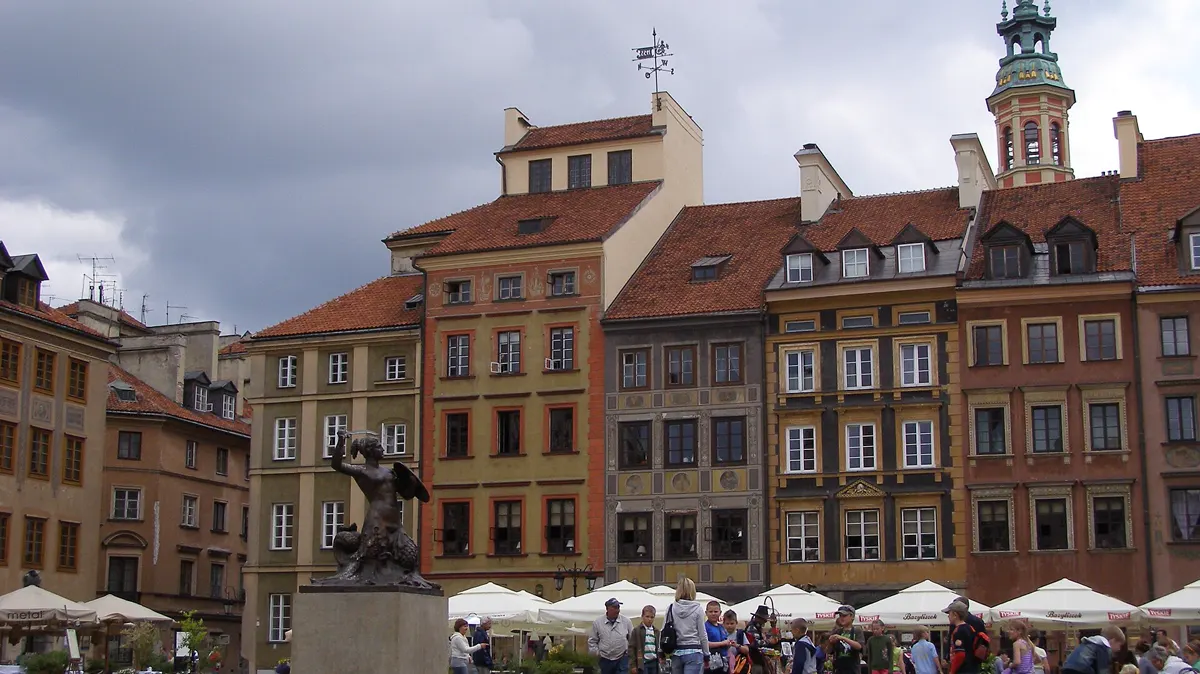
The Old Town Market Square is the centre of Warsaw's historic core and the reason the district holds UNESCO recognition. The merchant houses around it look centuries old, but almost everything here was rebuilt from ruins after 1945. The reconstruction, carried out mainly between 1948 and 1953, worked from old plans, architectural drawings and the eighteenth-century Warsaw views of Bernardo Bellotto.
Why visit the Old Town Market Square
The square is the heart of the Old Town and the natural starting point for the district. It is compact and walkable, ringed with cafes and restaurants, and it carries a larger story: that Warsaw chose to rebuild its old centre house by house rather than start again. The Museum of Warsaw on the square explains how.
What stands on the square
There is more to the square than the facades:
- The bronze Mermaid, the symbol of Warsaw, stands at the centre. The original figure was cast in 1855 by Konstanty Hegel and survived the war.
- The Museum of Warsaw fills a row of connected townhouses on the north side and tells the city's story across many rooms.
- Painted house fronts line all four sides, each side named after a leading figure of the late eighteenth century.
- Narrow lanes lead off to the Barbican and the red-brick city walls.
Rebuilding the Old Town after the war
The square was laid out in the late medieval period and grew into the commercial and social centre of old Warsaw. In 1944 the district was reduced to rubble. Rather than clear the ruins, the city rebuilt the square and the streets around it after the war, salvaging original fragments where it could. The Historic Centre of Warsaw was added to the UNESCO World Heritage list in 1980, recognised specifically as an act of reconstruction.
How long to spend
The square itself takes twenty minutes to take in. Add an hour or more for the Museum of Warsaw, and longer if you wander the surrounding lanes to the Barbican and the walls. Half a day covers the wider Old Town.
Best time to visit
Early morning and late evening are the calmest and best for photographs, before and after the tour groups. Summer middays are the busiest. In December the square and nearby streets host a Christmas market. The house fronts look their best under low light.
Getting to the Old Town
The square sits at the centre of the Old Town, which is closed to cars. It is a short walk from the Royal Castle and Castle Square, and trams and buses stop around the edge of the district. For wider transport, see the Warsaw guide.
Accessibility on the square
The square is flat but paved with cobbles that are uneven underfoot and can be hard going for wheelchairs and prams. The Museum of Warsaw occupies historic houses with some steps, so check its access information before you visit.
Around Warsaw's Old Town
The square is the hub of the Old Town, with the main sights close by:
- The Royal Castle and Castle Square, a few minutes south.
- St John's Cathedral, on the lane between the square and the castle.
- The wider Old Town and the Barbican, and the start of Krakowskie Przedmiescie beyond the castle.
Good to know
The square is a free, open public space at all hours. The cafes under the facades charge for the location, so check prices before you sit. Museum of Warsaw entry is ticketed, so confirm current hours on its official channels.
Common questions
Is the Old Town really old?
Not in its fabric. The buildings were rebuilt after 1945 from old records and paintings. The layout and appearance are faithful to the original, but the structures are post-war reconstructions.
Why is it a UNESCO site?
The Historic Centre of Warsaw was listed in 1980 as an example of the reconstruction of a destroyed historic city, rather than for surviving medieval fabric.
What is the Mermaid?
The Syrenka is the symbol of Warsaw, taken from the city's coat of arms. The original bronze on the square was made in 1855 by Konstanty Hegel.
Frequently asked questions
More attractions in Warsaw
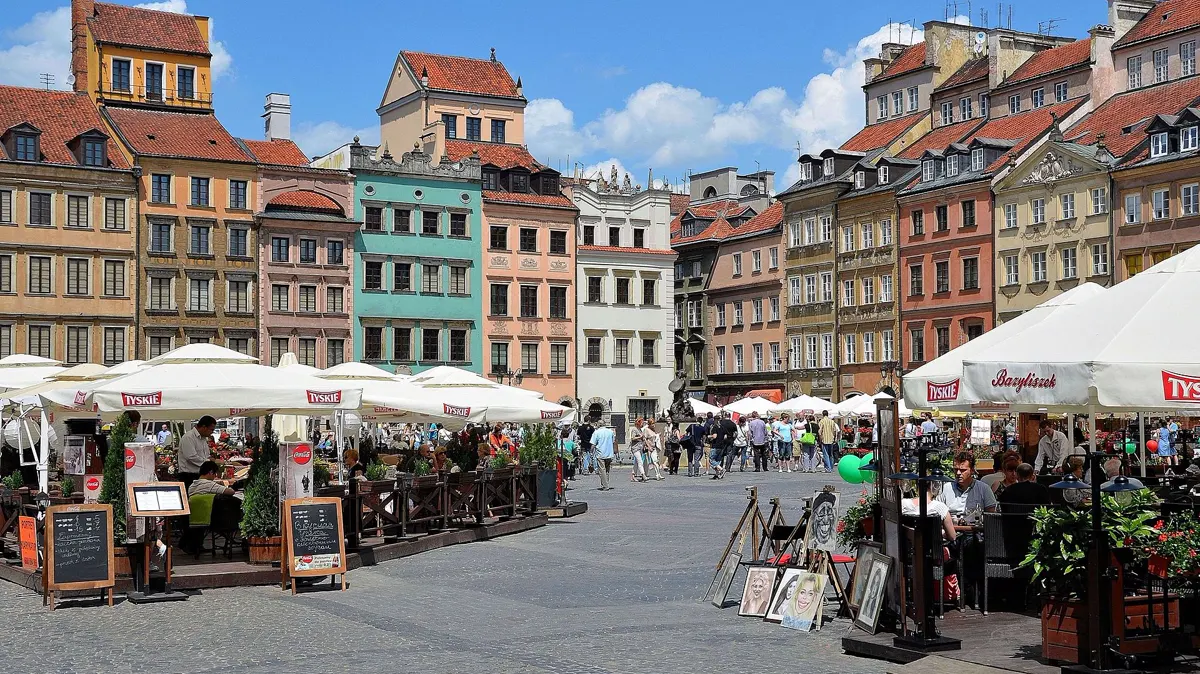
Stare Miasto (Warsaw)
Warsaw's Old Town was rebuilt from rubble after World War II so faithfully that UNESCO added it to the World Heritage list. Its Market Square is lined with pastel merchant houses and centred on the bronze Mermaid statue, the city's symbol.
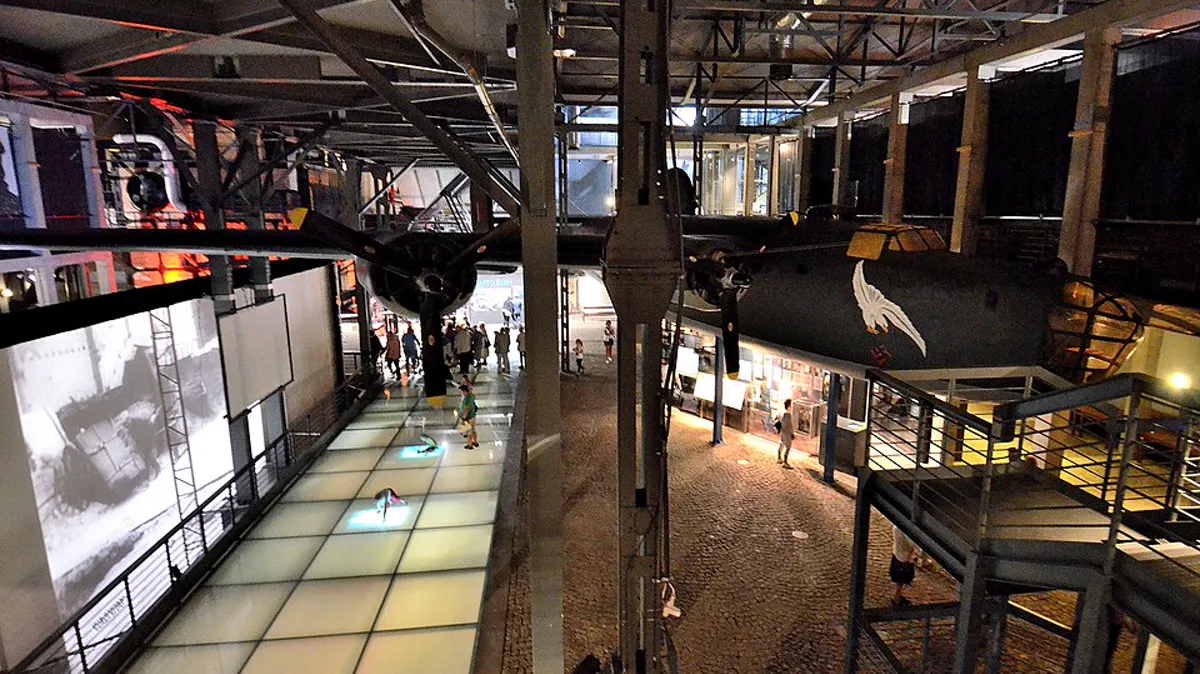
Muzeum Powstania Warszawskiego
The Warsaw Uprising Museum documents the 63-day insurrection of 1944 through survivor recordings, a replica Liberator bomber, and a beating-heart sound installation. It sits in a former tram power station in the Wola district.
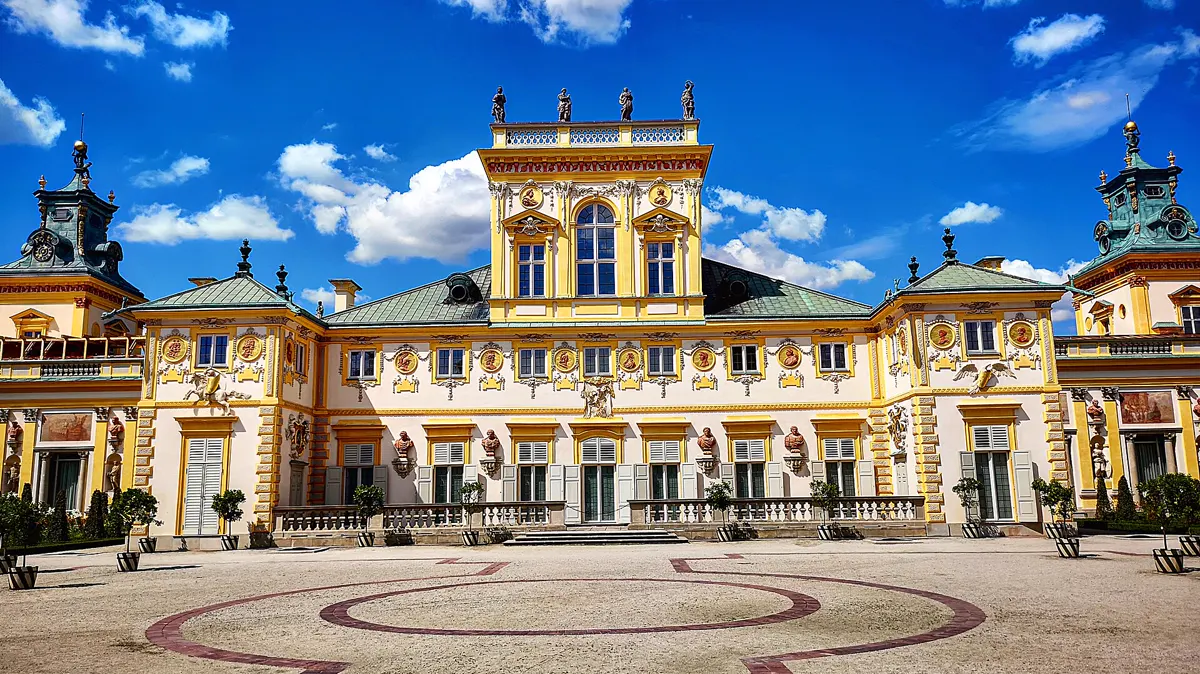
Palac w Wilanowie
Wilanow Palace was the baroque summer residence of King Jan III Sobieski and survived the war intact, earning it the nickname the Polish Versailles. Its formal gardens and gilded interiors draw crowds year round.
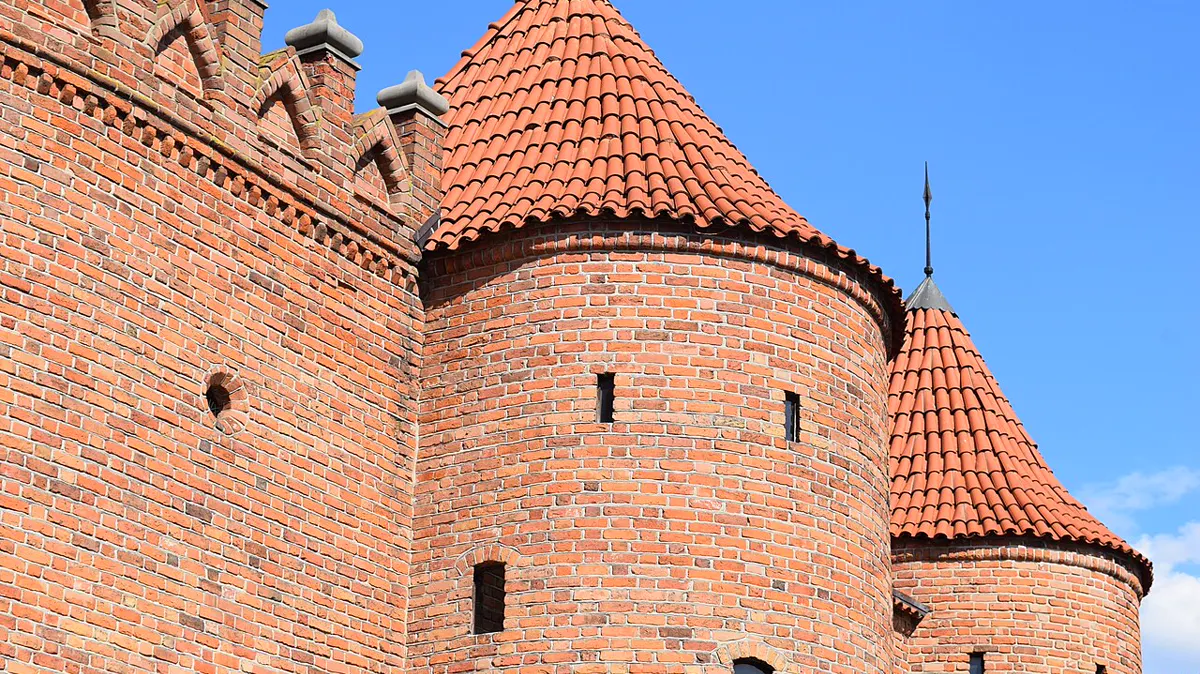
Warsaw Barbican (Barbakan)
The Warsaw Barbican is a semicircular brick fortress gate from around 1540 and one of the last surviving pieces of the city's medieval walls. It stands between the Old and New Towns, where street artists and vendors gather.
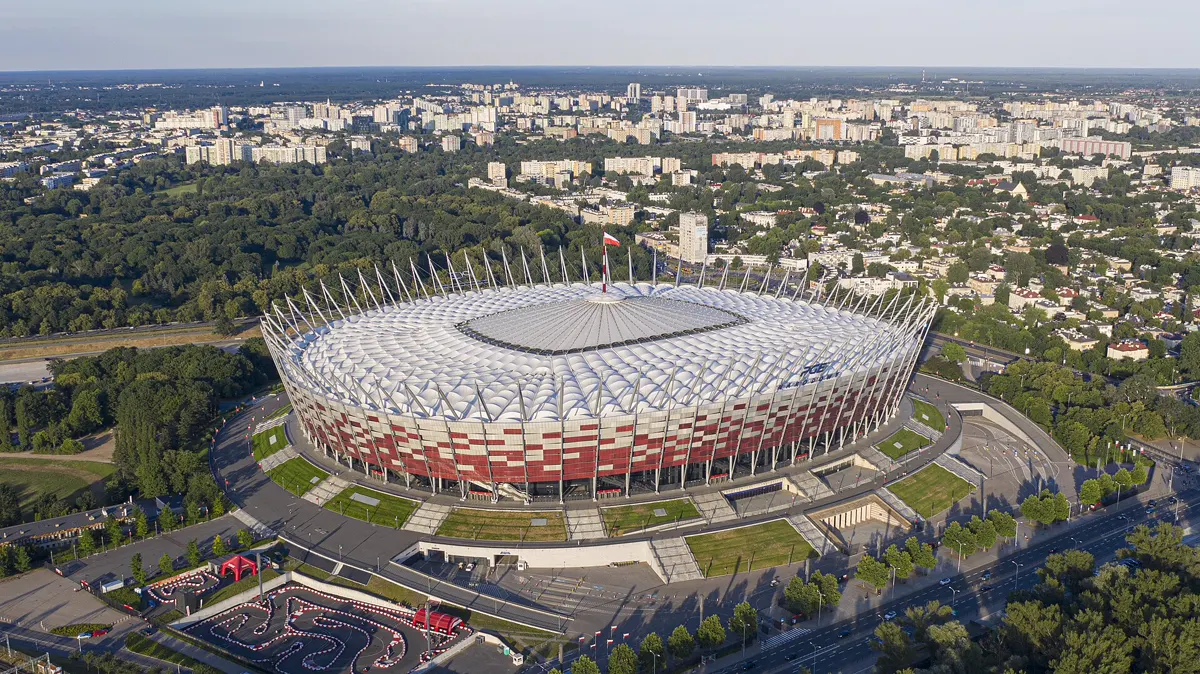
PGE Narodowy (National Stadium)
Warsaw's national stadium is Poland's largest football arena, built for Euro 2012 and known for its red-and-white latticework facade and retractable roof.
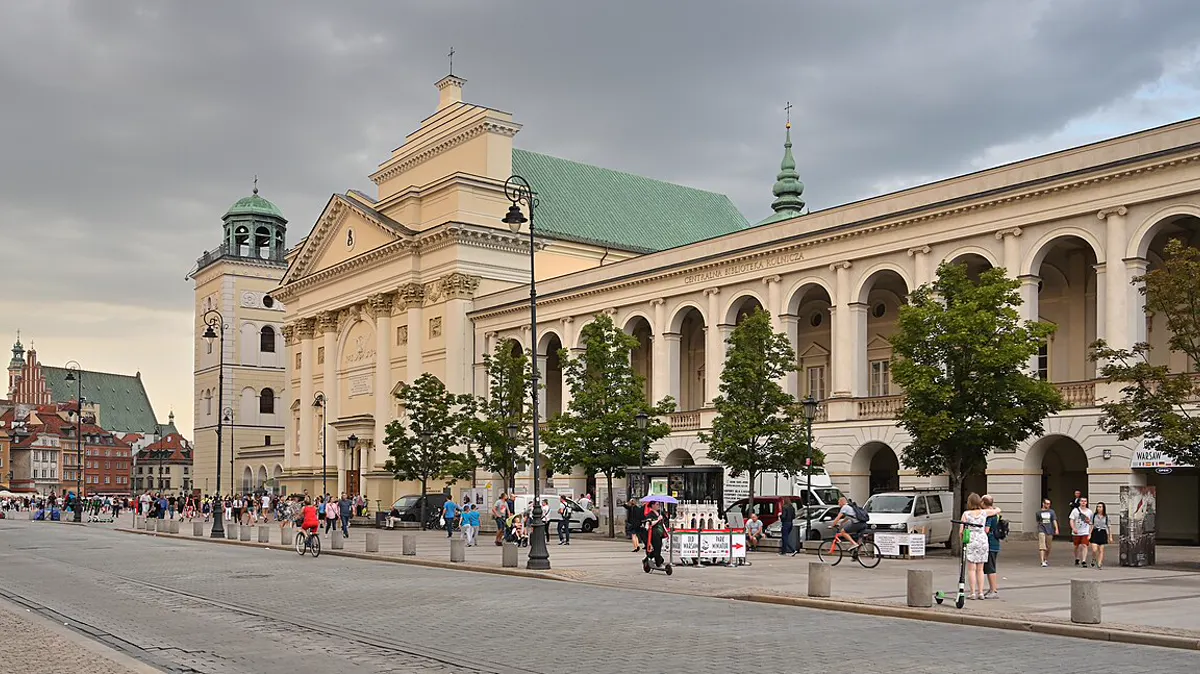
St. Anne's Church
One of Warsaw's finest Baroque churches, set beside Castle Square, with a richly decorated interior and a bell tower you can climb for wide views over the Old Town.
More to explore in Warsaw
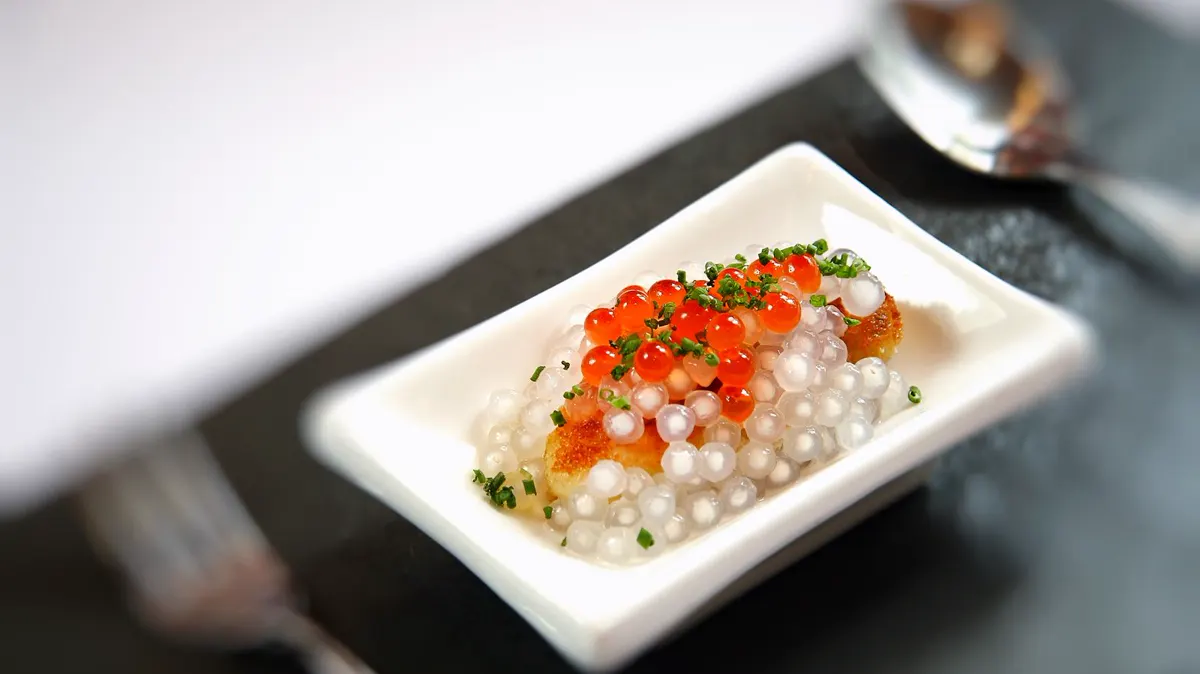
Restaurant
Nolita
A Michelin Guide-listed kitchen turning Polish produce into precise modern tasting menus.
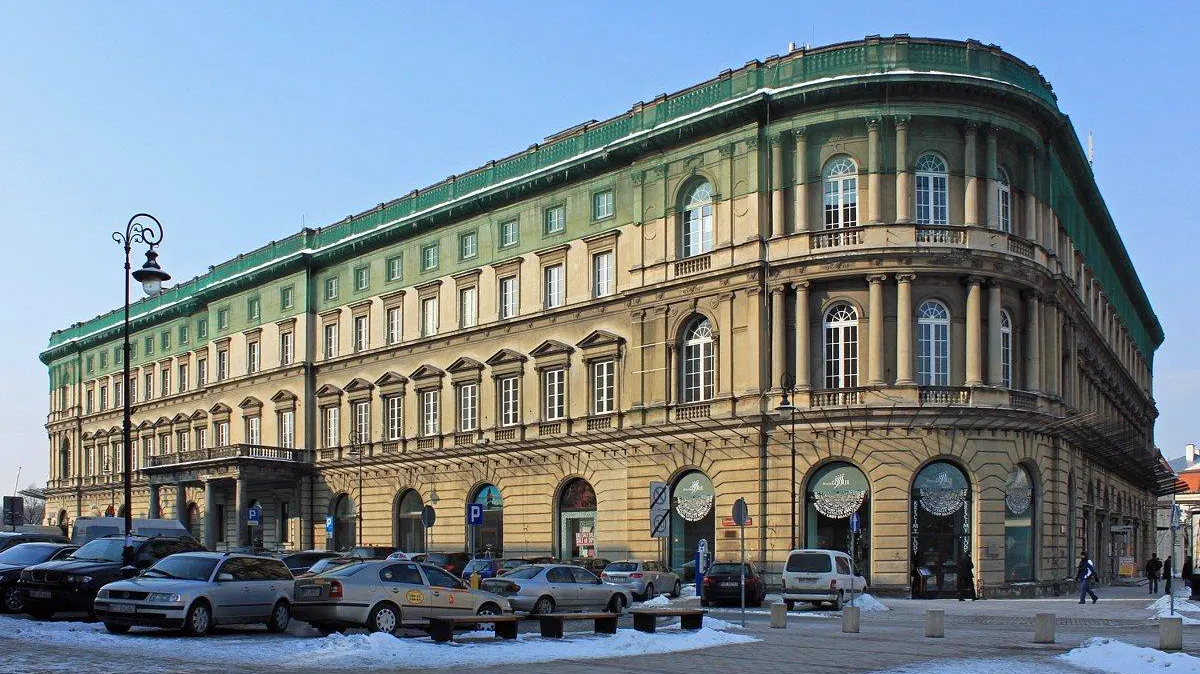
Hotel
Raffles Europejski Warsaw
A landmark 19th-century hotel on the Royal Route, reborn with a serious art collection.
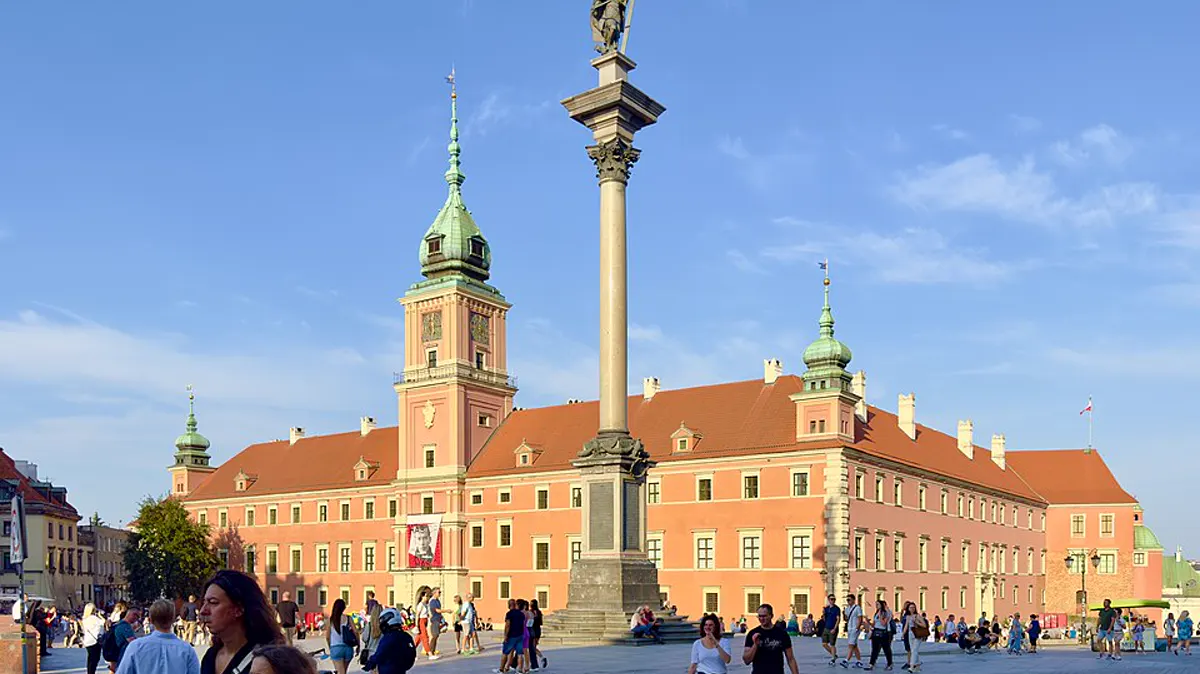
Castle
Royal Castle
The reconstructed seat of Polish kings and parliament on Castle Square, rebuilt from rubble after wartime destruction.
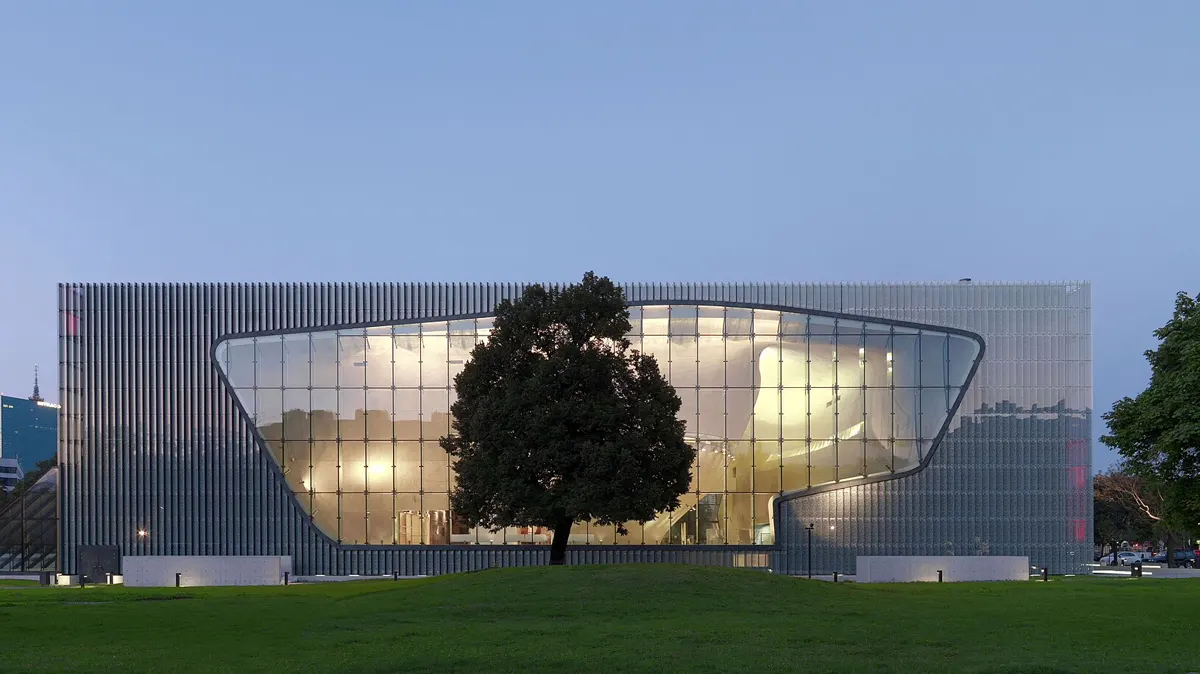
Museum
POLIN Museum of the History of Polish Jews
An award-winning museum tracing a thousand years of Jewish life in Poland, on the site of the former Warsaw Ghetto.
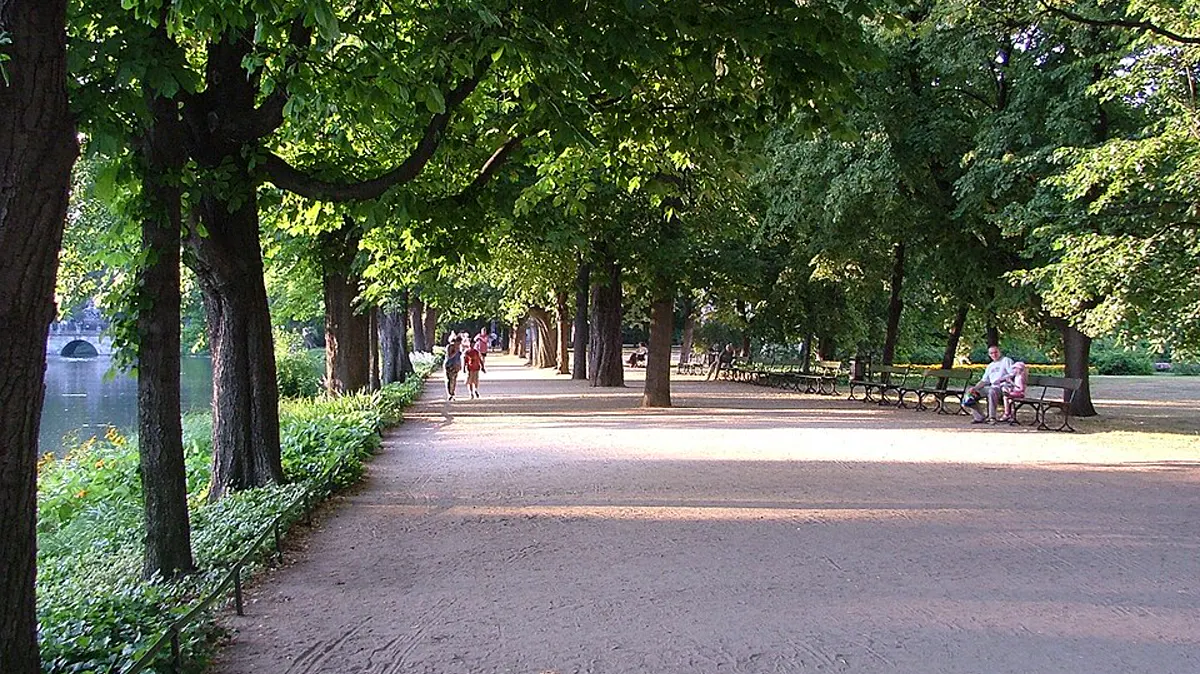
Nature
Lazienki Park
Warsaw's largest park, a landscaped royal garden with a palace on an island, peacocks and free Chopin concerts in summer.
Restaurant
Bar Mleczny Prasowy
A revived communist-era milk bar on Marszalkowska serving żurek, pierogi, and cutlets at low prices. Order at the counter and eat under retro tiling.