Attraction in Kraków
Sukiennice
The Renaissance Cloth Hall running down the centre of Rynek Glowny, once a hub of international cloth trade. Today its arcaded ground floor is lined with market stalls, while the upper floor houses a gallery of 19th-century Polish painting.
Reviewed and updated July 2026
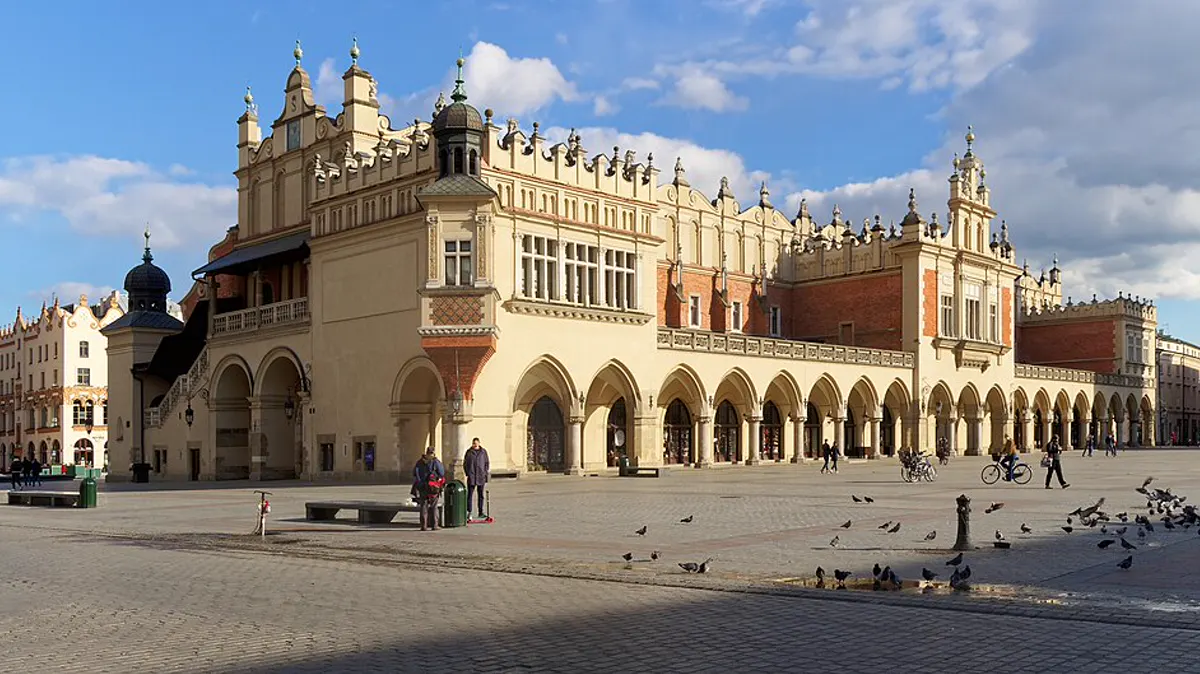
The Sukiennice, or Cloth Hall, runs down the centre of Rynek Glowny and splits Krakow's main square into two halves. It was once a hub of the international cloth trade, and trading has never really stopped. The arcaded ground floor is still a covered market, while the upper floor holds a national gallery of 19th-century Polish painting. You walk through it for free, so most visitors pass under its arches within an hour of arriving in the city.
Why visit the Sukiennice
The Cloth Hall is the centrepiece of the Main Market Square and one of the most photographed buildings in Poland. There are two reasons to stop rather than just cross it: the ground-floor stalls, which are good for a quick look even if you buy nothing, and the painting gallery upstairs, which is one of the better museum visits in the Old Town. The arcades also give you shade in summer and cover in the rain.
What to see inside
The arcaded market hall
The ground-floor passage is lined with stalls selling amber, leather, wood carvings, chess sets and souvenirs. Prices are set for visitors, so it pays to compare a few stalls and haggle a little on the larger amber pieces. It is a working market rather than a museum piece, which is part of the appeal.
Gallery of 19th-Century Polish Art
The upper floor holds the Gallery of 19th-Century Polish Art, a branch of the National Museum. It opened in 1879 and was the museum's first home. The four halls are hung with the major names of the period, among them the large historical canvases of Jan Matejko. It is a manageable collection that you can see properly in under an hour, and the ticket is separate from the market below.
History of the Cloth Hall
A trading hall has stood on this spot since the 14th century. After a fire in 1555 the building was rebuilt in Renaissance form, with an attic of carved mascarons by Santi Gucci and stone loggias attributed to Giovanni Maria Padovano. The arcades along the sides were added in the 19th century during a wider restoration. The building has served the same purpose, selling goods, for most of its life.
How long to spend
Ten minutes to walk the market hall, and about an hour if you go up to the gallery. Combined with the rest of the square, plan for a half-day in this one spot.
Best time to visit
The market hall is quietest early in the morning and after the day-trippers leave in the evening. Midday in July and August is the most crowded. In December the square around it fills with the Christmas market, which is worth timing your visit for if you are here in winter. Check the National Museum's website for current gallery hours before you climb the stairs.
Getting to Rynek Glowny
The Cloth Hall stands in the middle of the Main Market Square, at the centre of the pedestrianised Old Town. From Krakow Glowny, the main station, it is about a ten-minute walk south through the Planty gardens and down Ulica Florianska. No cars reach the square. For more on getting around, see the Krakow guide.
Accessibility
The ground-floor passage is level and open at both ends, though the square around it is laid with uneven cobbles. The gallery upstairs is reached from inside; check the National Museum's access information for lift details before you visit.
Nearby on the main square
Everything on the square is a few steps away:
- St Mary's Basilica, with its unequal towers and the hourly trumpet call, in the north-east corner.
- Rynek Underground, the archaeology museum beneath the eastern half of the square.
- The Planty, the green ring around the Old Town, a short walk in any direction.
Good to know
Walking through the market hall is free and open long hours. The painting gallery upstairs charges admission and keeps museum hours, so check the National Museum's website before you go and buy that ticket separately.
Common questions
Is the Cloth Hall free to enter?
The ground-floor market hall is free to walk through. The Gallery of 19th-Century Polish Art on the upper floor is a paid museum with its own opening hours.
What is sold in the Sukiennice?
Mainly amber jewellery, leather goods, wood carvings and souvenirs. It is aimed at visitors, so compare prices between stalls before buying.
Frequently asked questions
More attractions in Kraków
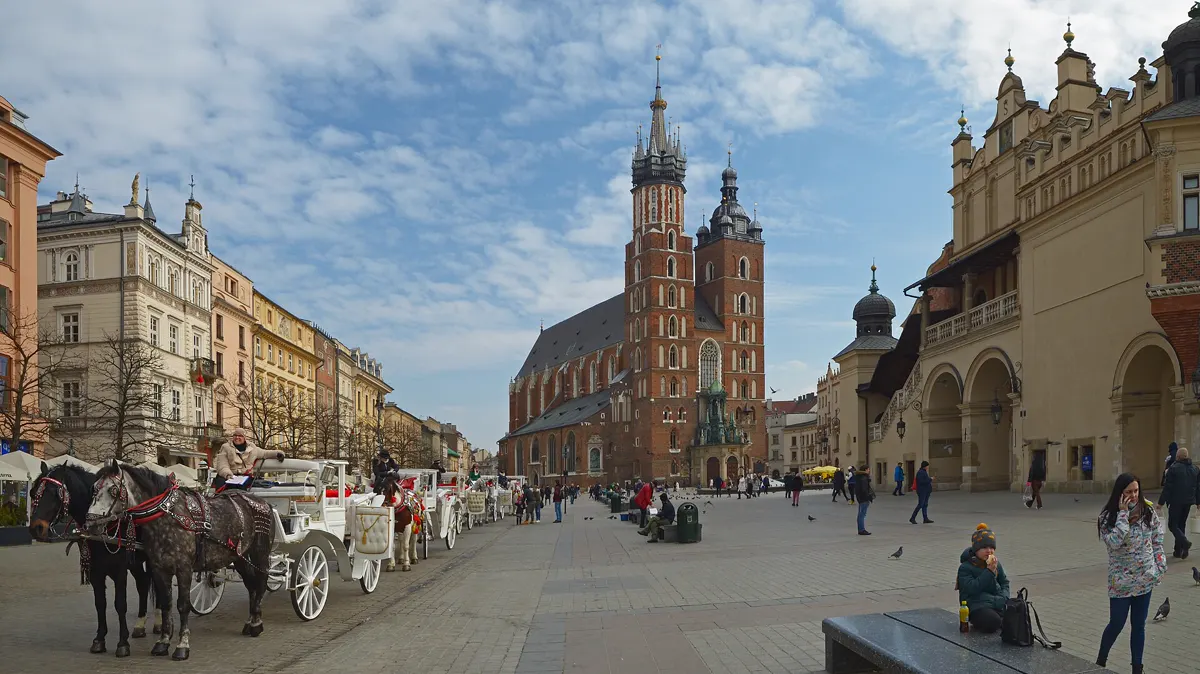
Main Market Square
Europe's largest medieval market square, the social centre of Krakow, with the Cloth Hall running down its middle.
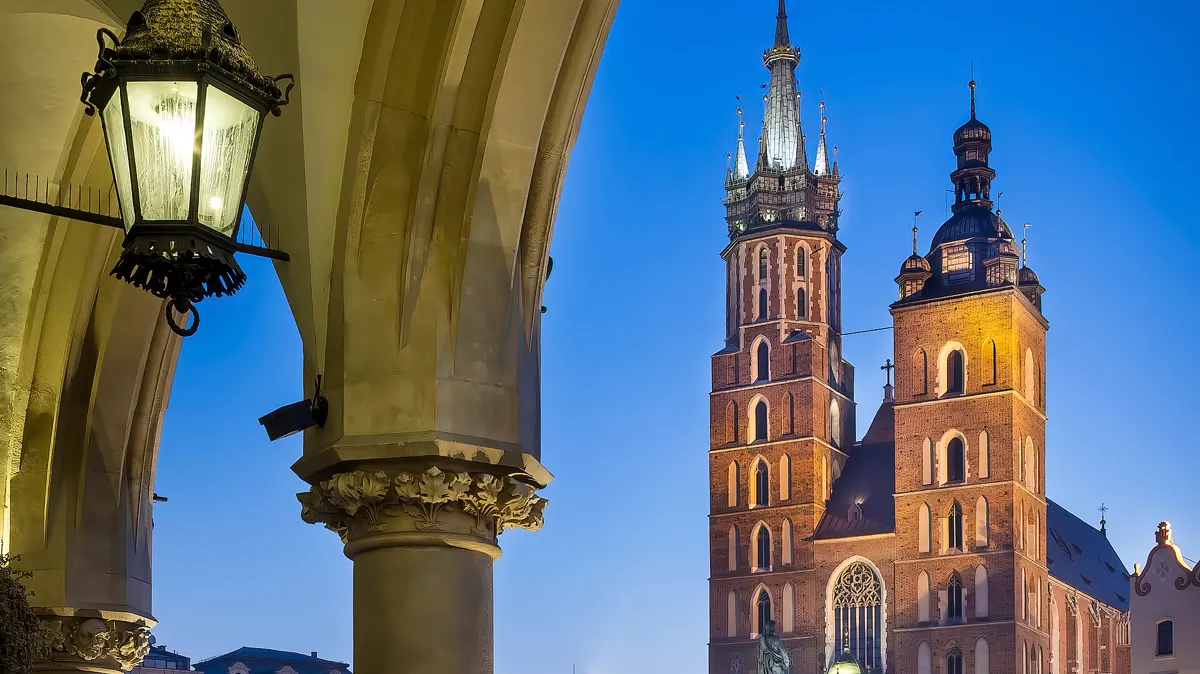
St Mary's Basilica
The brick Gothic church on the main square, famous for its mismatched towers and a carved wooden altarpiece by Veit Stoss.
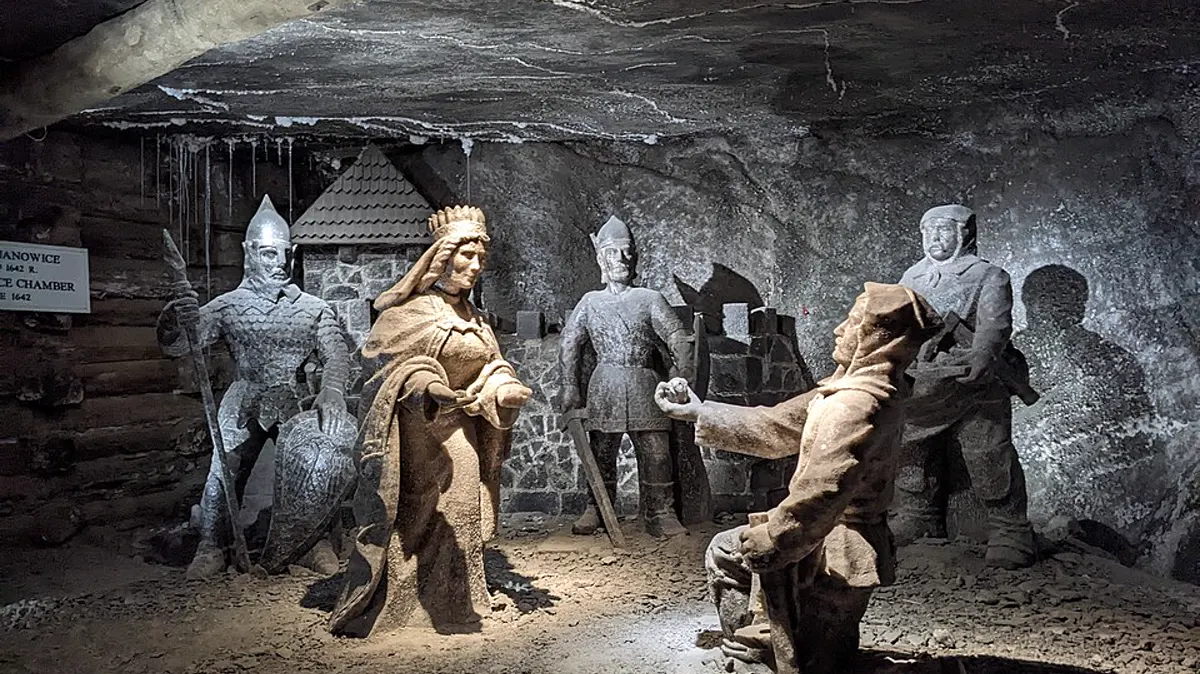
Wieliczka Salt Mine
A UNESCO-listed salt mine worked for seven centuries, with underground chapels, lakes and chambers carved entirely from rock salt.
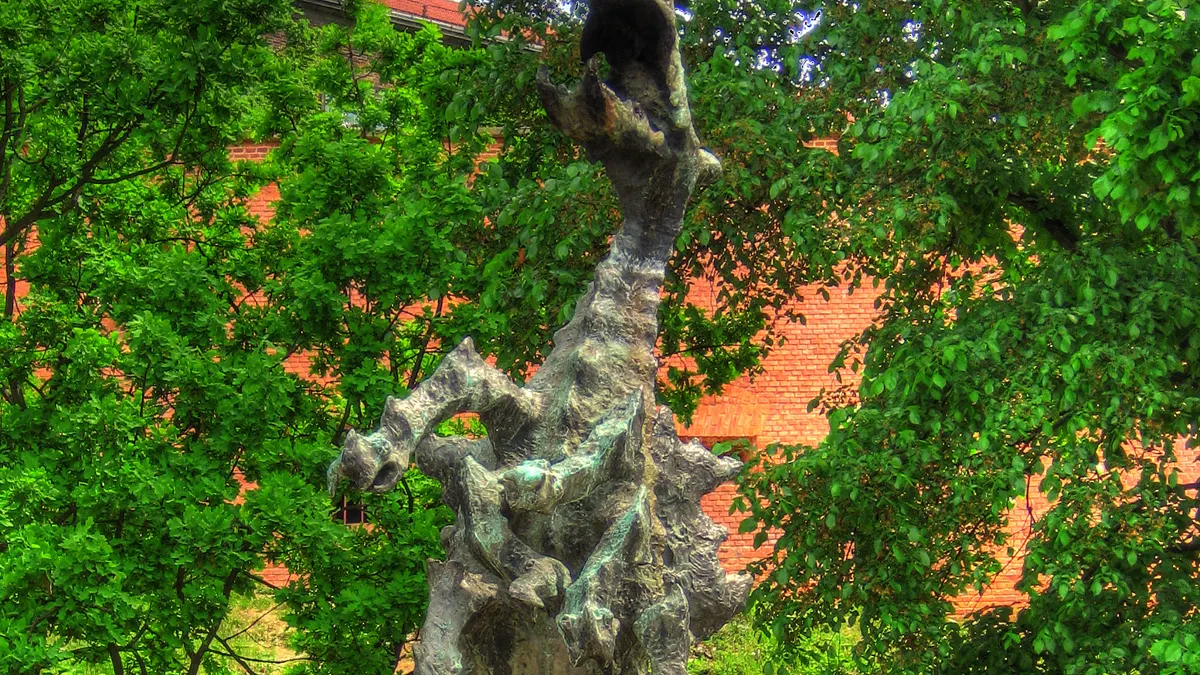
Wawel Dragon Statue and Dragon's Den
A 6-metre bronze dragon at the foot of Wawel Hill that breathes real fire, standing beside the entrance to the Dragon's Den, a limestone cave beneath the castle.
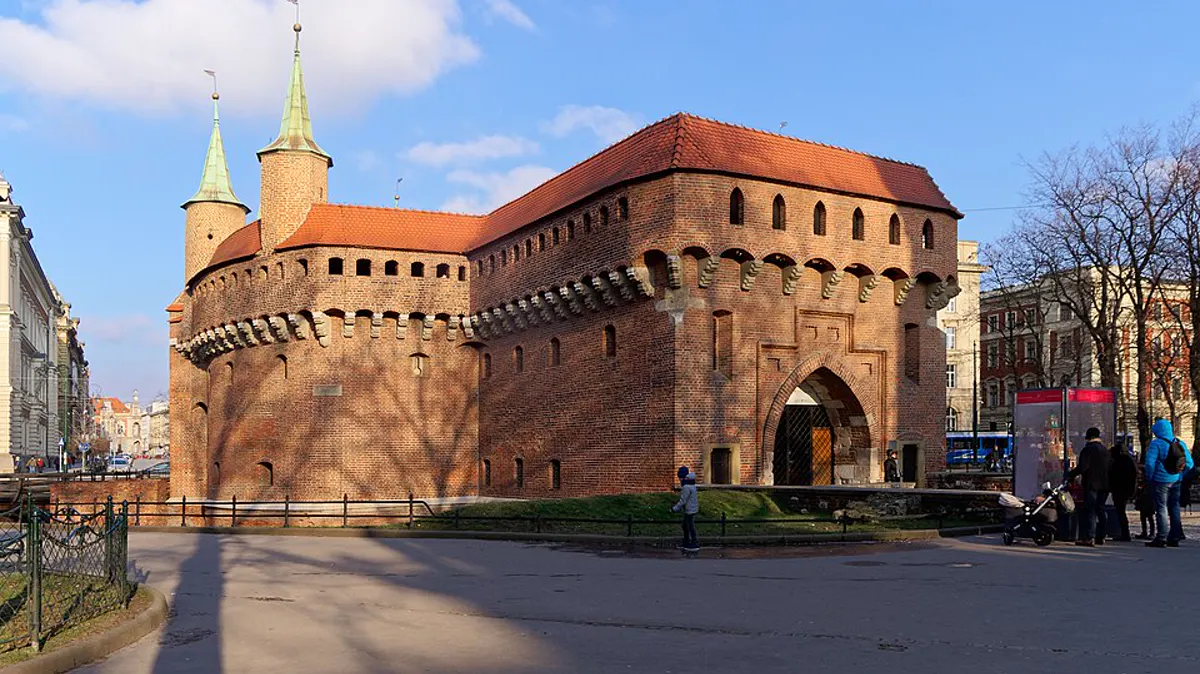
Barbakan
A circular Gothic fortified outpost from around 1499, one of the few surviving barbicans in Europe. It guarded the northern gate of the city and was once linked to the walls by a covered passage.
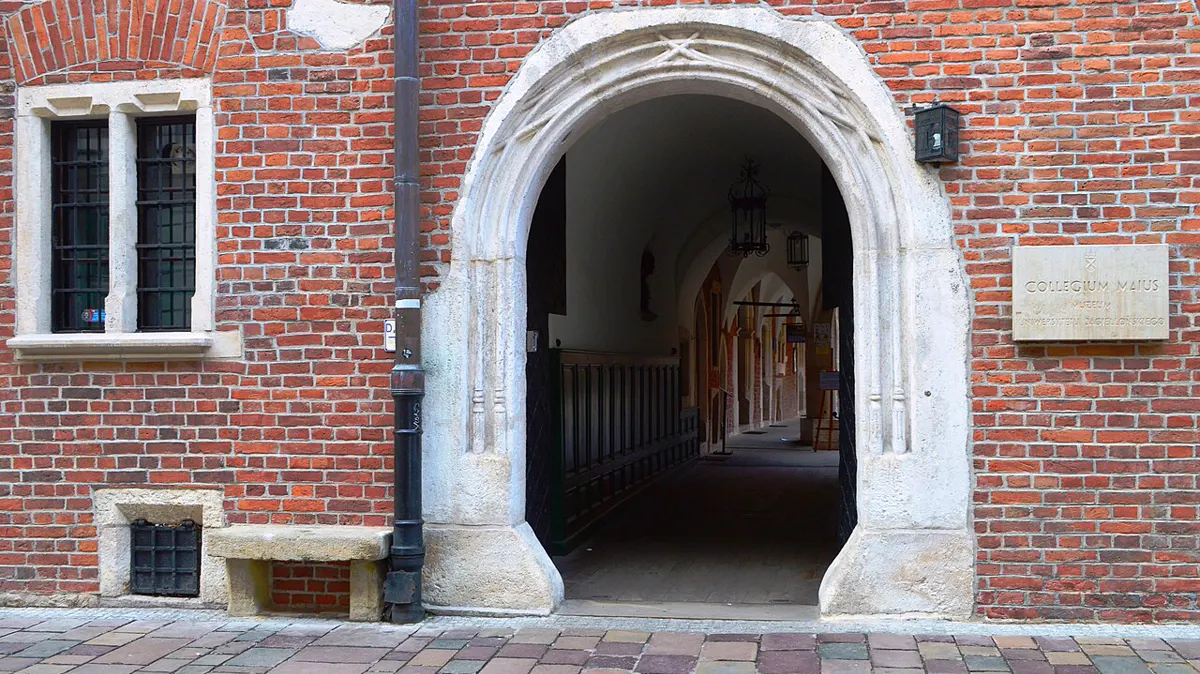
Collegium Maius
Collegium Maius is the oldest building of the Jagiellonian University and now home to the University Museum, known for its arcaded Gothic courtyard and scientific instruments tied to Nicolaus Copernicus.
More to explore in Kraków
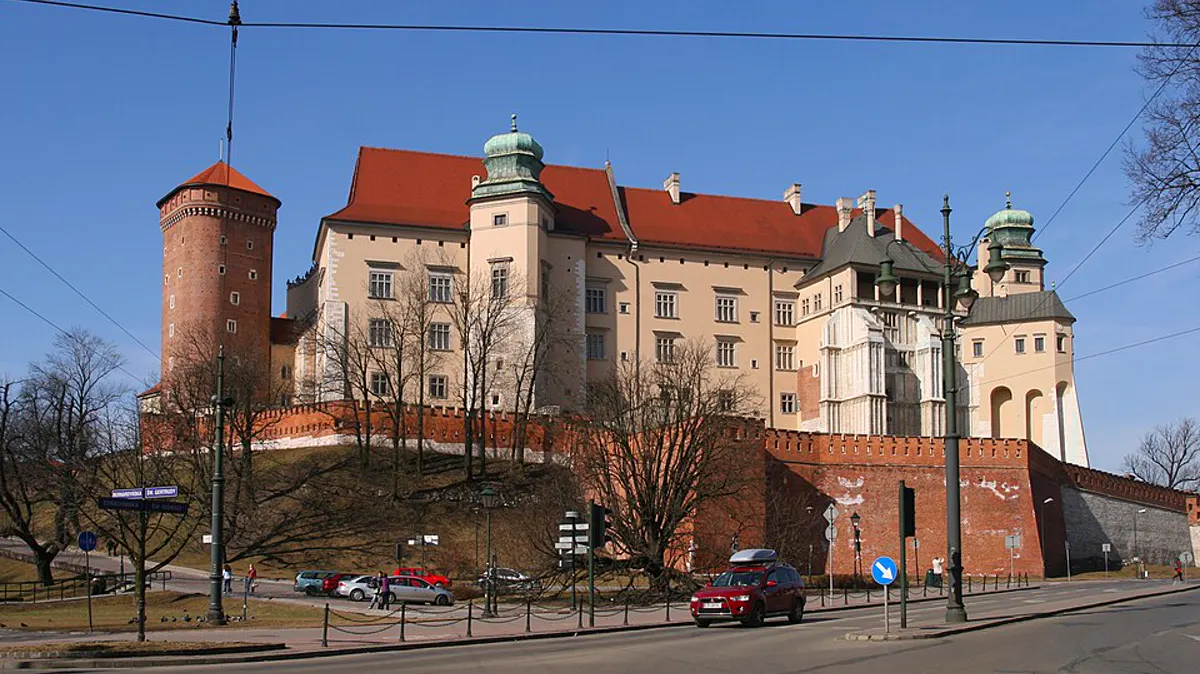
Castle
Wawel Castle
The royal castle and cathedral on the hill above the Vistula, the symbolic heart of the Polish nation for a thousand years.
Restaurant
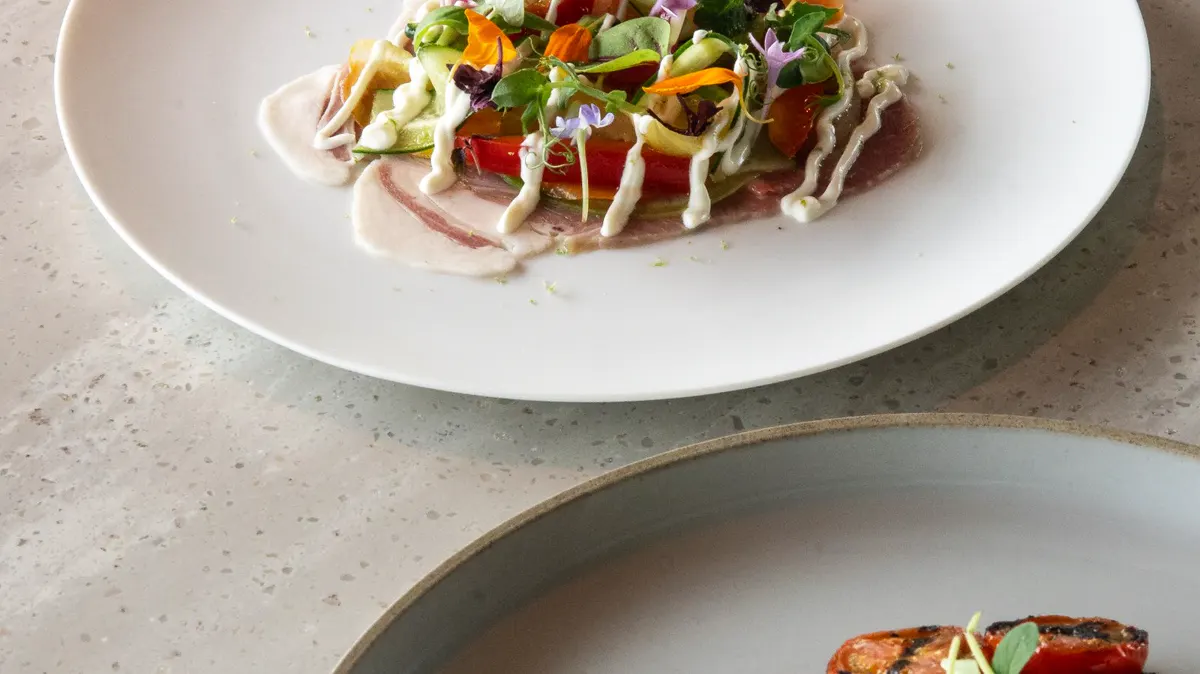
Bottiglieria 1881
Krakow's Michelin-starred tasting-menu room, a modern Polish kitchen paired with a deep wine cellar.
Hotel
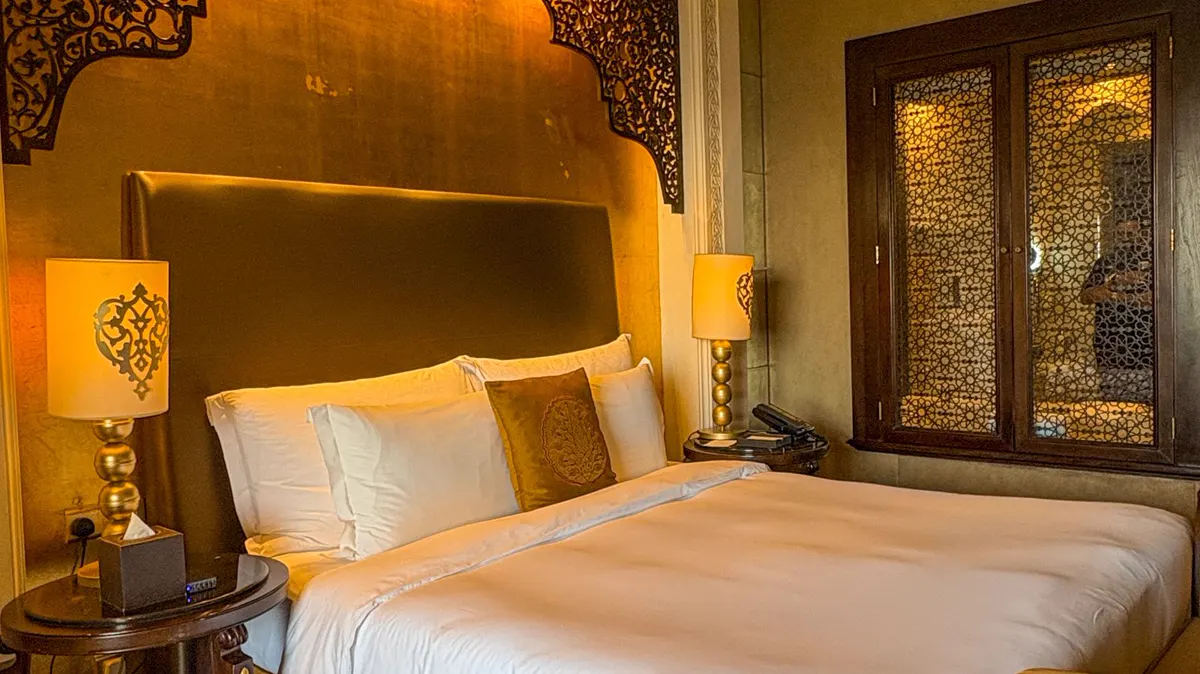
Hotel Copernicus
A Relais & Châteaux townhouse on the oldest street in the city, with a rooftop terrace facing Wawel.
Museum
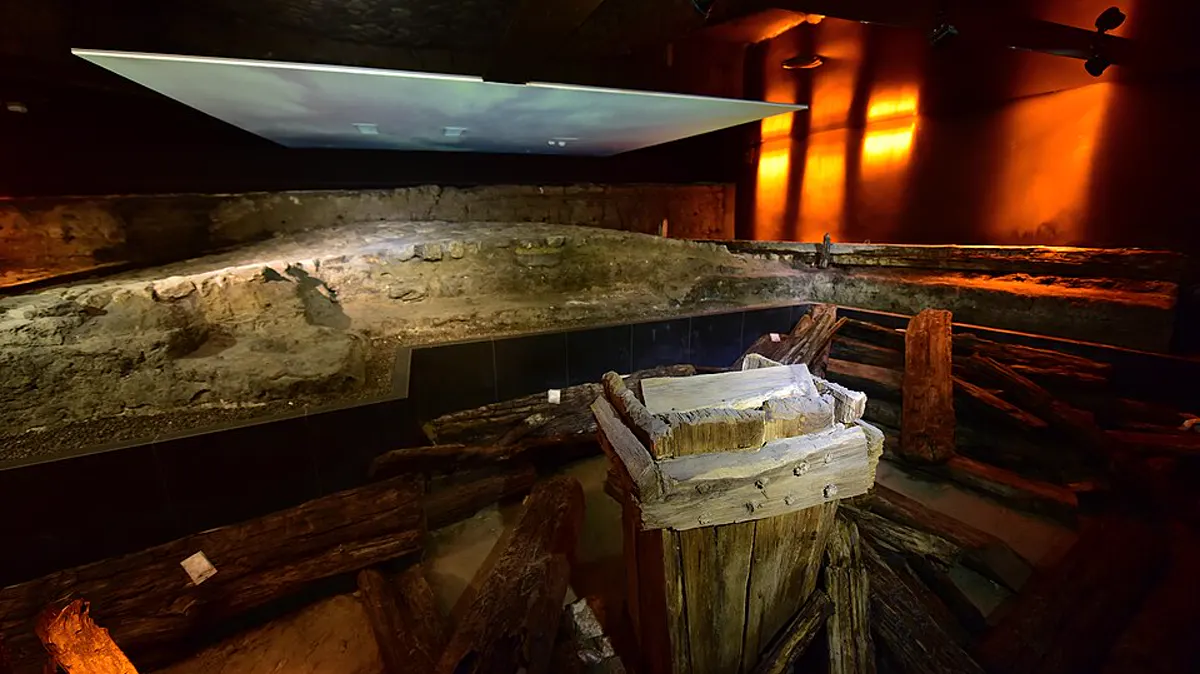
Rynek Underground
An atmospheric archaeology museum beneath the Main Square, walking you through the medieval market on its original cobbles.
Museum
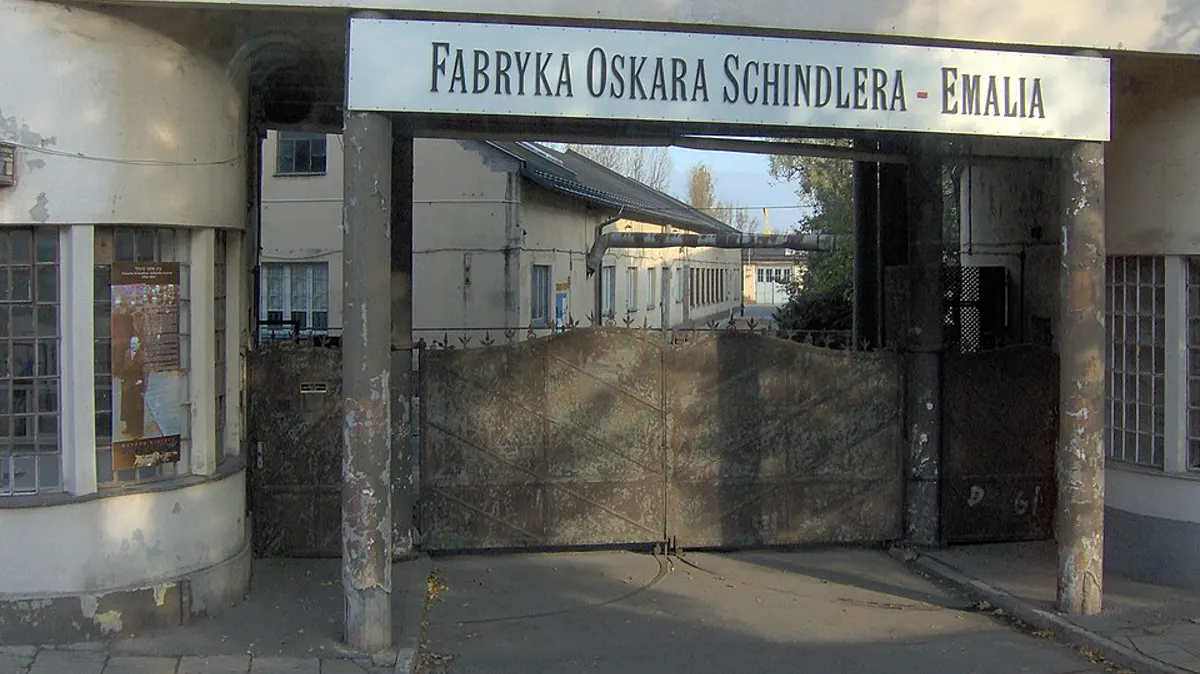
Oskar Schindler's Enamel Factory
The wartime enamelware factory, now a museum about Krakow under German occupation from 1939 to 1945.
Hotel
Mundo Hostel
A calm, well-kept hostel in a courtyard building in Kazimierz, each room themed to a country.