Attraction in Poznań
Ostrow Tumski, Poznan
The cathedral island where the Polish state and church were born in the tenth century, a short walk from the market square.
Reviewed and updated June 2026
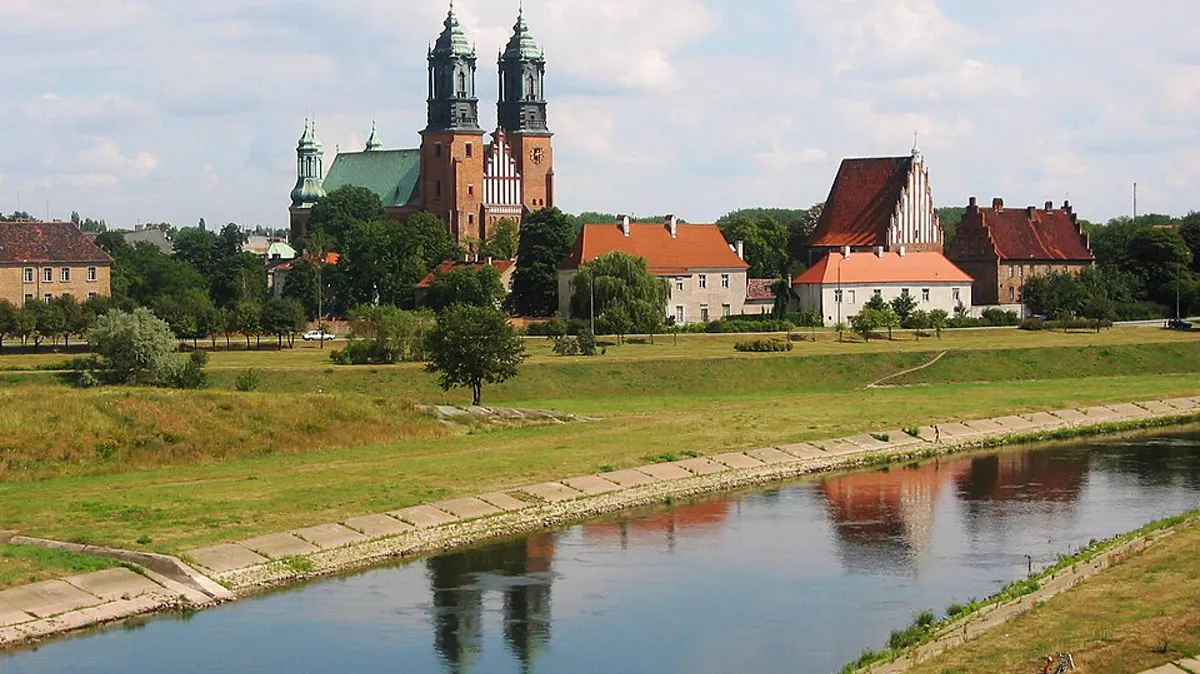
Ostrow Tumski in Poznan has a strong claim to be the cradle of Poland. The first ruler known to history, Mieszko I, is thought to have had his seat here, and it was on this island that Polish Christianity took root after his baptism in 966. The cathedral that stands here is the oldest in the country.
Why visit Ostrow Tumski
This is where the Polish state and church began, and it is a quiet counterpoint to the busy market square. The island is small and walkable, with the great cathedral at its centre and the river on either side. Come here to understand why Poznan calls itself the place where Poland started, then cross back to the Old Market Square for the livelier centre.
What to see on Ostrow Tumski
Poznan Cathedral
The Archcathedral Basilica of St Peter and St Paul was first built in the year 968 and rebuilt many times since, Gothic above ground and far older beneath. Its Golden Chapel holds the tombs of the first Piast rulers, among them Mieszko I and Boleslaw the Brave. The interior repays a slow look, and the crypt below is part of the visit.
Below the cathedral
Excavations under and around the cathedral have uncovered the foundations of the earliest churches and of the tenth-century stronghold, some of it displayed where you can stand over the beginnings of the Polish state. The relics of the first cathedral and baptismal structures are the highlight for anyone interested in the origins of the country.
Brama Poznania
Just across the water, the Brama Poznania heritage centre uses film, sound and models to tell the island's thousand-year story, and it makes a good first stop before the cathedral itself. A footbridge links it to the island.
History of Ostrow Tumski
Mieszko I accepted Christianity in 966, an event that drew the young Polish state into Latin Europe. A bishopric was established at Poznan soon after, and the island became the religious centre of the Piast lands. Later capitals rose elsewhere, but Ostrow Tumski kept its place as a founding site.
How long to spend on the island
Allow about an hour for the cathedral and the excavations, and another hour if you add the Brama Poznania centre across the river.
Best time to visit Poznan
Mornings and early afternoons are best for daylight in the cathedral and quiet in the lanes. Avoid the main service times on Sundays and church holidays if you want to look around freely. The island is calm in the evening, but most interiors close by late afternoon.
Getting to Ostrow Tumski
The island is a ten-minute walk or short tram ride east of the Old Market Square, so the founding site and the Renaissance centre fit easily into one day. For the rest of the city, see the Poznan guide.
Accessibility on the island
The main paths and the cathedral's ground floor are broadly step-friendly, but the crypt and excavations involve stairs and uneven surfaces. Brama Poznania across the river is a modern building with full access. Check ahead if step-free routes matter throughout.
What's nearby in Poznan
The island connects the founding sites with the rest of Poznan:
- The cathedral itself, the centrepiece of the island.
- The Brama Poznania heritage centre, across the footbridge.
- The Old Market Square, about ten minutes west.
Good to know
The cathedral is a working church, so keep noise down, dress modestly, and plan around service times. The Golden Chapel, crypt and Brama Poznania centre are ticketed; the cathedral nave is usually free to enter outside services.
Common questions about Ostrow Tumski
Why is Ostrow Tumski called the cradle of Poland?
It was one of the main seats of Mieszko I, the first historic Polish ruler, and the place where Christianity was established after his baptism in 966. The country's oldest cathedral stands here, over the foundations of its earliest churches.
What is in the Golden Chapel?
The Golden Chapel in the cathedral holds the tombs of the first Piast rulers, including Mieszko I and Boleslaw the Brave, under a richly decorated nineteenth-century interior.
How do I get there from the Old Market Square?
It is about a ten-minute walk east, or a short tram ride, so the two sit comfortably in the same day.
Frequently asked questions
More attractions in Poznań
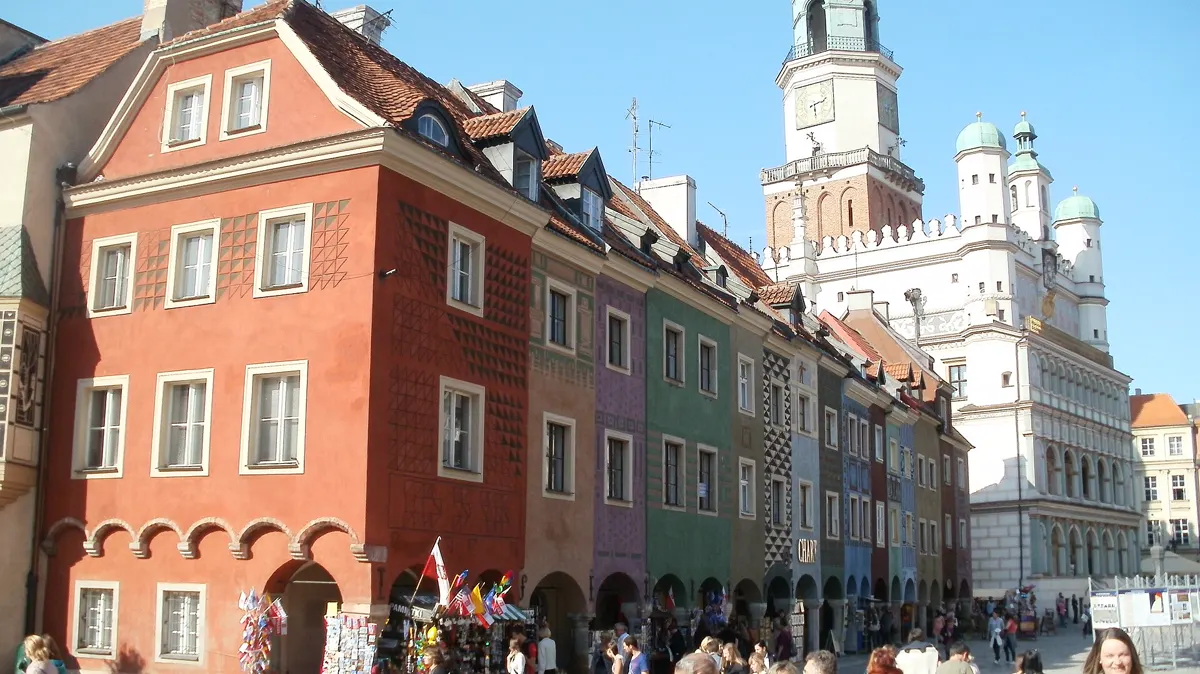
Old Market Square
The Renaissance heart of Poznan, where two mechanical goats butt heads on the town hall clock every day at noon.
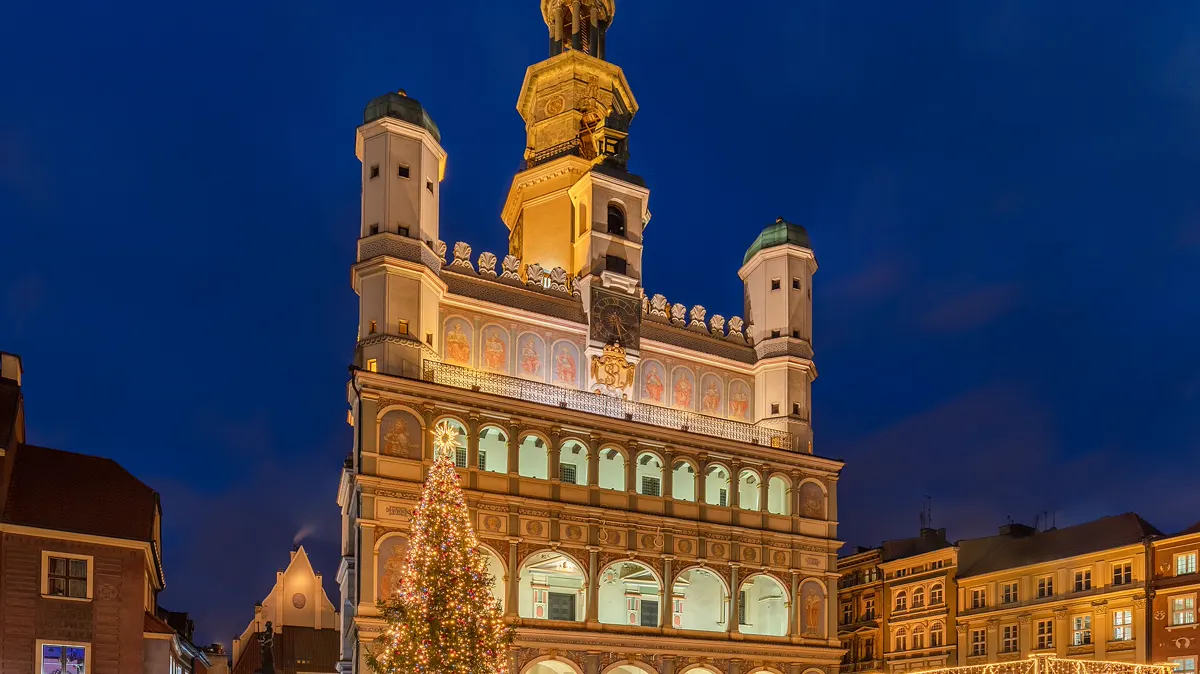
Ratusz i koziolki
At noon two mechanical billy goats emerge above the Ratusz clock and butt heads twelve times, drawing a crowd every single day. The Renaissance town hall, remodelled by Giovanni Battista di Quadro, also houses the city's history museum.
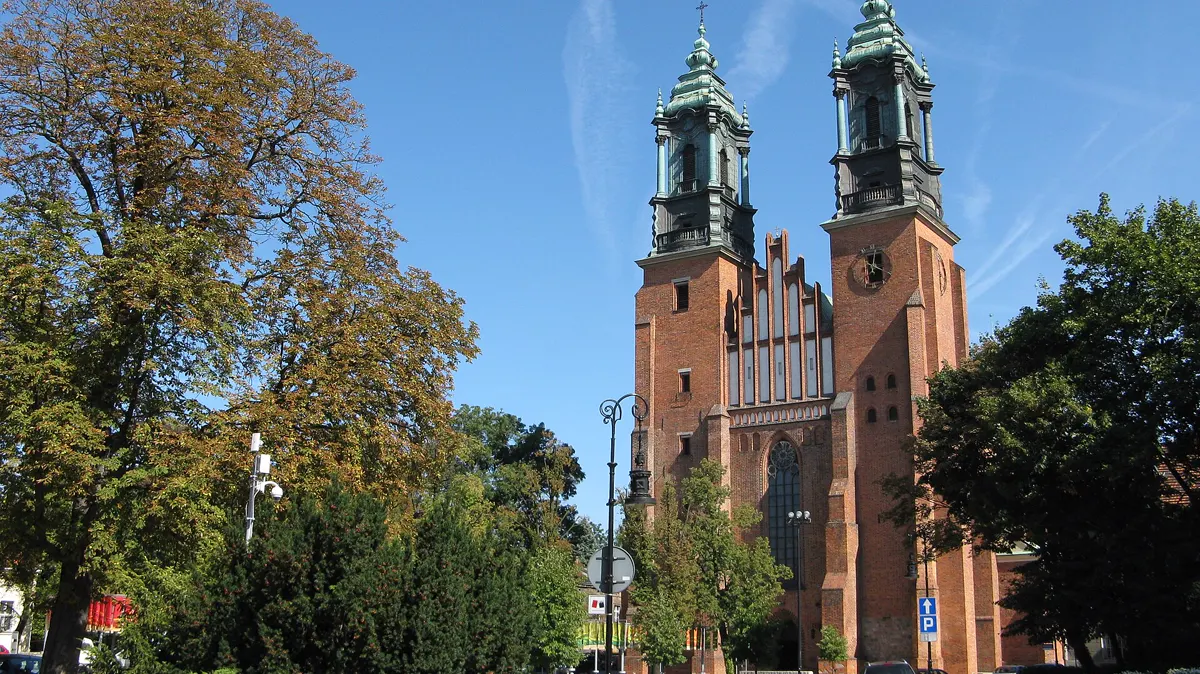
Katedra
The Archcathedral Basilica of St Peter and St Paul is Poland's oldest cathedral, first raised in the 10th century. Its Golden Chapel holds the tombs of the first Polish rulers Mieszko I and Boleslaw Chrobry.
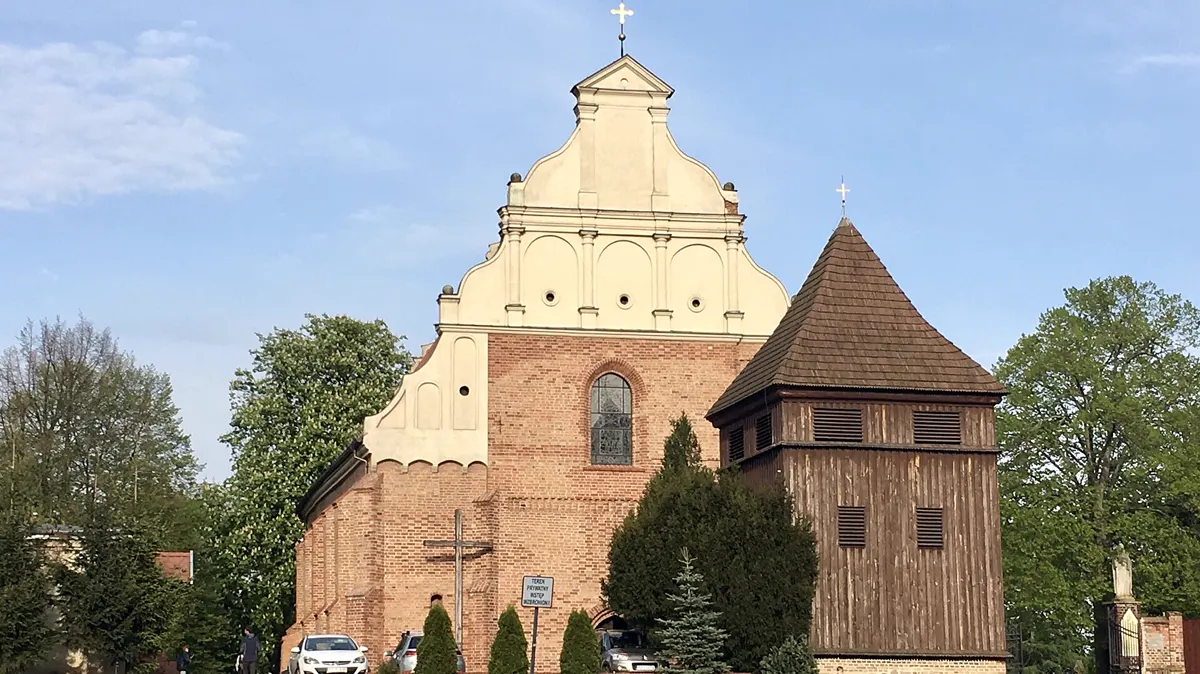
Church of St. Adalbert and the Poznań Skałka Crypt
A 15th-century Gothic church on St. Adalbert's Hill in Poznań, whose vaults hold a memorial crypt for leading figures of the city and Greater Poland.
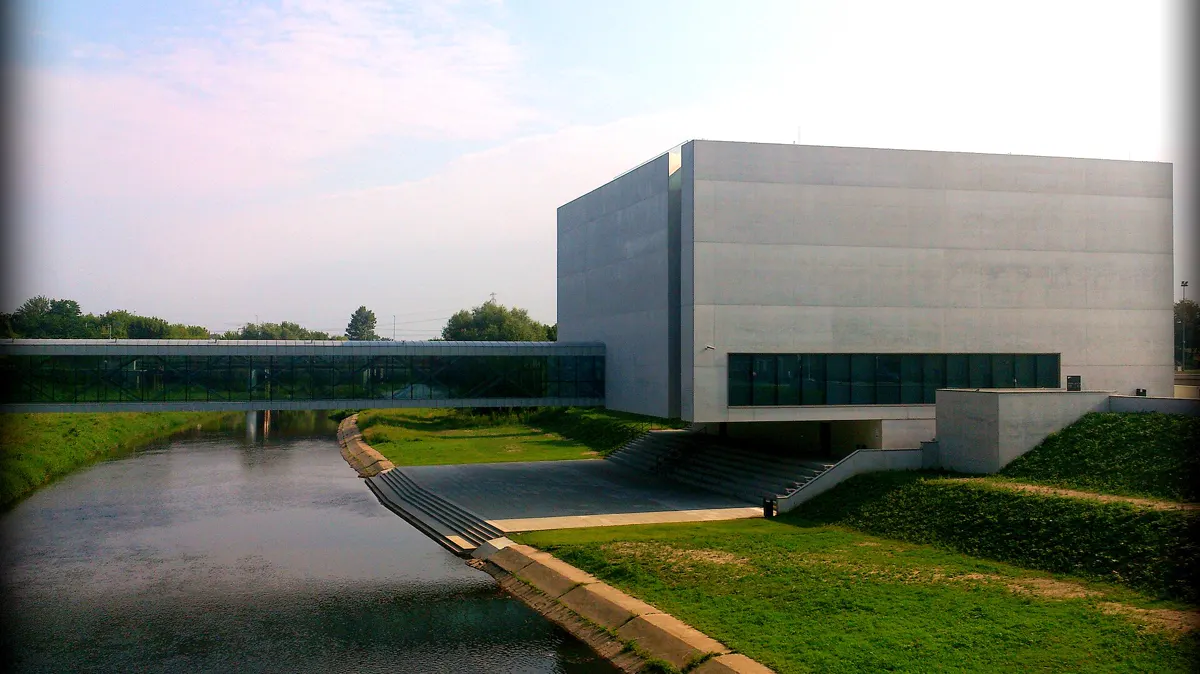
Brama Poznania
A modern interactive heritage centre that tells the story of Ostrow Tumski and the beginnings of the Polish state. Its concrete cube is linked to the island by a footbridge over the Cybina river.
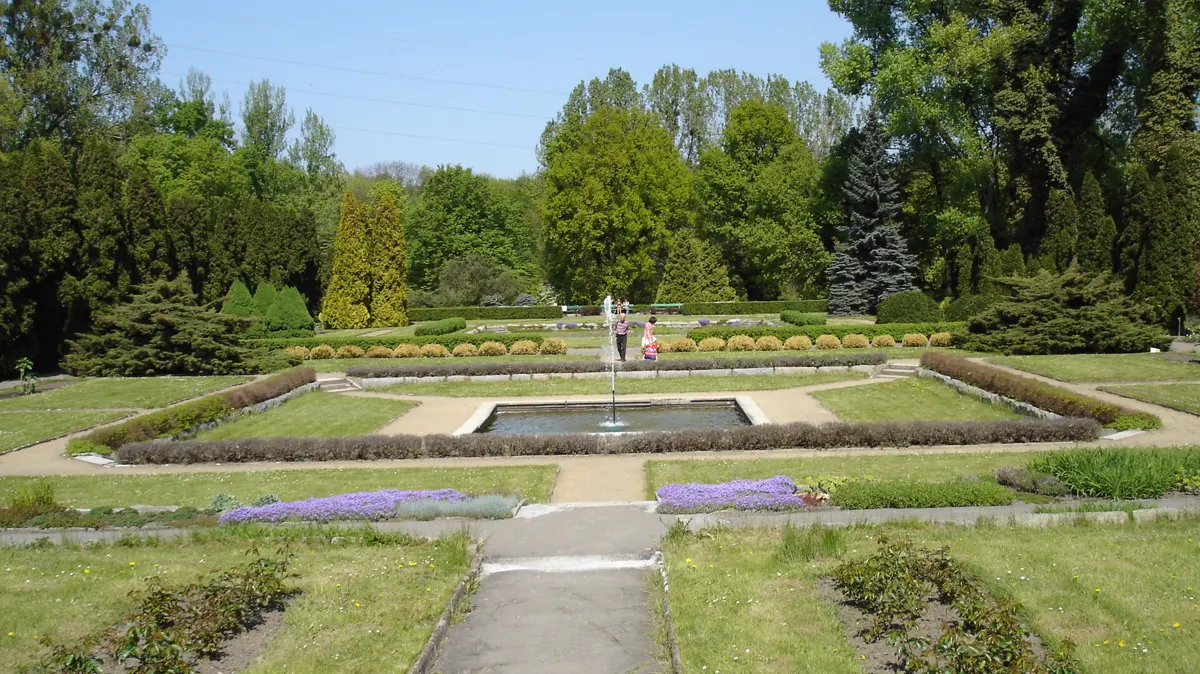
Adam Mickiewicz University Botanical Garden
A 22-hectare university botanical garden in Poznań's Ogrody district, home to around 7,000 plant taxa across roughly ten themed sections and free to walk.
More to explore in Poznań
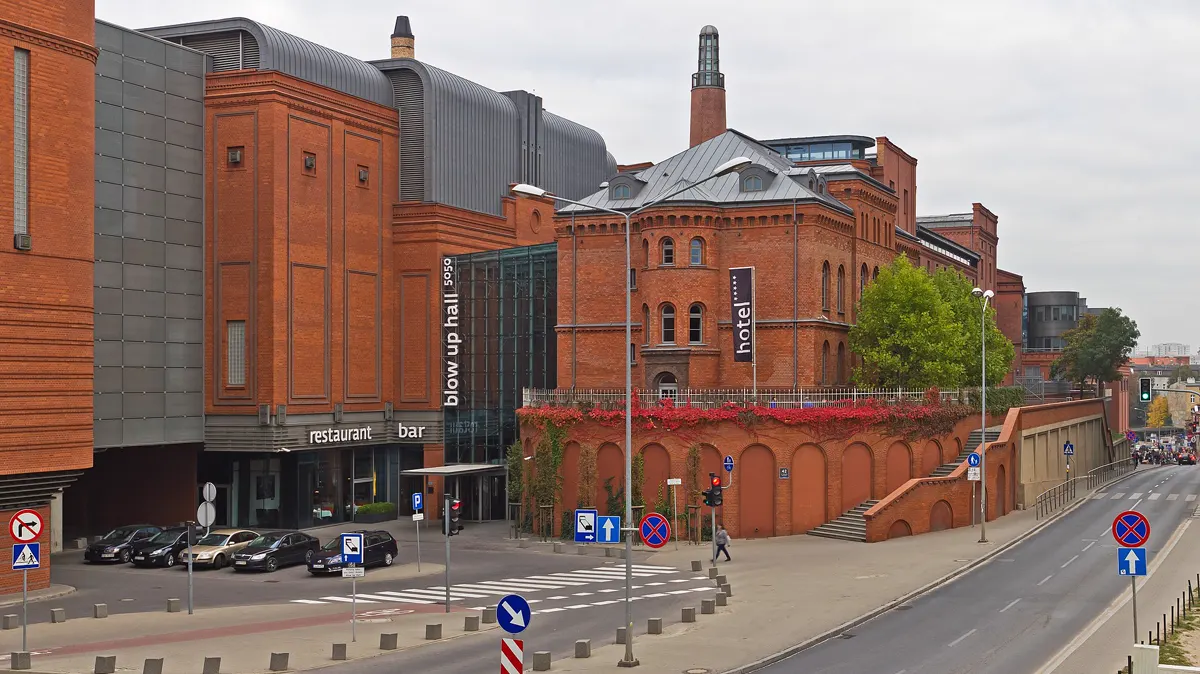
Hotel
Blow Up Hall 5050
A striking art-design hotel inside the Stary Browar complex, with keyless art-app rooms.
Nature
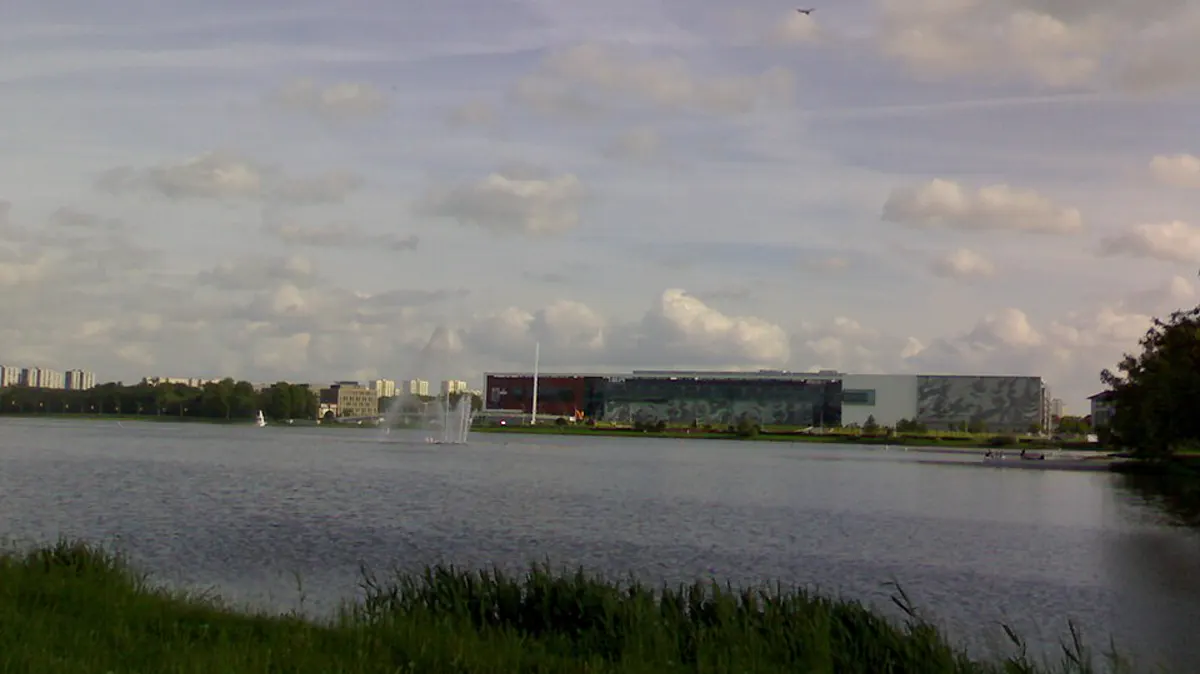
Lake Malta
A long artificial lake close to the centre, lined with trails, a ski slope and a summer resort.
Restaurant
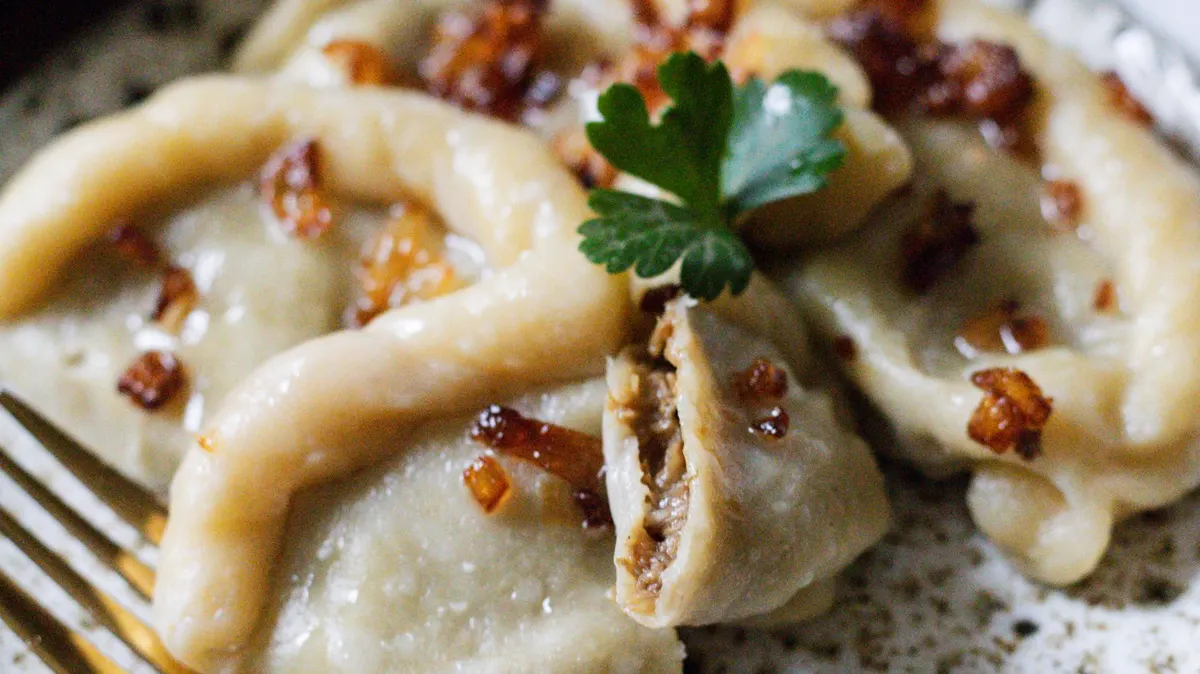
Bamberka
A handsome restaurant right on the Old Market Square serving Greater Poland classics.
Restaurant
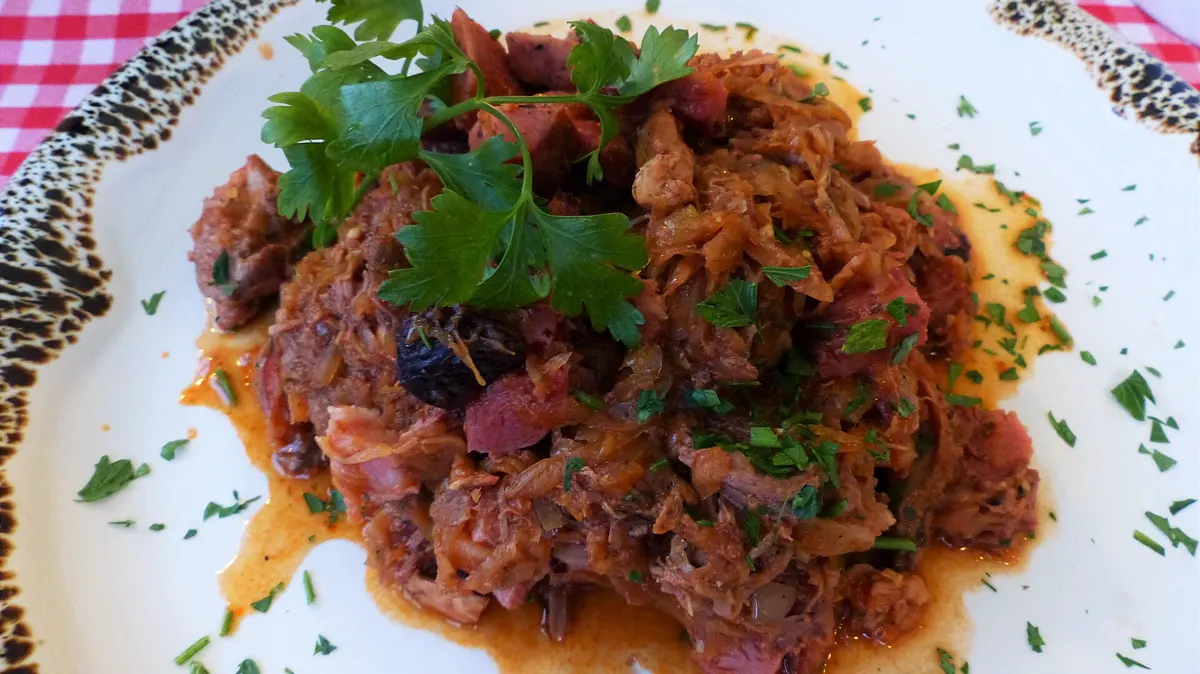
Ratuszova
A vaulted cellar on the square, a long-standing choice for hearty regional plates.

Restaurant
Whiskey in the Jar
A grill and drinks bar off the Old Town known for ribs, whisky and cocktails in a rock-tinged room. Good for a livelier evening.
Hotel
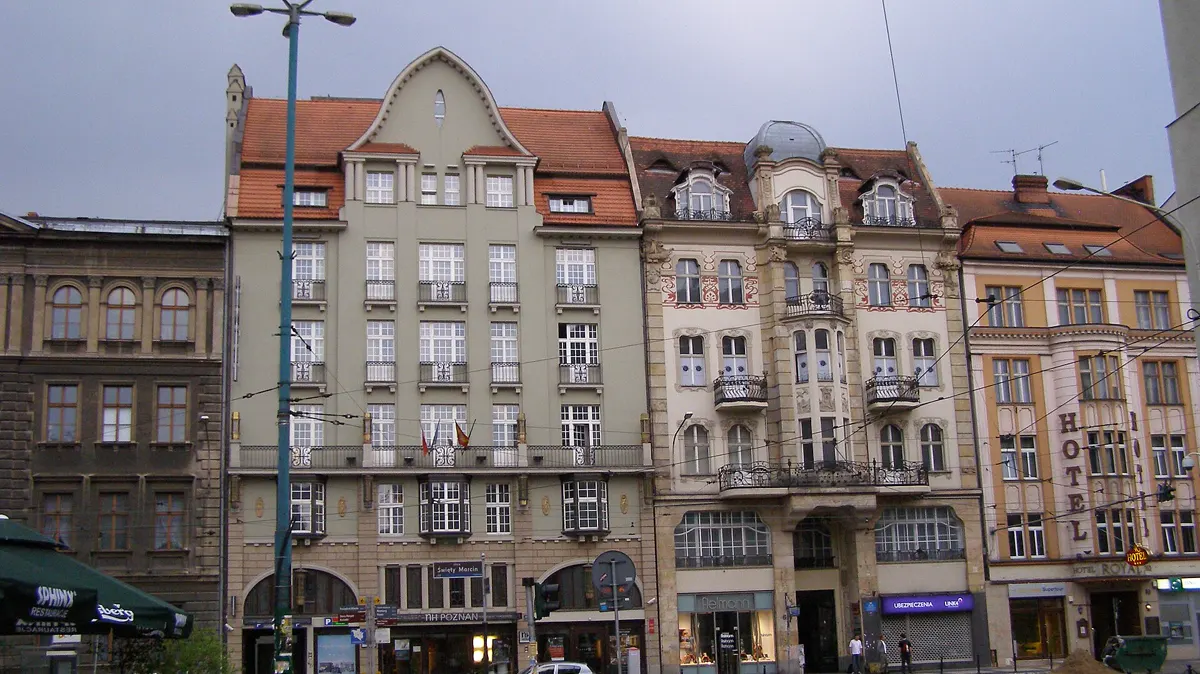
NH Poznan
A four-star hotel on Swiety Marcin in a 1910 Art Nouveau tenement, run by the NH Hotel Group, with a restaurant, Winter Garden and spa a short walk from the Imperial Castle.