Attractions
Attractions in Poland
The sights worth building a day around.
Poland's attractions run from the medieval market squares of Krakow and Wroclaw to the Wieliczka Salt Mine, the memorial at Auschwitz-Birkenau and the Teutonic castle at Malbork. Each page below covers what the place is, how long to spend and how to get there, grouped by city.
All Attractions in Poland
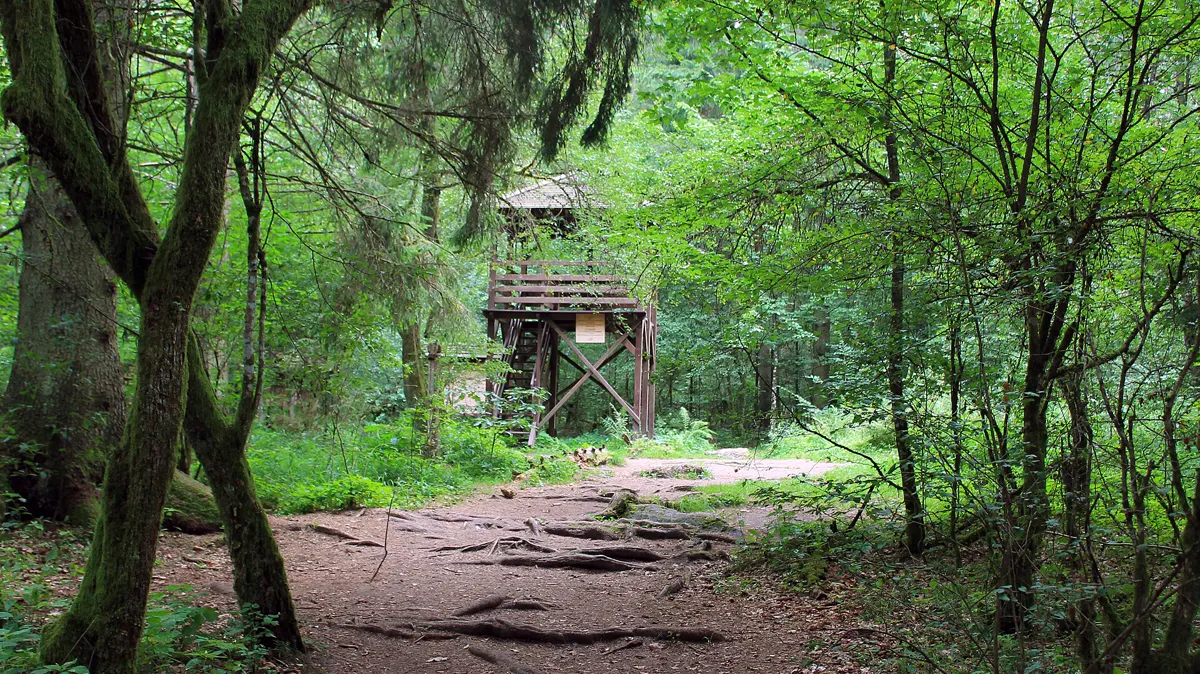
Białowieża
Place of Power (Miejsce Mocy)
A forest clearing with an arrangement of stones a few kilometres from Białowieża, tied by local tradition to old pagan worship and visited for its quiet, folklore-tinged atmosphere.
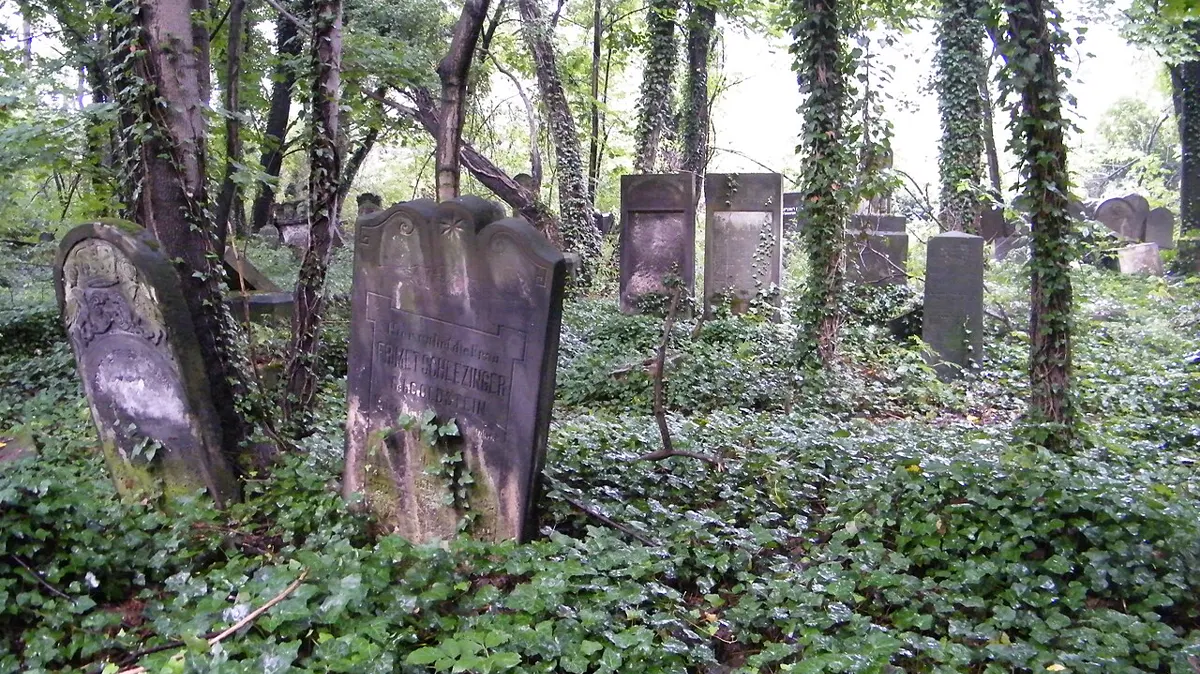
Częstochowa
Jewish Cemetery in Częstochowa
One of the largest Jewish cemeteries in Poland, founded around 1799 on ul. Złota, with thousands of surviving tombstones now overgrown by forest.
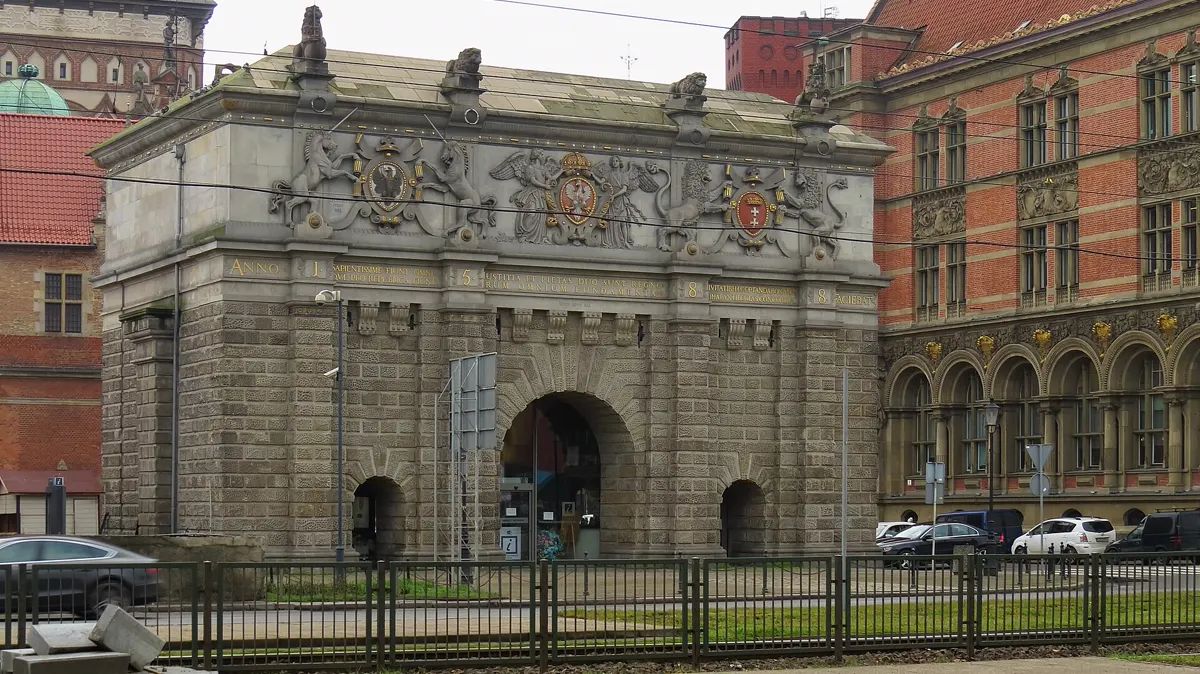
Gdańsk
Upland Gate (Brama Wyzynna)
A Renaissance gate from the late 16th century that marks the ceremonial start of Gdansk's Royal Route into the Main Town, carrying the carved coats of arms of Poland, Prussia and Gdansk.
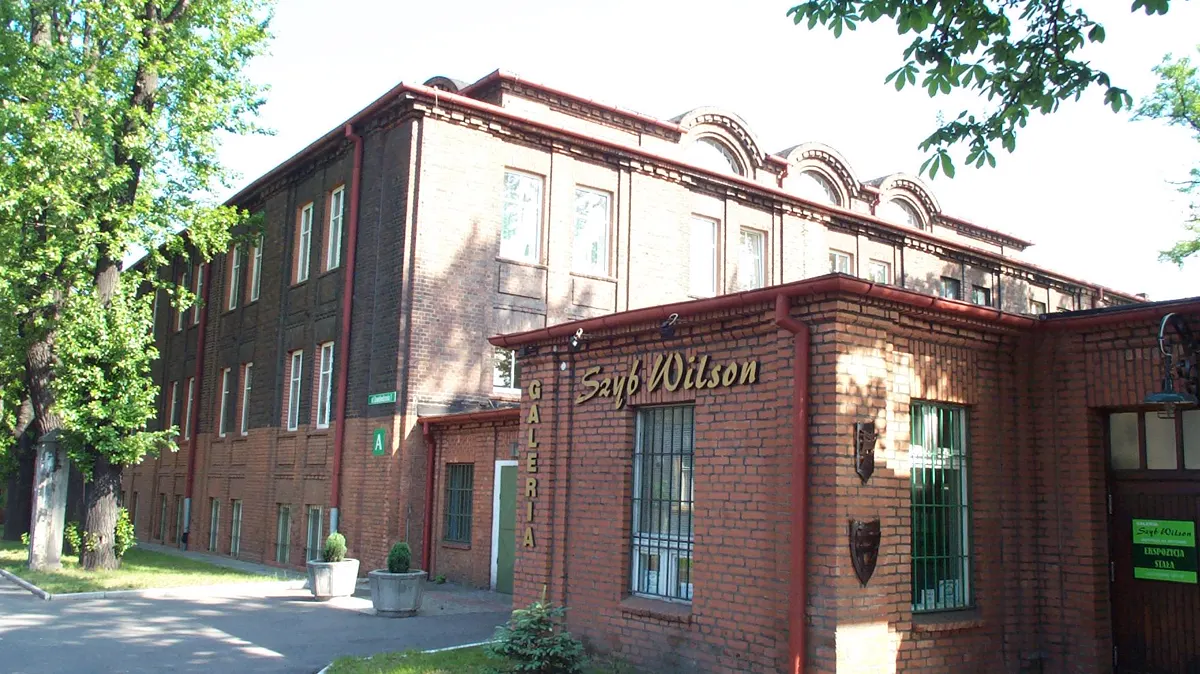
Katowice
Wilson Shaft Gallery (Galeria Szyb Wilson)
Wilson Shaft Gallery is a large private contemporary art gallery set inside the former buildings of the Wilson coal mine near Nikiszowiec in Katowice.
Kraków
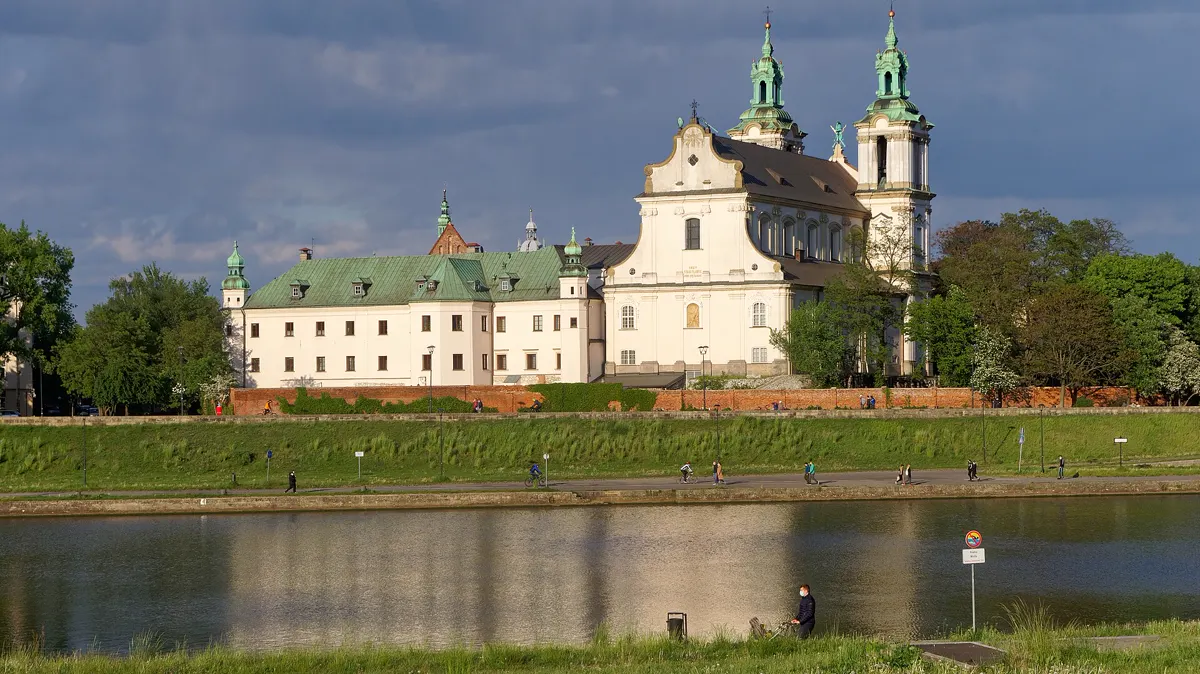
Skałka (Church on the Rock)
A Baroque Pauline church on Skałeczna Street in Kazimierz, built on the spot linked to the killing of Bishop Stanislaus in 1079, with a crypt that serves as a national pantheon for eminent Poles.
Łódź
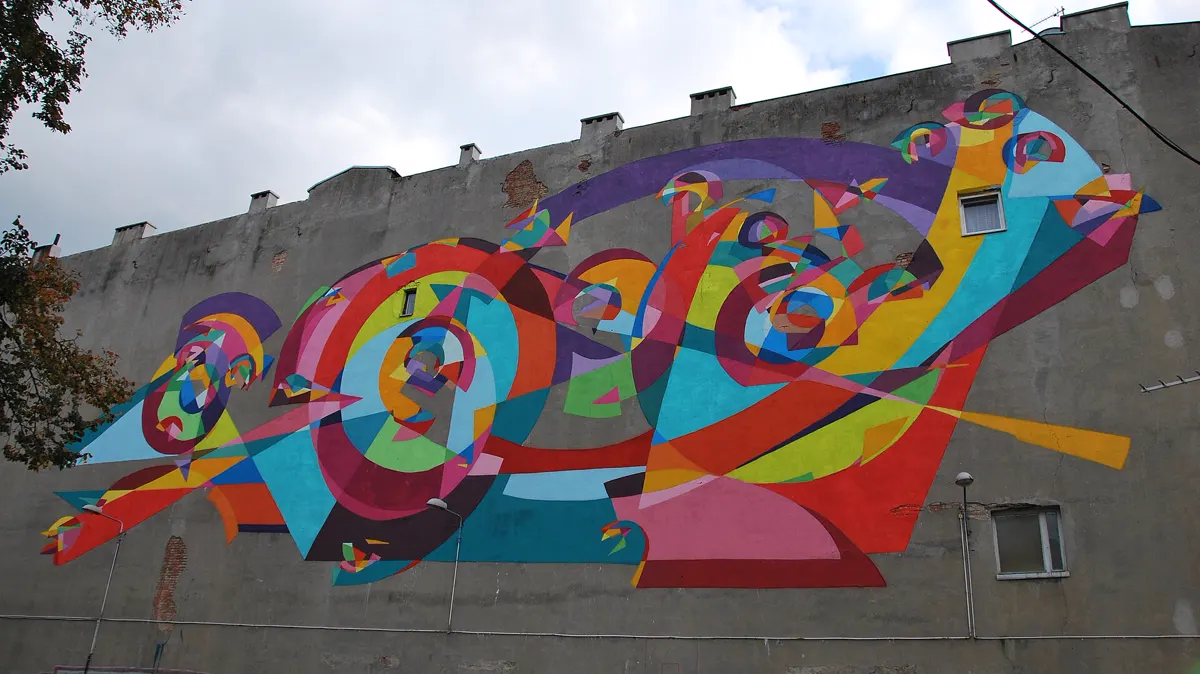
Łódź Murals (Urban Forms Gallery)
Łódź holds the largest open-air mural gallery in Poland, with big-scale artworks painted across the walls of more than 170 buildings by Polish and international artists.
Olsztyn
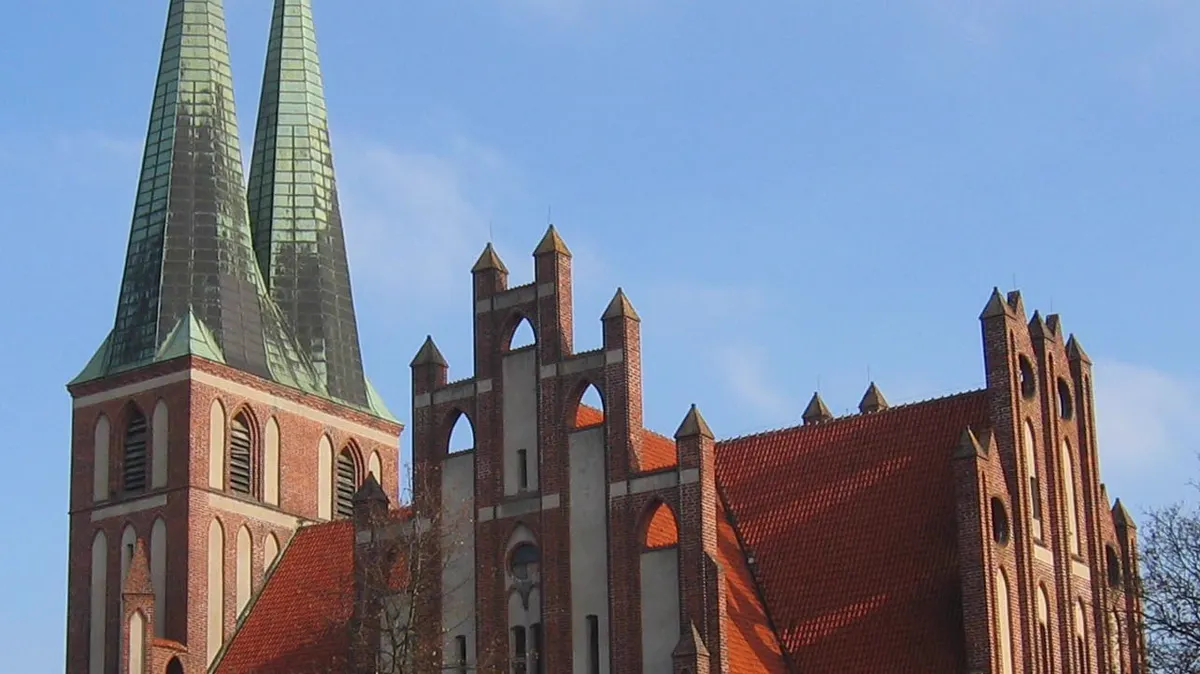
Garrison Church of Our Lady Queen of Poland
Olsztyn's military garrison church, an early 20th-century Neo-Gothic brick building known for its tall red-brick tower and its organ from an Elbląg workshop.
Poznań
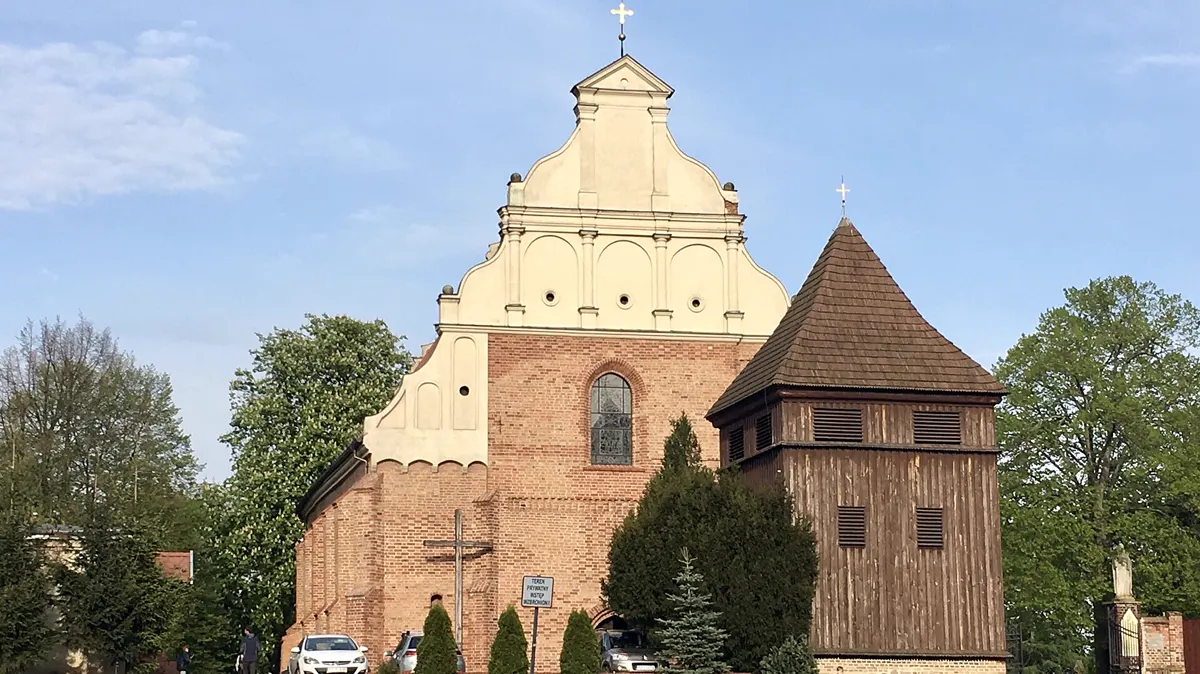
Church of St. Adalbert and the Poznań Skałka Crypt
A 15th-century Gothic church on St. Adalbert's Hill in Poznań, whose vaults hold a memorial crypt for leading figures of the city and Greater Poland.
Toruń
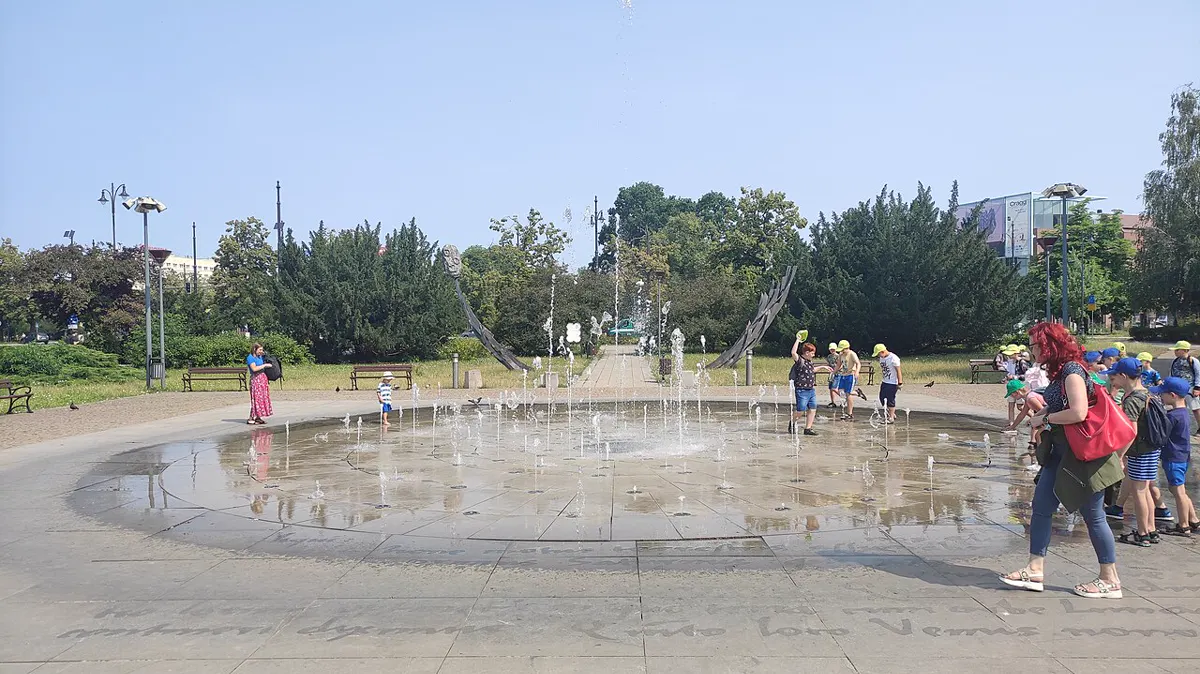
Cosmopolis Fountain
A modern multimedia fountain on Rapacki Square in Toruń, opened in 2008, where evening shows set water, coloured light and music to a design inspired by planetary orbits and the city's astronomer Copernicus.
Warsaw
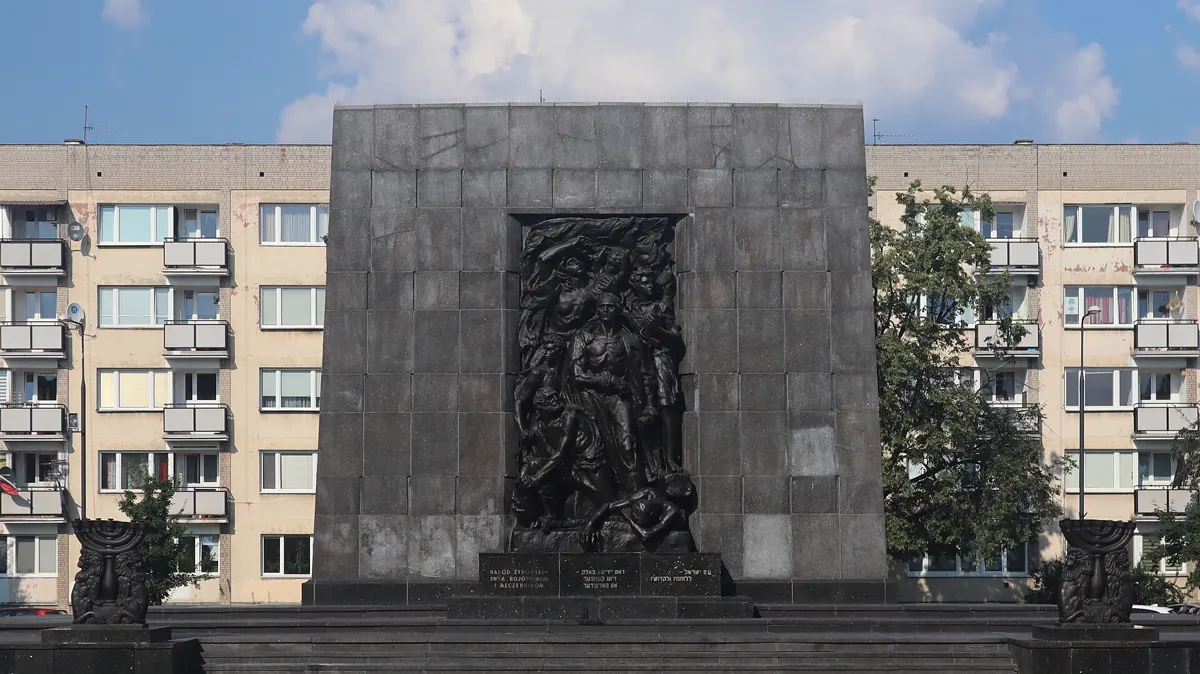
Ghetto Heroes Monument
A 1948 memorial in Warsaw's Muranow district honouring the Jews who fought and died in the 1943 Warsaw Ghetto Uprising, and the site of Willy Brandt's famous 1970 gesture of contrition.
Wrocław
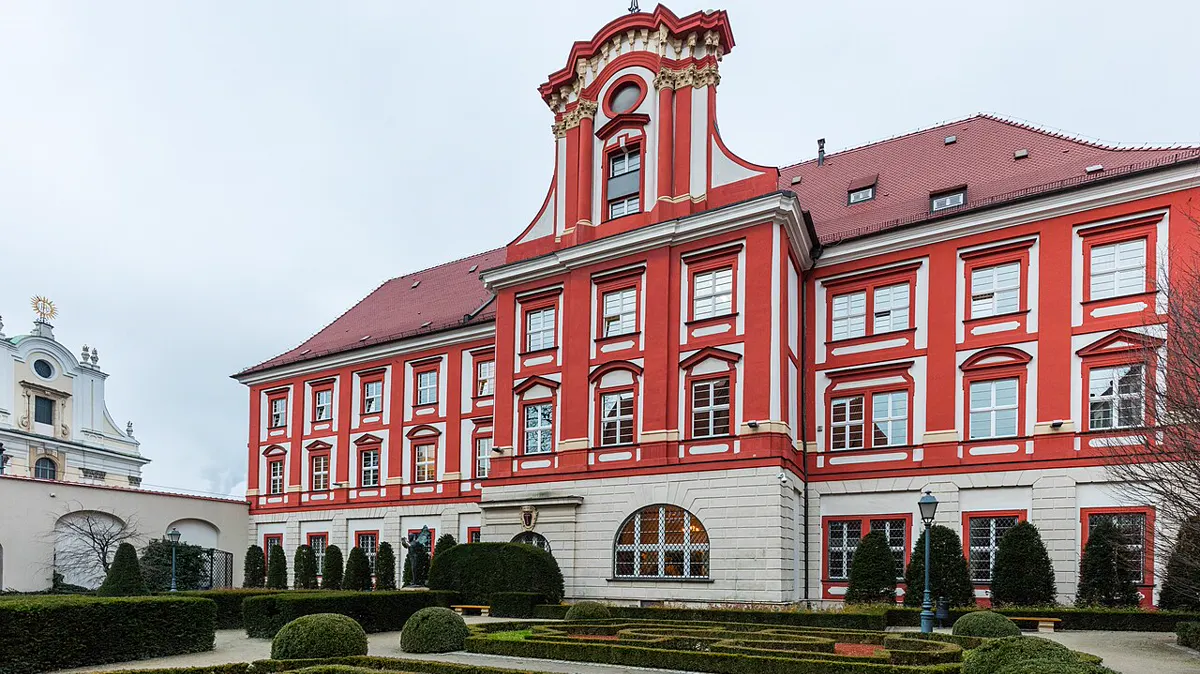
Ossolineum (Ossolinski National Institute)
The Ossolineum is one of Poland's most important national libraries and cultural institutes, holding millions of rare manuscripts, early printed books and archives inside a former Baroque monastery in Wroclaw.
Zakopane
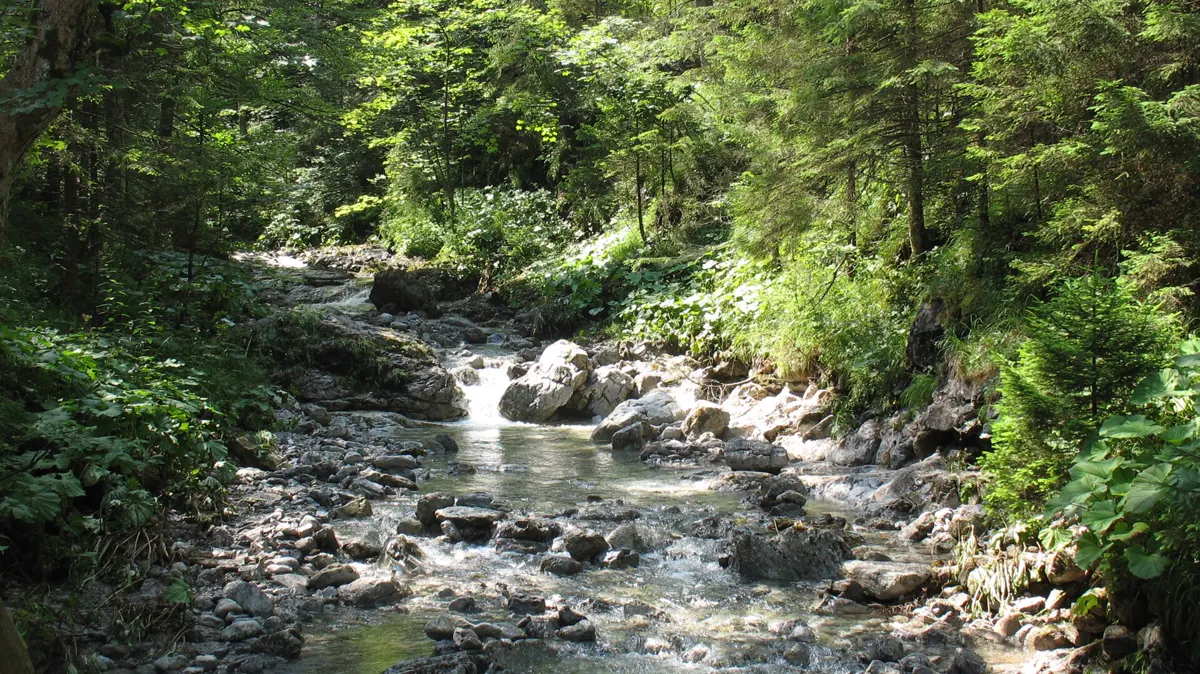
Bialego Valley (Dolina Bialego)
A short forested valley on the southern edge of Zakopane, where an easy trail follows the Biały Stream across small wooden footbridges into the Tatra National Park.
Poland fits a lot into one country: medieval market squares, a salt mine carved into underground chapels, the memorial at Auschwitz-Birkenau, mountain trails and a long Baltic coast. Seventeen places hold UNESCO World Heritage status, and most of the headline attractions cluster around the cities you are likely to base yourself in, so a first trip rarely means long transfers.
Top attractions in Krakow, Warsaw and Gdansk
Krakow has the densest cluster: the Main Market Square, laid out in 1257 and among the largest medieval squares in Europe, the underground Wieliczka Salt Mine, and the Auschwitz-Birkenau Memorial within a day trip. Warsaw rebuilt its Old Town from wartime rubble, Gdansk lines the Motlawa with tall merchant houses, and Wroclaw and Torun keep intact Gothic centres. The mountains around Zakopane and the lakes of Masuria add the outdoor side.
Top places to visit on a first trip
Group attractions by the city you are staying in rather than chasing them across the map. Krakow, Warsaw and Gdansk each reward two or three days and put more sights within an easy day trip. For the classic sights that define the country, see the best viewpoints and our city guides.
Do you need to book tickets in advance
The busiest sites use timed entry, so book Wieliczka and the Auschwitz-Birkenau Memorial ahead, especially in summer. Many state museums have one free day a week. Tickets are good value by European standards; our note on costs in Poland has the typical prices.
Attractions by city
Travel guides
Krakow Golf Cart Tours: The Four Routes, Compared
Four electric cart routes cover the Old Town, Kazimierz, the ghetto in Podgorze and Schind...
Best Castles in Poland
From the Teutonic fortress at Malbork to the royal seats at Wawel and Warsaw, the Polish c...
3 Days in Krakow
A practical three-day plan for Krakow, pairing the Old Town and Wawel with Kazimierz and o...
Things to Do in Krakow
The sights, neighbourhoods and day trips that make Krakow worth several days, ranked by ho...